- Details
- Category: Celebrity Birthdays - October
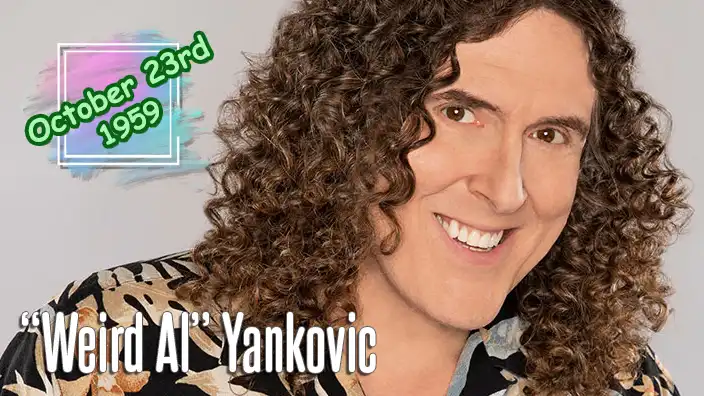
"Weird Al" Yankovic has accomplished something extraordinary in the music industry: he's made a fortune rewriting other people's hit songs about food, television, bad grammar, and questionable personal hygiene. Armed with an accordion, an outrageous imagination, and enough Hawaiian shirts to frighten a tropical resort manager, this five-time Grammy Award winner has turned musical mischief into a spectacular career. While other performers sing about love and heartbreak, Weird Al prefers more important subjects, such as overeating, Amish lifestyles, and the dangers of being hopelessly nerdy. And somehow, he's made the whole world sing along!
 October 23, 1959, in Downey, California

Trivia
- He graduated from high school as valedictorian.
- He earned a university degree in architecture.
- He recorded "My Bologna" in a college restroom.
- He has won five Grammy Awards.
- Daniel Radcliffe portrayed him in his 2022 comedy biopic.
- Details
- Category: Celebrity Birthdays - October
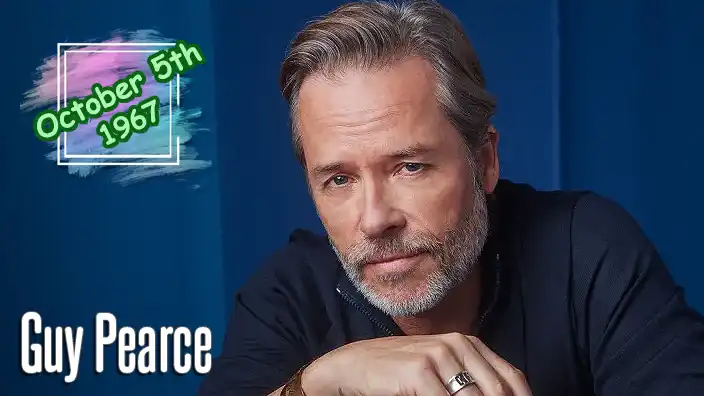
Guy Pearce has spent decades demonstrating that the fellow from Neighbours could become almost anybody Hollywood required, provided nobody expected him to remain the same person for very long. From a drag performer crossing the Australian Outback to an obsessive detective, a man unable to make new memories and a wealthy industrialist of alarming proportions, Pearce has built a career around transformation rather than comfortable repetition.
October 5, 1967, in Ely, England
Trivia
- He competed in amateur bodybuilding as a teenager.
- His bus in Priscilla was named Priscilla.
- Leonard's tattoos are central to Memento.
- He won an Emmy for Mildred Pierce.
- Pearce is also a singer and songwriter.
- The Brutalist brought his first Oscar nomination.
- Details
- Category: Celebrity Birthdays - October
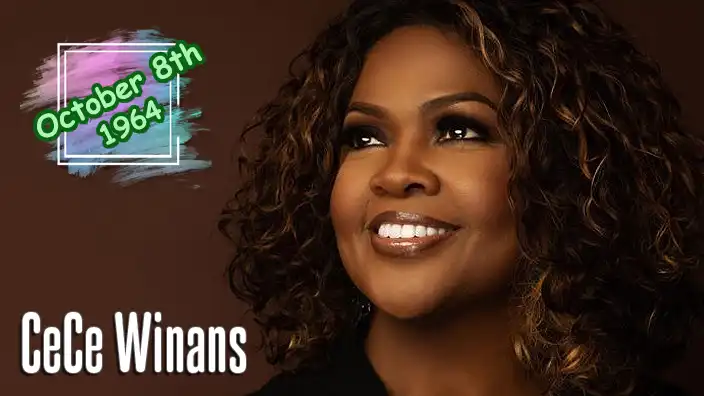
CeCe Winans was born into a family so musical that a quiet evening at home may have required advance planning. From her celebrated partnership with brother BeBe Winans to a remarkable solo career, she became one of gospel music’s most successful and honored performers, combining a powerful voice with songs of faith that have reached audiences far beyond traditional gospel music.
 October 8, 1964, in Detroit, Michigan
Trivia
- She first became widely known as half of BeBe & CeCe Winans.
- Her solo debut was Alone in His Presence.
- Whitney Houston was a close friend.
- Winans co-founded Nashville Life Church with her husband.
- She is one of gospel music’s most awarded female performers.
- Details
- Category: Celebrity Birthdays - October
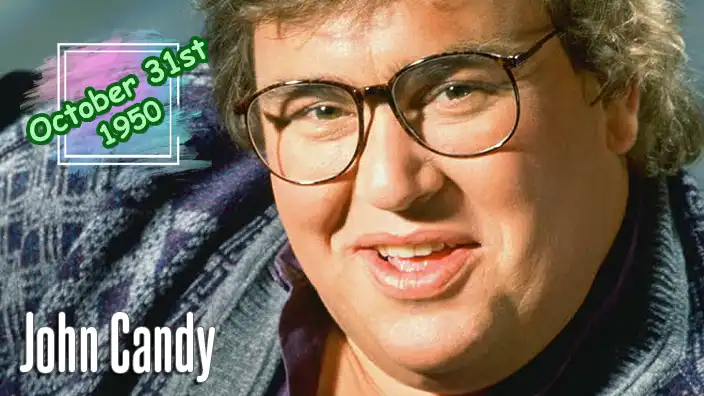
John Candy could make audiences laugh with a raised eyebrow, an awkward smile, or the simple act of squeezing himself into an airplane seat. The beloved Canadian comedian gave us unforgettable performances in Planes, Trains and Automobiles, Uncle Buck, and Cool Runnings, proving that a big heart and impeccable comic timing were a winning combination. Hollywood has produced plenty of funny people, but very few could make being stranded in a motel room with Steve Martin quite so entertaining.
October 31, 1950, in Newmarket, Canada
 March 4, 1994, in Durango, Mexico
Trivia
- Won two Primetime Emmy Awards for SCTV writing.
- Played Barf, the half-man, half-dog character in Spaceballs.
- Improvised much of his memorable Home Alone appearance.
- Co-owned the Toronto Argonauts with Wayne Gretzky and Bruce McNall.
- Inducted into Canada's Walk of Fame in 1998.
- Details
- Category: Celebrity Birthdays - October
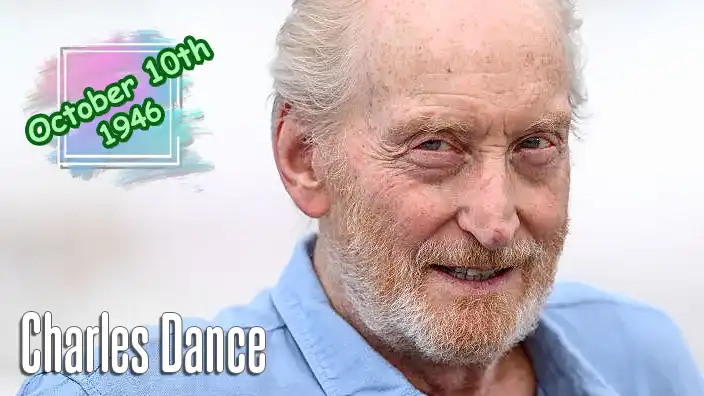
Charles Dance has perfected the art of making audiences nervous simply by raising an eyebrow. Whether commanding the Lannister family in Game of Thrones, intimidating officials in The Imitation Game, or portraying aristocrats with questionable intentions, the distinguished English actor can deliver a threat with such impeccable manners that his victims might feel obliged to thank him. With that magnificent voice and commanding presence, he could probably make reading a parking ticket sound like a royal proclamation.
October 10, 1946, in Redditch, England
Trivia
- He originally trained in graphic design.
- He joined the Royal Shakespeare Company in 1975.
- He played a Bond villain's henchman in For Your Eyes Only.
- He wrote and directed Ladies in Lavender.
- He portrayed Lord Mountbatten in The Crown.
- He received an OBE for services to drama in 2006.
- Details
- Category: Celebrity Birthdays - October
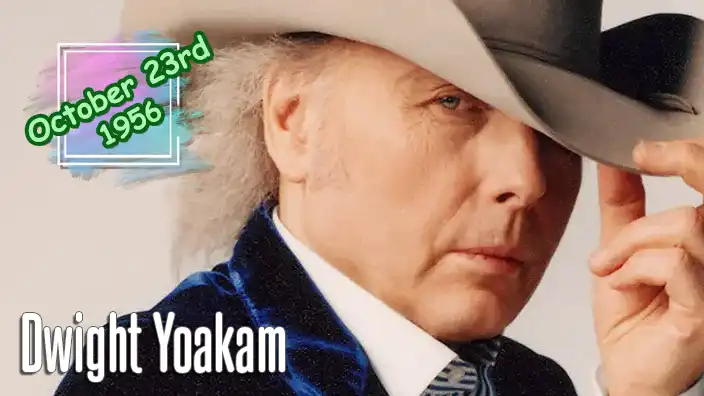
Dwight Yoakam has spent his career proving that a cowboy hat, a guitar, and a healthy disregard for Nashville's rulebook can take a fellow a very long way. With his unmistakable Kentucky twang, skin-tight jeans, and enough heartbreak songs to make a jukebox seek counseling, this country music rebel brought honky-tonk roaring back into fashion. When he wasn't topping the charts, he was appearing in Hollywood movies, often playing characters you wouldn't particularly want moving in next door. Not bad for a country boy who was once told his music didn't fit in!
October 23, 1956, in Pikeville, Kentucky
Trivia
- Nashville initially rejected his traditional country sound.
- He began attracting fans by performing in Los Angeles punk clubs.
- His duet with Buck Owens, "Streets of Bakersfield," reached number one.
- He has won two Grammy Awards.
- He played the villainous Doyle Hargraves in Sling Blade.
- He wrote, directed, and starred in South of Heaven, West of Hell.
- Details
- Category: Celebrity Birthdays - October
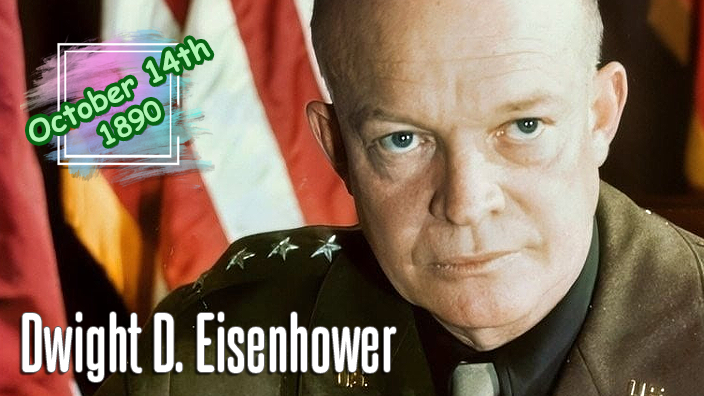
Dwight D. Eisenhower had a rather unusual career path: first, he helped defeat Nazi Germany, and then he decided that running the United States might be an interesting change of pace. Known affectionately as "Ike," this five-star general and 34th American president commanded enormous armies, navigated Cold War tensions, and helped build the Interstate Highway System. Apparently, after organizing the liberation of Western Europe, he thought Americans deserved a decent road trip.
October 14, 1890, in Denison, Texas
March 28, 1969, at Walter Reed Army Medical Center in Washington, D.C.
Trivia
- He graduated first in his 1926 Army staff college class.
- He never served in overseas combat during World War I.
- He was one of America's five-star generals.
- He loved golf and enjoyed painting.
- His presidency saw Alaska and Hawaii become states.
- His 1952 campaign popularized "I Like Ike."
- Details
- Category: Celebrity Birthdays - October
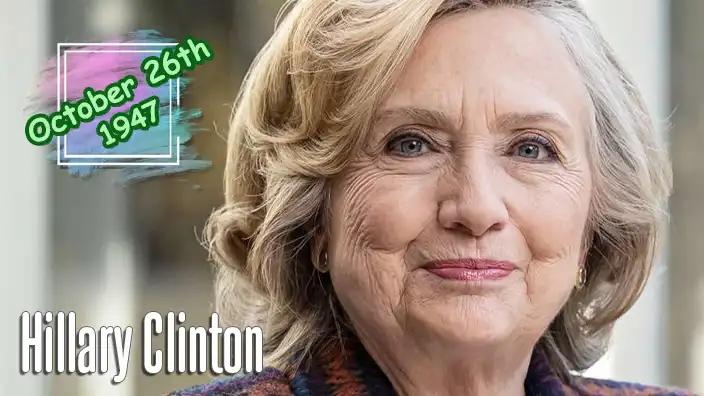
Hillary Clinton has been a First Lady, U.S. Senator, Secretary of State, and presidential nominee, proving that some people simply refuse to settle for an ordinary office job. From the White House to Capitol Hill and diplomatic meetings around the world, she has spent decades in American public life, collecting historic firsts, political victories, controversies, and enough paperwork to keep an entire congressional committee occupied until Christmas.
October 26, 1947, in Chicago, Illinois
Trivia
- She was Wellesley's first student commencement speaker.
- She met Bill Clinton at Yale Law School.
- She was the first First Lady elected to the U.S. Senate.
- She visited 112 countries as Secretary of State.
- She became the first female presidential nominee of a major U.S. party.
- She received the Presidential Medal of Freedom in 2025.
- Details
- Category: Celebrity Birthdays - October
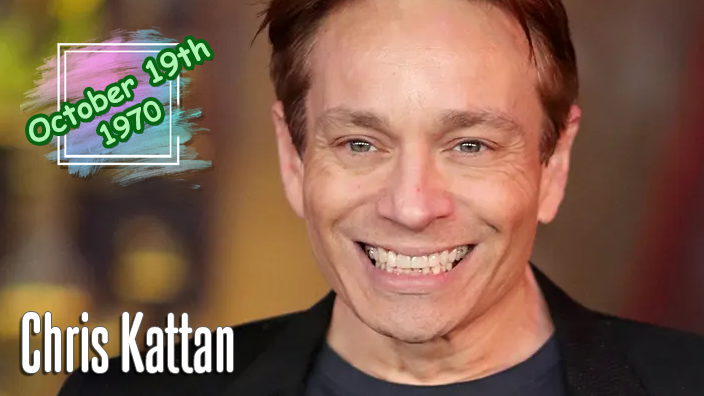
Chris Kattan made television history by playing a hyperactive monkey-man, an irresistible dancer named Mango, and a nightclub enthusiast who apparently believed that romance began with vigorous head-bobbing. As one of Saturday Night Live's most memorable comedians, he demonstrated that a complete disregard for dignity could become a successful career. Alongside Will Ferrell, he even turned repeatedly nodding to "What Is Love?" into a Hollywood movie. Somewhere, a chiropractor is still shaking his head.
October 19, 1970, in Culver City, California
Trivia
- His father, Kip King, was a comedian and actor.
- He grew up partly in a Buddhist mountain community.
- He trained with The Groundlings comedy troupe.
- Mango was one of his most famous SNL characters.
- He played Buck Dharma in the "More Cowbell" sketch.
- Details
- Category: Celebrity Birthdays - October
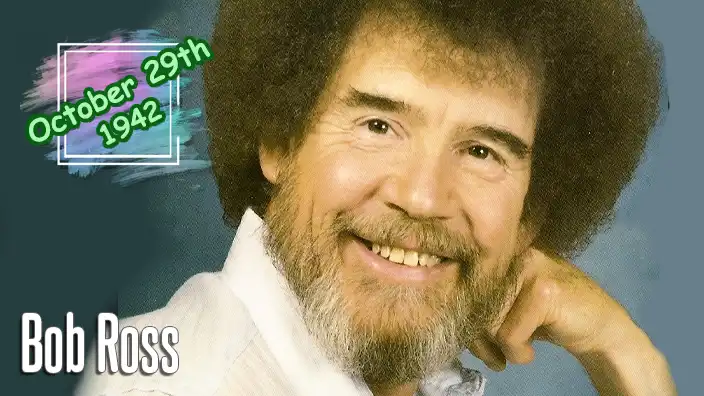
Bob Ross could turn a blank canvas into a peaceful mountain landscape in thirty minutes, armed with little more than a paintbrush, a palette knife, and the world's most reassuring voice. Famous for his happy little trees, fluffy clouds, and cheerful accidents, he convinced millions that anyone could paint. He also proved that beating a paintbrush senseless was perfectly acceptable, provided you smiled while doing it.
October 29, 1942, in Daytona Beach, Florida
July 4, 1995, in Orlando, Florida
Trivia
- He served 20 years in the U.S. Air Force.
- He retired with the rank of master sergeant.
- He lost part of his left index finger in childhood.
- His famous curly hairstyle was originally a money-saving decision.
- The Joy of Painting ran for 31 seasons.
- He often featured rescued squirrels on his show.
- Details
- Category: Celebrity Birthdays - October
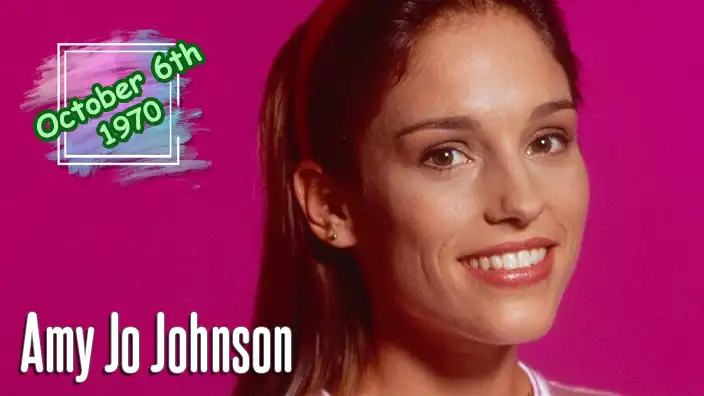
Amy Jo Johnson became famous wearing pink, commanding a Pterodactyl Dinozord and helping save Angel Grove from monsters who apparently had nothing better to do on weekday afternoons. But the original Pink Ranger went considerably further, building a career as an actress, musician, writer and filmmaker while discovering that life after spandex can be surprisingly productive.
October 6, 1970, in Hyannis, Massachusetts
Trivia
- She played the original Pink Ranger.
- She is also a singer and songwriter.
- She played Julie Emrick on Felicity.
- She played Jules Callaghan on Flashpoint.
- She became a Canadian citizen in 2015.
- She later became a writer and film director.
- Details
- Category: Celebrity Birthdays - October
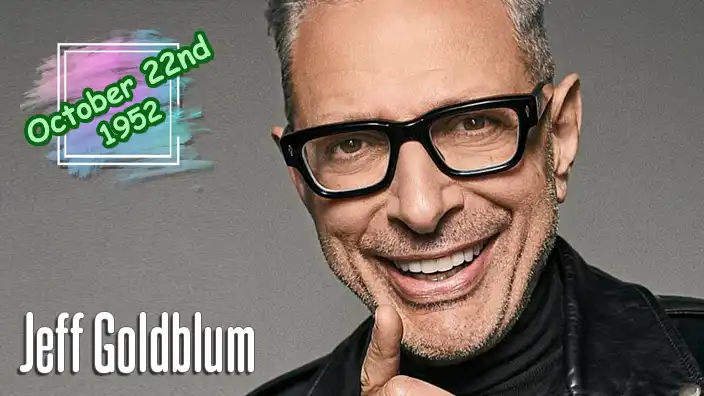
Jeff Goldblum has spent his extraordinary acting career proving that dinosaurs, alien invasions, and unfortunate scientific experiments are no match for a raised eyebrow and a perfectly timed pause. Best known for Jurassic Park, The Fly, and Independence Day, this wonderfully unconventional Hollywood star has entertained generations with his distinctive voice, unpredictable humor, and an almost supernatural ability to make scientific nonsense sound perfectly reasonable. He's survived prehistoric predators, extraterrestrial attackers, and transformation into a giant insect. Frankly, the man deserves a very long vacation somewhere without a laboratory.
October 22, 1952, in the Pittsburgh, Pennsylvania
Trivia
- He studied acting under Sanford Meisner.
- His film debut was in Death Wish (1974).
- He won a Saturn Award for The Fly.
- He directed the Oscar-nominated Little Surprises.
- He received a Hollywood Walk of Fame star in 2018.
- He leads the Mildred Snitzer Orchestra.
- Details
- Category: Celebrity Birthdays - October
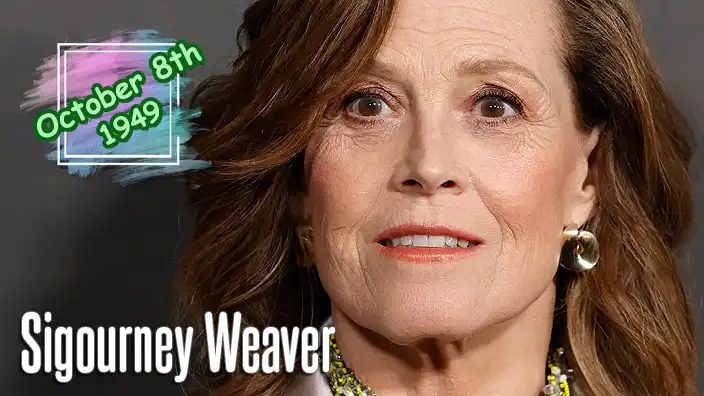
Sigourney Weaver has faced murderous aliens, possessed apartment buildings, enormous gorillas, ruthless corporate executives and the occasional completely hopeless group of space adventurers. Somehow, she usually manages to look as though everyone else should simply calm down and let her handle it. From Ellen Ripley in Alien to the spectacularly exasperated Gwen DeMarco in Galaxy Quest, Weaver has built a career around intelligence, authority and the useful ability to make even the impossible seem like merely another difficult day at work.
October 8, 1949, in Manhattan, New York City
Trivia
- Weaver graduated from Stanford University.
- She earned a master’s degree from the Yale School of Drama.
- Her appearance in Annie Hall lasted only a few seconds.
- Ellen Ripley earned Weaver her first Oscar nomination.
- She received two acting Oscar nominations in the same year.
- She really made Ripley’s backwards basketball shot in Alien: Resurrection.
- Details
- Category: Celebrity Birthdays - October
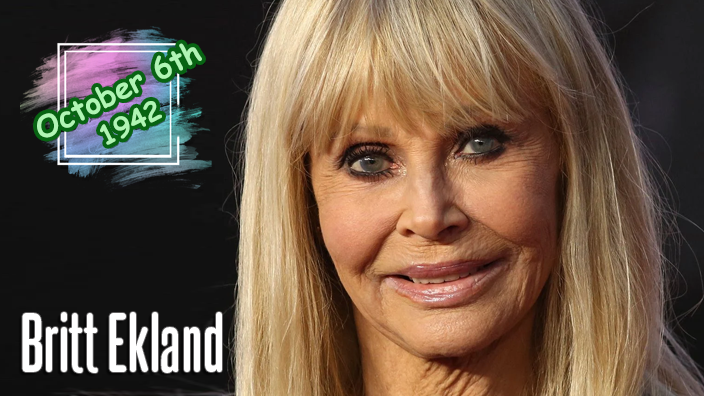
Britt Ekland brought Swedish glamour, a mischievous screen presence and an impressive ability to survive James Bond’s particular brand of workplace chaos to international cinema. From Get Carter and The Wicker Man to playing Mary Goodnight opposite Roger Moore in The Man with the Golden Gun, Ekland became one of the most recognizable European actresses of the 1960s and 1970s — and considerably more than simply another beautiful blonde standing beside 007.
October 6, 1942, in Stockholm, Sweden
Trivia
- She once hoped to become a veterinarian.
- She married Peter Sellers in 1964.
- She played Willow in The Wicker Man.
- Mary Goodnight was her James Bond role.
- She became friends with fellow Bond actress Maud Adams.
- She contributed spoken French to Rod Stewart's “Tonight's the Night.”
- Details
- Category: Celebrity Birthdays - October
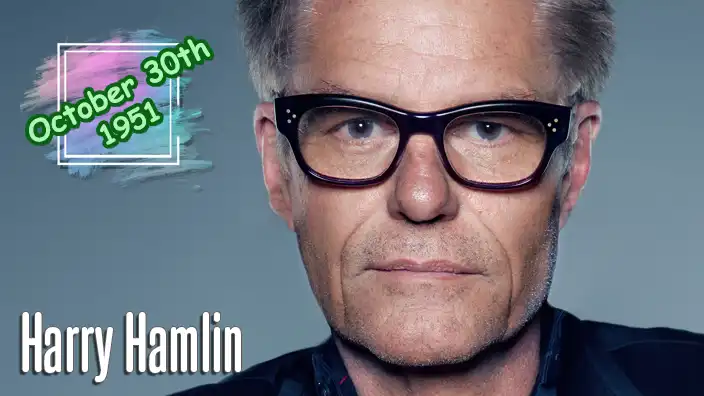
Harry Hamlin has spent decades proving that a handsome face and a Yale education can take a man almost anywhere. He has battled mythical monsters in Clash of the Titans, argued complicated cases in L.A. Law, and navigated the ruthless advertising business in Mad Men. Along the way, he became one of television's most recognizable leading men, earned several major award nominations, and discovered that surviving Greek mythology was considerably easier than surviving a household filled with reality television cameras.
October 30, 1951, in Pasadena, California
Trivia
- Graduated from Yale with degrees in drama and psychology.
- Played Perseus in the 1981 film Clash of the Titans.
- Named People magazine's Sexiest Man Alive in 1987.
- Received three Golden Globe nominations for L.A. Law.
- Earned a 2013 Emmy nomination for Mad Men.
- Helped establish a company researching nuclear fusion energy.
- Details
- Category: Celebrity Birthdays - October
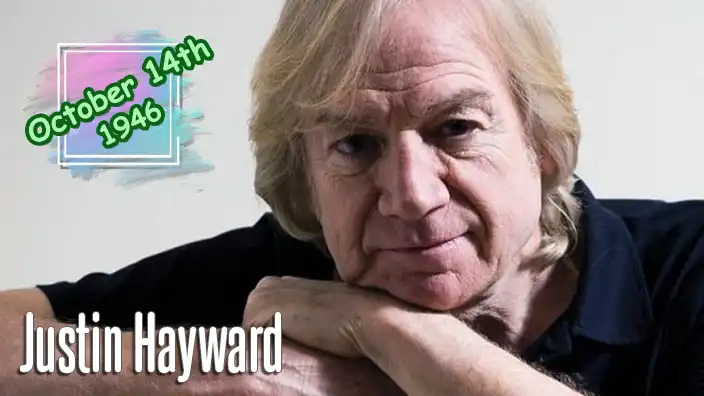
Justin Hayward helped turn the Moody Blues into progressive rock royalty, armed with a distinctive voice, a guitar, and a remarkable talent for writing songs that could make an entire concert audience suddenly remember their first romance. From "Nights in White Satin" to "Tuesday Afternoon" and "Your Wildest Dreams," the English singer-songwriter has spent decades providing the soundtrack to love, longing, and occasionally staring thoughtfully out of a window. Not bad for a young musician from Swindon who originally answered a newspaper advertisement looking for a guitarist!
October 14, 1946, in Swindon, England
Trivia
- He played guitar for British rocker Marty Wilde.
- He joined the Moody Blues in 1966.
- "Nights in White Satin" reached No. 2 in America in 1972.
- He sang "Forever Autumn" on The War of the Worlds.
- He appeared as himself on The Simpsons.
- Details
- Category: Celebrity Birthdays - October
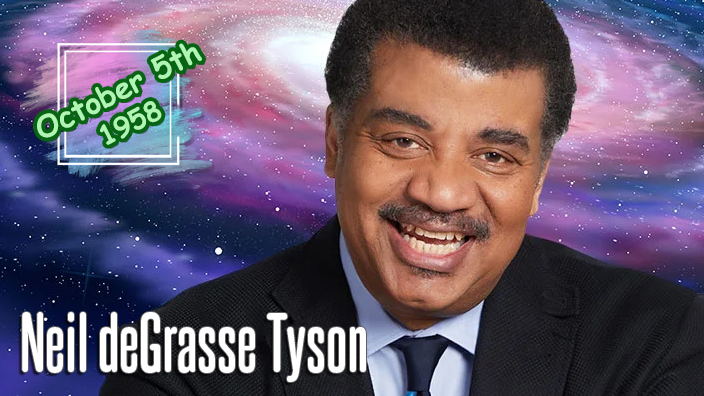
Neil deGrasse Tyson has spent much of his professional life explaining objects billions of light-years away to people who occasionally have trouble finding their car in a parking lot. As an astrophysicist, author, broadcaster and director of New York's Hayden Planetarium, Tyson has helped make black holes, exploding stars, galaxies and the occasional demoted planet subjects for ordinary conversation.
October 5, 1958, in New York City
Trivia
- Tyson earned his physics degree from Harvard.
- He earned his astrophysics doctorate at Columbia.
- He became Hayden Planetarium director in 1996.
- Asteroid 13123 Tyson bears his name.
- He hosted Cosmos: A Spacetime Odyssey.
- Details
- Category: Celebrity Birthdays - October
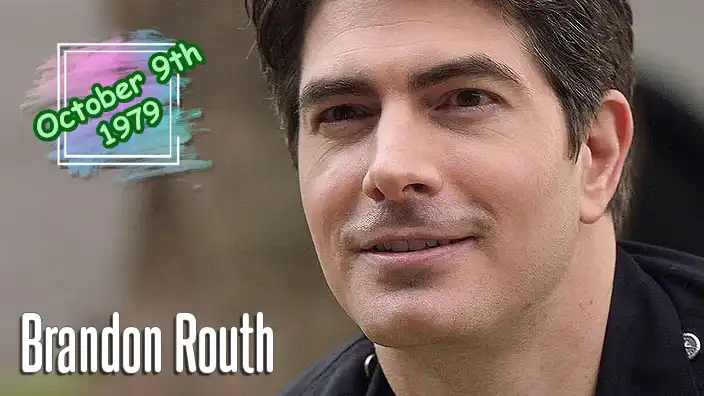
Brandon Routh has worn Superman's cape, traveled through time as a superhero, and battled an assortment of villains who apparently never learned that picking a fight with a man who can fly is a questionable career choice. Best known for Superman Returns and DC's Legends of Tomorrow, Routh has built a career combining action, comedy, science fiction, and considerable charm. He's even managed to play two completely different DC superheroes, which must make choosing an outfit for a convention rather complicated.
October 9, 1979, in Des Moines, Iowa
Trivia
- Appeared in Christina Aguilera's "What a Girl Wants" video.
- Was a Superman fan long before playing him.
- Played the vegan-powered Todd Ingram in Scott Pilgrim.
- Portrayed both Superman and the Atom in the Arrowverse.
- Reprised Todd Ingram's voice in Scott Pilgrim Takes Off.
- Details
- Category: Celebrity Birthdays - October
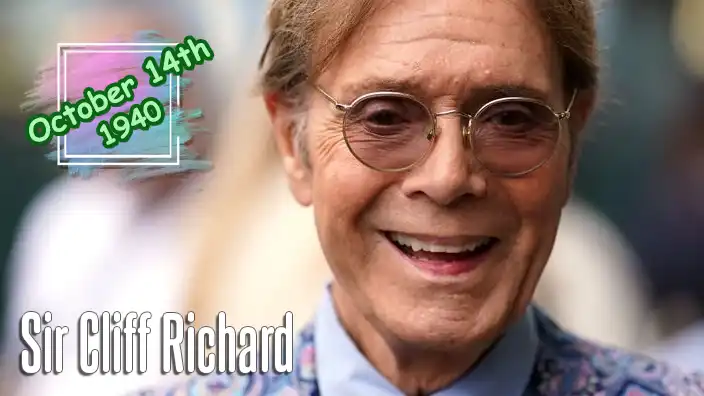
Cliff Richard was Britain's answer to Elvis Presley, although he eventually developed a style all his own—and managed to keep his career going through enough musical revolutions to exhaust a small record company. From "Move It" and "Living Doll" to "Summer Holiday," "Devil Woman," and "We Don't Talk Anymore," Sir Cliff has spent decades charming audiences with his voice, cheerful personality, and an apparently inexhaustible supply of hit records. The Beatles arrived, disco came and went, punk rock caused a commotion, and Cliff simply carried on singing. At this point, the British charts ought to consider giving him his own parking space.
October 14, 1940, in Lucknow, India
Trivia
- "Move It" launched his career in 1958.
- His first UK number-one hit was "Living Doll."
- He finished second at Eurovision in 1968.
- He has achieved 14 UK number-one singles.
- He was knighted in 1995.
- Details
- Category: Celebrity Birthdays - October
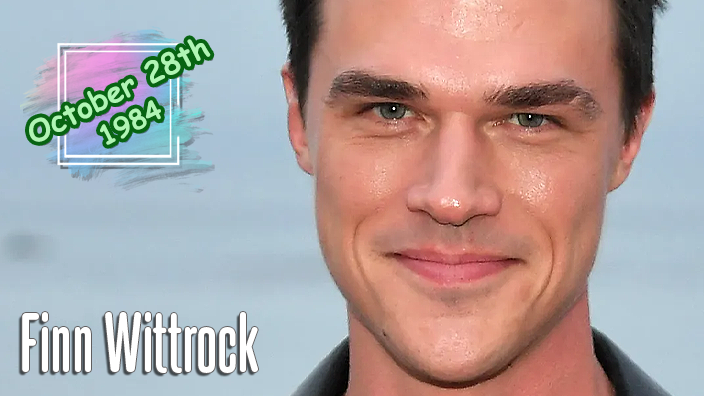
Finn Wittrock has mastered the art of looking charming, sophisticated, and completely trustworthy—right up until the moment his character starts behaving like a homicidal lunatic. Best known for his unforgettable performances in American Horror Story, Wittrock has also conquered Broadway, appeared in Oscar-winning films, and earned two Emmy nominations. Whether he's playing a spoiled psychopath, a Hollywood heartthrob, or a troubled historical figure, he's living proof that a handsome face and a pleasant smile are absolutely no guarantee of good intentions.
October 28, 1984, in Lenox, Massachusetts
Trivia
- He graduated from the Juilliard School.
- He appeared in Disney's Halloweentown High.
- He made his Broadway debut in Death of a Salesman.
- He received two Primetime Emmy nominations.
- He played two characters in American Horror Story: Hotel.
- He co-wrote and starred in The Submarine Kid.

- Details
- Category: Celebrity Birthdays - October
If John Lennon were still with us, he’d probably be tweeting sarcastic takes about world politics while strumming an acoustic guitar in his kitchen. He had that rare knack for pairing profound truths with just the right amount of cheek—kind of like your smartest friend who also happens to be the most likely to start a singalong at 2 a.m. Lennon didn’t just imagine a better world; he made you believe it was possible… even if he’d still tell you to “shut up” if you were being annoying.
October 9, 1940, in Liverpool, England
December 8, 1980, in New York, New York
Trivia
- Art School Rebel: Before music fame, Lennon studied at the Liverpool College of Art, where his rebellious streak was already in full swing.
- Double Birthdays: Lennon shared his birthday with his son Sean Lennon, born exactly 35 years later in 1975.
- Peace Advocate: Known for his “Bed-In” protests with wife Yoko Ono, he used his celebrity as a platform for anti-war activism.
- Honors: Posthumously inducted into both the Songwriters Hall of Fame and the Rock and Roll Hall of Fame as a solo artist.
From Our Marks Catelog
-

American Football Day is that magical time when perfectly reasonable adults suddenly start yelling at...
-

There’s something about that golden cloud of meringue that makes you forget all your worries, at...
-

Posttraumatic growth isn’t about silver linings or pretending that pain was somehow “worth it.” It’s...
-

On a hot day, when the sun is cooking the sidewalk and even the lawn chairs are sweating, there’s one...
-
Sacagawea wasn’t just a guide—she was the ultimate multitasker. Imagine a teenager navigating the...
-
If peaches could talk, they would probably spend most of the year bragging about becoming...

