October 8, 1964, in Detroit, Michigan
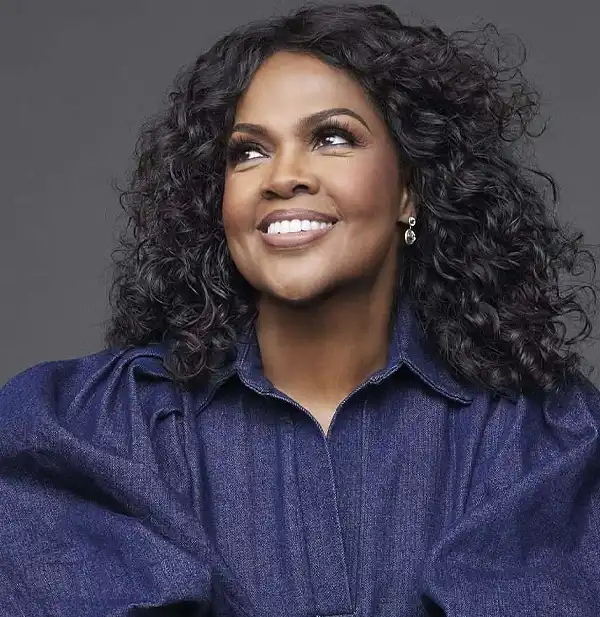
CeCe Winans was born Priscilla Marie Winans on October 8, 1964, in Detroit, Michigan. She grew up in the large and famously musical Winans family, one of ten children born to David “Pop” Winans Sr. and Delores “Mom” Winans. Music and Christian faith were central parts of family life, and several of the Winans children eventually became professional gospel performers. In most households, having one successful recording artist would be considered quite an achievement. The Winans family apparently regarded that as merely getting started.
Detroit provided an appropriate setting for a future singer. The city had an extraordinary musical heritage encompassing gospel, soul, R&B and the Motown sound. For Winans, however, the most immediate musical education came through church and family. She sang from an early age and developed within a tradition in which music was closely connected to worship rather than simply performance.
Her older brothers Marvin, Carvin, Michael and Ronald formed the gospel group The Winans, establishing the family name professionally. CeCe's own breakthrough developed alongside another brother, Benjamin “BeBe” Winans. The siblings began appearing together while working with the Christian television program The PTL Club, where they initially performed as background singers before becoming featured performers.
BeBe & CeCe Winans soon developed into a recording partnership in their own right. Their combination of gospel foundations with contemporary R&B and pop production gave their music appeal beyond the traditional gospel market. At a time when distinctions between gospel and mainstream popular music could be rigid, the duo demonstrated that faith-centered songs could use contemporary arrangements without surrendering their message.
Their self-titled album BeBe & CeCe Winans was released in 1987 and established the siblings as major contemporary gospel performers. Songs including “I.O.U. Me” attracted attention, while their vocal blend became one of the partnership’s defining characteristics. BeBe’s voice and CeCe’s clear, expressive vocals complemented one another naturally — perhaps not surprising for two people who had been singing within the same family for years.
The duo continued building its audience with Heaven in 1988. The album proved particularly important because it crossed strongly into the R&B market while retaining its gospel identity. Its title track became one of BeBe & CeCe’s signature recordings, and the album helped demonstrate that contemporary gospel could compete commercially alongside mainstream R&B releases.
Their success continued with albums including Different Lifestyles and First Christmas. Different Lifestyles, released in 1991, included “Addictive Love,” one of the duo’s most recognizable songs. The album became another major success and further established BeBe & CeCe as performers capable of moving comfortably between gospel audiences and the broader contemporary music market.
Working as a sibling duo had obvious advantages, but CeCe eventually moved into a solo career. Her debut solo album, Alone in His Presence, arrived in 1995. Rather than simply recreating the BeBe & CeCe sound without BeBe, Winans used the opportunity to establish her own musical identity. The album was successful within gospel music and began a solo career that would ultimately become even more decorated than her work as part of the duo.
Her second solo album, Everlasting Love, followed in 1998 and demonstrated her ability to incorporate elements of contemporary R&B while maintaining the faith-centered themes that defined her work. Songs such as “Well Alright” reached listeners outside conventional gospel circles, continuing the crossover tradition that had been part of her recordings with BeBe.
Winans released Alabaster Box in 1999, an album that became particularly important within her solo catalog. Its title song developed into one of her signature performances. Built around the biblical story of a woman honoring Jesus with costly perfume, “Alabaster Box” gave Winans an opportunity to combine storytelling with the emotional and vocal power associated with traditional gospel performance.
As her solo career developed, Winans continued recording albums that moved between contemporary arrangements and traditional worship music. Projects including CeCe Winans, Throne Room, Purified and Thy Kingdom Come expanded an already substantial catalog. Her recordings regularly appeared on gospel charts while also receiving recognition from the broader music industry.
The awards accumulated accordingly. Winans became one of the most honored women in gospel music, receiving numerous Grammy Awards alongside Dove Awards, Stellar Awards and other honors. Her success with BeBe and as a solo performer made her one of the genre’s most recognizable figures, while her longevity allowed her to connect several generations of contemporary gospel music.
One particularly significant Grammy success came through Purified. Released in 2005, the album included songs such as “Pray” and continued Winans’ combination of contemporary gospel and R&B influences. Her ability to remain relevant while maintaining a consistent musical and spiritual identity became increasingly notable as her career stretched across decades.
CeCe and BeBe occasionally reunited professionally after establishing their separate careers. Their sibling chemistry remained intact, and the pair released the album Still in 2009. The reunion reminded listeners why their original partnership had been so successful while reflecting the musical experience both had accumulated independently.
Winans has also collaborated with performers from outside the immediate gospel world. One of her best-known musical friendships was with Whitney Houston. The two singers shared both personal and professional connections, and Winans appeared with Houston on recordings including “Count on Me,” from the soundtrack to Waiting to Exhale. The song became a celebration of friendship and remains closely associated with both singers.
Following Houston’s death in 2012, Winans performed “Don’t Cry for Me” at her funeral. The moment carried particular emotional weight because their relationship extended well beyond an ordinary professional collaboration. Winans had known Houston personally, and the performance reflected a friendship rooted in both music and faith.
Winans’ work has never been confined entirely to recordings and concert stages. Along with her husband, Alvin Love II, she became involved in church ministry in Nashville, Tennessee. The couple founded Nashville Life Church, extending the faith expressed through her music into pastoral and community work.
After several years without releasing a new solo studio album, Winans returned prominently with Let Them Fall in Love in 2017. The album incorporated influences from traditional gospel, soul and earlier styles of American popular music. Its success demonstrated that an extended absence from studio recording had done little to diminish interest in her work.
An even larger chapter arrived with Believe for It. The project included the worship song “Believe for It,” which became one of Winans’ major later-career recordings. The song’s message of faith and perseverance connected strongly with contemporary worship audiences and introduced Winans to listeners who may not have been present during the early years of BeBe & CeCe.
“Believe for It” brought further awards and chart success, adding another signature song decades after Winans first became nationally known. That ability to create important new work late in an established career is relatively rare. Many performers eventually become identified primarily with their earlier recordings; Winans continued adding songs that stood alongside them.
Her album More Than This continued that momentum in 2024. The project demonstrated that Winans remained an active recording artist rather than simply a celebrated figure from gospel history. Her voice, musical approach and emphasis upon worship continued to connect with audiences in an industry that had changed enormously since her earliest recordings with BeBe.
The size of the Winans family’s contribution to gospel music is difficult to overlook. The Winans, BeBe & CeCe Winans, Angie and Debbie Winans and other members of the extended family created an extraordinary musical legacy. CeCe nevertheless developed an individual career substantial enough that her family name, while important, does not define the limits of her accomplishments.
Part of her success comes from a vocal style capable of considerable power without requiring constant vocal fireworks. Winans can deliver a large gospel climax when a song calls for one, but she can also sing with restraint and intimacy. That balance has allowed her music to function equally well in large concert settings, church worship and quieter recordings.
She has also navigated the relationship between gospel and R&B without treating the two as opposing worlds. Gospel music played a foundational role in the development of soul and R&B, and Winans’ career reflects that historical connection. Contemporary production and mainstream musical influences have appeared throughout her recordings, while Christian faith has remained at the center of her work.
CeCe Winans has therefore accomplished something particularly difficult in popular music: she has expanded her audience without losing the identity that created the audience in the first place. From singing beside her brother on Christian television to becoming an internationally recognized solo performer, she has remained remarkably consistent about why she sings.
Decades after BeBe & CeCe first brought their sibling harmonies to a wider audience, CeCe Winans continues recording, performing and collecting honors. The hairstyles, recording technology and musical fashions have changed considerably along the way, but the voice and purpose remain unmistakable. And somewhere in the Winans family history there must surely have been at least one relative who couldn't sing. Statistically, there simply has to be.