Mark The Days - November

November is that sneaky month that starts with leftover Halloween candy and ends with a turkey coma. It’s where the air turns crisp, the clocks turn back, and someone always tries to bring a “healthy” side dish to Thanksgiving (we see you, quinoa). From honoring veterans to obsessing over gravy ratios, November is one long prelude to holiday madness—wrapped in flannel, lit by scented candles, and fueled by an urgent need to find out what the heck a “Friendsgiving” even is. It’s gratitude with a side of stuffing—and frankly, we’re here for seconds.
- Details
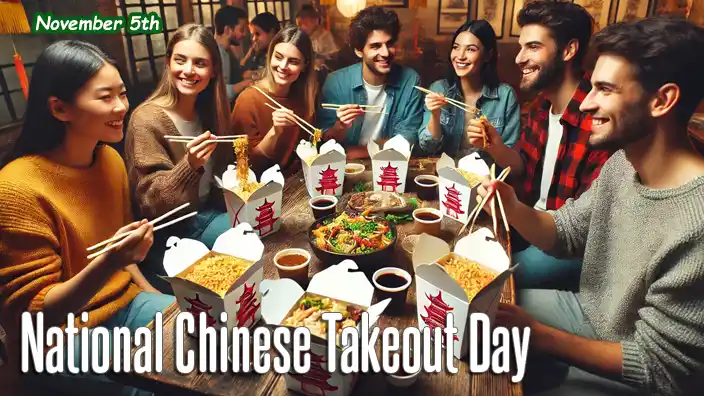
Chinese food is the culinary equivalent of magic: it somehow multiplies overnight in your fridge. You start with a reasonable order of fried rice and sweet-and-sour chicken, but by the next day, your fridge looks like a takeout warehouse. And let’s talk about the infamous fortune cookie! You’re hoping for some ancient wisdom, and it hands you “A thrilling time is in your future” (spoiler alert: it’s the thrill of finding soy sauce packets under the couch weeks later). With crispy egg rolls and noodles that defy fork logic, Chinese food is the delicious mystery we love—because who doesn’t enjoy a meal that’s part food, part treasure hunt?
Celebrated: Annually, on November 5th
Discover the history and enduring popularity of Chinese takeout in America, from the iconic takeout box to beloved dishes like chow mein and egg rolls.

- Details
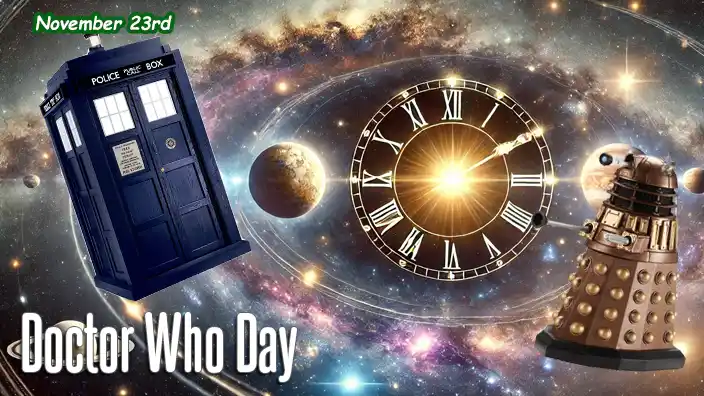
Imagine being a time traveler who can go anywhere in the universe, at any point in history, but still struggles to park their spaceship without crashing into something. That’s the Doctor for you—a centuries-old alien genius who can outsmart galactic tyrants, but also thinks wearing a fez is the pinnacle of cool. Between running from Daleks, arguing with the TARDIS like it’s an old married couple, and trying to explain why humans are worth saving (again), the Doctor’s life is a chaotic mix of saving worlds and losing keys to the vortex. Honestly, it’s like the universe’s greatest sitcom, except the stakes are always life or death—and there’s no laugh track, just the occasional scream of a companion.
Celebrated: Annually, on November 23rd
Celebrate Doctor Who Day on November 23rd, honoring the iconic Time Lord and the show's impact on sci-fi with its timeless adventures and unforgettable characters.


- Details
Embrace the joy of social media, but also respect its power. Share the fun stuff – your hobbies, your achievements, and sure, your breakfast – but keep the really personal details under wraps. After all, the best parts of life are those shrouded in a little mystery. Keep the intrigue alive and share with care – your digital self will thank you for it!
Celebrated: Annually, on November 30th
Celebrate National Computer Security Day with a dose of humor and valuable tips. Learn how to keep your digital life secure while enjoying the quirks of our online existence.


- Details
Taking shots is like speed dating with your drink—no time to savor, no time to think, just a quick hello, a fast goodbye, and a memorable impact. Shots bring out the bravado in all of us; they turn whispers of "maybe later" into bold declarations of "right now!" And every shot has its own personality: tequila dares you, lemon drops tease you, and whiskey winks as if it's got a secret. They might be small, but these little glasses pack enough punch to make everyone’s dance moves just a little more adventurous by the end of the night. Cheers!
Celebrated: Annually, on November 8th
Celebrate Shot Day on November 8th with a world of flavors! Discover the history, art, and variety of shots, from fiery tequila slammers to sweet layered treats.

- Details
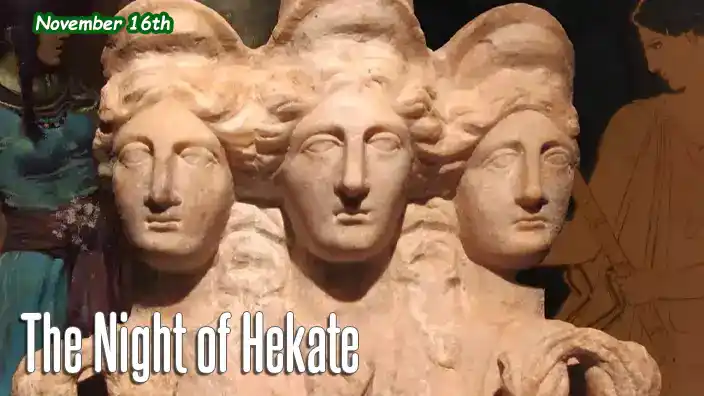
Hekate Night is the one evening of the year where leaving food at a crossroads isn’t considered suspicious—it’s a divine offering! While ancient Greeks left honey cakes and eggs to appease restless spirits, today’s Hekate enthusiasts might drop off vegan brownies or gluten-free bread, ensuring the ghosts don’t complain about dietary restrictions. And let’s not forget the torches—whether you’re wielding an authentic flame or a Dollar Store flashlight, Hekate doesn’t judge, as long as you light up the night with intention. Just be sure to keep the neighborhood dogs happy; they’re her sacred companions and might take offense if your treats don’t include a side of bacon.
Celebrated: Annually, on November 16th
Discover the magic and mystery of the Night of Hekate, honoring the goddess of witchcraft, crossroads, and the moon with rituals and offerings on November 16th.


- Details
Candy is that sweet friend who always shows up unannounced but is somehow always welcome. It’s the cheerful little saboteur of our “I’m-eating-healthy” resolutions, waving a neon-colored, sugar-coated flag that says, “Just one won’t hurt!” One minute, you’re innocently unwrapping a single piece; the next, you’re knee-deep in a pile of empty wrappers wondering how your taste buds staged such a well-coordinated coup. And let’s be honest, candy knows no age limits—whether you’re five or fifty, there’s no denying the magnetic pull of a gummy bear staring back at you, as if to say, “We’re all friends here, right?”
Celebrated: Annually, on November 4th
Explore the fascinating world of candy, its history, diverse types, and cultural significance. Discover fun facts and ways to celebrate National Candy Day.


- Details
There’s something magical about scented candles. One minute, your house smells like leftover pizza and a wet dog, and the next, it smells like “Coastal Sunrise Serenity” or “Vanilla Dreams.” Scented candles have mastered the impossible: convincing us that buying another candle is a completely reasonable life decision. Whether you light one to relax, impress guests, or pretend your laundry pile doesn’t exist, Scented Candle Day is the perfect excuse to embrace the warm glow and wonderful fragrances of candle season.
Celebrated: Annually, on November 1st
Celebrate Scented Candle Day with the history, humor, and relaxing charm of fragranced candles that make every home feel warm and inviting


- Details
Go For A Ride Day is the one day a year when your trusty car gets to break free from the mundane commute and live its 'Cars' movie fantasy. It's the day your bicycle, usually a mere fitness accessory, becomes a noble steed on an epic quest for... well, maybe just a nice latte. And let’s not overlook the rollerbladers, unicyclists, and yes, even the zealous hoverboarders, turning sidewalks into their personal stage. It's like a vehicular Mardi Gras, minus the beads and with more helmets. So, whether you're in a hot air balloon, a kayak, or a scooter wearing a superhero cape, remember, on Go For A Ride Day, every journey, no matter how small, is a parade in honor of motion and whimsy!
Celebrated: Annually, on November 22th
Experience the thrill of Go For A Ride Day on November 22nd! From speeding on the open road to riding horses through nature, embrace the adventure today.

- Details
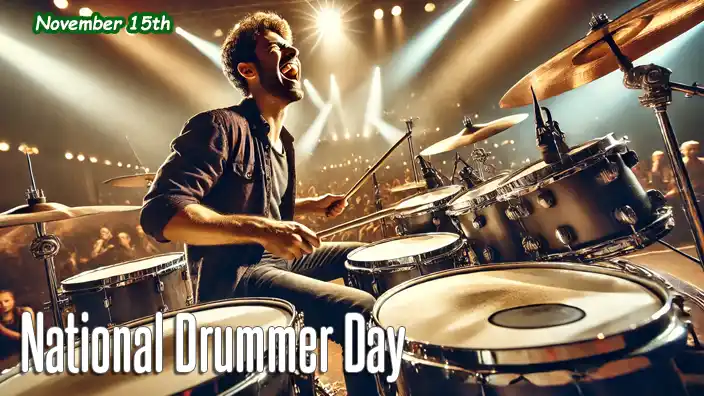
Drummers aren’t just musicians; they’re multitasking wizards, using all four limbs to create beats while managing to stay in rhythm and (usually) not fall off the stool. Watching a drummer in action is like witnessing a high-stakes circus act—one arm’s over here hitting a cymbal, a foot’s down there pounding the bass, all while they’re pulling faces that range from “in the zone” zen to “I just stubbed my toe” intensity. And, of course, drummers live for that moment in every show when they get to take a drum solo, transforming from the rhythmic backbone to the rock star at center stage, showing us that, yes, playing drums really does burn as many calories as it looks like.
Celebrated: Annually, on November 15th
Celebrate National Drummer Day by recognising the vital role drummers play in music. Discover the history, famous drummers, and the art of drumming.


- Details
National Stay Home Because You're Well Day raises a hilarious dilemma: how do you call in 'well' to work? Imagine the confused silence on the other end of the line as you cheerfully announce, "Good morning! I won't be coming in today because I feel fantastic!" It's the perfect recipe for bewildered bosses and puzzled HR departments everywhere, who wonder if they've missed a memo on the latest workplace trends. This day not only champions wellness, but also inadvertently tests the limits of your boss's sense of humor!
Celebrated: Annually, on November 30th
Discover National Stay Home Because You're Well Day, a unique holiday promoting wellness and self-care in a whimsical way. Learn about its origins, philosophy, and how to celebrate it.

- Details
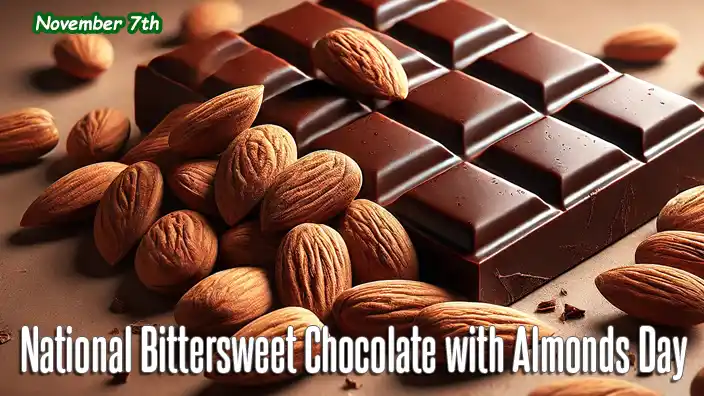
There’s something almost philosophical about dark chocolate with almonds—it’s as if they’re the grown-up version of a candy bar, whispering, “I’m sophisticated, but still a little nutty.” Dark chocolate’s slight bitterness says, “I’m serious about antioxidants,” while the almonds add a satisfying crunch, like they’re giving a high-five to your taste buds. Together, they make the perfect snack for when you’re trying to be “healthy” but also know exactly where the cookie jar is.
Celebrated: Annually, on November 7th
Celebrate National Bittersweet Chocolate with Almonds Day on November 7 with this deliciously nutty and chocolatey pairing that delights taste buds and boosts health.

- Details
Hiking: it's like Mother Nature's version of a surprise workout. You start off thinking it's just a walk in the park, and before you know it, you're playing a real-life game of 'The Floor is Lava' with random rocks and roots. It's where your snack becomes a gourmet meal because, let's face it, everything tastes better when you're slightly lost. And just when you think you've reached the peak, surprise! It's just another hill, cheerfully mocking your life choices. But hey, at least you get to justify that extra s'more at the campfire later, because you've 'earned it'!
Celebrated: Annually, on November 17th
National Take a Hike Day beckons you away from screens to embrace nature's wonders. Discover the joy of hiking on November 17th and reconnect with the great outdoors.

- Details
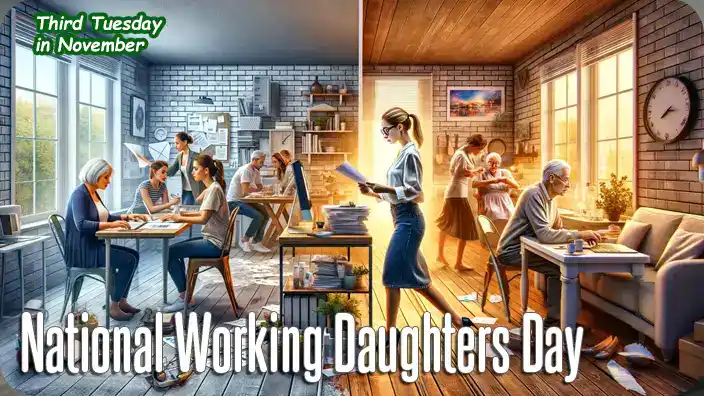
One of the most amazing aspects of National Working Daughters Day is its powerful ability to foster a community of solidarity and support among working daughters. This observance transcends mere recognition; it cultivates a sense of belonging and understanding among women who often feel isolated in their struggles. Through various platforms, events, and discussions encouraged on this day, working daughters can connect, share their experiences, and learn from each other. This community-building is vital, as it not only provides emotional support but also empowers these women to advocate for themselves and others in similar situations. The day brings to light incredible stories of resilience and strength, inspiring not just other working daughters but society at large. It's a celebration of the human spirit's capacity to endure, adapt, and thrive despite challenging circumstances, showcasing the extraordinary resilience of women who manage the intricate dance of professional and caregiving roles with grace and tenacity.
Celebrated: Annually, on the Third Tuesday in November
Celebrate the unsung heroes, working daughters, who juggle careers and caregiving with grace and resilience. Join the 'I Can Do It All' Olympics of daily challenges.


- Details
French toast is proof that humanity looked at stale bread and said, “We can absolutely make this somebody else’s breakfast problem.” Add eggs, butter, cinnamon, and enough syrup to glue a fork to the table, and suddenly yesterday’s leftovers become a breakfast masterpiece worthy of applause and elastic waistbands.
Celebrated: Annually, on November 28th
Immerse yourself in the rich history and global journey of French toast, a culinary classic. Celebrate National French Toast Day and savor every bite of this beloved breakfast dish.

- Details
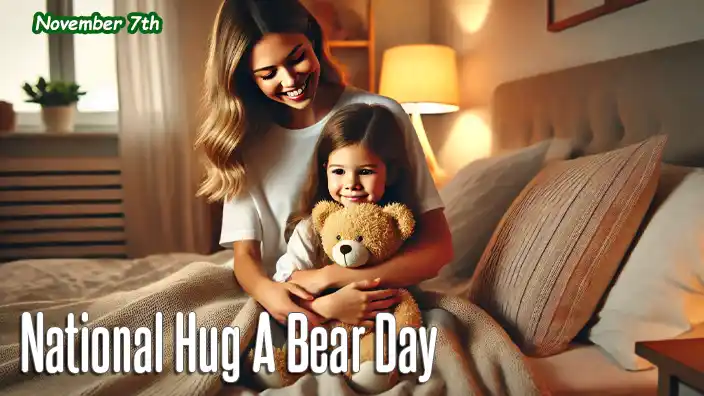
Hugging a bear, let’s be clear, is usually meant for the teddy variety. Imagine trying to hug an actual bear—one paw would weigh more than your entire upper body! Real bears might interpret a hug as “snack time” rather than a warm, fuzzy moment. But teddy bears? They’re the perfect huggers. They don’t mind how tightly you squeeze, they don’t complain about drool during naps, and best of all, they have zero chance of roaring at you! So next time you need a comforting squeeze, remember: one type of bear has claws, and the other has cozy, cuddle-ready stuffing. Choose wisely!
Celebrated: Annually, on November 7th
Explore the charming history of the teddy bear from Roosevelt's hunting trip to a global icon of comfort. Learn why bear hugs feel so good.

- Details
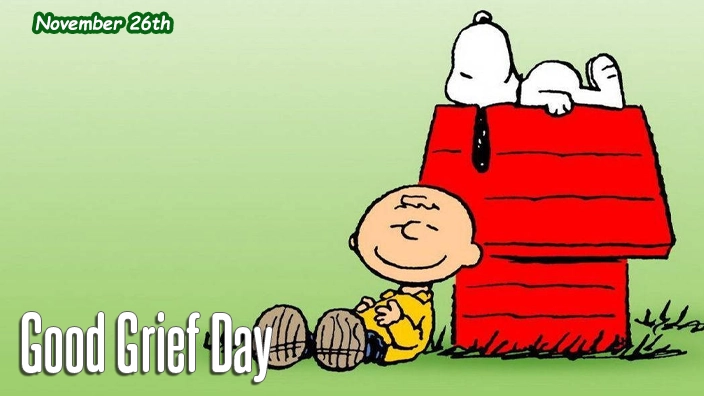
The Peanuts gang is like a sitcom cast that never ages but somehow gets funnier with time. Charlie Brown is the lovable loser whose greatest adversary isn’t just Lucy with her football, but also his own eternal optimism—because, seriously, how many times can you trust someone who yanks the ball away every year? Snoopy, on the other hand, lives in his own cinematic universe, switching between being a WWI flying ace and a world-famous author, all while napping on his doghouse. Then there’s Lucy, whose advice is overpriced at five cents and comes with more sass than solutions. Linus clings to his blanket like it’s the last shred of sanity in a world run by kite-eating trees, while Schroeder ignores the chaos by serenading his toy piano like Beethoven himself. Together, they’re the most dysfunctional-yet-perfect group of friends you’d ever want to hang out with—just don’t ask Pigpen to clean up first.
Celebrated: Annually, on November 26th
Celebrate Good Grief Day by exploring Charles M. Schulz's Peanuts, a comic strip that blends humor and life's lessons with beloved characters like Charlie Brown and Snoopy.

- Details
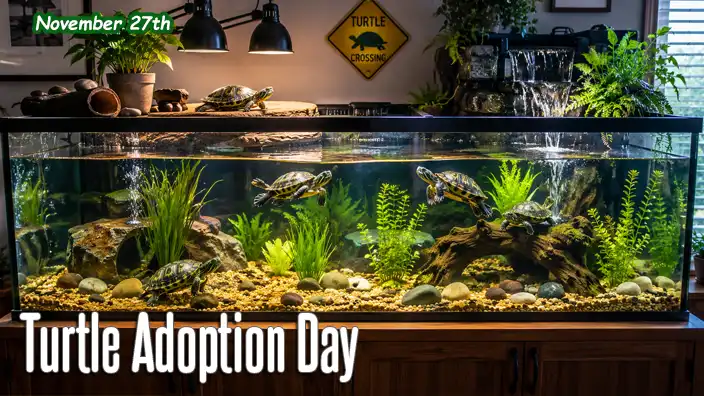
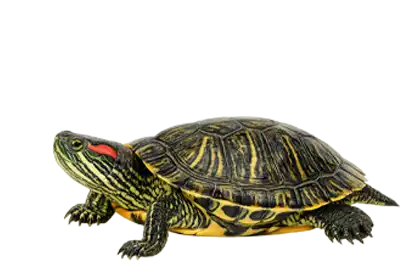
Turtles have been taking life at their own pace for more than 220 million years, and they don't seem the least bit concerned that everyone else is in such a hurry. Turtle Adoption Day celebrates these remarkable reptiles while encouraging responsible adoption and lifelong care. Whether you call them turtles or terrapins, one thing is certain—they're proof that you don't have to be fast to win hearts... although arriving before bedtime is usually appreciated.
Celebrated: Annually, on November 27th
Discover why Turtle Adoption Day encourages responsible pet ownership, learn fascinating turtle facts, and find out how these slow-moving reptiles have captured hearts for millions of years
- Details
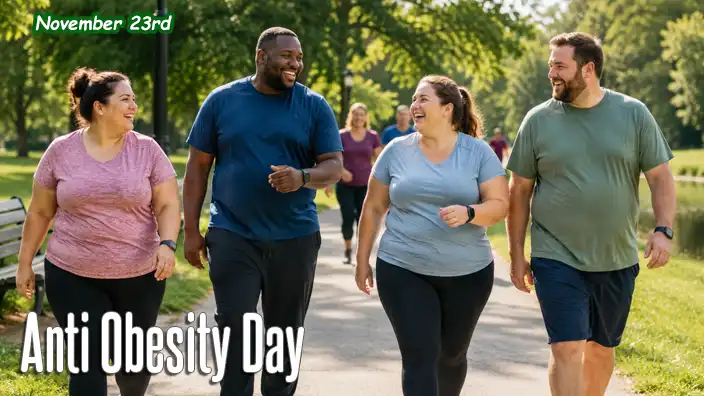
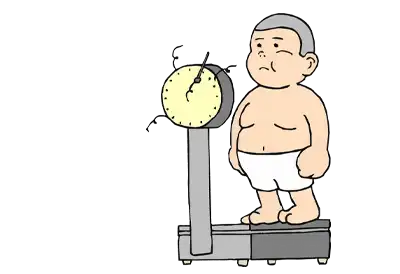
Let's be honest—most of us have made a grand announcement that "Monday is the day I start eating healthy!" Then Monday arrives with cake in the office, pizza for dinner, and a suspiciously persuasive cookie jar. Anti Obesity Day isn't about perfection or guilt. It's about making small, sensible choices that add up over time, proving that the journey to better health begins with one step... preferably toward the park instead of the biscuit tin.
Celebrated: Annually, on November 23rd
Think healthy living has to be miserable? Anti Obesity Day proves that small changes, not crash diets, are the real path to better health
From Our Marks Catelog
-
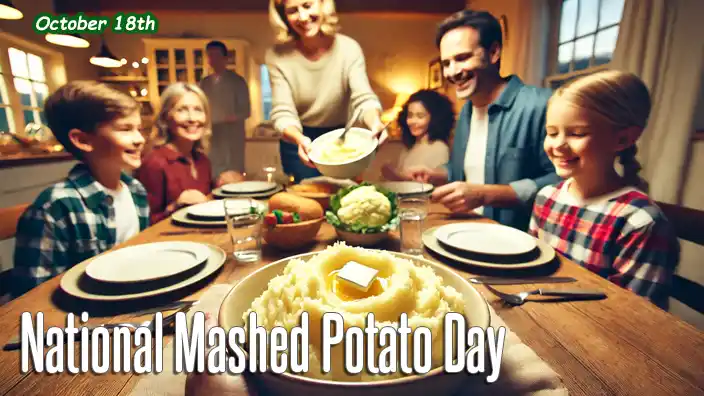
Sitting down at the dinner table, there's always that moment when you spot the mashed potatoes,...
-
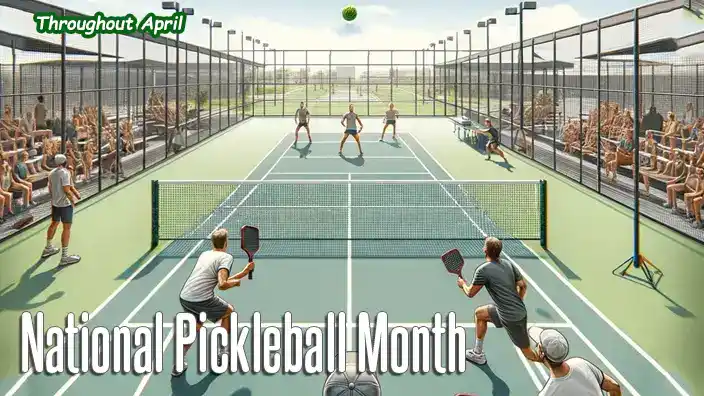
Once upon a time, someone looked at tennis and thought, “This would be perfect if it involved less running,...
-

If you’re the kind of person who likes a little thrill with your meal, then one bite of that...
-

If you've ever scratched a dog's ears, rescued a turtle from the middle of the road, or apologized...
-
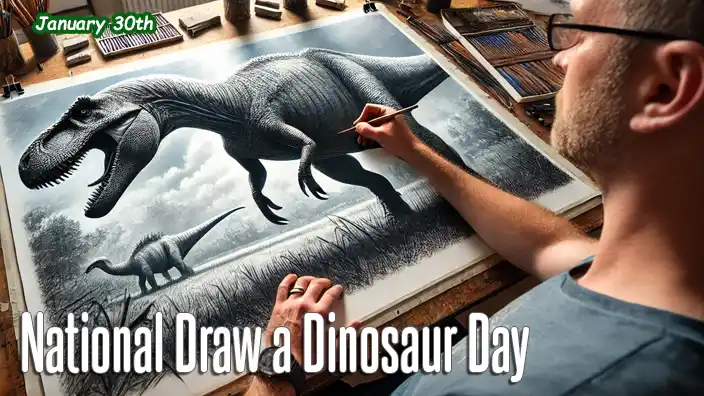
Who knew that creating a prehistoric masterpiece could lead to such existential questions? Like, did...
-

It's not uncommon to see a normally quiet neighborhood transform overnight into a glittering...

