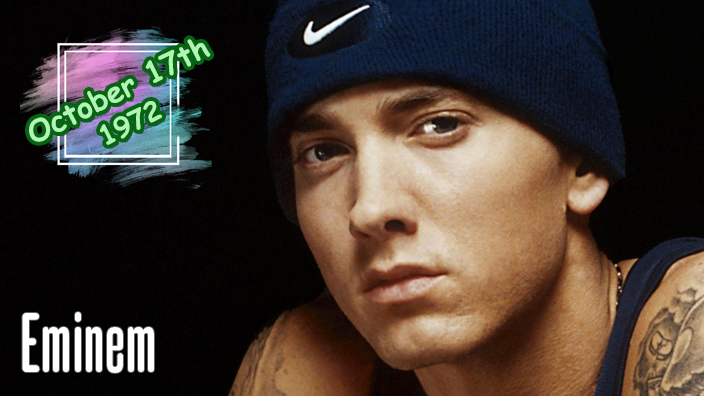
- Details
- Category: Celebrity Birthdays - October
Eminem has spent decades proving that a microphone can be more dangerous than a loaded argument, particularly when he's holding it. With lightning-fast lyrics, outrageous humor, brutally honest storytelling, and enough Grammy Awards to make his mantelpiece nervous, the Detroit rapper transformed personal struggles into a remarkable musical career. Whether he's performing as Eminem, unleashing his mischievous alter ego Slim Shady, or reminding everyone that his real name is Marshall Mathers, one thing is certain: this is a man who has never been accused of running out of things to say.
 October 17, 1972, in St. Joseph, Missouri

Trivia
- He once dreamed of becoming a comic book artist.
- He finished second at the 1997 Rap Olympics.
- His alter ego is the notorious Slim Shady.
- "Lose Yourself" won an Academy Award in 2003.
- His song "Stan" helped popularize the word stan.
- Dr. Dre inducted him into the Rock & Roll Hall of Fame.
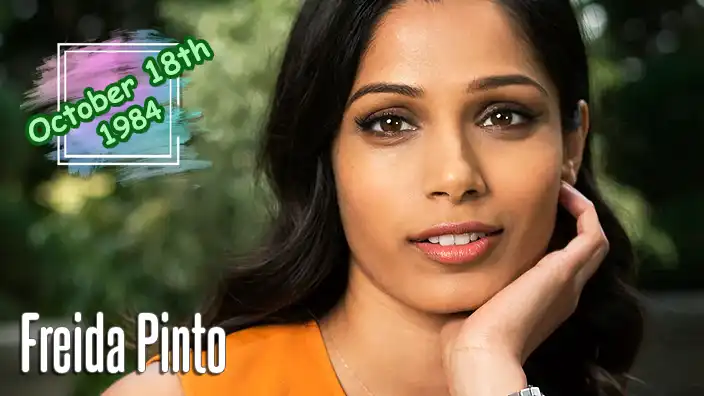
- Details
- Category: Celebrity Birthdays - October
Freida Pinto made one of Hollywood's most spectacular entrances when her first feature film, Slumdog Millionaire, swept the Academy Awards and introduced her to audiences around the world. Since then, the Mumbai-born actress has worked with legendary directors, survived an uprising of remarkably intelligent apes, encountered ancient Greek gods, and explored everything from romantic drama to historical injustice. For someone who began her career as a model and travel presenter, she's certainly accumulated enough adventures to make an ordinary vacation seem rather dull.
 October 18, 1984, in Bombay, India
Trivia
- She graduated from St. Xavier's College in Mumbai.
- She worked as a model before becoming an actress.
- She hosted the travel television program Full Circle.
- Slumdog Millionaire was her feature-film debut.
- She received a BAFTA nomination for playing Latika.
- She shared a Screen Actors Guild Award with the Slumdog Millionaire cast.
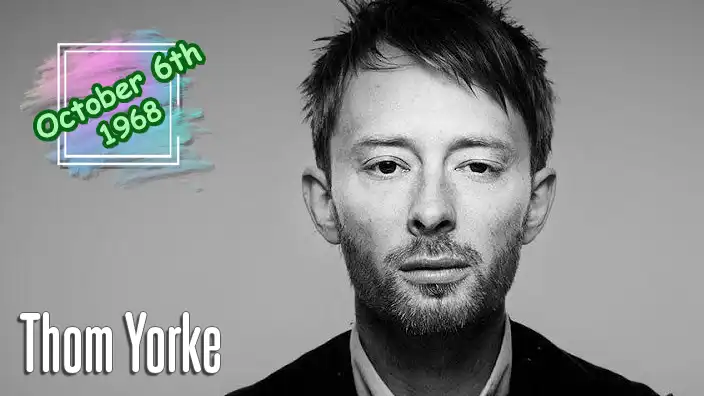
- Details
- Category: Celebrity Birthdays - October
Thom Yorke is the unmistakable voice of Radiohead, a singer, songwriter and composer who helped turn alternative rock into something atmospheric, experimental and occasionally capable of making a perfectly contented person stare thoughtfully out of a rainy window.
October 7, 1968, in Wellingborough, England
Trivia
- He received his first guitar as a child.
- Radiohead was originally called On a Friday.
- The name Radiohead came from a Talking Heads song.
- "Creep" became Radiohead's breakthrough international hit.
- Yorke studied fine art and English at university.
- He formed Atoms for Peace with musicians including Flea.
- He composed the score for the 2018 film Suspiria.
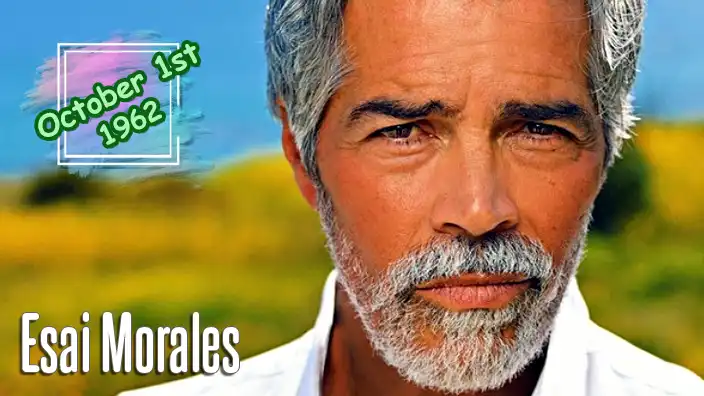
- Details
- Category: Celebrity Birthdays - October
Esai Morales has spent decades playing cops, criminals, presidents, fathers, revolutionaries and assorted men you probably shouldn't annoy. Then Mission: Impossible made him Gabriel and gave him the enviable job of staring calmly at Tom Cruise while Tom did all the running.
October 1, 1962, in Brooklyn, New York
Trivia
- Graduated from New York's High School for the Performing Arts.
- Made his film debut in 1983's Bad Boys.
- Originally auditioned to play Ritchie Valens in La Bamba.
- Played Lt. Tony Rodriguez in 66 episodes of NYPD Blue.
- Co-founded the National Hispanic Foundation for the Arts.
- Played DC villain Deathstroke in Titans.
- Details
- Category: Celebrity Birthdays - October
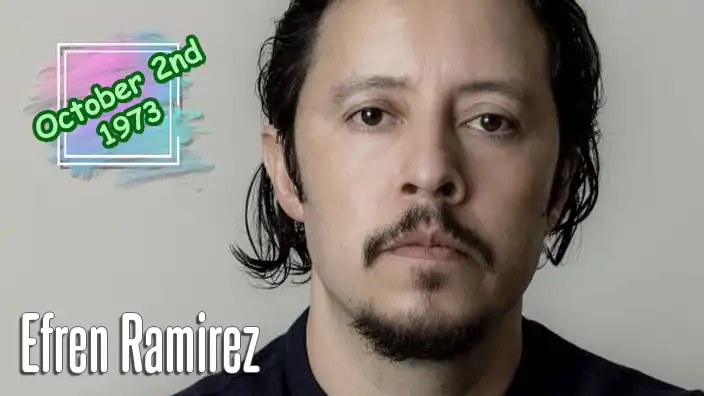
Efren Ramirez became a cult-comedy legend by playing Pedro Sánchez, a man who ran for class president with few speeches, excellent hair decisions and Napoleon Dynamite handling the entertainment. “Vote for Pedro” did the rest, giving Ramirez the rare distinction of winning a fictional election and acquiring campaign merchandise that refuses to concede.
October 2, 1973, in Los Angeles, California
Trivia
- He has an identical twin brother, Carlos.
- His twin occasionally doubled for him in Napoleon Dynamite.
- “Vote for Pedro” became a major pop-culture slogan.
- Ramirez played Kaylo in the Crank films.
- He voiced Pedro in the animated Napoleon Dynamite series.
- Ramirez is also a professional DJ.
- He performs as a DJ under the name DJ Efra.
- Details
- Category: Celebrity Birthdays - October
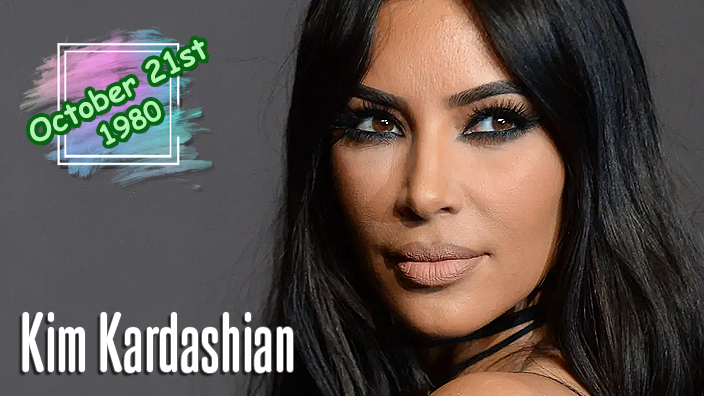
Kim Kardashian has accomplished something remarkable: turning reality television fame into a business empire while convincing millions of people that keeping up with her family is practically a full-time occupation. From glamorous red carpets and billion-dollar brands to legal advocacy and social media domination, Kim has mastered the art of staying in the spotlight. Somewhere along the way, she also proved that having cameras follow you around the house can be considerably more profitable than having them installed for security.
October 21, 1980, in Los Angeles, California
Trivia
- Competed on Dancing with the Stars in 2008.
- Co-authored the bestselling book Kardashian Konfidential in 2010.
- Inspired the popular mobile game Kim Kardashian: Hollywood.
- Has Armenian ancestry through her father, Robert Kardashian.
- Voiced Delores the poodle in two PAW Patrol movies.
- Passed California's baby bar examination in 2021.
- Details
- Category: Celebrity Birthdays - October
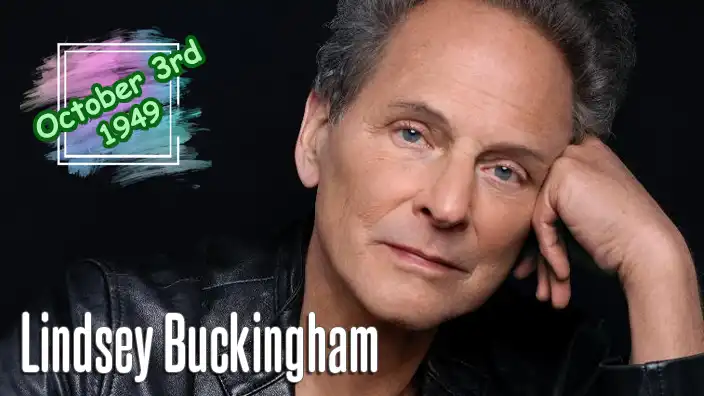
Lindsey Buckingham helped give Fleetwood Mac its unmistakable sound with a guitar, a distinctive voice and enough creative intensity to power a small town. He also proved that band relationships can be complicated enough without everybody writing hit songs about each other.
October 3, 1949, in Palo Alto, California
Trivia
- Buckingham is largely a self-taught guitarist.
- He usually plays guitar with his fingers rather than a pick.
- He and Stevie Nicks released Buckingham Nicks in 1973.
- He wrote Fleetwood Mac's "Go Your Own Way."
- His first solo album was Law and Order.
- Details
- Category: Celebrity Birthdays - October
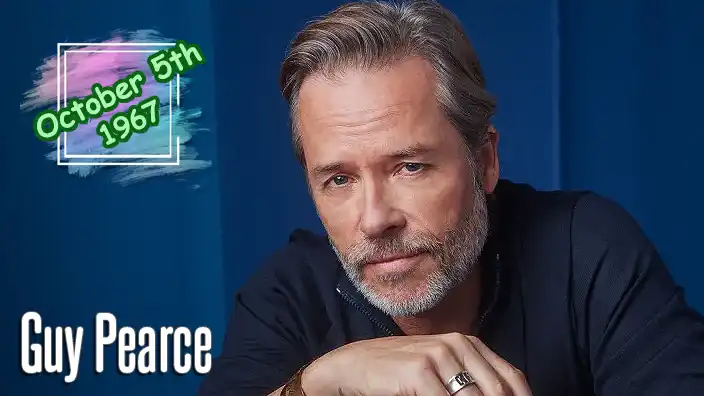
Guy Pearce has spent decades demonstrating that the fellow from Neighbours could become almost anybody Hollywood required, provided nobody expected him to remain the same person for very long. From a drag performer crossing the Australian Outback to an obsessive detective, a man unable to make new memories and a wealthy industrialist of alarming proportions, Pearce has built a career around transformation rather than comfortable repetition.
October 5, 1967, in Ely, England
Trivia
- He competed in amateur bodybuilding as a teenager.
- His bus in Priscilla was named Priscilla.
- Leonard's tattoos are central to Memento.
- He won an Emmy for Mildred Pierce.
- Pearce is also a singer and songwriter.
- The Brutalist brought his first Oscar nomination.
- Details
- Category: Celebrity Birthdays - October
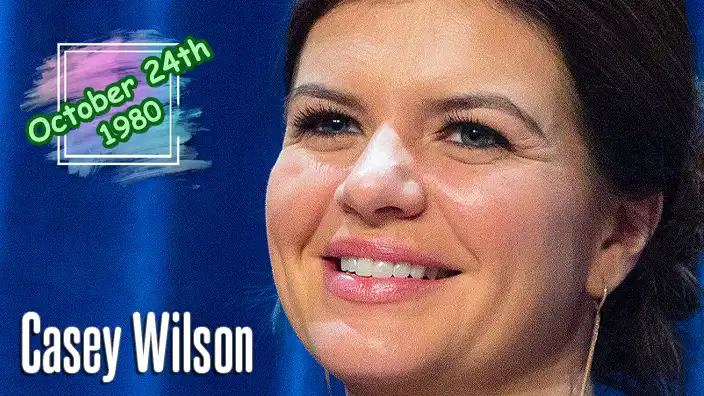
Casey Wilson has made a successful career out of turning awkward situations, questionable decisions, and spectacularly disastrous relationships into comedy gold. Best known for playing the gloriously unlucky-in-love Penny Hartz on Happy Endings, this American actress, comedian, and screenwriter has also survived Saturday Night Live, written Hollywood movies, hosted a podcast devoted to reality television, and somehow found time to become a bestselling author. With impeccable comic timing and a remarkable talent for making embarrassment entertaining, Wilson has demonstrated that life doesn't always provide a happy ending, but it certainly helps if somebody remembers to write a decent punchline.
October 24, 1980, in Alexandria, Virginia
Trivia
- A childhood visit to Cats inspired her interest in acting.
- Her father built a backyard stage for her childhood performances.
- She graduated from NYU's Tisch School of the Arts in 2002.
- She appeared on Saturday Night Live from 2008 to 2009.
- She co-wrote Bride Wars with her friend June Diane Raphael.
- She married Happy Endings creator David Caspe in 2014.
- Details
- Category: Celebrity Birthdays - October
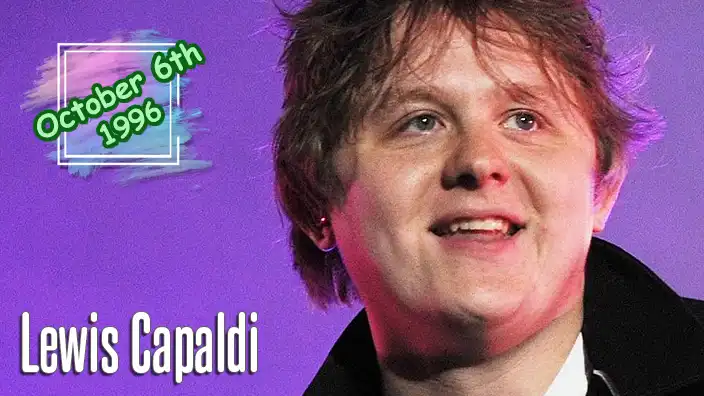
Lewis Capaldi is a Scottish singer-songwriter with a powerhouse voice, heartbreakingly emotional songs and the remarkable ability to follow a tear-jerking ballad with a joke that suggests nobody remembered to tell him pop stars are supposed to be mysterious.
October 7, 1996, in Glasgow, Scotland
Trivia
- He began performing in pubs while still young.
- "Someone You Loved" topped the charts in Britain and America.
- His debut album reached No. 1 in the UK.
- He won two Brit Awards in 2020.
- Actor Peter Capaldi is a relative.
- Details
- Category: Celebrity Birthdays - October
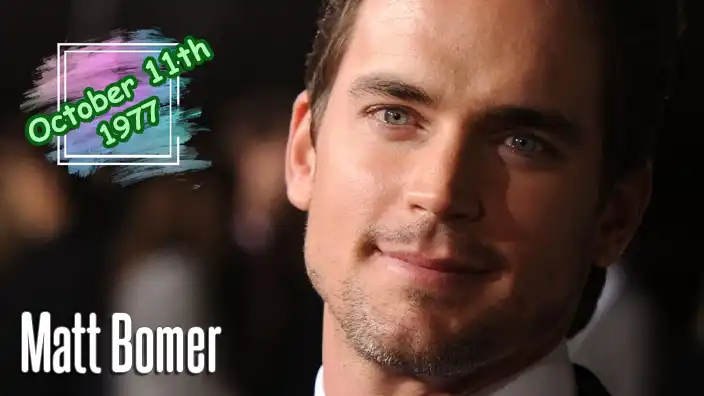
Matt Bomer, the Golden Globe-winning American actor celebrated for White Collar, The Normal Heart, and Fellow Travelers, has made a career out of combining leading-man charm with impressive dramatic talent. Whether playing a sophisticated con artist who could probably talk his way out of a bank vault, a determined journalist navigating forbidden love, or a superhero with a surprisingly complicated personal life, Bomer brings intelligence, warmth, and unmistakable screen presence to his performances. His career has taken him from television crime dramas to Broadway, Hollywood films, and prestigious award ceremonies, proving that there's considerably more to his success than an excellent collection of suits.
October 11, 1977, in Webster Groves, Missouri
Trivia
- He graduated from Carnegie Mellon University.
- He played Neal Caffrey in White Collar for six seasons.
- He won a Golden Globe for The Normal Heart.
- He played Superman in Superman: Unbound.
- Details
- Category: Celebrity Birthdays - October
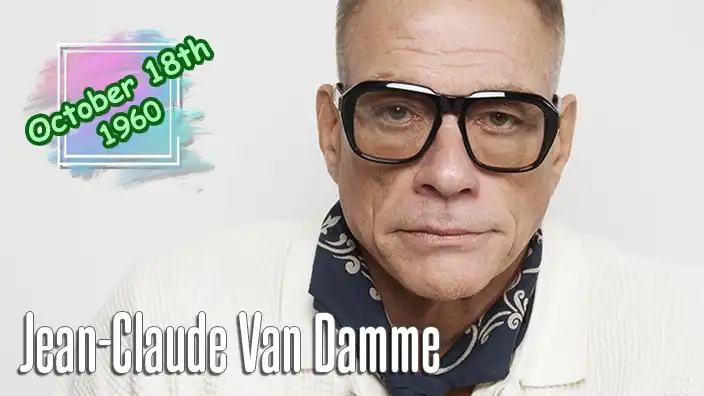
Jean-Claude Van Damme has spent decades kicking villains, performing gravity-defying splits, and demonstrating that a Belgian accent and an impressive pair of legs can conquer Hollywood. Known worldwide as the “Muscles from Brussels,” this martial artist turned action movie superstar made high kicks, dramatic showdowns, and occasionally bewildering philosophical observations part of his unmistakable screen personality. When Van Damme enters a room, the bad guys generally leave horizontally.
October 18, 1960, in Berchem-Sainte-Agathe, Belgium
Trivia
- He studied classical ballet for approximately five years.
- His nickname is the “Muscles from Brussels.”
- He once worked as a bouncer at a bar owned by Chuck Norris.
- Bloodsport (1988) launched his international stardom.
- He played twin brothers in Double Impact (1991).
- He directed the martial arts film The Quest (1996).
- Details
- Category: Celebrity Birthdays - October
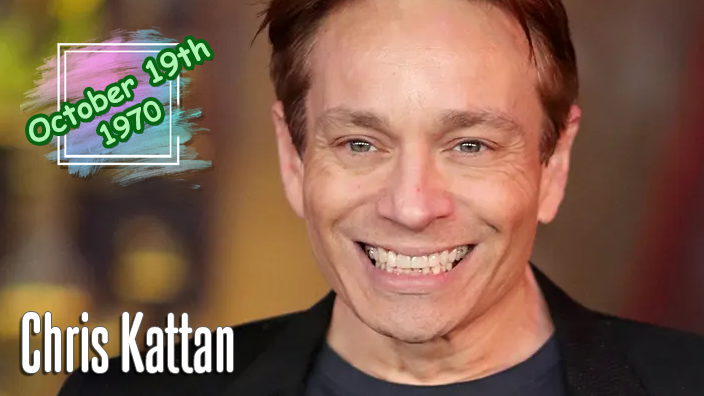
Chris Kattan made television history by playing a hyperactive monkey-man, an irresistible dancer named Mango, and a nightclub enthusiast who apparently believed that romance began with vigorous head-bobbing. As one of Saturday Night Live's most memorable comedians, he demonstrated that a complete disregard for dignity could become a successful career. Alongside Will Ferrell, he even turned repeatedly nodding to "What Is Love?" into a Hollywood movie. Somewhere, a chiropractor is still shaking his head.
October 19, 1970, in Culver City, California
Trivia
- His father, Kip King, was a comedian and actor.
- He grew up partly in a Buddhist mountain community.
- He trained with The Groundlings comedy troupe.
- Mango was one of his most famous SNL characters.
- He played Buck Dharma in the "More Cowbell" sketch.
- Details
- Category: Celebrity Birthdays - October
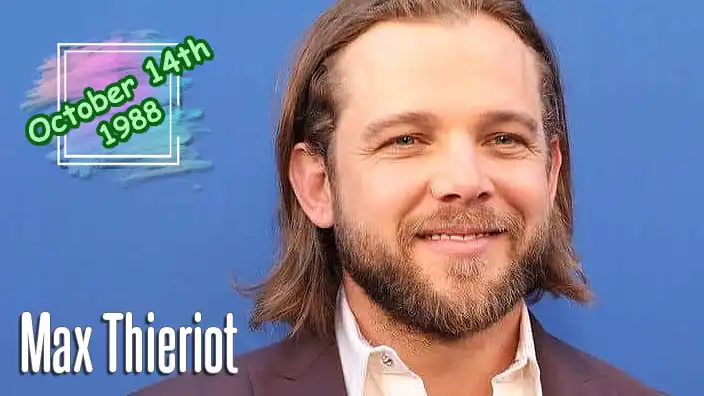
Max Thieriot has spent his acting career getting into situations most sensible people would avoid. He's survived horror movies, dealt with the Bates family, joined an elite Navy SEAL team, and battled California wildfires. Fortunately, most of these adventures have involved cameras, scripts, and someone shouting "Cut!" From child actor to television star and successful producer, Thieriot has built a Hollywood career that proves a little danger can be excellent for business, provided somebody remembers to pay the stunt coordinator.
October 14, 1988, in Los Altos Hills, California
Trivia
- He modeled for Gap before his acting career.
- His first feature film was Catch That Kid.
- He performed his own singing in The Pacifier.
- His ancestor co-founded the San Francisco Chronicle.
- He co-founded Senses Wines with childhood friends.
- Details
- Category: Celebrity Birthdays - October
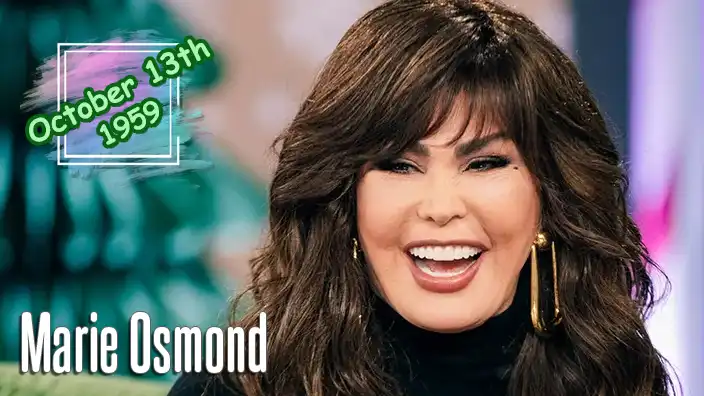
Marie Osmond has spent decades proving that a little bit country, a little bit rock and roll, and an enormous amount of talent can take a performer a very long way. From teenage country music sensation to television sweetheart, Broadway performer, author, and successful entrepreneur, she's managed to do just about everything except persuade her famous family to stop singing together. With her infectious smile, quick wit, and remarkable versatility, Marie has become one of America's most familiar entertainers—and quite possibly the only person who could survive decades of working with Donny Osmond and still keep smiling!
October 13, 1959, in Ogden, Utah
Trivia
- Has eight brothers and no sisters.
- Was introduced on television as the youngest Osmond brother.
- Turned down a starring role in Grease.
- Finished third on Dancing with the Stars in 2007.
- Remarried her first husband in 2011.
- Details
- Category: Celebrity Birthdays - October
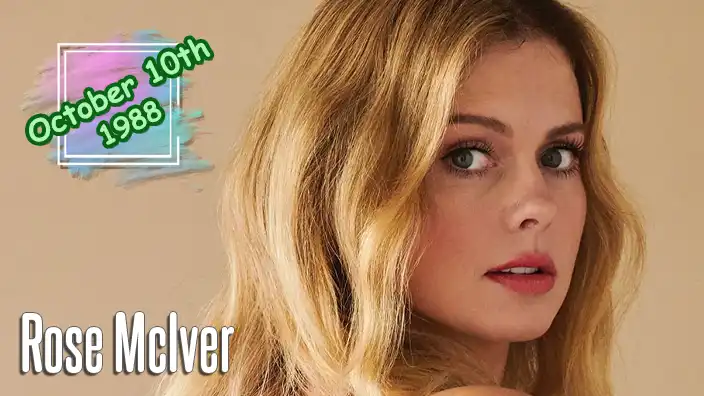
Rose McIver has enjoyed a remarkable acting career, particularly considering how many of her characters have been dead, undead, or surrounded by people who refuse to stay buried. From eating brains in iZombie to chatting with restless spirits in Ghosts, the New Zealand actress has turned supernatural complications into television comedy gold. Apparently, working with ordinary living people simply wasn't challenging enough.
October 10, 1988, in Auckland, New Zealand
Trivia
- She appeared in commercials as a toddler.
- She played an angel in the 1993 film The Piano.
- She portrayed the Yellow Ranger in Power Rangers RPM.
- She studied psychology and linguistics at university.
- She played Tinker Bell in Once Upon a Time.
- Details
- Category: Celebrity Birthdays - October
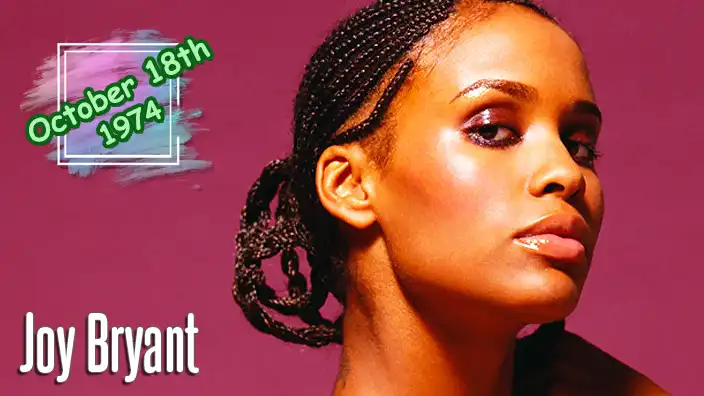
Joy Bryant has traveled from the Bronx to the fashion runways of Paris and the television living rooms of millions, proving that brains, beauty, and acting talent make a formidable combination. Best known as Jasmine Trussell on Parenthood, she has portrayed everything from a supportive Navy sailor's girlfriend to a determined mother navigating the chaos of family life. And having survived six seasons of the Braverman family's emotional emergencies, she could probably handle Thanksgiving dinner with just about anybody.
October 18, 1974, in the Bronx, New York City
Trivia
- She earned an academic scholarship to Yale University.
- A modeling scout discovered her while she attended Yale.
- She modeled for Tommy Hilfiger and Victoria's Secret.
- Her acting debut was alongside Beyoncé in Carmen: A Hip Hopera.
- She portrayed Jasmine Trussell throughout all six seasons of Parenthood.
- She enjoys skateboarding and hosted Across the Board with Joy Bryant.
- Details
- Category: Celebrity Birthdays - October
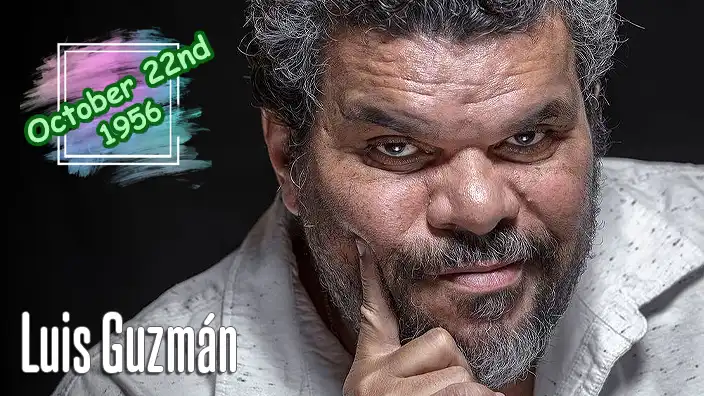
Luis Guzmán has spent decades proving that you don't need to be Hollywood's leading man to steal practically every scene you're in. From playing hardened criminals and wisecracking detectives to becoming the wonderfully devoted Gomez Addams in Netflix's Wednesday, this unmistakable Puerto Rican actor has built an extraordinary career through talent, determination, and a face audiences recognize instantly. Whether he's saving lives in Code Black or making life considerably more difficult for someone in a crime drama, Guzmán brings authenticity, humor, and enough personality to make the supporting cast look suspiciously like the main attraction.
October 22, 1956, in Cayey, Puerto Rico
Trivia
- He worked as a social worker before acting.
- He attended the City College of New York.
- He played nurse Jesse "Mama" Salander in Code Black.
- He voiced Ricardo Diaz in Grand Theft Auto.
- He played himself in Community.
- He portrays Gomez Addams in Wednesday.
- Details
- Category: Celebrity Birthdays - October
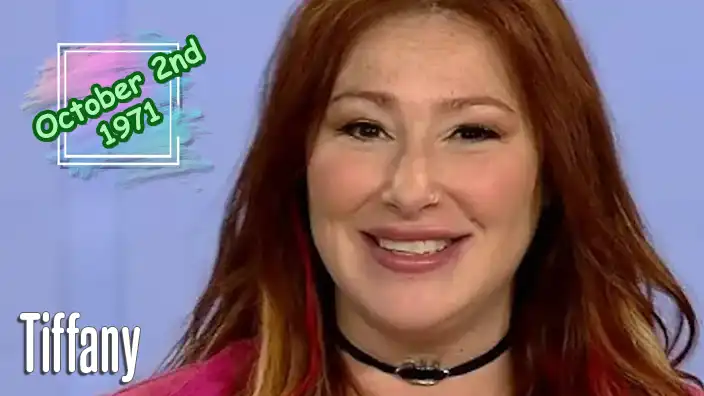
Tiffany became a pop superstar by performing in shopping malls, which must have confused anyone who had only stopped by for socks. With “I Think We’re Alone Now,” two No. 1 singles and one of the most unmistakably 1980s success stories imaginable, she proved that the food court wasn’t necessarily the most exciting thing happening at the mall.
October 2, 1971, in Norwalk, California
Trivia
- She began performing professionally while still a child.
- Her famous 1987 promotional campaign toured American shopping malls.
- “I Think We’re Alone Now” reached No. 1 on the Billboard Hot 100.
- “Could’ve Been” also reached No. 1.
- Her debut album topped the Billboard 200.
- “I Saw Him Standing There” was adapted from a Beatles classic.
- Details
- Category: Celebrity Birthdays - October
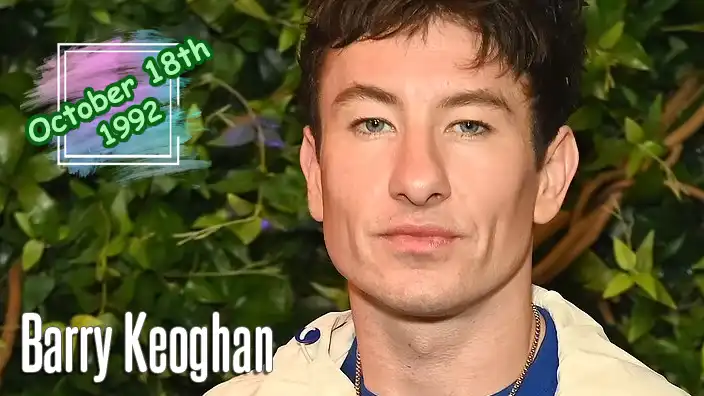
Barry Keoghan has become one of Ireland's most compelling actors, proving that you don't need to be six feet tall, wield a superhero's hammer, or possess a perfectly polished Hollywood smile to steal a scene. From the troubled young Dominic in The Banshees of Inisherin to the spectacularly unsettling Oliver Quick in Saltburn, Keoghan has mastered the art of making audiences wonder whether they should applaud, sympathize, or quietly check that the front door is locked.
October 18, 1992, in Dublin, Ireland
Trivia
- A shop-window casting notice helped launch his acting career.
- He was reportedly banned from school plays for misbehaving.
- He is an enthusiastic amateur boxer.
- He played Marvel's Druig in Eternals (2021).
- He won a BAFTA for The Banshees of Inisherin.
- He was cast as Ringo Starr in four Beatles biographical films.
- Details
- Category: Celebrity Birthdays - October
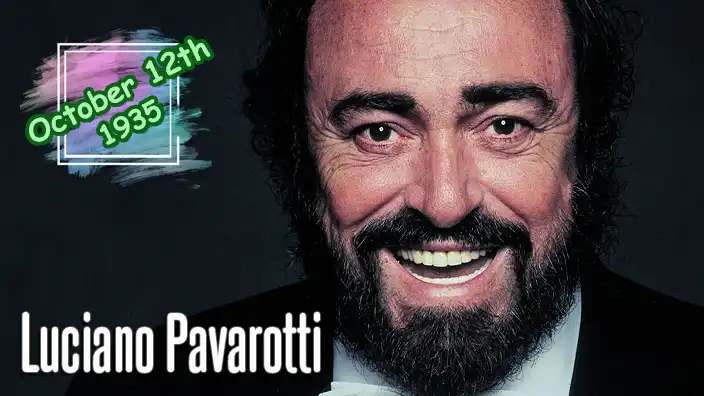
Luciano Pavarotti possessed a voice so magnificent that even people who thought opera was something best avoided found themselves cheering for an encore. With his famous white handkerchief, enormous personality, and unforgettable performances of Nessun dorma, the legendary Italian tenor transformed classical music into international entertainment. From the grandest opera houses to stadiums packed with thousands of admirers, Pavarotti proved that a truly remarkable voice needs no translation, although it certainly helps if someone explains what everyone is singing about.
October 12, 1935, in Modena, Italy
 September 6, 2007, in Modena, Italy
Trivia
- He once dreamed of becoming a soccer goalkeeper.
- He worked as a schoolteacher and insurance salesman.
- He sang nine high Cs in a single famous aria.
- He received seventeen curtain calls at the Met in 1972.
- His white handkerchief became his trademark.
- He performed before over 500,000 people in Central Park.
From Our Marks Catelog
-

American Football Day is that magical time when perfectly reasonable adults suddenly start yelling at...
-

There’s something about that golden cloud of meringue that makes you forget all your worries, at...
-

Posttraumatic growth isn’t about silver linings or pretending that pain was somehow “worth it.” It’s...
-

On a hot day, when the sun is cooking the sidewalk and even the lawn chairs are sweating, there’s one...
-
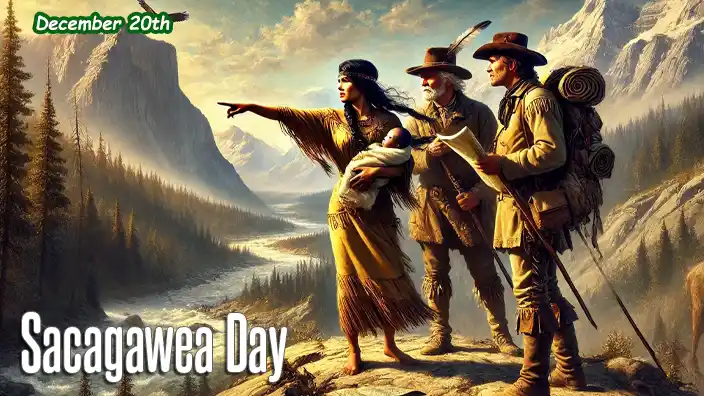
Sacagawea wasn’t just a guide—she was the ultimate multitasker. Imagine a teenager navigating the...
-
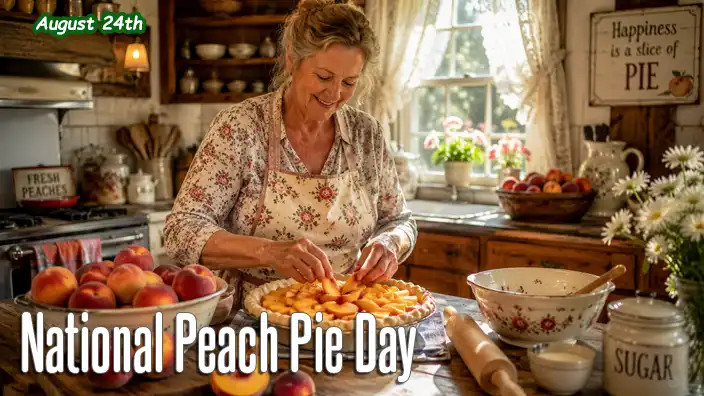
If peaches could talk, they would probably spend most of the year bragging about becoming...

