Mark The Days - December

December doesn’t walk in—it bursts through the door wearing twinkle lights and demanding cocoa. It’s the month where to-do lists triple, bank accounts whimper, and Mariah Carey begins her annual takeover of the airwaves. There’s gift-wrapping, cookie-baking, carol-singing, and the occasional existential crisis about whether you sent Aunt Linda a card last year or just thought about it really hard. But in the chaos comes cheer, and in the cold comes comfort—plus a solid excuse to eat fudge for breakfast. December is loud, sparkly, sentimental... and somehow always over too soon.

- Details
Flying turns even the most grown-up adults into wide-eyed kids at a magic show? There you are, strapped into a seat that's slightly too snug, hurtling through the sky in a metal tube packed with enough people to start a small village. The captain comes on the intercom with a voice so calm it could be used in meditation apps, casually chatting about cruising altitudes while you're defying the laws of gravity with a bag of pretzels. And let's not forget the ever-mysterious airline food, where you're presented with culinary riddles like 'chicken or pasta?' as if you're choosing the fate of your taste buds at 30,000 feet. Flying is the perfect blend of modern science and sheer wonder – it's like being part of a secret club where the initiation ritual is figuring out how to sleep comfortably in economy class.
Celebrated: Annually, on December 7th
Discover the profound celebration of International Civil Aviation Day, honoring the marvels of modern flight and its impact on global connectivity.

- Details
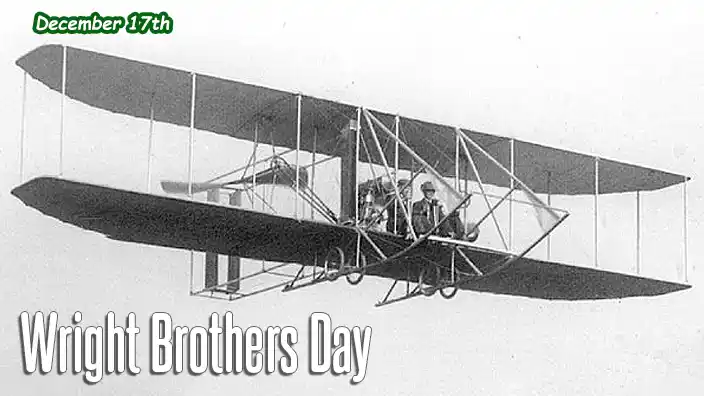
The development of flight is a lot like a family road trip—what started as an exciting 12-second joyride with the Wright Brothers in 1903 quickly turned into a chaotic whirlwind of progress. The Wrights got the ball rolling with their wooden Flyer, flapping their arms (well, metaphorically) over 120 feet of sand, and by the 1940s, planes were zipping through the skies faster than Wilbur could shout, “Hang on, Orville!” Suddenly, jet engines replaced propellers, peanuts became standard in-flight cuisine, and someone thought, “Hey, why not strap rockets to a metal tube and call it space travel?” Fast forward to today, and you’ve got airplanes the size of small buildings carrying hundreds of passengers, Wi-Fi mid-air so you can send cat memes at 35,000 feet, and pilots with sunglasses cooler than Tom Cruise’s. The Wright Brothers would probably stare in awe—then wonder why we still have to remove our shoes at airport security.
Celebrated: Annually, on December 17th
Discover the inspiring journey of the Wright brothers from bicycle mechanics to aviation legends, and how their innovations shaped the future of flight.

- Details
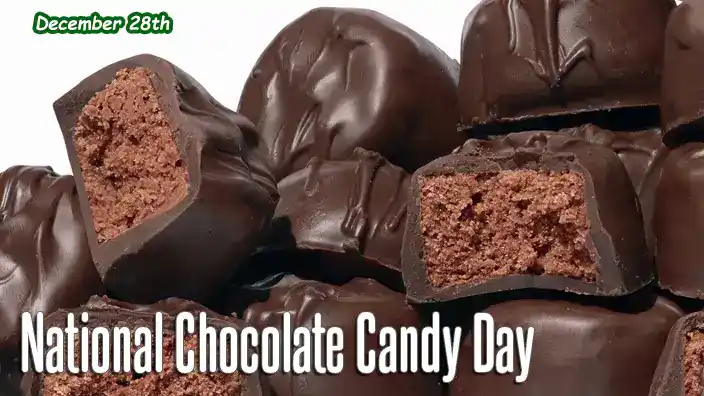
Chocolate is the magical bean that turns bad days into bearable ones and good days into unforgettable moments. It's like a tiny therapist wrapped in foil, ready to melt your worries away and replace them with blissful cocoa-induced euphoria. Whether it's a sneaky midnight snack or a well-deserved reward, chocolate understands you like no other confection can, proving that sometimes, the best therapist is the one you can eat.
Celebrated: Annually, on December 28th
Celebrate National Chocolate Candy Day on December 28th! Dive into the sweet world of chocolate treats, history, and health benefits. Indulge guilt-free in your favorite confections.


- Details
If the last few years taught us anything, it’s that “I’ll deal with it when it happens” is not a winning strategy when it comes to global pandemics. A little preparation goes a long way—especially when the alternative involves sourdough starters and arguing over toilet paper.
Celebrated: Annually, on December 27th
Celebrate the International Day of Epidemic Preparedness and learn how global health systems are evolving after COVID-19.


- Details
Christmas Day is when the holiday magic peaks, and so does the chaos. Kids wake up at the crack of dawn, transforming the living room into a battlefield of wrapping paper and squeals of delight. Parents, fueled by equal parts coffee and Christmas spirit, attempt to assemble complex toys with instructions written in five languages except one they understand. Meanwhile, the dog is busy tasting every dropped morsel, and the cat is halfway up the Christmas tree. It's a day of joy, laughter, and the annual reminder that batteries are never included.
Celebrated: Annually, on December 25th
Discover the global celebration of Christmas, a blend of Christian traditions and diverse cultural customs, symbolising faith, tradition, and universal joy on December 25th.

- Details
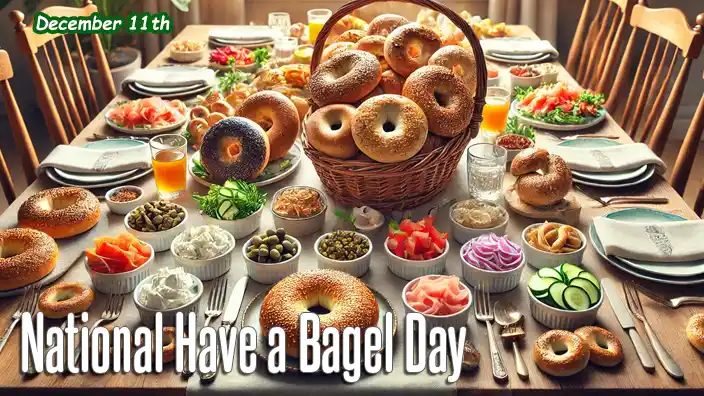
Bagels are proof that even bread can have a personality crisis. Are they breakfast? Lunch? A full-on dinner? Nobody knows, but they bravely attempt all three. They’re the only food that demands you stab them with a knife, smear them with something, and then apologize by adding lox and capers. And let’s not forget the hole—an existential reminder that no matter how much cream cheese you add, something will always be missing. Yet, despite this pastry paradox, bagels remain the chewy champions of carbs, uniting us all in the eternal struggle of sesame seeds versus poppy seeds stuck in our teeth.
Celebrated: Annually, on December 11th
Discover the fascinating origins and evolution of bagels, from their 17th-century Polish roots to their status as a beloved American staple.

- Details
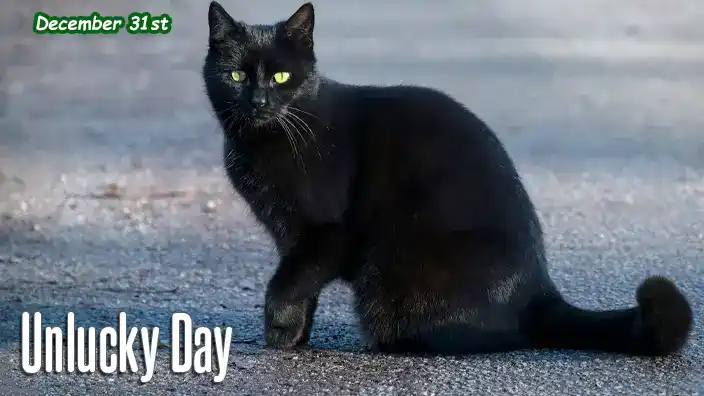
Unlucky Day is that rare holiday where you can celebrate spilling your coffee, tripping over thin air, and locking your keys in the car—all before lunchtime. It’s a day to laugh in the face of fate as you discover the printer is out of ink right before you need to print something important. On Unlucky Day, even the smallest mishaps become badge-worthy tales of survival. So embrace the chaos, dodge that black cat, and remember: if your toast lands butter-side down, it’s just life reminding you that gravity has a great sense of humor.
Celebrated: Annually, on December 31st
Discover Unlucky Day, a humorous holiday that encourages sharing stories of bad luck, celebrating resilience, and finding joy in life's unpredictable moments.


- Details
This is the one day a year when you can shop till you drop and then wrestle a bargain-hunting stranger for the last discounted TV. It’s like Black Friday’s laid-back cousin who had a bit too much eggnog and decided to give everyone a second chance at holiday madness.
Celebrated: Annually, on December 26th
Discover the essence of Boxing Day, a delightful holiday filled with traditions, shopping sprees, and a unique blend of relaxation and revelry. Explore the history and modern celebrations of this post-Christmas gem.

- Details
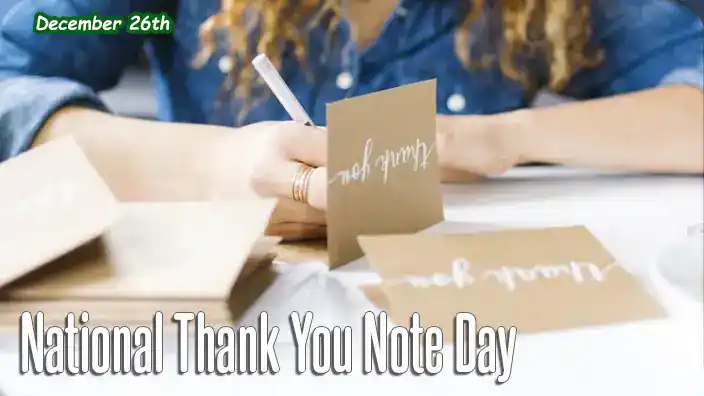
Writing thank you notes is the delicate art of expressing gratitude while navigating the fine line between sincerity and sounding like a Hallmark card. It's the perfect way to relive the awkwardness of opening gifts, trying to find polite ways to say "thanks for the socks" or "appreciate the thought, even if it was a bit off." Every note starts with the noble intention of heartfelt appreciation but often ends up as a desperate scramble for synonyms of "grateful." It's the post-holiday tradition that tests your creativity and penmanship, one polite fib at a time.
Celebrated: Annually, on December 26th
Celebrate National Thank You Note Day by expressing gratitude with handwritten notes. Discover the art and charm of personal thank you messages.


- Details
Today has brought the perfect occasion to air all those grievances about not getting the gifts you hinted at for months. It's the one day when sighing dramatically and muttering, "This isn't what I asked for," won’t just be tolerated, it’ll be celebrated! So, dust off your best pout and get ready to complain about everything from the overcooked turkey to the underwhelming socks from Aunt Edna. After all, if you can’t whine today, when can you?
Celebrated: Annually, on December 26th
Discover the cultural phenomenon of National Whiner's Day, a holiday born from holiday stress and unmet expectations. Embrace your inner grumbler and vocalize your grievances on this unique day.

- Details
It's not uncommon to see a normally quiet neighborhood transform overnight into a glittering battleground of festive one-upmanship. Here, 'keeping up with the Joneses' takes on a whole new meaning. Imagine Mr. Johnson, who, in a stroke of holiday genius, decides to recreate the entire "12 Days of Christmas" in his front yard. By the time he gets to "five golden rings," he's roped in bewildered neighbors, a confused flock of geese, and what seems like the entire town's supply of LED lights. Meanwhile, the Smiths next door, not to be outdone, have synced their lights to play "Jingle Bell Rock" so loudly, even Santa's reindeer are considering earplugs. It's a twinkling, flashing spectacle of holiday cheer (and friendly rivalry) that could probably be seen from the International Space Station!
Celebrated: Annually, on December 1st
Discover the festive world of National Christmas Lights Day, a celebration that kickstarts the holiday season, illuminates our streets, and brings communities together with a dazzling display of lights.


- Details
Peace for one hour? That’s like baking a cake and only eating the crumbs! If we can manage to shelve our squabbles, silence our honking horns, and collectively refrain from turning minor disagreements into full-blown debates for a whole 60 minutes, why stop there? Surely, if Uncle Joe can go a full hour without bringing up politics at dinner, we can stretch it to two! And if neighbors can resist the urge to mow their lawn at 6 AM for an hour, why not keep the mower in the shed until noon? Peace isn’t a sprint—it’s a marathon we’ve already started. So let’s keep it going—after all, the cake tastes much better when you eat the whole thing.
Celebrated: Annually, on December 31st
Discover the origins of the Universal Hour of Peace, an annual observance promoting goodwill, mindfulness, and collective harmony across the world.

- Details
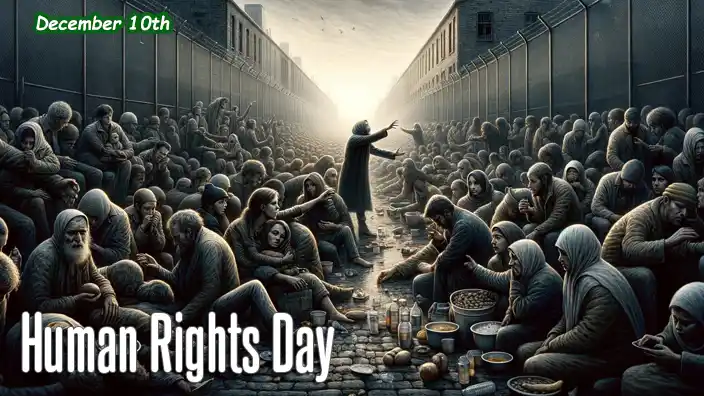
Human rights: the universal declaration that boldly proclaims everyone is equal—except when you're boarding a plane, checking your paycheck, or trying to voice an opinion on social media without being virtually pummeled. It’s the glorious ideal where everyone is entitled to dignity, yet countless people still spend their lives holding signs, shouting into megaphones, or writing petitions, trying to convince others that basic decency shouldn’t be optional. It’s a world where freedom of speech exists, but only if you say the right things to the right people, and the right to life often depends on your zip code, bank account, or whether or not you can dodge a bureaucratic pitfall. Progress is happening, sure—but some days, it feels like humanity's "equality marathon" is being run in flip-flops on a treadmill set to reverse.
Celebrated: Annually, on December 10th
Join the celebration of Human Rights Day by educating yourself, volunteering, and advocating for the rights that ensure dignity and freedom for all.


- Details
Imagine you're a time traveler who's mistakenly set their time machine to the year 3000, only to find out that it's become a galactic trend to dress and act like it's the 1990s. There you are, in your futuristic chrome suit, standing amidst a sea of flannel shirts, baggy jeans, and people saying "as if!" and "talk to the hand." You try to blend in, but your high-tech gadgets keep bleeping, and every time you open your mouth, everyone's antique Tamagotchis go wild. So much for being inconspicuous – you're now the most popular person at the 'retro' party, hailed as the 'most authentic 90s robot' they've ever seen!
Celebrated: Annually, on December 8th
Pretend To Be A Time Traveler Day on December 8th offers a whimsical journey through time, where creativity knows no bounds and educational fun awaits.


- Details
Ever thought the holiday season could use a bit more... horns and mischief? Imagine a world where Santa's jolly laugh is echoed by the clank of chains and a sinister chuckle. That's right, we're not talking about your average festive folklore. Picture a parade where the elves are swapped for creatures that are half-goat, half-demon, and entirely ready to bring a playful scare to your Christmas traditions. Welcome to a night where the naughty list gets a whole new meaning and the sugar-plum fairy politely steps aside for the real star of the show – a certain horned holiday rogue. Are you ready to jingle all the way into a world where Christmas meets a touch of delightful mayhem?
Celebrated: Annually, on December 5th
Discover the enigmatic world of Krampusnacht, where holiday cheer meets a horned scare. Dive into a celebration that blends historical mystique with spine-tingling folklore.


- Details
Pearls, those glorious little orbs of sophistication, have a secret life you might not know about. They start as an oyster's way of saying, “Ugh, not another grain of sand!” and end up as a fashion statement that screams, “Look at me, I'm classy!” It’s the ultimate oyster-made glow-up. But let's be real, wearing pearls is like having a group of tiny, shiny moon-like creatures hanging around your neck, whispering, “We used to be the bane of an oyster’s existence, and now we’re helping you look fabulous.” It’s nature's way of turning an irritant into a fashion statement, proving that with enough time and patience, even the most annoying things can be turned into accessories. Pearls are essentially the world's most glamorous way of making lemonade out of lemons – or should we say, making necklaces out of nuisances!
Celebrated: Annually, on December 15th
National Wear Your Pearls Day celebrates elegance and revolution, transforming pearls from old-school fancy to new-age sassy.

- Details
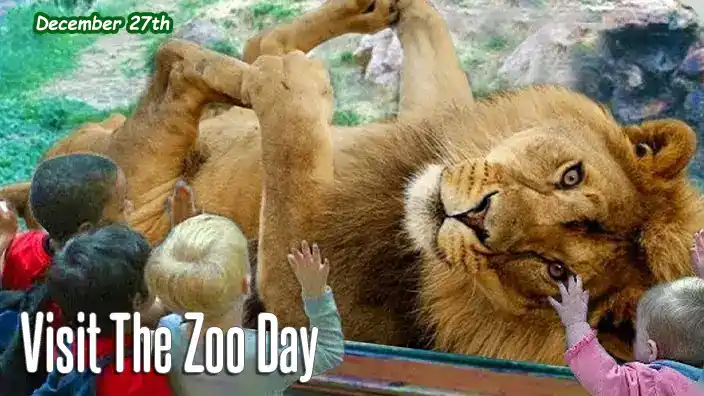
Visiting the zoo is like stepping into nature’s sitcom, where every enclosure has its star comedian. The penguins waddle around like they’re late for a board meeting, the monkeys swing with all the grace of a toddler on a sugar rush, and the giraffes stretch their necks so high they seem to be asking existential questions to the clouds. Meanwhile, you’re trying to convince the kids that no, the flamingos aren’t doing yoga—they’re just standing there. And just when you think you’ve seen it all, the meerkats pop up, looking like nosy neighbors who’ve overheard some juicy gossip. It’s a wild world of hilarity, and the animals didn’t even have to rehearse!
Celebrated: Annually, on December 27th
Experience a wild adventure on Visit the Zoo Day! Dive into the animal kingdom, learn about wildlife, and partake in a fun-filled, educational experience that promises laughter and awe.

- Details
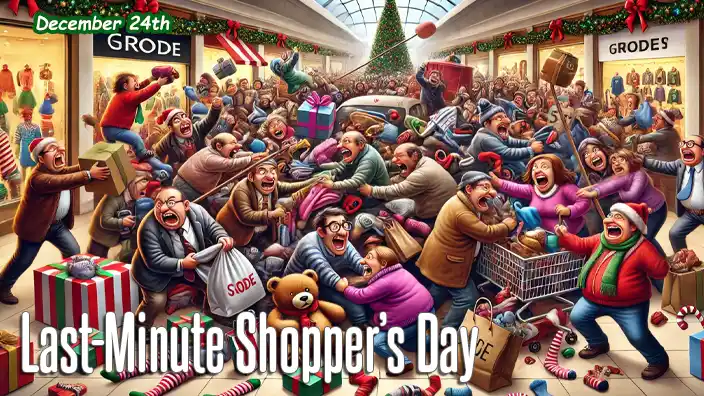
This is the annual Olympics for the perpetually unprepared! It’s that magical time when malls transform into competitive obstacle courses, and grown adults engage in strategic elbow maneuvers over the last pair of fuzzy socks. You can spot these heroic procrastinators by their wild-eyed determination, frenzied scanning of gift racks, and whispered prayers that “overnight shipping” still means tonight. Forget Santa’s sleigh—these folks are powered by caffeine, desperation, and the faint hope that Aunt Marge will love whatever’s left on the shelf.
Celebrated: Annually, on December 24th
Explore the chaos of Last-Minute Shopper's Day, a tradition of frantic gift hunting on December 24th filled with unique shopper types and survival tips.

From Our Marks Catelog
-

Brussels sprouts: the tiny green orbs that have been sparking dinner table debates for...
-
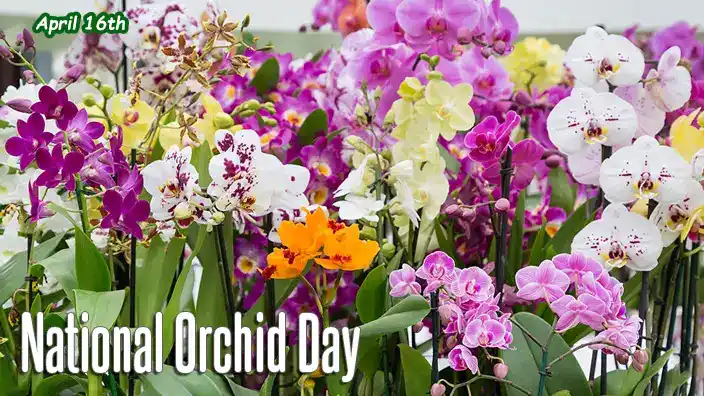
Elegance, mystery, and just the right amount of arrogance—some things demand admiration without lifting...
-
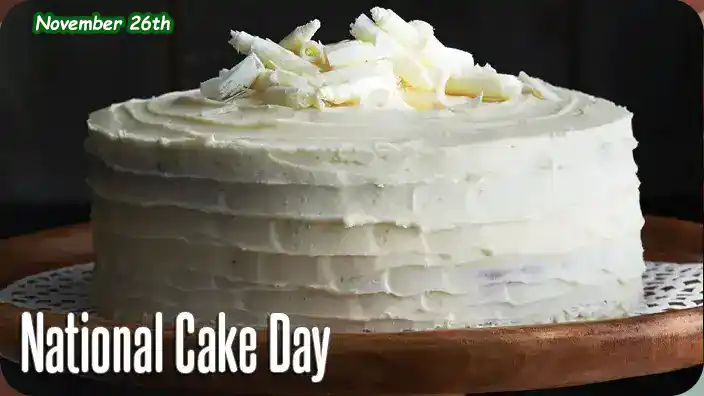
National Cake Day is the one day of the year when it's socially acceptable to have your cake and eat...
-

Forget glow-in-the-dark snack cakes and cheese that comes in a spray can—there’s something wildly...
-
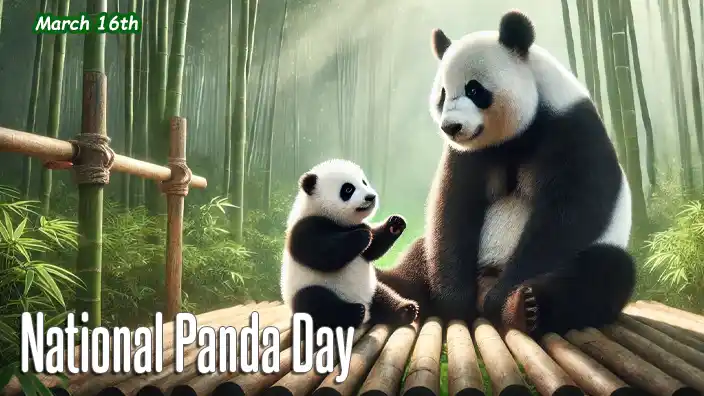
If there were an Olympic event for clumsiness, someone would be rolling down the hill, missing their...
-
Gazpacho Soup Day isn’t just a day to honor cold tomato soup; it’s a day to revel in the absurdity of...

