- Details
- Category: Celebrity Birthdays - October
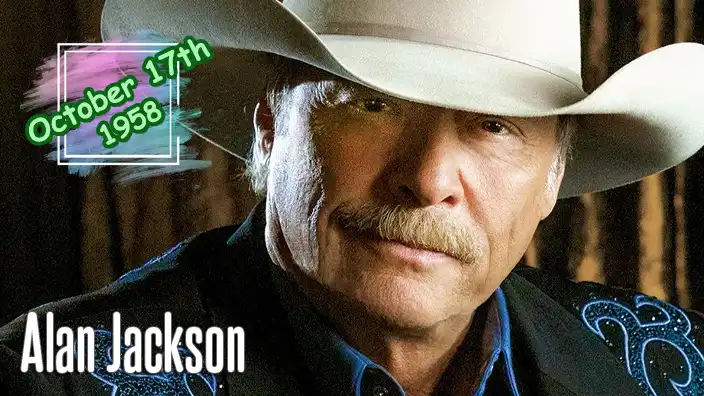
Alan Jackson has spent a remarkable career proving that country music doesn't need flashing lights, complicated dance routines, or a wardrobe borrowed from a science-fiction convention to win an audience. Armed with a cowboy hat, a warm Georgia drawl, and enough hit songs to keep a jukebox working overtime, this Country Music Hall of Fame singer and songwriter turned everyday life into musical memories. From "Chattahoochee" to "Remember When," Jackson has celebrated love, heartbreak, family, fishing, and the occasional cold beverage, all while reminding Nashville that a fiddle and steel guitar are perfectly respectable instruments.
 October 17, 1958, in Newnan, Georgia

Trivia
- His first job was in a shoe repair shop.
- He met his wife, Denise, at a Dairy Queen.
- He bought a 1955 Thunderbird as a teenager.
- He once worked in The Nashville Network's mailroom.
- He joined the Grand Ole Opry in 1991.
- Details
- Category: Celebrity Birthdays - October
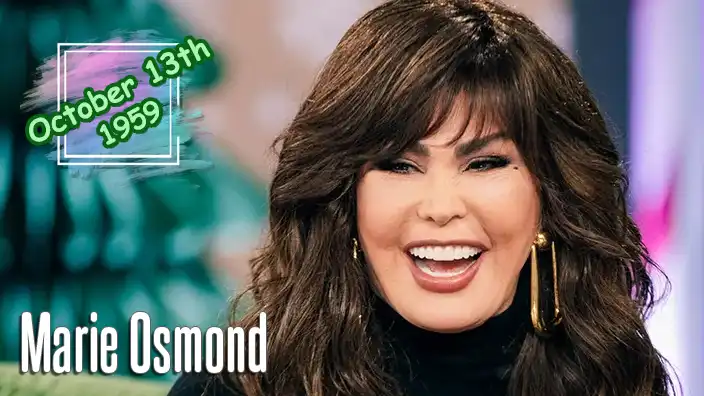
Marie Osmond has spent decades proving that a little bit country, a little bit rock and roll, and an enormous amount of talent can take a performer a very long way. From teenage country music sensation to television sweetheart, Broadway performer, author, and successful entrepreneur, she's managed to do just about everything except persuade her famous family to stop singing together. With her infectious smile, quick wit, and remarkable versatility, Marie has become one of America's most familiar entertainers—and quite possibly the only person who could survive decades of working with Donny Osmond and still keep smiling!
 October 13, 1959, in Ogden, Utah
Trivia
- Has eight brothers and no sisters.
- Was introduced on television as the youngest Osmond brother.
- Turned down a starring role in Grease.
- Finished third on Dancing with the Stars in 2007.
- Remarried her first husband in 2011.
- Details
- Category: Celebrity Birthdays - October
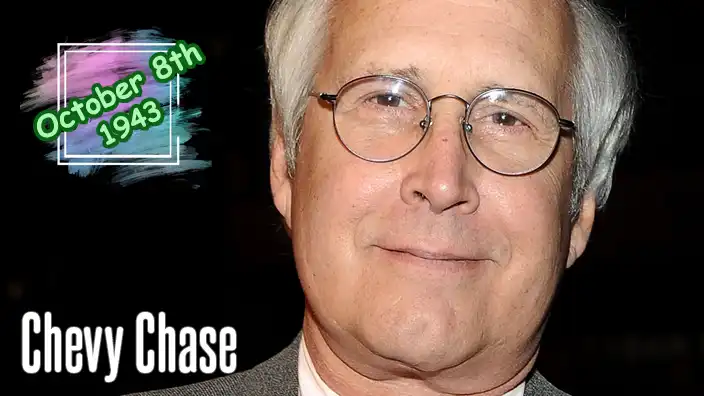
Chevy Chase has spent decades proving that a perfectly timed stare, a spectacular fall and the confidence to behave as though everyone else is the problem can constitute a remarkably successful career. From Saturday Night Live and Caddyshack to Clark Griswold’s increasingly hazardous family vacations, Chase developed a style of comedy that could make arrogance, confusion and minor physical injury extremely funny.
October 8, 1943, in Lower Manhattan, New York
Trivia
- His grandmother gave him the nickname “Chevy.”
- He was valedictorian of his high school class.
- Chase was an original Saturday Night Live cast member.
- He was the first original SNL cast member to leave.
- He has won three Primetime Emmy Awards.
- Details
- Category: Celebrity Birthdays - October
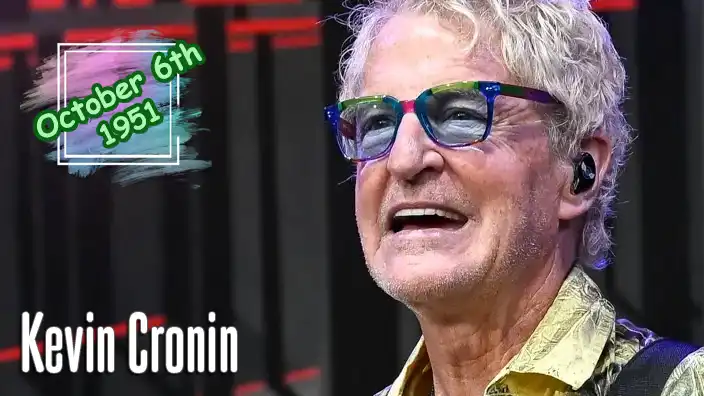
Kevin Cronin supplied the unmistakable voice behind REO Speedwagon and wrote enough enormous rock songs to keep classic-rock radio busy indefinitely. From “Keep On Loving You” and “Can't Fight This Feeling” to “Roll With the Changes” and “Time for Me to Fly,” Cronin discovered that complicated relationships become considerably easier to manage once you add a piano, several guitars and a packed arena.
October 6, 1951, in Evanston, Illinois
Trivia
- He first joined REO Speedwagon in 1972.
- He returned to the band in 1976.
- He wrote “Keep On Loving You.”
- He wrote “Can't Fight This Feeling.”
- He wrote “Roll with the Changes” while traveling west.
- Details
- Category: Celebrity Birthdays - October
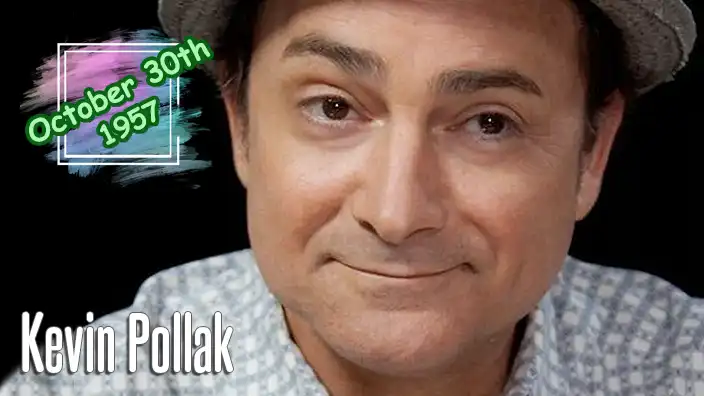
Kevin Pollak has spent decades making audiences laugh, occasionally making them nervous, and frequently stealing scenes from actors who thought they were supposed to be the stars. From trading courtroom barbs with Tom Cruise and Jack Nicholson in A Few Good Men to navigating criminal intrigue in The Usual Suspects and playing the wonderfully exasperated Moishe Maisel in The Marvelous Mrs. Maisel, Pollak has built an extraordinary career as a comedian, actor, impressionist, and filmmaker.
October 30, 1957, in San Francisco, California
Trivia
- Began performing stand-up comedy at age ten.
- Famous for impressions of Christopher Walken and William Shatner.
- Played Lieutenant Sam Weinberg in A Few Good Men.
- Portrayed Todd Hockney in The Usual Suspects.
- Directed the 2015 documentary Misery Loves Comedy.
- Launched Kevin Pollak's Chat Show in 2009.
- Played Moishe Maisel in The Marvelous Mrs. Maisel.
- Details
- Category: Celebrity Birthdays - October
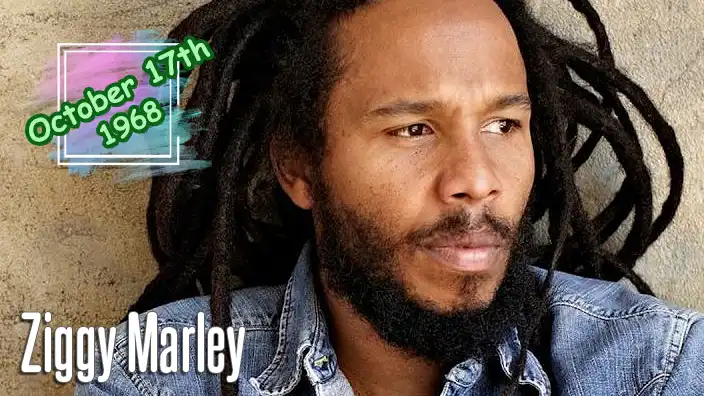
Ziggy Marley was born into a family where reggae music wasn't simply something playing on the radio; it was practically part of the household furniture. As the eldest son of legendary musician Bob Marley, Ziggy inherited an extraordinary musical legacy, along with the considerable challenge of establishing his own identity. Fortunately, with his distinctive voice, infectious rhythms, Grammy-winning recordings, and messages of peace and unity, he has spent decades proving that the Marley family has more than one musical superstar. And while most families pass down recipes, furniture, or the occasional embarrassing photograph, the Marleys apparently decided to pass down an entire musical revolution.
October 17, 1968, in Kingston, Jamaica
Trivia
- He began recording music with his siblings in 1979.
- "Tomorrow People" became a Top 40 hit in 1988.
- He voiced Ernie the jellyfish in Shark Tale.
- He has seven children.
- He wrote the children's book Pajammin'.
- He founded the charitable U.R.G.E. Foundation.
- Details
- Category: Celebrity Birthdays - October
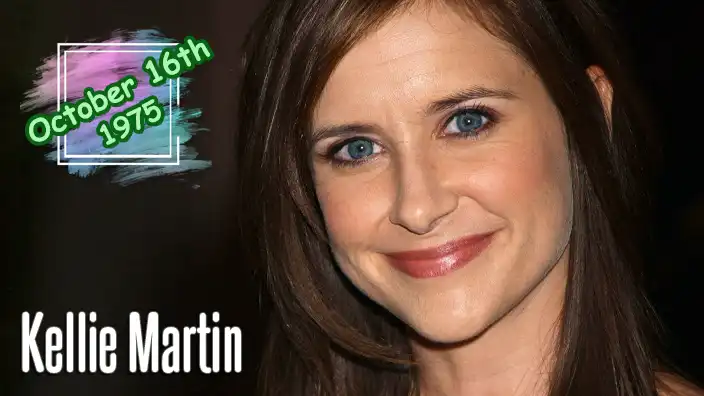
Kellie Martin has survived teenage heartbreak, endured the chaos of a Chicago emergency room, solved enough fictional murders to make the police consider early retirement, and even provided the voice of Scooby-Doo's Daphne Blake. From the groundbreaking family drama Life Goes On to the medical emergencies of ER and the cozy mysteries of Hallmark television, this versatile American actress has spent decades proving that she can handle practically anything a script throws at her. Although, considering what happened to her character on ER, she might occasionally wish the writers had shown a little more mercy.
October 16, 1975, in Riverside, California
Trivia
- She voiced Daphne Blake in A Pup Named Scooby-Doo.
- She received a Primetime Emmy nomination for Life Goes On in 1993.
- She voiced Roxanne in Disney's A Goofy Movie.
- She graduated from Yale University with a degree in art history in 2001.
- She starred in both the 1994 and 2019 versions of Death of a Cheerleader.
- She directed several installments of Hallmark's Mystery Woman franchise.
- Details
- Category: Celebrity Birthdays - October
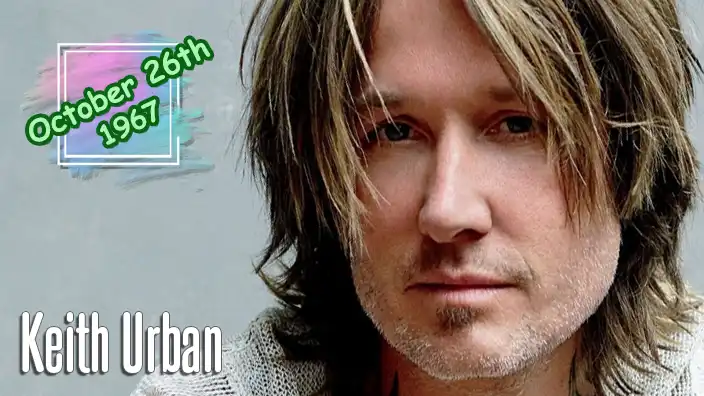
Keith Urban brought Australian charm, extraordinary guitar skills, and a collection of chart-topping country hits to Nashville, proving that cowboy boots work just as well with an accent from Down Under. The Grammy-winning superstar has conquered concert stages, television screens, and millions of hearts, all while making complicated guitar solos look easier than finding a parking space at the Grand Ole Opry.
October 26, 1967, in Whangārei, New Zealand
Trivia
- He won Australia's Toyota Star Maker competition in 1990.
- He moved to Nashville in 1992.
- His first American band was called The Ranch.
- He has won four Grammy Awards.
- He joined the Grand Ole Opry in 2012.
- He entered the Nashville Songwriters Hall of Fame in 2023.
- Details
- Category: Celebrity Birthdays - October
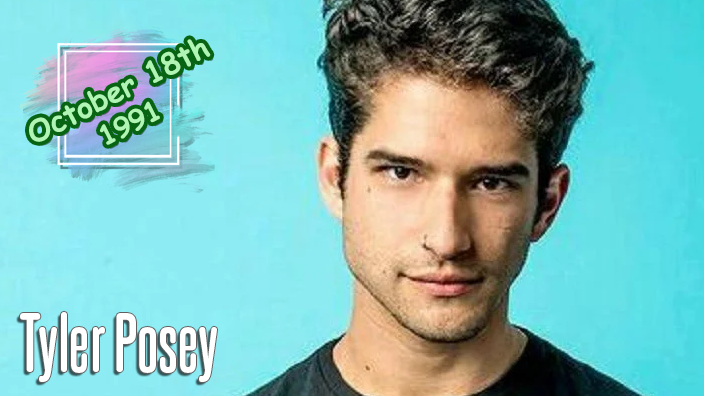
Tyler Posey has spent much of his career proving that growing up in Hollywood can be a particularly hairy experience. Best known as Scott McCall in MTV's supernatural hit Teen Wolf, he transformed from a child actor playing Jennifer Lopez's son into a television werewolf with extraordinary powers and an alarming number of dangerous acquaintances. When he's not battling supernatural creatures, Posey plays punk rock, directs films, and occasionally enjoys a role that doesn't require extensive facial hair and glowing eyes.
October 18, 1991, in Santa Monica, California
Trivia
- He played Jennifer Lopez's son in Maid in Manhattan.
- He portrayed Scott McCall in all 100 episodes of Teen Wolf.
- He directed a Teen Wolf episode in 2017.
- He was considered for Jacob Black in Twilight.
- He voiced Tony Toretto in Fast & Furious Spy Racers.
- Details
- Category: Celebrity Birthdays - October
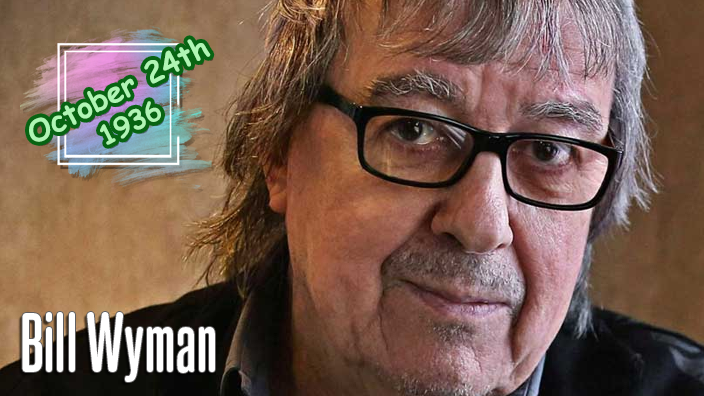
Bill Wyman spent three decades providing the steady bass lines that helped turn The Rolling Stones into one of the biggest rock bands in history, all while looking remarkably unimpressed by the chaos surrounding him. While Mick Jagger strutted, Keith Richards experimented with the limits of human survival, and Charlie Watts maintained an expression of dignified disbelief, Wyman quietly kept the music moving.
October 24, 1936, in Lewisham, England
Trivia
- He served in the Royal Air Force in Germany.
- He bought his first guitar in 1956.
- He joined the Rolling Stones in December 1962.
- He recorded "In Another Land" with the Stones in 1967.
- He released his first solo album, Monkey Grip, in 1974.
- He is an enthusiastic metal detectorist and amateur archaeologist.
- Details
- Category: Celebrity Birthdays - October
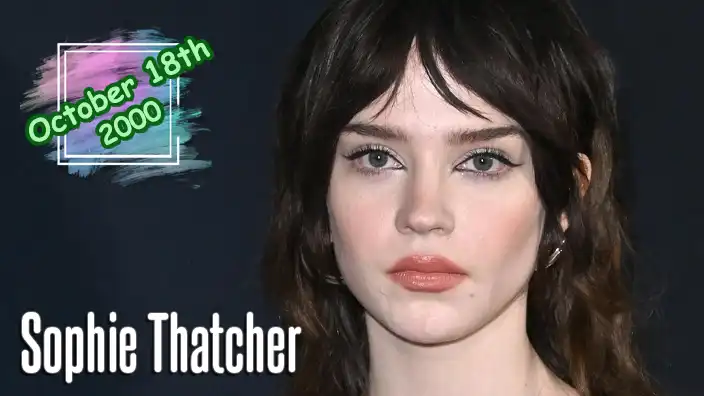
Sophie Thatcher has made a remarkable career out of surviving situations that would send most sensible people running for the nearest exit. From the wilderness nightmares of Yellowjackets to the supernatural terror of The Boogeyman and the psychological twists of Companion, this Chicago-born actress has become one of Hollywood's most exciting young performers. With her distinctive screen presence, musical talents, and apparent willingness to accept roles involving absolutely dreadful vacations, Thatcher is proving that being frightened can be excellent for your career.
October 18, 2000, in Chicago, Illinois
Trivia
- She began performing in musical theater as a child.
- Her feature-film debut was Prospect (2018).
- She played Drash in The Book of Boba Fett.
- She appeared in Pavement's Harness Your Hopes music video.
- She released her debut EP, Pivot & Scrape, in 2024.
- Details
- Category: Celebrity Birthdays - October
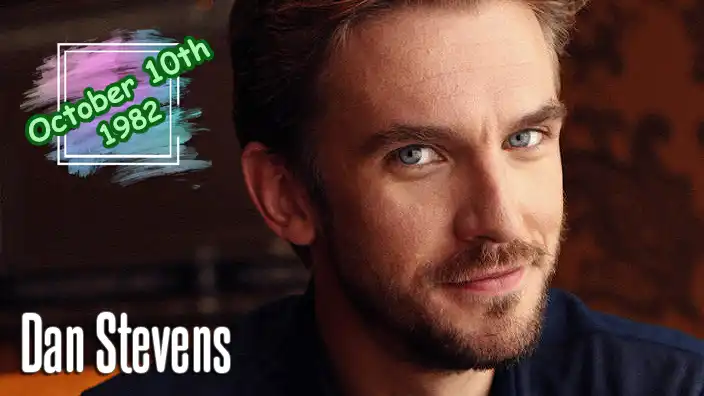
Dan Stevens has enjoyed one of the more unusual career paths in British entertainment, progressing from an impeccably dressed aristocrat in Downton Abbey to a hairy, horned creature in Disney's Beauty and the Beast. Along the way, he has played psychopaths, superheroes, historical figures, and enough eccentric characters to keep a psychiatrist employed for decades. Apparently, being handsome, talented, and charming wasn't enough; he also wanted to frighten the audience occasionally.
October 10, 1982, in Croydon, England
Trivia
- He studied English literature at Cambridge University.
- He played Matthew Crawley in Downton Abbey.
- He wore a motion-capture suit to portray Disney's Beast.
- He speaks French and German fluently.
- He played Charles Dickens in The Man Who Invented Christmas.
- He voiced Korvo in Solar Opposites.
- Details
- Category: Celebrity Birthdays - October
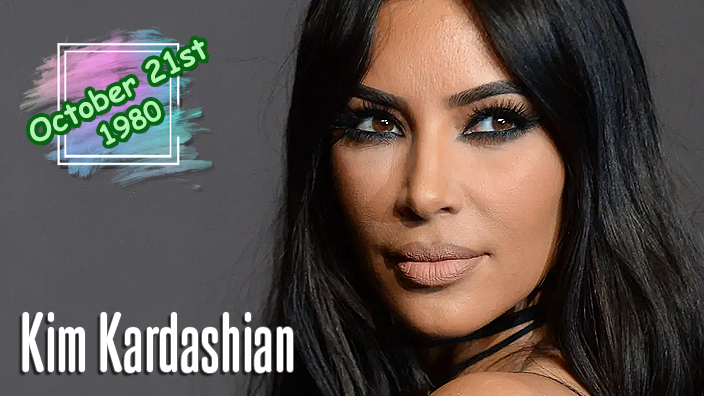
Kim Kardashian has accomplished something remarkable: turning reality television fame into a business empire while convincing millions of people that keeping up with her family is practically a full-time occupation. From glamorous red carpets and billion-dollar brands to legal advocacy and social media domination, Kim has mastered the art of staying in the spotlight. Somewhere along the way, she also proved that having cameras follow you around the house can be considerably more profitable than having them installed for security.
October 21, 1980, in Los Angeles, California
Trivia
- Competed on Dancing with the Stars in 2008.
- Co-authored the bestselling book Kardashian Konfidential in 2010.
- Inspired the popular mobile game Kim Kardashian: Hollywood.
- Has Armenian ancestry through her father, Robert Kardashian.
- Voiced Delores the poodle in two PAW Patrol movies.
- Passed California's baby bar examination in 2021.
- Details
- Category: Celebrity Birthdays - October
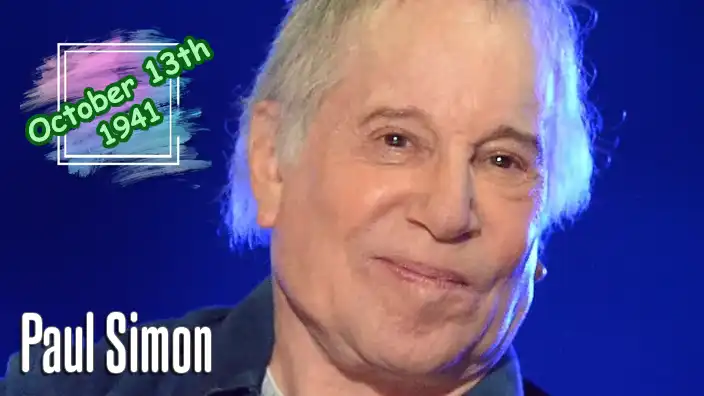
Paul Simon has spent decades proving that you don't need a booming voice, a spectacular haircut, or a guitar the size of a refrigerator to become a musical legend. Armed with extraordinary songwriting talent, a gift for unforgettable melodies, and lyrics that can make listeners laugh, cry, or contemplate their entire existence before breakfast, Simon helped redefine American popular music. From the harmonies of Simon & Garfunkel to the groundbreaking rhythms of Graceland, he's made an astonishing career out of finding just the right words—and occasionally reminding us that there must be 50 ways to leave your lover.
October 13, 1941, in Newark, New Jersey
Trivia
- Performed with Art Garfunkel as Tom and Jerry.
- Recorded under the stage name Jerry Landis.
- Is left-handed but plays guitar right-handed.
- Appeared in Annie Hall in 1977.
- Won three Album of the Year Grammys.
- Was inducted into the Rock & Roll Hall of Fame twice.
- Details
- Category: Celebrity Birthdays - October
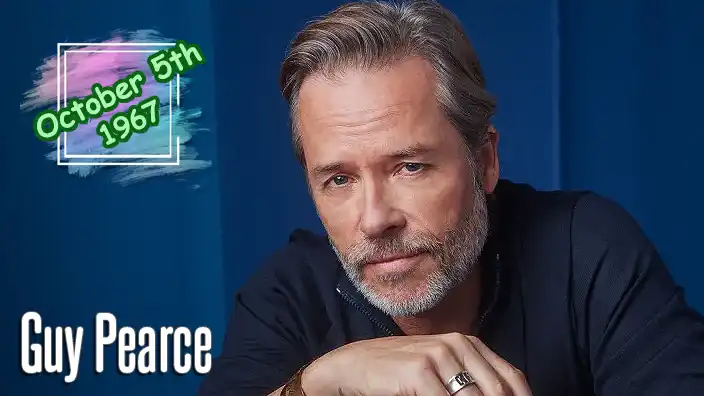
Guy Pearce has spent decades demonstrating that the fellow from Neighbours could become almost anybody Hollywood required, provided nobody expected him to remain the same person for very long. From a drag performer crossing the Australian Outback to an obsessive detective, a man unable to make new memories and a wealthy industrialist of alarming proportions, Pearce has built a career around transformation rather than comfortable repetition.
October 5, 1967, in Ely, England
Trivia
- He competed in amateur bodybuilding as a teenager.
- His bus in Priscilla was named Priscilla.
- Leonard's tattoos are central to Memento.
- He won an Emmy for Mildred Pierce.
- Pearce is also a singer and songwriter.
- The Brutalist brought his first Oscar nomination.
- Details
- Category: Celebrity Birthdays - October
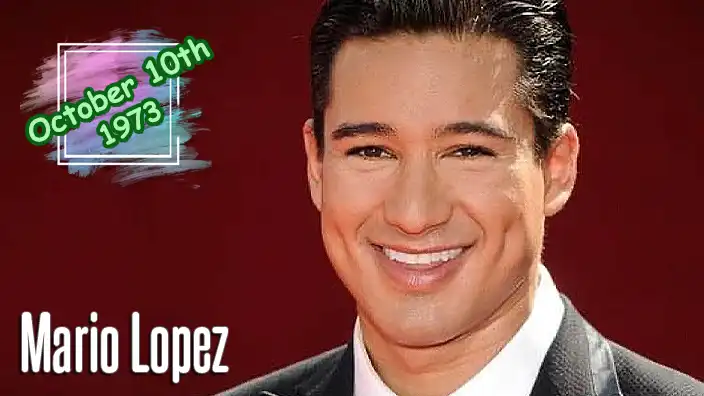
Mario Lopez first became famous as A.C. Slater, the muscular, wisecracking heartthrob of Saved by the Bell, and somehow managed to turn a high school wrestling uniform into a lifelong television career. Since then, he has hosted entertainment programs, interviewed celebrities, competed on Dancing with the Stars, and appeared on enough red carpets to qualify as an expert in expensive flooring. Decades after leaving Bayside High, he remains one of television's most recognizable personalities, with a smile that apparently comes with its own lighting department.
October 10, 1973, in San Diego, California
Trivia
- He was a competitive high school wrestler.
- He played A.C. Slater in Saved by the Bell.
- He finished second on Dancing with the Stars in 2006.
- He appeared on Broadway in A Chorus Line.
- He returned as Coach Slater in the Saved by the Bell revival.
- Details
- Category: Celebrity Birthdays - October
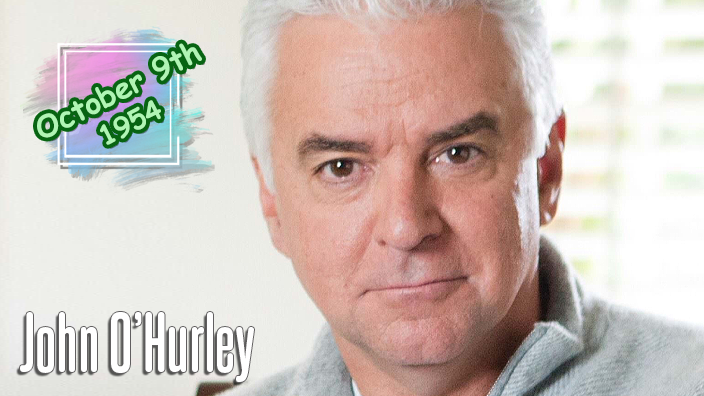
John O'Hurley has made a career out of sounding as though he personally approved the English language before anyone else was permitted to use it. Best remembered as the gloriously theatrical J. Peterman on Seinfeld, he went on to host Family Feud, charm audiences on Dancing with the Stars, and become a familiar voice at the National Dog Show. With impeccable comic timing, a commanding baritone, and a talent for making the ridiculous sound positively majestic, O'Hurley has proved that sometimes the most entertaining person in the room is the fellow taking himself just a little too seriously.
October 9, 1954, in Kittery, Maine
Trivia
- Graduated from Providence College with a theater degree.
- Played J. Peterman on Seinfeld from 1995 to 1998.
- Hosted Family Feud from 2006 to 2010.
- Won the Dancing with the Stars rematch in 2005.
- Has hosted the National Dog Show since 2002.

- Details
- Category: Celebrity Birthdays - October
If John Lennon were still with us, he’d probably be tweeting sarcastic takes about world politics while strumming an acoustic guitar in his kitchen. He had that rare knack for pairing profound truths with just the right amount of cheek—kind of like your smartest friend who also happens to be the most likely to start a singalong at 2 a.m. Lennon didn’t just imagine a better world; he made you believe it was possible… even if he’d still tell you to “shut up” if you were being annoying.
October 9, 1940, in Liverpool, England
 December 8, 1980, in New York, New York
Trivia
- Art School Rebel: Before music fame, Lennon studied at the Liverpool College of Art, where his rebellious streak was already in full swing.
- Double Birthdays: Lennon shared his birthday with his son Sean Lennon, born exactly 35 years later in 1975.
- Peace Advocate: Known for his “Bed-In” protests with wife Yoko Ono, he used his celebrity as a platform for anti-war activism.
- Honors: Posthumously inducted into both the Songwriters Hall of Fame and the Rock and Roll Hall of Fame as a solo artist.
- Details
- Category: Celebrity Birthdays - October
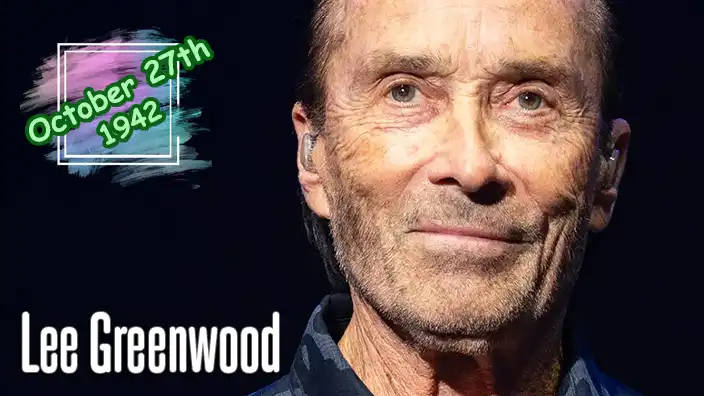
Lee Greenwood is the Grammy-winning country music singer-songwriter who gave America seven number-one country hits and a patriotic anthem that practically demands everyone stand up straight. With his powerful voice, heartfelt ballads, and unmistakable love of country, Greenwood has spent decades proving that a good song can stir emotions, fill concert halls, and occasionally make an entire audience reach for a tissue.
October 27, 1942, in Southgate, California
Trivia
- His first band was called the Moonbeams.
- He missed his high school graduation to perform professionally.
- He once worked as a Las Vegas casino dealer.
- He has seven number-one Billboard country hits.
- He wrote God Bless the U.S.A. aboard his tour bus.
- Details
- Category: Celebrity Birthdays - October
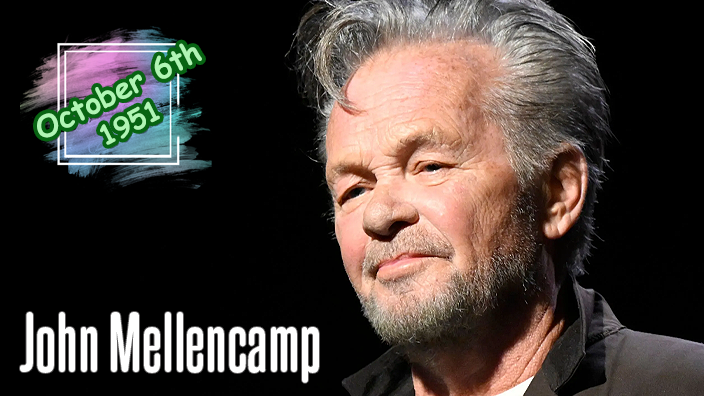
John Mellencamp is an American rock singer-songwriter whose career has included hit records, Grammy recognition, Farm Aid and enough changes of professional name to confuse a record-store filing cabinet. After Johnny Cougar, John Cougar and John Cougar Mellencamp, he eventually discovered that John Mellencamp worked perfectly well.
October 7, 1951, in Seymour, Indiana
Trivia
- His first stage name was Johnny Cougar.
- "Jack & Diane" reached No. 1 in America.
- He co-founded Farm Aid in 1985.
- He directed and starred in Falling from Grace.
- He is also an accomplished painter.
- He entered the Rock and Roll Hall of Fame in 2008.
- Details
- Category: Celebrity Birthdays - October
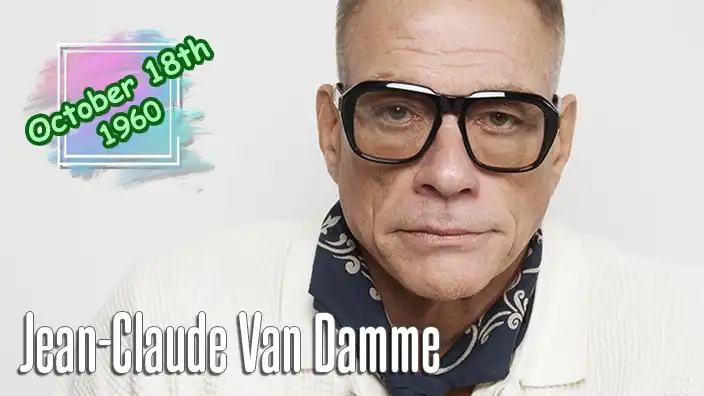
Jean-Claude Van Damme has spent decades kicking villains, performing gravity-defying splits, and demonstrating that a Belgian accent and an impressive pair of legs can conquer Hollywood. Known worldwide as the “Muscles from Brussels,” this martial artist turned action movie superstar made high kicks, dramatic showdowns, and occasionally bewildering philosophical observations part of his unmistakable screen personality. When Van Damme enters a room, the bad guys generally leave horizontally.
October 18, 1960, in Berchem-Sainte-Agathe, Belgium
Trivia
- He studied classical ballet for approximately five years.
- His nickname is the “Muscles from Brussels.”
- He once worked as a bouncer at a bar owned by Chuck Norris.
- Bloodsport (1988) launched his international stardom.
- He played twin brothers in Double Impact (1991).
- He directed the martial arts film The Quest (1996).
From Our Marks Catelog
-

American Football Day is that magical time when perfectly reasonable adults suddenly start yelling at...
-

There’s something about that golden cloud of meringue that makes you forget all your worries, at...
-

Posttraumatic growth isn’t about silver linings or pretending that pain was somehow “worth it.” It’s...
-

On a hot day, when the sun is cooking the sidewalk and even the lawn chairs are sweating, there’s one...
-
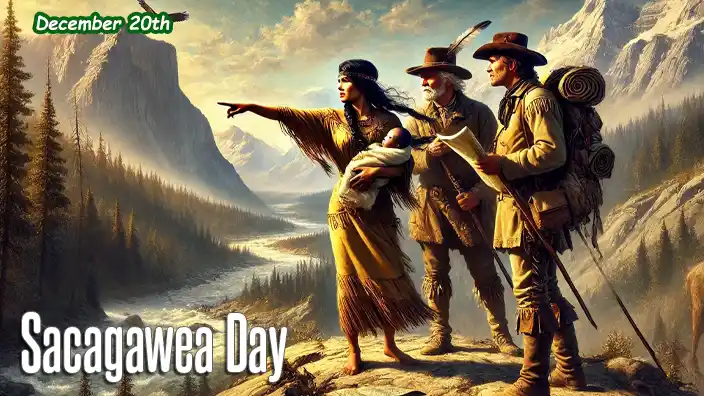
Sacagawea wasn’t just a guide—she was the ultimate multitasker. Imagine a teenager navigating the...
-
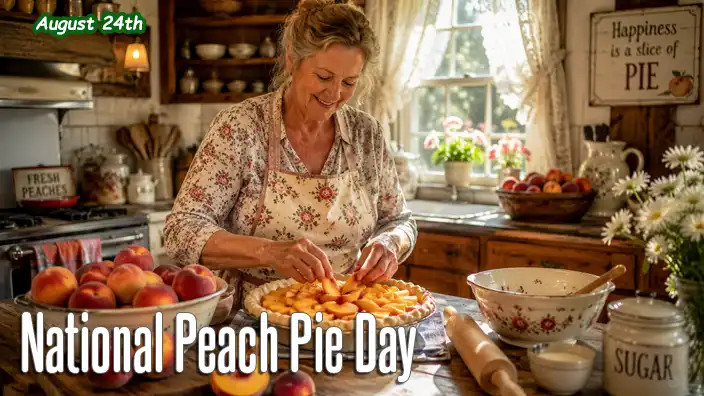
If peaches could talk, they would probably spend most of the year bragging about becoming...

