October 28, 1984, in Lenox, Massachusetts

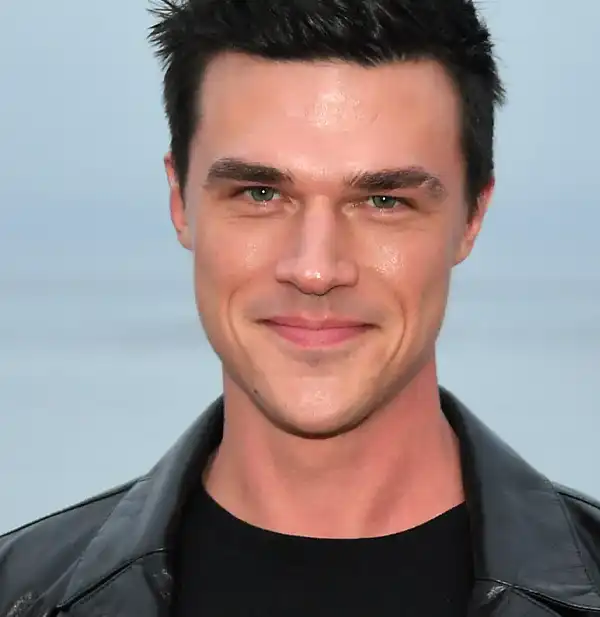
Finn Wittrock, born Peter L. Wittrock Jr. on October 28, 1984, in Lenox, Massachusetts, is an American actor whose remarkable versatility has made him a familiar presence in television, film, and theater. Best known for his disturbing and unforgettable performances in the anthology series American Horror Story, Wittrock has established a reputation for portraying psychologically complicated characters with extraordinary conviction. His career has also included critically acclaimed Broadway productions, historical dramas, independent films, and major Hollywood releases. With two Primetime Emmy Award nominations and an impressive collection of theatrical achievements, Wittrock has demonstrated that his talents extend well beyond frightening television audiences, although he has certainly become exceptionally good at that particular activity.
Wittrock grew up in a family with strong connections to theater and education. His father, Peter Wittrock, was an actor who worked with theatrical companies, including Shakespeare & Company in Lenox, Massachusetts, while his mother, Kate Claire Crowley, pursued a career in occupational therapy education. His childhood was shaped by exposure to professional theater, rehearsals, stage productions, and the demanding work involved in bringing dramatic performances to life. Rather than discovering acting through television or movies alone, Wittrock experienced the profession from behind the scenes, observing actors preparing for performances and learning how theatrical productions developed from rehearsals into finished performances. This early environment helped establish an appreciation for classical drama and the collaborative nature of acting that would remain important throughout his career.
During his childhood, Wittrock spent considerable time around Shakespeare & Company, a respected theatrical organization known for presenting the works of William Shakespeare and other classical playwrights. His father's involvement with the company provided opportunities to observe professional actors and develop an understanding of the discipline required for live performance. The experience introduced him to the complexities of theatrical storytelling, including the importance of language, movement, characterization, and emotional expression. While many children were becoming familiar with Shakespeare through school assignments, Wittrock was growing up around people who performed the plays professionally. This provided a rather unusual childhood education, particularly when family conversations could involve questions about Hamlet's motivations instead of more ordinary concerns about television programs and homework.
When Wittrock was twelve, his family moved to Los Angeles, California, where he continued developing his interest in acting. He attended the Los Angeles County High School for the Arts, an institution offering specialized education for students pursuing creative disciplines. The school provided opportunities to study theater while maintaining a traditional academic curriculum, allowing Wittrock to develop his performance skills in an environment filled with other aspiring artists. His education included acting techniques, dramatic interpretation, and theatrical production, helping him establish the foundations of a professional career. Growing up in Los Angeles also placed him closer to the film and television industry, providing opportunities to pursue auditions and gain practical experience.
After completing high school, Wittrock initially considered attending the prestigious Juilliard School in New York City, one of America's most respected performing arts institutions. However, he decided to spend time pursuing acting opportunities in Los Angeles before committing to further formal training. During this period, he began securing guest appearances on television programs, gaining experience in professional productions while learning about the realities of the entertainment industry. His early credits included appearances in ER, Cold Case, and CSI: Miami, all of which provided valuable opportunities to work alongside established actors and production teams. Although these were relatively small roles, they helped him understand the technical demands of television acting and the importance of delivering convincing performances within limited screen time.
One of Wittrock's early television appearances came in the 2004 Disney Channel movie Halloweentown High, the third installment in the popular Halloweentown fantasy film series. He portrayed Cody, a human student who becomes involved in the adventures of a young witch attempting to integrate magical students into an ordinary high school. The production offered a lighthearted introduction to supernatural entertainment, an interesting early connection for an actor who would later become famous for portraying some of television's most disturbing characters. Although Halloweentown High was considerably more family-friendly than American Horror Story, the two productions shared an interest in unusual creatures, mysterious circumstances, and the complications that arise when supernatural beings interact with ordinary society.
Wittrock eventually decided to pursue formal theatrical training and successfully auditioned for Juilliard, having previously been accepted before choosing to delay enrollment. At the school, he studied acting within a demanding conservatory environment designed to prepare performers for professional theater, film, and television. Juilliard's training emphasized classical texts, voice, movement, character development, and the technical discipline required for sustained performance. The experience helped Wittrock refine his natural abilities while exposing him to a broad range of theatrical traditions. He graduated with a Bachelor of Fine Arts degree in 2008, equipped with the professional training and practical experience necessary to pursue more demanding roles.
Following his graduation, Wittrock continued building his theatrical résumé through regional and professional stage productions. He portrayed Romeo in Shakespeare's Romeo and Juliet at the Shakespeare Theatre Company in Washington, D.C., demonstrating his ability to handle classical language and emotionally demanding material. He also appeared in George Bernard Shaw's Candida at the Berkshire Theatre Festival, playing the young poet Eugene Marchbanks. These productions provided opportunities to work with established directors and performers while developing his reputation as a serious stage actor. His classical training became an important professional advantage, allowing him to approach complex characters with the discipline and attention to detail associated with traditional theater.
A significant television breakthrough arrived in 2009 when Wittrock joined the ABC daytime soap opera All My Children, portraying Damon Miller. The character became involved in several complicated storylines, including romantic relationships and family conflicts, providing Wittrock with extensive experience in serialized television drama. He remained with the production until 2011, appearing in numerous episodes and developing the ability to handle demanding filming schedules. Daytime television requires actors to learn substantial amounts of dialogue and deliver emotionally convincing performances with relatively limited rehearsal time. Wittrock's experience on the series helped strengthen his confidence and screen presence, preparing him for more prominent television roles. It also introduced him to the familiar soap opera tradition in which even a simple family dinner can become an international incident involving three secret relatives and an unexpected marriage.
During this period, Wittrock continued pursuing theater opportunities alongside his television work. In 2011, he appeared in Tony Kushner's The Illusion at the Signature Theatre in New York, a production that would prove especially important to his career. His performance attracted the attention of acclaimed director Mike Nichols, who was preparing a Broadway revival of Arthur Miller's classic American drama Death of a Salesman. Nichols invited Wittrock to audition for the role of Happy Loman, the younger son of struggling salesman Willy Loman. Wittrock secured the part, earning an opportunity to perform alongside distinguished actors including Philip Seymour Hoffman, Linda Emond, and Andrew Garfield.
The 2012 Broadway revival of Death of a Salesman became a major theatrical success, earning widespread critical acclaim and winning the Tony Award for Best Revival of a Play. Wittrock's portrayal of Happy Loman demonstrated his ability to handle one of American theater's most psychologically complicated family dramas. His character represented a young man struggling with ambition, insecurity, and the expectations created by his father's distorted understanding of success. Performing alongside Philip Seymour Hoffman provided Wittrock with an extraordinary professional experience, allowing him to observe and collaborate with one of the most respected actors of his generation. His performance earned a Theatre World Award and a Clarence Derwent Award, recognizing his achievements as a promising stage performer.
Wittrock continued developing his theatrical career through productions including Tennessee Williams' Sweet Bird of Youth at Chicago's Goodman Theatre, where he performed alongside Diane Lane. The play explores ambition, aging, disappointment, and the destructive consequences of pursuing fame at any cost. His performance demonstrated an affinity for characters whose outward confidence conceals deeper emotional conflicts, a quality that would later become particularly important in his television work. He also appeared in The Guardsman at the Kennedy Center and continued participating in productions of classical and contemporary plays. These experiences reinforced his reputation as a versatile performer capable of moving between theatrical traditions and contemporary dramatic storytelling.
His film career expanded during the early 2010s with appearances in productions including Twelve (2010), Winter's Tale (2014), and Darren Aronofsky's biblical epic Noah (2014). These roles introduced him to different filmmaking styles and allowed him to work within productions featuring established Hollywood performers. Although his early film appearances were often supporting roles, they provided valuable experience in the technical and collaborative aspects of movie production. Wittrock's ability to move between stage and screen reflected his broad training and willingness to pursue projects offering interesting characters rather than concentrating exclusively on commercial visibility.
In 2014, Wittrock appeared in HBO's acclaimed television film The Normal Heart, directed by Ryan Murphy and based on Larry Kramer's autobiographical play about the early years of the AIDS crisis in New York City. The production featured an ensemble cast including Mark Ruffalo, Julia Roberts, Matt Bomer, Jim Parsons, and Taylor Kitsch. Wittrock portrayed Albert, contributing to a story examining fear, discrimination, activism, and the struggle to obtain public recognition and medical attention during a devastating health emergency. The film received widespread critical acclaim and won the Primetime Emmy Award for Outstanding Television Movie. His involvement introduced him to Ryan Murphy, a prolific television producer and director whose projects would become central to Wittrock's subsequent career.
That same year, Wittrock appeared in Angelina Jolie's historical war drama Unbroken, portraying Francis "Mac" McNamara, an American serviceman stranded at sea with Olympic athlete and military aviator Louis Zamperini following a plane crash during World War II. The film, based on Laura Hillenbrand's bestselling biography, followed Zamperini's extraordinary experiences of survival, imprisonment, and resilience. Wittrock's portrayal of Mac contributed to the film's emotionally demanding survival sequences, depicting the physical and psychological consequences of prolonged exposure, starvation, and uncertainty. The production required substantial commitment from its performers, particularly during scenes involving the desperate struggle to survive on a small life raft in the Pacific Ocean. It provided Wittrock with another opportunity to portray a historically grounded character facing extraordinary circumstances.
However, the role that transformed Wittrock into a widely recognized television personality arrived later in 2014, when he joined the fourth season of FX's anthology series American Horror Story, titled Freak Show. Created by Ryan Murphy and Brad Falchuk, the series was set in 1952 Jupiter, Florida, and followed the performers of a struggling traveling curiosity show. Wittrock portrayed Dandy Mott, a wealthy, spoiled, and deeply disturbed young man whose privileged upbringing had failed to produce anything resembling a healthy respect for other human beings. The character initially appeared childish and eccentric, but his behavior gradually revealed an increasingly violent and dangerous personality. Wittrock's performance combined unsettling charm, emotional instability, and terrifying unpredictability, creating one of the season's most memorable antagonists.
Dandy Mott became a defining character in American Horror Story: Freak Show, attracting attention for his disturbing behavior and extraordinary sense of entitlement. Raised by his indulgent mother, Gloria Mott, portrayed by Frances Conroy, Dandy displayed a dangerous inability to accept rejection or understand the consequences of his actions. His fascination with the performers of Elsa Mars' freak show gradually developed into obsession and violence, producing some of the season's most shocking moments. Wittrock approached the character with an unusual combination of theatrical exaggeration and psychological realism, portraying Dandy as simultaneously ridiculous, pathetic, and genuinely frightening. His performance demonstrated how a character could become terrifying not simply through physical violence, but through the complete absence of empathy and self-restraint.
The role required Wittrock to explore the emotional contradictions of a character whose privileged lifestyle concealed profound psychological instability. Rather than portraying Dandy as a conventional horror villain, he emphasized the character's childishness, insecurity, and desperate need for attention. This approach made the performance particularly disturbing because Dandy frequently appeared incapable of understanding the seriousness of his own behavior. His extravagant costumes, carefully styled appearance, and theatrical mannerisms contrasted sharply with the brutality of his actions. Audiences quickly learned that whenever Dandy entered a scene wearing an expensive suit and a cheerful expression, the sensible response was probably to leave the building immediately.
Wittrock's performance earned him a Primetime Emmy Award nomination in 2015 for Outstanding Supporting Actor in a Limited Series or Movie. The recognition established him as one of the standout performers in American Horror Story and demonstrated his ability to create memorable characters within a large ensemble cast. His portrayal of Dandy Mott remains among the most frequently discussed performances of the series, particularly because of the character's combination of dark humor, psychological instability, and horrifying behavior. The role also strengthened his professional relationship with Ryan Murphy, leading to further collaborations across several television productions.
Wittrock returned to American Horror Story in its fifth season, Hotel (2015), portraying two very different characters. His first role was Tristan Duffy, a rebellious male model who becomes involved with the mysterious Countess, played by Lady Gaga. Tristan's storyline explored obsession, desire, and the supernatural dangers associated with the Hotel Cortez, a fictional Los Angeles establishment where checking in frequently proved considerably easier than checking out. Wittrock also portrayed legendary silent-film actor Rudolph Valentino, appearing in a storyline inspired by Hollywood history and supernatural mythology. The dual performances demonstrated his versatility, allowing him to move between contemporary fashion-world arrogance and the romantic glamour associated with early cinema.
His portrayal of Rudolph Valentino required a different approach from the violent excesses of Dandy Mott. Valentino was one of silent cinema's most celebrated romantic leading men, and Wittrock drew upon the elegance, physical expression, and distinctive style associated with the actor's screen persona. The role allowed him to explore historical Hollywood mythology while participating in the series' supernatural narrative. Playing two characters within the same season also demonstrated the flexibility of American Horror Story's anthology format, which regularly invited performers to adopt completely different identities across its changing stories.
In 2015, Wittrock also starred in the sports drama My All American, portraying Freddie Steinmark, a college football player at the University of Texas whose promising athletic career was interrupted by a cancer diagnosis. Directed by Angelo Pizzo, the film explored Steinmark's determination, relationships, and experiences as a member of the Texas Longhorns football team. Wittrock's performance emphasized the character's optimism, courage, and commitment to his teammates while confronting an increasingly difficult personal situation. The role represented a striking contrast to his performances in American Horror Story, allowing him to portray a sympathetic real-life figure whose experiences inspired others. It also demonstrated that Wittrock could convincingly play a determined young athlete without secretly plotting to murder everyone in the locker room.
Another important film appearance came with Adam McKay's financial comedy-drama The Big Short (2015), which examined the events leading to the 2007–2008 financial crisis. The film featured an ensemble cast including Christian Bale, Steve Carell, Ryan Gosling, and Brad Pitt. Wittrock portrayed Jamie Shipley, one of two young investors who recognize the dangers developing within the American housing market. Working alongside John Magaro as Charlie Geller, Wittrock contributed to the film's mixture of financial explanation, dark humor, and dramatic storytelling. The Big Short received widespread critical acclaim and won the Academy Award for Best Adapted Screenplay, introducing complicated economic concepts to audiences through an entertaining examination of financial speculation and institutional failure.
In 2016, Wittrock appeared in Damien Chazelle's musical romance La La Land, portraying Greg, the boyfriend of aspiring actress Mia Dolan, played by Emma Stone. Although his role was relatively brief, the film became a major critical and commercial success, winning six Academy Awards and attracting international attention for its music, cinematography, and nostalgic celebration of Hollywood musicals. Wittrock's participation added another acclaimed production to his growing filmography. That same year, he returned to American Horror Story for the sixth season, Roanoke, portraying Jether Polk, a member of a disturbing rural family whose behavior contributes to the season's atmosphere of violence and terror. The character provided yet another opportunity for Wittrock to explore the darker possibilities of human behavior, this time in circumstances where good manners were clearly not a family tradition.
Wittrock continued his theatrical career in 2016 when he appeared in an Off-Broadway production of Shakespeare's Othello, directed by Sam Gold and starring Daniel Craig and David Oyelowo. Wittrock portrayed Cassio, a young officer whose professional reputation becomes entangled in Iago's manipulative schemes. The production provided an opportunity to work with accomplished performers while returning to the classical material that had shaped his early theatrical education. Shakespeare's examination of jealousy, deception, ambition, and betrayal offered a natural challenge for an actor increasingly recognized for portraying psychologically complicated individuals.
In 2017, Wittrock returned to Broadway in a revival of Tennessee Williams' The Glass Menagerie, starring Sally Field and Joe Mantello. He portrayed Jim O'Connor, the gentleman caller whose visit to the Wingfield household becomes a pivotal moment in the play's exploration of memory, disappointment, and fragile hopes. The role required a delicate balance of confidence, warmth, and emotional sensitivity, providing a contrast to the more disturbing characters associated with his television career. Wittrock's return to Broadway reinforced his commitment to live theater and demonstrated his ability to move between classical American drama and contemporary screen productions.
One of Wittrock's most critically acclaimed television performances arrived in 2018 with The Assassination of Gianni Versace: American Crime Story, another Ryan Murphy production. The series examined the 1997 murder of fashion designer Gianni Versace and the crimes committed by serial killer Andrew Cunanan. Wittrock portrayed Jeffrey Trail, a former United States Navy officer who became one of Cunanan's victims. His performance explored Trail's personal relationships, experiences as a gay man serving in the military during a period of institutional discrimination, and the circumstances that brought him into contact with Cunanan. The role required considerable emotional sensitivity, particularly because it involved portraying a real person whose life ended tragically.
Wittrock's portrayal of Jeffrey Trail received widespread critical praise for its humanity and emotional depth. Rather than allowing the character to exist merely as part of a crime narrative, he emphasized Trail's relationships, vulnerabilities, and personal struggles. His performance helped viewers understand the individual behind the historical tragedy, contributing to the series' broader examination of prejudice, violence, and the consequences of social isolation. Wittrock received his second Primetime Emmy Award nomination in 2018 for Outstanding Supporting Actor in a Limited Series or Movie, further establishing his reputation as a performer capable of delivering emotionally powerful work in demanding dramatic productions.
During this period, Wittrock also appeared in several acclaimed independent films. In Barry Jenkins' If Beale Street Could Talk (2018), based on James Baldwin's novel, he portrayed Hayward, a lawyer involved in the case of a young man falsely accused of a crime. The film examined love, racial injustice, and the experiences of a Black family confronting a deeply flawed legal system. Wittrock's performance contributed to an ensemble production praised for its emotional depth and visual storytelling. The film received multiple Academy Award nominations, with Regina King winning Best Supporting Actress.
In 2019, Wittrock appeared in The Last Black Man in San Francisco, a critically acclaimed independent drama directed by Joe Talbot. The film explored friendship, identity, housing inequality, and the changing character of San Francisco through the experiences of a young man attempting to reclaim a family home. Wittrock portrayed Clayton, contributing to a story that examined complicated social relationships and the effects of urban transformation. His involvement reflected his continued interest in films addressing contemporary social issues through distinctive storytelling approaches.
That same year, Wittrock portrayed Mickey Deans in the biographical drama Judy, starring Renée Zellweger as legendary entertainer Judy Garland. The film examined Garland's final months while performing in London, exploring her professional struggles, personal relationships, and the emotional consequences of a lifetime in the entertainment industry. Mickey Deans became Garland's fifth husband, and Wittrock portrayed him as a charismatic but complicated figure whose relationship with the singer unfolded during a difficult period in her life. Zellweger's performance earned the Academy Award for Best Actress, while the film introduced audiences to another chapter of Hollywood history. For Wittrock, the role provided an opportunity to portray a real historical figure within an emotionally demanding biographical drama.
Wittrock returned to the world of psychological horror in 2020 with Netflix's Ratched, a series created by Evan Romansky and developed by Ryan Murphy. The production served as an origin story for Nurse Mildred Ratched, the intimidating character from Ken Kesey's novel One Flew Over the Cuckoo's Nest and its acclaimed film adaptation. Sarah Paulson portrayed the title character, while Wittrock played Edmund Tolleson, a violent murderer whose relationship with Mildred becomes central to the series' storyline. Set in the late 1940s, the show combined elaborate period production design, psychological suspense, and disturbing medical imagery. Wittrock's performance once again demonstrated his ability to portray dangerous individuals while exploring the emotional experiences and relationships influencing their behavior.
Edmund Tolleson was a particularly demanding role because of the character's violent history and complicated psychological circumstances. Wittrock portrayed him as unpredictable and frightening while also revealing moments of vulnerability and emotional dependence. His performance helped establish the uneasy relationship between Edmund and Mildred, contributing to the series' atmosphere of secrecy, manipulation, and escalating danger. The role reinforced his association with Ryan Murphy's television productions and demonstrated why he had become a frequent collaborator in projects exploring morally complicated characters. It also provided further evidence that casting directors searching for a charming actor to portray someone profoundly dangerous had discovered a remarkably dependable telephone number.
In 2021, Wittrock returned to American Horror Story for its tenth season, Double Feature. In the first part, titled Red Tide, he portrayed Harry Gardner, a struggling television writer who moves with his family to a coastal Massachusetts town in search of creative inspiration. Harry becomes involved with a mysterious substance that promises extraordinary artistic ability but carries horrifying consequences. The storyline explored ambition, addiction, artistic insecurity, and the lengths individuals might go to achieve professional success. Wittrock's performance captured Harry's transformation from an uncertain writer into an increasingly obsessive and morally compromised individual, demonstrating his ability to portray gradual psychological deterioration within a supernatural narrative.
The Red Tide storyline offered Wittrock an especially interesting opportunity because its themes of creativity and ambition resonated with the entertainment industry itself. Harry Gardner's desperate pursuit of artistic success becomes a disturbing examination of what happens when professional achievement takes priority over personal relationships and ethical responsibility. Wittrock brought emotional credibility to the character's increasingly destructive decisions, making the transformation unsettling rather than simply sensational. The production also reunited him with several familiar American Horror Story performers, including Sarah Paulson, Frances Conroy, Evan Peters, and Lily Rabe.
Outside the horror genre, Wittrock starred in the romantic science-fiction drama Long Weekend (2021), portraying Bart, a struggling writer whose unexpected relationship with a mysterious woman challenges his understanding of reality. The film combined romance, humor, and speculative storytelling, offering a gentler role than his work in American Horror Story or Ratched. He also appeared in A Mouthful of Air (2021), a drama starring Amanda Seyfried that explored postpartum depression and the emotional difficulties experienced by a young mother. Wittrock portrayed Ethan Davis, the husband of Seyfried's character, contributing to a sensitive examination of family relationships and mental health.
His later film work included Deep Water (2022), an erotic psychological thriller starring Ben Affleck and Ana de Armas, and Luckiest Girl Alive (2022), a Netflix drama starring Mila Kunis. In Luckiest Girl Alive, Wittrock portrayed Luke Harrison, the wealthy fiancé of a successful magazine writer whose carefully constructed life becomes increasingly complicated by traumatic experiences from her past. The film explored identity, social expectations, and the long-term consequences of personal trauma. Wittrock's performance contributed to the story's examination of relationships and the pressure to maintain appearances despite unresolved emotional difficulties.
Wittrock also appeared in Downtown Owl (2023), an independent comedy-drama based on Chuck Klosterman's novel, and Ava DuVernay's Origin (2023), a film inspired by Isabel Wilkerson's book Caste: The Origins of Our Discontents. In Origin, he portrayed August Landmesser, a German worker remembered for a historical photograph in which he appears to refuse the Nazi salute during a public gathering. The role formed part of the film's exploration of social hierarchy, discrimination, and the historical connections between different systems of oppression. His participation reflected his continuing interest in projects examining complicated social and historical subjects.
In 2024, Wittrock starred in the Netflix survival thriller Don't Move, portraying Richard, a dangerous stranger who encounters a grieving woman in a remote forest. The film followed her desperate struggle to survive after being injected with a paralytic substance, creating a suspenseful narrative built around physical vulnerability and psychological terror. Wittrock's performance once again exploited the unsettling contrast between an outwardly ordinary appearance and profoundly threatening behavior. The production demonstrated his continuing effectiveness in psychological thrillers, where the ability to communicate menace through restrained dialogue and subtle expressions can be more disturbing than elaborate special effects.
Wittrock's career continued expanding with Westhampton (2025), an independent drama in which he portrayed Tom Bell, a filmmaker returning to his hometown and confronting the consequences of a traumatic event from his past. The story explored memory, guilt, personal responsibility, and the complicated relationship between artistic storytelling and lived experience. Wittrock also served as an executive producer, reflecting his growing involvement in filmmaking beyond acting. The project allowed him to explore a character struggling with the consequences of earlier decisions, continuing a recurring theme throughout his career: individuals whose outward appearances conceal complicated emotional histories.
Another notable project was Hershey, a historical biographical film in which Wittrock portrayed Milton S. Hershey, the American entrepreneur who established the Hershey chocolate company and helped develop the Pennsylvania community bearing his name. Alexandra Daddario portrayed Hershey's wife, Catherine. The film explored the couple's relationship, Hershey's business ambitions, and their philanthropic legacy, including the establishment of the school that became Milton Hershey School. Scheduled for theatrical release in November 2026, the production represented a considerable departure from Wittrock's familiar horror roles, allowing him to portray a historical businessman whose legacy involved chocolate manufacturing and charitable education. After years of playing serial killers and psychologically disturbed characters, portraying the founder of a chocolate empire must have seemed like a comparatively pleasant professional assignment.
In addition to acting, Wittrock has explored screenwriting and other aspects of film production. He co-wrote the screenplay for The Submarine Kid (2015) with longtime friend Eric Bilitch, who directed the film. Wittrock also starred in the project, portraying Spencer Koll, a troubled military veteran struggling to adjust to civilian life after returning from overseas service. The film explored trauma, memory, relationships, and the challenges of rebuilding a sense of purpose after difficult experiences. His involvement as both writer and actor demonstrated an interest in developing original stories rather than concentrating exclusively on interpreting material created by others.
Wittrock's personal life has generally remained more private than his professional achievements. In October 2014, he married Sarah Roberts, whom he had known since their time at Juilliard. The couple have a son and have largely avoided the intense publicity associated with some Hollywood relationships. His preference for maintaining a distinction between professional performances and private family life reflects a commitment to preserving normalcy despite the unusual characters and disturbing storylines that frequently occupy his working hours. Considering the personalities he has portrayed on American Horror Story, maintaining a peaceful home environment probably offers a particularly welcome contrast.
Throughout his career, Wittrock has spoken about the importance of theatrical training and the influence of experienced actors on his professional development. His work with performers such as Philip Seymour Hoffman, Sally Field, Daniel Craig, and David Oyelowo provided opportunities to observe different approaches to character development and dramatic interpretation. His training at Juilliard emphasized discipline, preparation, and the importance of understanding a character's motivations, qualities that remain visible in his screen performances. Even when portraying exaggerated or psychologically disturbed individuals, Wittrock frequently grounds his performances in recognizable human emotions, allowing audiences to understand aspects of the character without necessarily sympathizing with their actions.
One of the most distinctive features of Wittrock's acting is his ability to combine physical attractiveness and outward charm with emotional instability or hidden menace. Characters such as Dandy Mott, Edmund Tolleson, and Richard in Don't Move frequently appear approachable before revealing their dangerous intentions. Wittrock uses this contrast to create suspense, allowing subtle changes in expression, tone, and behavior to suggest that something is profoundly wrong beneath the surface. His performances demonstrate that effective horror does not always require monstrous appearances or supernatural creatures. Sometimes the most frightening character in the room is simply the well-dressed gentleman who seems unusually pleased to meet everyone.
However, Wittrock's professional achievements extend far beyond his reputation for portraying villains. His work in Death of a Salesman, The Glass Menagerie, My All American, The Assassination of Gianni Versace, and Judy demonstrates his ability to portray vulnerable, sympathetic, and historically grounded characters. These performances reveal a broad emotional range and an interest in exploring the complexities of human relationships. His continuing involvement in theater also distinguishes him from performers who concentrate exclusively on film and television, allowing him to maintain the classical acting skills that helped establish his professional identity.
Wittrock's collaborations with Ryan Murphy have played an important role in shaping his television career. Their work together has included The Normal Heart, multiple seasons of American Horror Story, The Assassination of Gianni Versace: American Crime Story, and Ratched. These productions frequently explore social outsiders, personal identity, psychological conflict, and the darker aspects of human behavior. Wittrock's ability to inhabit emotionally demanding characters has made him particularly well suited to Murphy's distinctive storytelling style, which often combines heightened drama with elaborate visual design and provocative subject matter.
From his childhood experiences around Shakespearean theater to his Emmy-nominated performances in American Horror Story and American Crime Story, Finn Wittrock has developed an impressive career built on versatility, discipline, and a willingness to embrace challenging material. His work across Broadway, independent cinema, historical drama, and psychological horror demonstrates an actor capable of moving between vastly different genres without losing the emotional authenticity that makes his performances compelling. Whether portraying a troubled young man, a historical figure, a struggling artist, or a terrifying villain, Wittrock consistently brings depth and individuality to his characters.
Finn Wittrock's professional journey illustrates the lasting value of theatrical training and the creative opportunities available to performers willing to explore unconventional roles. His ability to move between sympathetic characters and deeply disturbing antagonists has established him as one of the most recognizable faces associated with contemporary television horror, while his extensive stage and film work demonstrates a far broader artistic range. With memorable performances, acclaimed theatrical achievements, and an expanding collection of film credits, Wittrock continues to build a career that refuses to be confined to a single genre. And if Hollywood ever needs another charming, well-dressed gentleman who turns out to be completely unhinged, one suspects his telephone will ring before the casting director has finished reading the script.