Celebrity Birthdays - September
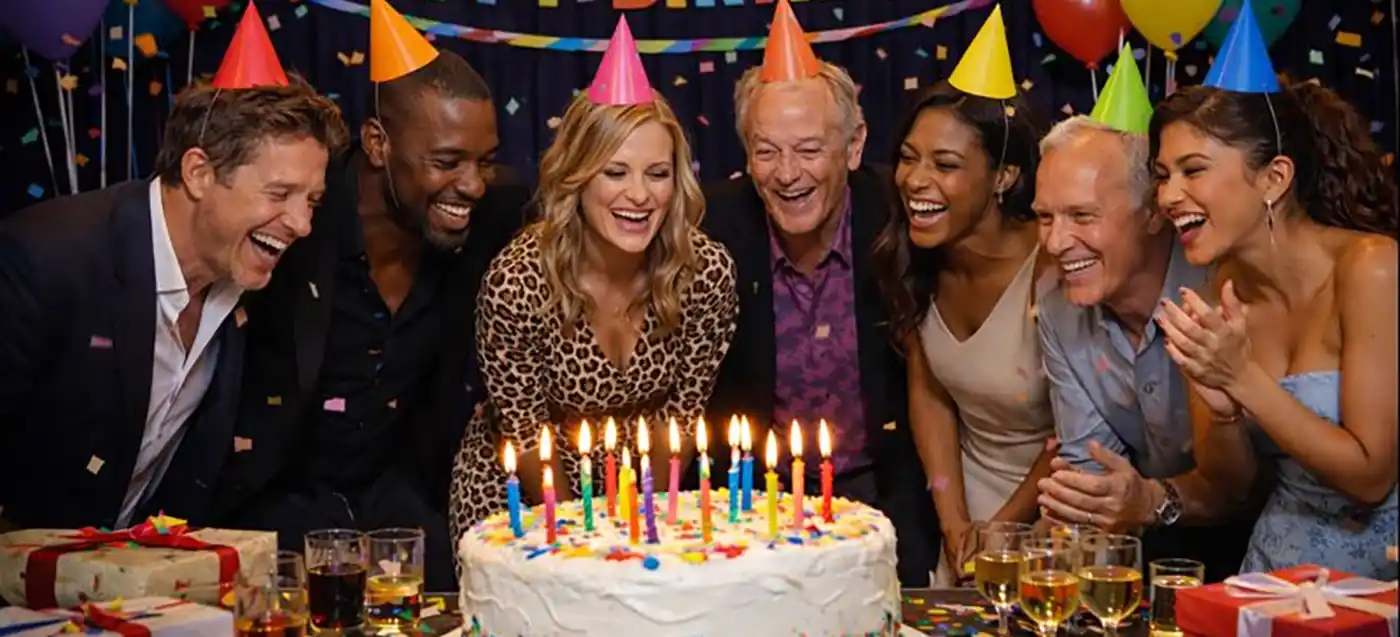
September birthday people are the overachievers of the zodiac — they show up just as the world is getting serious again. New pencils, fresh notebooks, and a whole month to remind us they were born ready.
Let’s honor the folks who make fall feel exciting. They’re the first crisp breeze after a long summer — refreshing and full of possibility.
- Details
- Category: Celebrity Birthdays - September
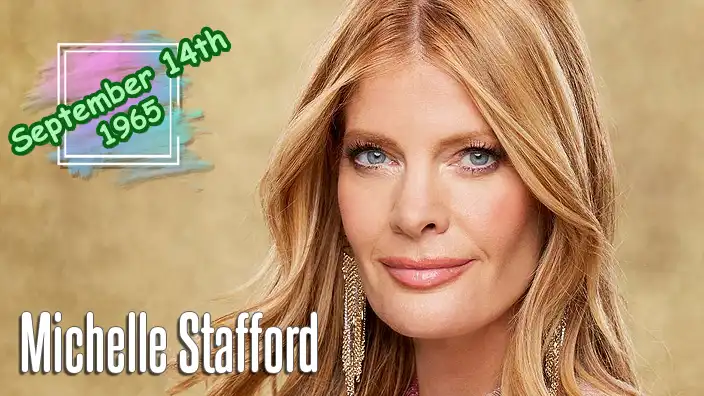
Michelle Stafford is the American actress who turned Phyllis Summers into one of daytime television's most enduring troublemakers on The Young and the Restless. Phyllis was originally supposed to be temporary. More than three decades later, Stafford is still causing havoc in Genoa City, which suggests the character may have slightly overstayed her welcome—in the best possible way.
 September 14, 1965, in Chicago, Illinois

Trivia
- She modeled in Japan, France and Italy.
- Her first soap role was on Tribes in 1990.
- Phyllis Summers was originally intended as a short-term character.
- She originated Nina Reeves on General Hospital.
- She has won three Daytime Emmy Awards.
- She created and starred in The Stafford Project.
- Details
- Category: Celebrity Birthdays - September
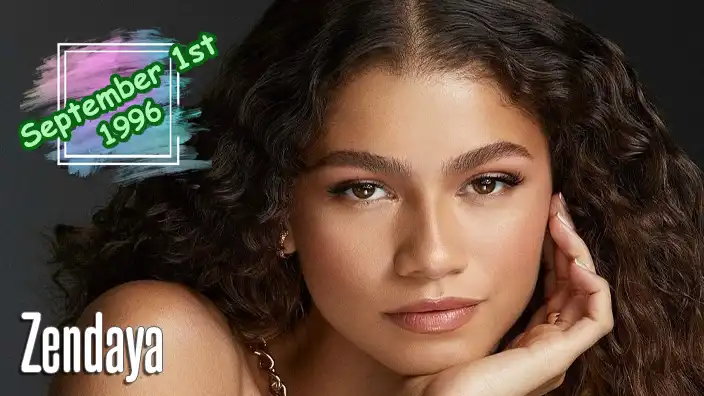
By the time Zendaya reached 30 she had already conquered Disney Channel, pop music, the Emmys, Spider-Man, Dune and enough red carpets to qualify as her own fashion industry. Most people spend their twenties figuring out what they want to do with their lives. Zendaya apparently decided the sensible answer was "everything."
September 1, 1996, in Oakland, California
Trivia
- She grew up in Oakland, California.
- She began as a model and dancer.
- Shake It Up launched her Disney career.
- She finished second on Dancing with the Stars.
- She won her first acting Emmy at 24.
- Details
- Category: Celebrity Birthdays - September
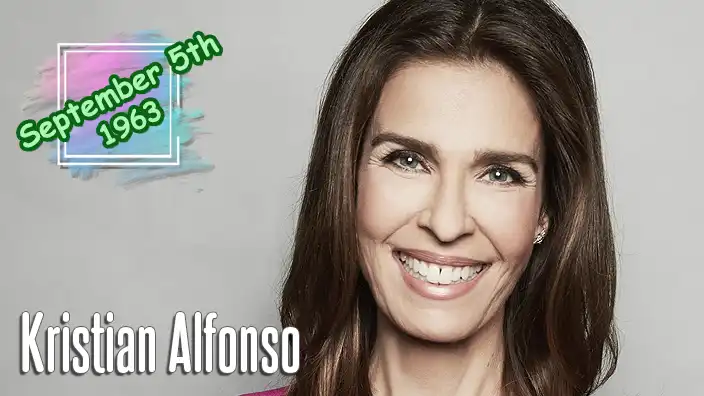
Kristian Alfonso became one of daytime television’s most familiar faces as Hope Williams Brady on Days of Our Lives, where she found romance, raised a family, investigated crimes, survived assorted disasters and discovered that being presumed dead is sometimes merely an inconvenient interruption to the working week. After decades in Salem, Hope and Alfonso became inseparable parts of American soap opera history.
September 5, 1963, in Brockton, Massachusetts
Trivia
- Alfonso trained as a competitive figure skater.
- An accident ended her skating career.
- She became a successful teenage model.
- She first played Hope Brady in 1983.
- Hope and Bo married on screen in 1985.
- Alfonso also appeared on Falcon Crest.
- She later created her own jewelry line.
- Details
- Category: Celebrity Birthdays - September
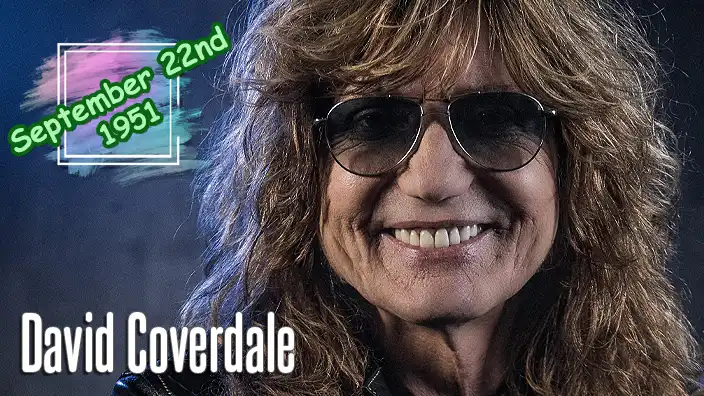
David Coverdale went from selling clothes and singing around northern England to fronting Deep Purple, then decided one internationally famous rock band apparently wasn't enough and created Whitesnake. Add that unmistakable blues-soaked roar, enormous 1980s hair and a few strategically positioned Jaguars, and subtlety was never really going to be part of the package.
 September 22, 1951, in Saltburn-by-the-Sea, England
Trivia
- He was largely unknown when Deep Purple hired him.
- His first Deep Purple album was Burn.
- His 1977 solo album was titled White Snake.
- Jon Lord and Ian Paice later joined Whitesnake.
- "Here I Go Again" reached No. 1 in America.
- He recorded an album with Jimmy Page.
- Details
- Category: Celebrity Birthdays - September
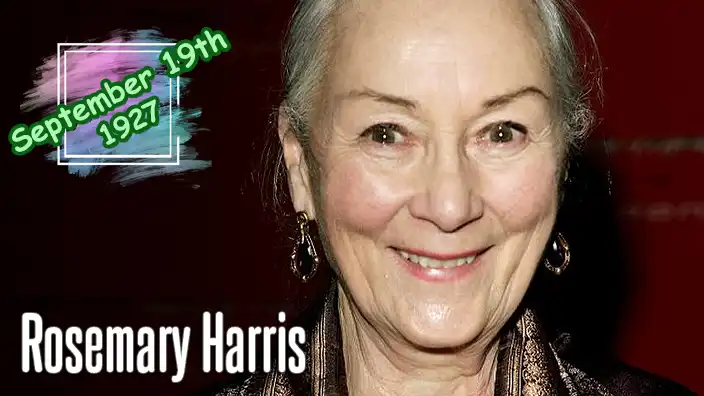
Rosemary Harris has spent a remarkable career proving that an actress can tackle Shakespeare, win Broadway’s highest honor, conquer television drama, earn an Oscar nomination and then become Aunt May to Spider-Man. It is the sort of résumé that makes “versatile” seem rather inadequate. Somewhere between Eleanor of Aquitaine and Peter Parker’s kitchen table, Harris quietly became one of the great actresses of her generation.
September 19, 1927, in Ashby-de-la-Zouch, England
Trivia
- She trained at London's Royal Academy of Dramatic Art.
- She made her Broadway debut in The Climate of Eden.
- She won a Tony for The Lion in Winter.
- She won an Emmy for portraying George Sand.
- Holocaust brought her a Golden Globe.
- Details
- Category: Celebrity Birthdays - September
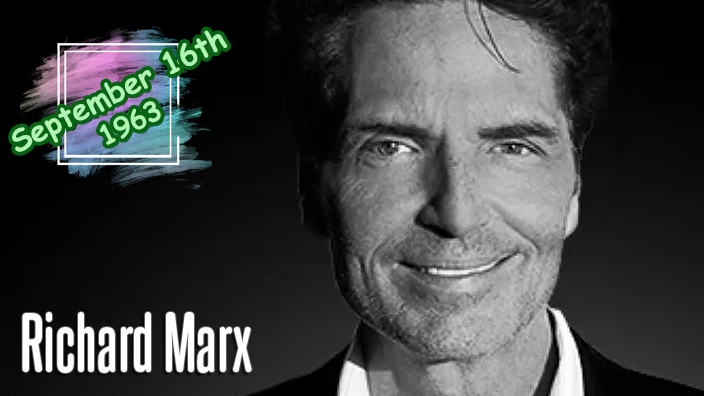
Richard Marx helped provide the late 1980s and early 1990s with enough soaring ballads to keep radio dedications busy for years. The singer-songwriter behind “Right Here Waiting,” “Hold On to the Nights” and “Now and Forever” also built an extraordinary career writing for other performers, proving that if Richard Marx wasn't singing your favorite song, there was always a reasonable chance he had written it.
September 16, 1963, in Chicago, Illinois
Trivia
- His first seven singles reached the Billboard Top Five.
- He scored three consecutive No. 1 singles.
- “Right Here Waiting” topped the Billboard Hot 100.
- He co-wrote *NSYNC's “This I Promise You.”
- “Dance with My Father” won a songwriting Grammy.
- Details
- Category: Celebrity Birthdays - September
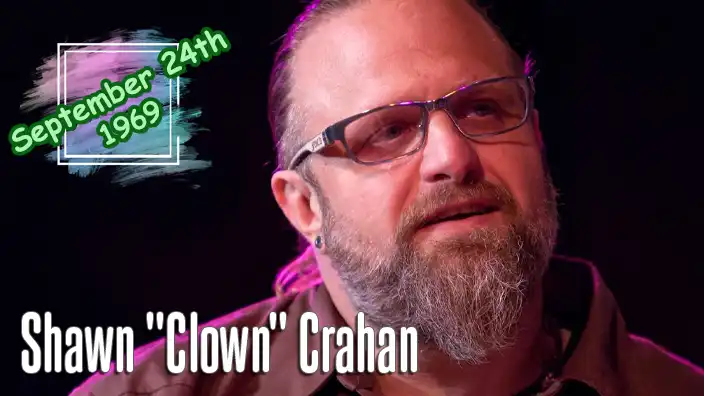
Shawn “Clown” Crahan helped turn nine masked musicians from Iowa into one of heavy metal’s most recognizable bands, armed with percussion, visual imagination and the perfectly reasonable belief that drums occasionally need to be attacked from several directions at once.
September 24, 1969, in Des Moines, Iowa
Trivia
- Slipknot fans know him as “Clown” and #6.
- He co-founded Slipknot in Des Moines, Iowa.
- He has kept his original clown mask.
- Crahan is also a photographer and visual artist.
- He formed the side project To My Surprise.
- He directed the feature film Officer Downe.

- Details
- Category: Celebrity Birthdays - September
Barry White didn’t just sing love songs — he was the love song. With a voice so deep it seemed to rumble straight out of the Earth’s core, Barry could make ordering a pizza sound seductive. He turned soul music into a full-body experience, combining sweeping strings, funky bass lines, and lyrics that convinced you romance was not just alive but wearing a velvet suit. If smoothness had a soundtrack, it would be Barry White.
September 12, 1944 in Galveston, Texas
 July 4, 2003 in Los Angeles, California
Trivia
- He taught himself to play piano.
- He began recording music as a teenager.
- White originally preferred producing to being a solo singer.
- He created the 40-piece Love Unlimited Orchestra.
- “Love’s Theme” reached No. 1 without his lead vocal.
- He appeared as himself on The Simpsons.
- Staying Power earned him two Grammy Awards.
- Details
- Category: Celebrity Birthdays - September
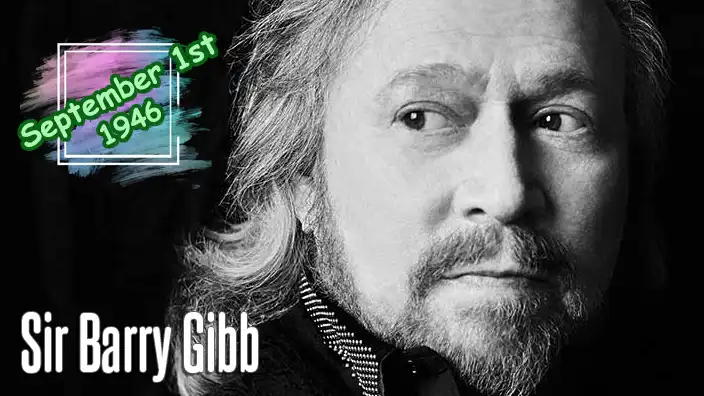
Barry Gibb has spent more than six decades proving that a magnificent beard, an impossibly high falsetto and a frightening ability to write hit songs can take a fellow a very long way. As the eldest of the Bee Gees, he helped create some of pop music's most recognizable songs, survived the disco explosion and its spectacular hangover, and wrote enough hits for other performers to make most songwriters seriously reconsider their career choices.
September 1, 1946, in Douglas on the Isle of Man
Trivia
- Sir Barry is the eldest of the three Bee Gees brothers.
- The Gibb family moved to Australia in 1958.
- His famous falsetto emerged prominently during the 1970s.
- He co-wrote "Islands in the Stream."
- Barry was knighted in 2018.
- Details
- Category: Celebrity Birthdays - September
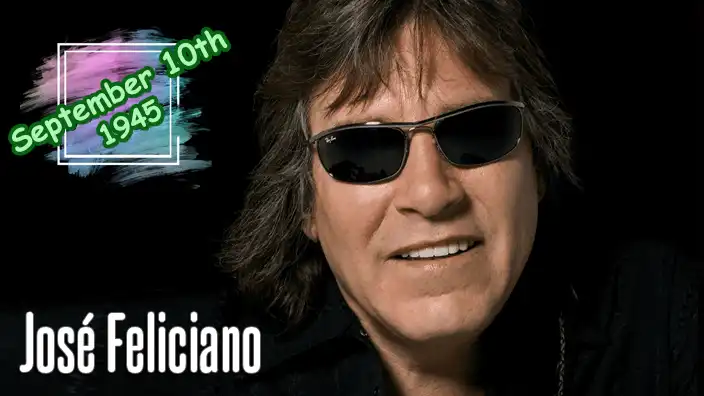
José Feliciano has spent a lifetime making the guitar sound as though it has a passport, a remarkable singing voice, and a standing invitation to every Christmas party on Earth. The Puerto Rican singer-songwriter is best known for “Feliz Navidad,” but his career reaches far beyond the holiday season, encompassing Latin music, rock, jazz, television, and some unforgettable interpretations of familiar songs. Born on September 10, he has given the world plenty of reasons to celebrate—and one tune that can make an entire supermarket sing along before anyone has even bought the turkey.
September 10, 1945, in Lares, Puerto Rico
Trivia
- He began making music with a tin cracker can.
- He taught himself guitar largely by listening to records.
- His version of “Light My Fire” reached No. 3 on the Billboard Hot 100.
- He performed a controversial acoustic national anthem at the 1968 World Series.
- “Feliz Navidad” was written while he was homesick in Los Angeles.
- He composed the theme for Chico and the Man.
- Details
- Category: Celebrity Birthdays - September
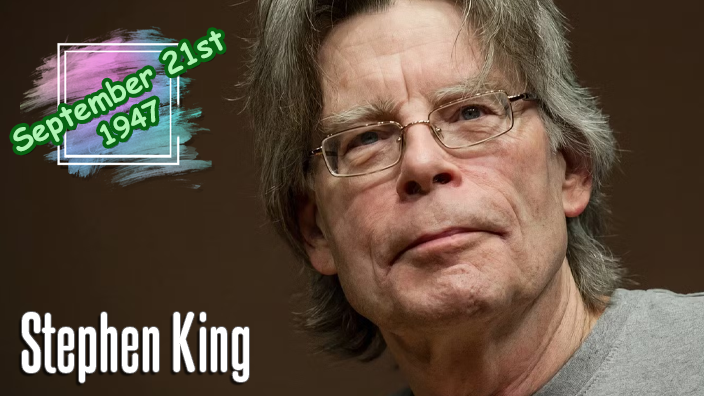
Stephen King has spent decades proving that absolutely anything can become terrifying if you describe it properly. Hotels, clowns, cars, dogs, prom nights, cornfields and apparently even writers themselves are all fair game. Behind the nightmares, however, is one of America's most prolific storytellers, an author whose characters and distinctly ordinary settings have helped turn books such as Carrie, The Shining, Misery and It into landmarks of popular culture.
September 21, 1947, in Portland, Maine
Trivia
- Carrie was his first published novel.
- Tabitha King rescued the early pages of Carrie from the trash.
- He taught high-school English before writing full-time.
- He published several novels as Richard Bachman.
- Maine provides the setting for many of his stories.
- The Shawshank Redemption originated from a King novella.
- Details
- Category: Celebrity Birthdays - September
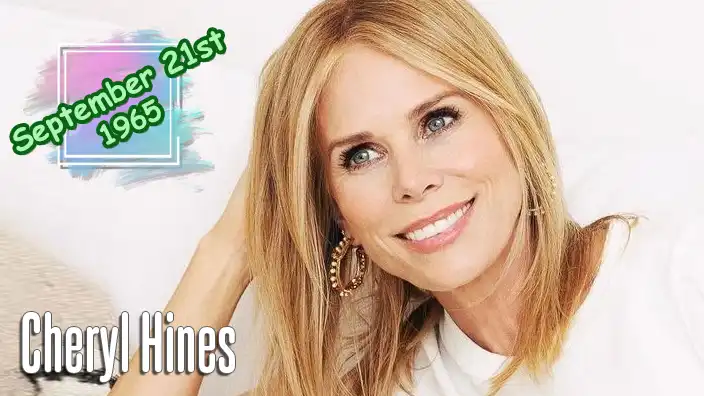
Cheryl Hines became famous for playing the remarkably patient wife of Larry David on Curb Your Enthusiasm, which meant regularly watching a perfectly ordinary situation turn into a social catastrophe while maintaining the expression of a woman wondering why she ever left the house. With sharp improvisational instincts and wonderfully understated reactions, Hines became the calm center of one of television's most gloriously uncomfortable comedies.
September 21, 1965, in Miami Beach, Florida
Trivia
- Hines trained with Los Angeles improv company The Groundlings.
- She received two Emmy nominations for Curb Your Enthusiasm.
- Those nominations came in 2003 and 2006.
- She played Robin Williams' wife in RV.
- She appeared as Becky in Waitress.
- She made her feature directing debut with Serious Moonlight.
- Details
- Category: Celebrity Birthdays - September
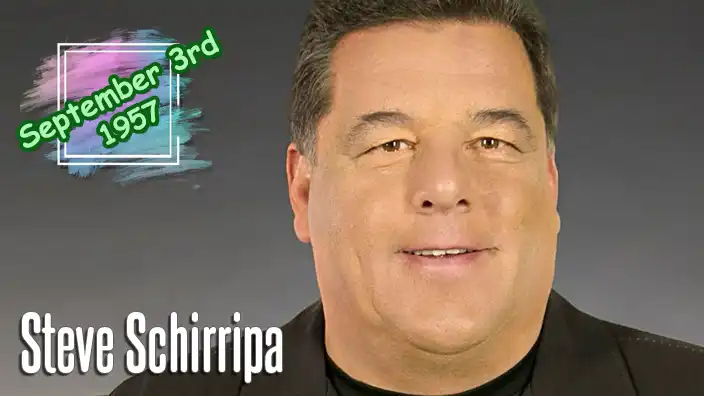
Steve Schirripa went from booking entertainers in Las Vegas to playing Bobby Baccalieri on The Sopranos, which proves that sometimes the fellow standing behind the scenes eventually decides he could do this himself — and turns out to be right.
September 3, 1957, in Brooklyn, New York
Trivia
- He graduated from Brooklyn College.
- He worked at Las Vegas' Riviera Hotel.
- He initially auditioned for an FBI role on The Sopranos.
- Bobby wore a fat suit during early seasons.
- He voices Roberto in Open Season.
- He co-hosted Talking Sopranos with Michael Imperioli.
- Details
- Category: Celebrity Birthdays - September
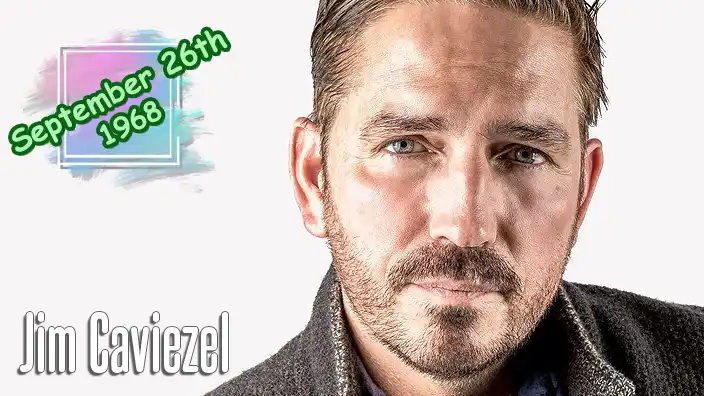
Jim Caviezel has made a career out of playing men facing circumstances that would cause most sensible people to quietly leave by the nearest available door. Whether stranded in a brutal Pacific war, imprisoned in the Château d'If, portraying Jesus Christ or receiving mysterious numbers from a surveillance supercomputer, Caviezel has rarely been given what anyone would call an easy day at the office.
September 26, 1968, in Mount Vernon, Washington
Trivia
- Basketball was his early ambition.
- A foot injury helped redirect him toward acting.
- He appeared in My Own Private Idaho.
- He played Edmond Dantès in The Count of Monte Cristo.
- He portrayed Jesus in The Passion of the Christ.
- John Reese became his major television role.
- Details
- Category: Celebrity Birthdays - September
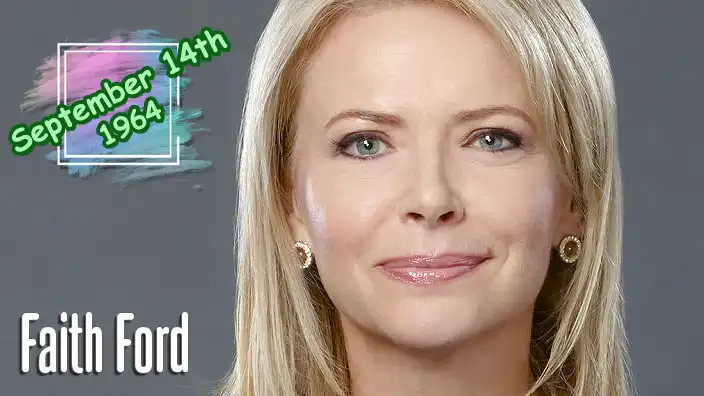
Faith Ford is the American actress who became famous as Corky Sherwood, the cheerful beauty queen turned television journalist on Murphy Brown. Surrounded by cynical Washington reporters, Corky somehow maintained her optimism for a decade—an achievement that may have required greater endurance than covering Congress itself.
September 14, 1964, in Alexandria, Louisiana
Trivia
- Her early television work included daytime soap operas.
- She received five Emmy nominations for Murphy Brown.
- She earned two Golden Globe nominations as Corky.
- She starred opposite Kelly Ripa in Hope & Faith.
- She published Cooking with Faith in 2004.
- Details
- Category: Celebrity Birthdays - September
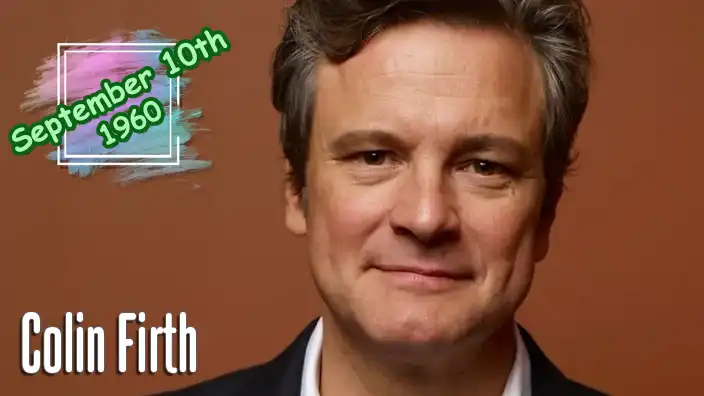
Colin Firth has spent decades making audiences believe that a raised eyebrow, a carefully chosen word, or an awkward silence can be more dramatic than an entire car chase. The Oscar-winning English actor is celebrated for The King’s Speech, Pride and Prejudice, and the Kingsman franchise, while his portrayal of Mr. Darcy helped establish a standard of romantic reserve that has caused considerable difficulty for ordinary gentlemen ever since. Born on September 10, he has built a remarkable career playing kings, spies, lovers, and men who are desperately trying to maintain their dignity while everything around them goes wrong.
September 10, 1960, in Grayshott, England
Trivia
- He trained at the Drama Centre London.
- His first feature film was Another Country.
- His Mr. Darcy lake scene became a television icon.
- He won the Best Actor Oscar for The King’s Speech.
- He trained extensively for the action scenes in Kingsman.
- Details
- Category: Celebrity Birthdays - September
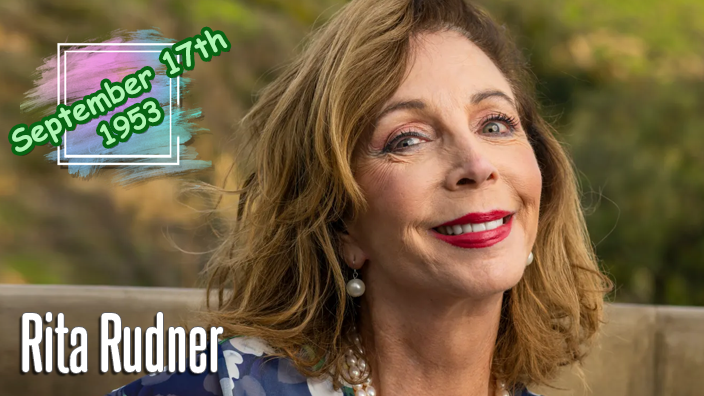
Rita Rudner built a comedy career without shouting, stomping around the stage or attacking the furniture. With immaculate timing and a deceptively gentle delivery, she discovered that some of the sharpest jokes work best when delivered as though you're merely mentioning something mildly interesting over lunch.
September 17, 1953, in Miami, Florida
Trivia
- Rudner began her career as a professional dancer.
- She appeared in the original Broadway production of Annie.
- She became a stand-up comedian after noticing how few women were doing it.
- Johnny Carson's Tonight Show helped expand her national audience.
- She co-wrote Peter's Friends with Martin Bergman.
- Details
- Category: Celebrity Birthdays - September
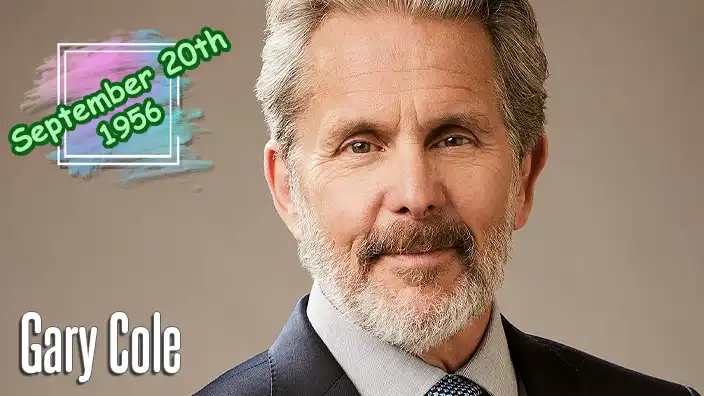
Gary Cole has spent decades proving that one actor can convincingly play a radio host, a vice president, a NASCAR patriarch, a federal agent and perhaps the most irritating middle manager ever permitted near a coffee mug. Whether audiences know him as Bill Lumbergh from Office Space, Kent Davison from Veep, Reese Bobby from Talladega Nights or Alden Parker from NCIS, Cole has perfected the art of walking into a scene, saying something in exactly the right way and quietly stealing the whole thing. Yeahhh... we're going to need him to keep doing that.
September 20, 1956, in Park Ridge, Illinois
Trivia
- He studied theater at Illinois State University.
- He became a Steppenwolf ensemble member in 1985.
- He starred in Midnight Caller before becoming a film regular.
- He played Mike Brady in two Brady Bunch movies.
- He voiced Harvey Birdman.
- He joined NCIS as Alden Parker in 2021.
- Details
- Category: Celebrity Birthdays - September
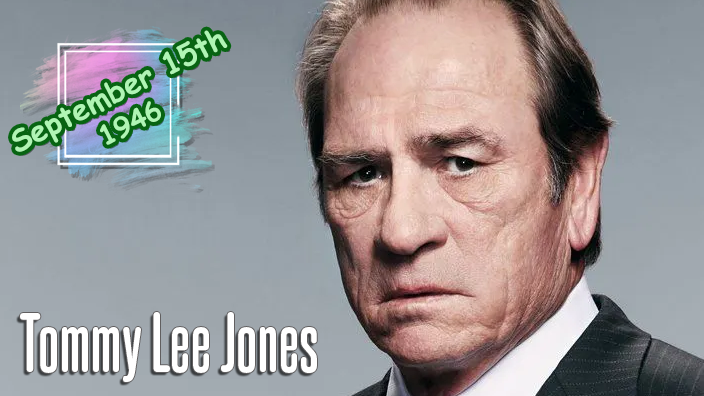
Tommy Lee Jones has spent more than half a century perfecting the art of looking at another human being as though they have personally disappointed the entire state of Texas. The Academy Award-winning actor brought dry authority to The Fugitive, deadpan brilliance to Men in Black, menace to Under Siege and quiet gravity to No Country for Old Men, building a career in which one raised eyebrow can frequently accomplish what lesser actors require three pages of dialogue to achieve.
September 15, 1946, in San Saba, Texas
Trivia
- Jones played football for Harvard.
- His film debut was Love Story.
- He won an Emmy for The Executioner's Song.
- The Fugitive earned him an Academy Award.
- Jones is an accomplished polo player.
- He directed The Three Burials of Melquiades Estrada.
- Details
- Category: Celebrity Birthdays - September
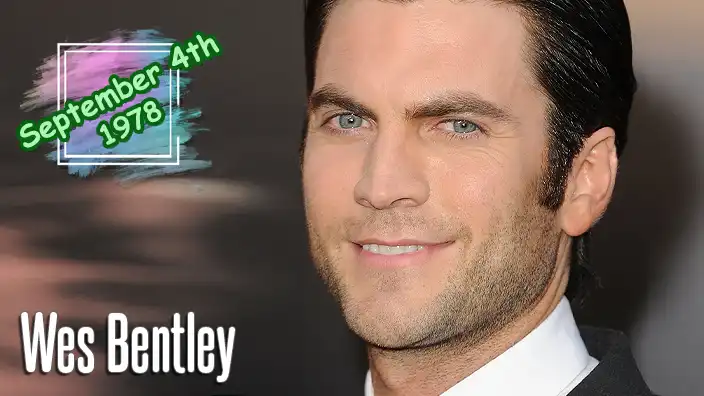
Wes Bentley has spent much of his career playing men who look as though they know something you don't—and there is a reasonably good chance you don't want to know it. From the quietly unsettling Ricky Fitts in American Beauty to the perpetually embattled Jamie Dutton in Yellowstone, Bentley has turned intensity, restraint and one exceptionally effective stare into a remarkably durable acting career.
September 4, 1978, in Jonesboro, Arkansas
Trivia
- He discovered acting partly through improv comedy.
- Beloved was among his earliest film appearances.
- He earned a BAFTA nomination for American Beauty.
- He played Seneca Crane in The Hunger Games.
- He began playing Jamie Dutton in Yellowstone in 2018.

- Details
- Category: Celebrity Birthdays - September
Harry Connick Jr. is living proof that you can be a jazz crooner, an actor, a TV host, and still have time to look unfairly good in a suit. He’s released dozens of albums, sold millions of them, and somehow made big band music cool for an entirely new generation. When he’s not charming talk-show audiences or playing the romantic lead in a rom-com, he’s probably at a piano somewhere making everyone else feel underdressed. Basically, Harry is the guy who turns every room he walks into into a cocktail lounge — and we’re all just lucky to get a seat.
September 11, 1967, in New Orleans, Louisiana
Trivia
- He began learning piano at three.
- He performed publicly by age five.
- Ellis Marsalis was one of his teachers.
- When Harry Met Sally... brought his first Grammy.
- He voiced Dean in The Iron Giant.
- He has earned Tony nominations as composer and actor.
- He co-founded New Orleans' Musicians' Village project.
From Our Marks Catelog
-
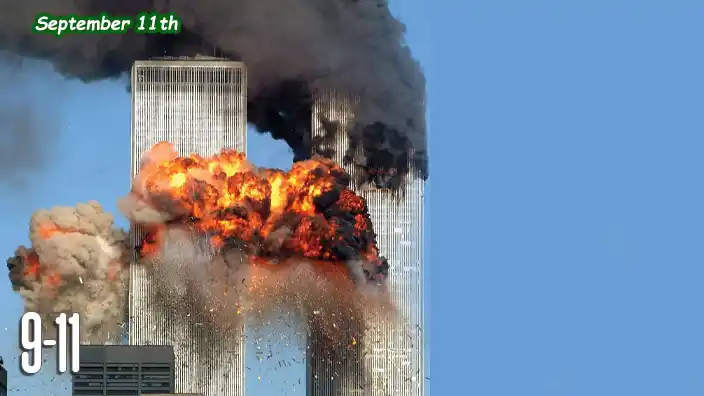
On the morning of September 11, 2001, the world stood still as unimaginable terror unfolded in the...
-

If common sense were sold in stores, it would probably be right next to the batteries—something everyone...
-
Sugar—the tiny, sweet granules that can turn the most disciplined of us into dessert-hunting...
-
In celebration of National Camp Day, a group of enthusiastic campers decides to hold a "Wilderness...
-

Firefighters are the rare breed of heroes who willingly charge into blazing chaos while the rest of us...
-
There are few moments in life as full of promise as standing at the edge of a buffet line with an...

