Mark The Days - September

September arrives like a polite librarian after the rowdy summer party—straightening chairs, lowering voices, and gently reminding you that fun isn’t canceled, it’s just on a tighter schedule. It’s the month where kids trudge back to school, parents secretly celebrate, and sweaters begin to side-eye you from the back of the closet. The grill’s still warm, but the calendar’s hinting at responsibility. Still, September has its share of celebrations—from cheese pizza to talk-like-a-pirate day—because if we’re going to pretend we’ve got it together, we might as well do it with flair.
- Details
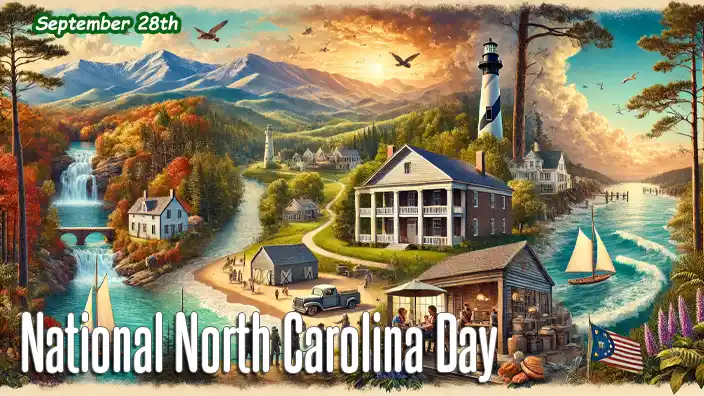
Some places are famous for their barbecue, but here, the great sauce debate is practically a sport. Whether you prefer your pork drenched in vinegar or slathered in a ketchup-based concoction, one thing's for sure: friendships have been forged and lost over a plate of pulled pork. And let's not even get started on the sweet tea situation—it’s less a drink and more a sugar delivery system, with enough sweetness to make dentists across the state throw their hands up in defeat. Add a lighthouse or two, some scenic mountains, and you’ve got a state that keeps your taste buds (and your hiking boots) in constant action.
Celebrated: Annually, on September 28th
Celebrate National North Carolina Day on September 28, exploring the state's rich history, stunning landscapes, and mouthwatering barbecue. Discover what makes the Tar Heel State special.


- Details
The ice cream cone is the ultimate champion of dessert—no spoons, no bowls, and you get to eat the container! Bowls and cups might be practical, but they can’t compete with the pure fun of a cone. I mean, you can’t wear a cup on your head once you’re done, but a cone? Instant hat! Sure, cups may hold more toppings, but a cone adds excitement as you race against the sun, licking furiously before it turns into a sticky situation. Cups hold ice cream; cones turn it into an adventure.
Celebrated: Annually, on September 22nd
Celebrate National Ice Cream Cone Day on September 22nd! Discover the history, types, and fun ways to enjoy the perfect blend of crispy cones and creamy ice cream.

- Details
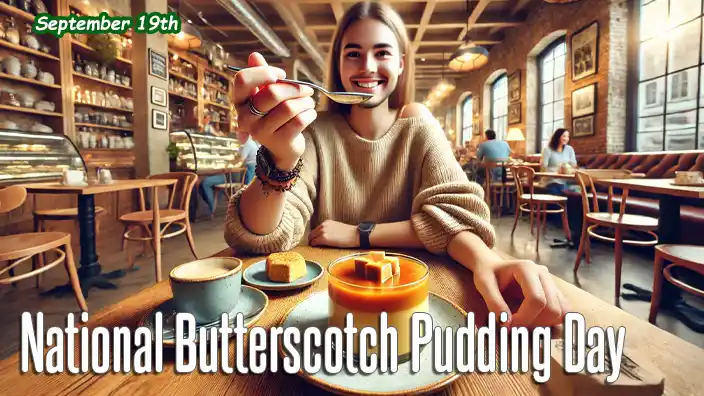
Ever notice how some desserts just know how to be both comforting and fancy at the same time? That golden, buttery blend of sweetness in butterscotch pudding is like the dessert version of a cozy blanket with a hint of elegance thrown in for good measure. It's the kind of treat that seems to say, "Why choose between indulgence and nostalgia when you can have both in one creamy spoonful?" Whether it's topped with whipped cream or simply served in a little bowl of happiness, it's a dessert that knows how to make life just a little bit sweeter.
Celebrated: Annually, on September 19th
Celebrate National Butterscotch Pudding Day on September 19th! Discover the history, fun facts, and delicious ways to enjoy this creamy, nostalgic dessert.


- Details
Daughters are like human rollercoasters—one moment, they’re sweetly offering you a handmade card, and the next, they’re convinced you’ve ruined their life because you said no to glitter in the living room. They’re experts in the art of eye-rolling and can masterfully balance being both your biggest critic and your biggest fan. But amidst the occasional drama, they’re the ones who will have you wrapped around their little finger with just one smile, making you forget the emotional whirlwind they’ve put you through. And no matter how many times they change their minds about their favorite color, you’ll always love them for it!
Celebrated: Annually, on September 25th
Celebrate National Daughter Day by honoring the unique joys and challenges daughters bring. Discover fun facts, history, and ideas for making this day special.


- Details
Professional house cleaning is like superhero work—minus the cape, but with a mop in hand. They swoop in, battle dust bunnies, vanquish soap scum, and make countertops sparkle brighter than a toothpaste commercial smile. It's not just cleaning—it's an art form, a ninja-level mastery of making floors so shiny you can see your own shocked reflection. And just when you're convinced you need to set up camp in a cluttered jungle of your own creation, they waltz in, leaving behind the scent of lemon and the faint sound of angels singing.
Celebrated: Annually, on September 17th
Celebrate National Professional House Cleaners Day on September 17th, honoring those who transform chaos into calm and make our homes shine with their expertise.

- Details
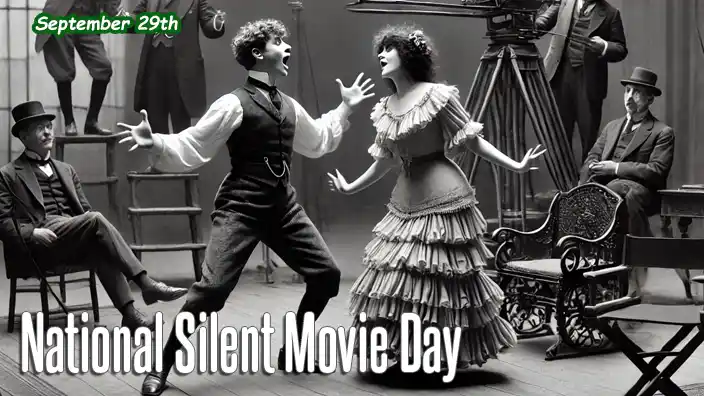
Imagine watching a silent film, where exaggerated facial expressions and physical comedy do all the talking. Now, fast forward to today’s Dolby Atmos world, where every rustle of a leaf or dramatic explosion is so loud it feels like your chair might launch into orbit. Back then, you had a piano player providing mood music and actors flailing wildly to get their point across. Today, you’ve got speakers everywhere, and the sound is so immersive, you’ll hear things that aren't even in the movie—like the crunch of popcorn five rows back. Silent films had charm, but let’s be honest: the only thing you might miss in a Dolby-fueled blockbuster is a whispered “I love you” buried under the roar of an asteroid hitting Earth!
Celebrated: Annually, on September 29th
Discover the magic of silent films on National Silent Movie Day, September 29th. Learn about the origins, storytelling techniques, and iconic stars of early cinema.

- Details
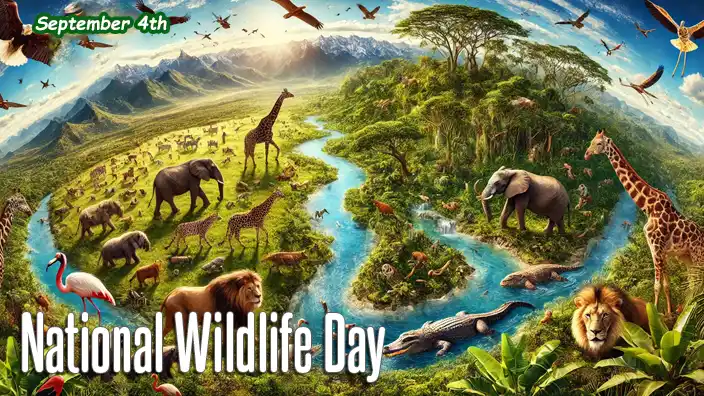
In the great drama of nature, some animals seem to have been cast purely for comic relief—like the sloth, which looks like it’s perpetually stuck in slow-motion, or the penguin, which waddles around like it’s wearing a tuxedo two sizes too big. And let's not forget the ostrich, the only bird that runs like it’s late for a meeting but forgot where it was supposed to go. Nature sure has a sense of humor, and it's on full display in the wild world around us.
Celebrated: Annually, on September 4th
National Wildlife Day, established in 2005, raises awareness about endangered species, conservation importance, and wildlife's role in ecosystem balance. Celebrate the fuzzy, feathered, and ferocious neighbors on this day.
- Details
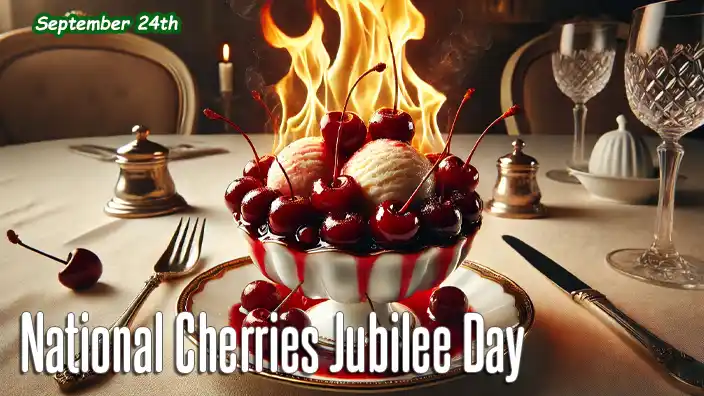
Cherries Jubilee is like the drama queen of desserts—it can't just be delicious; it has to arrive with a show. First, you have the cherries minding their business, simmering away in syrup, and then, boom! The brandy is added, and suddenly it's "watch me burn!" as flames leap from the pan like it’s auditioning for a Broadway show. It's the only dessert that lets you flirt with danger while pretending you’re still being classy, because nothing says “sophistication” like fruit on fire.
Celebrated: Annually, on September 24th
Celebrate National Cherries Jubilee Day on September 24th with a dessert that's a dramatic showstopper, complete with cherries, sugar, and flambéed brandy.

- Details
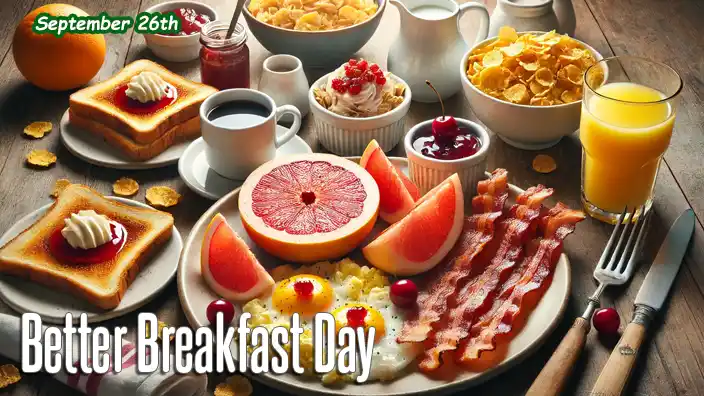
Mornings have a funny way of convincing you that a pile of eggs, crispy bacon, and toast could solve all of life’s problems—at least until lunch. It’s like the moment your fork hits the plate, you’ve unlocked some ancient wisdom that whispers, "Today will be great, just as long as there’s coffee." And let’s not forget the toast, always there, half-burnt but still oddly satisfying, as if it’s saying, “I might be a little crispy, but I’m still better than last night’s leftovers.”
Celebrated: Annually, on September 26th
Discover how Better Breakfast Day on September 26 can transform your mornings with nutritious and easy breakfast ideas that fuel your body and mind.

- Details
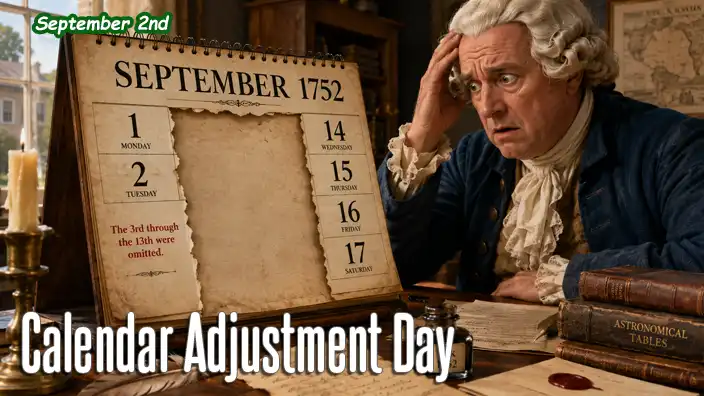
Ever wish you could skip a few days and catch up on life? In 1752, Great Britain and its American colonies did exactly that—at least on paper. Calendar Adjustment Day celebrates the famous switch from the Julian calendar to the Gregorian calendar, when eleven calendar dates vanished in an effort to keep time, seasons, and human sanity moving in the same direction. It's a fascinating reminder that even calendars occasionally need a tune-up.
Celebrated: Annually, on September 2nd
Discover the surprising story behind Calendar Adjustment Day, when eleven dates vanished from the calendar and Britain made the switch to the Gregorian system


- Details
Grandma Moses proves that age is just a number, and a pretty irrelevant one at that—especially when you start painting at 78! While most people her age were probably perfecting the art of napping or complaining about the weather, she was busy capturing landscapes on canvas and becoming a world-famous artist. If Grandma Moses can take up painting in her late 70s and still achieve success, what’s stopping the rest of us from picking up a new hobby, whether it's pottery, knitting, or competitive skydiving? The moral here: it's never too late to be amazing, so don't let a few extra candles on the cake hold you back!
Celebrated: Annually, on September 7th
Celebrate National Grandma Moses Day on September 7th, honoring the folk artist who began painting in her late 70s and became an international sensation.

- Details
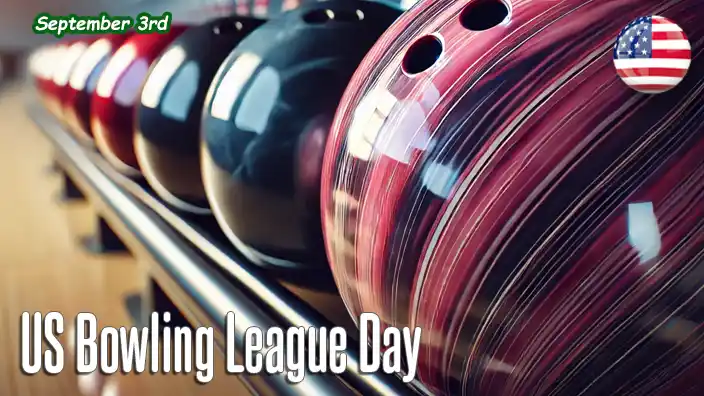
Bowling is the one sport where you can eat nachos, wear someone else’s shoes, and still feel like a pro athlete. It’s a place where a perfect score is 300, but anything above 100 makes you feel like you could go pro. The true magic of bowling lies in the fact that no matter how many times you end up in the gutter, there’s always that one glorious strike that makes you feel like you’ve conquered the world—until you realize your friends caught your victory dance on video.
Celebrated: Annually, on September 3rd
Discover the history and camaraderie of bowling leagues, from ancient times to the present day. Join the celebration of US Bowling League Day!
- Details
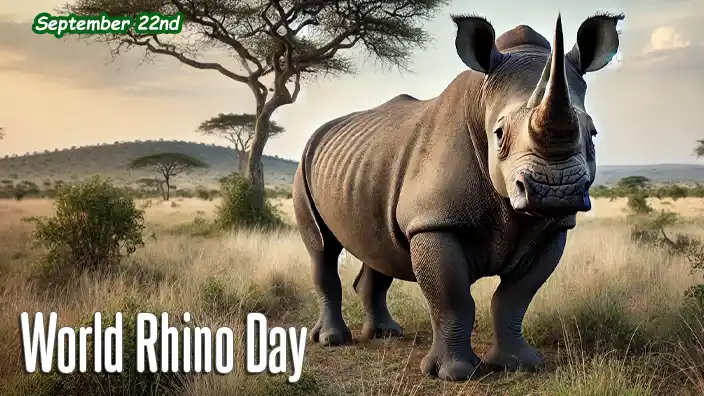
Rhinos are basically the world's biggest introverts—solitary, slow-moving, and always giving off that “don’t bother me” vibe. With skin like armor and a horn that could poke a hole in your picnic plans, they look like nature's toughest committee has designed them. But despite their tank-like appearance, they're really just oversized herbivores who love to graze and take mud baths. Imagine if your bathtub were an Olympic-sized pool and you weighed a few tons—who wouldn’t want to wallow all day? Just don’t mention their eyesight; they might not see you, but they will hear you laughing!
Celebrated: Annually, on September 22nd
Celebrate World Rhino Day on September 22nd. Learn about the evolution, species, and conservation efforts of these majestic creatures. Join the fight against poaching and habitat loss.

- Details
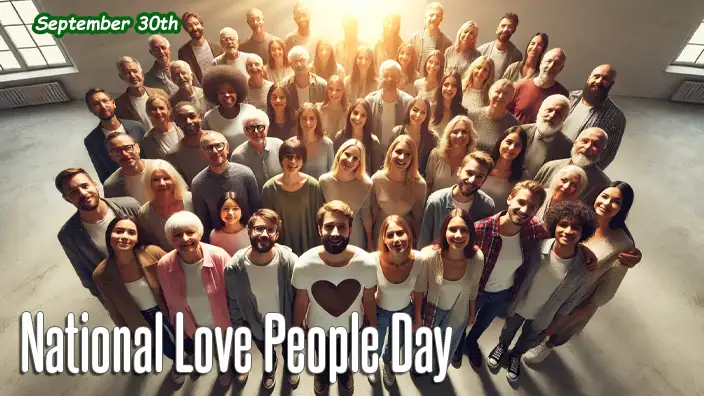
On National Love People Day, we’re reminded that while loving everyone might sound like a walk in the park, it’s more like a stroll through a busy mall on Black Friday. Sure, it’s easy to love the people who send you cute animal videos, but this day asks you to go a step further—like showing love to that neighbor who insists on mowing the lawn at 7 a.m. or the coworker who chews like a rock tumbler. It’s about embracing the quirks and imperfections that make us human and choosing kindness, even when the Wi-Fi is slow and the person in front of you has 20 items in the 10-item checkout lane.
Celebrated: Annually, on September 30th
Celebrate National Love People Day by embracing everyone with unconditional love and kindness. Learn how to spread love without boundaries on September 30th.


- Details
Living next to someone is a bit like getting a surprise in a cereal box—sometimes it’s awesome, sometimes it’s a letdown, and occasionally, it's a complete mystery. There’s the neighbor who lends you tools, bakes cookies, and waves every morning like they’re auditioning for a feel-good movie. Then there’s the one whose lawn is a wild jungle of weeds, their music is cranked up at 2 a.m., and their dog has decided your yard is its personal restroom. One neighbor offers you extra tomatoes from their garden, and the other offers you a headache with their ongoing “renovations” that somehow involve a jackhammer every Saturday morning.
Celebrated: Annually, on September 28th
Celebrate National Good Neighbor Day on September 28 by reflecting on what makes a good neighbor. Learn tips on how to be considerate and build strong community relationships.

- Details
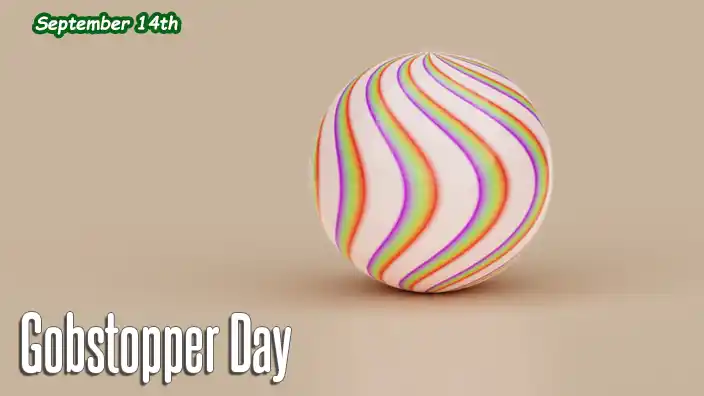
Gobstoppers are the candy world’s ultimate endurance test. They’re like the marathon of sweets—start strong, keep going, and somewhere around mile 10 (or minute 30), you begin to question your life choices. Each layer peels back to reveal yet another layer, like candy’s version of a Russian nesting doll, but with more dental risk. And just when you think you've reached the center, surprise—there's more! It’s the only candy that makes you feel like you’ve accomplished something just by surviving to the end.
Celebrated: Annually, on September 14th
Celebrate Gobstopper Day on September 14th! Discover the history, science, and fun of one of the longest-lasting candies. Perfect for candy lovers with patience.

- Details
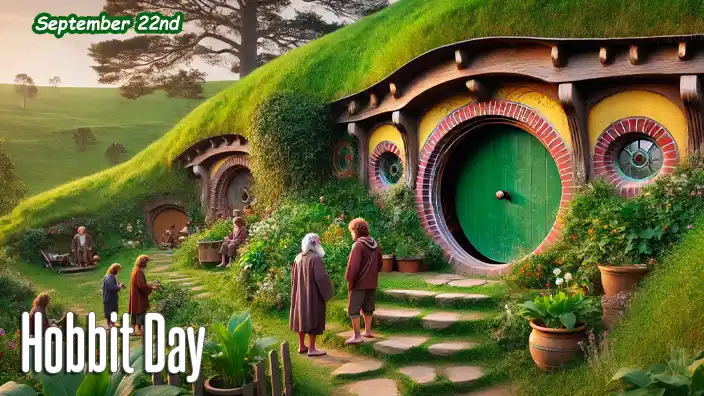
On Hobbit Day, it’s time to embrace the lifestyle we all secretly desire—eating six meals a day, avoiding unexpected adventures, and being barefoot 99% of the time. While the rest of the world rushes around, hobbits know the real value of life is in a well-stocked pantry and the perfect spot for afternoon tea. Forget world-saving quests; the biggest decision a hobbit makes is whether to have second breakfast or elevenses (spoiler: they have both). On this day, channel your inner Baggins and remember: even if you're small, you can still eat big.
Celebrated: Annually, on September 22nd
Celebrate Hobbit Day on September 22nd, honoring Bilbo and Frodo Baggins with feasts, hikes, and movie marathons. Embrace your inner hobbit with six meals a day and cozy comforts.


- Details
White chocolate has spent decades living as the rebel of the dessert world. Dark chocolate gets called sophisticated, milk chocolate gets called classic, and white chocolate? It gets dragged into family arguments at holiday gatherings like an embarrassing cousin who showed up wearing sunglasses indoors. Yet somehow, despite all the criticism, white chocolate keeps finding its way into cookies, cheesecakes, mochas, candy bars, and late-night snack attacks. Clearly, the “not real chocolate” crowd is losing badly.
Celebrated: Annually, on September 22nd
Celebrate White Chocolate Day with fun facts, dessert ideas, history, and sweet ways to enjoy this creamy chocolate favorite

From Our Marks Catelog
-

Peace for one hour? That’s like baking a cake and only eating the crumbs! If we can manage to...
-

There was a time when wearing pink to school might earn you a raised eyebrow, a snicker, or a...
-
Picture this: you're rummaging through a drawer, looking for a pen, but instead, you find a flip...
-

There’s nothing light about Good Friday—after all, it commemorates the darkest day in Christian...
-

Mental health is not just a personal matter—it's a global issue that affects millions of lives...
-

Having a hole in your bucket is nature’s way of saying, “You tried.” It’s the DIY version of a practical...


