Celebrity Birthdays - September
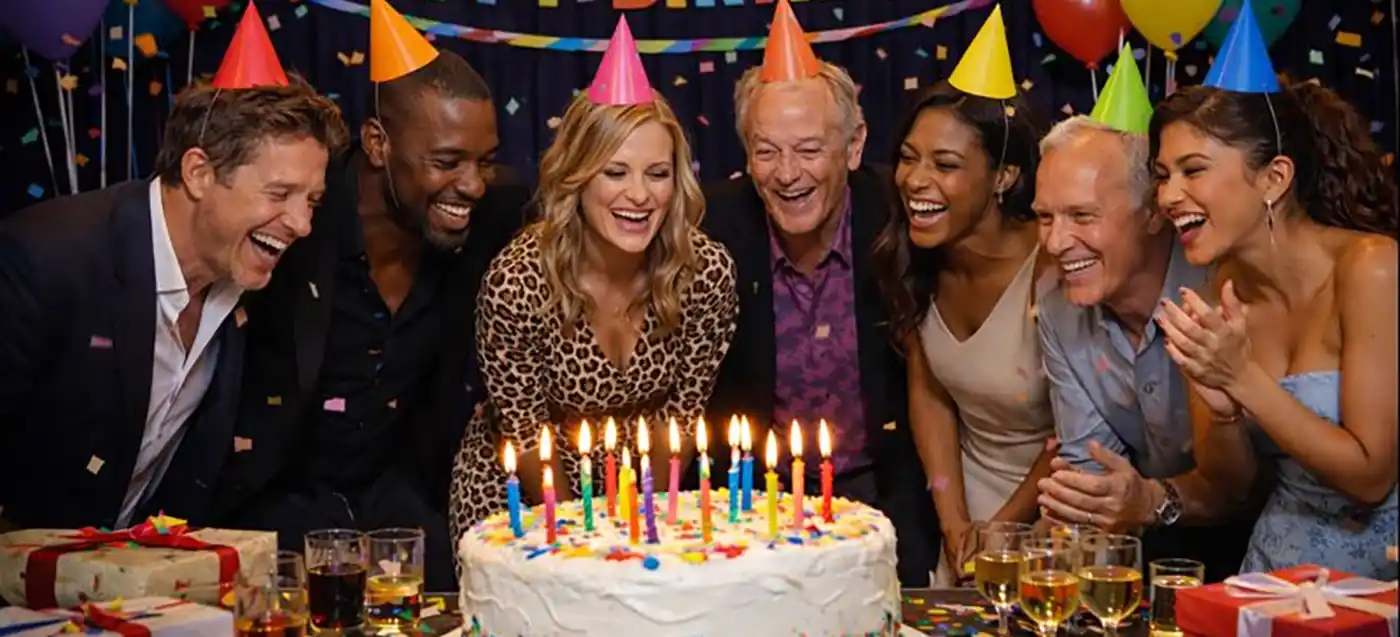
September birthday people are the overachievers of the zodiac — they show up just as the world is getting serious again. New pencils, fresh notebooks, and a whole month to remind us they were born ready.
Let’s honor the folks who make fall feel exciting. They’re the first crisp breeze after a long summer — refreshing and full of possibility.
- Details
- Category: Celebrity Birthdays - September
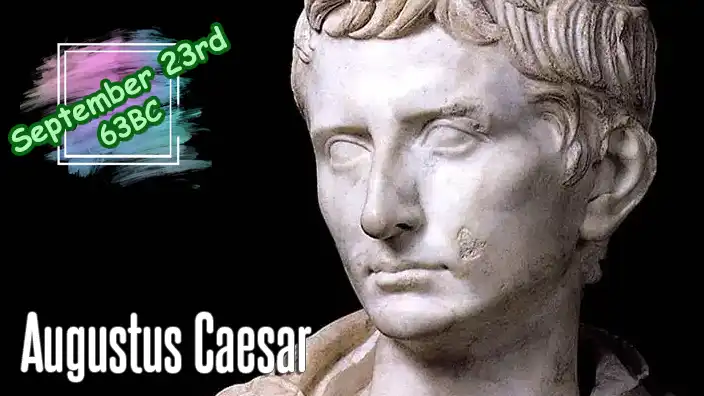
Augustus Caesar turned up in Roman history as Gaius Octavius and eventually left it with an empire, a month named after him, temples in his honor, and enough titles to make a modern business card completely impractical. Julius Caesar may have provided the famous family name, but Augustus was the man who transformed Rome from a battered republic emerging from decades of civil war into an imperial system that would shape Europe and the Mediterranean world for centuries.
 September 23, 63 BC, in Rome, Italy
 August 19, 14 AD, in Nola, Italy

Trivia
- The Senate granted him the name Augustus in 27 BC.
- His only biological child was Julia the Elder.
- He was married to Livia for more than 50 years.
- His forces defeated Antony and Cleopatra at Actium.
- August ultimately took its name from Augustus.
- Tiberius succeeded him as emperor.
- Details
- Category: Celebrity Birthdays - September
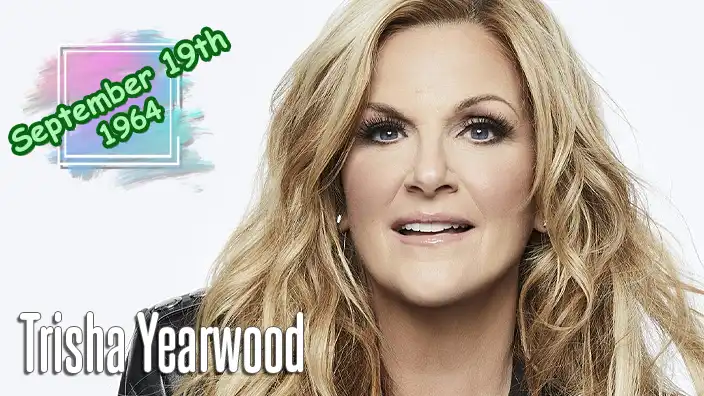
Trisha Yearwood is an American country singer who arrived in Nashville with one of those voices capable of turning heartbreak into a three-minute event and promptly sent her debut single to number one. Since then, she has collected Grammys, country music awards, bestselling cookbooks and a successful television cooking show, proving that whether she is holding a microphone or a wooden spoon, Yearwood knows what to do with an audience.
 September 19, 1964, in Monticello, Georgia
Trivia
- She studied music business at Belmont College.
- “She's in Love with the Boy” was her debut single.
- Don Henley sang backing vocals on “Walkaway Joe.”
- She joined the Grand Ole Opry in 1999.
- She married Garth Brooks in 2005.
- Trisha's Southern Kitchen won a Daytime Emmy.
- Details
- Category: Celebrity Birthdays - September
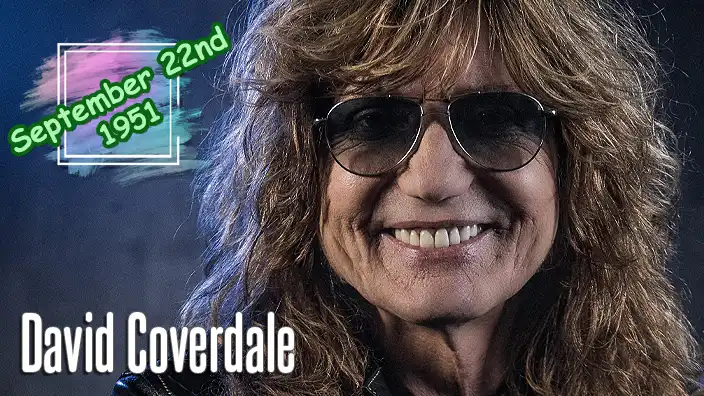
David Coverdale went from selling clothes and singing around northern England to fronting Deep Purple, then decided one internationally famous rock band apparently wasn't enough and created Whitesnake. Add that unmistakable blues-soaked roar, enormous 1980s hair and a few strategically positioned Jaguars, and subtlety was never really going to be part of the package.
September 22, 1951, in Saltburn-by-the-Sea, England
Trivia
- He was largely unknown when Deep Purple hired him.
- His first Deep Purple album was Burn.
- His 1977 solo album was titled White Snake.
- Jon Lord and Ian Paice later joined Whitesnake.
- "Here I Go Again" reached No. 1 in America.
- He recorded an album with Jimmy Page.
- Details
- Category: Celebrity Birthdays - September
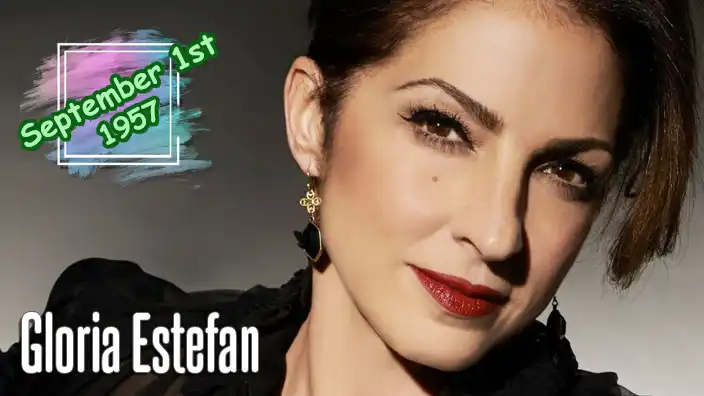
Gloria Estefan helped convince America that the rhythm really was going to get us, and after more than four decades it appears resistance was futile. From Miami Sound Machine and worldwide pop superstardom to a remarkable recovery from a devastating bus crash, Estefan turned Cuban rhythms, determination and an unmistakable voice into one of the most successful careers in Latin music history.
September 1, 1957, in Havana, Cuba
Trivia
- Gloria earned a degree in psychology.
- She joined the Miami Latin Boys in 1975.
- She married Emilio Estefan in 1978.
- "Anything for You" became her first U.S. No. 1 hit.
- She broke her back in a 1990 tour-bus crash.
- She received the Presidential Medal of Freedom in 2015.
- Details
- Category: Celebrity Birthdays - September
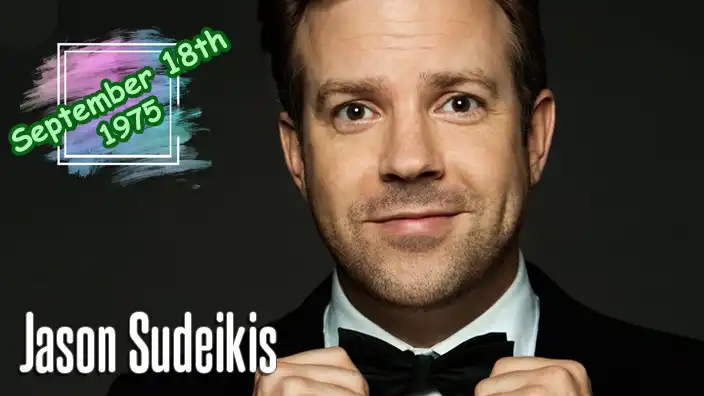
Jason Sudeikis was born on this day, giving us an excellent excuse to celebrate the comedian, writer and actor who went from improvisational comedy and Saturday Night Live to becoming the relentlessly optimistic football coach the world didn't know it needed. As Ted Lasso, Sudeikis proved that a mustache, a box of biscuits and an almost alarming quantity of kindness can apparently conquer television—and occasionally even football.
September 18, 1975, in Fairfax, Virginia
Trivia
- He attended college on a basketball scholarship.
- Sudeikis began at SNL as a writer.
- He portrayed both Joe Biden and Mitt Romney on SNL.
- Ted Lasso began in NBC Sports promotional videos.
- He is the nephew of Cheers actor George Wendt.
- He has won four Primetime Emmy Awards.
- Details
- Category: Celebrity Birthdays - September
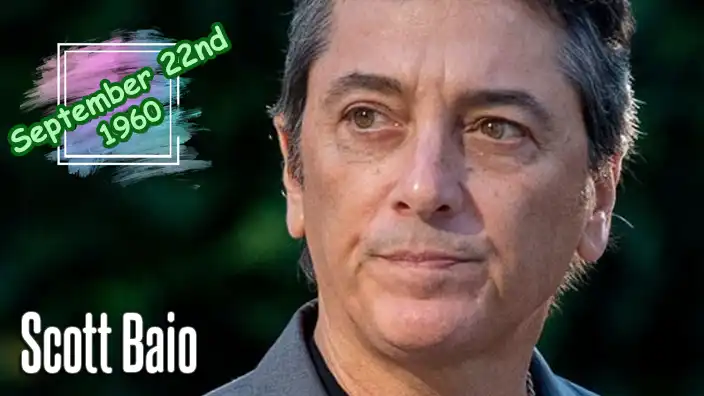
Scott Baio was already a movie star before Chachi Arcola rode into Happy Days and turned him into a teenage heartthrob. Decades later, after sitcoms, movies, directing and even playing an attorney named Bob Loblaw, it is fair to say the fellow has been around the television block a few times.
September 22, 1960, in Brooklyn, New York
Trivia
- He starred in Bugsy Malone before Happy Days.
- Chachi Arcola was Fonzie's cousin.
- He and Erin Moran sang the Joanie Loves Chachi theme.
- He directed numerous Charles in Charge episodes.
- He played Dr. Jack Stewart in Diagnosis: Murder.
- Details
- Category: Celebrity Birthdays - September
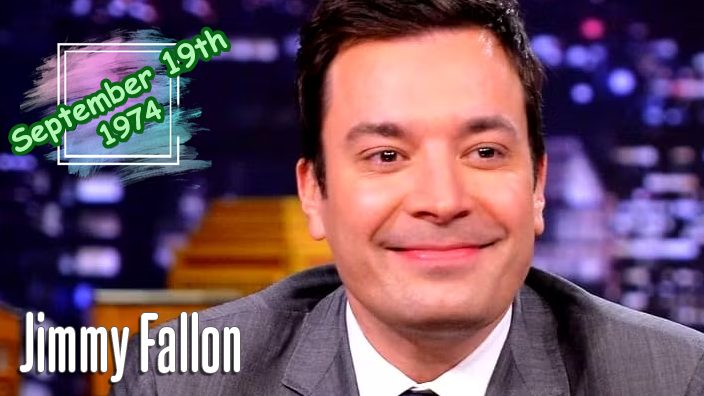
Jimmy Fallon is an American comedian, television host, actor, writer, singer and producer who turned an ability to impersonate celebrities, play guitar and occasionally lose control of his own laughter into a remarkably durable television career. From Saturday Night Live to Late Night and eventually Johnny Carson's old chair at The Tonight Show, Fallon has spent decades demonstrating that sometimes the fellow laughing hardest at the joke can also be the one telling it.
September 19, 1974, in Brooklyn, New York
Trivia
- He auditioned for SNL more than once.
- Tina Fey was his “Weekend Update” co-anchor.
- The Roots became his Late Night house band.
- He began hosting The Tonight Show in 2014.
- He can play guitar and regularly performs musical impressions.
- He has written several children's books.
- Details
- Category: Celebrity Birthdays - September
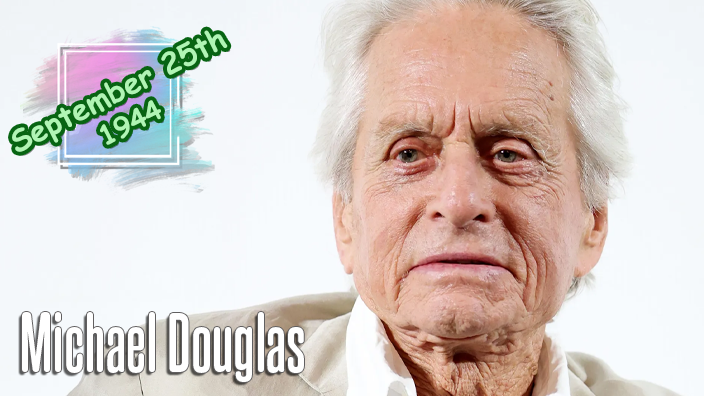
Michael Douglas had the inconvenient task of entering Hollywood with Kirk Douglas for a father, meaning expectations were already somewhere around the upper atmosphere before he said his first line. He solved the problem by becoming an Oscar-winning actor and producer in his own right, giving cinema Gordon Gekko, surviving Fatal Attraction and eventually joining the Marvel universe—apparently because after decades of homicidal lovers, Wall Street predators and international intrigue, shrinking to the size of an ant seemed relaxing.
September 25, 1944, in New Brunswick, New Jersey
Trivia
- He starred in The Streets of San Francisco.
- He produced One Flew Over the Cuckoo's Nest.
- His first Oscar was for producing, not acting.
- Wall Street earned him the Best Actor Oscar.
- He and Catherine Zeta-Jones share a September 25 birthday.
- He plays Hank Pym in the Marvel Cinematic Universe.
- Douglas became a UN Messenger of Peace in 1998.

- Details
- Category: Celebrity Birthdays - September
Jennifer Hudson doesn’t just sing — she launches notes like they’re guided missiles and we’re all just lucky enough to be in the blast radius. From Chicago church choirs to American Idol to an Oscar stage, she’s built a career that screams, “You can’t keep a powerhouse down.” She’s the rare kind of performer who can make you cry, cheer, and shout “Sing it, girl!” all in the same three minutes. And now that she’s an EGOT winner, talk show host, and all-around entertainment juggernaut, Jennifer isn’t just living the dream — she’s belting it at full volume.
September 12, 1981, in Chicago, Illinois
Trivia:
- She grew up singing in a Chicago church.
- Hudson finished seventh on American Idol.
- Dreamgirls was her feature-film acting debut.
- She won an Oscar for playing Effie White.
- Aretha Franklin chose Hudson to portray her.
- She has coached contestants on The Voice.
- Hudson achieved EGOT status in 2022.
- Details
- Category: Celebrity Birthdays - September
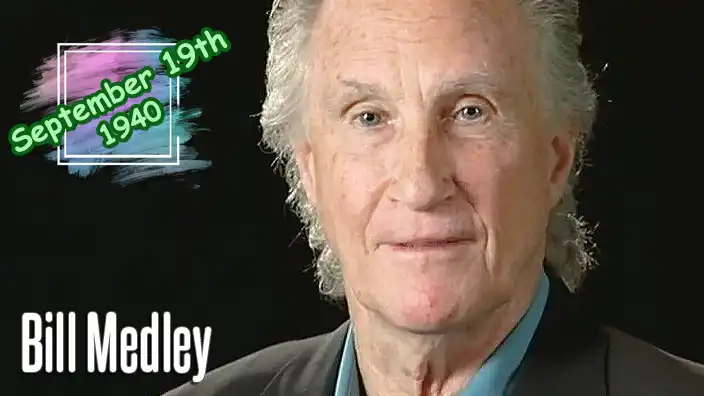
William Thomas Medley possesses the sort of voice that sounds as though it should arrive wearing a dinner jacket and carrying its own bottle of bourbon. As one half of the Righteous Brothers, his deep baritone helped define “blue-eyed soul,” while his later duet “(I've Had) The Time of My Life” ensured that nobody could watch the end of Dirty Dancing without at least briefly considering an extremely ill-advised attempt at that lift.
September 19, 1940, in Santa Ana, California
Trivia
- His father was a saxophonist and bandleader.
- Bobby Hatfield was not actually his brother.
- Medley produced “(You're My) Soul and Inspiration.”
- He sang “(I've Had) The Time of My Life” with Jennifer Warnes.
- The Dirty Dancing duet earned him a Grammy.
- The Righteous Brothers entered the Rock & Roll Hall of Fame in 2003.
- Details
- Category: Celebrity Birthdays - September
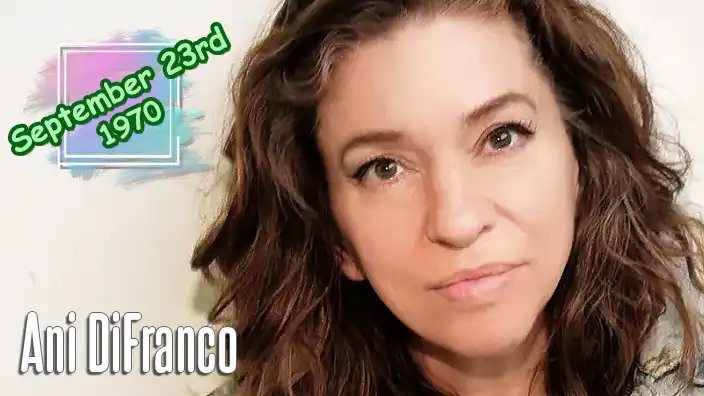
Ani DiFranco did not wait around for the music industry to decide what to do with her. She wrote the songs, played the guitar, toured relentlessly and founded her own record label, Righteous Babe Records, before most musicians would have finished wondering which executive they were supposed to impress. Folk, rock, punk, jazz, funk and spoken word have all wandered through her music since then, usually discovering that Ani has rearranged the furniture.
September 23, 1970, in Buffalo, New York
Trivia
- She began performing while still a child.
- DiFranco founded Righteous Babe Records.
- She is known for using alternate guitar tunings.
- She collaborated extensively with Utah Phillips.
- DiFranco has performed with Pete Seeger.
- She published a memoir in 2019.
- Details
- Category: Celebrity Birthdays - September
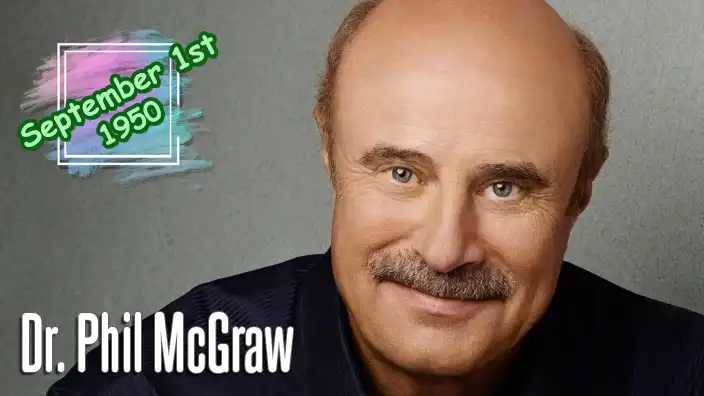
Dr. Phil McGraw has spent decades telling people to "get real," which is considerably easier when you're sitting safely on the other side of the television. Before becoming daytime TV's straight-talking dispenser of relationship advice, family interventions and raised eyebrows, however, he was a football player, psychologist and trial consultant whose encounter with Oprah Winfrey changed everything.
September 1, 1950, in Vinita, Oklahoma
Trivia
- McGraw earned his Ph.D. in clinical psychology in 1979.
- He co-founded Courtroom Sciences in 1989.
- Oprah Winfrey helped launch his television career.
- Dr. Phil premiered in 2002.
- He received a Hollywood Walk of Fame star in 2020.
- Details
- Category: Celebrity Birthdays - September
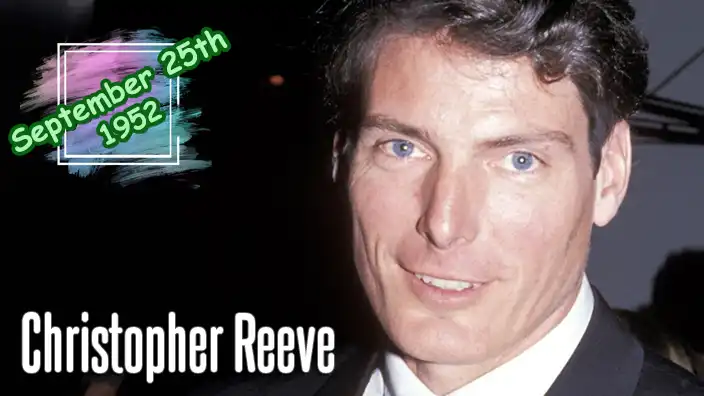
Christopher Reeve convinced millions of moviegoers that a man could fly, largely because he played Superman without behaving as though wearing red boots and a cape was remotely unusual. Tall, handsome and classically trained, he could turn Clark Kent into a spectacularly awkward fellow merely by changing his posture and putting on a pair of glasses. Then life handed him a challenge no screenplay writer would have dared suggest, and Reeve spent the remainder of his life showing that there was considerably more to the man than the cape.
September 25, 1952, in New York City
October 10, 2004, in Mount Kisco, New York
Trivia
- He played Superman in four feature films.
- He performed many of his own flying movements for Superman.
- Reeve was an experienced pilot and sailor.
- Still Me earned him a spoken-word Grammy.
- He directed films after becoming paralyzed.
- Details
- Category: Celebrity Birthdays - September
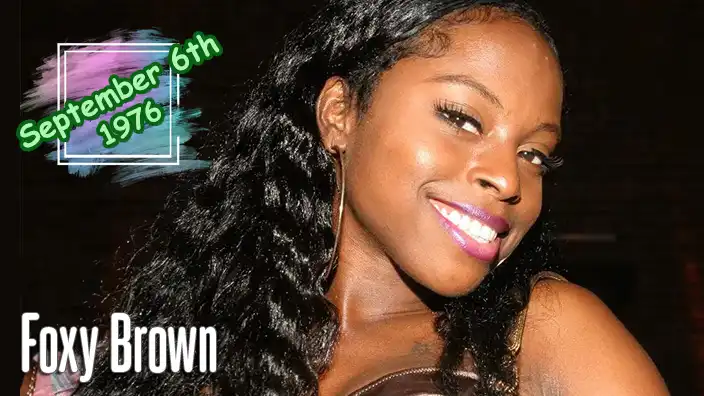
Foxy Brown arrived in hip-hop while she was still a teenager and promptly behaved as though the microphone had been waiting for her all along. With a deep, commanding voice, fearless lyrics and enough confidence to power half of Brooklyn, Foxy became one of the defining female rappers of the 1990s and helped open doors that later generations of women in hip-hop would kick considerably wider.
September 6, 1976, in Brooklyn, New York
Trivia
- Her stage name was inspired by the 1974 film Foxy Brown.
- She appeared on LL Cool J's “I Shot Ya” remix.
- Her debut album was Ill Na Na.
- She was a member of hip-hop supergroup The Firm.
- Foxy suffered serious hearing loss during the 2000s.
- Details
- Category: Celebrity Birthdays - September
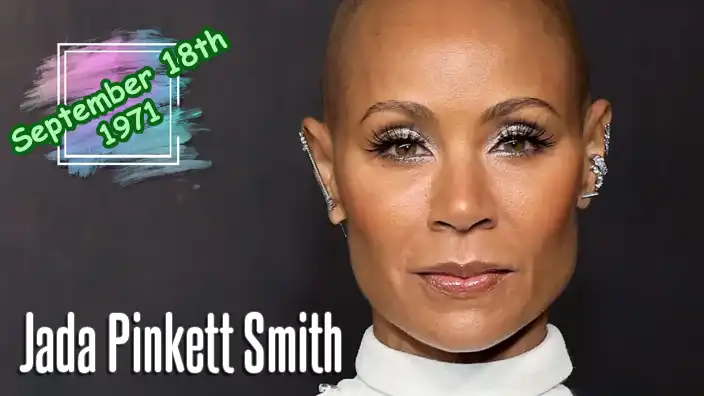
Jada Pinkett Smith was born on this day, celebrating a career that has taken her from A Different World and Set It Off to The Matrix, Girls Trip, Gotham and the remarkably candid conversations of Red Table Talk. Actress, producer, host, author, musician and occasional destroyer of virtual machines, Pinkett Smith has spent decades demonstrating that settling comfortably into one Hollywood pigeonhole was never remotely part of the plan.
September 18, 1971, in Baltimore, Maryland
Trivia
- She studied dance at the Baltimore School for the Arts.
- Tupac Shakur was a close school friend.
- She played Lena James on A Different World.
- Pinkett Smith voices Gloria in the Madagascar films.
- Her Matrix character is the pilot Niobe.
- She fronted the metal band Wicked Wisdom.
- Details
- Category: Celebrity Birthdays - September
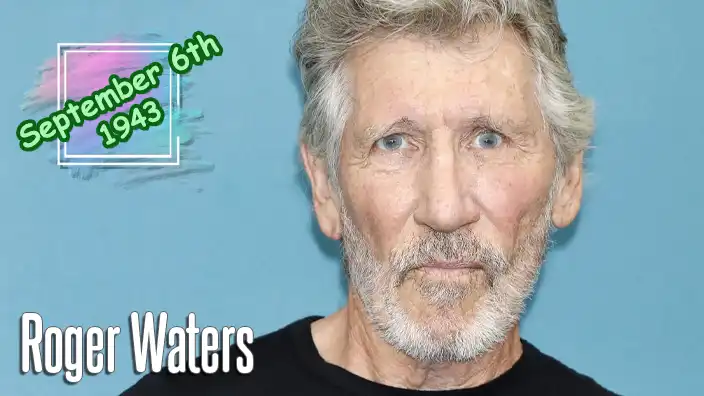
Roger Waters is the co-founder, bassist, vocalist and principal lyricist who helped transform Pink Floyd from a psychedelic London band into one of the biggest names in rock history. Behind The Dark Side of the Moon, Wish You Were Here, Animals and The Wall was a musician fascinated by war, isolation, madness and society's shortcomings. Cheerful little subjects, admittedly, but they sold an extraordinary number of records.
September 6, 1943, in Great Bookham, England
Trivia
- Waters originally studied architecture in London.
- He co-founded Pink Floyd in the 1960s.
- He wrote all the lyrics for The Dark Side of the Moon.
- His father was killed at Anzio in 1944.
- Waters conceived the original idea for The Wall.
- He left Pink Floyd in 1985.
- Details
- Category: Celebrity Birthdays - September
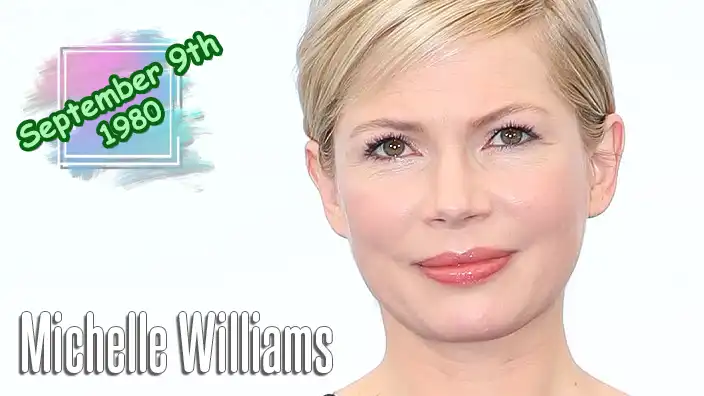
Michelle Williams is the acclaimed American actress who first won television audiences over as Jen Lindley in Dawson’s Creek and went on to become one of Hollywood’s most respected dramatic performers. From Brokeback Mountain and Blue Valentine to Manchester by the Sea and The Fabelmans, she has a remarkable talent for making audiences feel every emotion in the room. Her career has also proved that leaving a teen drama does not mean leaving drama behind—it simply means the problems become more complicated and the awards ceremonies become considerably more formal.
September 9, 1980, in Kalispell, Montana
Trivia
- Became legally emancipated at fifteen.
- Played Jen Lindley for six seasons.
- Earned five Academy Award nominations.
- Won an Emmy for Fosse/Verdon.
- Played Marilyn Monroe in My Week with Marilyn.
- Made her Broadway debut in Cabaret.
- Details
- Category: Celebrity Birthdays - September
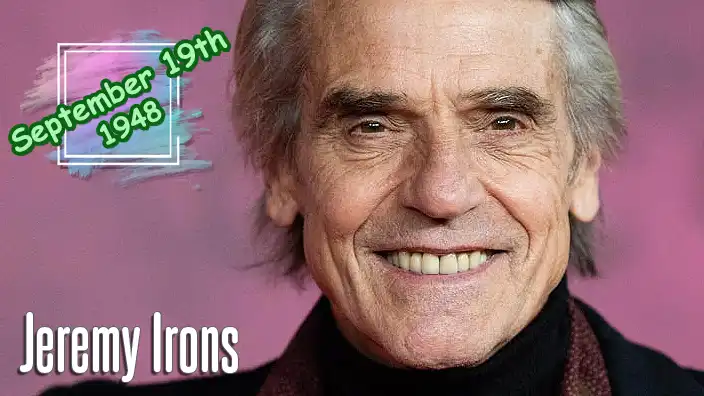
Jeremy Irons is an English actor whose unmistakable voice can make Shakespeare sound effortless, a Disney lion genuinely terrifying and even the telephone directory seem as though something sinister is about to happen on page 47. With an Academy Award, a Tony Award, three Primetime Emmys and two Golden Globes to his name, Irons has spent decades moving between stage, television and film while making impeccable diction sound suspiciously dangerous.
September 19, 1948, on the Isle of Wight, England
Trivia
- He played Virgil in Battle for the Planet of the Apes.
- He played Little Enos in the Smokey and the Bandit films.
- He wrote the lyrics for The Love Boat theme.
- He co-wrote “Rainbow Connection.”
- He collaborated with Daft Punk on Random Access Memories.
- Details
- Category: Celebrity Birthdays - September
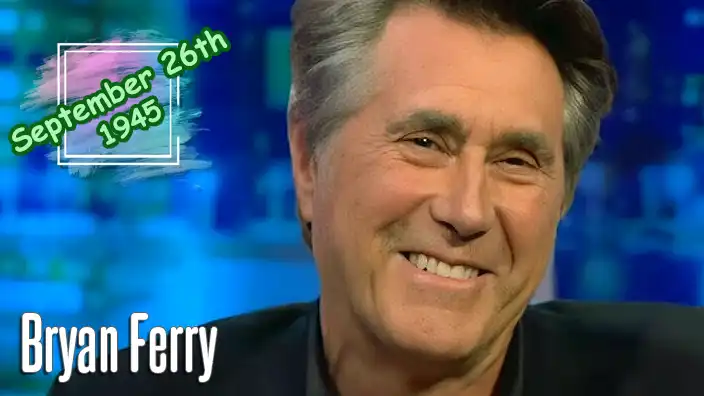
Bryan Ferry has spent more than five decades proving that rock music does not necessarily require torn jeans, questionable haircuts and somebody smashing a guitar. Sometimes it can arrive wearing an immaculate suit, carrying an art-school education and singing as though the nightclub closes only when Bryan Ferry says it does.
September 26, 1945, in Washington, England
Trivia
- He studied fine art at Newcastle University.
- Artist Richard Hamilton taught him.
- Roxy Music formed in 1970.
- Ferry launched his solo career in 1973.
- "Slave to Love" became a signature song.
- Details
- Category: Celebrity Birthdays - September
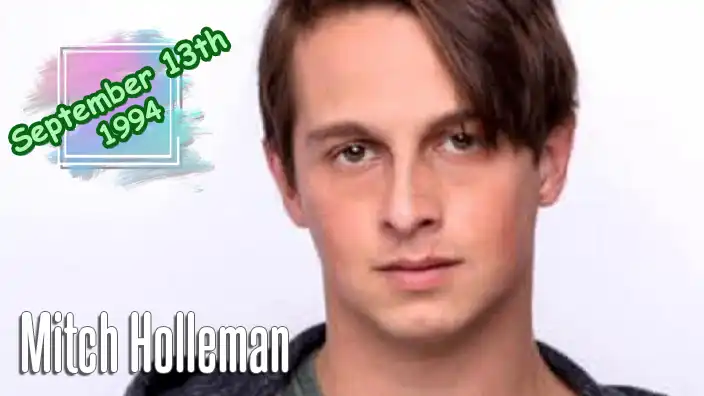
Mitch Holleman spent six seasons as Jake Hart on Reba, the youngest member of a television family already overflowing with divorce, teenage pregnancy, remarriage, sibling warfare, and Barbra Jean. Fortunately, Jake's principal responsibility was usually to wander into the room, say something wonderfully inconvenient, collect the laugh, and leave the adults to deal with the wreckage.
September 13, 1994, in Auburn, Alabama
Trivia
- His early commercials included Nickelodeon and Burger King.
- He appeared on The Sopranos as a small child.
- Daddio was his first regular television role.
- He played Jake throughout all six seasons of Reba.
- Reba McEntire was an acting mentor.
- He voiced The Duke on Avatar: The Last Airbender.
- He later moved into comedy and podcasting.
- Details
- Category: Celebrity Birthdays - September
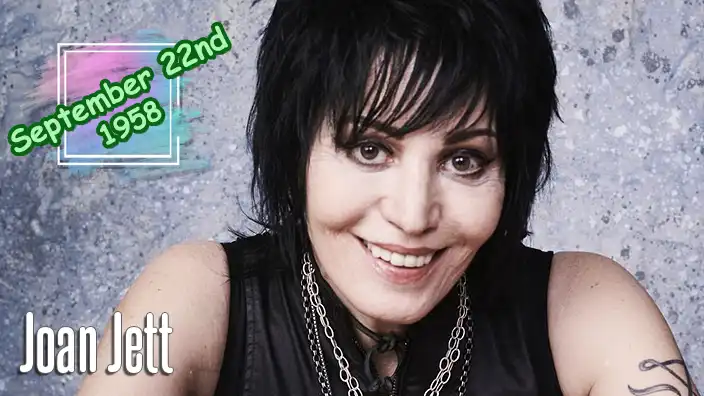
Joan Jett loves rock ’n’ roll, has a bad reputation and appears perfectly content with both arrangements. From teenage Runaway to Blackhearts frontwoman, independent record-label pioneer and Rock and Roll Hall of Famer, she turned three chords, a leather jacket and considerable determination into one of rock music’s most recognizable careers.
September 22, 1958, in Wynnewood, Pennsylvania
Trivia
- Jett co-founded The Runaways.
- She co-wrote The Runaways' "Cherry Bomb."
- "I Love Rock ’n’ Roll" spent seven weeks at No. 1.
- She co-founded Blackheart Records.
- She appeared on Happy Days in 1982.
- The Blackhearts entered the Rock Hall in 2015.
From Our Marks Catelog
-

On the morning of September 11, 2001, the world stood still as unimaginable terror unfolded in the...
-

If common sense were sold in stores, it would probably be right next to the batteries—something everyone...
-
Sugar—the tiny, sweet granules that can turn the most disciplined of us into dessert-hunting...
-
In celebration of National Camp Day, a group of enthusiastic campers decides to hold a "Wilderness...
-

Firefighters are the rare breed of heroes who willingly charge into blazing chaos while the rest of us...
-
There are few moments in life as full of promise as standing at the edge of a buffet line with an...

