Celebrity Birthdays - September
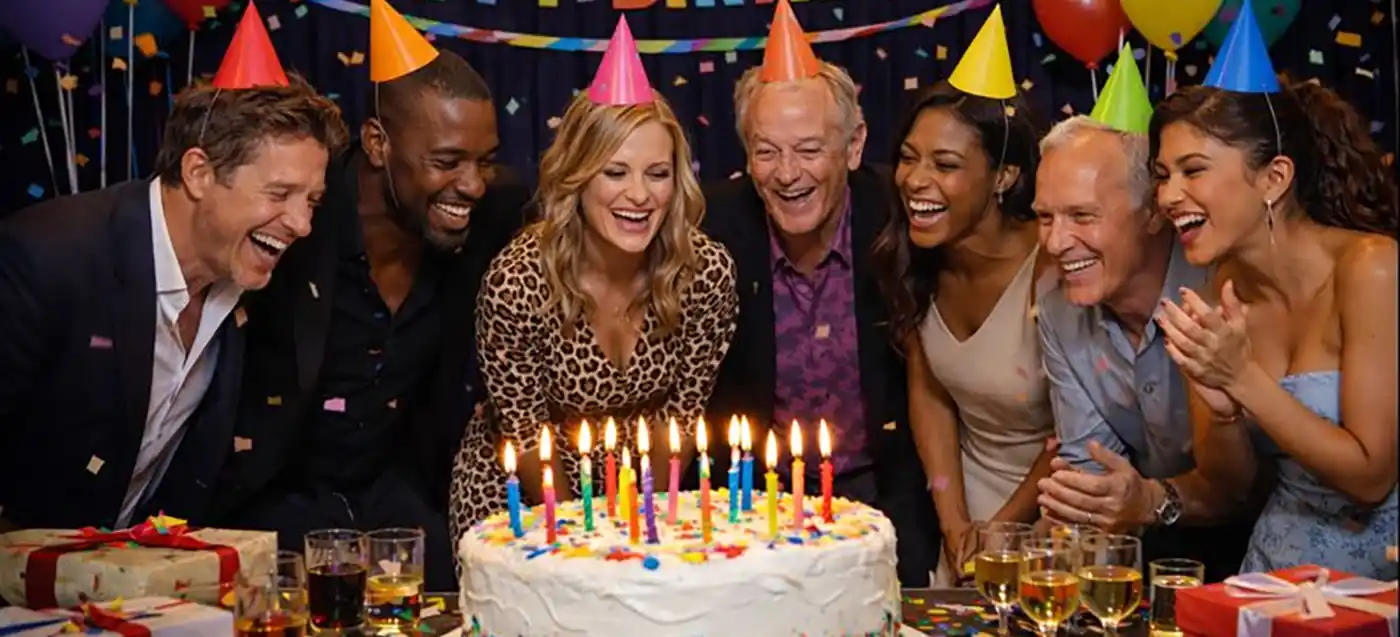
September birthday people are the overachievers of the zodiac — they show up just as the world is getting serious again. New pencils, fresh notebooks, and a whole month to remind us they were born ready.
Let’s honor the folks who make fall feel exciting. They’re the first crisp breeze after a long summer — refreshing and full of possibility.

- Details
- Category: Celebrity Birthdays - September
Ludacris is the rapper who turned clever wordplay and rapid-fire rhymes into an art form — and then casually became a Hollywood star while he was at it. Whether he’s dropping chart-topping hits, cracking jokes in the Fast & Furious crew, or literally going to space in a car (yes, that happened), Ludacris does everything with style, swagger, and a grin that says he’s about to outsmart you.
 September 11, 1977, in Champaign, Illinois

Trivia
- He wrote his first rap at nine.
- He once worked as Atlanta radio personality Chris Lova Lova.
- His stage name plays on "ludicrous" and "Chris."
- He co-founded Disturbing tha Peace.
- He first played Tej Parker in 2 Fast 2 Furious.
- Ludacris has won three Grammy Awards.
- He created the children's series Karma's World.

- Details
- Category: Celebrity Birthdays - September
Harry Connick Jr. is living proof that you can be a jazz crooner, an actor, a TV host, and still have time to look unfairly good in a suit. He’s released dozens of albums, sold millions of them, and somehow made big band music cool for an entirely new generation. When he’s not charming talk-show audiences or playing the romantic lead in a rom-com, he’s probably at a piano somewhere making everyone else feel underdressed. Basically, Harry is the guy who turns every room he walks into into a cocktail lounge — and we’re all just lucky to get a seat.
September 11, 1967, in New Orleans, Louisiana
Trivia
- He began learning piano at three.
- He performed publicly by age five.
- Ellis Marsalis was one of his teachers.
- When Harry Met Sally... brought his first Grammy.
- He voiced Dean in The Iron Giant.
- He has earned Tony nominations as composer and actor.
- He co-founded New Orleans' Musicians' Village project.
- Details
- Category: Celebrity Birthdays - September
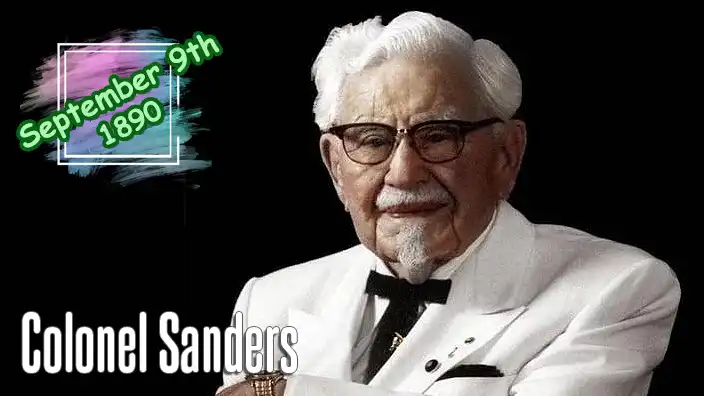
Colonel Sanders was the American entrepreneur who turned a roadside chicken dinner into one of the world’s most recognizable restaurant businesses. With his white suit, black string tie, and secret blend of eleven herbs and spices, he became the face of Kentucky Fried Chicken and proved that a career can take off long after most people have settled into retirement. His greatest achievement may have been convincing the world that a bucket is an entirely respectable way to serve dinner.
September 9, 1890, in Henryville, Indiana
Trivia
- Learned to cook as a young child.
- “Kentucky Colonel” was an honorary title.
- Perfected his recipe around 1939–1940.
- The first franchise opened in Utah in 1952.
- Sold KFC for approximately $2 million.
- His white suit became his signature look.
- Details
- Category: Celebrity Birthdays - September
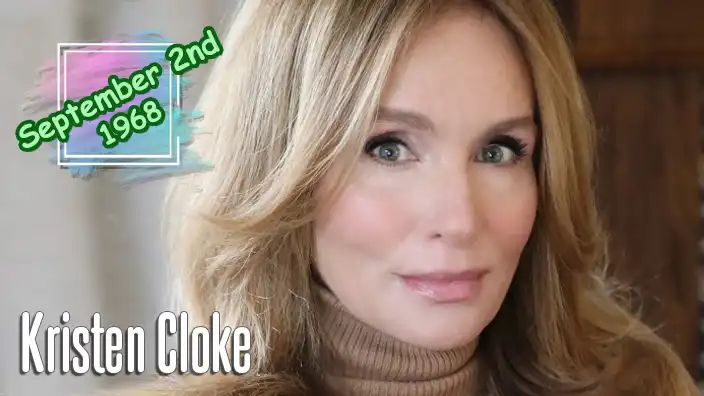
Kristen Cloke has faced alien wars, paranormal investigations, homicidal teenagers and assorted other situations that make an ordinary bad day at the office seem positively relaxing. Best remembered as Captain Shane Vansen in Space: Above and Beyond, Cloke became a familiar face to science-fiction and horror audiences while building a career closely connected with filmmakers Glen Morgan and James Wong.
 September 2, 1968, in Van Nuys, California
Trivia
- She played Captain Shane Vansen in Space: Above and Beyond.
- The series lasted one season.
- She appeared in The X-Files.
- Cloke played teacher Valerie Lewton in Final Destination.
- She starred in the supernatural series The Others.
- She appeared in the 2006 Black Christmas.
- Cloke married filmmaker Glen Morgan in 1998.
- Details
- Category: Celebrity Birthdays - September
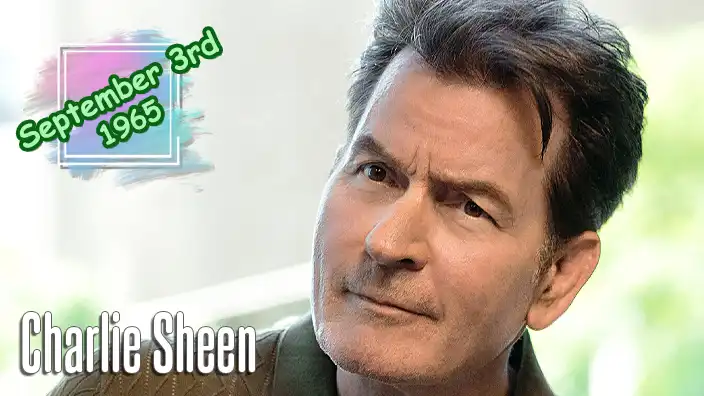
Charlie Sheen has played soldiers, stockbrokers, baseball pitchers and television’s most unapologetic bachelor, while conducting a real-life career that occasionally made his fictional characters look remarkably sensible.
September 3, 1965, in New York City
Trivia
- Martin Sheen is his father.
- Emilio Estevez is his brother.
- Platoon was his major breakthrough.
- He played Ricky "Wild Thing" Vaughn in Major League.
- He won a Golden Globe for Spin City.
- He earned four Emmy nominations for Two and a Half Men.
- Details
- Category: Celebrity Birthdays - September
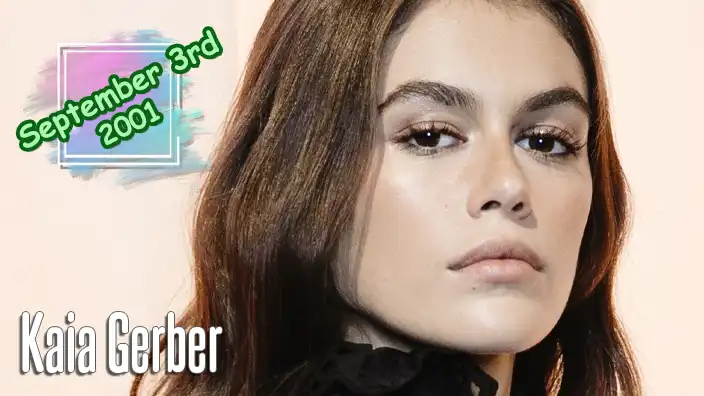
Kaia Gerber inherited Cindy Crawford’s unmistakable modeling genes, stepped onto the world’s biggest runways while still a teenager, and then wandered into acting just in case dominating one notoriously competitive profession seemed insufficient.
September 3, 2001, in Los Angeles, California
Trivia
- Cindy Crawford is her mother.
- Rande Gerber is her father.
- She first modeled for Versace at about 10.
- She made her major runway debut at 16.
- She won Model of the Year in 2018.
- She played Brittany in Bottoms.
- Details
- Category: Celebrity Birthdays - September
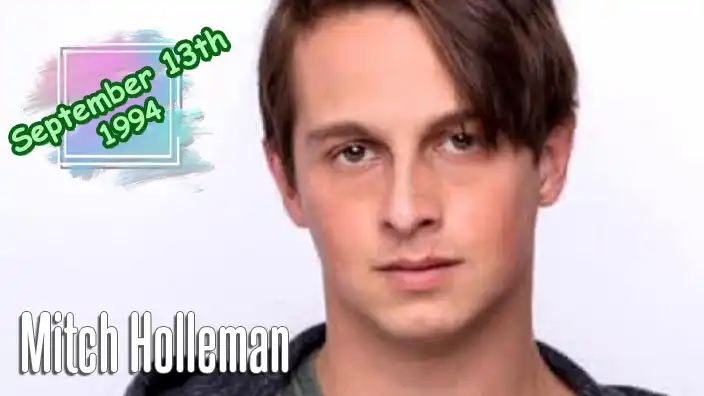
Mitch Holleman spent six seasons as Jake Hart on Reba, the youngest member of a television family already overflowing with divorce, teenage pregnancy, remarriage, sibling warfare, and Barbra Jean. Fortunately, Jake's principal responsibility was usually to wander into the room, say something wonderfully inconvenient, collect the laugh, and leave the adults to deal with the wreckage.
September 13, 1994, in Auburn, Alabama
Trivia
- His early commercials included Nickelodeon and Burger King.
- He appeared on The Sopranos as a small child.
- Daddio was his first regular television role.
- He played Jake throughout all six seasons of Reba.
- Reba McEntire was an acting mentor.
- He voiced The Duke on Avatar: The Last Airbender.
- He later moved into comedy and podcasting.
- Details
- Category: Celebrity Birthdays - September
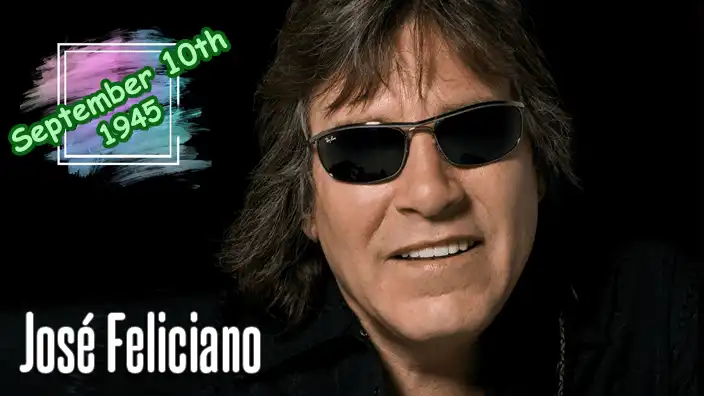
José Feliciano has spent a lifetime making the guitar sound as though it has a passport, a remarkable singing voice, and a standing invitation to every Christmas party on Earth. The Puerto Rican singer-songwriter is best known for “Feliz Navidad,” but his career reaches far beyond the holiday season, encompassing Latin music, rock, jazz, television, and some unforgettable interpretations of familiar songs. Born on September 10, he has given the world plenty of reasons to celebrate—and one tune that can make an entire supermarket sing along before anyone has even bought the turkey.
September 10, 1945, in Lares, Puerto Rico
Trivia
- He began making music with a tin cracker can.
- He taught himself guitar largely by listening to records.
- His version of “Light My Fire” reached No. 3 on the Billboard Hot 100.
- He performed a controversial acoustic national anthem at the 1968 World Series.
- “Feliz Navidad” was written while he was homesick in Los Angeles.
- He composed the theme for Chico and the Man.
- Details
- Category: Celebrity Birthdays - September
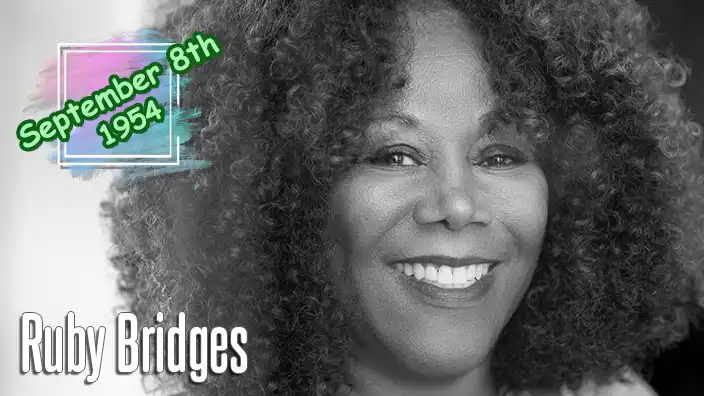
Ruby Bridges is an American civil rights icon who, at six years old, walked into a New Orleans elementary school and helped change the course of American education. While most first-graders worry about spelling tests and lunch, Ruby faced angry crowds, federal marshals, and the weight of a nation’s struggle over segregation. Her courage was extraordinary, and her lifelong work reminds us that doing the right thing does not require being the biggest person in the room.
September 8, 1954, in Tylertown, Mississippi
Trivia
- She was six on her historic first day of school.
- Four federal marshals escorted her to William Frantz.
- Barbara Henry taught her alone for much of first grade.
- Norman Rockwell painted her historic walk.
- She became an honorary Deputy U.S. Marshal in 2000.
- She has written several children's books.

- Details
- Category: Celebrity Birthdays - September
Kelsea Ballerini is the kind of country star who can sing about heartbreak, make you cry into your sweet tea, and then have you dancing barefoot in the kitchen by the next chorus. She’s got the girl-next-door charm of someone who might actually borrow sugar from you — and then turn the story into a chart-topping hit. Whether she’s lighting up the Grand Ole Opry stage, teaming up with pop stars, or dropping brutally honest breakup anthems, Kelsea has a way of making country music feel fresh, fun, and just a little bit mischievous.
September 12, 1993, in Mascot, Tennessee
Trivia
- She wrote her first song as a child.
- She studied at Lipscomb University.
- Her debut single reached No. 1 on Country Airplay.
- Her first three Country Airplay singles reached No. 1.
- She has received multiple Grammy nominations.
- Rolling Up the Welcome Mat also became a short film.
- Details
- Category: Celebrity Birthdays - September
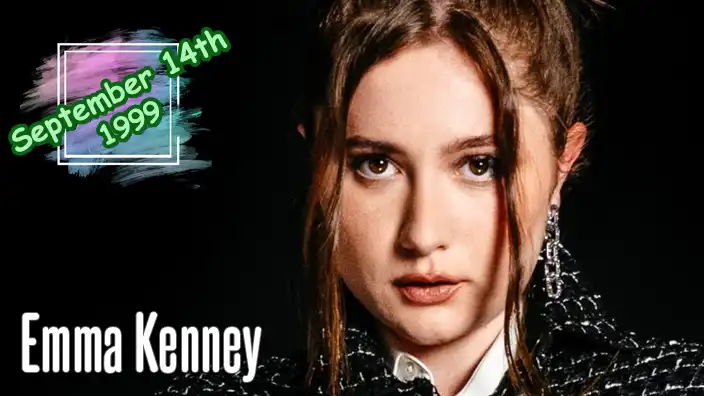
Emma Kenney is the American actress who spent eleven seasons growing up before television audiences as Debbie Gallagher on Shameless, which is certainly one way to ensure that your fictional childhood makes everybody else's look remarkably well organized. Beginning the role when she was still a child, Kenney transformed Debbie from the sweet, resourceful youngest Gallagher daughter into an increasingly complicated young woman dealing with motherhood, relationships, money, work and the general Gallagher family tradition of making questionable decisions with tremendous confidence.
September 14, 1999, in Manhattan, New York City
Trivia
- Emma began performing when she was a child.
- She directed a short film at only nine.
- She became the youngest finalist at the 2009 New Jersey International Film Festival.
- She played Debbie Gallagher in 134 episodes of Shameless.
- She portrayed Harris in both Roseanne and The Conners.
- She provided a voice in the animated film Epic.
- She co-founded the dog rescue Yogi's House.
- Details
- Category: Celebrity Birthdays - September
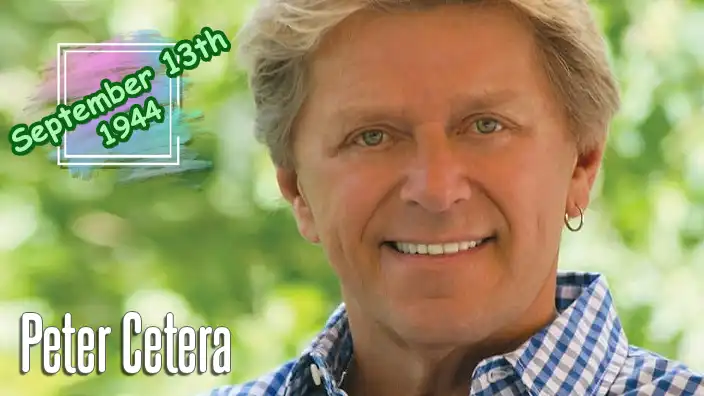
Peter Cetera possesses one of those voices that requires very little introduction. A few notes into a classic Chicago ballad and there he is: soaring tenor, unmistakable phrasing, and enough romantic yearning to make an entire 1980s high-school dance suddenly reappear in the memory. As Chicago's longtime bassist and one of its defining lead singers, Cetera helped take the band from adventurous horn-driven rock into enormous pop success before beginning a solo career that produced a fresh collection of hits—including one that taught an entire generation that karate training apparently works much better when accompanied by a power ballad.
September 13, 1944, in Chicago, Illinois
Trivia
- He began his musical life playing accordion.
- He was a member of Chicago-area band The Exceptions.
- Cetera joined Chicago in 1967.
- He sang lead on “25 or 6 to 4.”
- He wrote “If You Leave Me Now.”
- “Glory of Love” earned an Oscar nomination.
- Details
- Category: Celebrity Birthdays - September
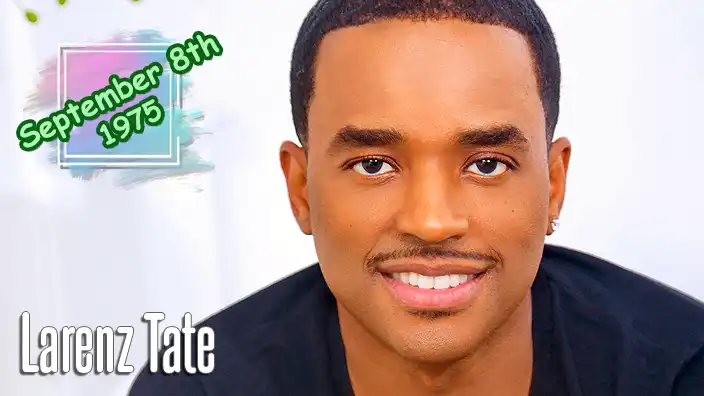
Larenz Tate is an American actor who can make a character charming, dangerous, or thoroughly untrustworthy with little more than a change of expression. From the unforgettable O-Dog in Menace II Society to the ambitious Rashad Tate in Power, he has built a career playing men who are rarely short of confidence and occasionally short of good judgment. Fortunately, the actor himself has made considerably better career decisions than many of his characters.
September 8, 1975, in Chicago, Illinois
Trivia
- He is the youngest of three acting brothers.
- His brothers are Larron and Lahmard Tate.
- He made his television debut in 1985.
- The Hughes brothers initially doubted his casting as O-Dog.
- He played poet Darius Lovehall in Love Jones.
- He portrayed Quincy Jones in Ray.
- He played twin brothers in Gun Hill.
- Details
- Category: Celebrity Birthdays - September
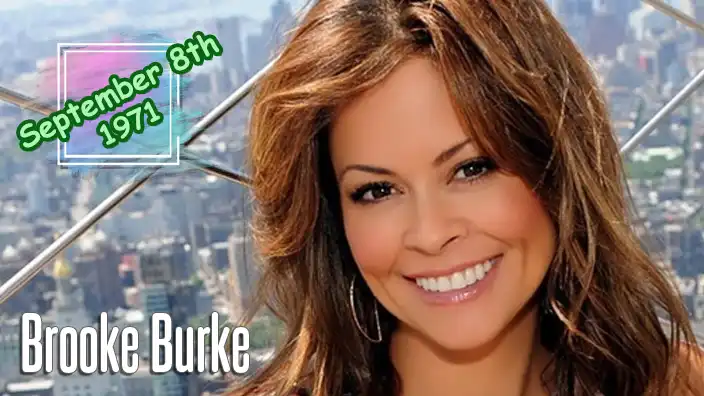
Brooke Burke is an American television personality, model, and fitness entrepreneur who has made a career of looking remarkably composed while hosting live television, raising four children, and encouraging the rest of us to exercise. Best known for Wild On!, Rock Star, and Dancing with the Stars, she has moved from travel television to the ballroom and beyond. She also has the rare distinction of winning a dance competition and then returning to host it—rather like winning the office raffle and being asked to run the company.
September 8, 1971, in Hartford, Connecticut
Trivia
- She hosted Wild On! from 1999 to 2002.
- She won Dancing with the Stars with Derek Hough.
- She later co-hosted eight seasons of the show.
- She is the mother of four children.
- She became the host of Penn & Teller: Fool Us in 2023.
- Details
- Category: Celebrity Birthdays - September
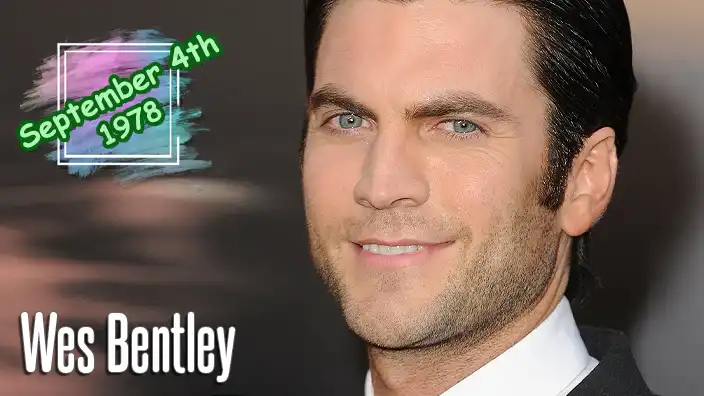
Wes Bentley has spent much of his career playing men who look as though they know something you don't—and there is a reasonably good chance you don't want to know it. From the quietly unsettling Ricky Fitts in American Beauty to the perpetually embattled Jamie Dutton in Yellowstone, Bentley has turned intensity, restraint and one exceptionally effective stare into a remarkably durable acting career.
September 4, 1978, in Jonesboro, Arkansas
Trivia
- He discovered acting partly through improv comedy.
- Beloved was among his earliest film appearances.
- He earned a BAFTA nomination for American Beauty.
- He played Seneca Crane in The Hunger Games.
- He began playing Jamie Dutton in Yellowstone in 2018.
- Details
- Category: Celebrity Birthdays - September
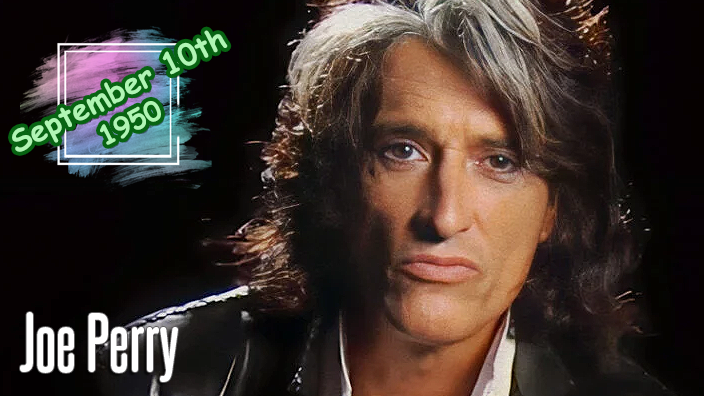
Joe Perry has spent decades proving that a well-placed guitar riff can accomplish things that polite conversation never could. As Aerosmith’s lead guitarist and co-founder, he helped turn blues-soaked rock and roll into a global phenomenon, survived the sort of band drama that would exhaust a television soap opera, and returned to the stage with enough swagger to make a guitar case look like a fashion accessory. His birthday falls on September 10, making it an excellent excuse to turn up the volume and remind the neighbors that rock and roll is not generally played at library levels.
September 10, 1950, in Lawrence, Massachusetts
Trivia
- He formed the Joe Perry Project after leaving Aerosmith in 1979.
- He returned to Aerosmith with Brad Whitford in 1984.
- He appeared as a DEA agent on Homicide: Life on the Street.
- He created a line of hot sauces called Rock Your World.
- His autobiography, Rocks, was published in 2014.
- He is a member of Hollywood Vampires with Alice Cooper and Johnny Depp.
- Details
- Category: Celebrity Birthdays - September
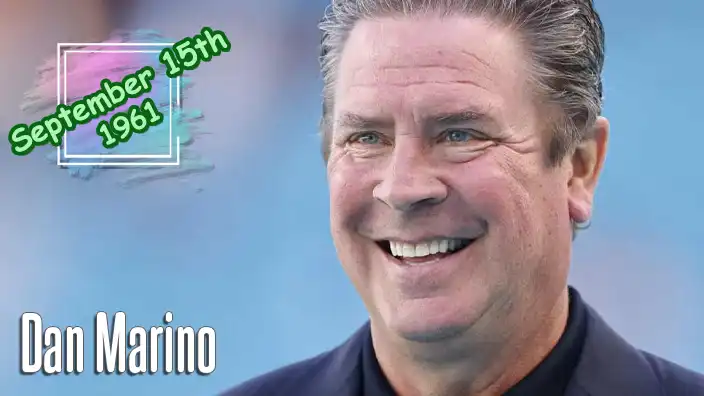
Dan Marino spent 17 seasons demonstrating that a football could travel considerable distances through the Florida air without the assistance of an airline. Armed with one of the quickest releases in NFL history, the longtime Miami Dolphins quarterback rewrote the passing record book, became one of the defining players of his generation, and somehow even survived being kidnapped in Ace Ventura: Pet Detective.
September 15, 1961, in Pittsburgh, Pennsylvania
Trivia
- Miami drafted him 27th overall in 1983.
- Five quarterbacks were drafted before him.
- He spent his entire 17-season NFL career with Miami.
- His 1984 season produced 5,084 yards and 48 touchdowns.
- Marino was selected to nine Pro Bowls.
- The Dolphins retired his No. 13 in 2000.
- Details
- Category: Celebrity Birthdays - September
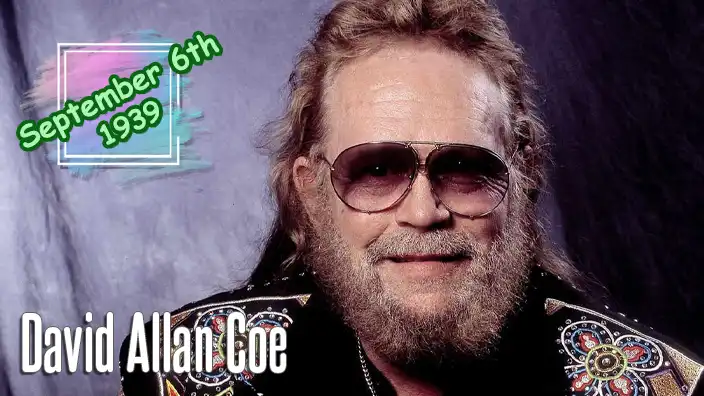
David Allan Coe was an outlaw country singer who didn't merely cultivate a rebellious reputation—he spent decades making sure nobody could possibly mistake him for the fellow who came to Nashville to play nicely. Prison, rhinestones, motorcycles, controversy, country classics and enough outrageous stories to keep several biographers employed all became part of the Coe legend. Somewhere beneath all that noise, however, was a remarkably gifted songwriter whose words helped define outlaw country music.
September 6, 1939, in Akron, Ohio
 April 29, 2026, in Akron, Ohio
Trivia
- His debut album was Penitentiary Blues.
- Tanya Tucker had a major hit with a song Coe wrote.
- He wrote Johnny Paycheck's “Take This Job and Shove It.”
- “Mona Lisa Lost Her Smile” reached No. 2 on the country chart.
- He recorded “Tennessee Whiskey” years before Chris Stapleton.
- Coe collaborated with members of Pantera on Rebel Meets Rebel.
- Details
- Category: Celebrity Birthdays - September
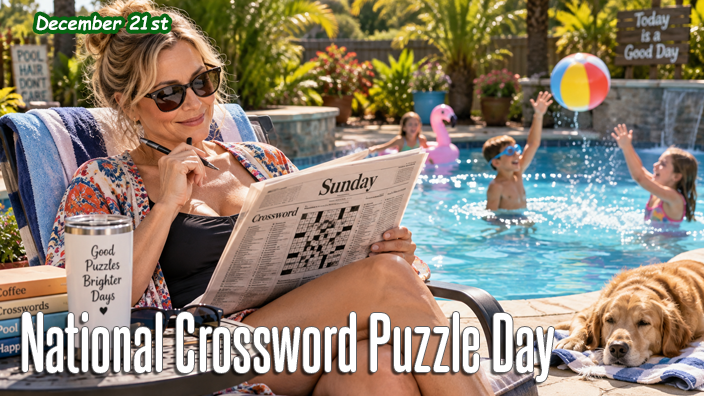
National Crossword Puzzle Day celebrates the wonderfully addictive little grid that can make you feel like a genius at 9:00 a.m. and question your entire education by 9:15. Every December 21, crossword lovers sharpen their pencils, summon their vocabulary, and prepare to battle Across, Down, and that infuriating three-letter answer everybody except them apparently knows.
Celebrated: Annually, on December 21st
Grab a pencil and test your vocabulary as we celebrate crossword puzzles, clever clues, stubborn squares, and more than a century of puzzling fun

- Details
- Category: Celebrity Birthdays - September
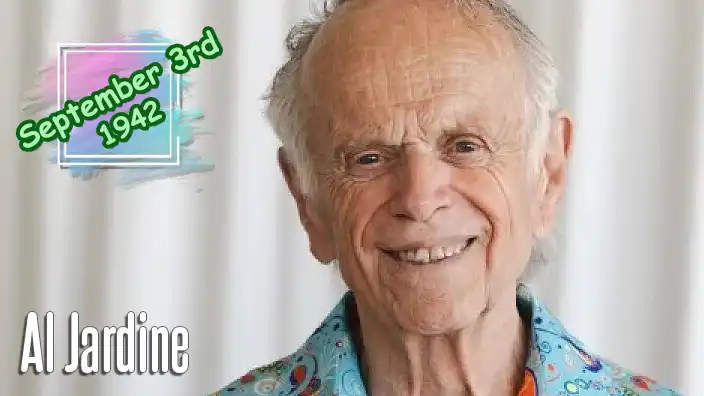
Al Jardine helped turn harmonies, surfboards and California sunshine into the sound of The Beach Boys, despite being the member sensible enough to study dentistry before deciding that guitars probably involved fewer people saying, “Open wider.”
September 3, 1942, in Lima, Ohio
Trivia
- He met Brian Wilson in high school.
- He co-founded The Beach Boys.
- He briefly studied dentistry.
- He sang lead on “Help Me, Rhonda.”
- He suggested recording “Sloop John B.”
- He entered the Rock Hall in 1988.
- Details
- Category: Celebrity Birthdays - September
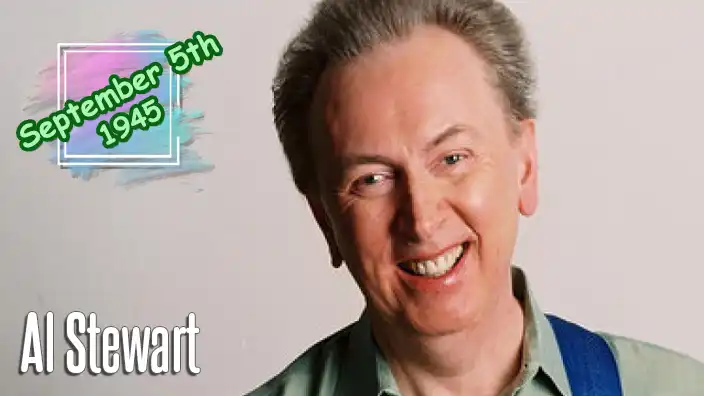
Al Stewart has spent a lifetime proving that history lessons sound considerably better when accompanied by an acoustic guitar, an elegant melody and, whenever possible, a magnificent saxophone solo. Best known for “Year of the Cat,” the Scottish singer-songwriter turned historical characters, wars, doomed romances and the passage of time into songs—and somehow persuaded millions of people to sing along.
September 5, 1945, in Glasgow, Scotland
Trivia
- His debut album appeared in 1967.
- He played at the first Glastonbury Festival.
- He once shared a London apartment with Paul Simon.
- Alan Parsons produced Year of the Cat.
- “Year of the Cat” was recorded at Abbey Road.
- Stewart is an enthusiastic wine collector.
From Our Marks Catelog
-
Pizza is the ultimate customizable dish. It caters to all, from the staunch meat-lover who wants...
-

Your toes don't ask for much. They spend their days squeezed into shoes, dodging coffee tables,...
-

You’re trying to relax after a long day, but your dog has decided that now is the perfect time to...
-
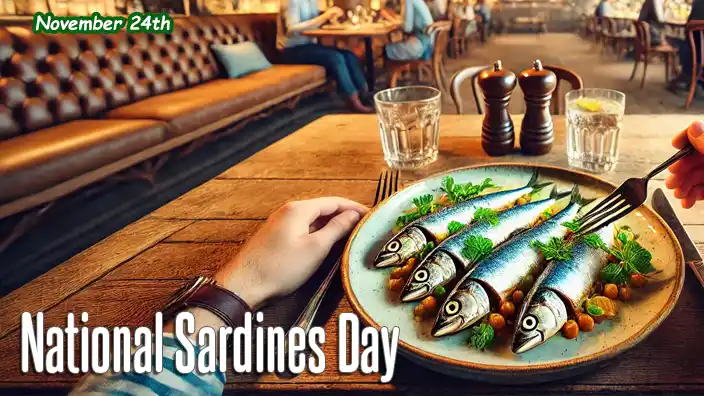
Tiny, shiny, and unapologetically bold, these little fish have a knack for stealing the show at...
-
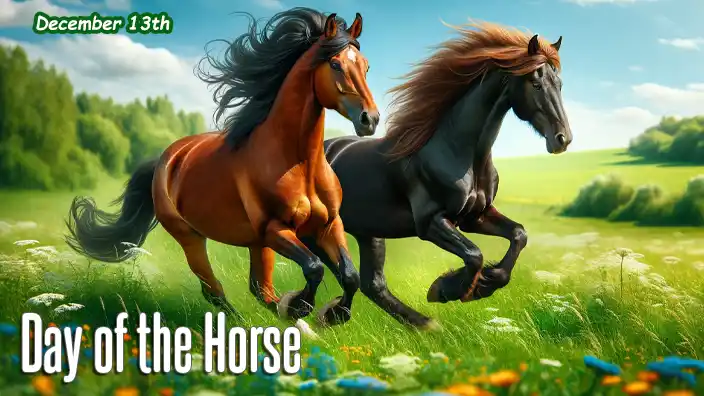
Horses are the comedians of the animal world, even if they don’t realize it. From sneaky maneuvers...
-
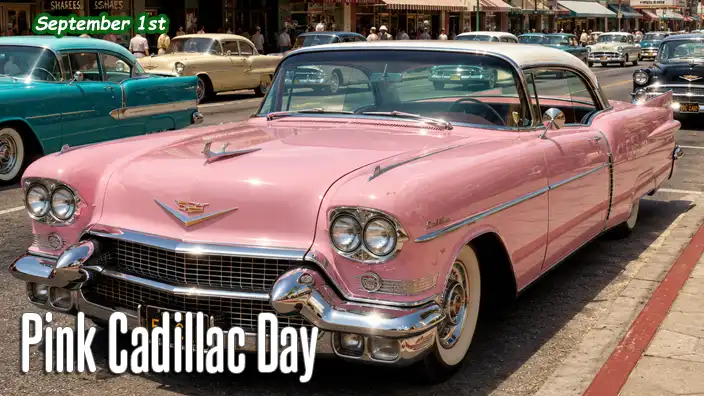
Some cars are built to get you from point A to point B. The Pink Cadillac was built to make sure...

