Celebrity Birthdays - September
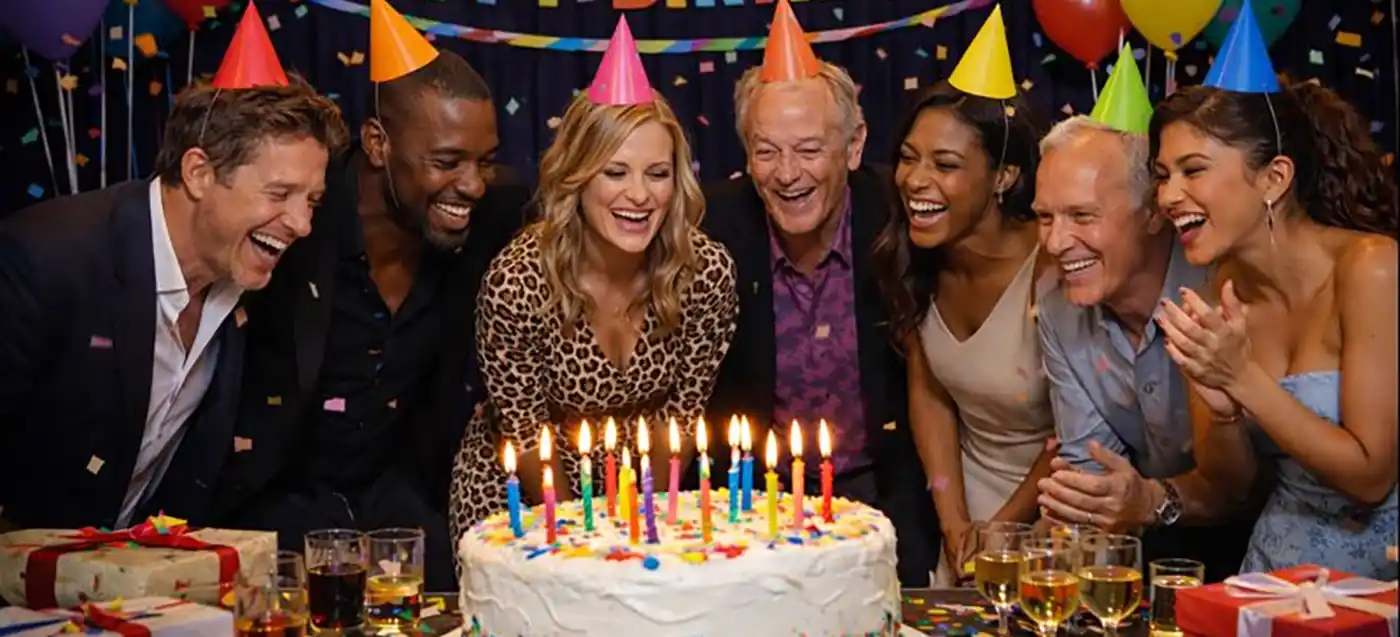
September birthday people are the overachievers of the zodiac — they show up just as the world is getting serious again. New pencils, fresh notebooks, and a whole month to remind us they were born ready.
Let’s honor the folks who make fall feel exciting. They’re the first crisp breeze after a long summer — refreshing and full of possibility.
- Details
- Category: Celebrity Birthdays - September
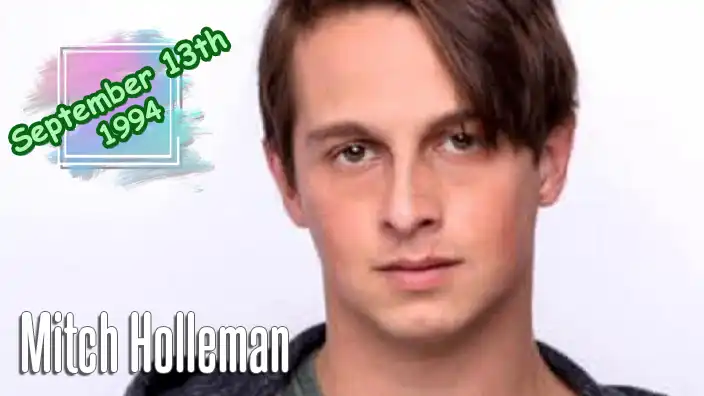
Mitch Holleman spent six seasons as Jake Hart on Reba, the youngest member of a television family already overflowing with divorce, teenage pregnancy, remarriage, sibling warfare, and Barbra Jean. Fortunately, Jake's principal responsibility was usually to wander into the room, say something wonderfully inconvenient, collect the laugh, and leave the adults to deal with the wreckage.
 September 13, 1994, in Auburn, Alabama

Trivia
- His early commercials included Nickelodeon and Burger King.
- He appeared on The Sopranos as a small child.
- Daddio was his first regular television role.
- He played Jake throughout all six seasons of Reba.
- Reba McEntire was an acting mentor.
- He voiced The Duke on Avatar: The Last Airbender.
- He later moved into comedy and podcasting.
- Details
- Category: Celebrity Birthdays - September
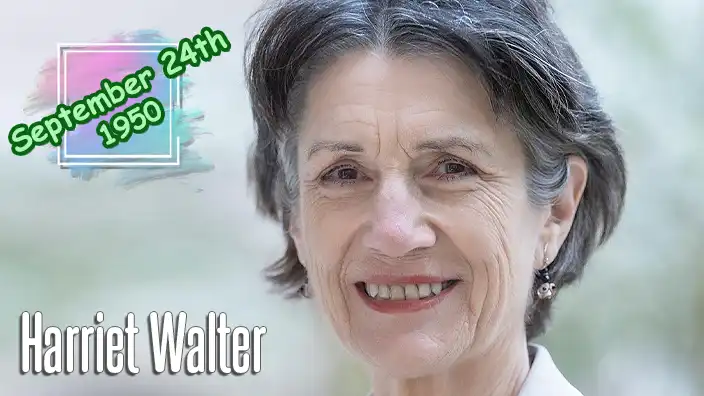
Harriet Walter spent decades mastering Shakespeare before television discovered that nobody delivers aristocratic disapproval quite like a Dame. From Succession and Ted Lasso to The Crown, she can reduce a room to nervous silence without the vulgar necessity of raising her voice.
 September 24, 1950, in London, England
Trivia
- She trained at LAMDA.
- Sir Christopher Lee was her uncle.
- Walter won an Olivier for her RSC work.
- She played Brutus in an all-female Julius Caesar.
- She earned a Tony nomination for Mary Stuart.
- Walter became a Dame in 2011.
- She has received five Emmy nominations.
- Details
- Category: Celebrity Birthdays - September
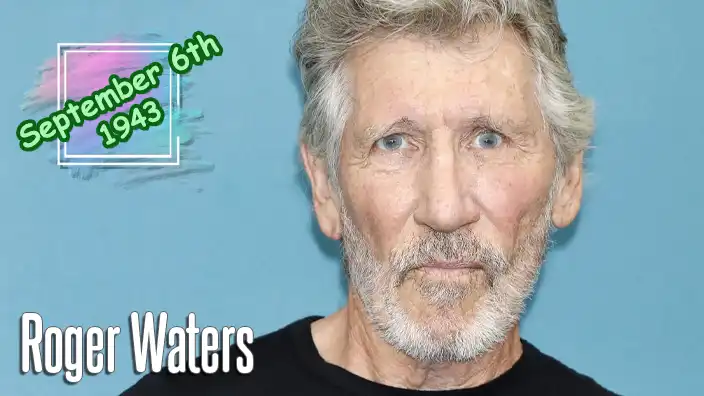
Roger Waters is the co-founder, bassist, vocalist and principal lyricist who helped transform Pink Floyd from a psychedelic London band into one of the biggest names in rock history. Behind The Dark Side of the Moon, Wish You Were Here, Animals and The Wall was a musician fascinated by war, isolation, madness and society's shortcomings. Cheerful little subjects, admittedly, but they sold an extraordinary number of records.
September 6, 1943, in Great Bookham, England
Trivia
- Waters originally studied architecture in London.
- He co-founded Pink Floyd in the 1960s.
- He wrote all the lyrics for The Dark Side of the Moon.
- His father was killed at Anzio in 1944.
- Waters conceived the original idea for The Wall.
- He left Pink Floyd in 1985.
- Details
- Category: Celebrity Birthdays - September
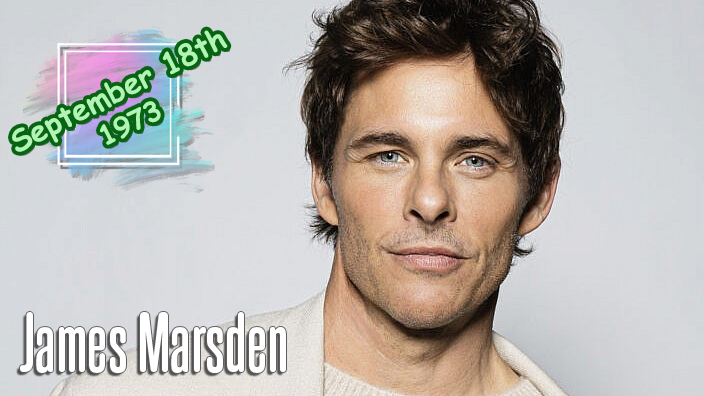
James Marsden celebrates his birthday today, giving us the perfect excuse to salute an actor who has been a mutant superhero, a fairy-tale prince, a romantic rival, a singing television host, a doomed cowboy, a small-town sheriff, and, perhaps most dangerously of all, an exaggerated version of James Marsden. From X-Men and Enchanted to Westworld and Jury Duty, Marsden has built a remarkably varied career while somehow maintaining the appearance of a man who has never once been defeated by a bad haircut.
September 18, 1973, in Stillwater, Oklahoma
Trivia
- He studied broadcast journalism at Oklahoma State University.
- Marsden is an accomplished singer.
- He played Cyclops in the X-Men film series.
- He sang on screen in both Hairspray and Enchanted.
- He played identical twins Steve and Ben in Dead to Me.
- Jury Duty earned him his first Primetime Emmy nomination.
- Details
- Category: Celebrity Birthdays - September
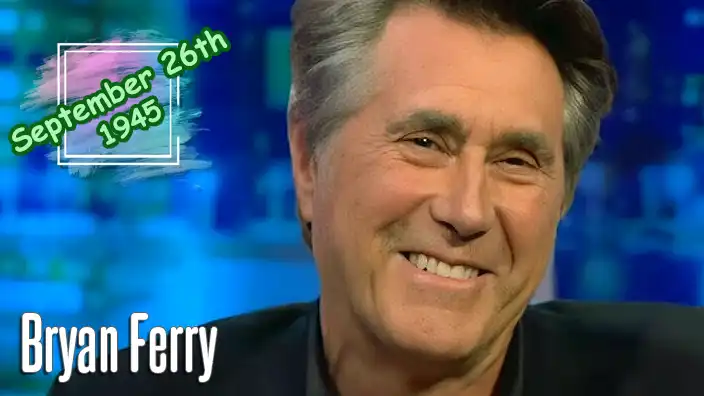
Bryan Ferry has spent more than five decades proving that rock music does not necessarily require torn jeans, questionable haircuts and somebody smashing a guitar. Sometimes it can arrive wearing an immaculate suit, carrying an art-school education and singing as though the nightclub closes only when Bryan Ferry says it does.
September 26, 1945, in Washington, England
Trivia
- He studied fine art at Newcastle University.
- Artist Richard Hamilton taught him.
- Roxy Music formed in 1970.
- Ferry launched his solo career in 1973.
- "Slave to Love" became a signature song.
- Details
- Category: Celebrity Birthdays - September
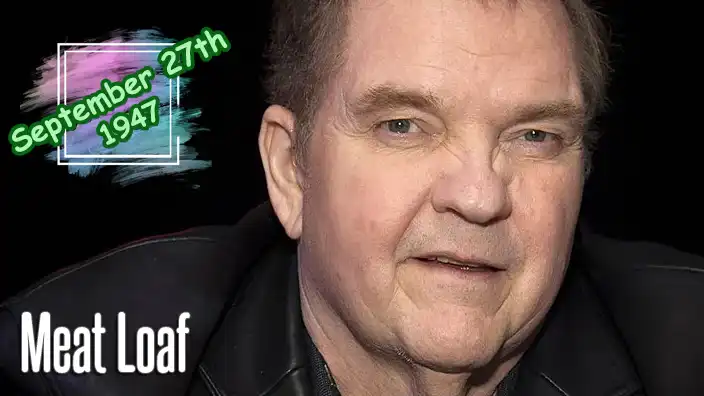
Meat Loaf did not so much sing a rock song as attack it, wrestle it to the ground and demand dramatic lighting. With Bat Out of Hell, an enormous voice and songs seemingly incapable of ending before something exploded, he became one of rock music's most distinctive performers — while somehow finding enough spare time to appear in The Rocky Horror Picture Show and fight Brad Pitt.
September 27, 1947, in Dallas, Texas
 January 20, 2022, in Nashville, Tennessee
Trivia
- He appeared in the musical Hair.
- He played Eddie in The Rocky Horror Picture Show.
- Todd Rundgren produced Bat Out of Hell.
- Ellen Foley sang on “Paradise by the Dashboard Light.”
- “I'd Do Anything for Love” reached No. 1.
- He played Bob Paulson in Fight Club.
- Details
- Category: Celebrity Birthdays - September
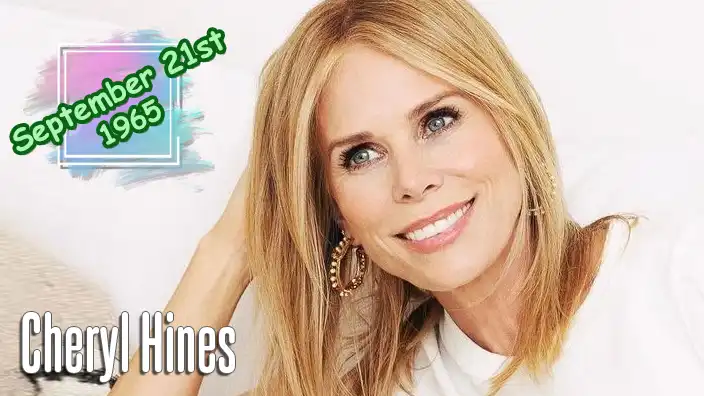
Cheryl Hines became famous for playing the remarkably patient wife of Larry David on Curb Your Enthusiasm, which meant regularly watching a perfectly ordinary situation turn into a social catastrophe while maintaining the expression of a woman wondering why she ever left the house. With sharp improvisational instincts and wonderfully understated reactions, Hines became the calm center of one of television's most gloriously uncomfortable comedies.
September 21, 1965, in Miami Beach, Florida
Trivia
- Hines trained with Los Angeles improv company The Groundlings.
- She received two Emmy nominations for Curb Your Enthusiasm.
- Those nominations came in 2003 and 2006.
- She played Robin Williams' wife in RV.
- She appeared as Becky in Waitress.
- She made her feature directing debut with Serious Moonlight.
- Details
- Category: Celebrity Birthdays - September
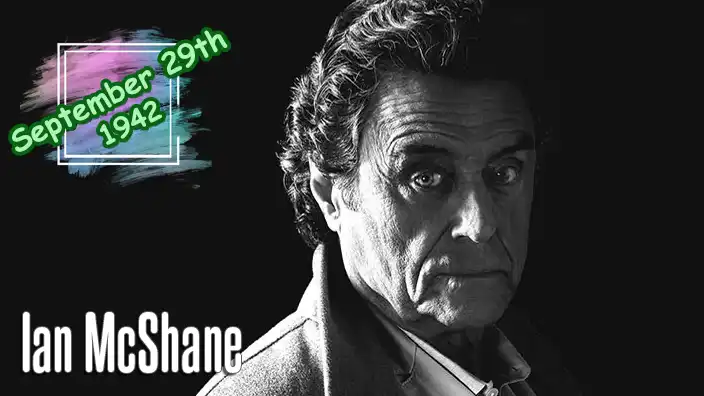
Ian McShane possesses the sort of voice that could make reading the instructions on a packet of frozen peas sound vaguely threatening. Add the raised eyebrow, the beautifully measured delivery and a remarkable ability to play rogues who remain charming despite overwhelming evidence that you should run away from them, and it is easy to understand why McShane has spent more than six decades being cast as everyone from an antiques dealer to a saloon keeper, pirate, Norse god and impeccably dressed manager of a hotel for professional assassins.
September 29, 1942, in Blackburn, England
Trivia
- His father was professional footballer Harry McShane.
- He trained at RADA.
- John Hurt was a lifelong friend.
- IMDb says McShane has a photographic memory.
- He directed four episodes of Lovejoy.
- He voiced Tai Lung in Kung Fu Panda.
- Details
- Category: Celebrity Birthdays - September
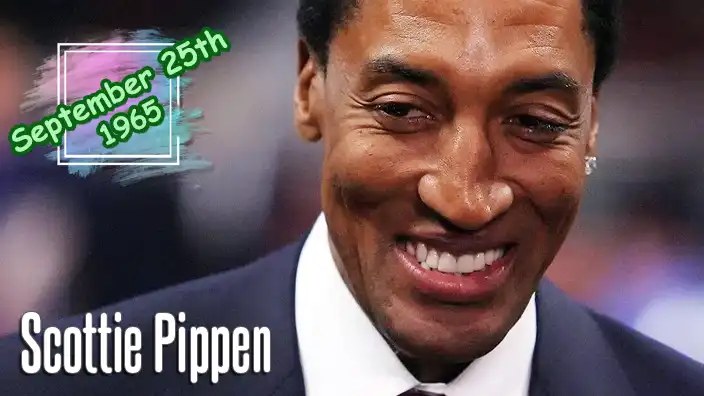
Scottie Pippen went from an overlooked college walk-on to six NBA championships with the Chicago Bulls, proving that sometimes the fellow standing beside Michael Jordan is considerably more than background scenery. A brilliant defender, playmaker and all-around nuisance to opponents, Pippen could score, pass, rebound and guard almost anybody—which must have made assigning jobs in the locker room wonderfully simple: "Scottie, just do everything else."
September 25, 1965, in Hamburg, Arkansas
Trivia
- He began college basketball as a walk-on.
- Seattle drafted him fifth overall in 1987.
- He was immediately traded to Chicago.
- Pippen won six NBA championships.
- He earned two Olympic gold medals.
- He was the 1994 NBA All-Star Game MVP.
- Details
- Category: Celebrity Birthdays - September
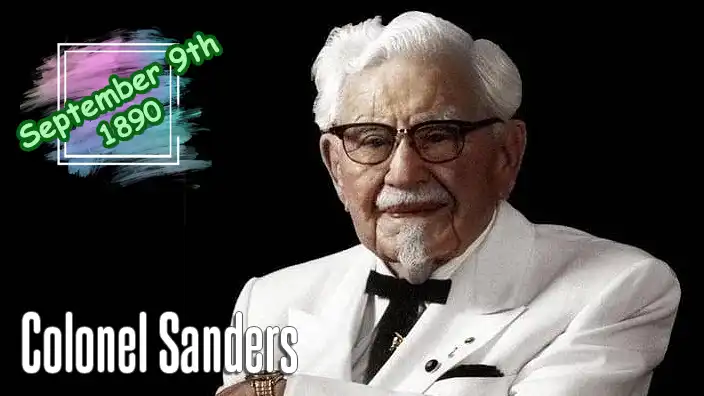
Colonel Sanders was the American entrepreneur who turned a roadside chicken dinner into one of the world’s most recognizable restaurant businesses. With his white suit, black string tie, and secret blend of eleven herbs and spices, he became the face of Kentucky Fried Chicken and proved that a career can take off long after most people have settled into retirement. His greatest achievement may have been convincing the world that a bucket is an entirely respectable way to serve dinner.
September 9, 1890, in Henryville, Indiana
Trivia
- Learned to cook as a young child.
- “Kentucky Colonel” was an honorary title.
- Perfected his recipe around 1939–1940.
- The first franchise opened in Utah in 1952.
- Sold KFC for approximately $2 million.
- His white suit became his signature look.
- Details
- Category: Celebrity Birthdays - September
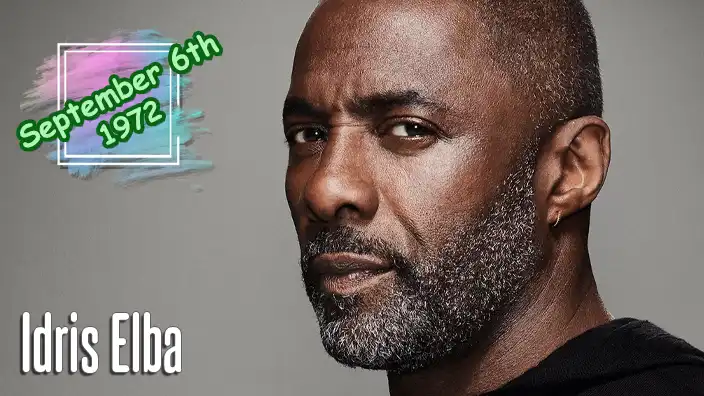
Idris Elba is the Golden Globe-winning British actor who went from running Baltimore's drug trade in The Wire to hunting murderers in Luther, playing Nelson Mandela and causing trouble across the Marvel universe. When acting apparently became too relaxing, he added DJ, musician and kickboxer to the résumé. Some people really don't understand the purpose of a day off.
September 6, 1972, in London, England
Trivia
- Elba once worked at Ford's Dagenham plant.
- He became famous in America as Stringer Bell.
- Elba won a Golden Globe for Luther.
- He played Heimdall in the Marvel Cinematic Universe.
- Elba has performed internationally as a DJ.
- He trained for and won a kickboxing bout.
- Details
- Category: Celebrity Birthdays - September
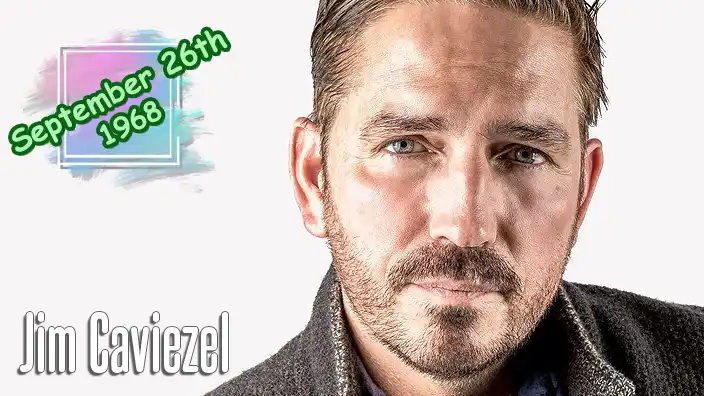
Jim Caviezel has made a career out of playing men facing circumstances that would cause most sensible people to quietly leave by the nearest available door. Whether stranded in a brutal Pacific war, imprisoned in the Château d'If, portraying Jesus Christ or receiving mysterious numbers from a surveillance supercomputer, Caviezel has rarely been given what anyone would call an easy day at the office.
September 26, 1968, in Mount Vernon, Washington
Trivia
- Basketball was his early ambition.
- A foot injury helped redirect him toward acting.
- He appeared in My Own Private Idaho.
- He played Edmond Dantès in The Count of Monte Cristo.
- He portrayed Jesus in The Passion of the Christ.
- John Reese became his major television role.
- Details
- Category: Celebrity Birthdays - September
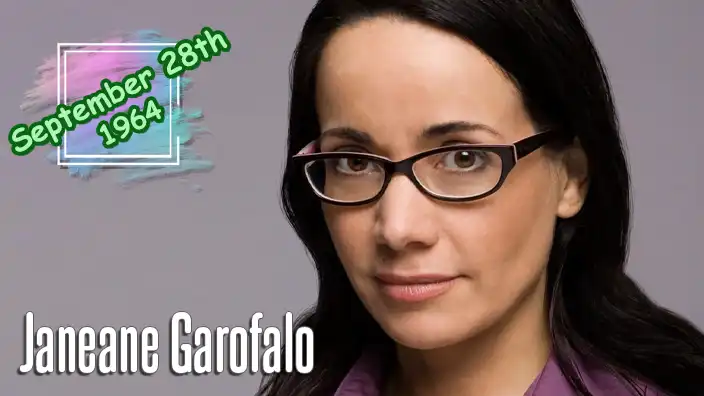
Janeane Garofalo built a career on sarcasm, intelligence and the revolutionary Hollywood idea that a woman could be funny without pretending not to notice anything. From The Larry Sanders Show and The Truth About Cats & Dogs to decades of stand-up, she perfected the look of someone who had already heard your argument and wasn't terribly impressed.
September 28, 1964, in Newton, New Jersey
Trivia
- David Letterman inspired her early comedy.
- She worked as a bicycle messenger.
- She received two Emmy nominations for Larry Sanders.
- Her Saturday Night Live stint was brief.
- She voiced Colette in Ratatouille.
- She played the Bowler in Mystery Men.
- Details
- Category: Celebrity Birthdays - September
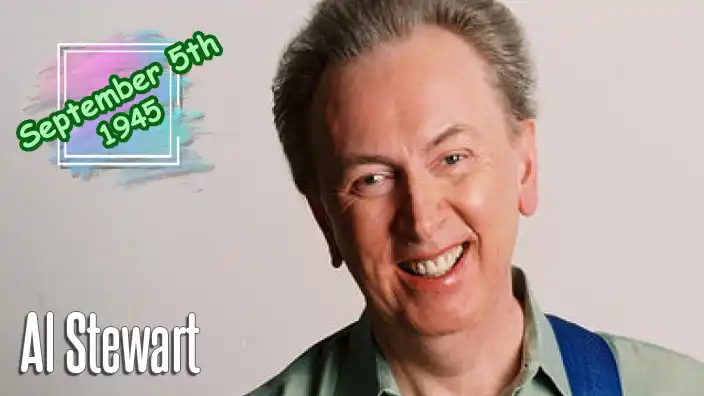
Al Stewart has spent a lifetime proving that history lessons sound considerably better when accompanied by an acoustic guitar, an elegant melody and, whenever possible, a magnificent saxophone solo. Best known for “Year of the Cat,” the Scottish singer-songwriter turned historical characters, wars, doomed romances and the passage of time into songs—and somehow persuaded millions of people to sing along.
September 5, 1945, in Glasgow, Scotland
Trivia
- His debut album appeared in 1967.
- He played at the first Glastonbury Festival.
- He once shared a London apartment with Paul Simon.
- Alan Parsons produced Year of the Cat.
- “Year of the Cat” was recorded at Abbey Road.
- Stewart is an enthusiastic wine collector.
- Details
- Category: Celebrity Birthdays - September
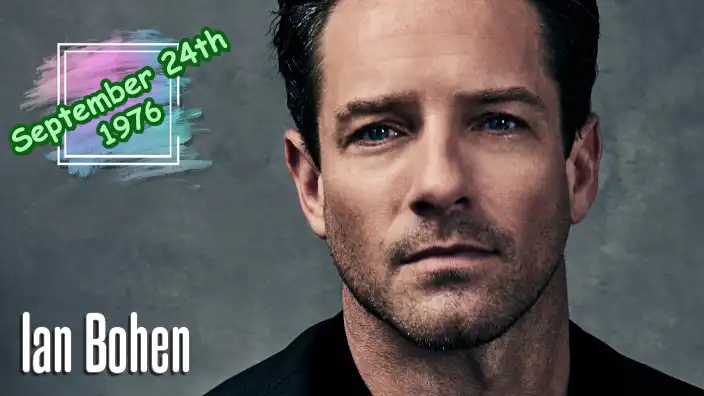
Ian Bohen survived werewolves in Teen Wolf, ranch politics in Yellowstone and Gotham City in The Dark Knight Rises. After decades of playing cops, cowboys and complicated authority figures, he has become exceptionally good at looking as though trouble has just ridden into town.
September 24, 1976, in Carmel, California
Trivia
- He began acting as a child.
- Bohen played young Wyatt Earp in Wyatt Earp.
- He once played young Hercules.
- Peter Hale became his signature Teen Wolf role.
- He plays ranch hand Ryan in Yellowstone.
- He appeared in The Dark Knight Rises.
- Details
- Category: Celebrity Birthdays - September
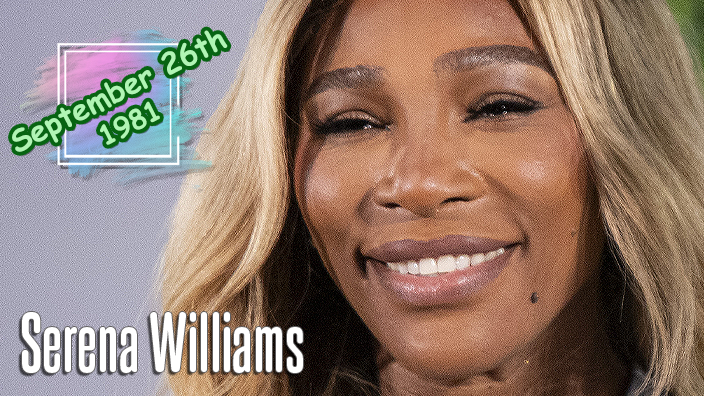
Serena Williams spent more than two decades making professional tennis look like an increasingly unreasonable assignment for whoever happened to be standing on the other side of the net. With a devastating serve, relentless competitive drive and 23 Grand Slam singles titles, she became one of the defining athletes of her generation—and caused an extraordinary number of tennis balls to reconsider their career choices.
September 26, 1981, in Saginaw, Michigan
Trivia
- She won her first major at the 1999 US Open.
- She won 23 Grand Slam singles titles.
- Serena and Venus won 14 doubles majors.
- She earned four Olympic gold medals.
- She spent 319 weeks at world No. 1.
- She won the 2017 Australian Open while pregnant.
- Details
- Category: Celebrity Birthdays - September
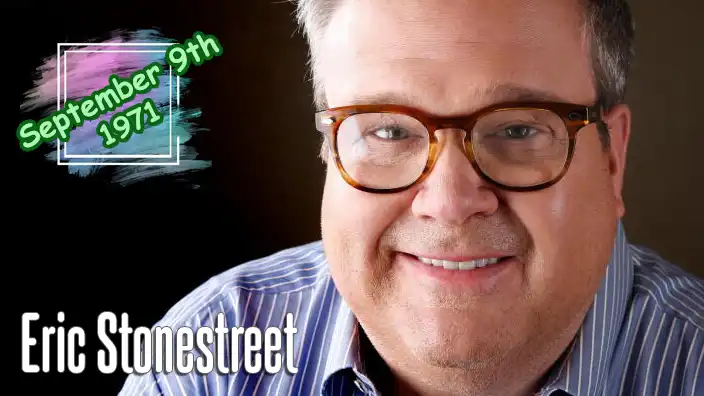
Eric Stonestreet is the Emmy-winning American actor who brought Cameron Tucker to life on Modern Family, turning theatrical enthusiasm, emotional outbursts, and the occasional clown costume into comedy gold. Although Cam could make a family dinner feel like the opening night of a Broadway production, Stonestreet’s own career is built on years of hard work, improvisation, and a remarkable ability to make even the smallest role memorable.
September 9, 1971, in Kansas City, Kansas
Trivia
- Once considered becoming a prison administrator.
- Created Fizbo the Clown as a child.
- Studied improvisation at Chicago’s Second City.
- Won two Emmys for Modern Family.
- Voices Duke in The Secret Life of Pets.
- Is a part owner of the Kansas City Royals.
- Details
- Category: Celebrity Birthdays - September
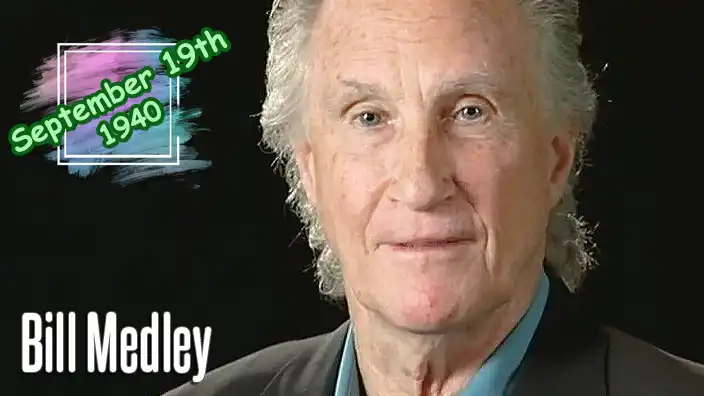
William Thomas Medley possesses the sort of voice that sounds as though it should arrive wearing a dinner jacket and carrying its own bottle of bourbon. As one half of the Righteous Brothers, his deep baritone helped define “blue-eyed soul,” while his later duet “(I've Had) The Time of My Life” ensured that nobody could watch the end of Dirty Dancing without at least briefly considering an extremely ill-advised attempt at that lift.
September 19, 1940, in Santa Ana, California
Trivia
- His father was a saxophonist and bandleader.
- Bobby Hatfield was not actually his brother.
- Medley produced “(You're My) Soul and Inspiration.”
- He sang “(I've Had) The Time of My Life” with Jennifer Warnes.
- The Dirty Dancing duet earned him a Grammy.
- The Righteous Brothers entered the Rock & Roll Hall of Fame in 2003.
- Details
- Category: Celebrity Birthdays - September
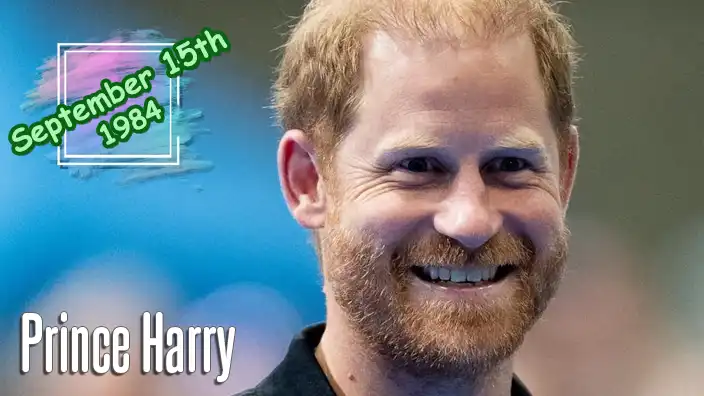
Prince Harry was born into a family where even choosing not to wear a tie can potentially generate three days of newspaper coverage. The younger son of King Charles III and Diana, Princess of Wales, Harry has been a prince, soldier, helicopter pilot, husband, father, charity founder, author and occasional royal headache, while creating a public life increasingly separate from the institution into which he was born.
September 15, 1984, in London, England
Trivia
- He trained at the Royal Military Academy Sandhurst.
- Harry served two tours in Afghanistan.
- He qualified as an Apache helicopter pilot.
- He served approximately ten years in the British Army.
- Harry founded the Invictus Games in 2014.
- He married Meghan Markle in 2018.
- Details
- Category: Celebrity Birthdays - September
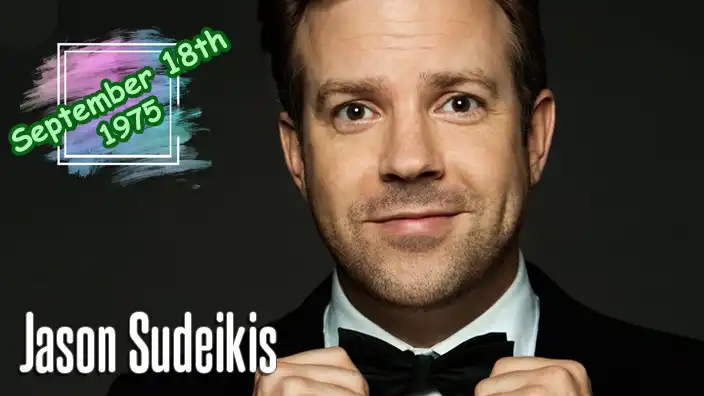
Jason Sudeikis was born on this day, giving us an excellent excuse to celebrate the comedian, writer and actor who went from improvisational comedy and Saturday Night Live to becoming the relentlessly optimistic football coach the world didn't know it needed. As Ted Lasso, Sudeikis proved that a mustache, a box of biscuits and an almost alarming quantity of kindness can apparently conquer television—and occasionally even football.
September 18, 1975, in Fairfax, Virginia
Trivia
- He attended college on a basketball scholarship.
- Sudeikis began at SNL as a writer.
- He portrayed both Joe Biden and Mitt Romney on SNL.
- Ted Lasso began in NBC Sports promotional videos.
- He is the nephew of Cheers actor George Wendt.
- He has won four Primetime Emmy Awards.
- Details
- Category: Celebrity Birthdays - September
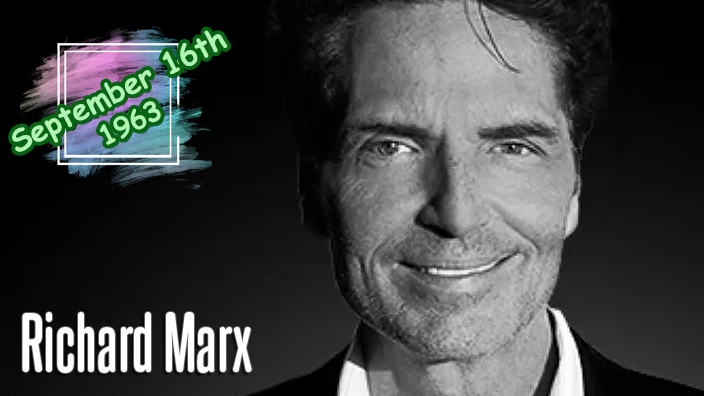
Richard Marx helped provide the late 1980s and early 1990s with enough soaring ballads to keep radio dedications busy for years. The singer-songwriter behind “Right Here Waiting,” “Hold On to the Nights” and “Now and Forever” also built an extraordinary career writing for other performers, proving that if Richard Marx wasn't singing your favorite song, there was always a reasonable chance he had written it.
September 16, 1963, in Chicago, Illinois
Trivia
- His first seven singles reached the Billboard Top Five.
- He scored three consecutive No. 1 singles.
- “Right Here Waiting” topped the Billboard Hot 100.
- He co-wrote *NSYNC's “This I Promise You.”
- “Dance with My Father” won a songwriting Grammy.
From Our Marks Catelog
-

On the morning of September 11, 2001, the world stood still as unimaginable terror unfolded in the...
-

If common sense were sold in stores, it would probably be right next to the batteries—something everyone...
-
Sugar—the tiny, sweet granules that can turn the most disciplined of us into dessert-hunting...
-
In celebration of National Camp Day, a group of enthusiastic campers decides to hold a "Wilderness...
-

Firefighters are the rare breed of heroes who willingly charge into blazing chaos while the rest of us...
-
There are few moments in life as full of promise as standing at the edge of a buffet line with an...

