Celebrity Birthdays - September
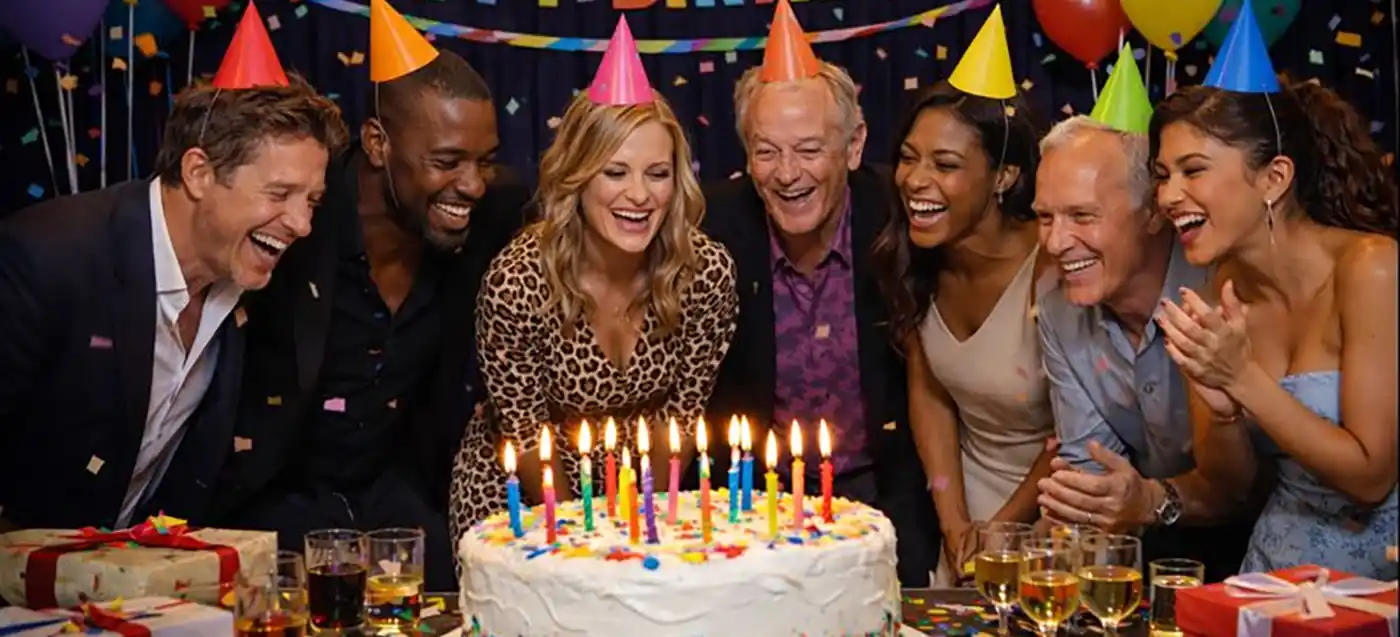
September birthday people are the overachievers of the zodiac — they show up just as the world is getting serious again. New pencils, fresh notebooks, and a whole month to remind us they were born ready.
Let’s honor the folks who make fall feel exciting. They’re the first crisp breeze after a long summer — refreshing and full of possibility.
- Details
- Category: Celebrity Birthdays - September
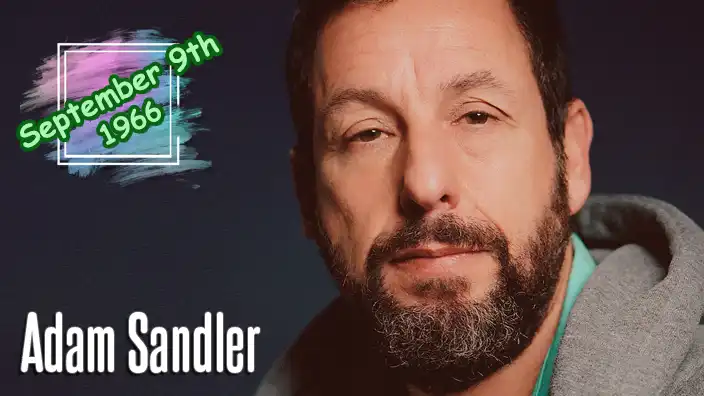
Adam Sandler is the American comedian and actor who turned silly voices, questionable fashion choices, and a remarkable talent for shouting into a Hollywood empire. From Saturday Night Live and Happy Gilmore to The Wedding Singer and Uncut Gems, he has made audiences laugh, occasionally made them cry, and proved that a man wearing basketball shorts can still be one of the most successful performers in the business. His career is a reminder that comedy does not have to wear a suit—although, in Sandler’s case, it probably wouldn’t want to.
 September 9, 1966, in Brooklyn, New York

Trivia
- His brother encouraged his first stand-up performance.
- Graduated from NYU’s Tisch School of the Arts.
- Joined Saturday Night Live as a writer in 1990.
- Happy Madison is named after two of his films.
- Received the Mark Twain Prize in 2023.
- Voiced Dracula in Hotel Transylvania.
- His daughters Sadie and Sunny are also actresses.
- Details
- Category: Celebrity Birthdays - September
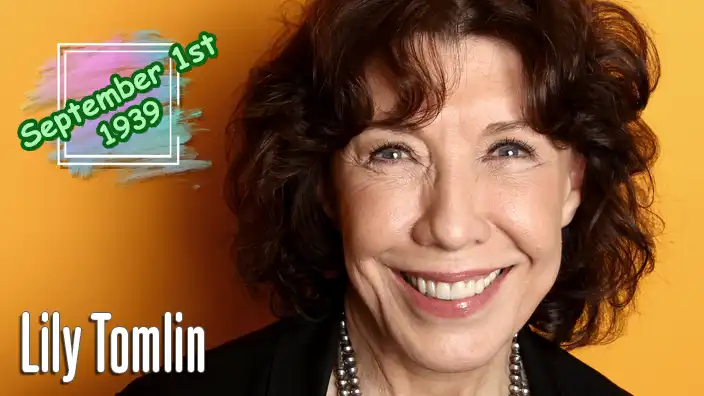
Lily Tomlin has spent more than sixty years proving that one woman can play a telephone operator, a bratty five-year-old, a philosophical bag lady, a country singer, a secretary plotting against her boss and a free-spirited septuagenarian—and somehow make every one of them believable. Armed with impeccable timing and one of comedy's most expressive faces, she has made being delightfully peculiar into a very distinguished profession.
 September 1, 1939, in Detroit, Michigan
Trivia
- Lily originally planned to study medicine.
- She joined Laugh-In in 1969.
- Ernestine earned her a Grammy Award.
- Her first film earned an Oscar nomination.
- She voiced Ms. Frizzle on The Magic School Bus.
- She married Jane Wagner in 2013.

- Details
- Category: Celebrity Birthdays - September
Ludacris is the rapper who turned clever wordplay and rapid-fire rhymes into an art form — and then casually became a Hollywood star while he was at it. Whether he’s dropping chart-topping hits, cracking jokes in the Fast & Furious crew, or literally going to space in a car (yes, that happened), Ludacris does everything with style, swagger, and a grin that says he’s about to outsmart you.
September 11, 1977, in Champaign, Illinois
Trivia
- He wrote his first rap at nine.
- He once worked as Atlanta radio personality Chris Lova Lova.
- His stage name plays on "ludicrous" and "Chris."
- He co-founded Disturbing tha Peace.
- He first played Tej Parker in 2 Fast 2 Furious.
- Ludacris has won three Grammy Awards.
- He created the children's series Karma's World.
- Details
- Category: Celebrity Birthdays - September
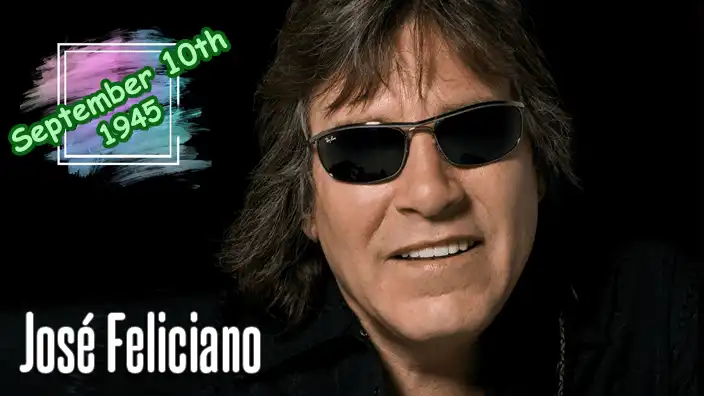
José Feliciano has spent a lifetime making the guitar sound as though it has a passport, a remarkable singing voice, and a standing invitation to every Christmas party on Earth. The Puerto Rican singer-songwriter is best known for “Feliz Navidad,” but his career reaches far beyond the holiday season, encompassing Latin music, rock, jazz, television, and some unforgettable interpretations of familiar songs. Born on September 10, he has given the world plenty of reasons to celebrate—and one tune that can make an entire supermarket sing along before anyone has even bought the turkey.
September 10, 1945, in Lares, Puerto Rico
Trivia
- He began making music with a tin cracker can.
- He taught himself guitar largely by listening to records.
- His version of “Light My Fire” reached No. 3 on the Billboard Hot 100.
- He performed a controversial acoustic national anthem at the 1968 World Series.
- “Feliz Navidad” was written while he was homesick in Los Angeles.
- He composed the theme for Chico and the Man.
- Details
- Category: Celebrity Birthdays - September
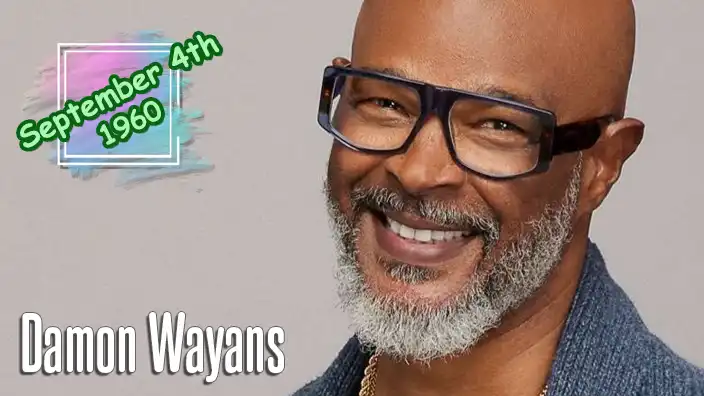
Damon Wayans is the comedian, actor and writer who helped make In Living Color one of the wildest comedy shows of the 1990s before moving on to movies, stand-up and My Wife and Kids. As a member of the remarkably prolific Wayans family, Damon also proved that when somebody at a family reunion says, "I'm in show business," the appropriate response may simply be, "Yes, but which show?"
September 4, 1960, in New York City
Trivia
- Wayans is one of ten siblings.
- He was born with clubfoot.
- He joined Saturday Night Live in 1985.
- He created In Living Color's Homey D. Clown.
- He starred in Major Payne.
- He co-created My Wife and Kids.
- Details
- Category: Celebrity Birthdays - September
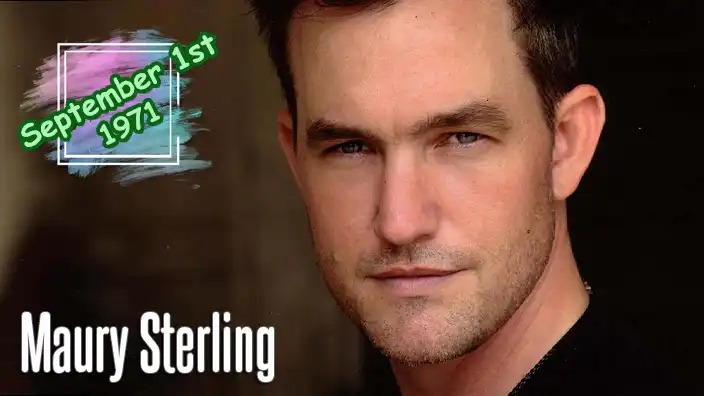
Maury Sterling has built a career out of being the fellow you recognize immediately, even if it takes your brain another thirty seconds to remember where you saw him. From Homeland surveillance expert Max Piotrowski to assorted criminals, doctors, soldiers, hackers and animated characters, Sterling has quietly become one of Hollywood's most dependable "Oh, THAT guy!" actors.
September 1, 1971, in Mill Valley, California
Trivia
- Maury began acting in theater at about seven years old.
- He studied theater at UCLA.
- He appeared in all three original CSI series.
- He shaved his head and eyebrows for Smokin' Aces.
- He married Alexis Boozer Sterling in 2014.
- Details
- Category: Celebrity Birthdays - September
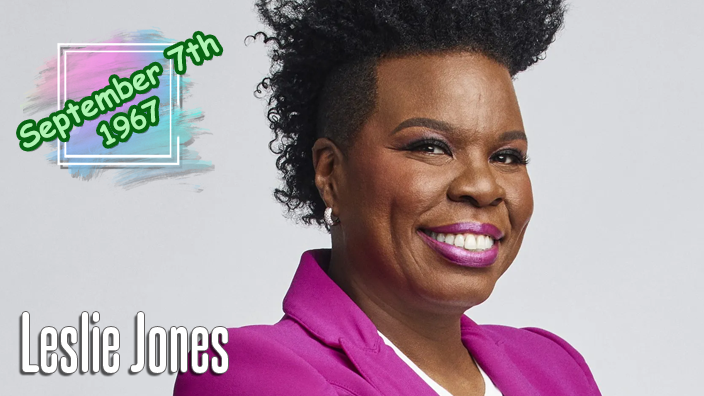
Leslie Jones celebrates her birthday on September 7, and the Emmy-nominated Saturday Night Live comedian has never had much use for being quiet. From college basketball and years on the stand-up circuit to SNL, Ghostbusters and hosting television game shows, Jones built her career the old-fashioned way: working for years until everybody suddenly called her an overnight success.
September 7, 1967, in Memphis, Tennessee
Trivia
- Jones played college basketball.
- She won a campus comedy contest.
- Chris Rock encouraged her comedy career.
- She joined SNL in her forties.
- She earned multiple Emmy nominations.
- She hosted Supermarket Sweep.
- Details
- Category: Celebrity Birthdays - September
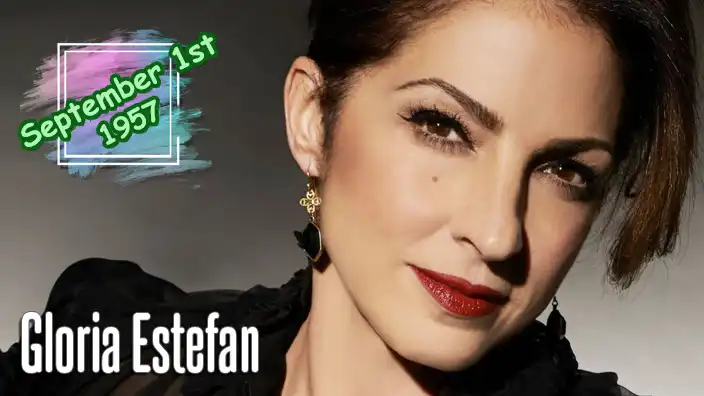
Gloria Estefan helped convince America that the rhythm really was going to get us, and after more than four decades it appears resistance was futile. From Miami Sound Machine and worldwide pop superstardom to a remarkable recovery from a devastating bus crash, Estefan turned Cuban rhythms, determination and an unmistakable voice into one of the most successful careers in Latin music history.
September 1, 1957, in Havana, Cuba
Trivia
- Gloria earned a degree in psychology.
- She joined the Miami Latin Boys in 1975.
- She married Emilio Estefan in 1978.
- "Anything for You" became her first U.S. No. 1 hit.
- She broke her back in a 1990 tour-bus crash.
- She received the Presidential Medal of Freedom in 2015.
- Details
- Category: Celebrity Birthdays - September
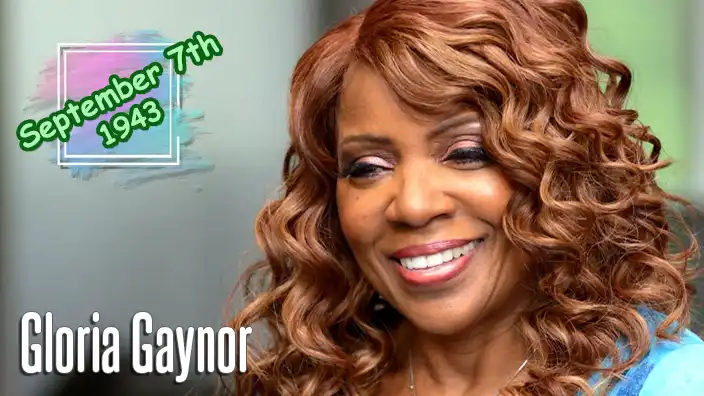
Gloria Gaynor celebrates her birthday on September 7, and the legendary disco singer has spent decades proving that she really meant it when she sang "I Will Survive." From packed 1970s dance floors to Grammy Awards and worldwide recognition, Gaynor turned one magnificent breakup anthem into a message of determination that simply refuses to leave the party.
September 7, 1943, in Newark, New Jersey
Trivia
- "I Will Survive" began as a B-side.
- She won the only Grammy ever awarded for Best Disco Recording.
- "I Will Survive" entered the National Recording Registry in 2016.
- She published an autobiography in 2013.
- Testimony won a Grammy in 2020.

- Details
- Category: Celebrity Birthdays - September
Alfie Allen is living proof that sometimes being the underdog (or in his case, the guy who kicks off John Wick’s entire rampage) is the best way to make a name for yourself. He went from being roasted by his sister in a pop song to stealing scenes in one of the biggest TV shows of all time. Whether he’s brooding in the Iron Islands, dodging angry Starks, or making the world collectively scream “Nooo!” at our TV screens, Alfie has turned Theon Greyjoy into one of the most talked-about redemption arcs in TV history — and we’re all here for it.
September 12, 1986, in Hammersmith, London
Trivia
- He appeared in Elizabeth as a child.
- He replaced Daniel Radcliffe in a touring production of Equus.
- He originally auditioned to play Jon Snow.
- Allen is an Arsenal Football Club supporter.
- He earned an Emmy nomination for playing Theon Greyjoy.
- Details
- Category: Celebrity Birthdays - September
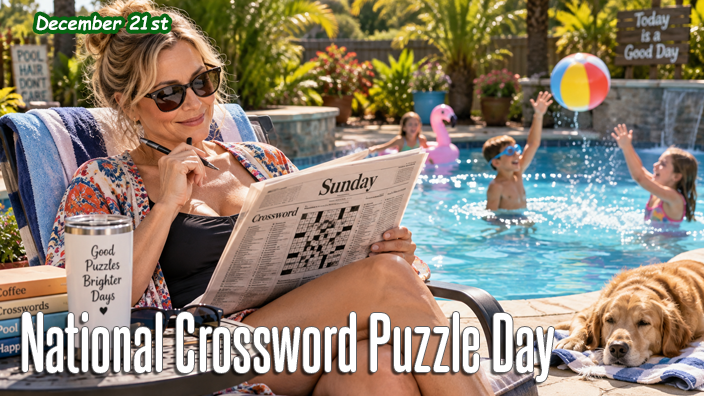
National Crossword Puzzle Day celebrates the wonderfully addictive little grid that can make you feel like a genius at 9:00 a.m. and question your entire education by 9:15. Every December 21, crossword lovers sharpen their pencils, summon their vocabulary, and prepare to battle Across, Down, and that infuriating three-letter answer everybody except them apparently knows.
Celebrated: Annually, on December 21st
Grab a pencil and test your vocabulary as we celebrate crossword puzzles, clever clues, stubborn squares, and more than a century of puzzling fun
- Details
- Category: Celebrity Birthdays - September
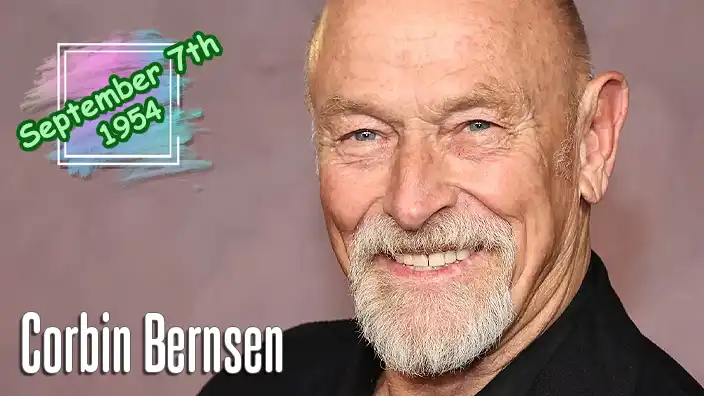
Corbin Bernsen celebrates his birthday on September 7, and the L.A. Law and Psych actor has spent decades proving that a good television career can survive courtroom battles, dysfunctional detectives and even the Cleveland Indians. From Arnie Becker to Henry Spencer, Bernsen has become one of those familiar faces who seems to have been visiting our televisions forever.
September 7, 1954, in North Hollywood, California
Trivia
- He earned two degrees from UCLA.
- Arnie Becker made him an L.A. Law star.
- He played Roger Dorn in Major League.
- He played Henry Spencer on Psych.
- He has written and directed several films.
- He has collected thousands of snow globes.
- Details
- Category: Celebrity Birthdays - September
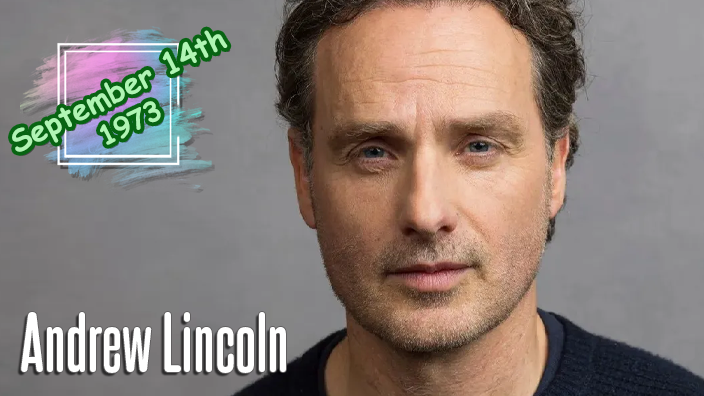
Andrew Lincoln is the British actor who went from playing an amiable young lawyer called Egg and a hopelessly imperfect teacher to spending years covered in dirt, blood, sweat, and assorted zombie unpleasantness as Rick Grimes in The Walking Dead. Born Andrew James Clutterbuck in London, he wisely decided that “Andrew Lincoln” might fit rather more comfortably on a theater poster. The decision worked out rather well
September 14, 1973, in London, England
Trivia
- He graduated from Royal Academy of Dramatic Art in 1994.
- His first major TV role was Egg in This Life.
- He researched Teachers by spending time at his brother's school.
- He directed episodes of Teachers.
- His wife is Jethro Tull frontman Ian Anderson's daughter.
- He has provided numerous British commercial and documentary voice-overs.
- Details
- Category: Celebrity Birthdays - September
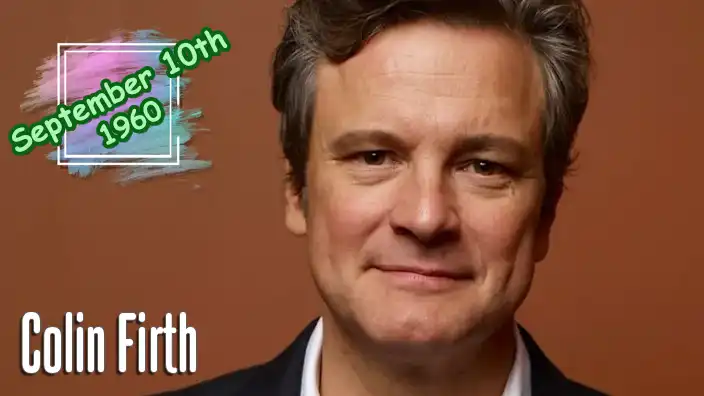
Colin Firth has spent decades making audiences believe that a raised eyebrow, a carefully chosen word, or an awkward silence can be more dramatic than an entire car chase. The Oscar-winning English actor is celebrated for The King’s Speech, Pride and Prejudice, and the Kingsman franchise, while his portrayal of Mr. Darcy helped establish a standard of romantic reserve that has caused considerable difficulty for ordinary gentlemen ever since. Born on September 10, he has built a remarkable career playing kings, spies, lovers, and men who are desperately trying to maintain their dignity while everything around them goes wrong.
September 10, 1960, in Grayshott, England
Trivia
- He trained at the Drama Centre London.
- His first feature film was Another Country.
- His Mr. Darcy lake scene became a television icon.
- He won the Best Actor Oscar for The King’s Speech.
- He trained extensively for the action scenes in Kingsman.

- Details
- Category: Celebrity Birthdays - September
Barry White didn’t just sing love songs — he was the love song. With a voice so deep it seemed to rumble straight out of the Earth’s core, Barry could make ordering a pizza sound seductive. He turned soul music into a full-body experience, combining sweeping strings, funky bass lines, and lyrics that convinced you romance was not just alive but wearing a velvet suit. If smoothness had a soundtrack, it would be Barry White.
September 12, 1944 in Galveston, Texas
 July 4, 2003 in Los Angeles, California
Trivia
- He taught himself to play piano.
- He began recording music as a teenager.
- White originally preferred producing to being a solo singer.
- He created the 40-piece Love Unlimited Orchestra.
- “Love’s Theme” reached No. 1 without his lead vocal.
- He appeared as himself on The Simpsons.
- Staying Power earned him two Grammy Awards.
- Details
- Category: Celebrity Birthdays - September
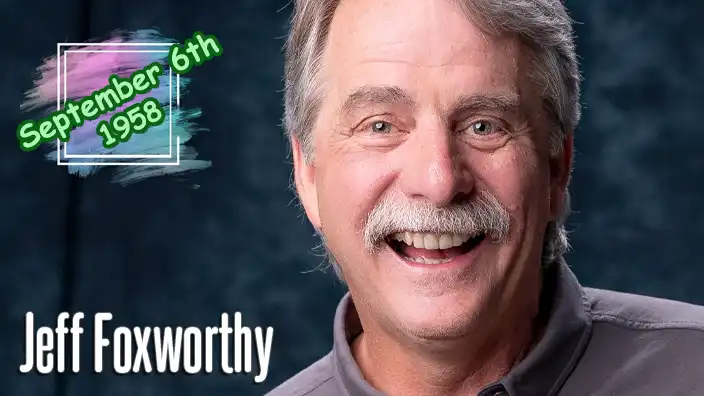
Jeff Foxworthy is the comedian who turned “You might be a redneck” into one of America's most recognizable comedy routines and made millions of people laugh while quietly wondering whether he was talking specifically about their family. With Southern storytelling, clean humor and an impressive collection of observations involving pickup trucks, duct tape and questionable household decisions, Foxworthy built one of the most successful careers in American stand-up comedy.
September 6, 1958, in Atlanta, Georgia
Trivia
- Jeff once worked repairing IBM mainframe computers.
- He began his professional comedy career in 1984.
- “You might be a redneck” became his signature routine.
- He helped launch the Blue Collar Comedy Tour.
- Foxworthy hosted Are You Smarter than a 5th Grader?
- He has written several children's books.
- He voiced Handy Smurf in two Smurfs movies.
- Details
- Category: Celebrity Birthdays - September
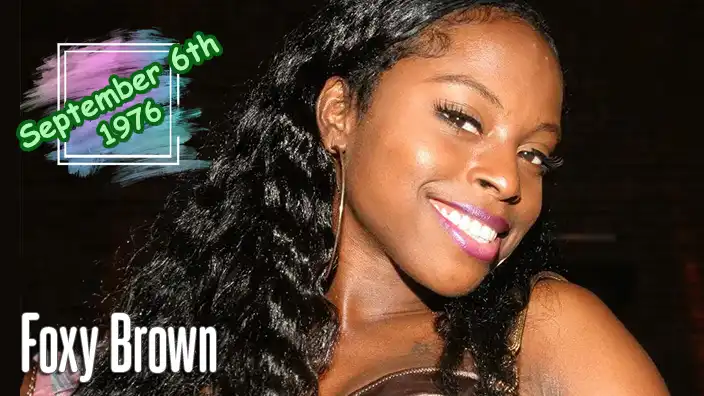
Foxy Brown arrived in hip-hop while she was still a teenager and promptly behaved as though the microphone had been waiting for her all along. With a deep, commanding voice, fearless lyrics and enough confidence to power half of Brooklyn, Foxy became one of the defining female rappers of the 1990s and helped open doors that later generations of women in hip-hop would kick considerably wider.
September 6, 1976, in Brooklyn, New York
Trivia
- Her stage name was inspired by the 1974 film Foxy Brown.
- She appeared on LL Cool J's “I Shot Ya” remix.
- Her debut album was Ill Na Na.
- She was a member of hip-hop supergroup The Firm.
- Foxy suffered serious hearing loss during the 2000s.

- Details
- Category: Celebrity Birthdays - September
Emmy Rossum isn’t just talented — she’s the kind of talented that makes the rest of us feel like we’ve been wasting our lives. By the time most kids are figuring out how to color inside the lines, Emmy was already performing with the Metropolitan Opera and probably knew more about Puccini than your average music professor. She’s gone from surviving global ice storms in The Day After Tomorrow to belting out love songs as Christine in The Phantom of the Opera, to wrangling a dysfunctional family on Shameless with enough sass to power an entire Chicago neighborhood. Emmy somehow manages to be glamorous, gritty, and hilarious all at once — the kind of person who could sing a heartbreaking aria, fix the plumbing, and still look good in the process.
September 12, 1986, in New York City, New York
Trivia
- She joined the Metropolitan Opera Children's Chorus at seven.
- Rossum sang in several languages as a child.
- She performed her own vocals in The Phantom of the Opera.
- She received a Golden Globe nomination for Christine Daaé.
- Rossum played Fiona Gallagher for nine seasons.
- She has directed episodes of Shameless.
- Details
- Category: Celebrity Birthdays - September
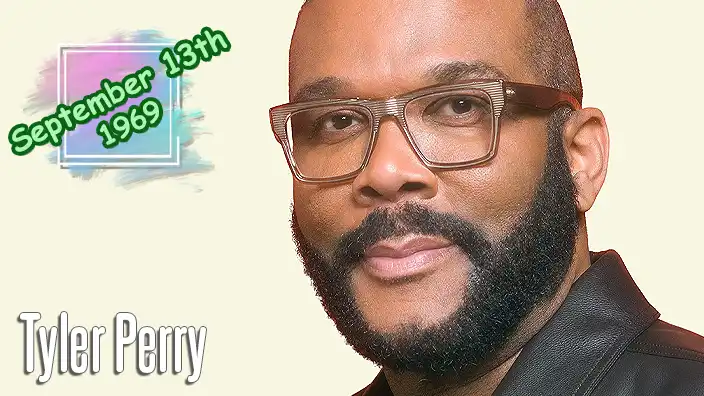
Tyler Perry built an entertainment empire by doing something Hollywood traditionally finds rather alarming: owning his work. Writer, director, producer, actor, playwright, studio owner, philanthropist, and the six-foot-something man underneath Madea's wig, Perry turned a struggling stage production into a billion-dollar business—and discovered that an armed grandmother with absolutely no patience for foolishness could be an exceptionally sound investment.
September 13, 1969, in New Orleans, Louisiana
Trivia
- His first play premiered in 1992.
- Madea began as a stage character.
- Diary of a Mad Black Woman opened at number one.
- He plays Madea, Joe, and Brian.
- Tyler Perry Studios covers more than 330 acres.
- He received the 2020 Television Academy Governors Award.
- He received the Jean Hersholt Humanitarian Award in 2021.
- Details
- Category: Celebrity Birthdays - September
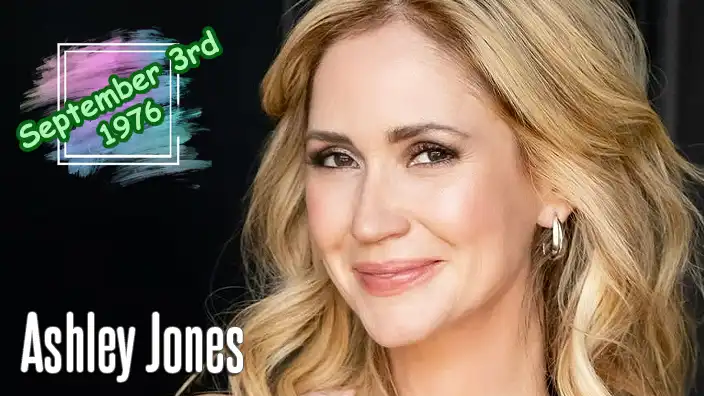
Ashley Jones has survived decades of soap-opera romances, betrayals and family complications on The Bold and the Beautiful, then joined True Blood and discovered that vampires were almost easier to deal with.
September 3, 1976, in Memphis, Tennessee
Trivia
- Ashley grew up largely in Texas.
- She played Megan on The Young and the Restless.
- She became Bridget on The Bold and the Beautiful.
- She played shapeshifter Daphne on True Blood.
- She also appeared on General Hospital.

- Details
- Category: Celebrity Birthdays - September
Tyler Hoechlin has enjoyed one of Hollywood's more unusual career paths: promising baseball player, Tom Hanks' screen son, brooding werewolf, college baseball captain, romantic lead, and eventually Superman. Apparently, once you've spent several seasons turning into a werewolf, putting on a cape and flying around Metropolis seems like a perfectly reasonable career move.
September 11, 1987, in Corona, California
Trivia
- Beat more than 2,000 actors for Road to Perdition.
- Played college baseball at Arizona State and UC Irvine.
- Turned down Twilight to continue playing baseball.
- Won a Saturn Award for Road to Perdition.
- Won a Teen Choice Award for Teen Wolf.
- Was reportedly offered Superman without auditioning.
- Voices Sephiroth in the modern Final Fantasy VII games.
From Our Marks Catelog
-

Brussels sprouts: the tiny green orbs that have been sparking dinner table debates for...
-
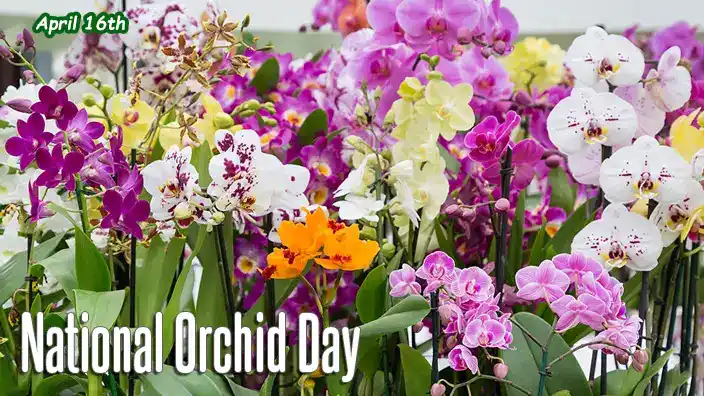
Elegance, mystery, and just the right amount of arrogance—some things demand admiration without lifting...
-
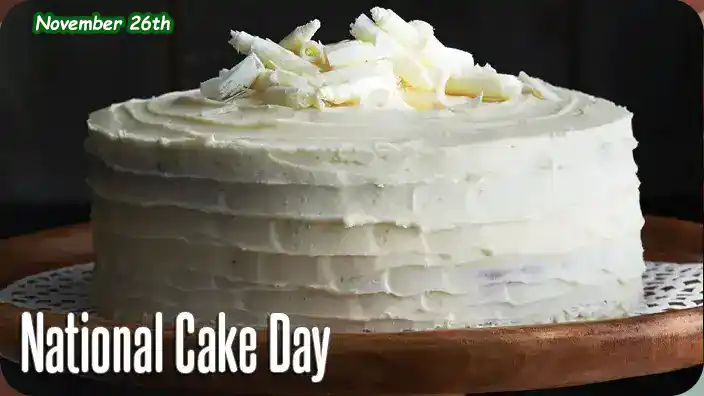
National Cake Day is the one day of the year when it's socially acceptable to have your cake and eat...
-

Forget glow-in-the-dark snack cakes and cheese that comes in a spray can—there’s something wildly...
-

If there were an Olympic event for clumsiness, someone would be rolling down the hill, missing their...
-
Gazpacho Soup Day isn’t just a day to honor cold tomato soup; it’s a day to revel in the absurdity of...

