Mark The Days - October

October tiptoes in wearing flannel and carrying a pumpkin spice latte like it owns the place. The leaves start bailing on their branches faster than interns on a Friday, and everything—everything—suddenly tastes like cinnamon and regret. It's the month where we celebrate everything from tacos to ghosts, and yes, sometimes both at the same party. Costumes come out, candy disappears mysteriously, and someone always insists on bobbing for apples like it’s not a health code violation. October is where cozy meets crazy—and we’re here for all of it.
- Details
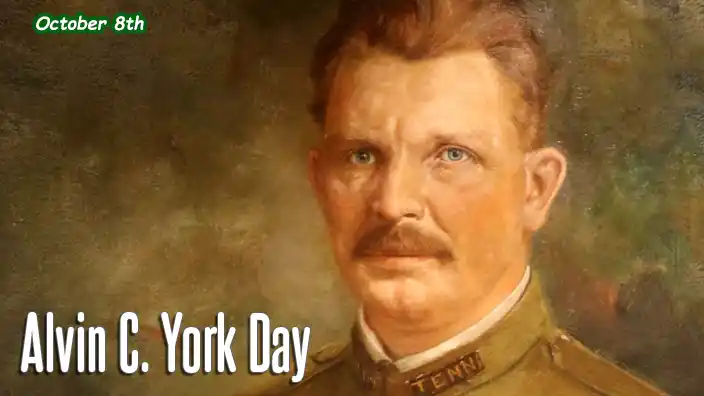
Alvin C. York was more than a soldier; he was the embodiment of quiet strength, moral conviction, and humble heroism. Rising from the hills of Tennessee, he transformed from a pacifist to a reluctant warrior, guided by a deep sense of duty to his fellow men. York’s legendary actions during World War I, where he single-handedly subdued a German battalion, are a testament to his bravery, sharp instincts, and unparalleled skill. Yet, what makes him truly remarkable is that even in the face of fame, York remained grounded, using his recognition to uplift his community and advocate for education. His life serves as a reminder that true greatness lies not in seeking glory, but in serving others with integrity and humility.
Celebrated: Annually, on October 8th
Discover the remarkable journey of Alvin York from a humble upbringing in Tennessee to becoming a celebrated World War I hero, known for his heroism and humility.

- Details
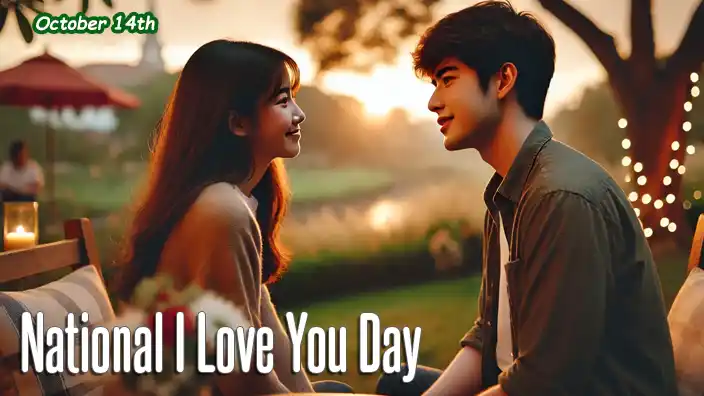
Saying "I love you" is like sending a heart-shaped text message without autocorrect—sometimes it's sweet and spot-on, but other times, it lands awkwardly, like accidentally telling your dentist you love them instead of your significant other. It’s those three little words that can either melt hearts or trigger a mild panic attack depending on the timing. Throw them out too soon, and you might get a wide-eyed stare and a quick exit. Say them too late, and you could find yourself sharing a deep conversation with your dog. Either way, love is all about the risks, right?
Celebrated: Annually, on October 14th
Discover the unique charm of National I Love You Day, celebrated on October 14th. Embrace love in all its forms, from heartfelt words to quirky gestures.


- Details
If you’re the kind of person who likes a little thrill with your meal, then one bite of that spicy, smoky, and downright fiery flavor is like taking your taste buds on a vacation to a tropical beach—with a dash of hot sauce, of course. The rich, complex blend of allspice, Scotch bonnets, and secret island magic has the power to make you break a sweat faster than dancing to reggae at a summer festival. And just when you think you've tamed the heat, there's always that one extra bite that reminds you who's really in charge.
Celebrated: Annually, on the Fourth Sunday in October
Discover the vibrant culture and history behind Jamaican Jerk Day, celebrating the fiery, flavourful tradition that has captivated taste buds worldwide.

- Details
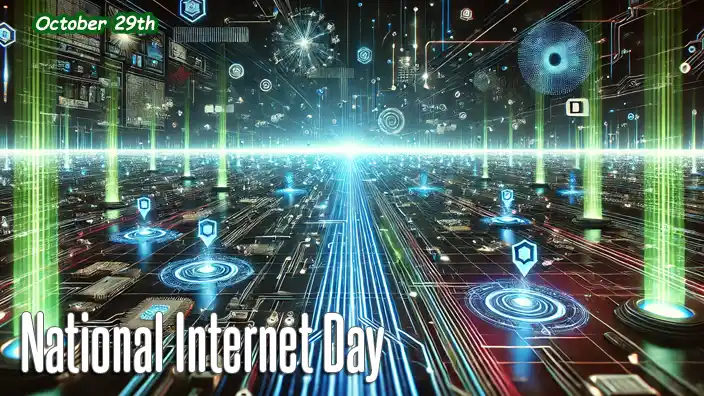
On Internet Day, we celebrate the world’s most powerful, all-encompassing tool—and no, we're not talking about the supercomputers or fiber optics that make it work. We're talking about cats. Yes, cats, the true rulers of the Internet, who somehow became the stars of billions of videos, memes, and photo montages. The Internet might have been designed for sharing information and advancing human knowledge, but let’s be honest: it was built to spread images of cats wearing tiny hats, cats “helping” with our work by lying on keyboards, and cats proving that gravity is optional. So, on this day, let us honor the true pioneers of online fame, our feline overlords, who remind us daily that if it’s not about cats, we’re probably using the Internet wrong.
Celebrated: Annually, on October 29th
Explore the fascinating history of the Internet, from its humble ARPANET beginnings to the vibrant digital universe we celebrate on National Internet Day.

- Details
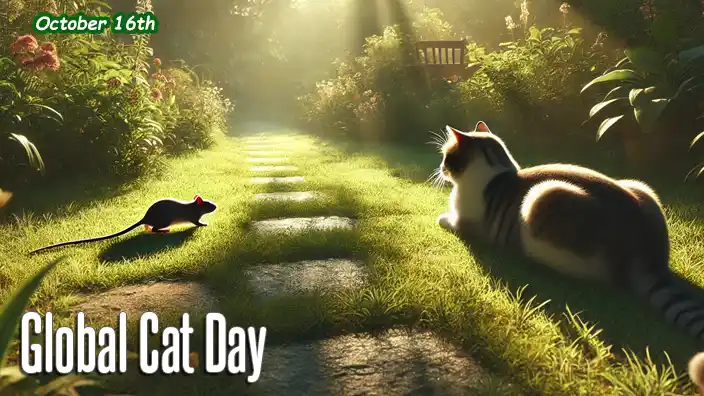
Whiskers twitch, eyes narrow, and before you know it, you’re no longer in charge of your own home. That’s right—welcome to Global Cat Day, where the true rulers of the household make their presence known. Today is the day to acknowledge that those "adorable" creatures plotting world domination from your couch are just letting you live there—on a trial basis. Whether they’re ignoring you until the food bag crinkles or suddenly deciding your laptop is the perfect nap spot, they remind us who’s really in control. Global Cat Day isn't just for celebrating them; it's for surrendering to their royal demands.
Celebrated: Annually, on October 16th
Celebrate Global Cat Day by supporting feral cat welfare, understanding their independent nature, and embracing the humor cats bring to our lives.
xx
- Details
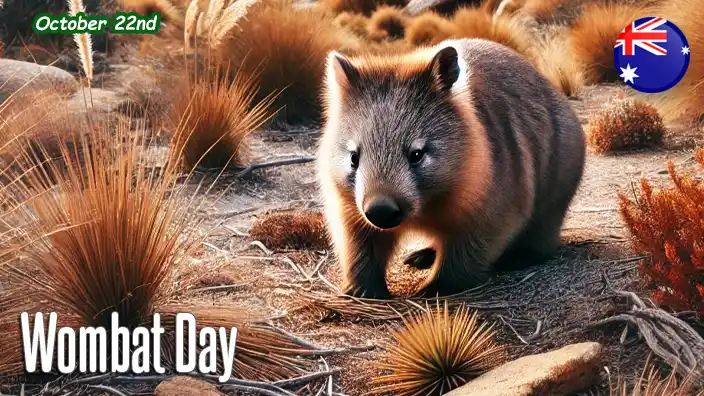
With cube-shaped droppings and the ability to turn their behinds into defensive shields, these furry creatures have mastered the art of multitasking in the weirdest ways. Wombats are nature’s underground architects, building tunnels that could rival a subway system. And if their charm wasn't enough, they use their armored bums to block predators. They're basically the bouncers of the animal world—small, stocky, and not afraid to, quite literally, "back up" their friends!
Celebrated: Annually, on October 22nd
Celebrate Wombat Day on October 22nd, a day dedicated to these quirky marsupials with bulletproof backsides and incredible burrowing skills. Learn more about their unique traits and conservation.

- Details
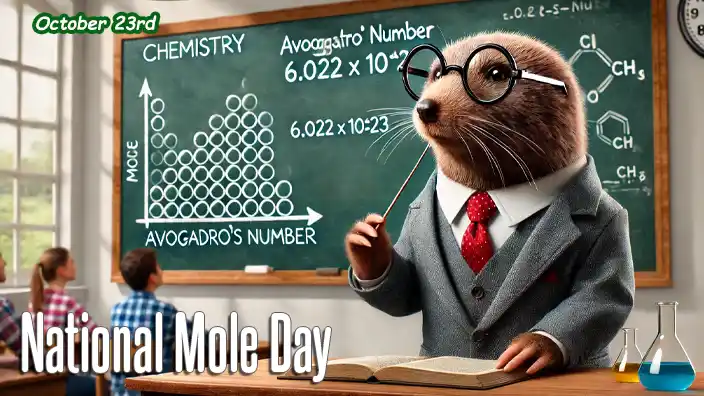
Moles, the creatures that tunnel through your yard, and moles, the chemistry unit that tunnels through your brain during exams, both have a knack for confusing people. The furry moles live underground, avoiding sunlight, while chemistry moles live in textbooks, avoiding understanding. You’ve got one mole making dirt piles and the other measuring particles in the billions—both equally hard to keep track of! Next time you're frustrated with Avogadro’s number, just imagine a scholarly mole popping out of the ground to teach you chemistry. Who knew rodents could be such number nerds?
Celebrated: Annually, on October 23rd
Discover the fascinating world of the mole in chemistry, a unit that simplifies measuring atoms and molecules, celebrated on National Mole Day.


- Details
If you’ve ever doodled in the margins of a notebook and wondered what it would be like if your stick figure walked off the page, welcome to the world of animation — where imagination ignores physics, animals talk better than politicians, and no one ever worries about how many laws of motion were just broken in a single scene. Animation is humanity’s way of saying, “Reality’s nice and all, but let’s see what happens if a coyote orders rocket parts from Acme.” It’s art, science, and pure mischief rolled into one — and on International Animation Day, we celebrate every frame of the glorious madness.
Celebrated: Annually, on October 28th
Discover the playful art and science behind every animated frame as we mark International Animation Day, from cave shadows to cutting-edge CGI.

- Details
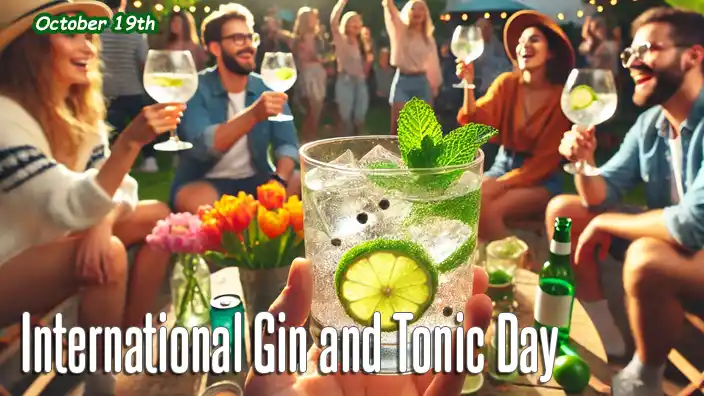
Nothing says "I’ve had a long day" quite like the clink of ice in a glass, followed by the unmistakable fizz of tonic as it mingles with a generous splash of gin. It’s the perfect antidote to life's little irritations—like accidentally replying to all in an email thread or realizing your Zoom camera was on the whole time. And while some might claim it’s medicinal (thanks, malaria!), we all know it’s really just an excuse to feel fancy while drinking what is essentially the adult version of sparkling water with a kick.
Celebrated: Annually, on October 19th
Discover the rich history of the Gin and Tonic, from its origins as a medicinal cure to its evolution into a beloved cocktail enjoyed worldwide.

- Details
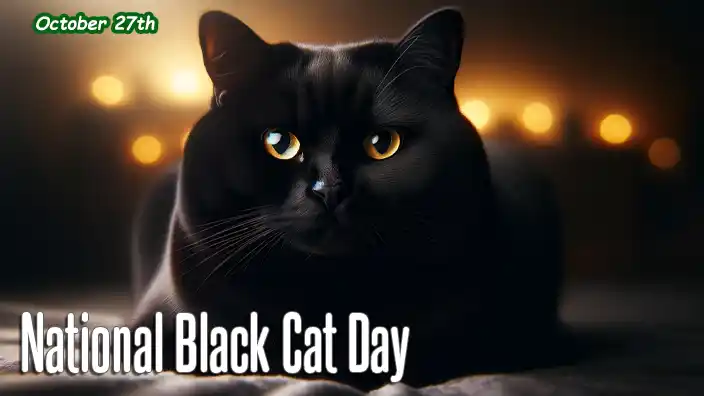
With a knack for sneaking into the coziest spots and an uncanny ability to appear out of nowhere, these fur-covered shadows could moonlight as professional pranksters. One minute, they're sound asleep, and the next, they’re wide awake, watching you with those glowing, yellow eyes like they’re judging your every life decision. Known for their dramatic flair, they’ll sprawl across your best black outfit like they’re auditioning for a high-stakes heist movie. And let’s not forget their impressive stealth moves—just try finding them in a dimly lit room. You might call them elusive, they’d call it “keeping an air of mystery.”
Celebrated: Annually, on October 27th
Celebrate National Black Cat Day by exploring the history, myths, and charm of black cats. Discover why these mystical felines are beloved companions.


- Details
First responders are the brave individuals who stand on the front lines of crisis and emergency, arriving at scenes that demand immediate action, care, and unwavering dedication. Whether they are firefighters, paramedics, police officers, or dispatchers, these professionals often put themselves in harm's way to protect, save, and support those in need. Their work is physically and emotionally demanding, requiring resilience, specialized training, and the ability to make critical decisions under pressure. First responders are a cornerstone of community safety, providing a lifeline when seconds matter, and their commitment is a testament to their courage and compassion.
Celebrated: Annually, on October 28th
Celebrate National First Responders Day, honoring the brave paramedics, firefighters, police officers, and EMTs who face emergencies daily with courage.

- Details
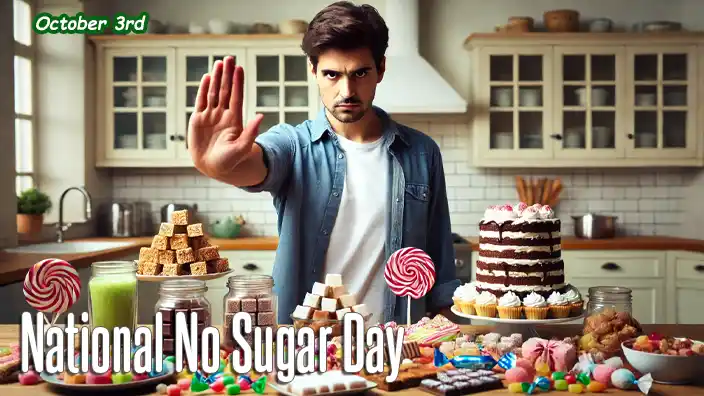
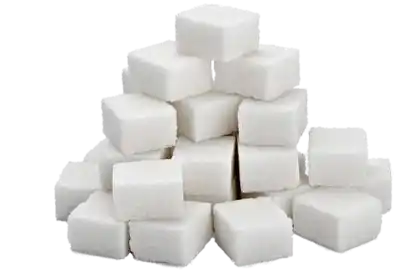
Sugar—the tiny, sweet granules that can turn the most disciplined of us into dessert-hunting maniacs. It’s like a tiny party in your mouth that invites all your taste buds to dance, but once the music stops, you're left wondering why you agreed to the sugar hangover. Whether it’s hiding in your coffee, lurking in your bread, or staring you down from a donut, sugar knows how to crash your day in the sneakiest way possible. It's basically the friend who shows up uninvited and somehow convinces you to have just one more slice of cake… right before disappearing, leaving you with only crumbs and regret.
Celebrated: Annually, on October 3rd
Discover the essence of National No Sugar Day, a day dedicated to avoiding sugar and exploring our complex relationship with this sweet temptation.
- Details
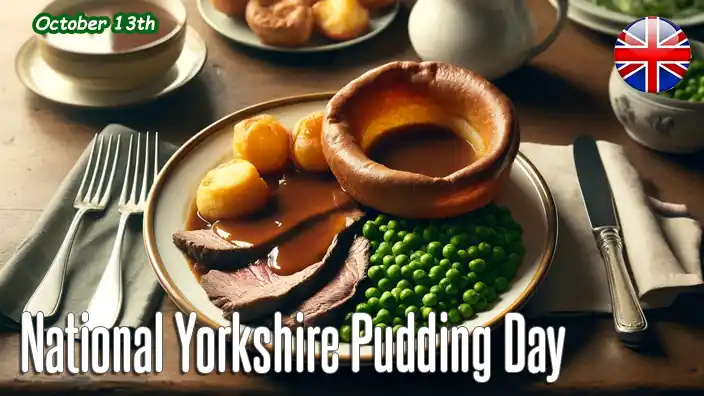
Yorkshire puddings are the divas of the dinner plate, always needing a piping hot entrance to puff up just right. They start off as humble batter, but give them a few minutes in a sizzling hot oven, and they rise to dramatic heights, demanding everyone's attention. But be warned—dare to open the oven door too soon, and they’ll collapse faster than a soufflé on a rollercoaster. They’re not just food; they’re a performance. And like any diva, when they’re good, they steal the show. When they flop, well, there’s always gravy to smooth things over.
Celebrated: Annually, on October 13th
Discover the history, charm, and culinary versatility of Yorkshire pudding, the beloved savory side dish that's a staple of British Sunday roasts.

- Details
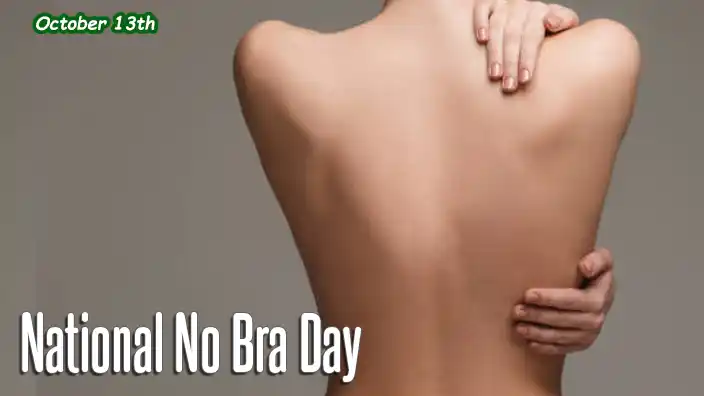
The decision to go braless for a day is more than a matter of comfort; it symbolizes body autonomy and breast cancer awareness. Each year, this day highlights the importance of breast health, encouraging women to perform regular self-examinations and reminding us all of the ongoing fight against breast cancer. It also sparks broader conversations about societal expectations surrounding women's bodies, offering a moment to reflect on personal choice and comfort without judgment. The emphasis remains on empowerment, health, and solidarity, especially with those affected by breast cancer.
Celebrated: Annually, on October 13th
Discover the significance of National No Bra Day, a movement promoting breast cancer awareness, body positivity, and women's right to comfort and choice.

- Details
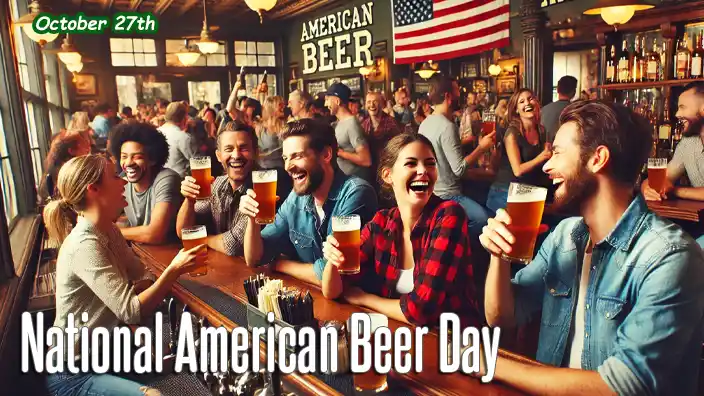
When it comes to American beer, it's clear that "why not?" is the motto. Why not add extra hops, or a hint of coffee, or—who's stopping us—a dash of peanut butter? If you thought American beer was just your grandpa's light lager, you haven't seen today's beer menu. We've got IPAs so hoppy you'll feel like you're chewing a pine tree and stouts richer than a billionaire's Swiss bank account. And don't get us started on the names—nothing like ordering a pint of "Hopocalypse Now" or "Lager than Life" to start your night off with a laugh. In America, we don't just drink beer; we're here for the experience, the experiment, and the chance to ask our friends, "Have you tried the bacon-maple-pecan ale yet?" Cheers to creativity in a glass!
Celebrated: Annually, on October 27th
Celebrate National American Beer Day on October 27 with a journey through the diverse and innovative world of American brewing, from lagers to craft brews.

- Details
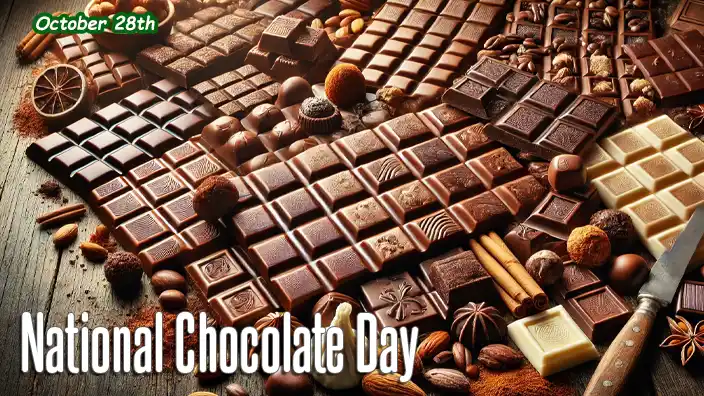
Chocolate: it’s the only “medication” we can’t get enough of, the treat that’s simultaneously comfort food, guilty pleasure, and potential marriage counselor. Ever had a bad day? Chocolate understands—it doesn’t judge, it doesn’t interrupt, and it definitely doesn’t ask if you “really need that second piece.” It’s the world’s most delicious form of therapy, available in dark, milk, and white, always on hand to remind us that whatever life throws our way, at least we’re not out of chocolate.
Celebrated: Annually, on October 28th
Celebrate National Chocolate Day with a dive into chocolate's rich history, irresistible chemistry, and health benefits. Discover fun facts and ways to indulge.
- Details
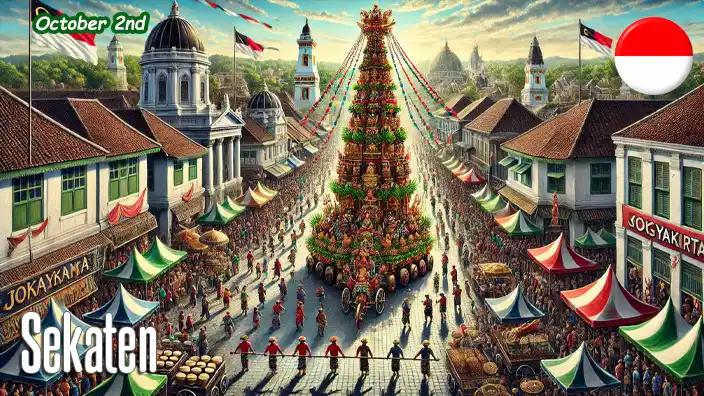
Sekaten is no ordinary festival—it's a captivating fusion of culture, history, and music that has been drawing crowds for over five centuries. Picture a bustling marketplace filled with the aroma of traditional Javanese delicacies, the hypnotic sound of ancient gamelan instruments filling the air, and a grand procession carrying towering offerings through the heart of Yogyakarta. Rooted in both faith and folklore, Sekaten offers a rare glimpse into Indonesia's vibrant soul, where tradition comes alive in the streets.
Celebrated: Annually, on October 2nd
Discover Sekaten, Indonesia's vibrant celebration blending Islamic traditions with Javanese culture, featuring music, rituals, and community festivities in Yogyakarta and Surakarta.

- Details
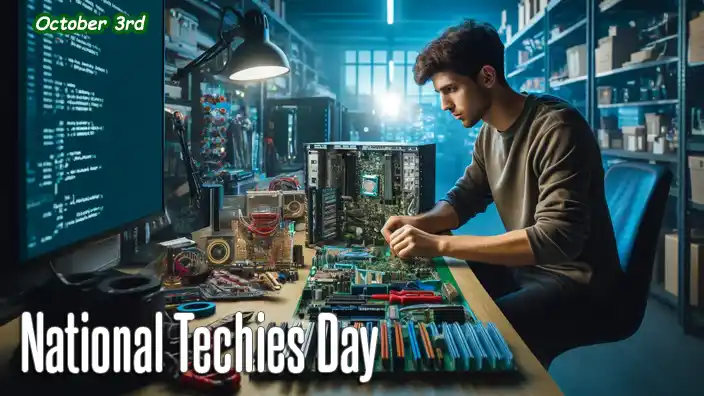
Techies are like the superheroes we never knew we needed—armed with nothing but a keyboard, a bottomless coffee cup, and the ability to fix the "blue screen of death" without breaking a sweat. They speak a language that sounds like pure sorcery to the rest of us, casually dropping terms like "RAM" and "motherboard" while we nod along, pretending to understand. And while we’re busy panicking because we’ve "lost the internet," they calmly stroll over, plug in the router, and return to their desk like nothing happened. Their greatest power? Making us feel like we just survived a major crisis, all while knowing the secret weapon was the "on/off" switch the whole time.
Celebrated: Annually, on October 3rd
Celebrate the digital wizards on National Techies Day, honoring those who keep our tech running smoothly and inspire future tech careers. Discover their unsung heroics.

From Our Marks Catelog
-

Peace for one hour? That’s like baking a cake and only eating the crumbs! If we can manage to...
-

There was a time when wearing pink to school might earn you a raised eyebrow, a snicker, or a...
-
Picture this: you're rummaging through a drawer, looking for a pen, but instead, you find a flip...
-

There’s nothing light about Good Friday—after all, it commemorates the darkest day in Christian...
-
Mental health is not just a personal matter—it's a global issue that affects millions of lives...
-

Having a hole in your bucket is nature’s way of saying, “You tried.” It’s the DIY version of a practical...

