Celebrity Birthdays - September
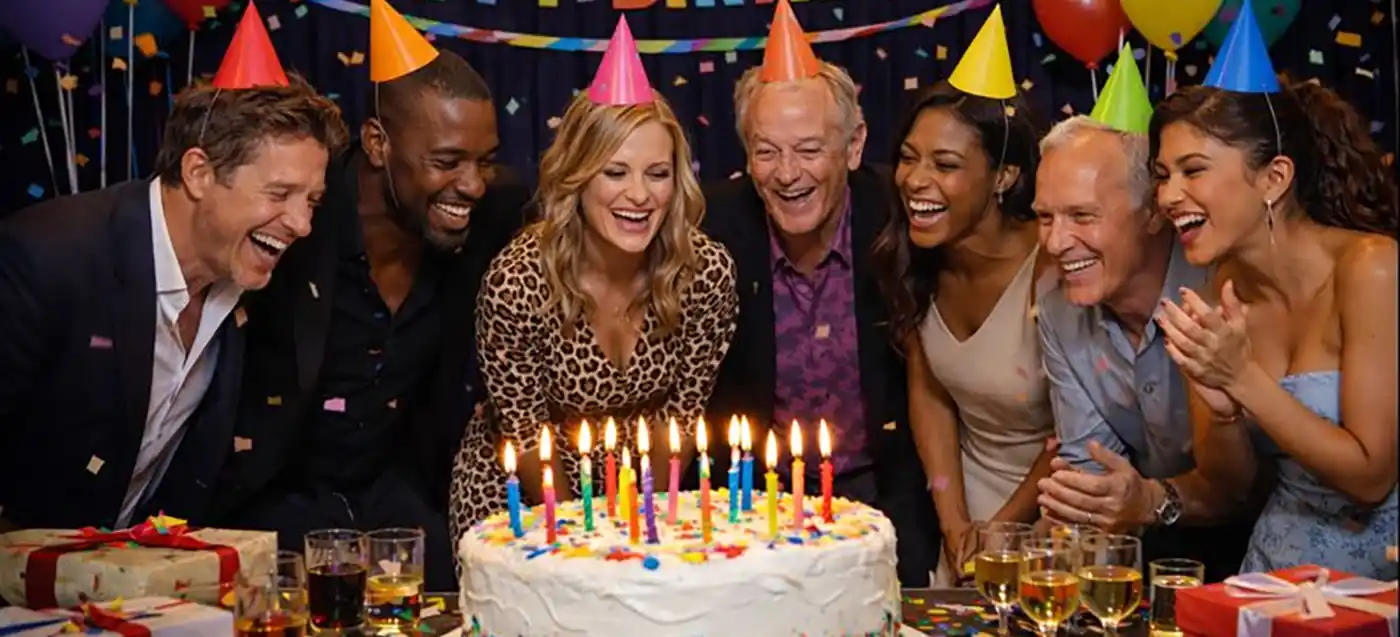
September birthday people are the overachievers of the zodiac — they show up just as the world is getting serious again. New pencils, fresh notebooks, and a whole month to remind us they were born ready.
Let’s honor the folks who make fall feel exciting. They’re the first crisp breeze after a long summer — refreshing and full of possibility.
- Details
- Category: Celebrity Birthdays - September
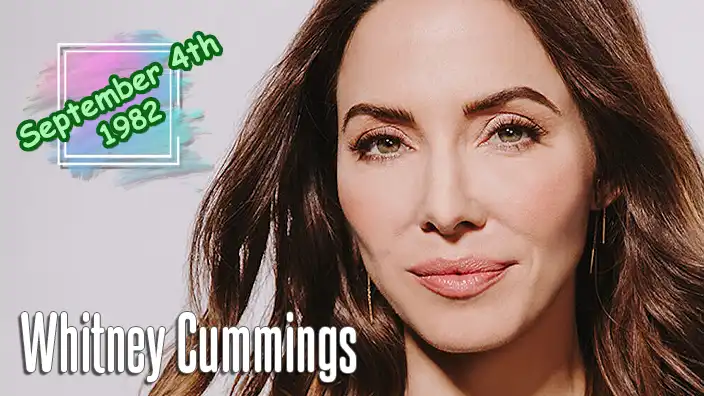
Whitney Cummings is the comedian, actress, writer and producer who discovered that saying the uncomfortable part out loud can become a perfectly respectable career. From creating Whitney and co-creating 2 Broke Girls to years of fearless stand-up comedy, Cummings has built her reputation by examining relationships, modern life and human behavior with the subtlety of somebody opening the curtains when everyone else would rather remain in the dark.
 September 4, 1982, in Washington, D.C.

Trivia
- Whitney graduated from the University of Pennsylvania.
- Variety named her a Comic to Watch in 2007.
- She co-created 2 Broke Girls.
- She created and starred in Whitney.
- Cummings directed The Female Brain.
- She hosts the Good for You podcast.
- Details
- Category: Celebrity Birthdays - September
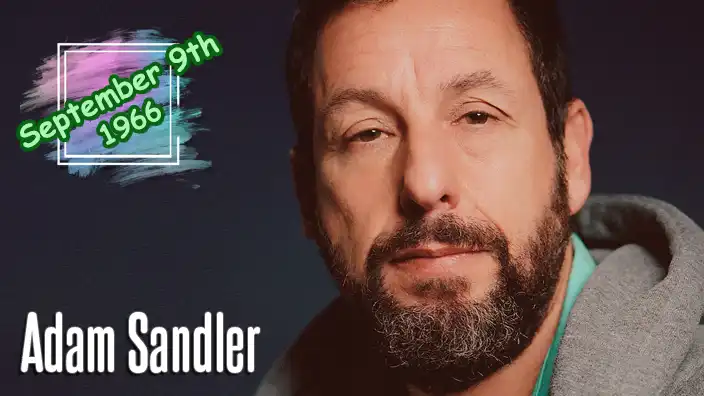
Adam Sandler is the American comedian and actor who turned silly voices, questionable fashion choices, and a remarkable talent for shouting into a Hollywood empire. From Saturday Night Live and Happy Gilmore to The Wedding Singer and Uncut Gems, he has made audiences laugh, occasionally made them cry, and proved that a man wearing basketball shorts can still be one of the most successful performers in the business. His career is a reminder that comedy does not have to wear a suit—although, in Sandler’s case, it probably wouldn’t want to.
 September 9, 1966, in Brooklyn, New York
Trivia
- His brother encouraged his first stand-up performance.
- Graduated from NYU’s Tisch School of the Arts.
- Joined Saturday Night Live as a writer in 1990.
- Happy Madison is named after two of his films.
- Received the Mark Twain Prize in 2023.
- Voiced Dracula in Hotel Transylvania.
- His daughters Sadie and Sunny are also actresses.
- Details
- Category: Celebrity Birthdays - September
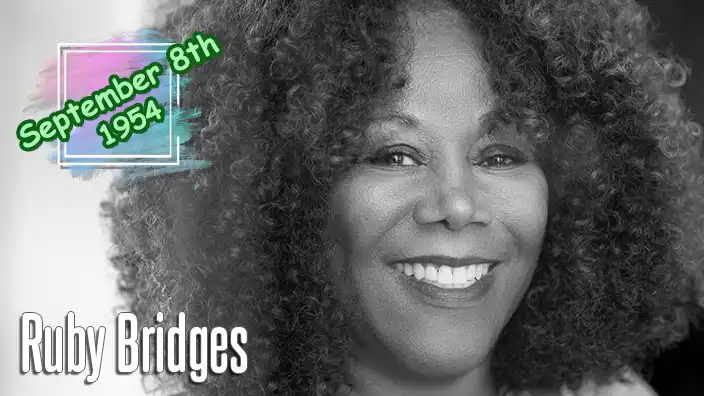
Ruby Bridges is an American civil rights icon who, at six years old, walked into a New Orleans elementary school and helped change the course of American education. While most first-graders worry about spelling tests and lunch, Ruby faced angry crowds, federal marshals, and the weight of a nation’s struggle over segregation. Her courage was extraordinary, and her lifelong work reminds us that doing the right thing does not require being the biggest person in the room.
September 8, 1954, in Tylertown, Mississippi
Trivia
- She was six on her historic first day of school.
- Four federal marshals escorted her to William Frantz.
- Barbara Henry taught her alone for much of first grade.
- Norman Rockwell painted her historic walk.
- She became an honorary Deputy U.S. Marshal in 2000.
- She has written several children's books.
- Details
- Category: Celebrity Birthdays - September
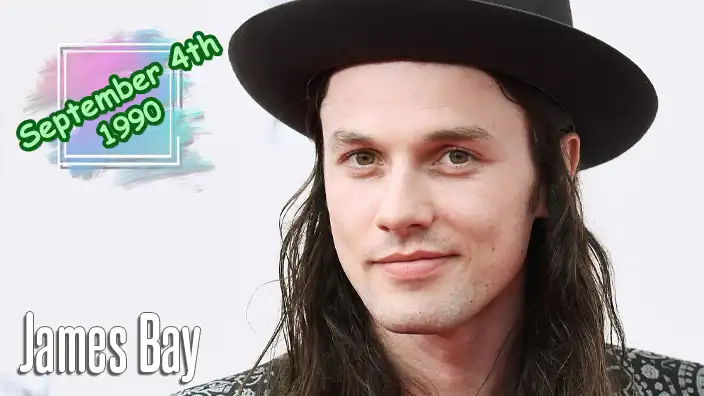
James Bay is the English singer-songwriter who proved that a guitar, a distinctive voice and a very impressive hat can still get a man's attention in the twenty-first century. Best known for the soaring "Hold Back the River" and the heartfelt "Let It Go," Bay has built an international career around emotionally direct songs, powerful live performances and the useful ability to make heartbreak sound considerably better than it feels.
September 4, 1990, in Hitchin, England
Trivia
- James began playing guitar at about 11.
- Eric Clapton was an early musical inspiration.
- A YouTube performance helped get him discovered.
- Chaos and the Calm reached No. 1 in Britain.
- He won a BRIT Award in 2016.
- "Hold Back the River" earned a Grammy nomination.
- Details
- Category: Celebrity Birthdays - September
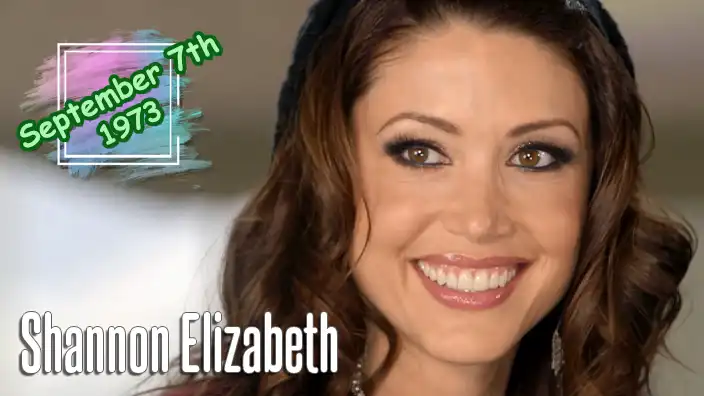
Shannon Elizabeth celebrates her birthday on September 7, and the American Pie and Scary Movie actress has followed one of Hollywood's more unexpected career paths. Acting made her famous, poker gave her a second competitive arena, and animal conservation eventually persuaded her to swap much of Hollywood for South Africa.
September 7, 1973, in Houston, Texas
Trivia
- She grew up in Waco, Texas.
- She once considered professional tennis.
- Nadia in American Pie made her famous.
- She competed in the World Series of Poker.
- She reached a major heads-up poker semifinal.
- She founded an animal charity in 2001.
- She relocated to South Africa for conservation work.
- Details
- Category: Celebrity Birthdays - September
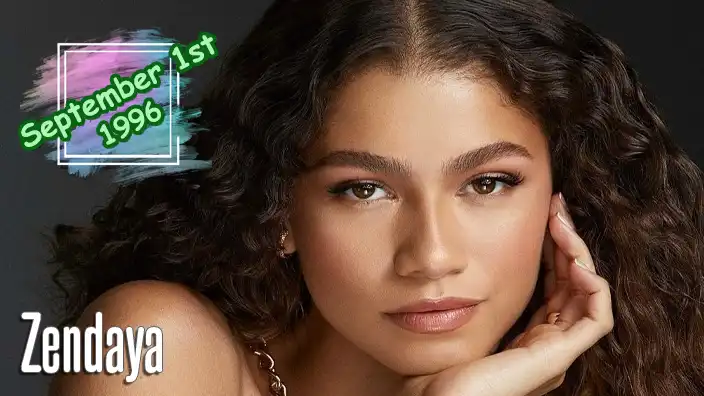
By the time Zendaya reached 30 she had already conquered Disney Channel, pop music, the Emmys, Spider-Man, Dune and enough red carpets to qualify as her own fashion industry. Most people spend their twenties figuring out what they want to do with their lives. Zendaya apparently decided the sensible answer was "everything."
September 1, 1996, in Oakland, California
Trivia
- She grew up in Oakland, California.
- She began as a model and dancer.
- Shake It Up launched her Disney career.
- She finished second on Dancing with the Stars.
- She won her first acting Emmy at 24.
- Details
- Category: Celebrity Birthdays - September
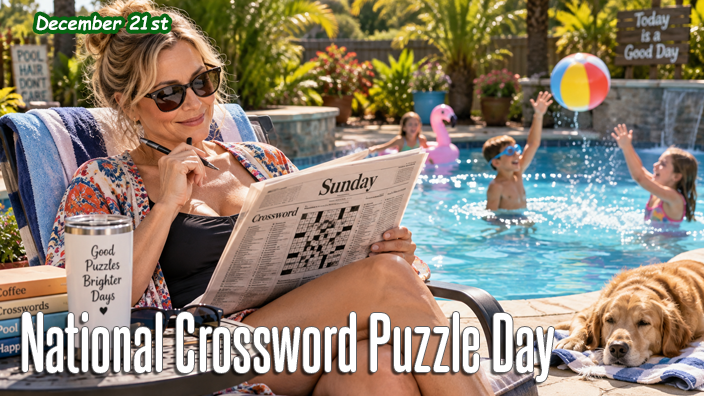
National Crossword Puzzle Day celebrates the wonderfully addictive little grid that can make you feel like a genius at 9:00 a.m. and question your entire education by 9:15. Every December 21, crossword lovers sharpen their pencils, summon their vocabulary, and prepare to battle Across, Down, and that infuriating three-letter answer everybody except them apparently knows.
Celebrated: Annually, on December 21st
Grab a pencil and test your vocabulary as we celebrate crossword puzzles, clever clues, stubborn squares, and more than a century of puzzling fun

- Details
- Category: Celebrity Birthdays - September
2 Chainz is the guy who can drop a bar that makes you laugh, nod your head, and question your life choices all in the same verse. He’s tall enough to block your shot on the court, stylish enough to outshine everyone at the party, and clever enough to make even his most outrageous lyrics sound like gospel truth. Whether he’s rapping about luxury cars, expensive champagne, or his love of Atlanta, 2 Chainz somehow makes you want to join him — even if you can’t afford the entry fee.
September 12, 1977 in College Park, Georgia
Trivia
- He formerly performed as Tity Boi.
- He played college basketball at Alabama State.
- He was one half of Playaz Circle.
- “Duffle Bag Boy” featured Lil Wayne.
- His debut solo album reached No. 1.
- He hosts Most Expensivest.
- His TRU Foundation supports community causes.

- Details
- Category: Celebrity Birthdays - September
Barry White didn’t just sing love songs — he was the love song. With a voice so deep it seemed to rumble straight out of the Earth’s core, Barry could make ordering a pizza sound seductive. He turned soul music into a full-body experience, combining sweeping strings, funky bass lines, and lyrics that convinced you romance was not just alive but wearing a velvet suit. If smoothness had a soundtrack, it would be Barry White.
September 12, 1944 in Galveston, Texas
 July 4, 2003 in Los Angeles, California
Trivia
- He taught himself to play piano.
- He began recording music as a teenager.
- White originally preferred producing to being a solo singer.
- He created the 40-piece Love Unlimited Orchestra.
- “Love’s Theme” reached No. 1 without his lead vocal.
- He appeared as himself on The Simpsons.
- Staying Power earned him two Grammy Awards.
- Details
- Category: Celebrity Birthdays - September
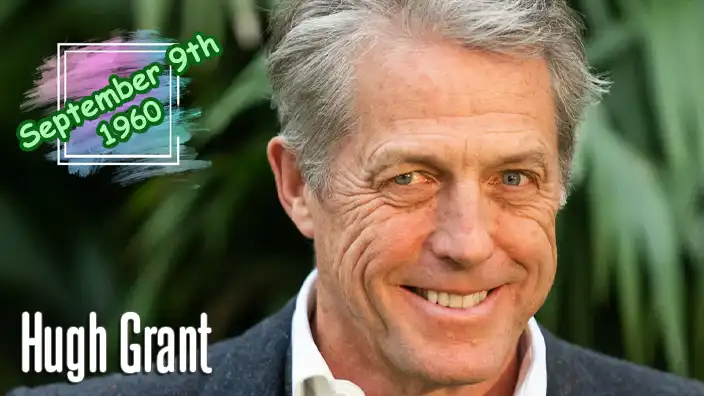
Hugh Grant is the British actor who made awkward pauses, charming smiles, and romantic disasters into an international career. Best known for Notting Hill, Bridget Jones’s Diary, and Four Weddings and a Funeral, he has spent decades proving that a man can say precisely the wrong thing and still win the audience over. More recently, he has traded some of that romantic charm for villains, cynics, and characters who are considerably less likely to apologize for their behavior.
September 9, 1960, in Hammersmith, England
Trivia
- Studied English literature at Oxford.
- Considered a career in art history.
- Made his film debut in Privileged (1982).
- Shared Venice’s Best Actor prize for Maurice.
- Won a Golden Globe for Four Weddings and a Funeral.
- Speaks French fluently.
- Played an Oompa-Loompa in Wonka.
- Details
- Category: Celebrity Birthdays - September
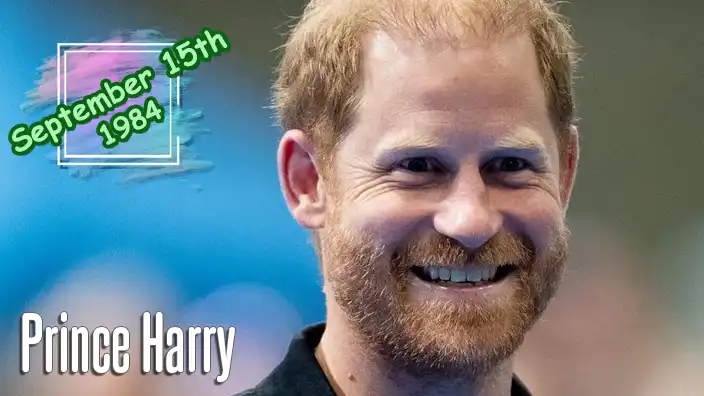
Prince Harry was born into a family where even choosing not to wear a tie can potentially generate three days of newspaper coverage. The younger son of King Charles III and Diana, Princess of Wales, Harry has been a prince, soldier, helicopter pilot, husband, father, charity founder, author and occasional royal headache, while creating a public life increasingly separate from the institution into which he was born.
September 15, 1984, in London, England
Trivia
- He trained at the Royal Military Academy Sandhurst.
- Harry served two tours in Afghanistan.
- He qualified as an Apache helicopter pilot.
- He served approximately ten years in the British Army.
- Harry founded the Invictus Games in 2014.
- He married Meghan Markle in 2018.
- Details
- Category: Celebrity Birthdays - September
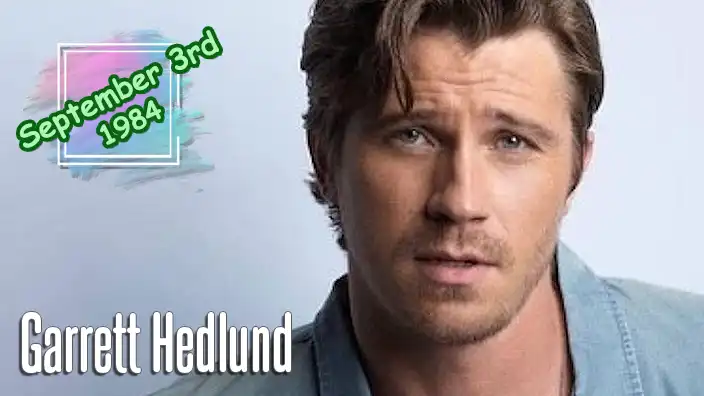
Garrett Hedlund went from a Minnesota cattle farm to Troy, Friday Night Lights and the digital world of Tron: Legacy, proving that Hollywood career planning occasionally works even when your résumé begins with feeding cows.
September 3, 1984, in Roseau, Minnesota
Trivia
- He grew up on a Minnesota cattle farm.
- Troy was his first feature film.
- He played Sam Flynn in Tron: Legacy.
- He performed songs in Country Strong.
- He auditioned for Captain America and Star-Lord.
- He has a son named Rhodes.
- Details
- Category: Celebrity Birthdays - September
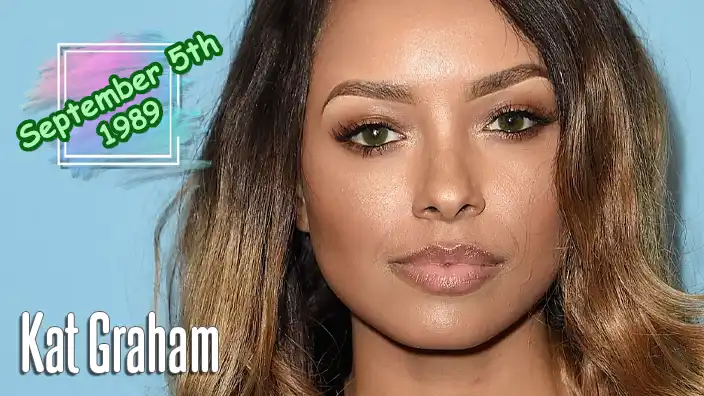
Kat Graham is an actress, singer, dancer and producer who spent eight seasons dealing with vampires, witches and assorted supernatural catastrophes in The Vampire Diaries. Fortunately, Hollywood proved slightly less dangerous than Mystic Falls, allowing her to build an impressively varied career in film, television and music without being killed, resurrected or magically transported anywhere.
September 5, 1989, in Geneva, Switzerland
Trivia
- She began acting professionally as a child.
- She played Bonnie Bennett for eight seasons.
- Graham studied recording engineering.
- She has worked musically with Prince and Babyface.
- UNHCR named her a Goodwill Ambassador in 2020.
- Details
- Category: Celebrity Birthdays - September
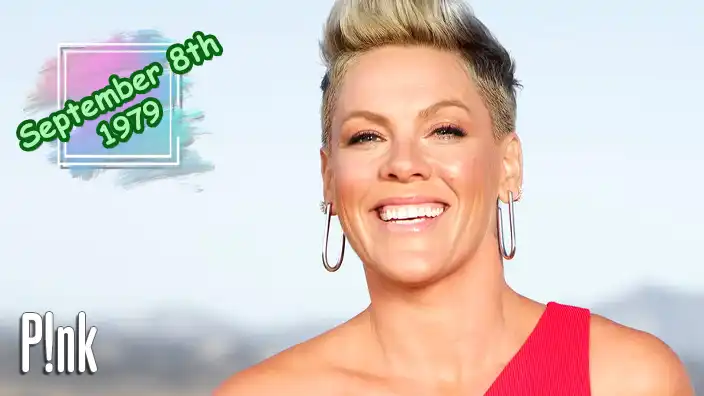
Pink, born Alecia Beth Moore, is a Grammy-winning singer who has spent her career proving that pop music can have powerful vocals, sharp humor, and the occasional performer flying over the audience on a harness. From her rebellious early hits to her spectacular arena tours, she has become one of music’s most distinctive stars. She also makes the rest of us feel rather lazy for considering a flight of stairs a reasonable workout.
September 8, 1979, in Doylestown, Pennsylvania
Trivia
- She began performing in Philadelphia clubs as a teenager.
- Her first group was called Choice.
- She won her first Grammy for “Lady Marmalade.”
- She proposed to Carey Hart during a motocross race.
- Her daughter Willow recorded a duet with her.
- She has won three Grammy Awards.

- Details
- Category: Celebrity Birthdays - September
Taraji P. Henson is the kind of actress who can deliver a monologue that gives you chills, then turn around and roast you with a Cookie Lyon comeback that leaves you questioning your life choices. She’s starred in Oscar-winning dramas, run an entire hip-hop empire (on TV, at least), and still manages to look like she just stepped off a runway while doing it. If charisma were a superpower, Taraji would be an Avenger by now — and she’d be the one calling the shots.
September 11, 1970, in Washington, DC
Trivia
- She originally studied electrical engineering.
- Henson graduated from Howard University in 1995.
- She worked as a secretary at the Pentagon.
- She also worked as a singing-dancing waitress.
- Benjamin Button brought her an Oscar nomination.
- Cookie Lyon earned her a Golden Globe.
- She received a Hollywood Walk of Fame star in 2019.
- Details
- Category: Celebrity Birthdays - September
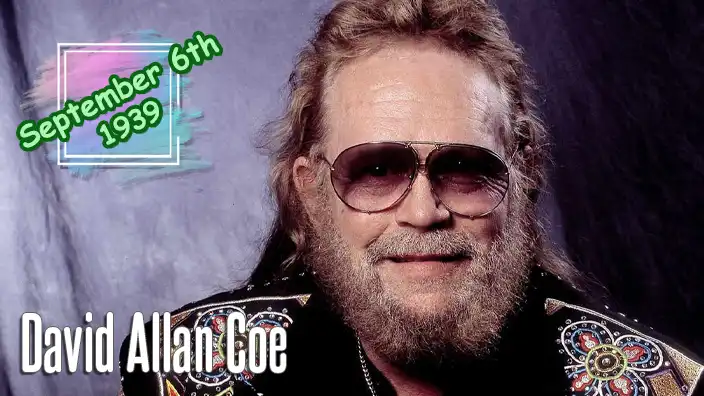
David Allan Coe was an outlaw country singer who didn't merely cultivate a rebellious reputation—he spent decades making sure nobody could possibly mistake him for the fellow who came to Nashville to play nicely. Prison, rhinestones, motorcycles, controversy, country classics and enough outrageous stories to keep several biographers employed all became part of the Coe legend. Somewhere beneath all that noise, however, was a remarkably gifted songwriter whose words helped define outlaw country music.
September 6, 1939, in Akron, Ohio
April 29, 2026, in Akron, Ohio
Trivia
- His debut album was Penitentiary Blues.
- Tanya Tucker had a major hit with a song Coe wrote.
- He wrote Johnny Paycheck's “Take This Job and Shove It.”
- “Mona Lisa Lost Her Smile” reached No. 2 on the country chart.
- He recorded “Tennessee Whiskey” years before Chris Stapleton.
- Coe collaborated with members of Pantera on Rebel Meets Rebel.
- Details
- Category: Celebrity Birthdays - September
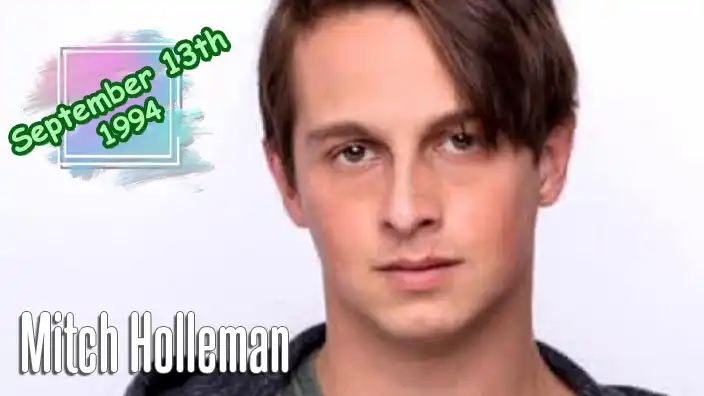
Mitch Holleman spent six seasons as Jake Hart on Reba, the youngest member of a television family already overflowing with divorce, teenage pregnancy, remarriage, sibling warfare, and Barbra Jean. Fortunately, Jake's principal responsibility was usually to wander into the room, say something wonderfully inconvenient, collect the laugh, and leave the adults to deal with the wreckage.
September 13, 1994, in Auburn, Alabama
Trivia
- His early commercials included Nickelodeon and Burger King.
- He appeared on The Sopranos as a small child.
- Daddio was his first regular television role.
- He played Jake throughout all six seasons of Reba.
- Reba McEntire was an acting mentor.
- He voiced The Duke on Avatar: The Last Airbender.
- He later moved into comedy and podcasting.
- Details
- Category: Celebrity Birthdays - September
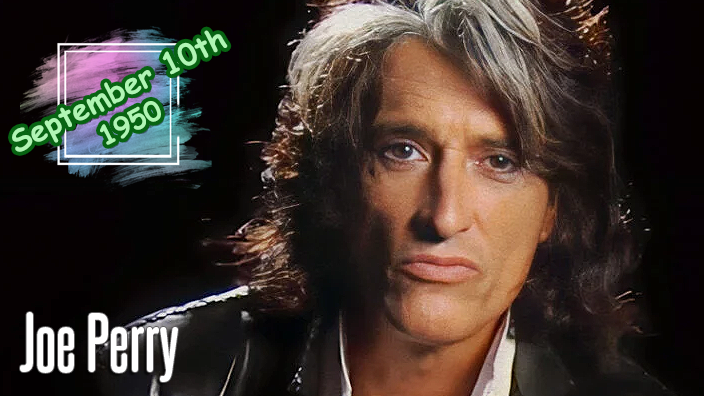
Joe Perry has spent decades proving that a well-placed guitar riff can accomplish things that polite conversation never could. As Aerosmith’s lead guitarist and co-founder, he helped turn blues-soaked rock and roll into a global phenomenon, survived the sort of band drama that would exhaust a television soap opera, and returned to the stage with enough swagger to make a guitar case look like a fashion accessory. His birthday falls on September 10, making it an excellent excuse to turn up the volume and remind the neighbors that rock and roll is not generally played at library levels.
September 10, 1950, in Lawrence, Massachusetts
Trivia
- He formed the Joe Perry Project after leaving Aerosmith in 1979.
- He returned to Aerosmith with Brad Whitford in 1984.
- He appeared as a DEA agent on Homicide: Life on the Street.
- He created a line of hot sauces called Rock Your World.
- His autobiography, Rocks, was published in 2014.
- He is a member of Hollywood Vampires with Alice Cooper and Johnny Depp.
- Details
- Category: Celebrity Birthdays - September
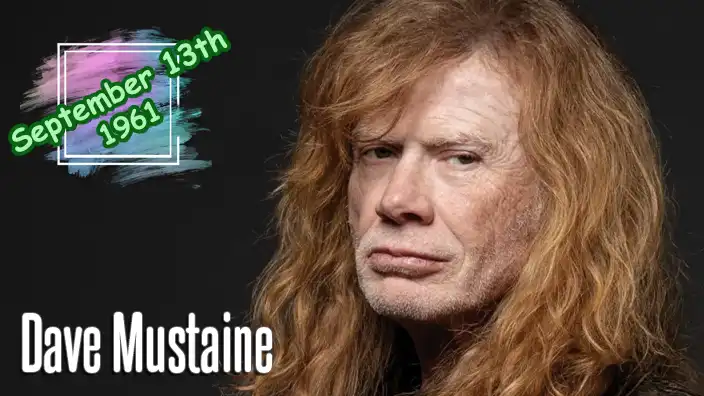
Dave Mustaine has spent more than four decades proving that anger can be remarkably productive when somebody hands you a guitar. After an explosive early stint with Metallica, he founded Megadeth and helped turn thrash metal into a worldwide force—delivering ferocious riffs, snarling vocals, political lyrics, innumerable lineup changes, and enough red hair to remain visible through even the most enthusiastic application of stage smoke.
September 13, 1961, in La Mesa, California
Trivia
- He joined Metallica before Kirk Hammett.
- Megadeth was formed in Los Angeles in 1983.
- He plays lead and rhythm guitar while singing.
- Countdown to Extinction reached No. 2 in America.
- Megadeth won its first Grammy with “Dystopia.”
- His favorite Megadeth solo is “Holy Wars.”
- Details
- Category: Celebrity Birthdays - September
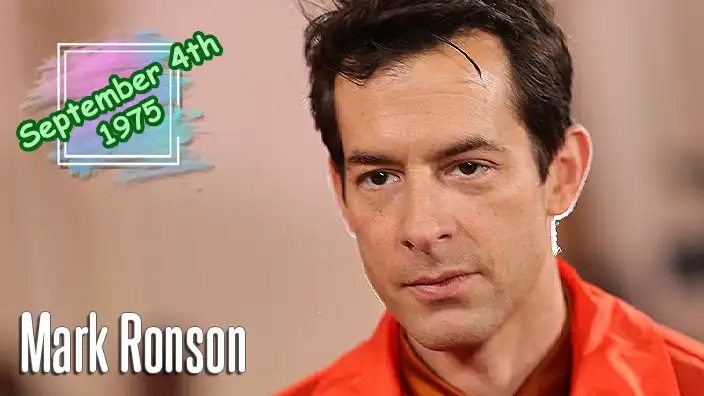
Mark Ronson is the British-American DJ, songwriter and record producer who has spent decades making other people sound exceptionally good—and occasionally stepping forward to remind everyone who was operating the machinery. From Amy Winehouse's Back to Black to Bruno Mars and "Uptown Funk," Ronson has collected Grammys, an Oscar and enough musical collaborations to make his contact list considerably more interesting than ours.
September 4, 1975, in London, England
Trivia
- Mark grew up largely in New York City.
- Foreigner's Mick Jones was his stepfather.
- He produced major tracks on Back to Black.
- "Uptown Funk" spent 14 weeks at No. 1 in America.
- Ronson co-wrote the Oscar-winning "Shallow."
- He produced the Barbie soundtrack.
- Details
- Category: Celebrity Birthdays - September
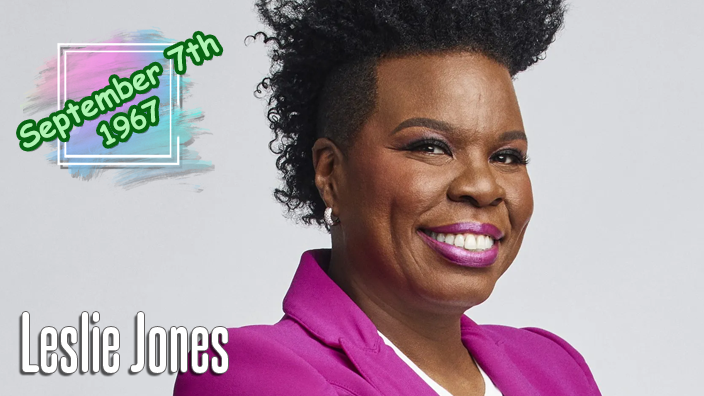
Leslie Jones celebrates her birthday on September 7, and the Emmy-nominated Saturday Night Live comedian has never had much use for being quiet. From college basketball and years on the stand-up circuit to SNL, Ghostbusters and hosting television game shows, Jones built her career the old-fashioned way: working for years until everybody suddenly called her an overnight success.
September 7, 1967, in Memphis, Tennessee
Trivia
- Jones played college basketball.
- She won a campus comedy contest.
- Chris Rock encouraged her comedy career.
- She joined SNL in her forties.
- She earned multiple Emmy nominations.
- She hosted Supermarket Sweep.
From Our Marks Catelog
-
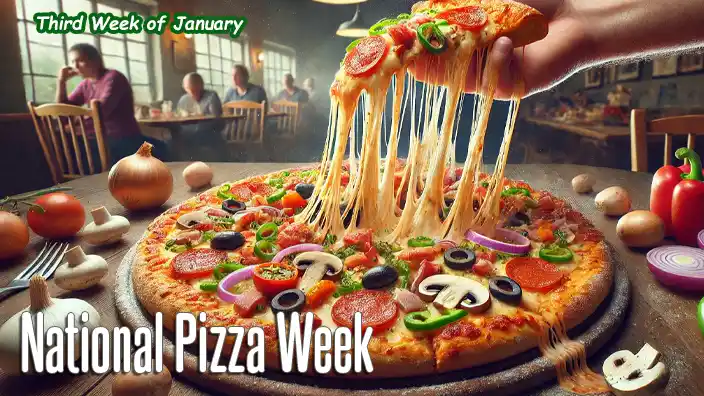
Pizza is the ultimate customizable dish. It caters to all, from the staunch meat-lover who wants...
-

Your toes don't ask for much. They spend their days squeezed into shoes, dodging coffee tables,...
-

You’re trying to relax after a long day, but your dog has decided that now is the perfect time to...
-
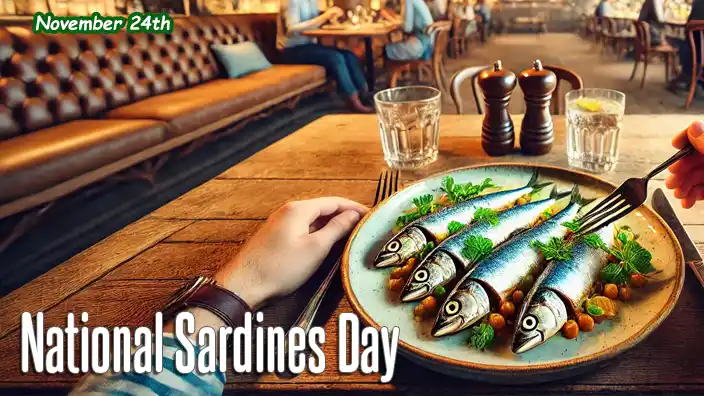
Tiny, shiny, and unapologetically bold, these little fish have a knack for stealing the show at...
-
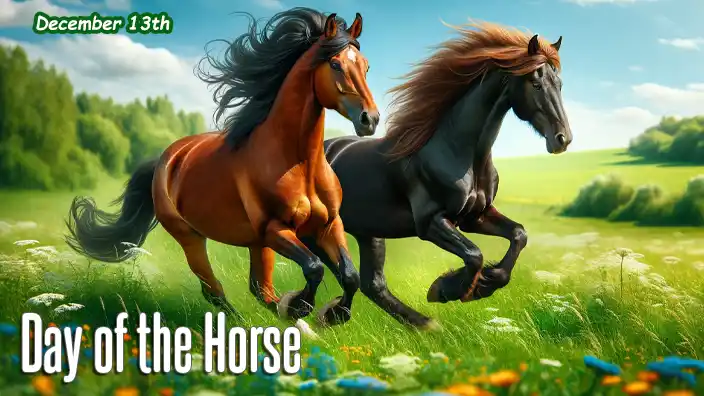
Horses are the comedians of the animal world, even if they don’t realize it. From sneaky maneuvers...
-
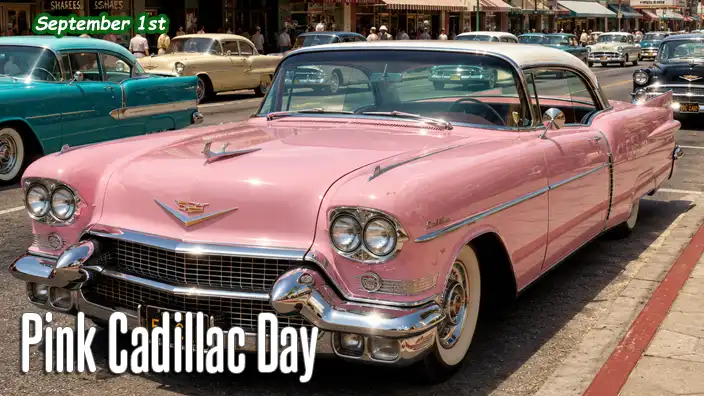
Some cars are built to get you from point A to point B. The Pink Cadillac was built to make sure...

