Mark The Days - May

May strolls in like it’s got nowhere to be and all the time in the world. Flowers bloom, birds sing, and suddenly everyone remembers they own flip-flops. It’s the month where spring hits its stride and lawn mowers wake from hibernation with a roar. Holidays in May are all about moms, margaritas, and memorials—and sometimes all three at once if you're doing the weekend right. It’s the gentle nudge before summer’s full cannonball, and honestly, May deserves a round of applause just for making us forget how weird March was.

- Details
Having a big ego is like walking around with an invisible megaphone pointed at yourself—it’s loud, it’s constant, and it somehow turns every group project into a one-man show. People with inflated egos don’t make mistakes; they make “teachable moments for others.” They don’t interrupt—they “enthusiastically redirect the conversation.” And if you ask them for directions, you’re getting a TED Talk, a dramatic reenactment, and probably a selfie together at the finish line.
Celebrated: Annually, on May 27th
World Ego Awareness Day invites us to reflect on the impact of our egos on relationships and decisions, promoting self-reflection and humility over hubris.


- Details
Boss Babes are the kind of women who can juggle a morning Zoom meeting, close a deal over lunch, rescue a printer from a paper jam crisis, and still remember Brenda’s birthday—all without smudging their eyeliner. They walk into a room like they own the place, which is fair, because there's a good chance they do. If ambition had a wardrobe, it’d be full of power blazers, comfy sneakers, and a coffee mug that says, “I got this—and then some.”good men ...
Celebrated: Annually, on May 22nd
Discover the celebration of ambitious women on National Boss Babe Day, a day dedicated to empowering women who tackle challenges head-on and inspire others to do the same. Learn about its origin, significance, and fun ways to celebrate.


- Details
For museum lovers, walking into a museum is a bit like entering a treasure chest designed by historians, scientists, and people who apparently never throw anything away. One minute you’re admiring ancient kings, the next you’re staring at a 300-year-old teapot or a dinosaur skeleton the size of a bus. Museum Lover’s Day is the perfect excuse to embrace your inner explorer, soak up fascinating facts, and wander vast halls proving that humanity has been collecting cool stuff for a very, very long time.
Celebrated: Annually, on May 5th
Museum Lover’s Day is a fun celebration of history, science, art, and culture through museums that preserve humanity’s greatest stories


- Details
Peace Officers Memorial Day is a solemn reminder of the courage it takes to run toward danger when every instinct screams to run the other way. It’s a day to honor those who pinned on the badge not for glory or glamour, but to protect complete strangers—often without thanks and sometimes at great cost. And yet, in the midst of our grief and reverence, we find ourselves smiling through tears—because somewhere out there, a peace officer once wrestled a goose out of traffic, returned a lost teddy bear at 3 a.m., or helped an elderly woman win her lifelong battle with a jar lid. Their bravery wasn’t always headline-worthy, but it was always human. And that’s what makes them heroes.
Celebrated: Annually, on May 15th
Learn about Peace Officers Memorial Day, a solemn occasion to honor law enforcement officers who sacrificed their lives in the line of duty.


- Details
The press is like that nosy neighbor who always knows what’s going on before you do—except instead of gossiping over the fence, they blast it to the world in 72-point headlines. They’ll dig through government scandals, corporate cover-ups, and the occasional celebrity meltdown, but they’re also the same folks who will spend three days analyzing why a raccoon got stuck in a vending machine. Whether they’re exposing corruption or overhyping the next mild snowfall as “Snowmageddon,” the press keeps us informed, entertained, and occasionally wondering if they’ve just run out of real news to report.
Celebrated: Annually, on May 3rd
Explore the importance of World Press Freedom Day, a reminder of the ongoing challenges journalists face and their resilience in the pursuit of truth.


- Details
They’re the only vegetable that shows up to dinner dressed as fries, mashed with butter, baked in foil, or deep-fried and curled into a smile. Potatoes are the culinary shapeshifters of the food world—one minute they're comfort food royalty, the next they’re hiding in your pantry growing weird little eyes like they’re plotting a root-based uprising. They’ve survived famines, launched snack empires, and somehow still end up being blamed for every carb-related guilt trip. Honestly, if potatoes had a publicist, they’d be the most relatable celebrity on the planet: humble, versatile, and always a little lumpy.
Celebrated: Annually, on May 30th
Explore the global celebrations of International Day of the Potato and learn about the history, nutritional benefits, and cultural impact of this beloved vegetable.


- Details
Ah, telecommunications — the reason we can talk to Aunt Mabel across the country, argue with strangers online, and accidentally join a Zoom meeting with the camera on and your breakfast still stuck to your face. From the days of shouting across canyons to now arguing with your phone because Siri "misunderstood again," we’ve come a long way. So today, take a moment to thank the invisible magic that connects us all — even if it occasionally drops your call right when the plot twist is revealed.
Celebrated: Annually, on May 27th
World Telecommunications Day celebrates the wizards behind the wires who keep us connected, from the telegraph to smartphones. Learn about the history and future of communication technology.


- Details
Let’s face it—military life isn’t all marching in parades and looking sharp in dress blues (though they do pull that off with style). It’s early mornings, late nights, mystery meat in the mess hall, and the uncanny ability to sleep anywhere, anytime, even upright in a Humvee. And yet, through it all, our service members stand strong with courage, grit, and a sense of humor that could survive basic training—and Thanksgiving with their in-laws. So today, we say thank you—not just for your service and sacrifice, but for doing it all with boots on, shoulders back, and a smile that says, “I’ve seen worse.” Happy Armed Forces Day!
Celebrated: Annually, on the Third Saturday in May
Discover Armed Forces Day in the United States, a day dedicated to honoring the dedication, sacrifice, and hard work of the men and women in the US military.

- Details
Can carry a load, read a room, and out-stubborn your most dramatic ex—now that’s talent. With a side-eye sharp enough to cut through nonsense and a bray that could wake the next town over, these four-legged wonders are basically the sassiest employees on the farm. They won’t rush, they won’t fuss, and they absolutely will not do something stupid just because you told them to. Honestly, if donkeys had LinkedIn profiles, we’d all feel underqualified.
Celebrated: Annually, on May 8th
Discover the fascinating world of donkeys on World Donkey Day, celebrated on May 8th. Learn about their resilience, intelligence, and contributions to human society.


- Details
Sleek, slippery, and always up to something, these little mischief-makers live like they’ve got a sitcom running 24/7. One minute they’re juggling rocks like furry circus performers, and the next they’re holding hands in a floating cuddle pile that could melt even the iciest of hearts. They build dens with underwater entrances, stash snacks in their armpits, and slide down riverbanks just because it’s Tuesday. Honestly, if reincarnation is real, being an otter wouldn’t be a bad gig—endless playtime, seafood buffet, and zero email.
Celebrated: Annually, on May 27th
Celebrate World Otter Day, a delightful occasion dedicated to these playful creatures. Learn about otters' habitats, social behaviors, and the importance of conservation.


- Details
Brothers are like human Swiss Army knives—unpredictable, occasionally useful, and often equipped with at least one function that drives you nuts. One minute they're helping you fix your bike, the next they're blaming you for the weird smell in the garage. They have an uncanny ability to remember every embarrassing thing you’ve ever done, and they wield that knowledge like a superpower at family gatherings. But despite their relentless teasing, loud chewing, and refusal to ask for directions, they’re also the first to show up when life gets messy—probably still in that same hoodie from 2009.
Celebrated: Annually, on May 24th
Explore the unique bond of siblinghood on Brother’s Day, celebrating the camaraderie, rivalry, and unconditional love shared between brothers. Reflect on the memories and quirks that make this relationship special.


- Details
If the end of the world ever does show up, it’ll probably arrive five minutes after you finally pay off your mortgage, finish knitting that 12-foot scarf, or find the remote you lost in 2009. Imagine it: flaming meteors overhead, your phone still buzzing with robocalls, and your dog looking at you like, “You had one job.” But hey, at least you won’t have to worry about that awkward dentist appointment next week. Silver linings, right?
Celebrated: Annually, on May 21st
Discover the history, hilarity, and humanity behind End of the World Day, a lighthearted observance reflecting on doomsday predictions and human resilience. Join the celebration!

- Details
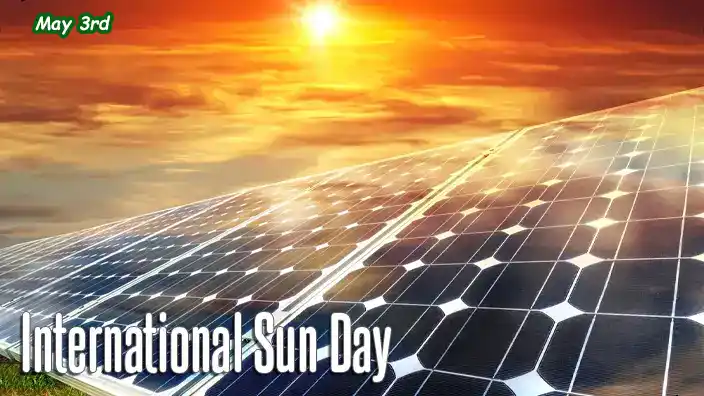
Without it, we'd all be shivering in eternal darkness, wondering why our plants refuse to grow and our morning coffee won’t brew. It’s the ultimate overachiever, working 24/7 without a single day off for billions of years—no vacations, no sick days, just relentless nuclear fusion. And despite blasting us with enough energy to power the entire planet a million times over, most of us just use it to get a nice tan and complain when it gets too hot.
Celebrated: Annually, on May 3rd
Celebrate International Sun Day by exploring the Sun's vital role in our lives and the importance of solar energy for a sustainable future.


- Details
Aviation maintenance technicians are the unsung heroes of the skies, and frankly, they deserve way more than just a nod and a coffee. These are the folks who can troubleshoot a hydraulic leak at 3 a.m. with nothing but a flashlight, a wrench, and the sheer power of caffeine. They speak fluent acronyms, have encyclopedic knowledge of wiring diagrams, and can spot a loose rivet faster than most people can find their car keys. Pilots may get the glory, but without AMTs, airplanes would be very expensive lawn ornaments. And yes—they're highly trained, deeply skilled, and possibly the only people on Earth who can fix a fuel system and quote FAA regulations in the same breath.
Celebrated: Annually, on May 24th
Honoring the dedicated professionals of aviation maintenance on Aviation Maintenance Technician Day, May 24th. Learn about their crucial role in ensuring aircraft safety and performance.


- Details
There’s something oddly noble about eating lunch from a brown paper bag—like you’re a lunchroom rebel refusing to bow to the tyranny of fast food. With its crinkled mystery and grease-spot glamour, the brown bag is the original blind date—you never quite know if it's going to be last night’s meatloaf or a sad sandwich clinging desperately to a slice of limp lettuce. But hey, it's eco-friendly, wallet-happy, and if you draw a smiley face on the outside, it might just taste better. Probably not... but it's worth a shot.
Celebrated: Annually, on May 25th
Discover the cultural significance of brown-bagging and the origins of this humble lunchtime tradition on National Brown-Bag-It Day, celebrated annually on May 25th.


- Details
The player piano—also known as the pianola, or as we like to call it, the original Spotify with a foot pedal. These musical marvels were the 1900s answer to, “What if we could have a piano concert without actually knowing how to play?” Just shove in a paper roll, start pumping like you're trying to churn butter in fast-forward, and voilà—instant Chopin, no talent required. It was the only time in history where someone could be out of breath and feel like a virtuoso at the same time. And yes, it still counts as a performance even if your only real contribution was not tripping over the bench.
Celebrated: Annually, on May 27th
Celebrate Old-Time Player Piano Day and explore the whimsical world of self-playing pianos. Discover their history, fun facts, and how they brought music to the masses.


- Details
If you’ve ever heard a marching band strike up The Stars and Stripes Forever, you know it’s nearly impossible to sit still. Suddenly, your foot starts tapping, your shoulders square up like you’re leading a parade, and somewhere in the distance, a piccolo is preparing to show off like the musical equivalent of a fireworks finale. Stars and Stripes Forever Day celebrates the rousing march by John Philip Sousa that has been making Americans feel ten feet taller since the 1890s—no marching boots required, although humming loudly while walking through the kitchen is strongly encouraged.
Celebrated: Annually, on May 17th
Discover the history of Stars and Stripes Forever Day and the legendary Sousa march that became America’s national march and parade favorite.


- Details
Using sunscreen is the adult version of having your mom spit-wipe your face—mildly annoying but weirdly necessary. Sure, it might feel like you’re smearing mayo all over your body and end up looking shinier than a rotisserie chicken, but that’s the price of protecting yourself from turning into human beef jerky. Plus, skipping sunscreen in hopes of getting a tan faster is like skipping your seatbelt because you’re “only driving a few blocks”—technically possible, but also wildly unwise. So lather up, embrace the glow, and remember: lobster-red is not a summer fashion statement.
Celebrated: Annually, on May 27th
Discover the history of sunscreen, from ancient remedies to modern marvels, and how sun protection has evolved over the centuries. Embrace Sunscreen Day with a celebration of staying sun-safe and fabulous.

From Our Marks Catelog
-
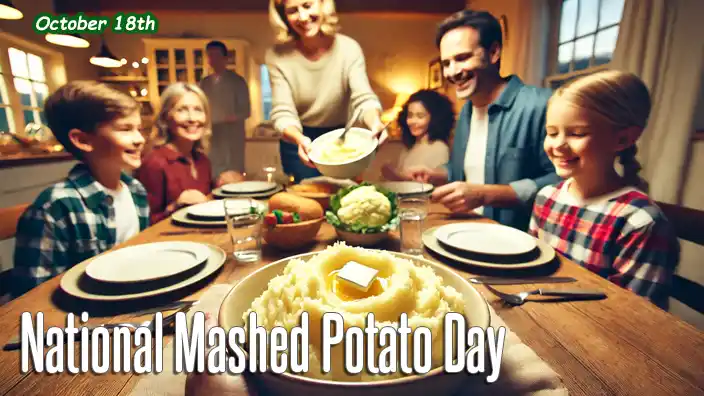
Sitting down at the dinner table, there's always that moment when you spot the mashed potatoes,...
-
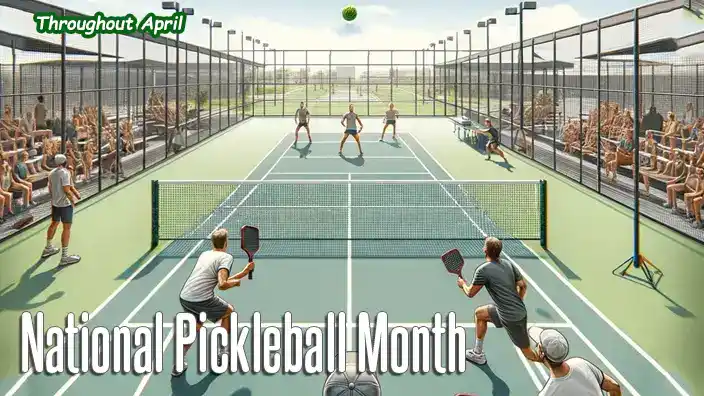
Once upon a time, someone looked at tennis and thought, “This would be perfect if it involved less running,...
-

If you’re the kind of person who likes a little thrill with your meal, then one bite of that...
-

If you've ever scratched a dog's ears, rescued a turtle from the middle of the road, or apologized...
-
Who knew that creating a prehistoric masterpiece could lead to such existential questions? Like, did...
-

It's not uncommon to see a normally quiet neighborhood transform overnight into a glittering...

