Celebrity Birthdays - September
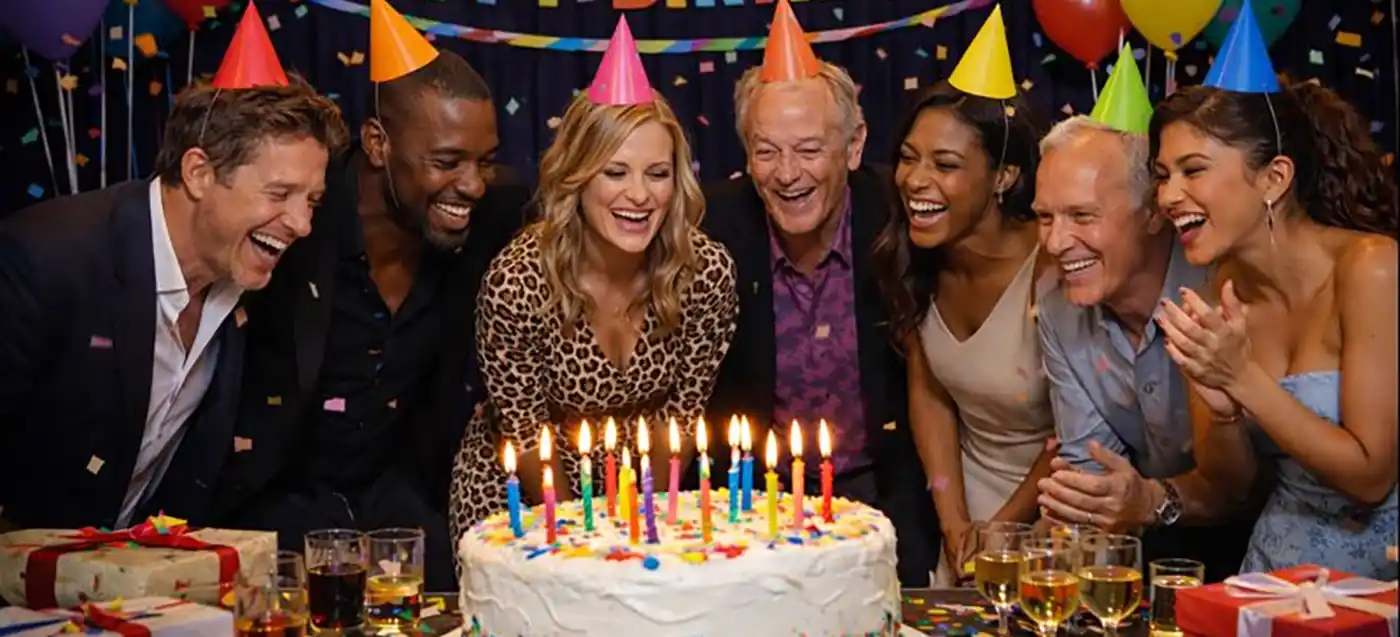
September birthday people are the overachievers of the zodiac — they show up just as the world is getting serious again. New pencils, fresh notebooks, and a whole month to remind us they were born ready.
Let’s honor the folks who make fall feel exciting. They’re the first crisp breeze after a long summer — refreshing and full of possibility.
- Details
- Category: Celebrity Birthdays - September
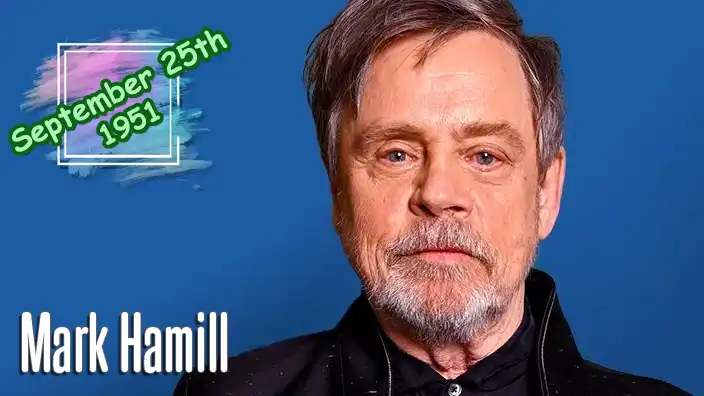
Mark Hamill went from playing an impatient farm boy who wanted nothing more than to escape Tatooine to becoming one of the most recognizable heroes in movie history, which certainly beats spending another season repairing moisture vaporators. As Luke Skywalker, Hamill helped launch Star Wars into popular culture; as the Joker, he later demonstrated that the same fellow trusted with a lightsaber could produce a laugh capable of making Batman reconsider his career choices.
 September 25, 1951, in Oakland, California

Trivia
- Luke Skywalker made him an international star.
- He played Mozart onstage in Amadeus.
- He began voicing the Joker in 1992.
- His Joker won him a BAFTA Games Award.
- He received a Hollywood Walk of Fame star in 2018.
- Details
- Category: Celebrity Birthdays - September
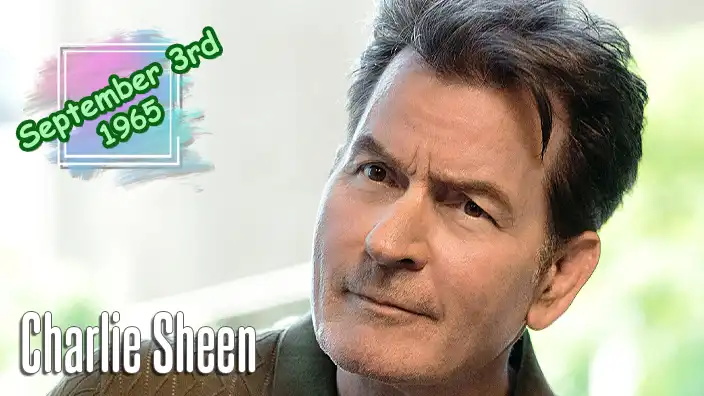
Charlie Sheen has played soldiers, stockbrokers, baseball pitchers and television’s most unapologetic bachelor, while conducting a real-life career that occasionally made his fictional characters look remarkably sensible.
September 3, 1965, in New York City
Trivia
- Martin Sheen is his father.
- Emilio Estevez is his brother.
- Platoon was his major breakthrough.
- He played Ricky "Wild Thing" Vaughn in Major League.
- He won a Golden Globe for Spin City.
- He earned four Emmy nominations for Two and a Half Men.
- Details
- Category: Celebrity Birthdays - September
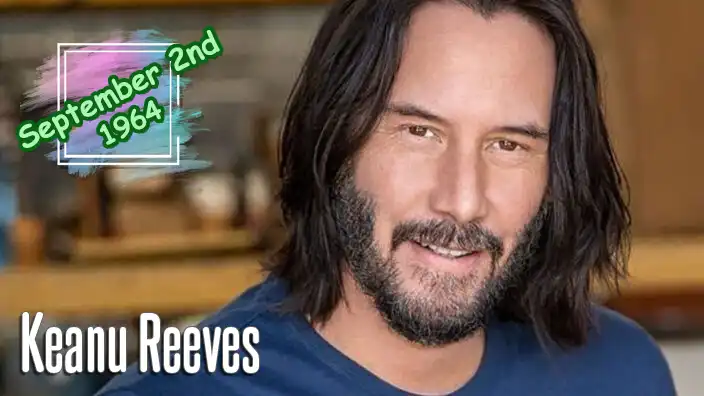
Keanu Reeves has spent his career proving that "Whoa" can be a perfectly respectable response to almost anything. From Ted Logan's time-traveling foolishness to Neo's bullet-dodging heroics and John Wick's exceptionally vigorous objections to people upsetting his dog, Reeves has become one of cinema's most recognizable stars — while somehow retaining the manner of a fellow who might apologize for standing in your way at the supermarket.
September 2, 1964, in Beirut, Lebanon
Trivia
- Keanu was raised primarily in Toronto, Canada.
- He played ice-hockey goalie as a teenager.
- Reeves played bass guitar in the band Dogstar.
- Bill & Ted's Excellent Adventure became his early breakout hit.
- He received a Hollywood Walk of Fame star in 2005.
- Reeves co-founded ARCH Motorcycle.
- He co-created the comic-book series BRZRKR.

- Details
- Category: Celebrity Birthdays - September
Taraji P. Henson is the kind of actress who can deliver a monologue that gives you chills, then turn around and roast you with a Cookie Lyon comeback that leaves you questioning your life choices. She’s starred in Oscar-winning dramas, run an entire hip-hop empire (on TV, at least), and still manages to look like she just stepped off a runway while doing it. If charisma were a superpower, Taraji would be an Avenger by now — and she’d be the one calling the shots.
 September 11, 1970, in Washington, DC
Trivia
- She originally studied electrical engineering.
- Henson graduated from Howard University in 1995.
- She worked as a secretary at the Pentagon.
- She also worked as a singing-dancing waitress.
- Benjamin Button brought her an Oscar nomination.
- Cookie Lyon earned her a Golden Globe.
- She received a Hollywood Walk of Fame star in 2019.
- Details
- Category: Celebrity Birthdays - September
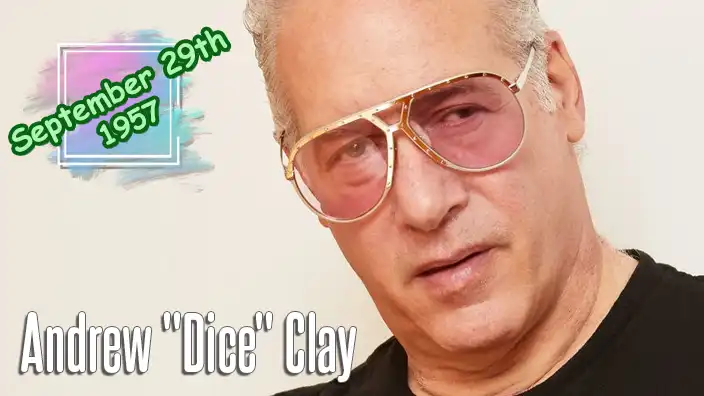
Andrew "Dice" Clay built one of the most recognizable—and deliberately outrageous—characters in American stand-up comedy. Wearing a leather jacket, smoking a cigarette and delivering nursery rhymes that would have caused Mother Goose to seek legal representation, Clay became an arena-filling phenomenon at the end of the 1980s. Then came controversy, backlash and years away from the cultural spotlight before a surprising second act reminded audiences that underneath "The Diceman" was something easily overlooked during all the shouting: a very capable actor.
September 29, 1957, in Brooklyn, New York
Trivia
- Clay originally performed celebrity impressions.
- John Travolta was one of his early impressions.
- He sold out Madison Square Garden on consecutive nights.
- MTV banned him after its 1989 awards show.
- He appeared in Blue Jasmine in 2013.
- Details
- Category: Celebrity Birthdays - September
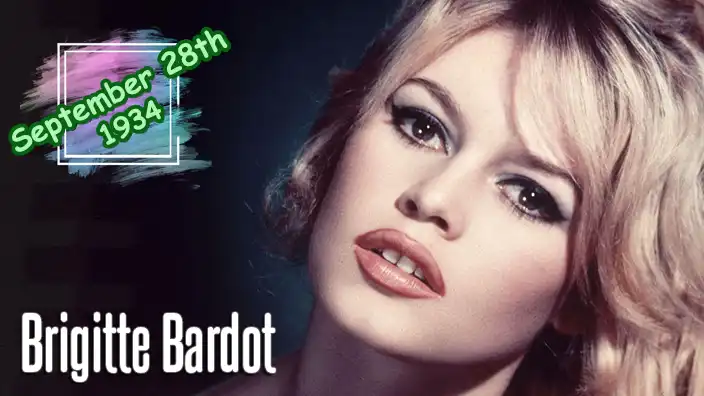
Brigitte Bardot became so famous that two initials—BB—were enough. The French actress, singer, fashion icon and professional enemy of sensible hairstyles helped redefine screen glamour before doing something Hollywood finds almost incomprehensible: she quit while still famous and spent the rest of her life fighting for animals.
September 28, 1934, in Paris, France
 December 28, 2025, in Saint-Tropez, France
Trivia
- She trained as a classical ballerina.
- Roger Vadim was her first husband.
- She helped popularize the bikini internationally.
- Serge Gainsbourg wrote songs for her.
- She retired from acting in 1973.
- She founded her animal foundation in 1986.
- Details
- Category: Celebrity Birthdays - September
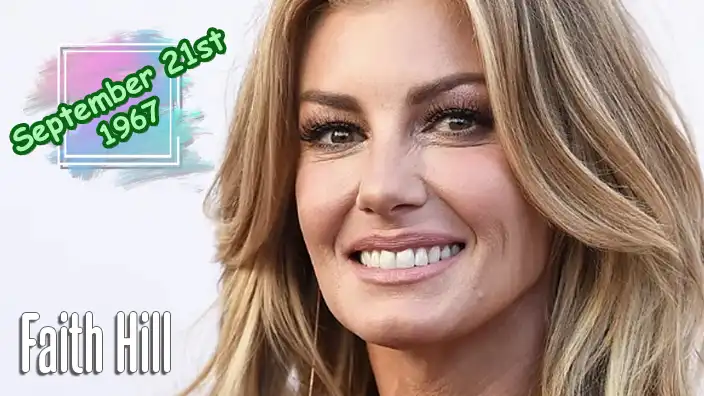
Faith Hill rose from Mississippi roots to become one of country music's biggest stars, armed with a soaring voice, enormous crossover hits and enough Grammy Awards to require a reasonably sturdy shelf. From "This Kiss" and "Breathe" to her celebrated duets with husband Tim McGraw, Hill helped carry country music far beyond Nashville while remaining unmistakably country at heart.
September 21, 1967, in Ridgeland, Mississippi
Trivia
- She grew up in Mississippi.
- She once worked at McDonald's.
- "This Kiss" became her first Top 10 pop hit.
- She won three Grammys in one night in 2001.
- Hill has won five Grammys from 17 nominations.
- She married fellow country star Tim McGraw in 1996.

- Details
- Category: Celebrity Birthdays - September
Emmy Rossum isn’t just talented — she’s the kind of talented that makes the rest of us feel like we’ve been wasting our lives. By the time most kids are figuring out how to color inside the lines, Emmy was already performing with the Metropolitan Opera and probably knew more about Puccini than your average music professor. She’s gone from surviving global ice storms in The Day After Tomorrow to belting out love songs as Christine in The Phantom of the Opera, to wrangling a dysfunctional family on Shameless with enough sass to power an entire Chicago neighborhood. Emmy somehow manages to be glamorous, gritty, and hilarious all at once — the kind of person who could sing a heartbreaking aria, fix the plumbing, and still look good in the process.
September 12, 1986, in New York City, New York
Trivia
- She joined the Metropolitan Opera Children's Chorus at seven.
- Rossum sang in several languages as a child.
- She performed her own vocals in The Phantom of the Opera.
- She received a Golden Globe nomination for Christine Daaé.
- Rossum played Fiona Gallagher for nine seasons.
- She has directed episodes of Shameless.
- Details
- Category: Celebrity Birthdays - September
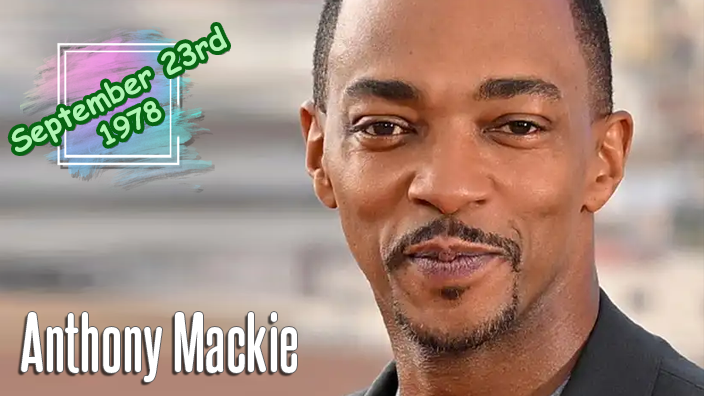
Anthony Mackie has spent his career demonstrating that being handed Captain America's shield is considerably more convincing when the fellow carrying it can actually act. Long before Marvel gave him wings, a high-tech suit and responsibility for an extremely valuable piece of circular government property, Mackie had built an impressive career across theater, independent film, major Hollywood productions and television.
September 23, 1978, in New Orleans, Louisiana
Trivia
- He trained at the Juilliard School.
- His first feature film was 8 Mile.
- He won an Obie Award for his stage work.
- He appeared in Best Picture winner The Hurt Locker.
- Mackie portrayed Tupac Shakur in Notorious.
- He debuted as Falcon in 2014.
- Sam Wilson later became Captain America.
- Details
- Category: Celebrity Birthdays - September
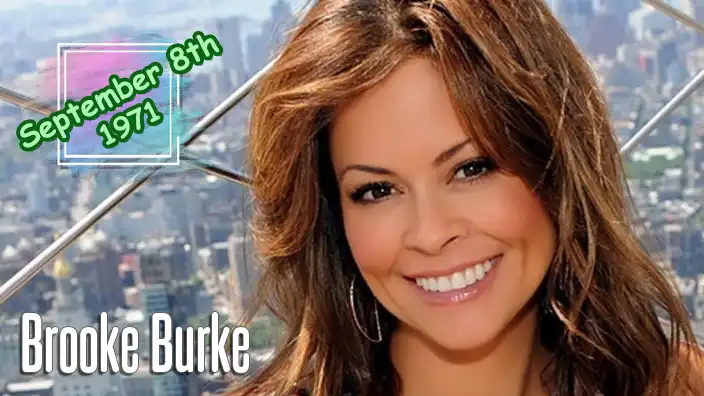
Brooke Burke is an American television personality, model, and fitness entrepreneur who has made a career of looking remarkably composed while hosting live television, raising four children, and encouraging the rest of us to exercise. Best known for Wild On!, Rock Star, and Dancing with the Stars, she has moved from travel television to the ballroom and beyond. She also has the rare distinction of winning a dance competition and then returning to host it—rather like winning the office raffle and being asked to run the company.
September 8, 1971, in Hartford, Connecticut
Trivia
- She hosted Wild On! from 1999 to 2002.
- She won Dancing with the Stars with Derek Hough.
- She later co-hosted eight seasons of the show.
- She is the mother of four children.
- She became the host of Penn & Teller: Fool Us in 2023.
- Details
- Category: Celebrity Birthdays - September
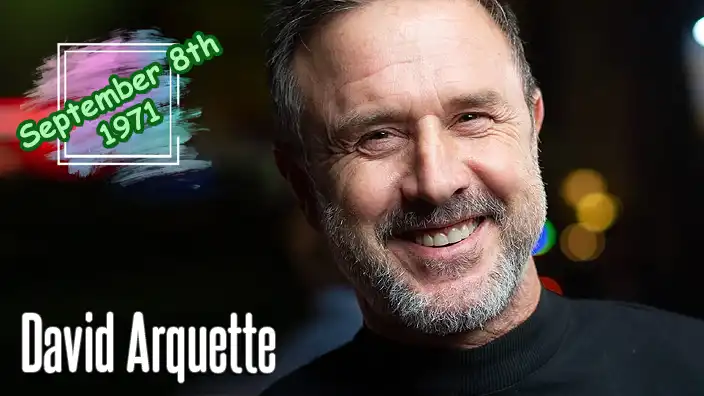
David Arquette is an American actor who has spent much of his career proving that a lovable, slightly bewildered deputy can survive almost anything Hollywood throws at him. Best known as Dewey Riley in the Scream franchise, he has also been a wrestler, producer, director, and occasional professional troublemaker. His career has included horror, comedy, and a wrestling championship that still makes sports fans argue over their coffee.
September 8, 1971 in Bentonville, Virginia
Trivia
- His grandfather was entertainer Cliff Arquette.
- Dewey Riley was originally supposed to die in Scream.
- He met Courteney Cox while filming Scream.
- He won the WCW World Heavyweight Championship in 2000.
- He directed the horror film The Tripper.
- His wrestling comeback became a 2020 documentary.
- Details
- Category: Celebrity Birthdays - September
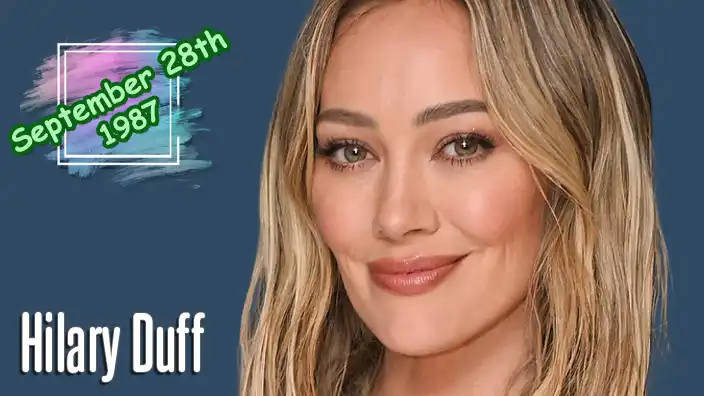
Hilary Duff went from worrying about homework as Lizzie McGuire to worrying about publishing deadlines in Younger, with a successful pop career squeezed rather inconveniently between the two. Actress, singer, producer, author and former Disney phenomenon, Duff somehow survived teenage stardom and emerged on the other side with both a career and a sense of humor intact.
September 28, 1987, in Houston, Texas
Trivia
- She trained in ballet as a child.
- Her first starring film was Casper Meets Wendy.
- Metamorphosis topped the Billboard 200.
- She played both Lizzie and Isabella in The Lizzie McGuire Movie.
- Duff appeared in all seven seasons of Younger.
- Details
- Category: Celebrity Birthdays - September
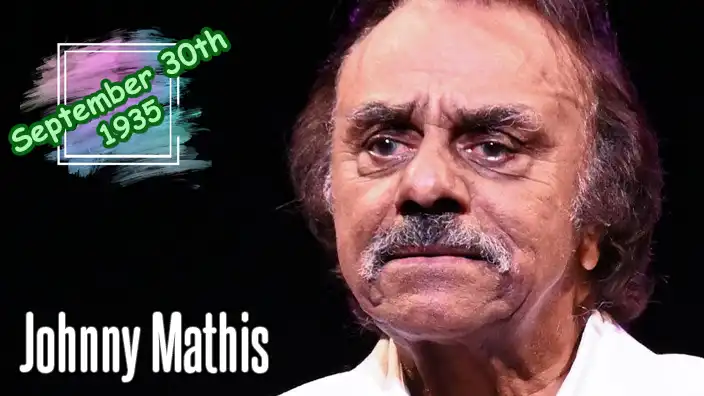
Johnny Mathis has spent decades singing about romance in a voice so smooth that merely playing one of his records has probably resulted in engagements, marriages and at least a few people wondering why somebody suddenly dimmed the lights.
September 30, 1935, in Gilmer, Texas
Trivia
- He was an outstanding collegiate high jumper.
- He signed with Columbia Records in the 1950s.
- “Chances Are” reached No. 1 in 1957.
- Johnny's Greatest Hits charted for 490 consecutive weeks.
- “Misty” became one of his signature recordings.
- He received a Grammy Lifetime Achievement Award.
- Details
- Category: Celebrity Birthdays - September
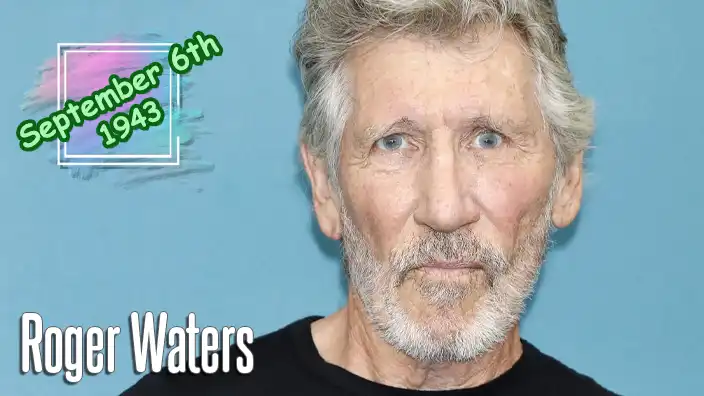
Roger Waters is the co-founder, bassist, vocalist and principal lyricist who helped transform Pink Floyd from a psychedelic London band into one of the biggest names in rock history. Behind The Dark Side of the Moon, Wish You Were Here, Animals and The Wall was a musician fascinated by war, isolation, madness and society's shortcomings. Cheerful little subjects, admittedly, but they sold an extraordinary number of records.
September 6, 1943, in Great Bookham, England
Trivia
- Waters originally studied architecture in London.
- He co-founded Pink Floyd in the 1960s.
- He wrote all the lyrics for The Dark Side of the Moon.
- His father was killed at Anzio in 1944.
- Waters conceived the original idea for The Wall.
- He left Pink Floyd in 1985.
- Details
- Category: Celebrity Birthdays - September
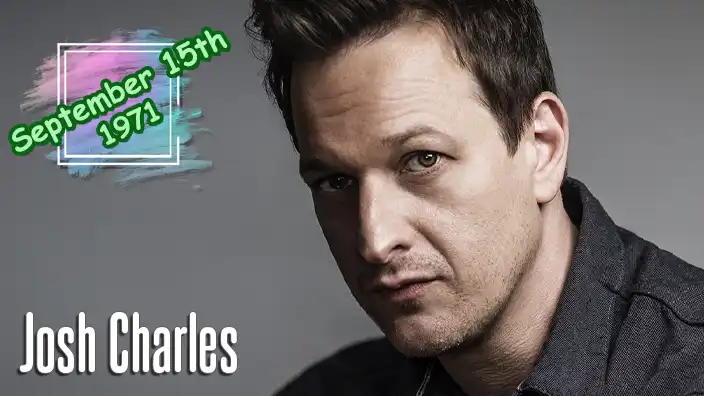
Josh Charles has spent decades being the sort of actor audiences recognize immediately, even when they need a moment to remember where they first saw him. Perhaps it was Dead Poets Society, Sports Night or The Good Wife. Wherever it happened, Charles has built a remarkably durable career playing intelligent, complicated men who generally seem perfectly composed until somebody introduces romance, ambition, ethics or Aaron Sorkin dialogue into the room.
September 15, 1971, in Baltimore, Maryland
Trivia
- Charles began performing comedy at nine.
- He attended the Baltimore School for the Arts.
- His early films included Hairspray and Dead Poets Society.
- He played Dan Rydell on Sports Night.
- Will Gardner earned him two Emmy nominations.
- Details
- Category: Celebrity Birthdays - September
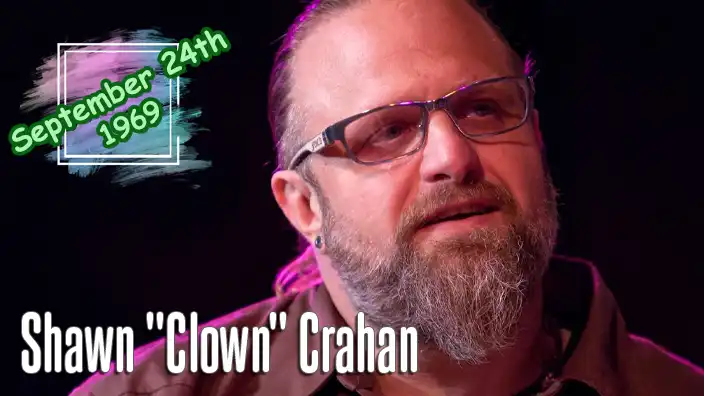
Shawn “Clown” Crahan helped turn nine masked musicians from Iowa into one of heavy metal’s most recognizable bands, armed with percussion, visual imagination and the perfectly reasonable belief that drums occasionally need to be attacked from several directions at once.
September 24, 1969, in Des Moines, Iowa
Trivia
- Slipknot fans know him as “Clown” and #6.
- He co-founded Slipknot in Des Moines, Iowa.
- He has kept his original clown mask.
- Crahan is also a photographer and visual artist.
- He formed the side project To My Surprise.
- He directed the feature film Officer Downe.
- Details
- Category: Celebrity Birthdays - September
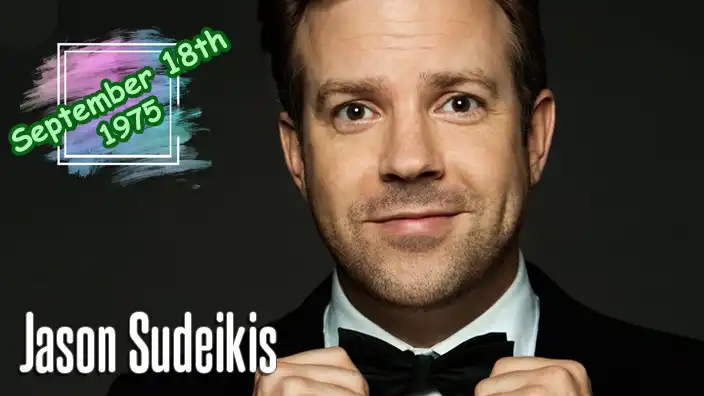
Jason Sudeikis was born on this day, giving us an excellent excuse to celebrate the comedian, writer and actor who went from improvisational comedy and Saturday Night Live to becoming the relentlessly optimistic football coach the world didn't know it needed. As Ted Lasso, Sudeikis proved that a mustache, a box of biscuits and an almost alarming quantity of kindness can apparently conquer television—and occasionally even football.
September 18, 1975, in Fairfax, Virginia
Trivia
- He attended college on a basketball scholarship.
- Sudeikis began at SNL as a writer.
- He portrayed both Joe Biden and Mitt Romney on SNL.
- Ted Lasso began in NBC Sports promotional videos.
- He is the nephew of Cheers actor George Wendt.
- He has won four Primetime Emmy Awards.
- Details
- Category: Celebrity Birthdays - September
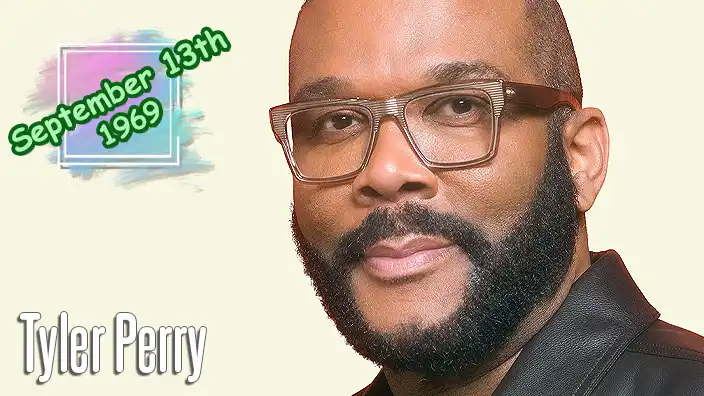
Tyler Perry built an entertainment empire by doing something Hollywood traditionally finds rather alarming: owning his work. Writer, director, producer, actor, playwright, studio owner, philanthropist, and the six-foot-something man underneath Madea's wig, Perry turned a struggling stage production into a billion-dollar business—and discovered that an armed grandmother with absolutely no patience for foolishness could be an exceptionally sound investment.
September 13, 1969, in New Orleans, Louisiana
Trivia
- His first play premiered in 1992.
- Madea began as a stage character.
- Diary of a Mad Black Woman opened at number one.
- He plays Madea, Joe, and Brian.
- Tyler Perry Studios covers more than 330 acres.
- He received the 2020 Television Academy Governors Award.
- He received the Jean Hersholt Humanitarian Award in 2021.
- Details
- Category: Celebrity Birthdays - September
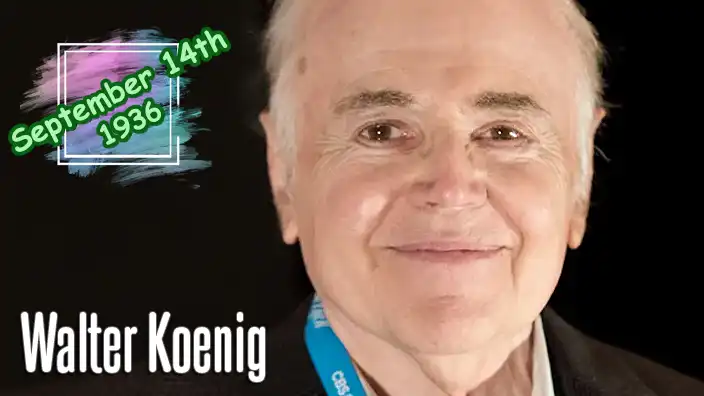
Walter Koenig spent nearly six decades entertaining audiences, navigating the USS Enterprise, frightening the inhabitants of Babylon 5, and proving that a Russian accent could make the words "nuclear wessels" immortal. Best remembered as Ensign Pavel Chekov in Star Trek, Koenig died on October 25, 2026, leaving behind an extraordinary career in television, film, theater, and writing. His final mission may have ended, but his place in science-fiction history is assured.
September 14, 1936, in Chicago, Illinois
October 25, 2026, in North Hollywood, Los Angeles
Trivia
- He originally studied pre-medicine before switching paths.
- He earned a psychology degree from UCLA.
- Chekov joined Star Trek during its second season.
- Koenig wrote an episode of Star Trek: The Animated Series.
- He played villain Alfred Bester on Babylon 5.
- He received a Hollywood Walk of Fame star in 2012.
- Details
- Category: Celebrity Birthdays - September
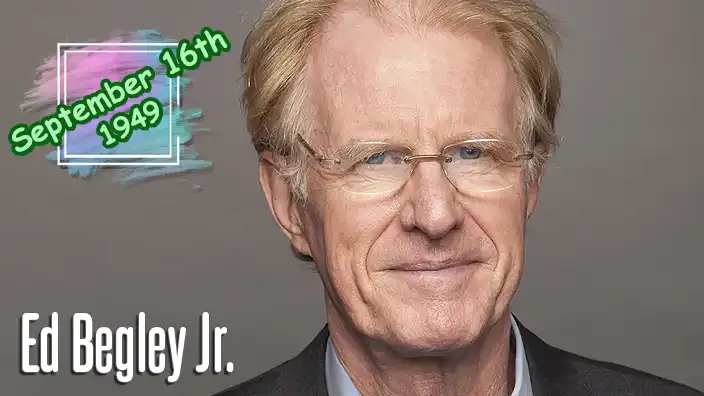
Ed Begley Jr. is one of those actors who makes you point at the screen and say, "I know that guy!"—and with hundreds of credits, you're probably right. From St. Elsewhere to Christopher Guest's mockumentaries, Begley has spent decades being reliably funny, dramatically convincing and environmentally conscious enough to make the rest of Hollywood quietly check its recycling bin.
September 16, 1949, in Los Angeles, California
Trivia
- His first acting work came in the 1960s.
- St. Elsewhere earned him six consecutive Emmy nominations.
- He played the hotel manager in Best in Show.
- Begley has worked repeatedly with Christopher Guest.
- His environmental activism began around 1970.
- Details
- Category: Celebrity Birthdays - September
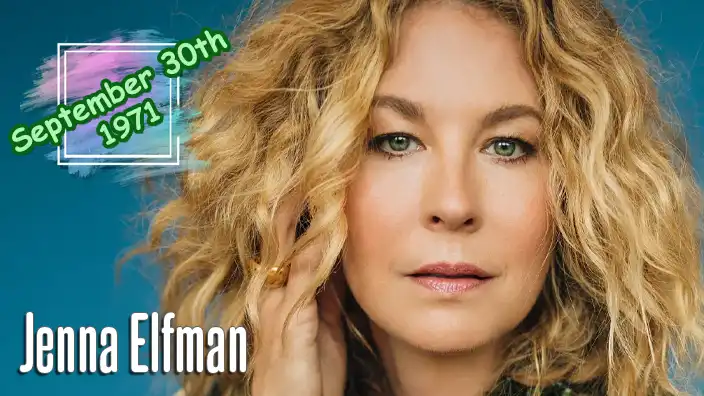
Jenna Elfman turned free-spirited spontaneity into a television career, proving that marrying a complete stranger on the first date can work beautifully—as long as you're in a hit sitcom and the writers have another 118 episodes to sort out the consequences.
September 30, 1971, in Los Angeles, California
Trivia
- She danced during the 1991 Academy Awards broadcast.
- She appeared in music videos before becoming an actress.
- Dharma & Greg ran for 119 episodes.
- She won a Golden Globe for playing Dharma.
- She later traded sitcom chaos for zombies in Fear the Walking Dead.
From Our Marks Catelog
-

On the morning of September 11, 2001, the world stood still as unimaginable terror unfolded in the...
-

If common sense were sold in stores, it would probably be right next to the batteries—something everyone...
-
Sugar—the tiny, sweet granules that can turn the most disciplined of us into dessert-hunting...
-
In celebration of National Camp Day, a group of enthusiastic campers decides to hold a "Wilderness...
-

Firefighters are the rare breed of heroes who willingly charge into blazing chaos while the rest of us...
-
There are few moments in life as full of promise as standing at the edge of a buffet line with an...

