Celebrity Birthdays - September
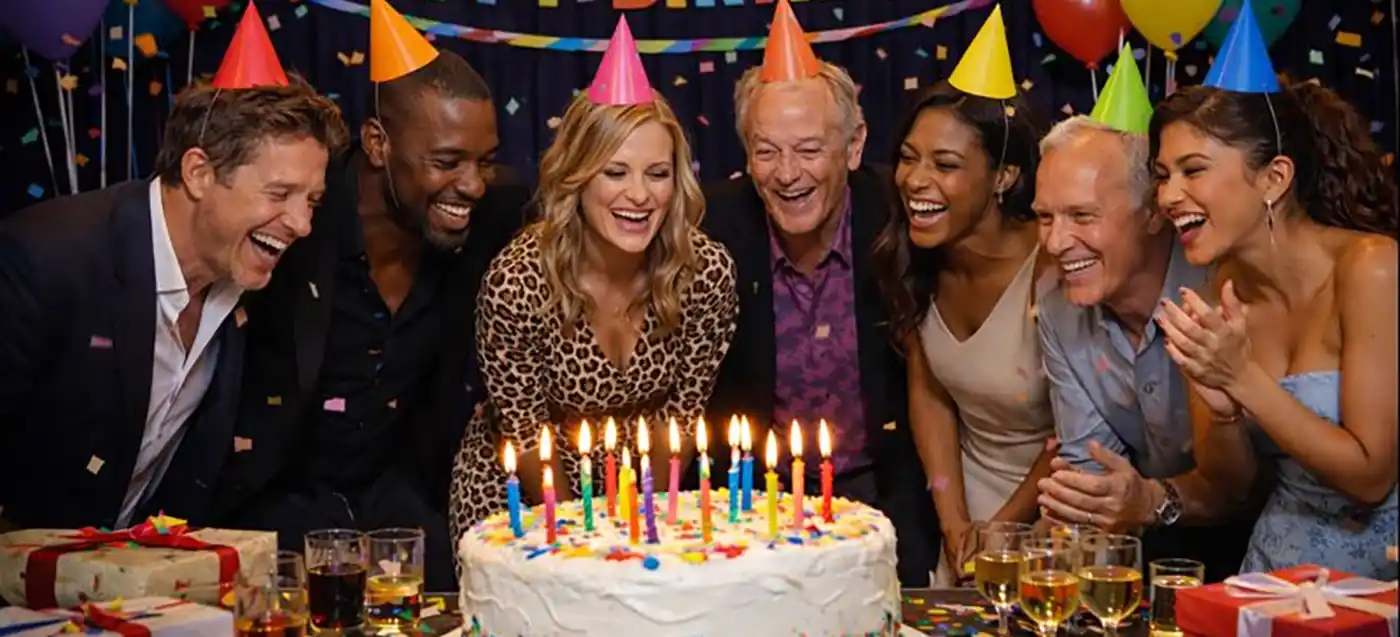
September birthday people are the overachievers of the zodiac — they show up just as the world is getting serious again. New pencils, fresh notebooks, and a whole month to remind us they were born ready.
Let’s honor the folks who make fall feel exciting. They’re the first crisp breeze after a long summer — refreshing and full of possibility.
- Details
- Category: Celebrity Birthdays - September
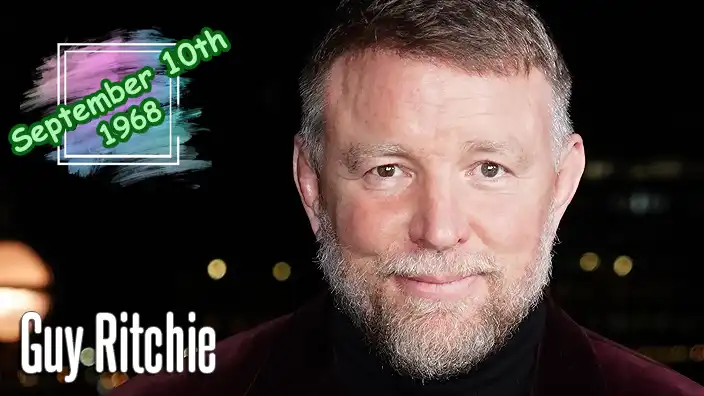
Guy Ritchie has made a career out of proving that a criminal plan can be both brilliantly complicated and catastrophically stupid, preferably within the same five minutes. The British director behind Lock, Stock and Two Smoking Barrels and Snatch is celebrated for his sharp dialogue, interlocking plots, stylish action, and characters who really ought to have read the small print before agreeing to anything. Born on September 10, he has turned the British underworld into a cinematic playground where everyone has a nickname, nobody has a straightforward job, and a perfectly ordinary conversation can suddenly involve a shotgun.
 September 10, 1968, in Hatfield, England

Trivia
- His first feature was Lock, Stock and Two Smoking Barrels.
- He helped launch Jason Statham’s film career.
- Brad Pitt played Mickey O’Neil in Snatch.
- He directed both Robert Downey Jr. Sherlock Holmes films.
- His live-action Aladdin earned over $1 billion worldwide.
- He holds a black belt in Brazilian jiu-jitsu.
- Details
- Category: Celebrity Birthdays - September
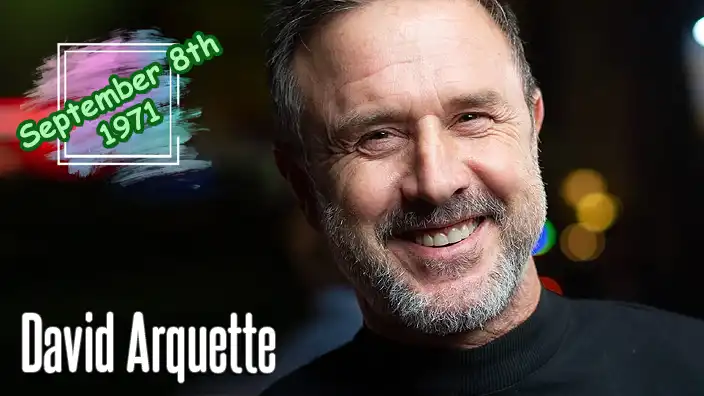
David Arquette is an American actor who has spent much of his career proving that a lovable, slightly bewildered deputy can survive almost anything Hollywood throws at him. Best known as Dewey Riley in the Scream franchise, he has also been a wrestler, producer, director, and occasional professional troublemaker. His career has included horror, comedy, and a wrestling championship that still makes sports fans argue over their coffee.
September 8, 1971 in Bentonville, Virginia
Trivia
- His grandfather was entertainer Cliff Arquette.
- Dewey Riley was originally supposed to die in Scream.
- He met Courteney Cox while filming Scream.
- He won the WCW World Heavyweight Championship in 2000.
- He directed the horror film The Tripper.
- His wrestling comeback became a 2020 documentary.
- Details
- Category: Celebrity Birthdays - September
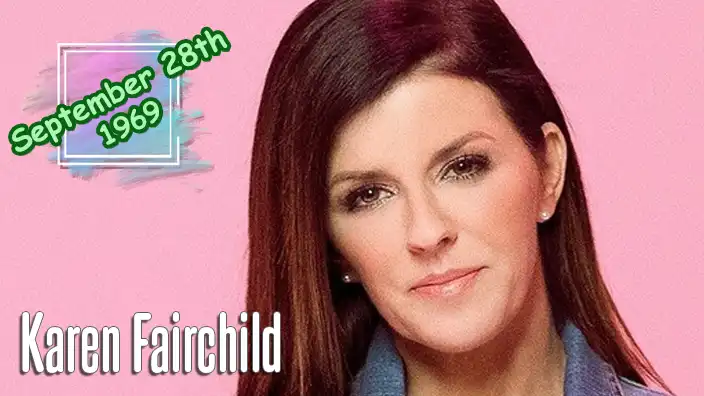
Karen Fairchild helped build Little Big Town on four voices, close harmonies and the apparently radical idea that everybody in the band should occasionally get the microphone. From “Boondocks” and “Pontoon” to her unforgettable lead on “Girl Crush,” Fairchild has helped turn a patient Nashville beginning into one of country music's most enduring group careers.
 September 28, 1969, in Gary, Indiana
Trivia
- Fairchild attended Samford University.
- She previously sang with the group Truth.
- She married bandmate Jimi Westbrook.
- She sings lead on “Girl Crush.”
- Little Big Town joined the Opry in 2014.
- She launched the Fair Child clothing line.
- Details
- Category: Celebrity Birthdays - September
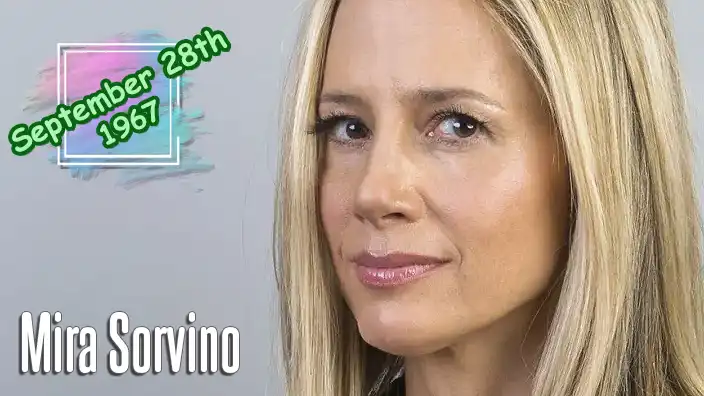
Mira Sorvino won an Academy Award playing a cheerfully talkative prostitute in Mighty Aphrodite, became gloriously clueless in Romy and Michele's High School Reunion, and somehow found time beforehand to graduate from Harvard. Actress, activist and daughter of Paul Sorvino, she has spent a career proving that being underestimated can be remarkably useful.
September 28, 1967, in New York City
Trivia
- Mira graduated magna cum laude from Harvard.
- She studied in Beijing.
- Sorvino speaks Mandarin Chinese.
- She won an Oscar for Mighty Aphrodite.
- She portrayed Marilyn Monroe in 1996.
- Romy claimed to have invented Post-it Notes.
- She became a UN goodwill ambassador in 2009.
- Details
- Category: Celebrity Birthdays - September
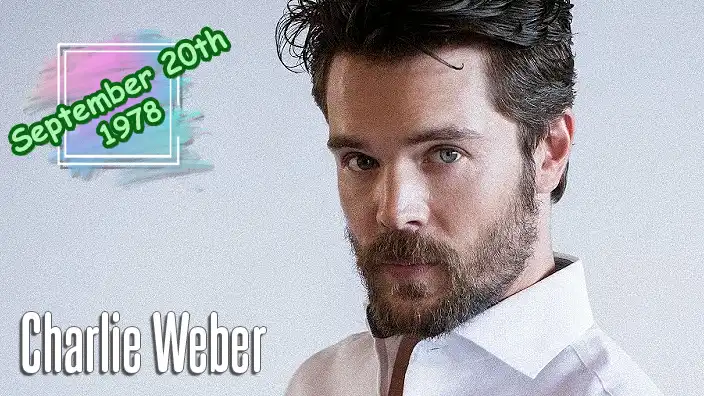
Charlie Weber has spent much of his acting career looking like a perfectly reasonable man who knows considerably more than he is prepared to tell you. Best known as Frank Delfino on How to Get Away with Murder, Weber turned brooding, secrets, questionable decisions and the occasional extremely serious felony into six seasons of compelling television. Before Frank came along, however, Weber had already accumulated an impressive collection of television appearances — apparently preparing himself for the day when Viola Davis would need somebody capable of making a problem disappear.
September 20, 1978, in Jefferson City, Missouri
Trivia
- He studied at the Stella Adler Studio of Acting.
- He modeled for Abercrombie & Fitch.
- He played Ben on Buffy the Vampire Slayer.
- He appeared in all three CSI series.
- He voiced Staff Sergeant Dunn in Battlefield 4.
- Details
- Category: Celebrity Birthdays - September
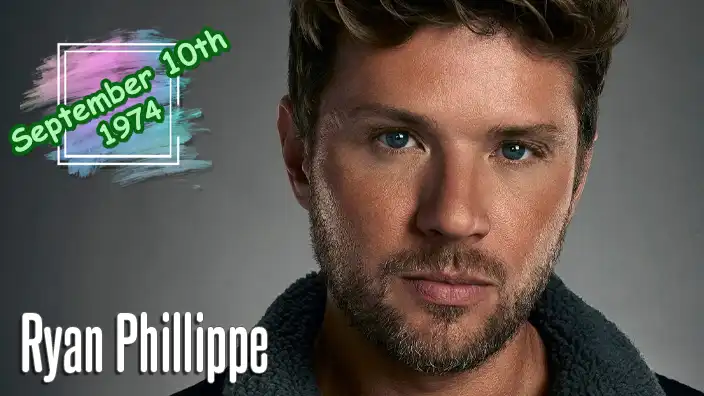
Ryan Phillippe became one of Hollywood’s most recognizable young stars by playing characters who were handsome, complicated, and occasionally in desperate need of better judgment. From the murderous secrets of I Know What You Did Last Summer to the scandalous games of Cruel Intentions, he helped define a memorable era of late-1990s cinema before moving into war dramas, independent films, and television. Born on September 10, he has built a career that proves there is considerably more to acting than looking good while making questionable decisions—although Hollywood has certainly asked him to do that a few times.
September 10, 1974, in New Castle, Delaware
Trivia
- He was discovered by a casting agent at a barbershop.
- He played Billy Douglas on One Life to Live.
- His breakthrough horror film was I Know What You Did Last Summer.
- He starred opposite Reese Witherspoon in Cruel Intentions.
- He played a Navy corpsman in Flags of Our Fathers.
- He portrayed Bob Lee Swagger in the series Shooter.
- Details
- Category: Celebrity Birthdays - September
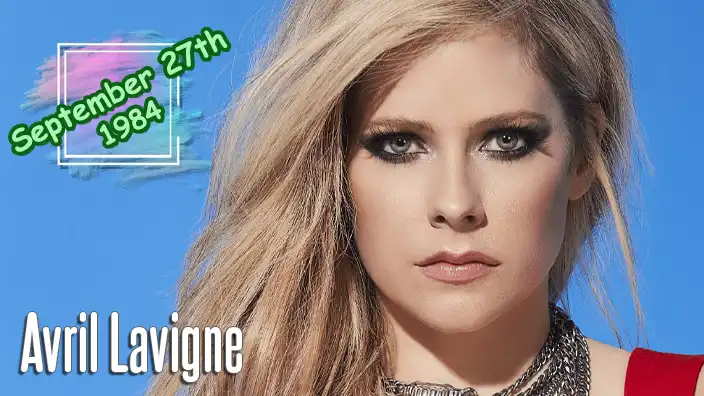
Avril Lavigne arrived in popular music wearing baggy clothes, a necktie and an expression suggesting she had absolutely no intention of joining the polished pop princess department. With “Complicated” and “Sk8er Boi,” the Canadian singer-songwriter helped put pop-punk attitude onto mainstream radio and became one of the defining young performers of the early 2000s.
September 27, 1984, in Belleville, Canada
Trivia
- She began singing publicly as a child.
- She once performed onstage with Shania Twain.
- Let Go was her debut album.
- “Girlfriend” reached No. 1 on the Billboard Hot 100.
- She voiced Heather in Over the Hedge.
- Abbey Dawn began as her fashion brand.
- She founded The Avril Lavigne Foundation.
- Details
- Category: Celebrity Birthdays - September
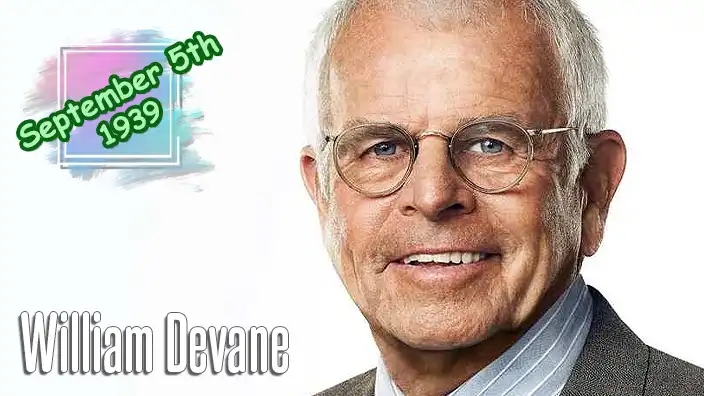
William Devane has spent decades playing presidents, politicians, wealthy businessmen and powerful men who look as though they already know how the meeting is going to end. Best remembered as Greg Sumner on Knots Landing and Secretary of Defense James Heller on 24, Devane built a remarkably durable career by making authority, intelligence and just a hint of trouble look completely natural.
September 5, 1939, in Albany, New York
Trivia
- Devane studied at the American Academy of Dramatic Arts.
- He portrayed President John F. Kennedy.
- He joined Knots Landing in 1983.
- Greg Sumner became one of his signature roles.
- He played James Heller on 24.
- Devane appeared in Interstellar.
- Details
- Category: Celebrity Birthdays - September
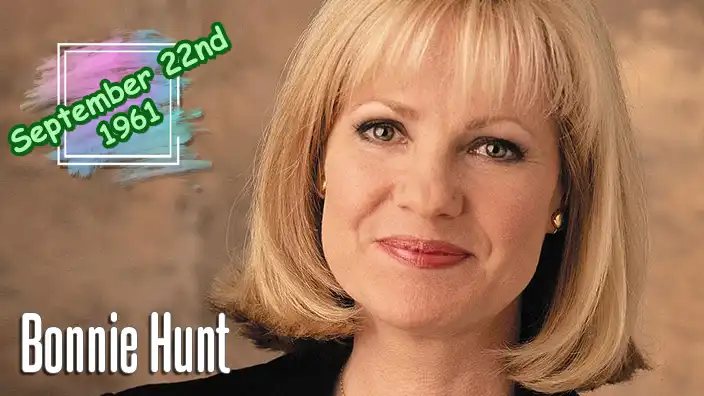
Bonnie Hunt has spent decades making movies warmer, funnier and considerably more human, whether she is dealing with a chaotic family, keeping Jerry Maguire grounded or speaking through an animated automobile. Before Hollywood, however, she was an oncology nurse in Chicago—which presumably made surviving show business seem relatively straightforward.
September 22, 1961, in Chicago, Illinois
Trivia
- She performed with Chicago's Second City.
- Her film debut was in Rain Man.
- She played Sarah Whittle in Jumanji.
- She wrote and directed Return to Me.
- She played Kate Baker in Cheaper by the Dozen.
- She voices Sally Carrera in the Cars films.
- Details
- Category: Celebrity Birthdays - September
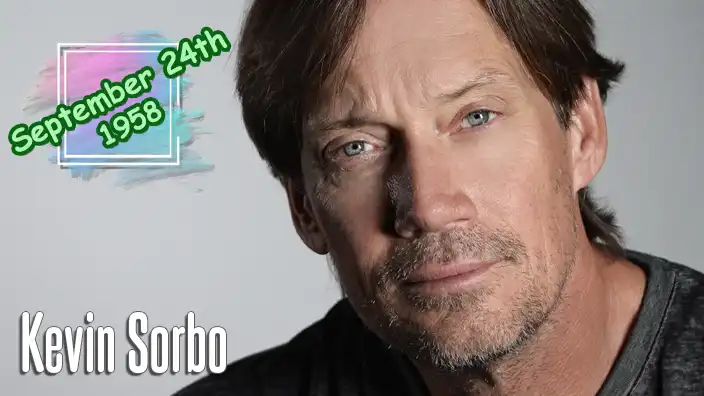
Kevin Sorbo became television’s Hercules by battling monsters, gods and an impressive quantity of New Zealand scenery before swapping ancient Greece for outer space in Andromeda. Apparently, once you have played a demigod, commanding a starship is simply sensible career progression.
September 24, 1958, in Mound, Minnesota
Trivia
- Sorbo appeared in more than 150 commercials.
- He was considered for TV's Superman.
- He directed episodes of Hercules.
- He starred in all five seasons of Andromeda.
- He played Kull in Kull the Conqueror.
- He met future wife Sam on Hercules.
- Details
- Category: Celebrity Birthdays - September
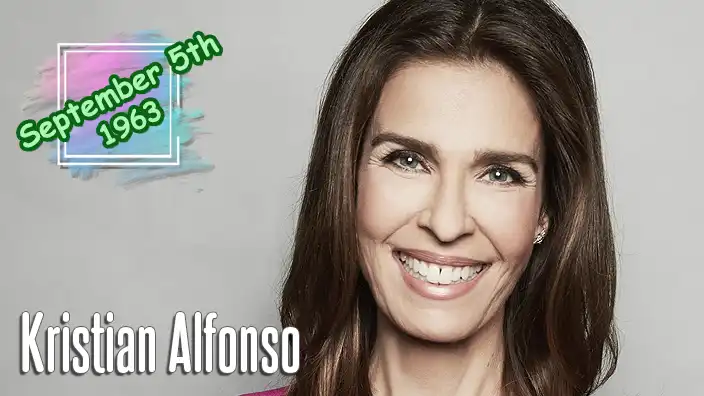
Kristian Alfonso became one of daytime television’s most familiar faces as Hope Williams Brady on Days of Our Lives, where she found romance, raised a family, investigated crimes, survived assorted disasters and discovered that being presumed dead is sometimes merely an inconvenient interruption to the working week. After decades in Salem, Hope and Alfonso became inseparable parts of American soap opera history.
September 5, 1963, in Brockton, Massachusetts
Trivia
- Alfonso trained as a competitive figure skater.
- An accident ended her skating career.
- She became a successful teenage model.
- She first played Hope Brady in 1983.
- Hope and Bo married on screen in 1985.
- Alfonso also appeared on Falcon Crest.
- She later created her own jewelry line.
- Details
- Category: Celebrity Birthdays - September
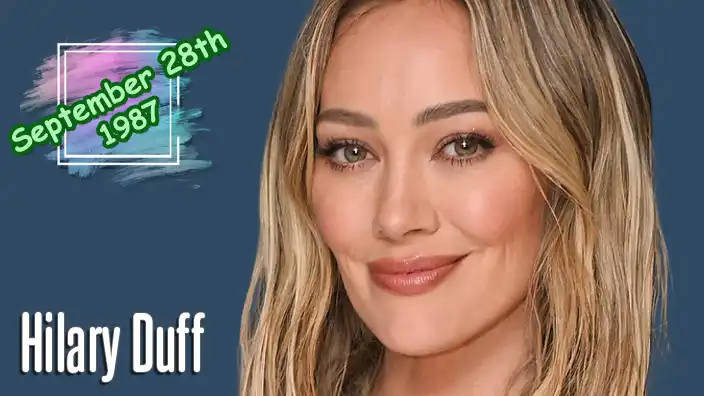
Hilary Duff went from worrying about homework as Lizzie McGuire to worrying about publishing deadlines in Younger, with a successful pop career squeezed rather inconveniently between the two. Actress, singer, producer, author and former Disney phenomenon, Duff somehow survived teenage stardom and emerged on the other side with both a career and a sense of humor intact.
September 28, 1987, in Houston, Texas
Trivia
- She trained in ballet as a child.
- Her first starring film was Casper Meets Wendy.
- Metamorphosis topped the Billboard 200.
- She played both Lizzie and Isabella in The Lizzie McGuire Movie.
- Duff appeared in all seven seasons of Younger.
- Details
- Category: Celebrity Birthdays - September
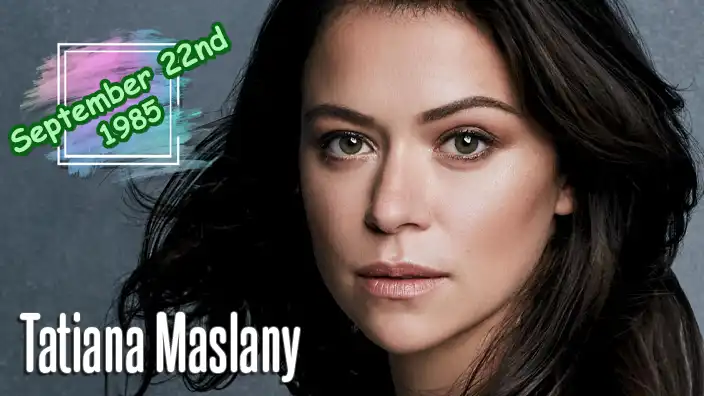
Tatiana Maslany proved that hiring one actress to play half the cast can work beautifully, provided the actress happens to be Tatiana Maslany. After Orphan Black, playing both Jennifer Walters and She-Hulk must have seemed suspiciously like a light afternoon.
September 22, 1985, in Regina, Canada
Trivia
- She competed in the Canadian Improv Games.
- Orphan Black ran for five seasons.
- She won her Primetime Emmy in 2016.
- She played young Maria Altmann in Woman in Gold.
- She portrayed Sister Alice in Perry Mason.
- She joined the MCU as Jennifer Walters/She-Hulk.

- Details
- Category: Celebrity Birthdays - September
Tyler Hoechlin has enjoyed one of Hollywood's more unusual career paths: promising baseball player, Tom Hanks' screen son, brooding werewolf, college baseball captain, romantic lead, and eventually Superman. Apparently, once you've spent several seasons turning into a werewolf, putting on a cape and flying around Metropolis seems like a perfectly reasonable career move.
September 11, 1987, in Corona, California
Trivia
- Beat more than 2,000 actors for Road to Perdition.
- Played college baseball at Arizona State and UC Irvine.
- Turned down Twilight to continue playing baseball.
- Won a Saturn Award for Road to Perdition.
- Won a Teen Choice Award for Teen Wolf.
- Was reportedly offered Superman without auditioning.
- Voices Sephiroth in the modern Final Fantasy VII games.
- Details
- Category: Celebrity Birthdays - September
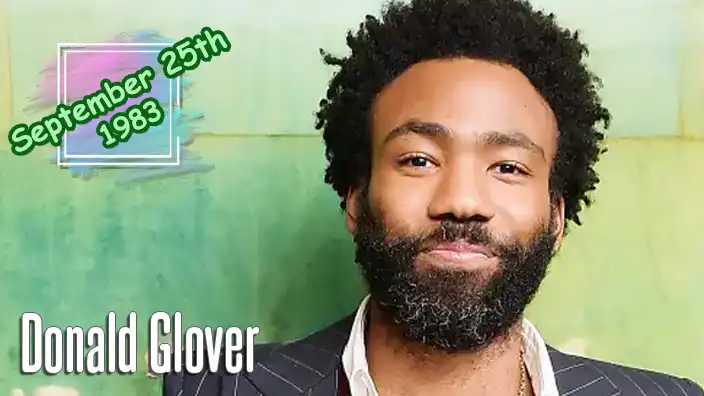
Donald Glover is what happens when one person looks at acting, comedy, television writing, directing, producing and music and decides that choosing a single career sounds unnecessarily restrictive. As the creator and star of Atlanta, the rapper and singer known as Childish Gambino, and the man trusted with Lando Calrissian's cape, Glover has spent his career demonstrating an alarming unwillingness to remain in one professional lane.
September 25, 1983, at Edwards Air Force Base, California
Trivia
- Graduated from NYU with a degree in dramatic writing.
- Began his television career writing for 30 Rock.
- Childish Gambino came from an online Wu-Tang name generator.
- He is not related to actor Danny Glover.
- Played Troy Barnes on Community.
- Portrayed a young Lando Calrissian in Solo.
- Details
- Category: Celebrity Birthdays - September
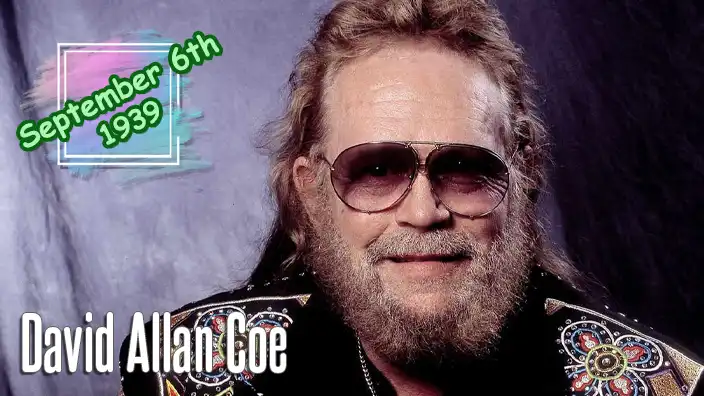
David Allan Coe was an outlaw country singer who didn't merely cultivate a rebellious reputation—he spent decades making sure nobody could possibly mistake him for the fellow who came to Nashville to play nicely. Prison, rhinestones, motorcycles, controversy, country classics and enough outrageous stories to keep several biographers employed all became part of the Coe legend. Somewhere beneath all that noise, however, was a remarkably gifted songwriter whose words helped define outlaw country music.
September 6, 1939, in Akron, Ohio
 April 29, 2026, in Akron, Ohio
Trivia
- His debut album was Penitentiary Blues.
- Tanya Tucker had a major hit with a song Coe wrote.
- He wrote Johnny Paycheck's “Take This Job and Shove It.”
- “Mona Lisa Lost Her Smile” reached No. 2 on the country chart.
- He recorded “Tennessee Whiskey” years before Chris Stapleton.
- Coe collaborated with members of Pantera on Rebel Meets Rebel.
- Details
- Category: Celebrity Birthdays - September
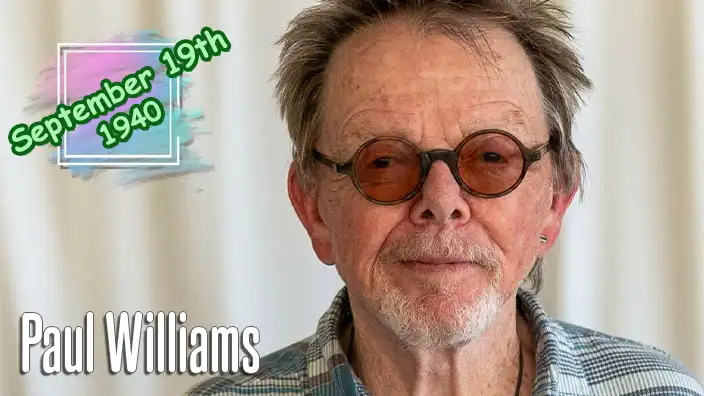
Paul Williams is an American songwriter, singer, composer and actor whose songs have been performed by everyone from the Carpenters and Barbra Streisand to Kermit the Frog. Add an Oscar, Grammys, a villainous turn in Phantom of the Paradise, Little Enos in Smokey and the Bandit and a collaboration with Daft Punk, and you begin to suspect Williams has simply been collecting careers while the rest of us weren't looking.
September 19, 1940, in Omaha, Nebraska
Trivia
- He played Virgil in Battle for the Planet of the Apes.
- He played Little Enos in the Smokey and the Bandit films.
- He wrote the lyrics for The Love Boat theme.
- He co-wrote “Rainbow Connection.”
- He collaborated with Daft Punk on Random Access Memories.
- Details
- Category: Celebrity Birthdays - September
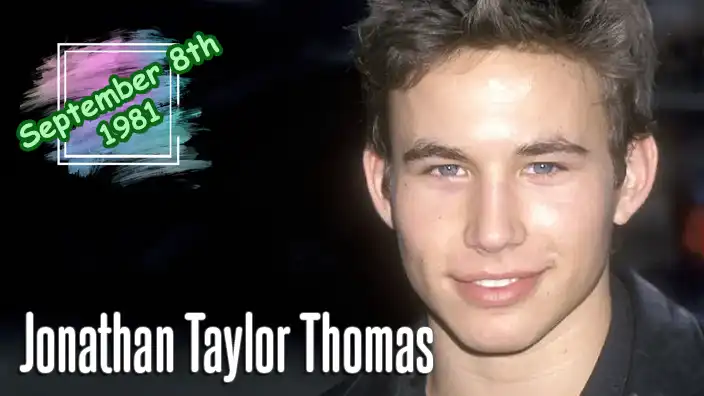
Jonathan Taylor Thomas is an American actor who became a 1990s teen idol while playing Randy Taylor on Home Improvement and voicing young Simba in The Lion King. He then did something rather unusual for a Hollywood star: he stepped away from the spotlight to pursue his education and a quieter life. Apparently, not everyone who grows up on television wants to spend the rest of their days being asked to make the same face for the camera.
September 8, 1981, in Bethlehem, Pennsylvania
Trivia
- He began modeling at seven years old.
- He voiced young Simba in The Lion King.
- He played Tom Sawyer in Tom and Huck.
- He studied at Harvard and St Andrews.
- He graduated from Columbia in 2010.
- He directed three episodes of Last Man Standing.
- Details
- Category: Celebrity Birthdays - September
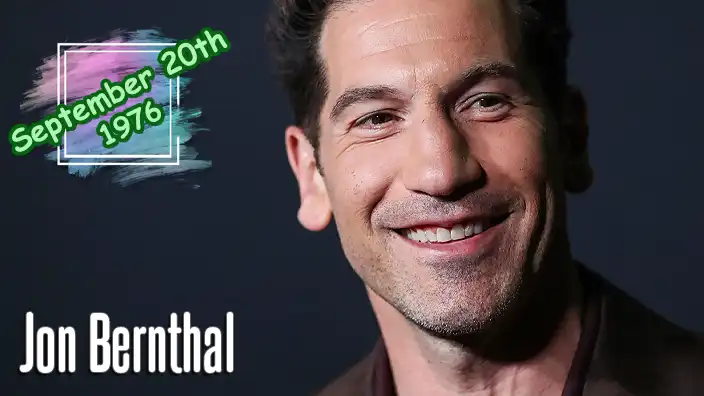
Jon Bernthal has built a remarkable career playing men who appear to have had a very bad morning and would strongly advise everyone else not to make it worse. From volatile Shane Walsh in The Walking Dead and relentless Frank Castle in The Punisher to troubled Mikey Berzatto in The Bear, Bernthal brings an intensity that can make an ordinary conversation feel as though somebody should quietly move the breakable furniture out of the room.
September 20, 1976, in Washington, D.C.
Trivia
- He studied acting at the Moscow Art Theatre School.
- He played baseball while living in Russia.
- He has performed in more than 30 stage productions.
- Shane Walsh was his breakthrough role.
- He first played Frank Castle in Daredevil.
- He portrayed tennis coach Rick Macci in King Richard.
- The Bear earned him a Primetime Emmy Award.
- Details
- Category: Celebrity Birthdays - September
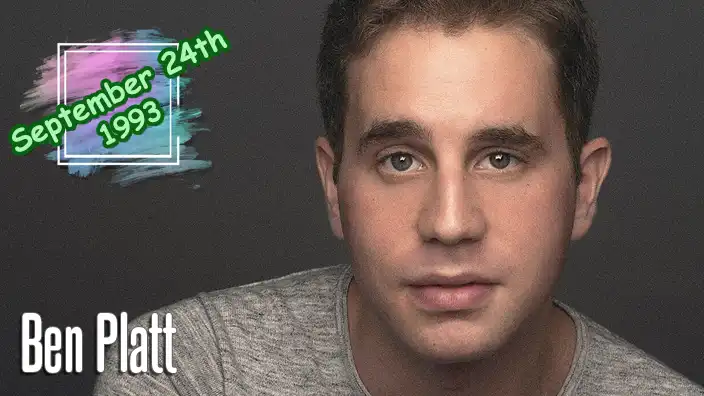
Ben Platt conquered Broadway with Dear Evan Hansen, survived the competitive vocal battlefield of Pitch Perfect, and built a career in which bursting into song is not only acceptable but frequently rewarded with standing ovations and shiny trophies.
September 24, 1993, in in Los Angeles, California
Trivia
- Platt played Benji in two Pitch Perfect films.
- He originated Evan Hansen on Broadway.
- He won a Tony for Dear Evan Hansen.
- His debut album was Sing to Me Instead.
- He co-wrote and starred in Theater Camp.
- He married actor Noah Galvin in 2024.
- Details
- Category: Celebrity Birthdays - September
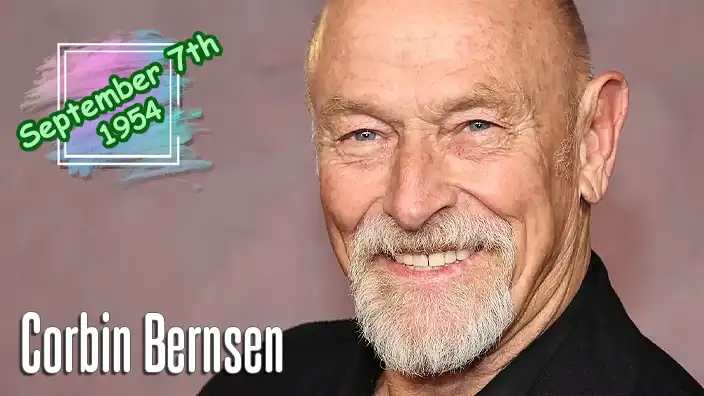
Corbin Bernsen celebrates his birthday on September 7, and the L.A. Law and Psych actor has spent decades proving that a good television career can survive courtroom battles, dysfunctional detectives and even the Cleveland Indians. From Arnie Becker to Henry Spencer, Bernsen has become one of those familiar faces who seems to have been visiting our televisions forever.
September 7, 1954, in North Hollywood, California
Trivia
- He earned two degrees from UCLA.
- Arnie Becker made him an L.A. Law star.
- He played Roger Dorn in Major League.
- He played Henry Spencer on Psych.
- He has written and directed several films.
- He has collected thousands of snow globes.
From Our Marks Catelog
-

On the morning of September 11, 2001, the world stood still as unimaginable terror unfolded in the...
-

If common sense were sold in stores, it would probably be right next to the batteries—something everyone...
-
Sugar—the tiny, sweet granules that can turn the most disciplined of us into dessert-hunting...
-
In celebration of National Camp Day, a group of enthusiastic campers decides to hold a "Wilderness...
-

Firefighters are the rare breed of heroes who willingly charge into blazing chaos while the rest of us...
-
There are few moments in life as full of promise as standing at the edge of a buffet line with an...

