September 27, 1947, in Dallas, Texas
 January 20, 2022, in Nashville, Tennessee
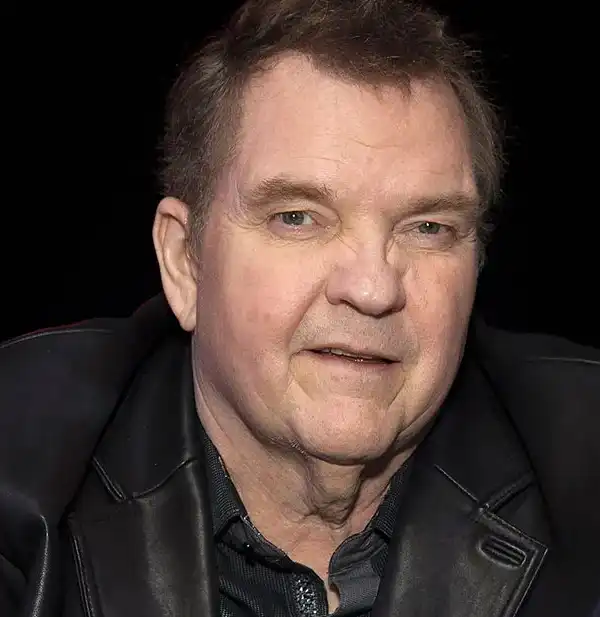
Born Marvin Lee Aday on September 27, 1947, in Dallas, Texas, the future Meat Loaf experienced a difficult childhood before leaving Texas and eventually establishing himself in Los Angeles. His remarkable stage name became part of his identity long before international fame arrived, although accounts of exactly how the nickname developed have varied over the years. What never required much explanation was his voice: large, theatrical and ideally suited to music in which ordinary emotional restraint had been politely shown the door.
After moving to California, Meat Loaf became involved with several bands and began establishing himself as a performer. His powerful voice soon led him toward musical theater, where the combination of singing and dramatic performance proved particularly well suited to his abilities. He appeared in productions of Hair, beginning a theatrical career that would eventually bring him into contact with some of the people who shaped his later success.
One important early recording came through a collaboration with singer Stoney Murphy. As Stoney & Meatloaf, the pair released an album for Motown's Rare Earth label in 1971. Although the record did not transform him into a major star, it provided professional recording experience and became a fascinating footnote once Meat Loaf's later success made practically everything he had recorded considerably more interesting.
Theater continued to occupy much of his attention. Meat Loaf appeared in stage productions including More Than You Deserve, written by Jim Steinman. The meeting between Meat Loaf and Steinman would become one of the most important partnerships in theatrical rock. Steinman wrote enormous songs filled with adolescent desire, motorcycles, darkness, melodrama, doomed romance and enough emotional catastrophe to keep an opera company busy. Meat Loaf possessed precisely the voice and personality required to make such excess sound entirely reasonable.
Before their most famous collaboration reached record stores, Meat Loaf acquired another lasting place in popular culture through The Rocky Horror Picture Show. Released in 1975, the film adaptation of the stage musical featured him as Eddie, the leather-clad former delivery boy who bursts from a freezer aboard a motorcycle and performs “Hot Patootie – Bless My Soul.” His visit does not end particularly well, but subtlety was clearly not among Eddie's immediate concerns.
The Rocky Horror Picture Show initially struggled commercially but gradually developed into one of cinema's most famous cult films, particularly through midnight screenings where audiences began dressing as characters, shouting responses at the screen and participating in elaborate rituals. Meat Loaf's Eddie became one of the film's most memorable characters despite his relatively limited screen time. It also demonstrated that his theatrical personality could work just as effectively on film as onstage.
Meanwhile, Meat Loaf and Steinman were trying to persuade the recording industry to take their musical ambitions seriously. The project that became Bat Out of Hell was repeatedly rejected by record companies. The songs were long, theatrical and difficult to categorize, while Meat Loaf looked and sounded nothing like the conventional rock frontman executives expected. Producer Todd Rundgren eventually became involved, and the album was recorded with musicians including members of Bruce Springsteen's E Street Band.
Released in 1977, Bat Out of Hell did not immediately become the unstoppable commercial phenomenon it eventually proved to be. The album's popularity grew gradually through touring, radio exposure and television performances. Once it began gathering momentum, however, it demonstrated an extraordinary refusal to stop selling.
The title track established the scale of the enterprise immediately. “Bat Out of Hell” was a sprawling miniature rock opera involving youthful desperation, reckless speed, romantic longing and a motorcycle crash. Steinman's writing treated teenage emotions as matters of cosmic importance, while Meat Loaf performed them accordingly. There was no suggestion that perhaps everybody involved might benefit from sitting quietly for a few minutes.
“Two Out of Three Ain't Bad” provided a more conventional ballad and became a major American hit, while “Paradise by the Dashboard Light” turned teenage romance into an eight-minute theatrical production. Meat Loaf shared vocals with Ellen Foley, while baseball broadcaster Phil Rizzuto supplied an increasingly suggestive play-by-play sequence. The song's romantic encounter eventually becomes a lifetime commitment regretted almost immediately, which perhaps explains why it has remained popular at weddings despite serving as an unusually explicit warning against making decisions in parked cars.
“You Took the Words Right Out of My Mouth (Hot Summer Night)” became another enduring song from the album. Together, the tracks turned Bat Out of Hell into one of the biggest-selling albums in popular music history. It remained on charts for extraordinary periods in several countries and ultimately sold tens of millions of copies worldwide. The album became particularly successful in Britain and Australia as well as North America, establishing Meat Loaf as an international rock star.
Success came with considerable pressure. Relentless touring, vocal problems and conflicts surrounding the follow-up to Bat Out of Hell complicated Meat Loaf's career. Steinman began work on material intended for another collaboration, but Meat Loaf was suffering serious vocal difficulties. Steinman ultimately recorded and released Bad for Good himself, while Meat Loaf returned with Dead Ringer in 1981. The album included the title duet with Cher and demonstrated that even when the original partnership was disrupted, Meat Loaf's audience remained substantial.
His recording career during the 1980s became considerably more uneven. Albums including Midnight at the Lost and Found, Bad Attitude and Blind Before I Stop produced dedicated fans and pockets of commercial success, particularly outside the United States, but nothing approached the phenomenon of Bat Out of Hell. Financial difficulties and professional disputes added to the problems. For many performers, this might have marked the gradual conclusion of the story.
Meat Loaf and Jim Steinman had other ideas.
The two reunited for Bat Out of Hell II: Back into Hell, released in 1993. Sixteen years after the original album, the sequel returned unapologetically to the enormous sound and theatrical storytelling that had defined their greatest success. Its lead single, “I'd Do Anything for Love (But I Won't Do That),” became a worldwide hit and introduced Meat Loaf to an entirely new generation.
The song reached No. 1 on the Billboard Hot 100 and topped charts around the world. Its famously mysterious “that” prompted decades of listeners to ask precisely what Meat Loaf refused to do. The answer is contained within the song's lyrics, where each promise is followed by a specific action he says he will not perform. This has not prevented the question from becoming one of popular music's most durable misunderstandings, presumably because seven-minute power ballads require a certain commitment from anyone conducting an investigation.
“I'd Do Anything for Love” earned Meat Loaf the Grammy Award for Best Rock Vocal Performance, Solo. Bat Out of Hell II became an enormous commercial success, completing one of rock music's more remarkable comebacks. Rather than merely revisiting his earlier work for nostalgia, Meat Loaf had returned to the same grand theatrical territory and once again found a massive contemporary audience.
His later albums included Welcome to the Neighborhood, Couldn't Have Said It Better and Bat Out of Hell III: The Monster Is Loose. The third Bat Out of Hell album was released in 2006, although complicated legal and professional circumstances meant Steinman was not directly involved in its production in the same manner as the earlier collaborations. Meat Loaf later reunited creatively with Steinman's material for Braver Than We Are, released in 2016.
Throughout his musical career, Meat Loaf continued acting. His unmistakable appearance and forceful personality made him an effective character actor, and he accumulated a remarkably varied filmography. He appeared in films including Roadie, Wayne's World, Spice World and Black Dog, frequently demonstrating a willingness to poke fun at his own larger-than-life image.
One of his best-known later film roles came in David Fincher's Fight Club in 1999. Meat Loaf played Robert “Bob” Paulson, a member of the support groups attended by Edward Norton's unnamed narrator who later joins Project Mayhem. The role gave Meat Loaf substantial dramatic material and introduced him to yet another audience. The solemn repetition of “His name is Robert Paulson” became one of the film's most recognizable lines.
His performances were physically demanding, and health problems increasingly affected his touring later in life. Meat Loaf nevertheless continued appearing onstage for decades, approaching concerts with the same theatrical commitment that had characterized his career from the beginning. A Meat Loaf performance was never designed to resemble a singer casually standing at a microphone. Songs became scenes, emotions became physical performances and perspiration was practically another member of the band.
Meat Loaf died on January 20, 2022. Jim Steinman had died the previous year, bringing to an end one of rock music's most distinctive creative partnerships. Their work together was unlike almost anything else occupying mainstream rock radio: enormous, melodramatic, romantic, funny, tragic and utterly unwilling to apologize for being excessive.
At the center of that legacy remains Bat Out of Hell. What record companies once struggled to understand became one of the most commercially successful albums ever released. Its songs survived punk, disco, new wave, grunge, changing radio formats and generations of musical fashion while continuing to find listeners. The album proved that there was a substantial audience for rock music presented with the emotional proportions of musical theater.
Meat Loaf was consequently far more than the singer of one spectacularly successful album. He was a theatrical performer, film actor, Grammy winner and one of rock's great interpreters of another writer's songs. But when the opening piano of “Bat Out of Hell” begins or somebody asks what he wouldn't do for love, everything leads back to that extraordinary partnership with Steinman. Rock music has produced plenty of restrained performers. Meat Loaf wisely left that particular job to somebody else.