Celebrity Birthdays - August

August birthdays are like the last cannonball into the summer pool — big, splashy, and a little bittersweet. School is looming, but August folks insist we squeeze every last drop of sunshine first.
Join us as we salute the stars who own the dog days of summer. They’re proof that even the hottest month can be cool when you know how to celebrate it.
- Details
- Category: Celebrity Birthdays - August
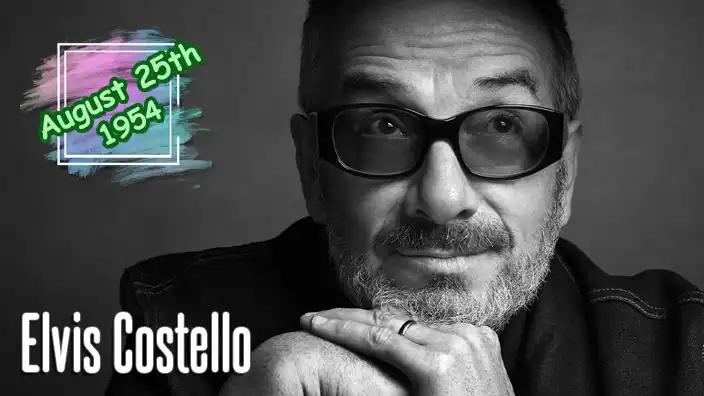
Elvis Costello took a perfectly respectable name like Declan Patrick MacManus, borrowed the first name of rock-and-roll royalty, put on enormous glasses and proceeded to spend decades making it impossible to decide exactly what sort of musician he was. Rock, punk, New Wave, country, jazz, classical and sophisticated pop have all received visits—and Costello apparently never saw a musical boundary he couldn't wander across.
 August 25, 1954, in London, England

Trivia
- His real name is Declan Patrick MacManus.
- His father was professional singer Ross MacManus.
- He once worked as a computer operator.
- “Oliver's Army” became his biggest UK single.
- He co-wrote several songs with Paul McCartney.
- He married jazz star Diana Krall in 2003.
- The Attractions entered the Rock Hall with him in 2003.
- Details
- Category: Celebrity Birthdays - August
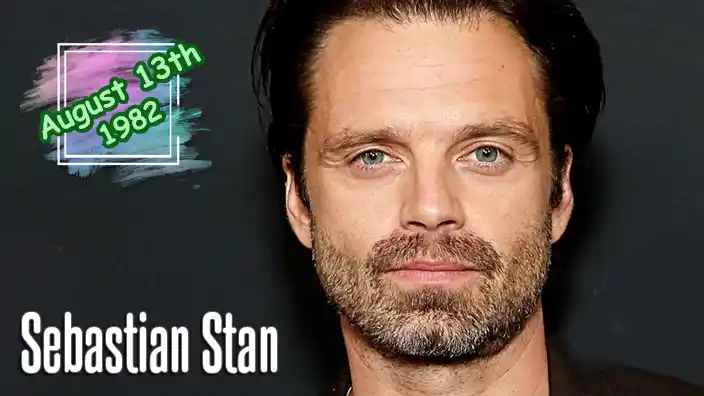
Sebastian Stan is the kind of actor who could play a brainwashed assassin, a romantic lead, and a morally questionable ice skater all before lunch — and somehow make you root for all three. If you ever meet him, just remember: compliment the hair, avoid mentioning the arm, and never, ever challenge him to a staring contest.
August 13, 1982, in Constanța, Romania
Trivia
- Marvel Mainstay: Bucky Barnes / Winter Soldier in multiple MCU films and The Falcon and the Winter Soldier.
- Stage Roots: Performed in several New York theater productions early in his career.
- Chameleon Actor: From Gossip Girl to I, Tonya, he can play both swoon-worthy and scary.
- Accent Shapeshifter: Can switch between Romanian, Russian, and flawless American at will.
- Convention Favorite: Known for being gracious and witty with fans.
- Details
- Category: Celebrity Birthdays - August
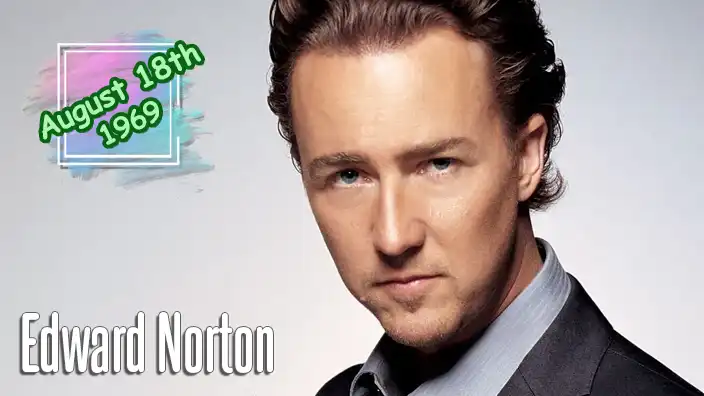
Almost immediately upon arriving in Hollywood, Edward Norton gave audiences the impression that trusting one of his characters might be a very poor life decision. His extraordinary debut in Primal Fear was followed by American History X, Fight Club, The Illusionist, Birdman and an assortment of characters ranging from criminals and magicians to scientists and extremely committed method actors. Norton has also become a director, producer, writer, environmental advocate and entrepreneur, apparently having concluded that merely being a three-time Academy Award nominee wasn't enough to fill the week.
August 18, 1969, in Boston, Massachusetts
Trivia
- He graduated from Yale University in 1991 with a degree in history.
- Before establishing his acting career, Norton worked in Osaka, Japan, and learned some Japanese.
- His first major movie, Primal Fear, earned him both a Golden Globe and an Academy Award nomination.
- Norton has received Academy Award nominations for Primal Fear, American History X and Birdman.
- He directed his first feature film, Keeping the Faith, in 2000.
- Norton co-founded the charitable fundraising platform CrowdRise, which was later acquired by GoFundMe.
- He was appointed a United Nations Goodwill Ambassador for Biodiversity in 2010.

- Details
- Category: Celebrity Birthdays - August
Mark’s the kind of guy who could make a guitar solo so laid-back you’d swear it was reclining in a hammock — and yet, it would still melt your face off. He doesn’t need pyrotechnics; he’s got tone for days.
August 12, 1949, in Glasgow, Scotland
Trivia
- Dire Straits Founder: Formed in 1977.
- Signature Sound: Fingerstyle guitar, no pick needed.
- Songwriting Icon: Known for cinematic lyrics and storytelling.
- Award Winner: Multiple Grammys with Dire Straits.
- Film Composer: Scored The Princess Bride and Local Hero.
- Details
- Category: Celebrity Birthdays - August
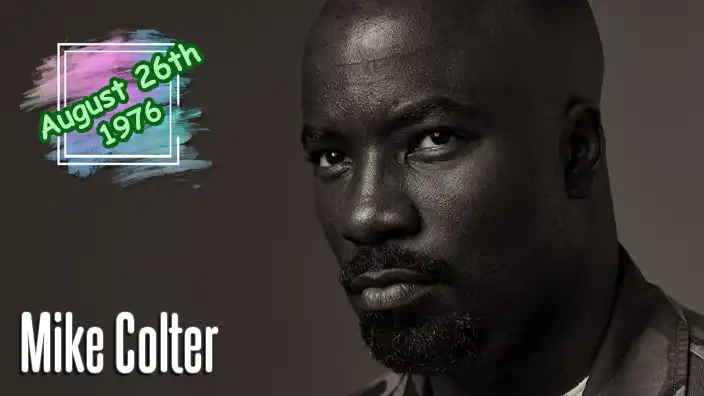
Mike Colter has played lawyers, criminals, soldiers, priests and one exceptionally durable superhero who can stop bullets with his skin. At 6-foot-3 and equipped with a voice that could probably convince a parking meter to waive the fine, Colter has built a career around commanding the screen without needing to make much noise about it.
August 26, 1976, in Columbia, South Carolina
Trivia
- Mike stands just over 6-foot-3.
- A Soldier's Story inspired him to act.
- He earned an MFA from Rutgers University.
- He played Big Willie Little in Million Dollar Baby.
- Luke Cage first appeared in Jessica Jones.
- He received two Critics Choice nominations for Evil.
- Details
- Category: Celebrity Birthdays - August
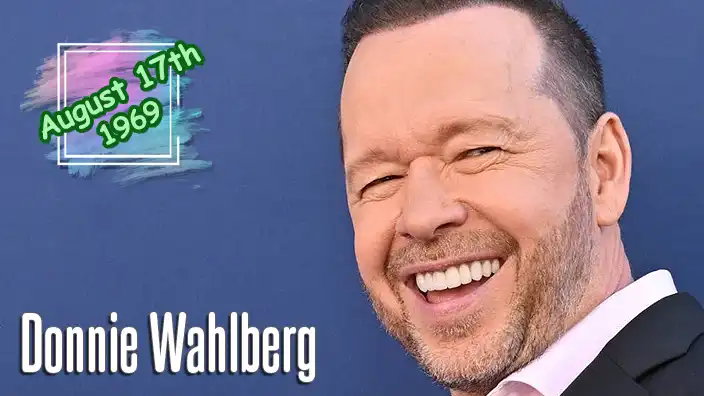
Donnie Wahlberg has spent decades demonstrating that choosing one career is apparently optional. He became a teenage pop sensation with New Kids on the Block, developed a successful acting career, chased criminals around New York on Blue Bloods, produced television shows and then returned to the concert stage with the same band that helped cause adolescent hysteria in the late 1980s. Somewhere along the way, he also found time to marry Jenny McCarthy. Apparently, Donnie received a considerably larger daily allotment of hours than the rest of us.
August 17, 1969, in Boston, Massachusetts
Trivia
- Wahlberg was one of the original members of New Kids on the Block and helped recruit several of the group's other members.
- He played the severely troubled Vincent Grey in The Sixth Sense and dramatically changed his appearance for the brief but memorable role.
- Wahlberg portrayed Carwood Lipton in HBO's Band of Brothers.
- He played Detective Eric Matthews in the Saw film series.
- Wahlberg starred as Danny Reagan throughout all 14 seasons of Blue Bloods.
- He married Jenny McCarthy in 2014.
- New Kids on the Block reunited in 2008, more than a decade after originally separating.
- He has attracted attention for leaving exceptionally generous tips for restaurant employees.
- Details
- Category: Celebrity Birthdays - August
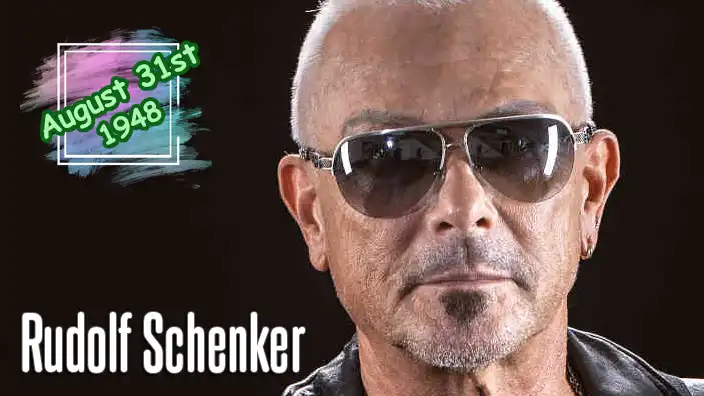
Rudolf Schenker co-founded Scorpions, plays the sort of rhythm guitar capable of rearranging nearby furniture, and has spent more than half a century helping turn a German band into an international rock institution. If you've ever attempted an air-guitar performance of “Rock You Like a Hurricane,” Rudolf deserves at least part of the blame.
August 31, 1948, in Hildesheim, West Germany
Trivia
- He founded Scorpions in 1965.
- Michael Schenker is his younger brother.
- Rudolf primarily plays rhythm guitar.
- He is strongly associated with Flying V guitars.
- He co-wrote “Rock You Like a Hurricane.”
- He has occasionally sung lead vocals.
- Scorpions once announced—and abandoned—their retirement.
- Details
- Category: Celebrity Birthdays - August
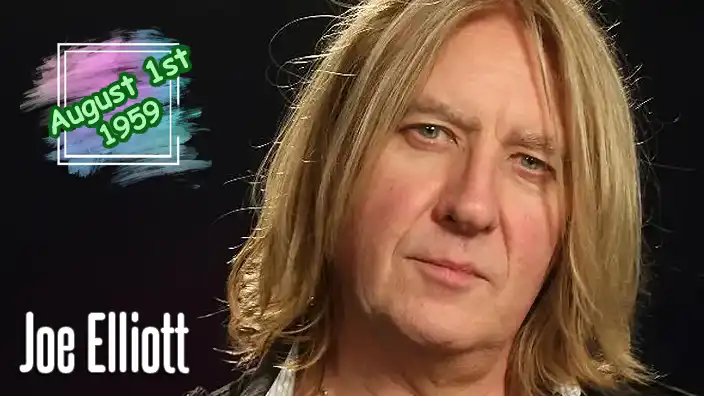
If your morning alarm has ever been replaced by "Pour Some Sugar on Me" played at maximum volume, there's a fair chance Joe Elliott has already done more to wake you up than your coffee maker. For more than four decades, his unmistakable voice has powered arena anthems, inspired countless aspiring rock singers, and convinced generations that air guitar is, in fact, a perfectly acceptable form of exercise.
August 1, 1959, in Sheffield, England
Trivia
- Founding lead vocalist of Def Leppard.
- Suggested the band's famous "Def Leppard" name.
- Fronted the band since 1977.
- Helped sell more than 110 million Def Leppard albums worldwide.
- Inducted into the Rock and Roll Hall of Fame in 2019 with Def Leppard.
- Also fronts the band Down 'n' Outz.
- Hosts rock music programs on Planet Rock and SiriusXM.
- Is a lifelong fan of David Bowie and Mott the Hoople.
- Continues to tour internationally with Def Leppard.
- Is known for his distinctive raspy yet melodic vocal style.
- Details
- Category: Celebrity Birthdays - August
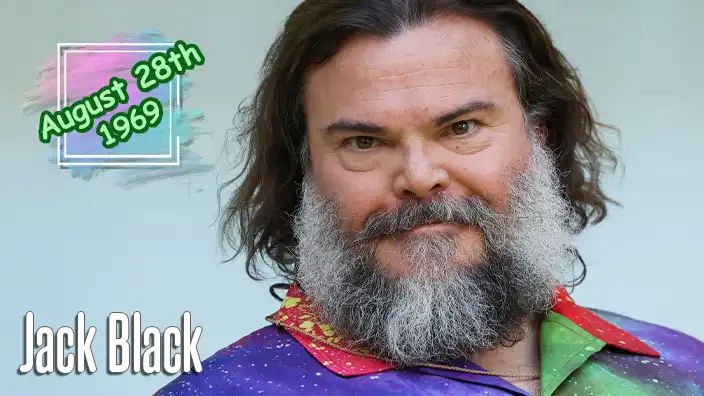
Jack Black has built a career by approaching acting, comedy and rock music with roughly the same amount of restraint normally associated with an unsupervised fireworks display. Whether he is teaching children to rock, wrestling in stretchy pants or voicing a noodle-loving panda, subtlety may occasionally take the day off, but entertainment most certainly does not.
August 28, 1969, in Santa Monica, California
Trivia
- Both of his parents were satellite engineers.
- He attended UCLA.
- He performed with The Actors' Gang.
- Tenacious D formed with Kyle Gass.
- He voices Po in Kung Fu Panda.
- Tenacious D won a Grammy in 2015.
- Details
- Category: Celebrity Birthdays - August
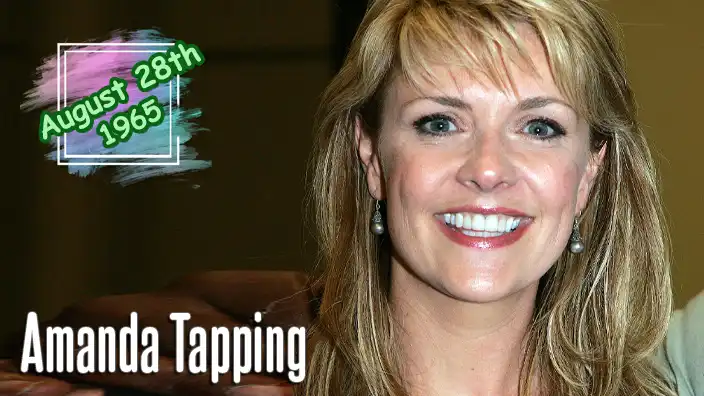
Amanda Tapping spent years protecting Earth from Goa'uld System Lords, Replicators and assorted intergalactic troublemakers in Stargate SG-1, which makes the average day at the office sound rather uneventful. As Samantha Carter, she brought brains, courage and considerable firepower to science fiction television—and then moved behind the camera and started telling everybody else what to do.
 August 28, 1965, in Rochford, England
Trivia
- Amanda grew up in Ontario, Canada.
- She studied drama at the University of Windsor.
- She co-founded the comedy troupe Random Acts.
- She directed an episode of Stargate SG-1.
- She starred in and produced Sanctuary.
- She co-founded Sanctuary for Kids.
- Details
- Category: Celebrity Birthdays - August
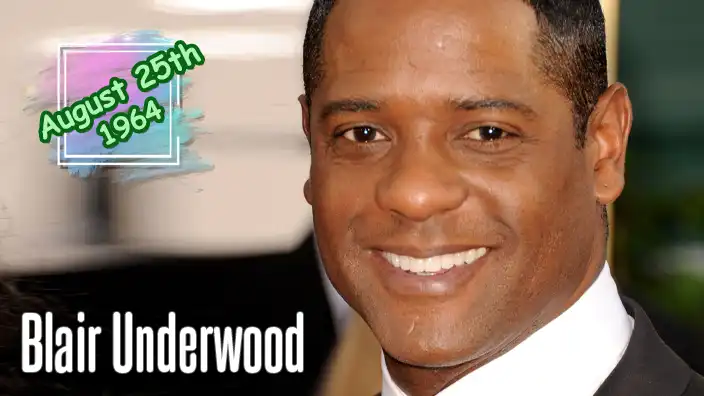
Blair Underwood has spent decades playing lawyers, doctors, detectives, executives and assorted men who clearly own better suits than the rest of us. From his breakthrough on L.A. Law to Broadway, film and prestige television, Underwood has built a career on intelligence, versatility and enough screen presence to make entering a conference room look like an event.
August 25, 1964, in Tacoma, Washington
Trivia
- His father was a U.S. Army colonel.
- He studied drama at Carnegie Mellon.
- L.A. Law made him a television star.
- He appeared in Spielberg's Amistad.
- He played Dr. Robert Leeds on Sex and the City.
- He portrayed Lash on Agents of S.H.I.E.L.D.
- A Soldier's Play earned him a Tony nomination.
- Details
- Category: Celebrity Birthdays - August
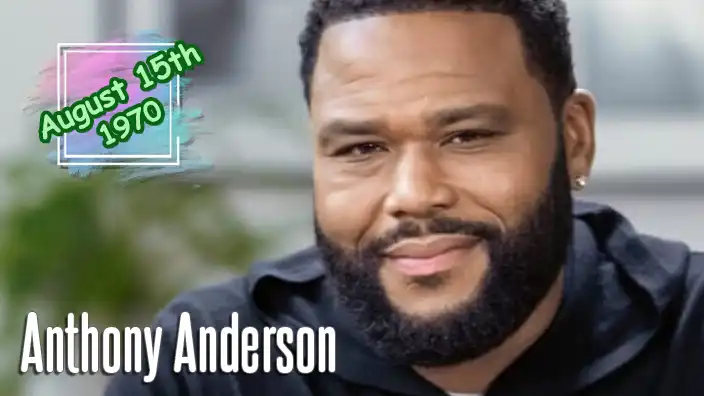
Anthony Anderson has spent decades proving that the fellow making you laugh in one scene may be perfectly capable of frightening the daylights out of you in the next. Comedy eventually became his calling card, particularly as the wonderfully opinionated Andre “Dre” Johnson on black-ish, but Anderson’s résumé includes cops, criminals, fathers, game-show hosting, animated characters and enough movie appearances to make channel surfing unexpectedly complicated. If Anthony Anderson appears on the screen, there is a reasonable chance something funny is about to happen.
August 15, 1970, in Los Angeles, California
Trivia
- Anderson played Detective Kevin Bernard on Law & Order.
- He returned to Law & Order when the series was revived in 2022.
- He starred as Andre “Dre” Johnson throughout all eight seasons of black-ish.
- He was also an executive producer of black-ish.
- He received seven consecutive Emmy nominations for playing Dre.
- Anderson received a Hollywood Walk of Fame star in 2020.
- He was named a Disney Legend in 2022.
- He hosted ABC's revival of To Tell the Truth.
- He has hosted food and travel television programs.
- Details
- Category: Celebrity Birthdays - August
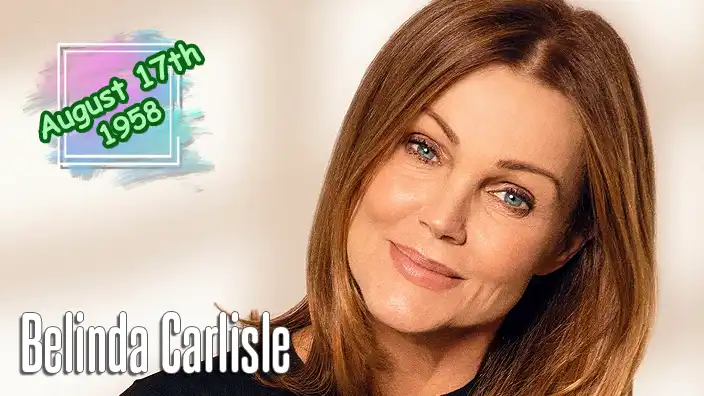
Belinda Carlisle helped take The Go-Go’s from the scrappy Los Angeles punk scene to the top of the charts, then apparently decided that wasn't enough and launched a hugely successful solo career. Along the way came “We Got the Beat,” “Our Lips Are Sealed,” “Heaven Is a Place on Earth,” enough hairspray to concern the ozone layer, and one of the most recognizable voices of 1980s pop. She also demonstrated an important scientific principle: if the opening notes of “Heaven Is a Place on Earth” start playing, anyone who lived through the 1980s will immediately know what comes next.
August 17, 1958, in Hollywood, California
Trivia
- Beauty and the Beat became the first No. 1 U.S. album by an all-female band that wrote its own songs and played its own instruments.
- “Heaven Is a Place on Earth” reached No. 1 on the Billboard Hot 100.
- Actress Diane Keaton directed the memorable music video for “Heaven Is a Place on Earth.”
- Former Beatle George Harrison played guitar on Carlisle's “Leave a Light On.”
- Carlisle released Voila, an album largely performed in French, in 2007.
- Her 2010 memoir is appropriately titled Lips Unsealed.
- Carlisle entered the Rock & Roll Hall of Fame with The Go-Go’s in 2021.
- Details
- Category: Celebrity Birthdays - August
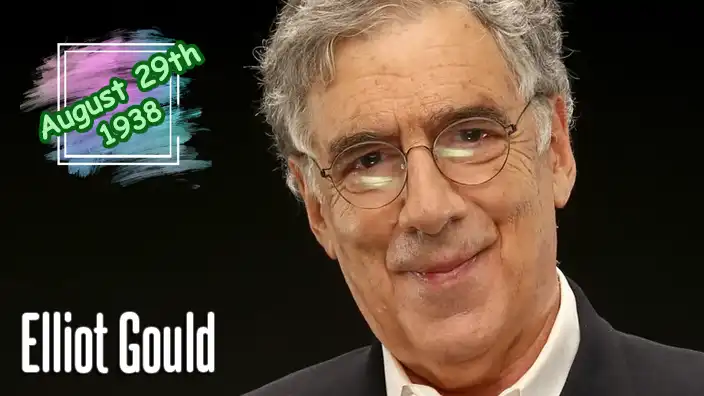
Elliot Gould has spent decades making nervous intelligence, dry wit and slightly bewildered charm look effortless, whether he was starring in MASH*, earning an Oscar nomination for Bob & Carol & Ted & Alice or turning up on Friends as Jack Geller with another wonderfully inappropriate observation.
August 29, 1938, in Brooklyn, New York
Trivia
- Was married to Barbra Streisand.
- Earned an Oscar nomination in 1970.
- Played Trapper John in MASH*.
- Starred in Altman’s The Long Goodbye.
- Played Jack Geller on Friends.
- Appeared in the Ocean’s film series.
- Trained as a performer from childhood.

- Details
- Category: Celebrity Birthdays - August
Antonio Banderas is the guy who could read you your utility bill and somehow make it sound romantic. He’s spent decades making audiences swoon, laugh, and cheer—often while wearing a mask and holding a sword. And let’s be honest: if Puss in Boots showed up at your door sounding like Antonio, you’d probably let him in, feed him tuna, and give him your Netflix password.
August 10, 1960, in Málaga, Spain
Trivia
- Purr-fect Casting: His role as Puss in Boots was so beloved, it spawned multiple spin-offs and gave house cats everywhere a new swagger.
- From Pitch to Stage: Dreamed of being a soccer star before acting took over.
- Multitalented: Has also directed films, including Crazy in Alabama (1999).
- Award Shelf: Winner of numerous awards, including a Best Actor prize at Cannes.
- Details
- Category: Celebrity Birthdays - August
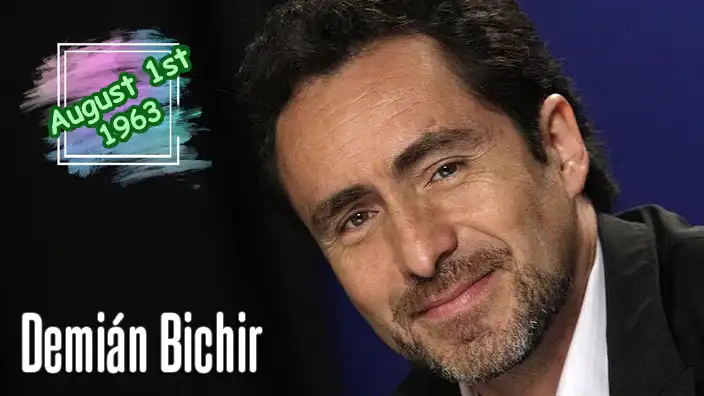
Some actors can command a scene with explosions, car chases, or dramatic speeches. Demián Bichir can do it with a quiet glance and a single sentence. He's the kind of performer who reminds audiences that sometimes the strongest acting isn't about making the most noise—it's about making you believe every word. Of course, if the script also calls for surviving Quentin Tarantino's snowstorm or facing down an alien, he's more than happy to do that too.
August 1, 1963, in Torreón, Mexico
Trivia
- Received an Academy Award nomination for Best Actor for A Better Life.
- Starred as Bob in Quentin Tarantino's The Hateful Eight.
- Played Detective Marco Ruiz in the television series The Bridge.
- Appeared in Alien: Covenant.
- Featured in Godzilla vs. Kong.
- Has worked extensively in both Spanish- and English-language productions.
- Is a passionate advocate for humanitarian and immigrant causes.
- Has enjoyed a professional acting career spanning more than four decades.
- Frequently balances independent dramas with major Hollywood productions.
- Details
- Category: Celebrity Birthdays - August
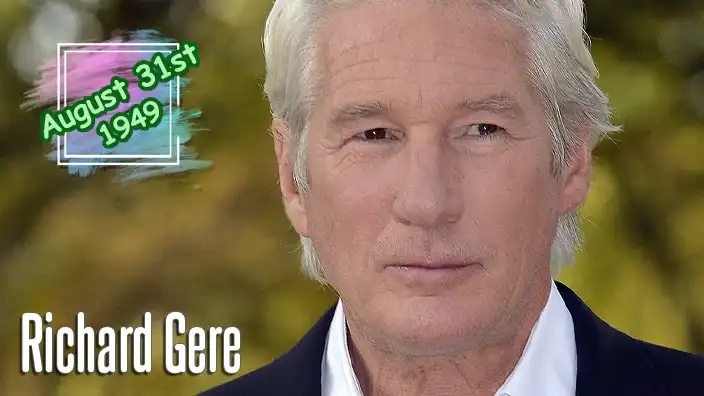
Richard Gere became a Hollywood leading man by wearing an impressive number of expensive suits, sweeping Julia Roberts off her feet in Pretty Woman and somehow making audiences believe that joining the Navy could end with Debra Winger waiting outside the factory. Beneath the movie-star image, however, is an actor whose career has ranged from musicals and romantic comedies to crime dramas, political thrillers and independent films for more than five decades.
August 31, 1949, in Philadelphia, Pennsylvania
Trivia
- Gere attended college on a gymnastics scholarship.
- He played Danny Zuko in Grease onstage.
- American Gigolo made him a major star.
- He reunited with Julia Roberts in Runaway Bride.
- Gere performed his own singing in Chicago.
- He won a Golden Globe for Chicago.
- Details
- Category: Celebrity Birthdays - August
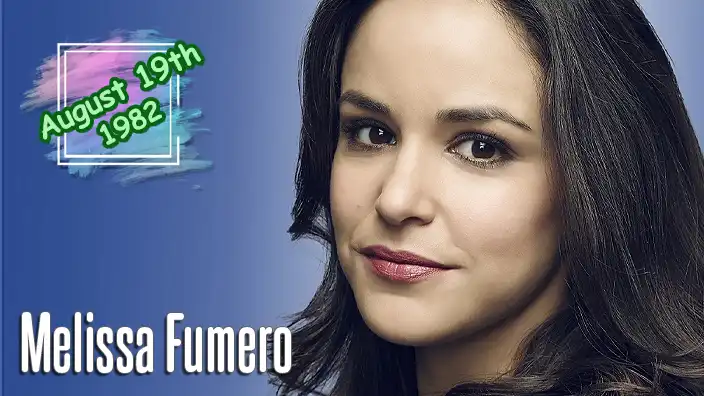
Melissa Fumero proved that obsessive organization, color-coded binders and an almost alarming enthusiasm for office supplies can indeed be the foundations of great television comedy. As Amy Santiago on Brooklyn Nine-Nine, Fumero transformed an ambitious, rule-following NYPD detective into one of the show's funniest and most lovable characters. Amy wanted promotions, respected authority, adored paperwork and regarded a properly organized binder with the enthusiasm most people reserve for winning the lottery.
August 19, 1982, in Lyndhurst, New Jersey
Trivia
- Fumero graduated from New York University with a Bachelor of Fine Arts in Drama before beginning her professional television career.
- Her first professional television role was Adriana Cramer on One Life to Live in 2004.
- She met her future husband, David Fumero, through One Life to Live, where he played Cristian Vega.
- Fumero played Amy Santiago in 153 episodes of Brooklyn Nine-Nine from 2013 through 2021.
- She was part of the Brooklyn Nine-Nine cast nominated for a Screen Actors Guild Award for Outstanding Ensemble in a Comedy Series.
- Fumero won the 2022 Imagen Award for Best Supporting Actress – Comedy for Brooklyn Nine-Nine.

- Details
- Category: Celebrity Birthdays - August
Dawnn Lewis is the kind of performer who could sing the phone book, voice the phone, and then star in a sitcom about the phone’s life — and you’d watch every single episode. If talent were a college course, she’d be the professor, the textbook, and the school anthem, all rolled into one.
August 13, 1961, in Brooklyn, New York
Trivia
- Sitcom Star: Jaleesa Vinson-Taylor on A Different World.
- Theme Song Queen: Co-wrote and sang A Different World’s theme.
- Voice Acting Royalty: Futurama, The Proud Family, and more.
- Philanthropist: Founded A New Day Foundation.
- Stage Work: Broadway credits include The Tap Dance Kid and Sister Act.
- Details
- Category: Celebrity Birthdays - August
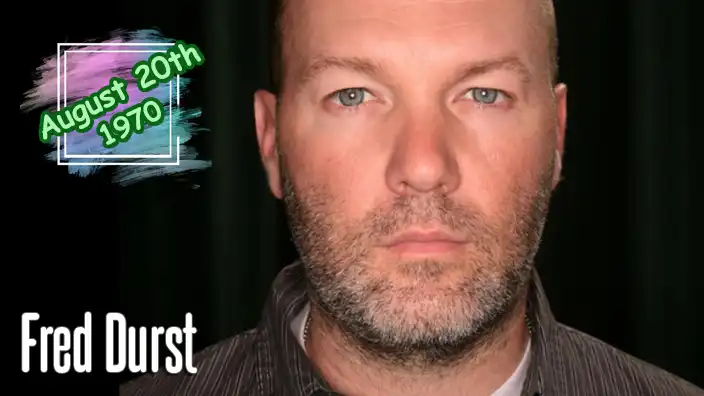
Fred Durst has spent decades proving that a backward baseball cap, a microphone, and absolutely no concern about upsetting the neighbors can constitute a perfectly viable career plan. As the unmistakable frontman of Limp Bizkit, Durst helped turn rap metal into one of the defining sounds of the late 1990s and early 2000s, collecting hit records, enormous crowds, plenty of controversy, and enough loud guitars to make earplugs seem like a sensible birthday present.
August 20, 1970, in Gastonia, North Carolina
Trivia
- Before Limp Bizkit became successful, Durst worked as a tattoo artist.
- He served in the United States Navy before pursuing his music career.
- His backward baseball cap — particularly the famous red Yankees cap — became one of his trademarks.
- Limp Bizkit earned three Grammy nominations, including one for Significant Other.
- Durst directed the feature films The Education of Charlie Banks, The Longshots, and The Fanatic.
- He appeared as Frank in I Saw the TV Glow in 2024.

- Details
- Category: Celebrity Birthdays - August
Ashley Jensen is the TV friend you didn’t know you needed—the one who’ll help you through a crisis, make you laugh about it, and then accidentally start a whole new mess just to keep life interesting.
August 11, 1969, in Annan, Scotland
Trivia
- Breakout Role: Maggie in Extras (2005–2007).
- Stateside Success: Christina in Ugly Betty.
- Holiday Favorite: Voice of Bryony in Arthur Christmas.
- Mystery Maven: Star of Agatha Raisin.
- Scottish Roots: Born and raised in Annan, Dumfriesshire.
From Our Marks Catelog
-
Sitting down at the dinner table, there's always that moment when you spot the mashed potatoes,...
-

Once upon a time, someone looked at tennis and thought, “This would be perfect if it involved less running,...
-

If you’re the kind of person who likes a little thrill with your meal, then one bite of that...
-

If you've ever scratched a dog's ears, rescued a turtle from the middle of the road, or apologized...
-
Who knew that creating a prehistoric masterpiece could lead to such existential questions? Like, did...
-

It's not uncommon to see a normally quiet neighborhood transform overnight into a glittering...

