Celebrity Birthdays - August

August birthdays are like the last cannonball into the summer pool — big, splashy, and a little bittersweet. School is looming, but August folks insist we squeeze every last drop of sunshine first.
Join us as we salute the stars who own the dog days of summer. They’re proof that even the hottest month can be cool when you know how to celebrate it.

- Details
- Category: Celebrity Birthdays - August
If pop music had a laboratory where the rules were optional and the volume knob had long since snapped off, there's a good chance Charli XCX would have the master key. She has an uncanny talent for taking sounds that make everyone raise an eyebrow on Monday and turning them into chart-toppers by Friday. While the rest of us are still trying to remember our passwords, she's busy reinventing modern pop music one fearless song at a time.
 August 2, 1992, in Cambridge, England

Trivia
- Began writing songs while still a teenager.
- Co-wrote and featured on the worldwide hit I Love It.
- Boom Clap became an international breakthrough solo hit.
- Has written songs for numerous major recording artists.
- Frequently collaborates with innovative electronic producers.
- Helped popularize the hyperpop movement.
- Released the critically acclaimed album Crash in 2022.
- Brat became one of 2024's defining pop albums.
- Known for embracing new technology and fan interaction.
- Recognized for blending mainstream pop with experimental sounds.
- Has earned multiple Grammy Award nominations.
- Details
- Category: Celebrity Birthdays - August
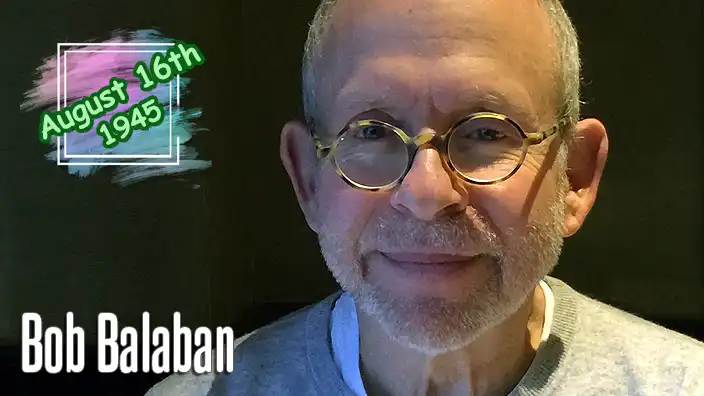
Bob Balaban has spent more than half a century perfecting the art of appearing completely reasonable while surrounded by people who have clearly lost control of the situation. Whether navigating Christopher Guest's wonderfully peculiar world in A Mighty Wind, joining the enormous ensemble of Gosford Park, or calmly investigating extraterrestrial musical communication in Close Encounters of the Third Kind, Balaban has become one of Hollywood's great "Oh, I know that guy!" actors — which, after hundreds of performances, is practically an honorary title.
 August 16, 1945, in Chicago, Illinois
Trivia
- Balaban made his Broadway debut in the original 1968 production of Neil Simon's Plaza Suite.
- He appeared in the 1969 Academy Award-winning film Midnight Cowboy early in his screen career.
- In Close Encounters of the Third Kind, Balaban played interpreter and cartographer David Laughlin alongside real-life French director François Truffaut.
- Balaban played fictional NBC president Russell Dalrymple in several memorable episodes of Seinfeld.
- He received an Academy Award nomination as one of the producers of Gosford Park.
- In addition to acting and directing, Balaban wrote the McGrowl series of children's books about a bionic dog.
- Details
- Category: Celebrity Birthdays - August
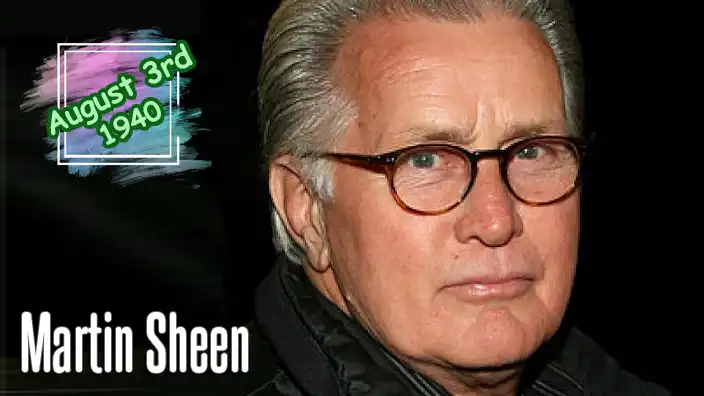
Playing the President of the United States is impressive. Playing him so convincingly that people still wish they could vote for you years later is something else entirely. Martin Sheen has spent a lifetime portraying soldiers, leaders, revolutionaries, and ordinary men facing extraordinary circumstances, all while proving that great acting doesn't require the loudest voice—just the most believable one.
August 3, 1940, in Dayton, Ohio
Trivia
- Starred as Captain Benjamin Willard in Apocalypse Now.
- Played President Josiah "Jed" Bartlet in The West Wing.
- Won a Golden Globe Award for The West Wing.
- Received numerous Primetime Emmy Award nominations throughout his career.
- Suffered a heart attack during the filming of Apocalypse Now but returned to finish the movie.
- Is the father of actors Emilio Estevez, Charlie Sheen, Renée Estevez, and Ramon Estevez.
- Has been married to Janet Sheen since 1961.
- Is well known for his humanitarian and social activism.
- Received a star on the Hollywood Walk of Fame.

- Details
- Category: Celebrity Birthdays - August
Summer McIntosh apparently decided at an early age that simply swimming from one end of a pool to the other wasn't ambitious enough. The Canadian swimming sensation has collected Olympic gold medals, world championships and world records while most people her age are still working out what they want to do with their lives. McIntosh already knows. She gets into a pool, swims extraordinarily fast, collects some hardware and occasionally rearranges the record book before getting out again.
August 18, 2006, in Toronto, Canada
Trivia
- McIntosh became the first Canadian athlete to win three gold medals at a single Olympic Games at Paris 2024.
- She won her first World Championship titles when she was only 15.
- She broke three world records at the 2025 Canadian Swimming Trials, a feat World Aquatics compared with Michael Phelps' three-record performance in 2008.
- At the 2025 World Championships, she won four individual gold medals and a bronze.
- In July 2026, she set a 200-meter butterfly world record of 2:01.65.

- Details
- Category: Celebrity Birthdays - August
Chris Hemsworth is that guy who can pull off a cape, a battle axe, and a perfectly timed one-liner—all while looking like he just stepped out of a fitness magazine. Frankly, it’s unfair, but we’re willing to let it slide as long as he keeps making movies.
August 11, 1983, in Melbourne, Australia
Trivia
- Marvel Mainstay: Played Thor in multiple MCU films since 2011.
- Big Break: Home and Away in Australia.
- Versatile Actor: From superheroes to slapstick comedy.
- Real-Life Action Guy: Surfer, outdoorsman, and fitness advocate.
- Family Man: Married to Elsa Pataky with three kids.
- Details
- Category: Celebrity Birthdays - August
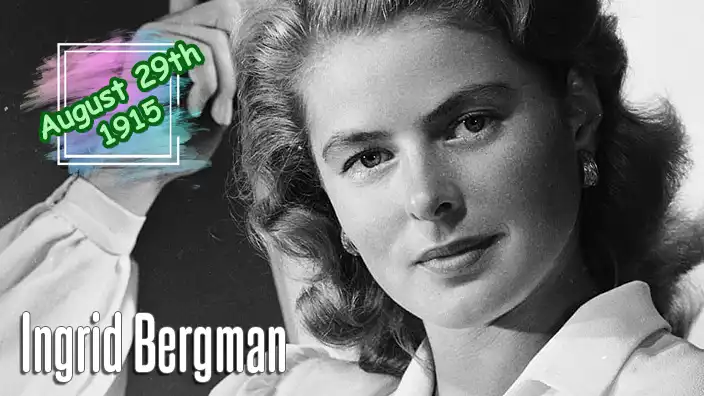
Ingrid Bergman brought intelligence, warmth and extraordinary natural presence to some of cinema's greatest films, won three Academy Awards and gave us Ilsa Lund in Casablanca—which means generations of viewers have been confidently misquoting a line she never actually said.
August 29, 1915, in Stockholm, Sweden
 August 29, 1982, in London, England
Trivia
- Ingrid won three Academy Awards.
- Played Ilsa Lund in Casablanca.
- Made three films with Alfred Hitchcock.
- Mother of actress Isabella Rossellini.
- Won Oscar, Emmy and Tony awards.
- Her final role was Golda Meir.
- Details
- Category: Celebrity Birthdays - August
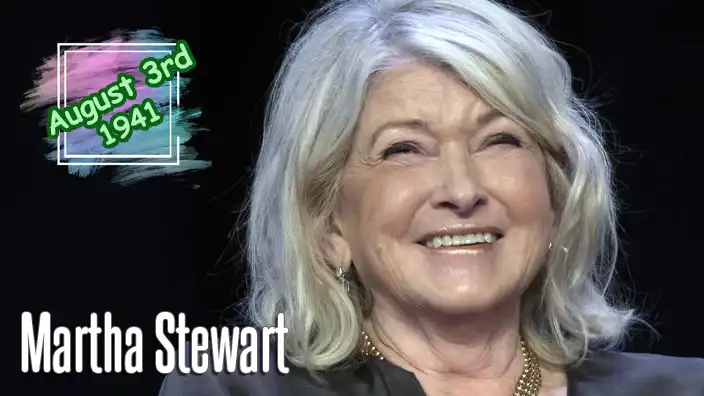
Most people celebrate finishing one home improvement project by sitting down with a cup of coffee. Martha Stewart celebrates by reorganizing the pantry, planting a vegetable garden, baking a pie, arranging fresh flowers, and somehow making it all look effortless before lunchtime. She has built an empire by convincing millions that folding a napkin beautifully is a perfectly reasonable life goal—and, somehow, she's made it fun.
August 3, 1941, in Jersey City, New Jersey
Trivia
- Graduated from Barnard College.
- Worked as a successful Wall Street stockbroker.
- Started her own catering business before becoming famous.
- Published her bestselling cookbook Entertaining in 1982.
- Founded Martha Stewart Living magazine in 1990.
- Created Martha Stewart Living Omnimedia.
- Has written dozens of bestselling books.
- Hosted numerous cooking and lifestyle television series.
- Enjoys gardening and maintains extensive gardens at her homes.
- Became the first self-made female billionaire in the United States according to Forbes.
- Details
- Category: Celebrity Birthdays - August
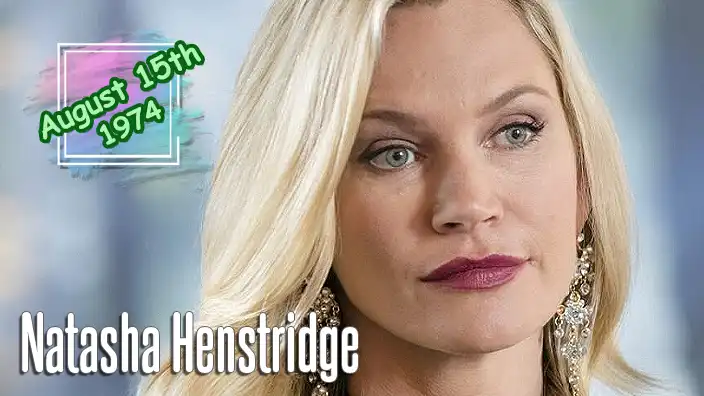
Natasha Henstridge made the transition from international fashion model to movie star by choosing a remarkably understated first acting assignment: play a beautiful human-alien hybrid capable of wiping out anyone unfortunate enough to get in her way. Most newcomers begin with a commercial or perhaps Woman at Bus Stop #2. Henstridge started with Species, pursued half of Los Angeles, terrified the other half, and ensured that movie audiences would never again regard extraterrestrial DNA as a harmless scientific curiosity.
August 15, 1974, in Springdale, Canada
Trivia
- She began modeling internationally while still a teenager.
- Paris was an important early base for her modeling career.
- She appeared on the cover of French Cosmopolitan.
- Species was her feature-film acting debut.
- She was only 19 when cast as Sil.
- Michelle Williams played the younger version of Sil in Species.
- Henstridge returned to the franchise in Species II.
- She starred opposite Jean-Claude Van Damme in Maximum Risk.
- She played Cynthia Tudeski in The Whole Nine Yards.
- She returned for The Whole Ten Yards.
- Details
- Category: Celebrity Birthdays - August
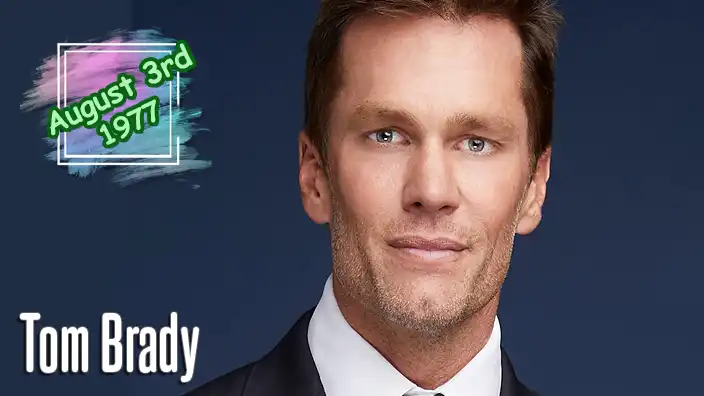
Most football players dream of winning one Super Bowl. Tom Brady apparently treated that as a warm-up exercise. By the time the confetti stopped falling for the seventh time, statisticians had run out of ways to explain what he was doing, opposing defenses had run out of aspirin, and fans had simply accepted that if Brady had the football in the fourth quarter, the game probably wasn't over yet.
August 3, 1977, in San Mateo, California
Trivia
- Played college football at the University of Michigan.
- selected 199th overall in the 2000 NFL Draft.
- Spent 20 seasons with the New England Patriots.
- Finished his career with the Tampa Bay Buccaneers.
- Won a record seven Super Bowl championships.
- Earned five Super Bowl MVP Awards.
- Won three NFL Most Valuable Player Awards.
- Was selected to 15 Pro Bowls.
- Holds numerous NFL career passing records.
- Defeated Patrick Mahomes and the Kansas City Chiefs in Super Bowl LV.
- Is widely considered the greatest quarterback in NFL history.
- Details
- Category: Celebrity Birthdays - August
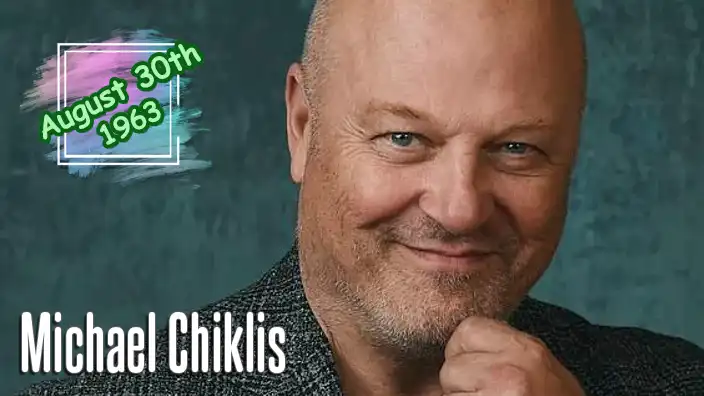
Michael Chiklis has made a career out of looking like the sort of man who has already heard your excuse and is not especially impressed by it. Born August 30, 1963, the Emmy-winning actor went from the likable detective of The Commish to the terrifying moral gray zone of The Shield, then somehow squeezed into orange rock and became The Thing in Fantastic Four. That is range, even if one role did require considerably more latex.
August 30, 1963, in Lowell, Massachusetts
Trivia
- Graduated from Boston University's acting program.
- Starred as Tony Scali in The Commish.
- Won an Emmy for The Shield.
- Also won a Golden Globe as Vic Mackey.
- Played The Thing in two Fantastic Four films.
- Appeared in both Marvel and DC productions.
- His daughter Autumn appeared with him on The Shield.

- Details
- Category: Celebrity Birthdays - August
Michael Michele has spent much of her career playing women who know exactly what they're doing, whether they're carrying a detective's badge, wearing a doctor's coat or maneuvering through the wonderfully restrained and completely reasonable family life of Dynasty. Born August 30, 1966, the actress has moved confidently between acclaimed television dramas and major films while proving that intelligence, authority and elegance make a pretty formidable combination.
August 30, 1966, in Evansville, Indiana
Trivia
- Michael was named after her mother's female friend Michael.
- Played basketball, volleyball and ran track in high school.
- Her breakthrough film was New Jack City.
- Played Detective Rene Sheppard on Homicide.
- Played Dr. Cleo Finch on ER.
- Portrayed Dominique Deveraux on Dynasty.
- Details
- Category: Celebrity Birthdays - August
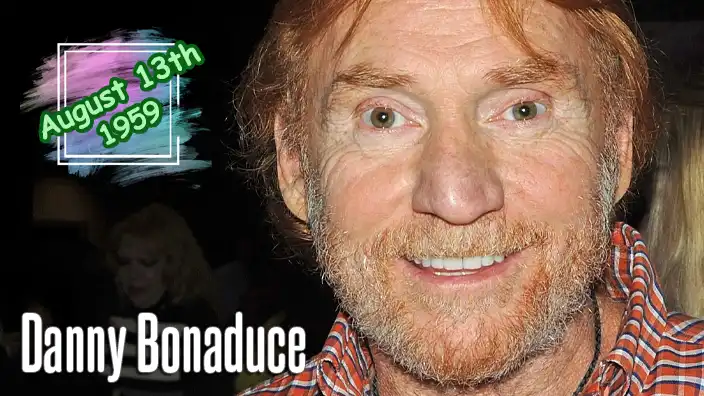
Danny Bonaduce has lived several lives in one lifetime. He has been a child television star, actor, radio personality, reality television subject, professional wrestling participant, celebrity boxer, martial artist, author, and professional trouble magnet. Most people would consider surviving childhood fame an accomplishment. Bonaduce apparently regarded it as merely the opening act.
August 13, 1959, in Philadelphia, Pennsylvania
Trivia
- Appeared uncredited in the Elvis Presley film The Trouble with Girls.
- Voiced Avery Arable in the animated Charlotte's Web.
- Voiced Danny Partridge again in Partridge Family 2200 A.D.
- Became a successful radio personality after his child-acting career.
- Worked in major radio markets including Philadelphia, Chicago, Los Angeles and Seattle.
- Has trained extensively in martial arts.
- Studied martial arts under Chuck Norris.
- Has earned black belts in multiple martial arts disciplines.
- Attended school with Michael Jackson while both were young entertainers.
- Appeared opposite Mark Hamill in Corvette Summer.
- Details
- Category: Celebrity Birthdays - August
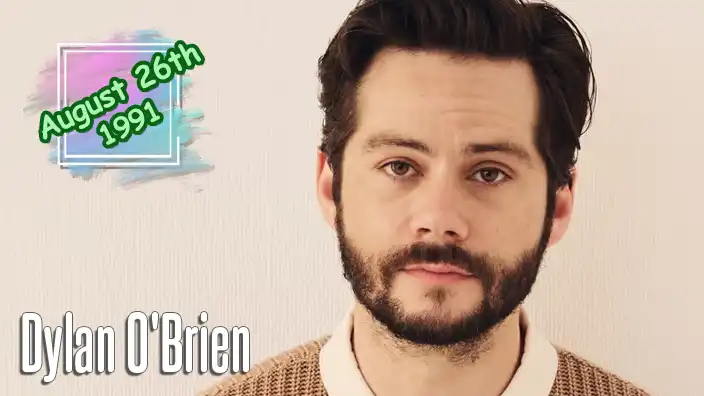
Dylan O'Brien has survived werewolves, enormous mazes, monster-infested wastelands, assassins and Hollywood itself, which may be the most impressive achievement on the list. With quick comic timing, an everyman quality and a knack for looking convincingly worried while running for his life, O'Brien turned an unlikely television breakthrough into a remarkably varied career.
August 26, 1991, in New York City
Trivia
- Dylan originally planned to study filmmaking.
- His homemade YouTube videos helped launch his career.
- He preferred Stiles to the lead role of Scott.
- He once played drums in the band Slow Kids at Play.
- He voiced Bumblebee in the 2018 film.
- He won a Sundance acting award for Twinless.
- Details
- Category: Celebrity Birthdays - August
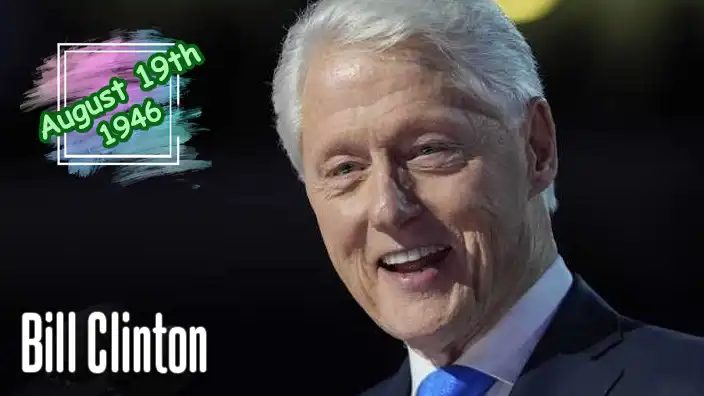
Bill Clinton went from a small town in Arkansas to the White House, served two terms as President of the United States and somehow made discussing federal budgets a regular feature of prime-time television. A gifted campaigner famous for remembering names, working a crowd and talking considerably longer than whoever prepared the schedule expected, Clinton presided over economic expansion, major domestic policy battles, international crises and one of the most politically turbulent presidencies of modern times. He also plays the saxophone, which remains considerably more entertaining than watching most former presidents attempt karaoke.
August 19, 1946, in Hope, Arkansas
Trivia
- As a teenager attending Boys Nation in 1963, Clinton met and shook hands with President John F. Kennedy at the White House.
- He attended Georgetown University, studied at Oxford as a Rhodes Scholar and earned his law degree from Yale.
- Clinton was first elected governor of Arkansas at age 32, lost reelection and then successfully returned to the governorship.
- He became known as “The Comeback Kid” during the 1992 Democratic presidential primaries.
- Clinton is an enthusiastic saxophone player and famously performed on The Arsenio Hall Show during his 1992 presidential campaign.
- In 1998, he became the second U.S. president to be impeached; the Senate acquitted him in 1999.
- President Barack Obama awarded Clinton the Presidential Medal of Freedom in 2013.
- Details
- Category: Celebrity Birthdays - August
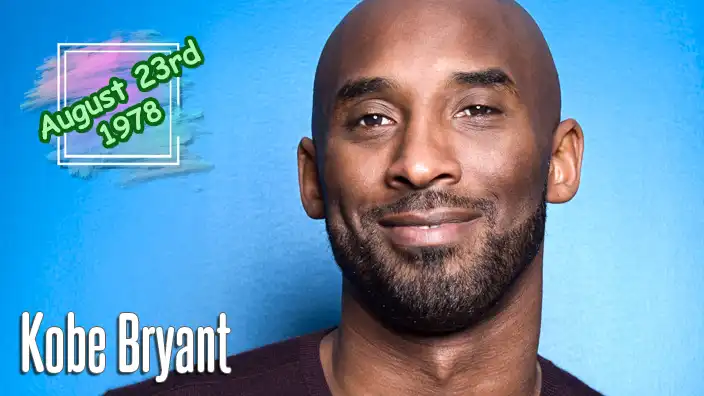
Kobe Bryant spent 20 seasons proving that basketball hoops apparently become considerably larger when the game is on the line. With five NBA championships, 18 All-Star selections, an 81-point game and one of the fiercest competitive reputations in sports, Bryant turned difficult shots into ordinary business and ordinary shots into something he occasionally considered too easy. His relentless approach became known as the “Mamba Mentality,” which sounds considerably more impressive than “refusing to quit until everybody else has gone home.”
August 23, 1978, in Philadelphia, Pennsylvania
January 26, 2020, in Calabasas, California
Trivia
- Kobe entered the NBA directly from high school at age 17.
- Charlotte drafted him 13th overall before trading him to the Lakers.
- He won the 1997 NBA Slam Dunk Contest as a rookie.
- Bryant scored 81 points against Toronto in 2006.
- The Lakers retired both his No. 8 and No. 24 jerseys.
- He won Olympic gold medals in 2008 and 2012.
- Dear Basketball won an Academy Award in 2018.
- Details
- Category: Celebrity Birthdays - August
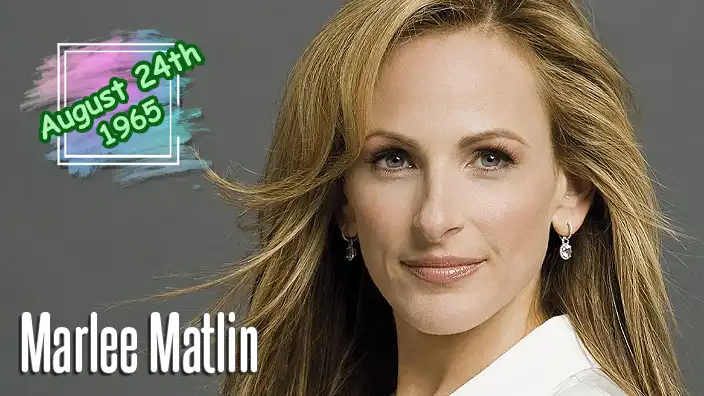
Marlee Matlin began her movie career by winning the Academy Award for Best Actress, apparently deciding that easing into Hollywood was unnecessary. From Children of a Lesser God to The West Wing and CODA, she has spent decades proving that talent doesn't require sound—and neither does a thoroughly impressive career.
August 24, 1965, in Morton Grove, Illinois
Trivia
- She became deaf at 18 months old.
- She began acting at seven.
- Her first movie was Children of a Lesser God.
- She won an Oscar for that debut performance.
- She was 21 when she won Best Actress.
- She competed on Dancing with the Stars.
- Details
- Category: Celebrity Birthdays - August
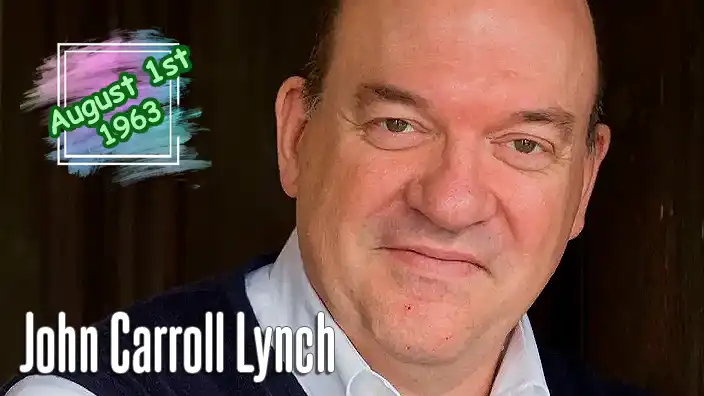
Hollywood has plenty of leading men, but every great movie also needs that one actor who quietly walks into a scene, steals it without raising his voice, and leaves everyone wondering, "Wait... I've seen him in everything!" That actor is John Carroll Lynch. Whether he's playing a kind-hearted husband, a determined detective, or someone who makes you double-check that your front door is locked, he has a remarkable talent for making every character memorable.
August 1, 1963, in Boulder, Colorado
Trivia
- Studied theater at The Catholic University of America.
- Performed for nearly a decade with the Guthrie Theater.
- Played Norm Gunderson in the Oscar-winning Fargo.
- Portrayed Arthur Leigh Allen in David Fincher's Zodiac.
- Played the chilling Twisty the Clown in American Horror Story: Freak Show.
- Made his feature directorial debut with Lucky (2017).
- Has appeared in more than 150 film and television productions.
- Is widely regarded as one of Hollywood's finest character actors.
- Frequently works across drama, comedy, thriller, and horror genres.
- Is known for disappearing completely into his roles.
- Details
- Category: Celebrity Birthdays - August
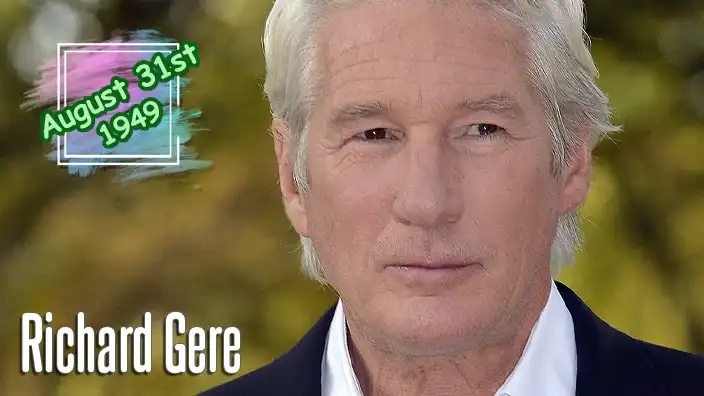
Richard Gere became a Hollywood leading man by wearing an impressive number of expensive suits, sweeping Julia Roberts off her feet in Pretty Woman and somehow making audiences believe that joining the Navy could end with Debra Winger waiting outside the factory. Beneath the movie-star image, however, is an actor whose career has ranged from musicals and romantic comedies to crime dramas, political thrillers and independent films for more than five decades.
August 31, 1949, in Philadelphia, Pennsylvania
Trivia
- Gere attended college on a gymnastics scholarship.
- He played Danny Zuko in Grease onstage.
- American Gigolo made him a major star.
- He reunited with Julia Roberts in Runaway Bride.
- Gere performed his own singing in Chicago.
- He won a Golden Globe for Chicago.

- Details
- Category: Celebrity Birthdays - August
Some movie stars become famous for delivering unforgettable lines. Kajol somehow manages to make an entire facial expression memorable before she even says a word. Whether she's making audiences laugh, cry, cheer, or desperately hope Raj catches that train, she has spent decades proving that great acting doesn't require grand speeches—it sometimes just takes perfect timing, expressive eyes, and enough charisma to light up an entire cinema.
August 5, 1974, in Bombay, India
Trivia
- Frequently co-starred with Shah Rukh Khan.
- Married actor Ajay Devgn in 1999.
- Mother of two children.
- Received the Padma Shri in 2011.
- Won the Filmfare Award for Best Performance in a Negative Role for Gupt.
- Has won five Filmfare Best Actress Awards, tying the long-standing record set by Nutan.
- Comes from the famous Mukherjee-Samarth film family.
- Appeared in acclaimed streaming series including The Trial.
- Known for her expressive acting style and natural performances.

- Details
- Category: Celebrity Birthdays - August
Brenton Thwaites is the kind of hero who could rescue you from a sinking ship, then apologize for getting your shoes wet. He’s got that rare mix of action-star toughness and “guy next door” likability—which is probably why even the ghost pirates in Pirates of the Caribbean didn’t seem to hate him all that much.
August 10, 1989, in Cairns, Queensland, Australia
Trivia
- Nature Boy: Raised in Cairns, surrounded by the Great Barrier Reef and lush rainforests—basically the perfect training ground for adventure roles.
- Prince Mode: Played Prince Phillip in Maleficent opposite Angelina Jolie.
- Comic Book Cred: Has been playing Dick Grayson/Nightwing in Titans since 2018, proving he can pull off leather armor and emotional depth at the same time.
- Surf’s Up: Grew up surfing, because of course he did—he’s Australian.
- Details
- Category: Celebrity Birthdays - August
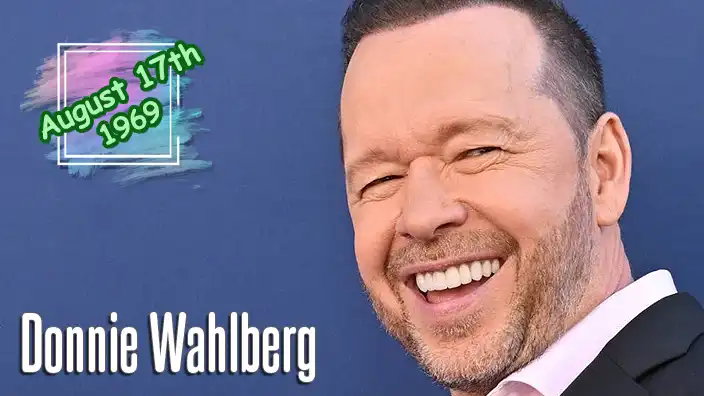
Donnie Wahlberg has spent decades demonstrating that choosing one career is apparently optional. He became a teenage pop sensation with New Kids on the Block, developed a successful acting career, chased criminals around New York on Blue Bloods, produced television shows and then returned to the concert stage with the same band that helped cause adolescent hysteria in the late 1980s. Somewhere along the way, he also found time to marry Jenny McCarthy. Apparently, Donnie received a considerably larger daily allotment of hours than the rest of us.
August 17, 1969, in Boston, Massachusetts
Trivia
- Wahlberg was one of the original members of New Kids on the Block and helped recruit several of the group's other members.
- He played the severely troubled Vincent Grey in The Sixth Sense and dramatically changed his appearance for the brief but memorable role.
- Wahlberg portrayed Carwood Lipton in HBO's Band of Brothers.
- He played Detective Eric Matthews in the Saw film series.
- Wahlberg starred as Danny Reagan throughout all 14 seasons of Blue Bloods.
- He married Jenny McCarthy in 2014.
- New Kids on the Block reunited in 2008, more than a decade after originally separating.
- He has attracted attention for leaving exceptionally generous tips for restaurant employees.
From Our Marks Catelog
-

Sitting down at the dinner table, there's always that moment when you spot the mashed potatoes,...
-

Once upon a time, someone looked at tennis and thought, “This would be perfect if it involved less running,...
-

If you’re the kind of person who likes a little thrill with your meal, then one bite of that...
-

If you've ever scratched a dog's ears, rescued a turtle from the middle of the road, or apologized...
-
Who knew that creating a prehistoric masterpiece could lead to such existential questions? Like, did...
-

It's not uncommon to see a normally quiet neighborhood transform overnight into a glittering...

