Mark The Days - April

April is nature’s reboot—birds start singing, flowers show off, and pollen declares war on sinuses everywhere. It’s the month that says, “Hey, let’s start fresh!” and then dumps rain on your new shoes. April kicks off with April Fool’s Day, just to remind us not to take anything too seriously—including that forecast. One day it's sunny and lovely, the next you're building an ark. But in between the drizzle and sneezes, there's a sense that things are coming back to life—and possibly plotting something. April’s playful, unpredictable, and just a little unhinged. We like that in a month.
- Details
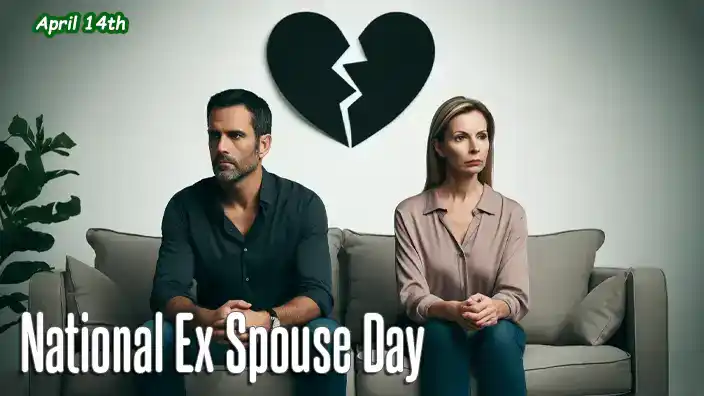
Some holidays bring joy, some bring nostalgia, and then there’s the one that makes you wonder if Hallmark is secretly run by divorce lawyers with a sense of humor. A day dedicated to raising a glass—not in love, but in sheer relief—is a rare gem in the world of celebrations. Whether it’s a toast to personal growth, a moment of gratitude for dodging a lifetime of their terrible karaoke, or simply the satisfaction of knowing you no longer have to deal with their “constructive criticism” of your parking skills, it’s a day worth acknowledging. After all, nothing says “moving on” quite like laughing at the past and realizing that your best days are still ahead—far, far away from their snoring.
Celebrated: Annually, on April 14th
Join the fun on National Ex-Spouse Day! It's a chance to laugh, heal, and share stories about past relationships while embracing personal growth.

- Details
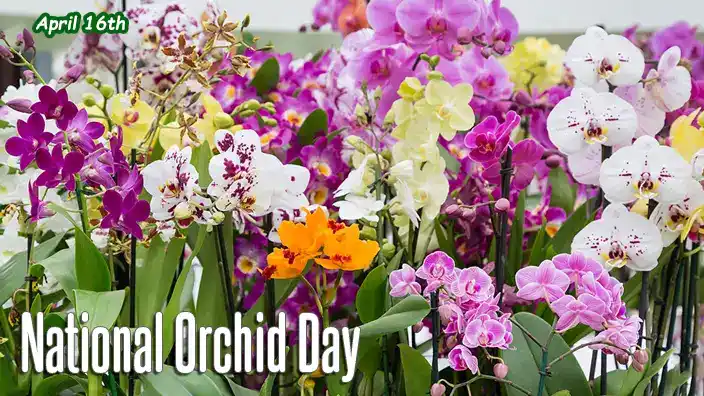
Elegance, mystery, and just the right amount of arrogance—some things demand admiration without lifting a petal. With a flair for the dramatic, these botanical divas refuse to settle for anything less than perfection, wilting at the slightest inconvenience as if auditioning for an Oscar. One day, they’re basking in just the right amount of humidity; the next, they’re throwing a floral tantrum because you dared to water them an hour too late. And yet, despite their finicky demands, they remain irresistible, effortlessly making every other houseplant look like an amateur in the world of glamor.
Celebrated: Annually, on April 16th
Discover the origins of National Orchid Day and learn how to appreciate and conserve these stunning plants that captivate with their beauty and complexity.

- Details
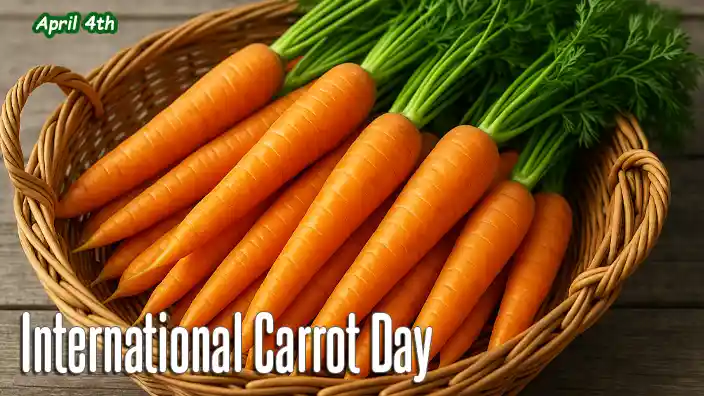
Carrots have a fan club that spans continents—and species. You've got health nuts who swear by their daily carrot juice shots (despite the fact it tastes vaguely like sweetened soil), toddlers who gnaw on them like teething rings, and grandmas who still believe they're the secret to perfect eyesight. And then there are the rabbits—oh, the rabbits. They act like carrots are currency, gourmet cuisine, and a life mission all rolled into one crunchy package. Honestly, if rabbits ever form a government, their flag will probably feature a carrot crossed with a dandelion leaf. Meanwhile, humans are still trying to decide if the carrot is a salad staple, a dessert ingredient, or just a really judgmental side dish staring up at us from the plate.
Celebrated: Annually, on April 4th
Join the global celebration of carrots on April 4th, exploring their historical significance, culinary versatility, and quirky role in pop culture.

- Details
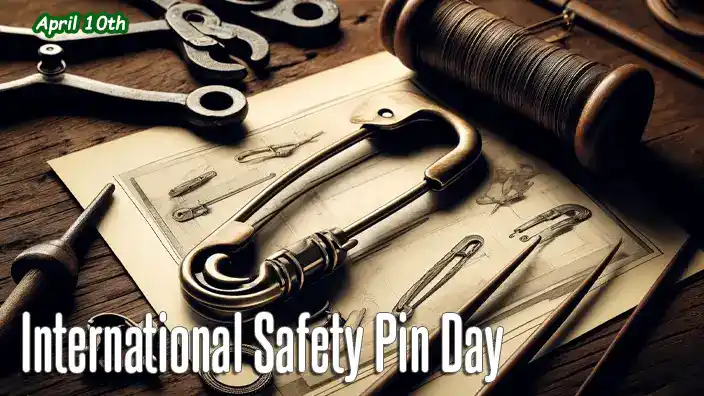
The safety pin is like that one friend who never makes a big fuss but is always there to bail you out of a crisis. One moment, you’re facing a wardrobe malfunction that threatens to turn a perfectly normal day into an unplanned fashion disaster, and the next, this tiny metal genius has discreetly saved your dignity. It’s been the silent fixer of broken zippers, the unexpected hairstyling tool, and the last-minute lifesaver of wedding gowns, race bibs, and rogue bra straps. Simple, unassuming, and always ready for action—because when life comes undone, the safety pin quietly steps in to hold it all together.
Celebrated: Annually, on April 10th
Discover the history and significance of the safety pin, a versatile tool invented in 1849 by Walter Hunt. Learn how this tiny titan of tidiness has evolved into a symbol of ingenuity and solidarity.


- Details
Pinups are proof that a little bit of lipstick and a whole lot of confidence can conquer the world—or at least turn a few heads while doing it! With their perfectly arched brows, mischievous smirks, and an uncanny ability to make a gust of wind seem like a fashion statement, these vintage vixens mastered the art of looking effortlessly glamorous in even the most "oops" moments. Whether it's a strategically placed hand catching a lifted skirt or a coy glance over the shoulder, pinups remind us that style should always come with a wink and a little bit of sass. After all, who needs a filter when you’ve got victory rolls and a twinkle in your eye?
Celebrated: Annually, on April 22nd
Discover the charm and allure of National Pinup Day, a celebration of vintage fashion, cheeky allure, and subtle sass, with a guide to participate in this stylish soiree.


- Details
Administrative Professionals are the superheroes of the office, armed with the superpower of multitasking. Without them, schedules would crumble, files would play hide and seek, and meetings would be mythological events often discussed but rarely seen. They're the glue that holds the office together, often spotted rescuing coffee-deprived colleagues and taming wild photocopiers. Truly, where would we be without their heroic efforts to keep the chaos at bay while wearing a headset like a crown? Probably locked out of Zoom, searching for misplaced reports in the Bermuda Triangle of our desks!
Celebrated: Annually, on Wednesday of the Last Full Week of April
Explore the significance of Admin Day, a tribute to the unsung heroes holding workplaces together. Learn about its origins, ways to celebrate, and the global recognition of administrative professionals.

- Details
A picnic is the only meal where you spend more time packing the food than actually eating it, and somehow still forget the one thing you needed—usually the fork, the opener, or the entire bag of sandwiches. You drive to the perfect shady spot, spread out the blanket like a professional outdoorsman, and within three minutes the wind, the ants, and one very confident squirrel have all RSVP’d. Drinks taste colder, cookies taste sweeter, and everything feels more relaxing… right up until someone says, “Did anybody bring napkins?” and six people suddenly become very interested in the grass.
Celebrated: Annually, on April 23rd
Celebrate National Picnic Day with a look at its history, classic foods, fun traditions, and easy ways to enjoy a relaxing outdoor meal.

- Details
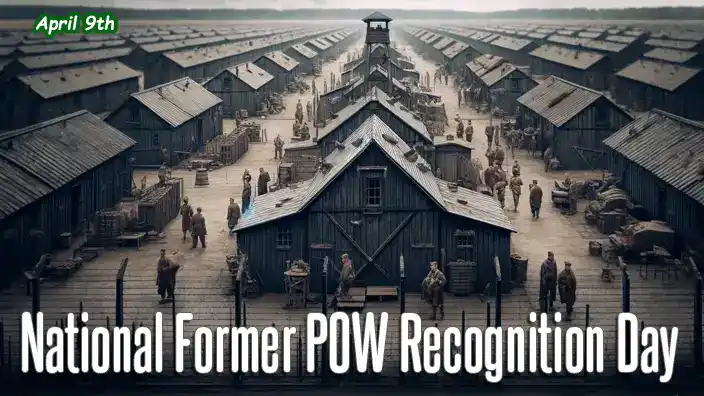
Surviving as a POW takes incredible resilience, grit, and a sense of humor tough enough to withstand even the worst conditions. Many former POWs, when asked how they endured, will crack a wry smile and say something like, “Well, I didn’t exactly have other plans.” Their ability to find light in the darkest moments speaks volumes about their strength. Whether it was tapping out jokes in Morse code, fashioning makeshift chess pieces from scraps, or convincing their captors that terrible singing was an American tradition, these individuals proved that even in captivity, the human spirit refuses to be shackled.
Celebrated: Annually, on April 9th
Honoring the resilience of former prisoners of war on National Former Prisoner of War Recognition Day, a solemn occasion recognizing their courage and sacrifices in wartime captivity.
- Details
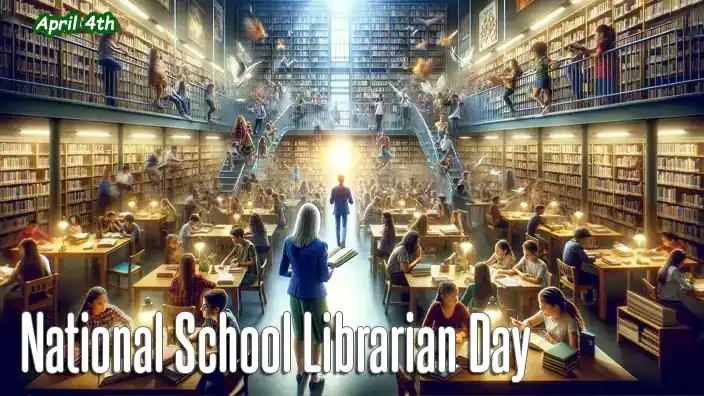
School librarians are like literary ninjas—silent, swift, and always watching. They can spot a dog-eared page from across the room and track down a missing book faster than a bloodhound on a scent trail. They wield the power of the almighty "Shush" with a precision that can silence even the rowdiest lunch-period invaders. Armed with an encyclopedic knowledge of obscure book titles and an uncanny ability to decode the most cryptic student requests (“You know, the book with the blue cover and that one guy in it?”). They are the unsung heroes of the school. And let’s not forget their Jedi-like patience when explaining, for the hundredth time, that no, Wikipedia is not a primary source.
Celebrated: Annually, on April 4th
Celebrate National School Librarian Day and honor the unsung heroes who foster learning and nurture a love for literature within the walls of schools across the globe.

- Details
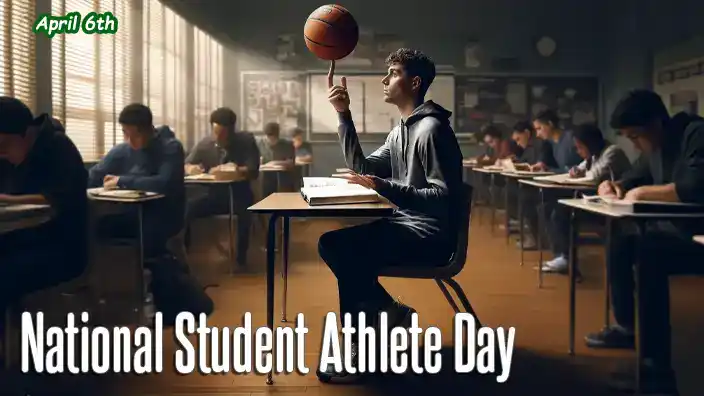
Student-athletes are basically superheroes in gym shorts—except instead of fighting crime, they’re battling exhaustion, tight schedules, and the ever-present threat of an unfinished essay. They have the uncanny ability to sprint across campus like Olympians just to make it to class on time, all while surviving on a questionable diet of protein bars, sports drinks, and sheer willpower. Their backpacks weigh more than a small child, their laundry piles consist almost entirely of sweat-soaked jerseys, and their idea of "free time" is a mythical concept spoken of in hushed tones. Yet, despite all this, they somehow manage to excel both in the classroom and on the field, proving that time management isn’t just a skill—it’s a survival instinct.
Celebrated: Annually, on April 6th
Join the tribute to student-athletes on National Student-Athlete Day, highlighting their incredible ability to excel in both sports and academics.


- Details
Digging into the medicine cabinet is like playing archaeologist in your own bathroom: you might unearth an ancient tube of ointment or a lotion older than your high school diploma. Who knew expired cough syrup could turn into a DIY science experiment? It's a journey through time where every bottle has a story and every pill has a past expiration date.
Celebrated: Annually, on the Third Friday of April
Join us for this annual event to help build a healthier home and community. Clean Out Your Medicine Cabinet

- Details
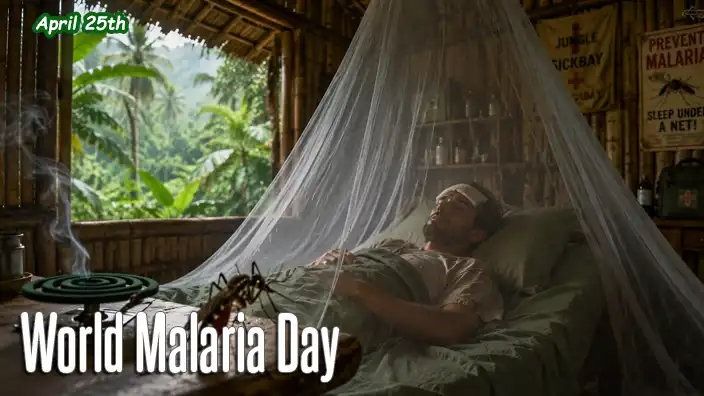
Mosquitoes are tiny, lightweight, and apparently fueled entirely by spite. World Malaria Day shines a spotlight on one of humanity’s oldest medical battles, reminding us that a creature small enough to lose in your sock drawer has managed to challenge entire civilizations for thousands of years. Thankfully, modern medicine, vaccines, mosquito nets, and determined scientists are helping humanity fight back against the buzzing little vampires of doom.
Celebrated: Annually, on April 25th
Learn about World Malaria Day, malaria symptoms, mosquito prevention, global health efforts, and the long history of humanity’s battle against malaria

- Details
At some point in life, we all become world-class planners of things we never quite get around to doing. “I’ll travel more,” we say—right after deciding the couch has never needed us more. National Bucket List Day is here to interrupt that nonsense. It’s the day where good intentions stop lounging around and start putting on their shoes. No need to go full action-hero overnight, but maybe—just maybe—it’s time to swap “one day” for “day one.”
Celebrated: Annually, on April 24th
"Kicking The Bucket?" Any ideas? Come with us and learn about National Bucket List Day


- Details
This is is the only hobby where you can talk to someone in outer space without having to kidnap an alien or hijack a satellite. It's where people with advanced gadgets spend hours trying to contact someone who basically lives just down the block, only to brag about the rare, two-way exchange of "signal report" postcards called QSL cards. Imagine spending your weekend fiddling with antennas instead of Netflix; that’s ham radio for you—because sometimes the best social media is no media, just a good old-fashioned radio wave.
Celebrated: Annually, on April 18th
Discover the world of amateur radio on International Amateur Radio Day and explore its origins, significance, and role in emergencies. Join the global community of hams celebrating this innovative hobby.

- Details
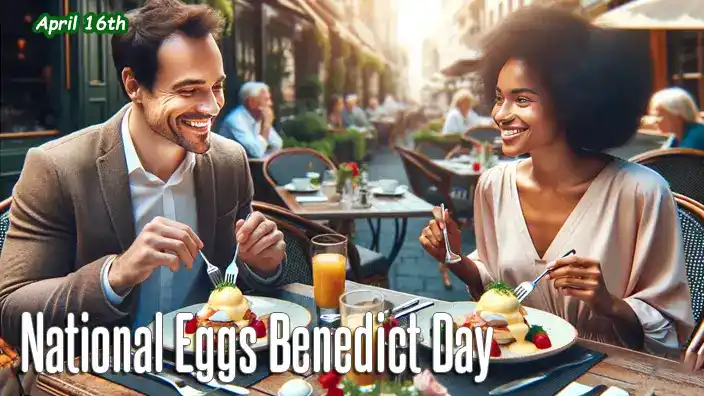
Eggs Benedict is the ultimate breakfast diva—luxurious, temperamental, and unapologetically rich. It demands precision, patience, and a deep understanding of the delicate balance between perfectly poached eggs and a hollandaise sauce that doesn’t break under pressure (much like the chef making it). One wrong move, and you’ve got scrambled chaos instead of brunch elegance. And let’s not forget that dramatic moment when the knife slices through the egg, releasing a golden yolk cascade worthy of slow-motion cinematography. It’s breakfast with flair, a dish that whispers, “Yes, I require effort, but darling, I’m worth it.”
Celebrated: Annually, on April 16th
Indulge in the rich history of Eggs Benedict on National Eggs Benedict Day! Learn how to celebrate with recipes, dining tips, and fun facts about this brunch favorite.

- Details
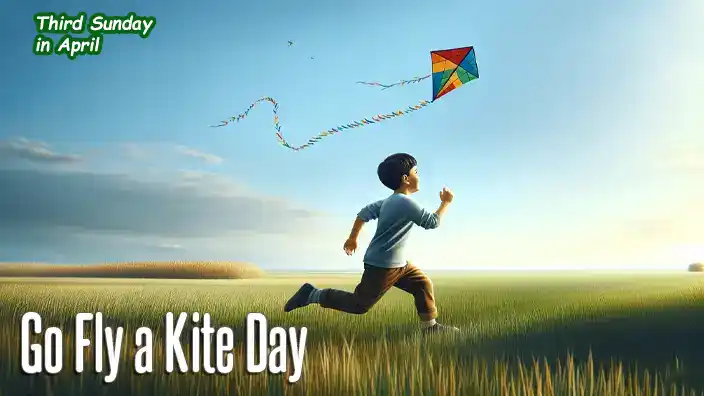
There’s something truly magical about watching a colorful shape dance in the sky—until, of course, it nose-dives into the ground like it just remembered an urgent appointment. Flying a kite seems simple in theory: let the wind do the work, enjoy the view, and bask in the serenity of nature. In reality, it often involves sprinting like a maniac, getting tangled in your own string, and dramatically shouting, “Catch it!” as your kite makes a break for freedom. And let’s not forget the inevitable showdown with a tree, which, despite having zero interest in kite-flying, always manages to claim at least one victim per outing.
Celebrated: Annually, on the Third Sunday in April
Explore the whims and breezes of life on Go Fly a Kite Day, a celebration of art and joy in kite flying, a festival amidst digital screens.

- Details
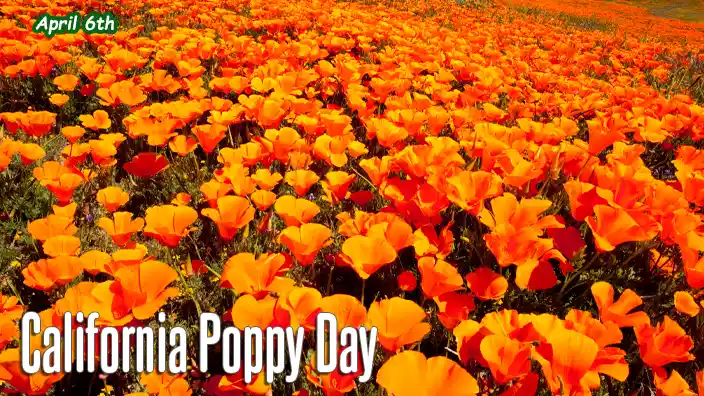
The California poppy is the kind of flower that shows up overdressed to a picnic and somehow still makes everyone else feel underdressed. With petals so bright they look like they were colored in by a kid who found the “maximum sunshine” crayon, this bloom doesn’t just grow—it glows. It pops up uninvited, refuses to be watered, and still looks fabulous. Basically, it’s the diva of the wildflower world: low maintenance, always photogenic, and completely immune to drama.
Celebrated: Annually, on April 6th
Learn about the California Poppy, the state's floral emblem since 1903. This resilient flower is a symbol of natural beauty and ecological importance.

- Details
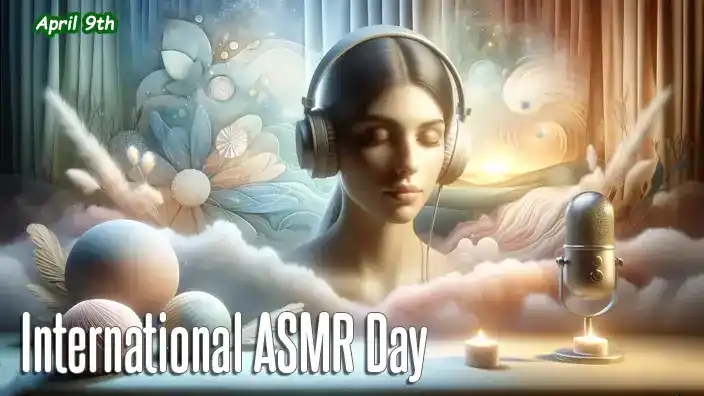
Imagine a world where the sound of a pickle crunching or someone whispering about medieval pottery can send shivers down your spine—in a good way. It’s like your brain has a VIP pass to a spa day, but instead of cucumbers on your eyes, you get soft tapping, gentle crinkling, and the occasional roleplay of a medieval scribe documenting your grocery list. Some people find it mesmerizing, and others feel like they’re being serenaded by a librarian with a secret passion for bubble wrap. Whatever the case, it's proof that the internet will always find a way to turn the strangest things into a global phenomenon.
Celebrated: Annually, on April 9th
Discover the soothing world of ASMR and its celebration on International ASMR Day, April 9th. Explore the tingling sensation triggered by auditory and visual stimuli, offering relaxation and comfort.

From Our Marks Catelog
-

Peace for one hour? That’s like baking a cake and only eating the crumbs! If we can manage to...
-

There was a time when wearing pink to school might earn you a raised eyebrow, a snicker, or a...
-
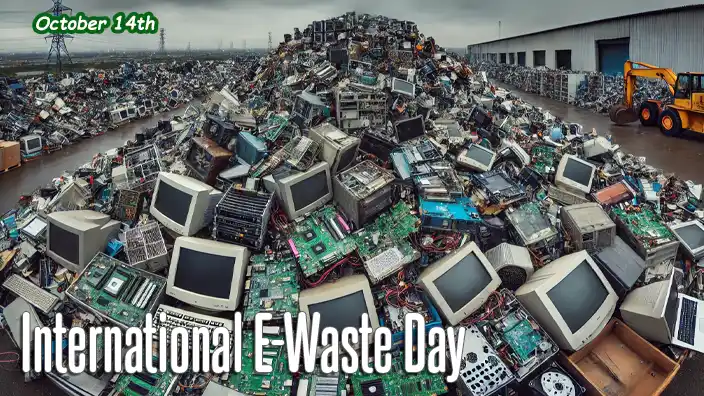
Picture this: you're rummaging through a drawer, looking for a pen, but instead, you find a flip...
-

There’s nothing light about Good Friday—after all, it commemorates the darkest day in Christian...
-
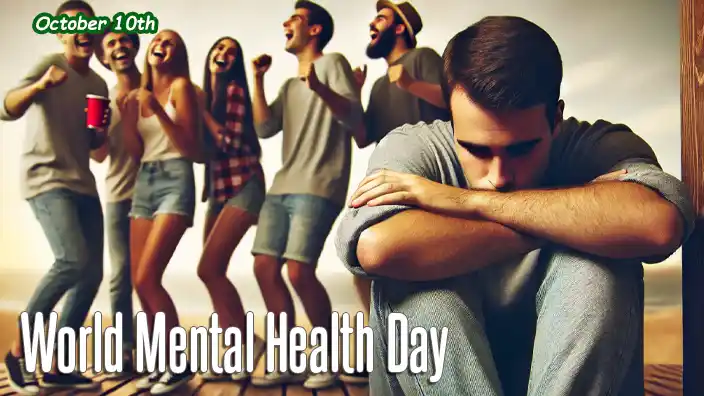
Mental health is not just a personal matter—it's a global issue that affects millions of lives...
-

Having a hole in your bucket is nature’s way of saying, “You tried.” It’s the DIY version of a practical...

