Celebrity Birthdays - August

August birthdays are like the last cannonball into the summer pool — big, splashy, and a little bittersweet. School is looming, but August folks insist we squeeze every last drop of sunshine first.
Join us as we salute the stars who own the dog days of summer. They’re proof that even the hottest month can be cool when you know how to celebrate it.
- Details
- Category: Celebrity Birthdays - August
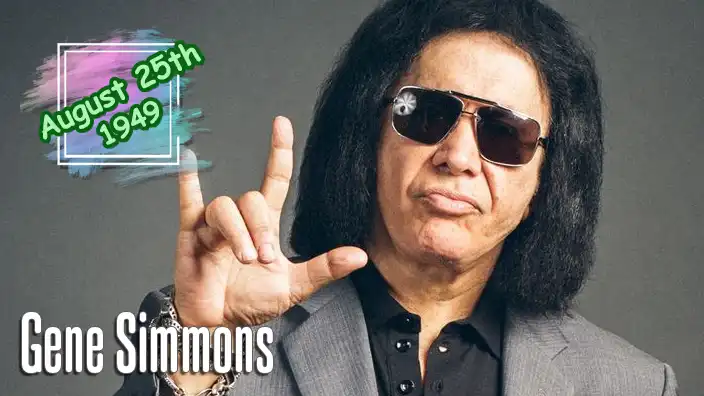
Gene Simmons turned playing bass into a job that apparently also required platform boots, dragon makeup, fire breathing, blood spitting and a tongue famous enough to deserve separate billing. As co-founder of KISS and the fearsome “Demon” onstage, Simmons helped prove that rock music could be part concert, part theater and part controlled explosion—and then discovered there was probably a way to merchandise the explosion.
 August 25, 1949, in Haifa, Israel

Trivia
- He immigrated to New York at age eight.
- Simmons once taught sixth grade.
- His KISS character is the Demon.
- He co-wrote “Rock and Roll All Nite.”
- He married Shannon Tweed in 2011.
- KISS entered the Rock Hall in 2014.
- Details
- Category: Celebrity Birthdays - August
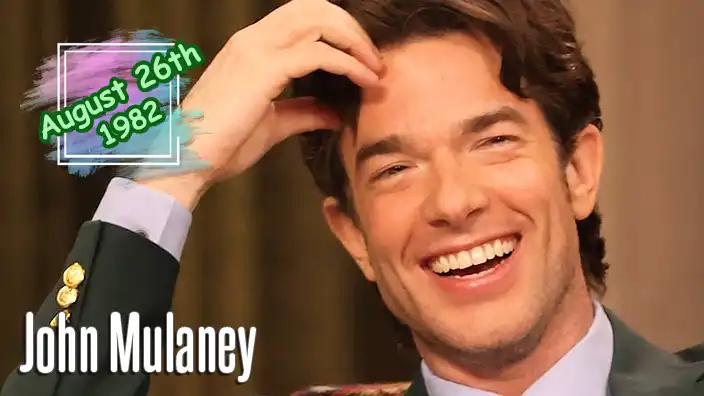
John Mulaney has turned nervous energy, immaculate suits, childhood embarrassment and the peculiar behavior of ordinary people into a remarkably successful career. He helped create one of Saturday Night Live's strangest recurring characters, became one of America's leading stand-up comedians and somehow made stories about doctors, horses and childhood detectives sound like matters of national importance.
August 26, 1982, in Chicago, Illinois
Trivia
- John graduated from Georgetown University.
- He joined SNL as a writer in 2008.
- He helped create Bill Hader's Stefon.
- He voices Andrew on Big Mouth.
- He voiced Spider-Ham in Spider-Verse.
- Details
- Category: Celebrity Birthdays - August
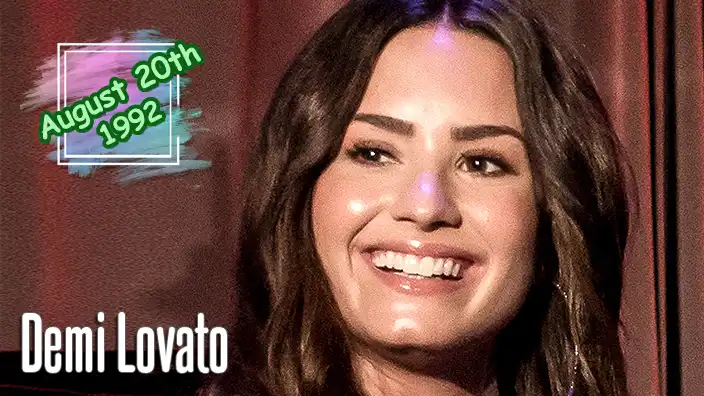
Demi Lovato has been performing professionally since childhood, which means most people were still figuring out homework while Lovato was already accumulating television credits. From Barney & Friends and Disney Channel stardom to Camp Rock, chart-topping albums, major pop hits and a career that has repeatedly reinvented itself, Lovato has spent more than two decades in the public eye. That is an impressive amount of show business before you even consider the microphones, movie sets, concert tours and enough hair-color changes to keep a salon permanently occupied.
 August 20, 1992, in Albuquerque, New Mexico
Trivia
- One of Lovato's earliest professional roles was Angela on Barney & Friends.
- Lovato's breakthrough movie role was Mitchie Torres in Camp Rock.
- The 2009 album Here We Go Again became Lovato's first No. 1 album on the Billboard 200.
- Lovato served as a judge on The X Factor USA for two seasons.
- Lovato performed the U.S. national anthem at Super Bowl LIV in 2020.
- Details
- Category: Celebrity Birthdays - August
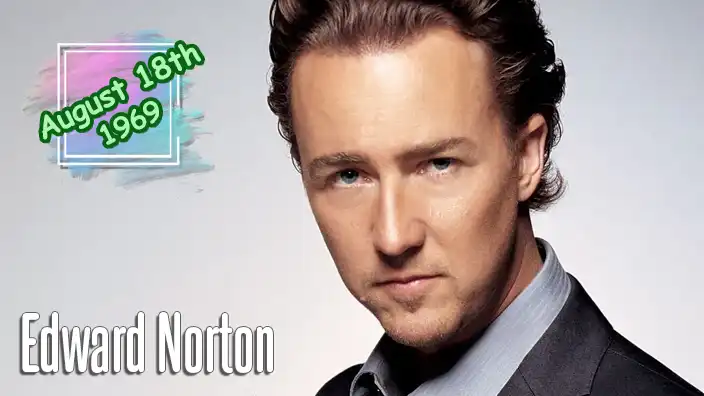
Almost immediately upon arriving in Hollywood, Edward Norton gave audiences the impression that trusting one of his characters might be a very poor life decision. His extraordinary debut in Primal Fear was followed by American History X, Fight Club, The Illusionist, Birdman and an assortment of characters ranging from criminals and magicians to scientists and extremely committed method actors. Norton has also become a director, producer, writer, environmental advocate and entrepreneur, apparently having concluded that merely being a three-time Academy Award nominee wasn't enough to fill the week.
August 18, 1969, in Boston, Massachusetts
Trivia
- He graduated from Yale University in 1991 with a degree in history.
- Before establishing his acting career, Norton worked in Osaka, Japan, and learned some Japanese.
- His first major movie, Primal Fear, earned him both a Golden Globe and an Academy Award nomination.
- Norton has received Academy Award nominations for Primal Fear, American History X and Birdman.
- He directed his first feature film, Keeping the Faith, in 2000.
- Norton co-founded the charitable fundraising platform CrowdRise, which was later acquired by GoFundMe.
- He was appointed a United Nations Goodwill Ambassador for Biodiversity in 2010.
- Details
- Category: Celebrity Birthdays - August
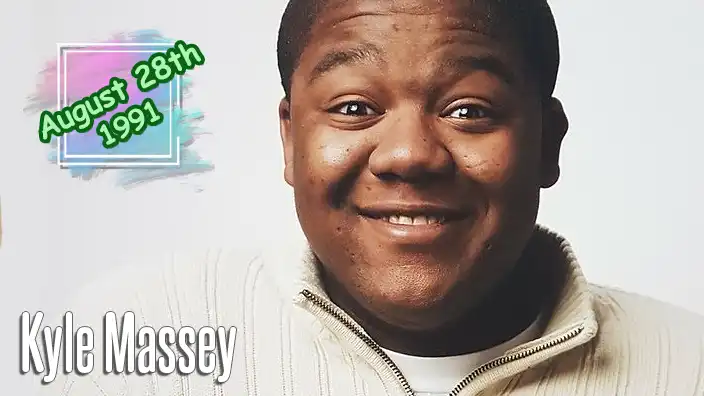
Kyle Massey became a Disney Channel favorite as Cory Baxter on That's So Raven, playing the younger brother who could usually be relied upon to spot a money-making opportunity—and considerably less reliably be expected to think it through. The character proved popular enough to earn his own series, sending Cory all the way to the White House, where absolutely nothing could possibly go wrong.
August 28, 1991, in Atlanta, Georgia
Trivia
- He played Cory Baxter twice.
- He voiced Milo in Fish Hooks.
- He competed on Dancing with the Stars.
- He finished the competition as runner-up.
- Details
- Category: Celebrity Birthdays - August
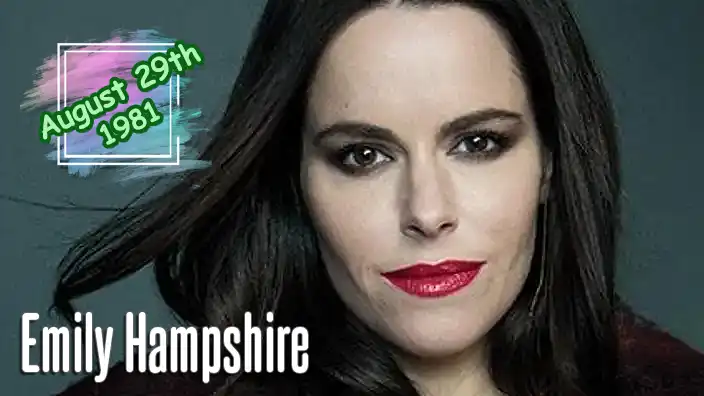
Emily Hampshire has turned deadpan sarcasm into something approaching an Olympic event, winning audiences over as Stevie Budd on Schitt’s Creek while building a career filled with comedy, drama, science fiction and characters who frequently look as though they have already heard your excuse and aren't buying a word of it.
August 29, 1981, in Montreal, Quebec
Trivia
- Emily played Stevie Budd for all six seasons of Schitt’s Creek.
- She played Jennifer Goines in 12 Monkeys.
- Hampshire voiced Misery in Ruby Gloom.
- She appeared in David Cronenberg's Cosmopolis.
- She won a Canadian Comedy Award for My Awkward Sexual Adventure.
- She shared a 2021 SAG Award with the Schitt’s Creek ensemble.
- Details
- Category: Celebrity Birthdays - August
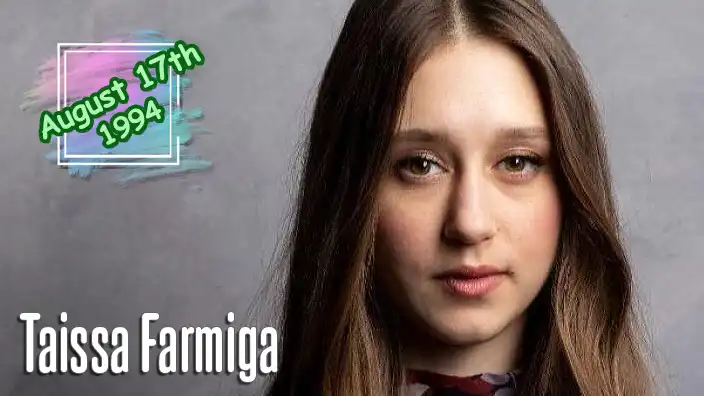
Taissa Farmiga has spent a remarkable portion of her acting career surrounded by ghosts, witches, demons, murderous nuns and assorted things that sensible people would immediately leave the house to avoid. Instead, she keeps showing up for work. From American Horror Story to The Nun, Farmiga has become one of modern horror's most familiar faces, despite originally having no particular ambition to become an actress at all. She once considered becoming an accountant, which presumably involves fewer demonic possessions but considerably more terrifying spreadsheets.
August 17, 1994, in Whitehouse Station, New Jersey
Trivia
- Taissa originally considered becoming an accountant rather than an actress.
- Vera Farmiga reportedly persuaded her to appear in Higher Ground partly by offering her a Toyota Tacoma pickup truck.
- She is the youngest of seven children, with a 21-year age difference between Taissa and Vera.
- She studied American Sign Language for three years and participated in a signing group called Signs of Hope.
- Taissa has played both a younger version of Vera Farmiga's character and, in At Middleton, Vera's character's daughter.
- She voiced Raven in several animated DC films.
- Details
- Category: Celebrity Birthdays - August
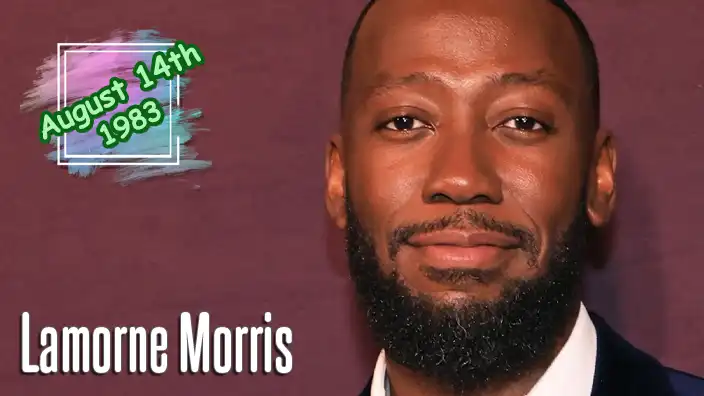
Lamorne Morris has built a career proving that being the funniest person in the room can occasionally lead somewhere other than detention. He went from getting into trouble at school for telling jokes to playing the wonderfully peculiar Winston Bishop on New Girl, hosting television shows, appearing in major movies and eventually winning an Emmy for playing a thoroughly serious state trooper in Fargo. Along the way he has demonstrated impressive dramatic ability, excellent comic timing and an important professional survival skill: when someone hands you a strange television character with a cat named Ferguson, lean into it.
August 14, 1983, in Chicago, Illinois
Trivia
- He originally dreamed of becoming a basketball player.
- He frequently got into trouble at school for telling jokes.
- Teachers encouraged him to put his comic abilities to better use.
- Morris studied theater at the College of DuPage.
- He received an acting scholarship while attending college.
- He trained and performed at Chicago's Second City.
- Morris worked in commercials before achieving television fame.
- He worked as an on-air personality for BET.
- He hosted the Cartoon Network game show BrainRush.
- Details
- Category: Celebrity Birthdays - August
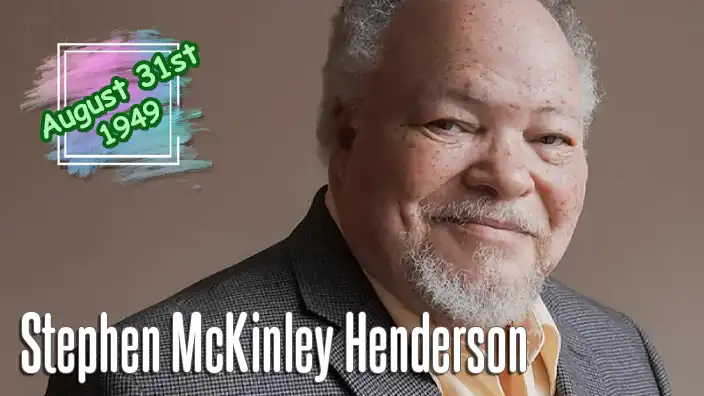
Stephen McKinley Henderson spent decades becoming one of America's most respected stage actors before Hollywood audiences finally caught up, proving that there is no expiration date on being exceptionally good at your job. From August Wilson's Fences to the enormous science-fiction world of Dune, Henderson has the wonderful ability to walk quietly into a scene and somehow make everybody else seem considerably noisier.
August 31, 1949, in Kansas City, Missouri
Trivia
- Henderson studied at Juilliard.
- He became closely associated with August Wilson's plays.
- He played Jim Bono in Fences.
- Henderson portrayed Thufir Hawat in Dune.
- He taught theater at the University at Buffalo.
- He has received multiple Tony Award nominations.
- Details
- Category: Celebrity Birthdays - August
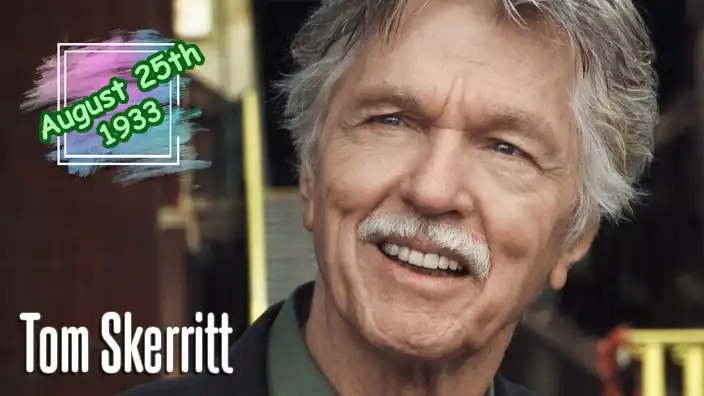
Tom Skerritt has spent more than six decades playing the sort of man you'd trust to command a spaceship, run a small-town sheriff's department or teach you to fly a fighter jet—which is unfortunate, because Alien suggests the spaceship assignment may require further consideration. With that unmistakable voice and weathered authority, Skerritt became one of Hollywood's most dependable actors without ever needing to make much noise about it.
August 25, 1933, in Detroit, Michigan
Trivia
- Tom served four years in the U.S. Air Force.
- His film debut was War Hunt in 1962.
- He played Captain Dallas in Alien.
- He was Commander “Viper” Metcalf in Top Gun.
- Picket Fences earned him a Primetime Emmy.
- He helped establish a storytelling program for veterans.
- Details
- Category: Celebrity Birthdays - August
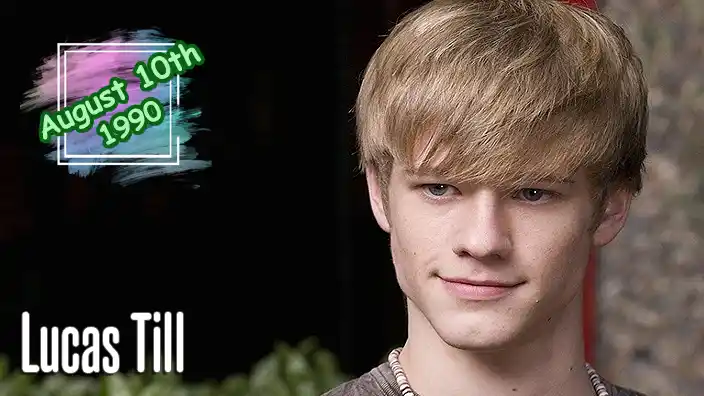
Lucas Till is the kind of guy who can walk into a disaster scene, grab a rubber band, and somehow save everyone in under 45 minutes—commercial breaks included. He’s like that friend who claims they can “totally fix it” but, unlike your friend, actually does. If MacGyver ever needed a stunt double for charming smirks alone, Lucas would still be the top choice.
August 10, 1990, in Fort Hood, Texas
Trivia
- Big Bang Debut: His first acting role was in The Adventures of Ociee Nash (2003) when he was just 13.
- Musical Link: Appeared in Taylor Swift’s You Belong With Me music video—back when music videos were still a big deal.
- Texas Roots: Born in Fort Hood, Texas, and raised in the South, he still carries a bit of that southern gentleman charm.
- MacGyver Mindset: In real life, admits he’s nowhere near as handy as his TV character. (Translation: don’t ask him to fix your sink.)
- Details
- Category: Celebrity Birthdays - August
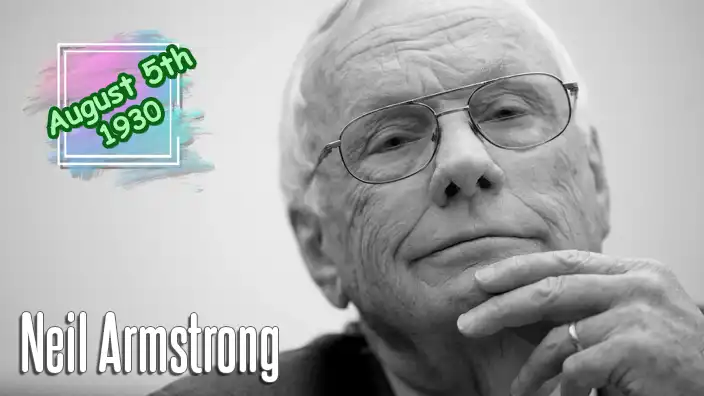
Neil Armstrong traveled nearly a quarter of a million miles, landed a fragile spacecraft on another world with fuel running dangerously low, and then stepped outside as hundreds of millions of people watched. Most of us become flustered when someone watches us parallel park. Armstrong handled the most closely observed arrival in human history with the calm manner of a man who appeared to be checking whether the Moon had been delivered in satisfactory condition.
August 5, 1930, near Wapakoneta, Ohio
 August 25, 2012, in Cincinnati, Ohio
Trivia
- Earned his student pilot certificate at age 16.
- Learned to fly before receiving a driver’s license.
- Achieved the rank of Eagle Scout.
- Studied aeronautical engineering at Purdue University.
- Served as a naval aviator during the Korean War.
- Flew 78 combat missions over Korea.
- Piloted the F9F Panther fighter jet.
- Became a civilian experimental test pilot.
- Flew more than 200 types of aircraft.
- Piloted the rocket-powered X-15.
- Details
- Category: Celebrity Birthdays - August
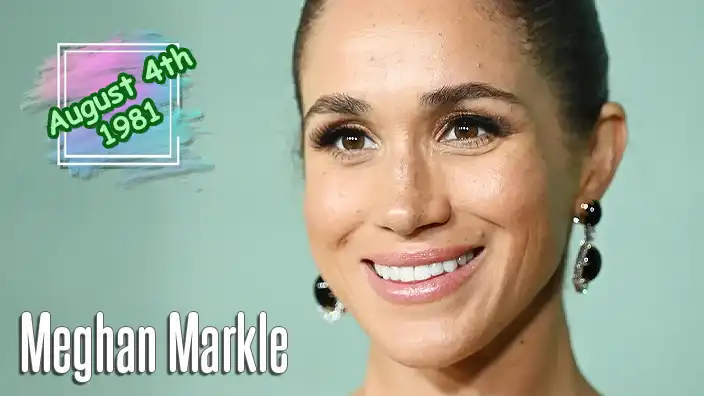
Life has a funny way of changing careers. One day you're memorizing courtroom dialogue for a television drama, and the next you're learning centuries-old royal traditions, attending state events, and discovering that every hat you wear will be analyzed by someone, somewhere. Meghan Markle's journey from Hollywood actress to Duchess of Sussex is one of the most talked-about life stories of the twenty-first century, proving that sometimes the most unexpected plot twists happen off-screen.
August 4, 1981, in Los Angeles, California
Trivia
- Graduated from Northwestern University.
- Studied theater and international studies.
- Interned at the U.S. Embassy in Buenos Aires.
- Played Rachel Zane on Suits for seven seasons.
- Former editor of the lifestyle website The Tig.
- Married Prince Harry in 2018.
- Became the Duchess of Sussex upon marriage.
- Mother of Prince Archie and Princess Lilibet.
- Co-founded the Archewell Foundation.
- Has worked extensively with charitable organizations.
- Details
- Category: Celebrity Birthdays - August
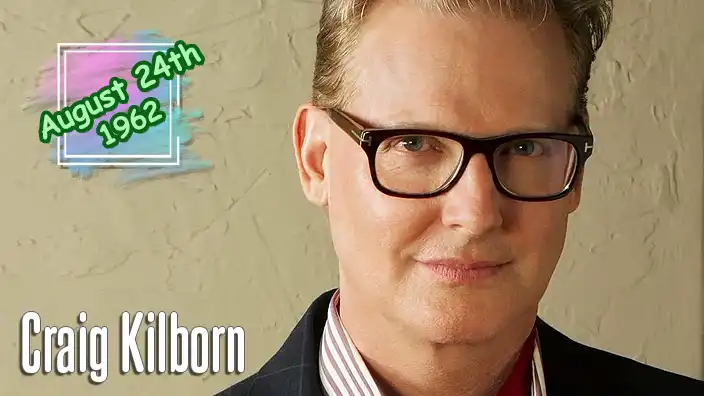
Craig Kilborn went from college basketball to SportsCenter, launched The Daily Show, inherited a CBS late-night desk and then did something almost unheard of in television: he voluntarily walked away from it. Apparently, nobody told him fame was supposed to be the difficult habit to break.
August 24, 1962, in Kansas City, Missouri
Trivia
- He grew up in Hastings, Minnesota.
- He is 6 feet 5 inches tall.
- He played basketball at Montana State University.
- He joined ESPN's SportsCenter in 1993.
- He was the original host of The Daily Show.
- “5 Questions” followed him to The Late Late Show.
- He played Mark in Old School.
- Details
- Category: Celebrity Birthdays - August
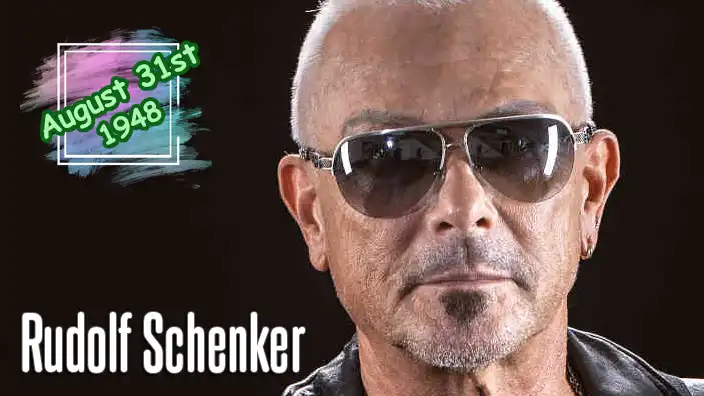
Rudolf Schenker co-founded Scorpions, plays the sort of rhythm guitar capable of rearranging nearby furniture, and has spent more than half a century helping turn a German band into an international rock institution. If you've ever attempted an air-guitar performance of “Rock You Like a Hurricane,” Rudolf deserves at least part of the blame.
August 31, 1948, in Hildesheim, West Germany
Trivia
- He founded Scorpions in 1965.
- Michael Schenker is his younger brother.
- Rudolf primarily plays rhythm guitar.
- He is strongly associated with Flying V guitars.
- He co-wrote “Rock You Like a Hurricane.”
- He has occasionally sung lead vocals.
- Scorpions once announced—and abandoned—their retirement.

- Details
- Category: Celebrity Birthdays - August
Scott Bakula is the only man who could time-travel, command a starship, and still make it home in time for dinner. He’s got that rare “friendly neighbor who also happens to be a sci-fi icon” vibe, and he somehow makes every role feel like you’ve known the guy forever. If Hollywood ever runs out of leading men, they can just have Bakula leap into the part—he’ll fix the timeline, deliver a killer performance, and probably sing the closing credits.
October 9, 1954, in St. Louis, Missouri
Trivia
- Musical Talent: Bakula has a strong singing voice and has performed in musicals like Romance/Romance on Broadway, earning a Tony nomination.
- Pop Culture Staple: He’s been parodied or referenced in shows from Family Guy to Community, often as the go-to “time travel guy.”
- Reluctant Star: Almost turned down Quantum Leap because of the demanding shooting schedule, but ultimately couldn’t resist the role.
- Sports Connection: An avid sports fan, he’s even starred in football-themed projects like Necessary Roughness (1991).
- Details
- Category: Celebrity Birthdays - August
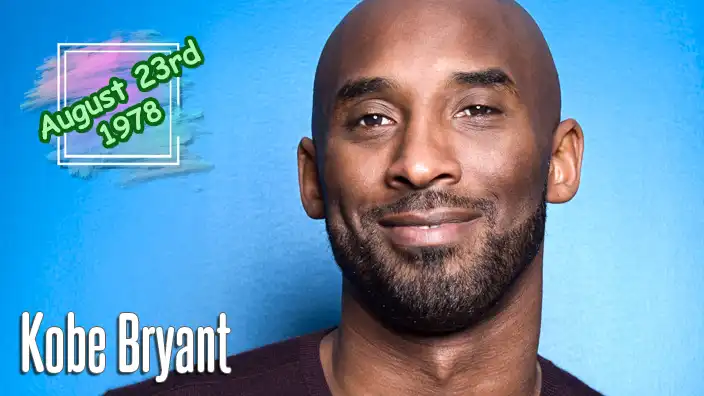
Kobe Bryant spent 20 seasons proving that basketball hoops apparently become considerably larger when the game is on the line. With five NBA championships, 18 All-Star selections, an 81-point game and one of the fiercest competitive reputations in sports, Bryant turned difficult shots into ordinary business and ordinary shots into something he occasionally considered too easy. His relentless approach became known as the “Mamba Mentality,” which sounds considerably more impressive than “refusing to quit until everybody else has gone home.”
August 23, 1978, in Philadelphia, Pennsylvania
January 26, 2020, in Calabasas, California
Trivia
- Kobe entered the NBA directly from high school at age 17.
- Charlotte drafted him 13th overall before trading him to the Lakers.
- He won the 1997 NBA Slam Dunk Contest as a rookie.
- Bryant scored 81 points against Toronto in 2006.
- The Lakers retired both his No. 8 and No. 24 jerseys.
- He won Olympic gold medals in 2008 and 2012.
- Dear Basketball won an Academy Award in 2018.
- Details
- Category: Celebrity Birthdays - August
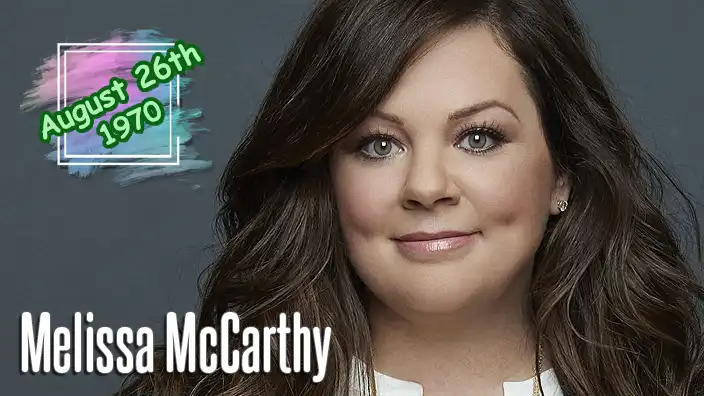
Melissa McCarthy can steal a movie with a look, destroy a room with a handbag and turn an ordinary argument into something requiring emergency services. From Gilmore Girls to Bridesmaids, Spy and beyond, she has built a career proving that great comedy requires impeccable timing, complete commitment and absolutely no concern whatsoever for maintaining one's dignity.
August 26, 1970, in Plainfield, Illinois
Trivia
- Melissa trained with The Groundlings.
- Gilmore Girls was her television breakthrough.
- Bridesmaids earned her first Oscar nomination.
- Husband Ben Falcone frequently works with her.
- She played Ursula in The Little Mermaid.

- Details
- Category: Celebrity Birthdays - August
Merritt Wever is living proof that you don’t have to shout to be heard — sometimes all it takes is a perfectly timed pause, a sideways glance, and the kind of delivery that makes every other actor in the room wonder why they even bothered learning their lines.
August 11, 1980, in New York City
Trivia
- Double Emmy Winner: Nurse Jackie (2013) and Godless (2018).
- Award Speech Legend: Her 2013 Emmy speech was just 11 words long.
- Genre-Hopping: From comedy to gritty drama with ease.
- Stage Roots: Studied at Sarah Lawrence College and honed her craft in theater.
- Reluctant Star: Known for her private, press-shy personality.

- Details
- Category: Celebrity Birthdays - August
Michael Urie doesn’t just deliver lines—he fires them off like a martini-fueled gossip columnist with a standing invite to every fashion week. He can go from snarky sidekick to heartfelt leading man in the blink of a perfectly arched eyebrow. If sass were a martial art, Urie would be a black belt with a Tony Award and a signature fragrance.
August 8, 1980, Houston, Texas
Trivia
- Stage Royalty: Urie has been a regular on the New York stage and even co-founded a theater company—because Broadway doesn’t just call, it texts.
- Holiday Hero: Single All the Way (2021) made him a queer holiday rom-com icon, and gave Netflix a reason to deck the halls with actual heart.
- Hosting Duties: He’s hosted awards shows, theater panels, and red carpets, because honestly—who wouldn’t want Michael Urie as their emcee?
- Advocate & Ally: Openly gay, Urie has used his platform to support LGBTQ+ visibility, especially in theater and television.

- Details
- Category: Celebrity Birthdays - August
Even at the tender age of six, JonBenét Ramsey had more crowns than most adults have houseplants. With a smile that could light up a stadium and stage presence to rival seasoned performers, she wasn’t just a beauty queen—she was the whole royal court. Whether she was twirling in a sparkly dress or charming a crowd with her poise, JonBenét somehow made it look effortless, like she was born ready for a spotlight… and a sash.
August 6, 1990, in Atlanta, Georgia
December 26, 1996, in Boulder, Colorado
Trivia
- Family Legacy: JonBenét was named after her father, John Bennett Ramsey, blending his first and middle names.
- Pageant Success: She won multiple titles by age six, quickly becoming a well-known figure in child pageant circuits across the country.
- Cultural Impact: Her case has remained in public consciousness for decades, often referenced in discussions about criminal justice reform, media ethics, and the treatment of children in the public eye.
From Our Marks Catelog
-
Sadie Hawkins Day is that rare annual event when the tables turn, and the thrill of the chase gets...
-

Pet Rocks are the ultimate low-maintenance pet—no feeding, no walking, no vet bills, and they...
-

The Merchant Navy is like the unsung hero of the high seas, quietly keeping the world...
-

Caribbean Americans bring a special kind of energy that’s hard to miss — the kind that says, “Yes, I work...
-

Logistics is like a high-stakes game of Tetris, but with trucks, ships, and planes instead of...
-
This is not just a 'weigh-in' for your New Year's resolutions, but a time when we collectively tip the...

