- Details
- Category: Celebrity Birthdays - July
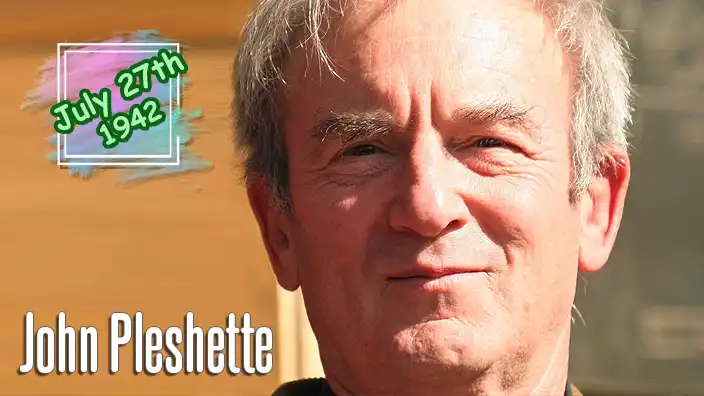
Television has always needed characters you love, characters you love to hate, and a few who can make you question every decision they've ever made. John Pleshette mastered that last category with such skill that audiences often forgot he was acting. Fortunately, when the director yelled "Cut!", he returned to being one of television's most respected actors and writers—proof that playing a scoundrel convincingly is actually a compliment.
 July 27, 1942, in New York City, New York

Trivia
- Graduated from Brown University.
- Best known as Richard Avery on Knots Landing.
- Wrote eight episodes of Knots Landing.
- Directed five episodes of the series.
- Portrayed Lee Harvey Oswald in The Trial of Lee Harvey Oswald.
- Appeared in Rocky II and The Truman Show.
- Guest-starred on The Sopranos, ER, and MacGyver.
- Married literary agent Lynn Pleshette since 1975.
- Cousin of actress Suzanne Pleshette.
- Details
- Category: Celebrity Birthdays - July
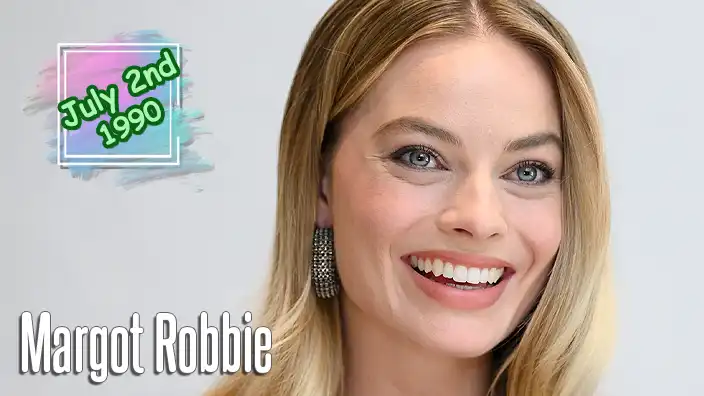
Some actors wait years for the perfect role. Margot Robbie seems to find one every time she opens a script. Whether she's portraying a mischievous comic book villain, a world-famous doll, or a historical figure, she has a remarkable habit of making audiences forget they're watching an actress. That's either exceptional talent or some very expensive Australian magic.
 July 2, 1990, in Dalby, Australia
Trivia
- Starred as Donna Freedman on Neighbours.
- Broke through internationally in The Wolf of Wall Street (2013).
- Played Harley Quinn in three DC films.
- Earned an Academy Award nomination for I, Tonya.
- Received another Oscar nomination for Bombshell.
- Co-founded LuckyChap Entertainment in 2014.
- Produced and starred in Barbie (2023).
- Barbie became the highest-grossing film of 2023.
- Married British producer Tom Ackerley in 2016.
- Details
- Category: Celebrity Birthdays - July
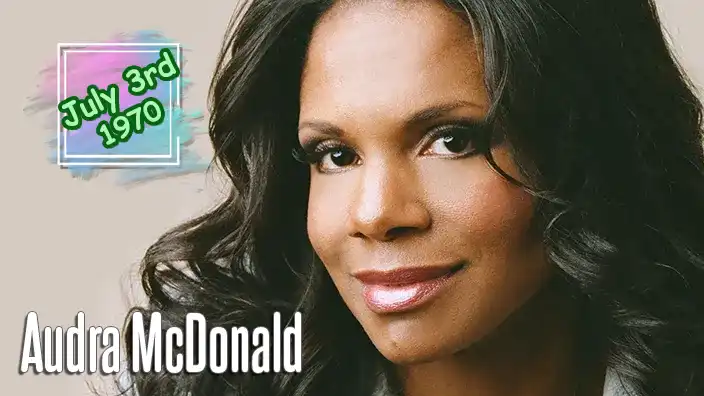
Some performers collect souvenirs while traveling. Audra McDonald has collected Tony Awards instead. At this point, Broadway might consider installing a revolving door between her dressing room and the awards stage just to save everyone time. Fortunately for theatre lovers, she has never treated success as a reason to slow down, continuing to raise the bar with every new performance.
July 3, 1970, in West Berlin, Germany
Trivia
- Graduated from the Juilliard School in 1993.
- Holds the record for the most Tony Award wins by a performer.
- Is the only performer to have won Tony Awards in all four acting categories.
- Won Grammy Awards, an Emmy Award, and the National Medal of Arts.
- Starred in Carousel, Ragtime, Porgy and Bess, and Lady Day at Emerson's Bar and Grill.
- Appeared in the television series Private Practice, The Good Fight, and The Gilded Age.
- Co-founded Black Theatre United to promote diversity and opportunity in theatre.
- Is widely regarded as one of the greatest Broadway performers of her generation.
- Details
- Category: Celebrity Birthdays - July
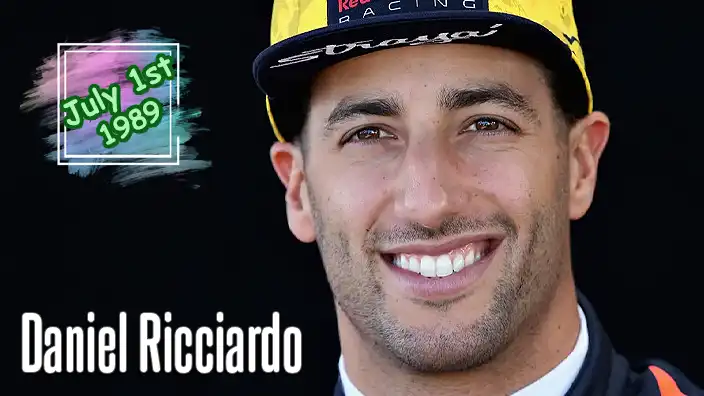
Some racing drivers celebrate with champagne. Daniel Ricciardo looked at the trophy, looked at his racing boot, and thought, "You know what this victory needs?" Thus, the "shoey" became motorsport's most famous victory celebration. Somehow, he made drinking from a racing boot look like something everyone should try... although perhaps not everyone actually should.
July 1, 1989, in Perth, Western Australia
Trivia
- Made his Formula One debut in 2011.
- Won eight Formula One Grands Prix.
- Claimed his first victory at the 2014 Canadian Grand Prix.
- Famous for the "shoey" victory celebration.
- Drove for HRT, Toro Rosso, Red Bull, Renault, McLaren, AlphaTauri, and RB.
- Uses the number 3 in honor of NASCAR legend Dale Earnhardt.
- Appointed a Member of the Order of Australia in 2022.
- Became Global Ambassador for Ford Performance after his Formula One career.
- Details
- Category: Celebrity Birthdays - July
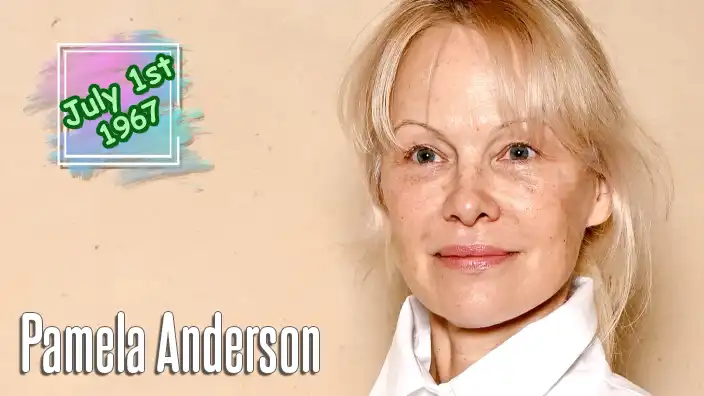
Some people become famous by accident. Pamela Anderson became famous because she happened to wear the right T-shirt to a football game—and then spent the next three decades proving there was far more to her than a lucky moment on a stadium scoreboard. Not bad for someone who probably just wanted to enjoy the game.
July 1, 1967, in Ladysmith, Canada
Trivia
- She was discovered after appearing on a stadium video screen at a football game.
- Played Lisa, the original "Tool Time Girl," on Home Improvement.
- Starred as C.J. Parker on Baywatch from 1992 to 1997.
- Holds the record for the most Playboy magazine cover appearances.
- Made her Broadway debut as Roxie Hart in Chicago in 2022.
- Released her autobiography Love, Pamela in 2023.
- Earned widespread critical acclaim for The Last Showgirl (2024).
- Has been a longtime supporter of animal rights and plant-based living.
- Details
- Category: Celebrity Birthdays - July
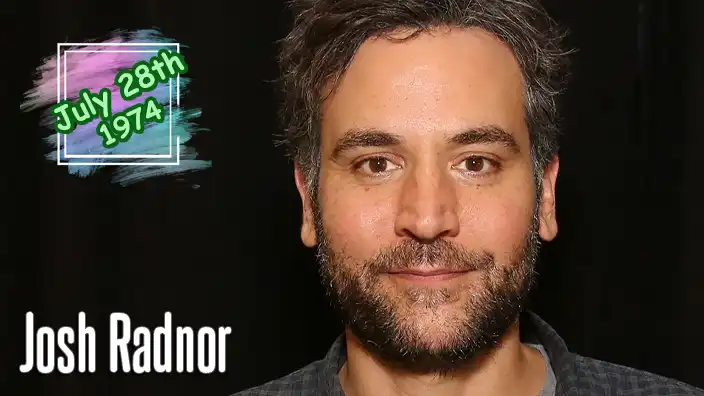
Josh Radnor has one of those faces that millions of television fans instantly recognize, even if they first think, "Wait... wasn't he telling a really long story?" For nine seasons, he managed to convince audiences that explaining how you met your children's mother could somehow require nearly two hundred episodes. Fortunately for viewers, his charm, wit, and relatable awkwardness made every detour worthwhile. If patience were an Olympic sport, Ted Mosby's kids deserved gold medals—and Josh Radnor deserved applause for making the journey so entertaining.
July 29, 1974, in Columbus, Ohio
Trivia
- Graduated from Kenyon College with a degree in drama.
- Earned an MFA from New York University's Tisch School of the Arts.
- Wrote, directed, and starred in Happythankyoumoreplease.
- Won the Audience Award at the Sundance Film Festival for his directorial debut.
- Directed and starred in Liberal Arts.
- Performs as part of the musical duo Radnor & Lee.
- Has appeared on Broadway and Off-Broadway.
- Details
- Category: Celebrity Birthdays - July
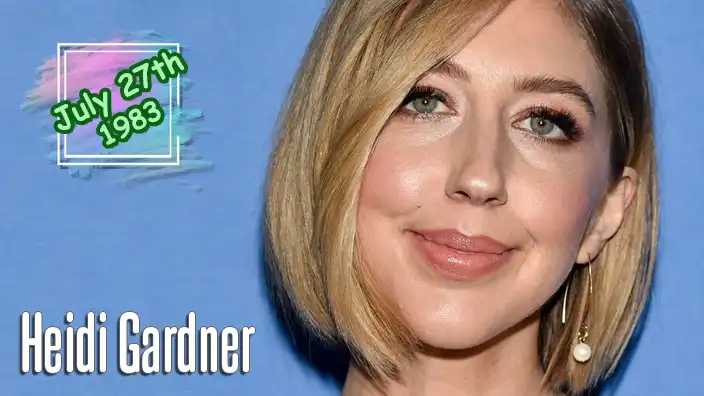
Heidi Gardner has made a career out of saying and doing the kinds of things that would get most people politely escorted out of a family reunion. Fortunately for audiences, she does it on television, where awkward silences, outrageous characters, and perfectly timed facial expressions are considered an art form. Whether she's playing an overconfident trendsetter, a hopelessly enthusiastic salesperson, or someone who really should have read the instructions first, Gardner has become one of the brightest comedic talents of her generation.
July 27, 1983, in Kansas City, Missouri
Trivia
- Worked as a hairstylist before comedy.
- Trained at The Groundlings Theatre.
- Joined Saturday Night Live in 2017.
- Promoted to repertory cast member in 2019.
- Known for creating memorable original characters.
- Accomplished voice actress as well as live performer.
- Lifelong fan of Kansas City sports teams.
- One of SNL's leading female comedians of her generation.
- Details
- Category: Celebrity Birthdays - July
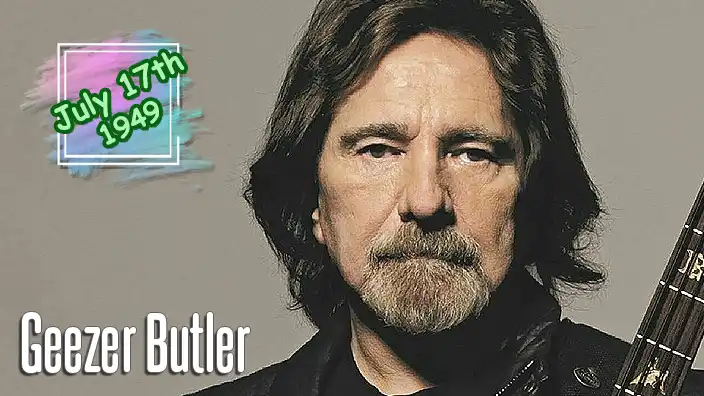
Every great band has someone who quietly keeps everything together, and in heavy metal that's often the bass player. While the guitarist gets the blazing solos and the singer commands the spotlight, the bassist is busy making the walls shake and rattling the neighbors' coffee cups. Geezer Butler mastered that art so well that he helped create an entire genre in the process.
July 17, 1949, in Birmingham, England
Trivia
- Is a founding member of Black Sabbath.
- Helped write many of the band's classic lyrics.
- Originally played guitar before switching to bass.
- Suggested the name Black Sabbath.
- Drew inspiration from horror films, literature, and philosophy.
- Is widely regarded as one of heavy metal's greatest bass players.
- Has performed with both Black Sabbath and Ozzy Osbourne's solo band.
- Was inducted into the Rock and Roll Hall of Fame in 2006.
- Is a longtime vegetarian and animal rights supporter.
- Enjoys writing and has published an autobiography.
- Influenced countless bass players across rock and heavy metal.
- Details
- Category: Celebrity Birthdays - July
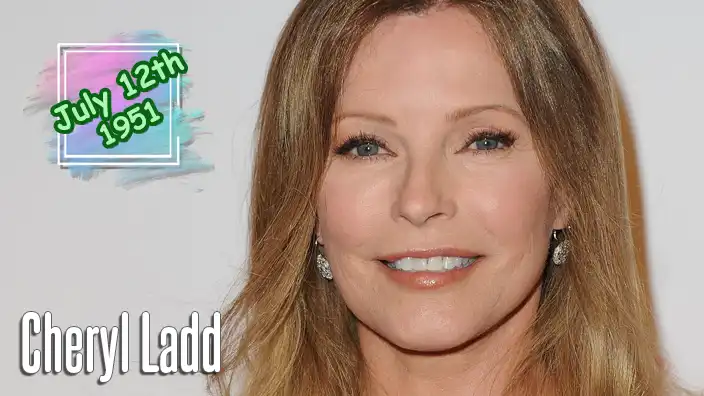
Replacing a television superstar sounds like the sort of job that comes with complimentary aspirin and a lifetime supply of nerves. Cheryl Ladd accepted exactly that challenge—and somehow made it look easy. Instead of trying to copy what came before, she brought her own warmth, charm, and talent to the role, proving that sometimes the best way to fill big shoes is to wear your own.
July 12, 1951, in Huron, South Dakota
Trivia
- Began her career as the singing voice of Melody in Josie and the Pussycats.
- Joined Charlie's Angels in 1977.
- Played Kris Munroe, the younger sister of Jill Munroe.
- Starred on Charlie's Angels until the series ended in 1981.
- Released the Billboard-charting single "Think It Over."
- Has written children's books.
- Daughter Jordan Ladd is also an actress.
- Married music producer Brian Russell.
- Details
- Category: Celebrity Birthdays - July
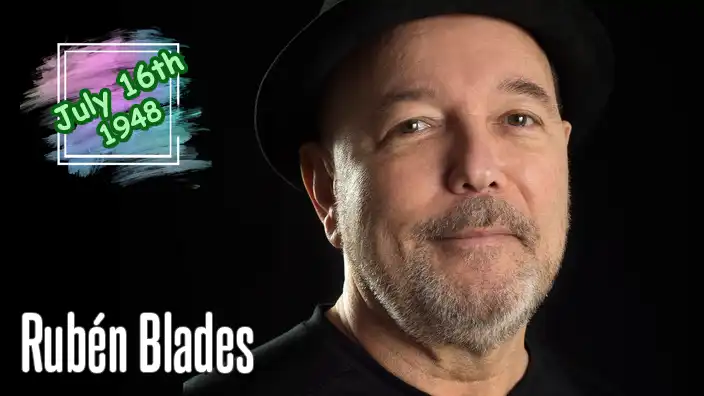
Some people struggle to balance one career. Rubén Blades looked at music, acting, law, and politics and apparently decided, "Why choose?" One day he was writing songs that filled dance floors, another day he was appearing in Hollywood films, and somewhere along the way he found time to serve in government. If calendars could applaud, his probably would.
July 16, 1948, in Panama City, Panama
Trivia
- Earned a law degree from the University of Panama.
- Began at Fania Records working in the mailroom.
- Collaborated extensively with Willie Colón.
- Siembra is one of the best-selling salsa albums ever recorded.
- Wrote the classic salsa song Pedro Navaja.
- Has won numerous Grammy and Latin Grammy Awards.
- Appeared in films including Predator 2 and The Devil's Own.
- Played Daniel Salazar in Fear the Walking Dead.
- Ran for President of Panama in 1994.
- Served as Panama's Minister of Tourism from 2004 to 2009.
- Widely regarded as one of the greatest salsa musicians of all time.

- Details
- Category: Celebrity Birthdays - July
Making millions of people laugh every week is an impressive achievement. Doing it while building a business empire, producing television, judging talent competitions, and becoming one of the world's highest-paid actresses is something else entirely. Sofía Vergara has shown that talent, determination, and impeccable comedic timing can take you a very long way—and she makes it all look remarkably effortless.
July 10, 1972, in Barranquilla, Colombia
Trivia
- Originally planned to study dentistry.
- Began her career after appearing in a television commercial.
- Starred as Gloria Delgado-Pritchett on Modern Family.
- Received four Primetime Emmy Award nominations for the role.
- Has been one of the world's highest-paid television actresses.
- Served as a judge on America's Got Talent.
- Founded a successful television production company.
- Built major fashion, beauty, furniture, and fragrance businesses.
- Is a thyroid cancer survivor and advocate for early detection.
- Details
- Category: Celebrity Birthdays - July
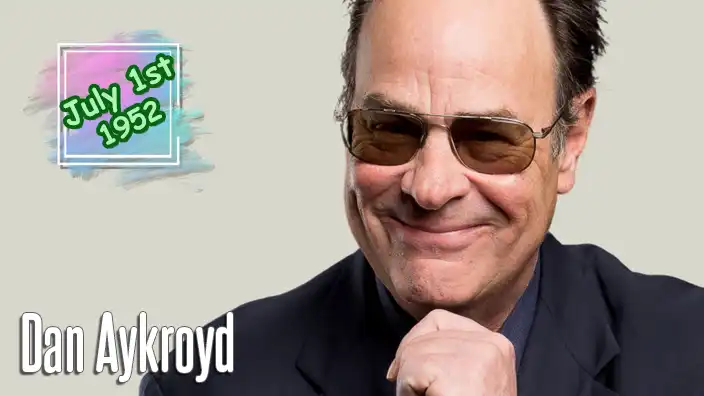
Some people collect hobbies. Dan Aykroyd collected comedy, ghosts, blues music, fast-talking characters, and the occasional paranormal mystery. Somehow he turned all of that into one of Hollywood's most entertaining careers. If you ever wondered who could make a proton pack, a pair of sunglasses, and a deadpan expression equally iconic, you've found your man.
July 1, 1952, in Ottawa, Ontario, Canada
Trivia
- One of the original cast members of Saturday Night Live.
- Won a Primetime Emmy Award for writing in 1977.
- Co-created The Blues Brothers with John Belushi.
- Co-wrote and starred in Ghostbusters.
- Received an Academy Award nomination for Driving Miss Daisy.
- Helped found the House of Blues music venues.
- Co-founded Crystal Head Vodka.
- Has a lifelong fascination with ghosts, UFOs, and paranormal research.
- Returned as Dr. Ray Stantz in the recent Ghostbusters films.
- Details
- Category: Celebrity Birthdays - July
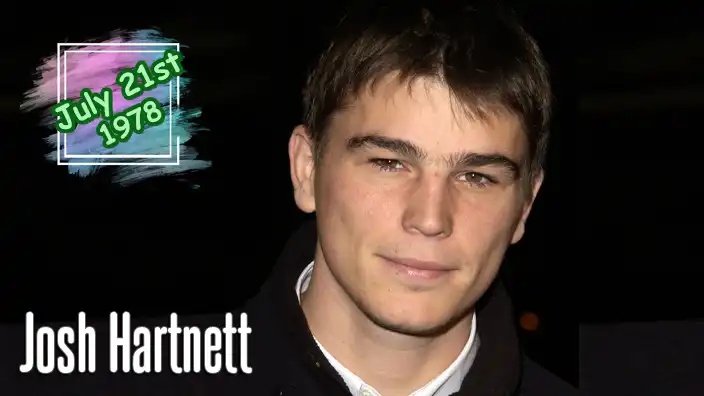
Some actors chase the spotlight every chance they get. Josh Hartnett did almost the opposite. After becoming one of Hollywood's biggest young stars, he stepped away from the frenzy, chose projects on his own terms, and quietly returned years later to remind everyone why he became famous in the first place. That's one way to keep an audience guessing.
July 21, 1978, in Saint Paul, Minnesota
Trivia
- Originally hoped to pursue a sports career.
- Made his television debut in Cracker.
- Starred in Halloween H20 (1998).
- Rose to fame with Pearl Harbor and Black Hawk Down.
- Played Ethan Chandler in Penny Dreadful.
- Appeared as Ernest Lawrence in Oppenheimer.
- Turned down several blockbuster superhero roles during his career.
- Known for preferring character-driven projects over celebrity status.
- Details
- Category: Celebrity Birthdays - July
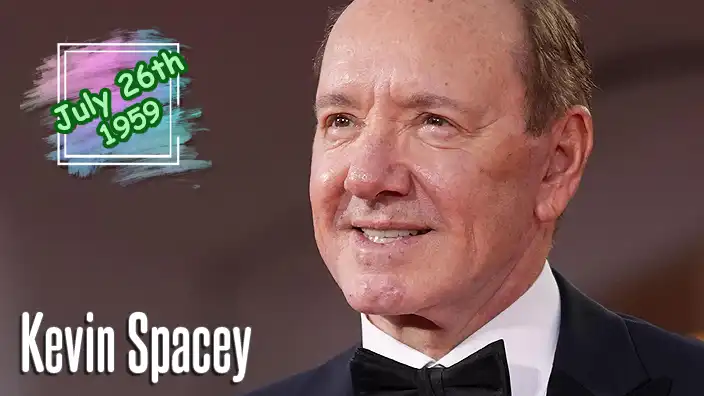
There are actors who disappear into a role, and then there are actors who make audiences forget they are watching someone pretend for two hours. Kevin Spacey has long belonged in that second category. Whether he was charming, mysterious, intimidating, sarcastic, or quietly unsettling, he often had viewers wondering if he had secretly borrowed the character's driver's license before filming began. If Hollywood ever handed out awards for making people nervously lean closer to the screen while saying, "Something isn't quite right here," he'd probably have needed another trophy cabinet.
July 26, 1959, in South Orange, New Jersey
Trivia
- Uses his paternal grandmother's surname as his stage name.
- Won two Academy Awards for acting.
- Won a Tony Award for Lost in Yonkers.
- Won a Golden Globe for House of Cards.
- Served as Artistic Director of London's Old Vic Theatre from 2004 to 2015.
- Voiced Hopper in Pixar's A Bug's Life.
- Received a star on the Hollywood Walk of Fame in 1999.
- Often portrayed highly intelligent, morally complex characters.
- Was known for keeping his private life out of the public spotlight for much of his career.
- Began his professional acting career in New York theater before moving into film.
- Details
- Category: Celebrity Birthdays - July
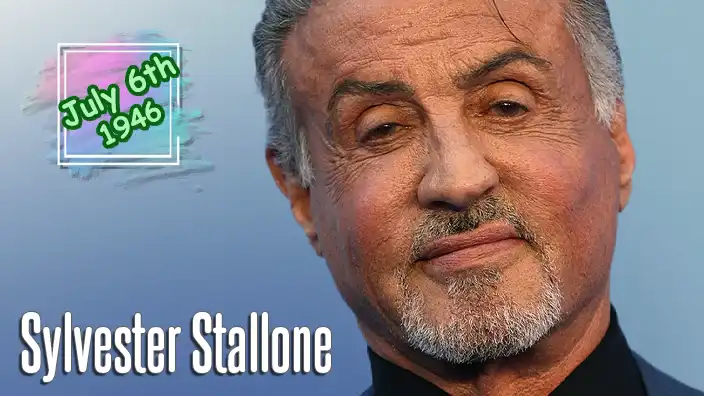
Most people celebrate birthdays by blowing out candles. Sylvester Stallone could probably extinguish them with the shockwave from a movie explosion. Whether he's climbing the steps of the Philadelphia Museum of Art, battling impossible odds in the boxing ring, or carrying enough ammunition to make a military surplus store nervous, Stallone has spent decades proving that determination, grit, and a well-timed one-liner never go out of style.
July 6, 1946, in New York City, New York
Trivia
- Wrote the screenplay for Rocky in just a few days.
- Insisted on starring as Rocky Balboa before selling the script.
- Received Oscar nominations for both acting and screenwriting for Rocky.
- Created both the Rocky and Rambo film franchises.
- Has written, directed, and produced many of his own films.
- Won a Golden Globe for Creed in 2016.
- Is also an accomplished painter.
- Received a star on the Hollywood Walk of Fame.
- Has appeared in more than 80 films and television productions.
- Details
- Category: Celebrity Birthdays - July
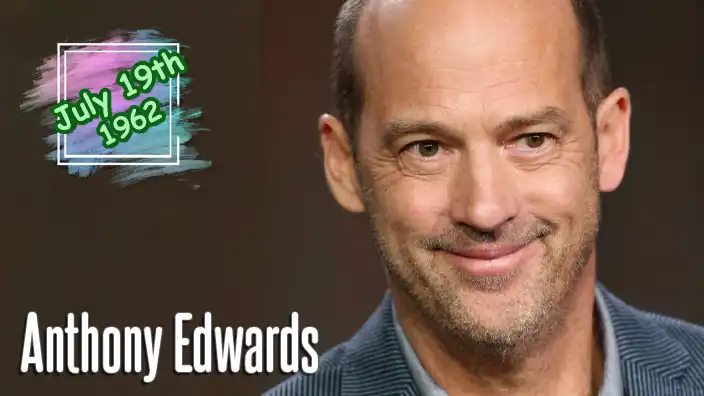
Anthony Edwards has one of Hollywood's most impressive résumés. He flew fighter jets without ever leaving the ground, spent years treating patients without attending medical school, and somehow convinced millions of viewers that he'd be exactly the person you'd want in an emergency. That's the magic of great acting—and probably a very talented makeup department.
July 19, 1962, in Santa Barbara, California
Trivia
- Played Gilbert Lowell in Revenge of the Nerds.
- Starred as Goose in Top Gun (1986).
- Played Dr. Mark Greene on ER from 1994 to 2002.
- Won a Golden Globe Award for ER.
- Received multiple Emmy Award nominations.
- Has directed episodes of television as well as acted.
- Supports numerous humanitarian and charitable organizations.
- Returned to the Top Gun universe through archival appearances in Top Gun: Maverick.
- Details
- Category: Celebrity Birthdays - July
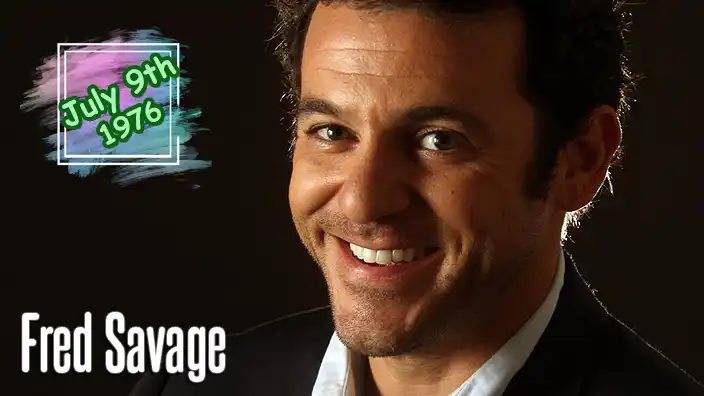
Growing up is awkward enough without having millions of people watching every embarrassing haircut, first crush, and questionable fashion choice. Fred Savage somehow managed it with remarkable charm, becoming one of television's most recognizable young stars. Fortunately for the rest of us, our teenage mistakes weren't preserved forever in syndicated reruns.
July 9, 1976, in Chicago, Illinois
Trivia
- Starred as Kevin Arnold in The Wonder Years.
- Was the youngest actor nominated for the Primetime Emmy Award for Outstanding Lead Actor in a Comedy Series at age 13.
- Appeared in the classic fantasy film The Princess Bride.
- Starred in the family comedy Little Monsters.
- Earned a degree in English from Stanford University.
- Directed episodes of numerous hit television comedies.
- Has worked as an actor, director, producer, and television host.
- Helped make The Wonder Years one of television's defining coming-of-age series.
- Continued a successful career behind the camera after his acting career slowed.
- Has directed hundreds of television episodes across multiple networks.
- Details
- Category: Celebrity Birthdays - July
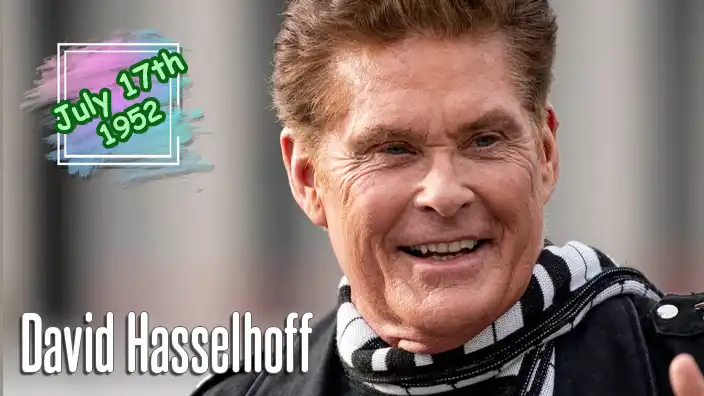
Most actors are happy if people remember one famous role. David Hasselhoff managed two. One gave him an intelligent talking sports car, the other had him running down beaches in slow motion while lifeguards somehow always arrived just in time. Few television careers have covered quite so much ground without requiring a passport.
July 17, 1952, in Baltimore, Maryland
Trivia
- Helped save Baywatch by becoming one of its executive producers.
- Baywatch became one of the most-watched television series in history.
- Enjoyed enormous music success in Germany and across Europe.
- Performed "Looking for Freedom" near the Berlin Wall in 1989.
- Was an original judge on America's Got Talent.
- Is affectionately known worldwide as "The Hoff."
- Has received a star on the Hollywood Walk of Fame.
- Has appeared in numerous films, television series, and stage productions.
- Frequently makes humorous cameo appearances as himself.
- Has worked in the entertainment industry for more than fifty years.
- Details
- Category: Celebrity Birthdays - July
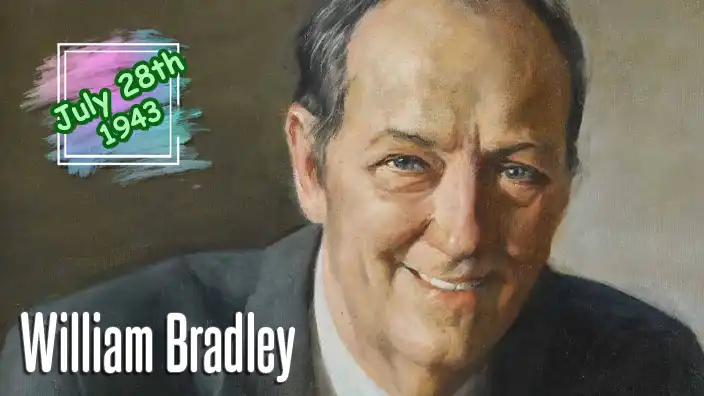
Most people spend a lifetime trying to master one profession. Bill Bradley apparently looked at that idea and replied, "Why stop at one?" After becoming an NBA champion with the New York Knicks, he traded jump shots for legislation and somehow managed to make both careers look perfectly reasonable. It's difficult enough to keep track of the score during a basketball game, yet Bradley went on to keep track of Senate bills instead. Somewhere along the way, he proved that a sharp mind can be just as valuable in Washington as it is on the basketball court—although senators are generally discouraged from calling for a fast break.
July 28, 1943, in Crystal City, Missouri
Trivia
- Star player at Princeton University
- Rhodes Scholar at the University of Oxford
- Played ten NBA seasons with the New York Knicks
- Won NBA Championships in 1970 and 1973
- Inducted into the Naismith Memorial Basketball Hall of Fame
- Served as U.S. Senator from New Jersey from 1979–1997
- Democratic candidate for president in 2000
- Author of several books on politics and public policy
- Known for combining academic excellence with athletic achievement
- Details
- Category: Celebrity Birthdays - July
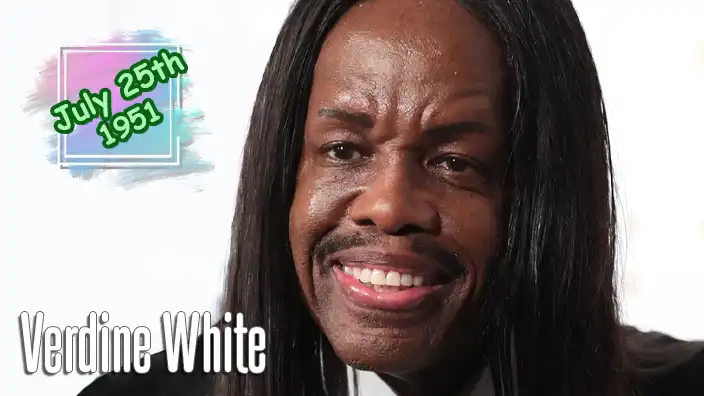
Some bass players are perfectly happy standing in the shadows, keeping the rhythm while everyone else grabs the spotlight. Verdine White politely ignored that rule decades ago. Armed with a dazzling smile, endless energy, and bass lines that practically dance on their own, he has spent a lifetime proving that the person holding down the groove can also steal the show. If the stage had a speed limit, someone forgot to tell Verdine.
July 25, 1951, in Chicago, Illinois
Trivia
- Co-founding member of Earth, Wind & Fire.
- Younger brother of band founder Maurice White.
- Initially studied the trumpet before switching to bass.
- Known for his energetic stage performances and high jumps.
- Has performed on every major Earth, Wind & Fire hit.
- Member of the Rock and Roll Hall of Fame.
- Founder of the Verdine White Foundation.
- Frequently listed among the greatest bass players in popular music.
- Details
- Category: Celebrity Birthdays - July
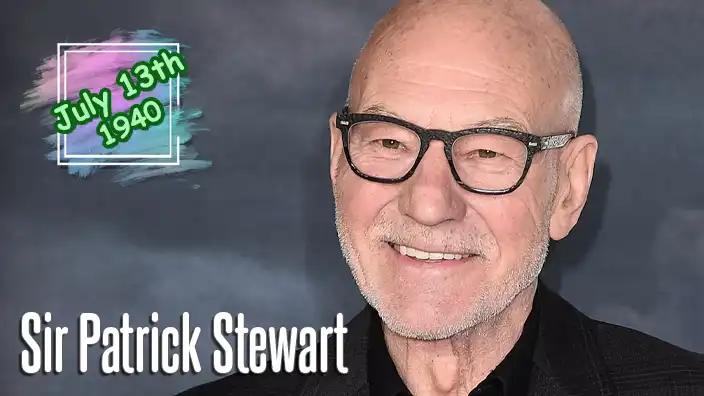
Some people retire after a long career. Sir Patrick Stewart simply changes uniforms. One decade he's commanding the USS Enterprise, the next he's leading the X-Men, and somewhere in between he's reminding Shakespeare that the Bard still has some competition. If wisdom could be bottled, it would probably sound a lot like Patrick Stewart delivering the instructions.
July 13, 1940, in Mirfield, England
Trivia
- Trained at the Bristol Old Vic Theatre School.
- Spent many years with the Royal Shakespeare Company.
- Became Captain Jean-Luc Picard in 1987.
- Played Professor Charles Xavier beginning in 2000.
- Was knighted by Queen Elizabeth II in 2010.
- Is a longtime advocate against domestic violence.
- Frequently performs voice acting and documentary narration.
- Returned as Picard in the series Star Trek: Picard.
- Has enjoyed a professional acting career spanning more than six decades.
From Our Marks Catelog
-
Sitting down at the dinner table, there's always that moment when you spot the mashed potatoes,...
-

Once upon a time, someone looked at tennis and thought, “This would be perfect if it involved less running,...
-

If you’re the kind of person who likes a little thrill with your meal, then one bite of that...
-

If you've ever scratched a dog's ears, rescued a turtle from the middle of the road, or apologized...
-
Who knew that creating a prehistoric masterpiece could lead to such existential questions? Like, did...
-

It's not uncommon to see a normally quiet neighborhood transform overnight into a glittering...

