- Details
- Category: Celebrity Birthdays - July
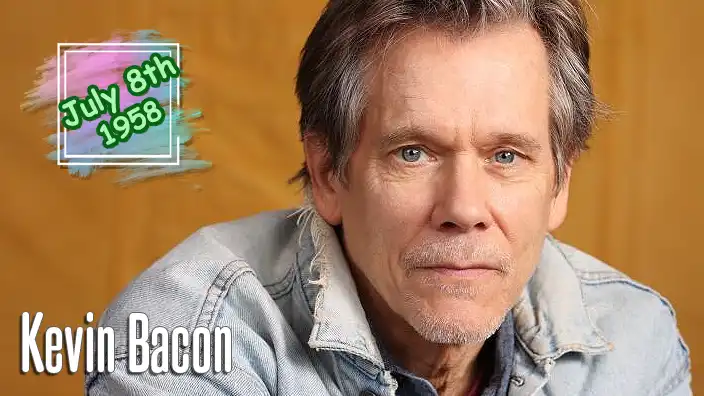
Some actors become famous for one unforgettable role. Kevin Bacon somehow managed to become famous for dozens of them—and for inspiring a game that proves just how connected Hollywood really is. Whether he's dancing through a small town in Footloose, surviving the dangers of Apollo 13, or battling giant underground monsters in Tremors, Bacon has spent more than four decades proving he can tackle almost any role. His remarkable versatility has made him one of the most recognizable and respected actors of his generation.
 July 8, 1958, in Philadelphia, Pennsylvania

Trivia
- The game Six Degrees of Kevin Bacon inspired serious academic studies of social networks.
- He has appeared in more than 100 film and television productions.
- Kevin Bacon and Kyra Sedgwick have been married since 1988.
- He is also an accomplished musician and performs with his brother Michael as The Bacon Brothers.
- Despite his association with dancing, he has joked that he doesn't consider himself much of a dancer.
- He received a star on the Hollywood Walk of Fame in 2003.
- Details
- Category: Celebrity Birthdays - July
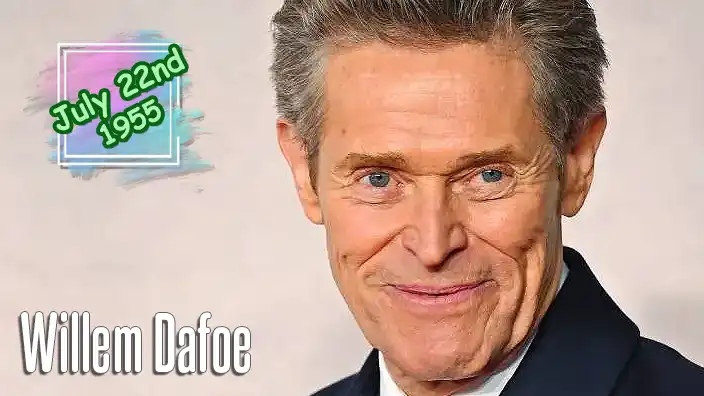
Hollywood has plenty of actors who become famous for playing heroes. Willem Dafoe took one look at that idea and decided, "How about someone who smiles just enough to make everyone in the audience nervous?" Whether he's portraying a battle-hardened soldier, a comic book supervillain, an eccentric scientist, or someone so delightfully odd you can't quite figure him out, Dafoe has spent decades proving that being unforgettable is far more interesting than simply being handsome.
July 22, 1955, in Appleton, Wisconsin
Trivia
- Member of the experimental Wooster Group theater company.
- Earned his first Oscar nomination for Platoon.
- Received four Academy Award nominations.
- Played Norman Osborn/Green Goblin in the Spider-Man films.
- Portrayed Vincent van Gogh in At Eternity's Gate.
- Starred in The Lighthouse with Robert Pattinson.
- Appeared in Wes Anderson's The Grand Budapest Hotel, Asteroid City, and The French Dispatch.
- Played Dr. Godwin Baxter in Poor Things.
- Details
- Category: Celebrity Birthdays - July
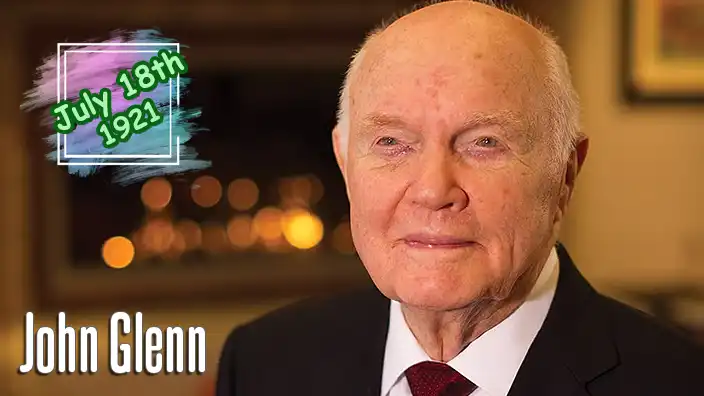
Some people complain when their flight is delayed by twenty minutes. John Glenn climbed into a tiny capsule perched on top of a rocket, blasted into orbit, and thought, "This seems like a reasonable way to spend the afternoon." As it turns out, he had nerves of steel, an endless supply of determination, and just enough curiosity to see what Earth looked like from a few hundred miles up.
July 18, 1921, in Cambridge, Ohio
 December 8, 2016, in Columbus, Ohio
Trivia
- First American to orbit the Earth on February 20, 1962.
- His Mercury capsule was named Friendship 7.
- He completed three orbits of Earth.
- Flew 59 combat missions during World War II.
- Flew 90 combat missions during the Korean War.
- Completed the first supersonic transcontinental flight in 1957.
- Served 24 years as a U.S. senator from Ohio.
- Returned to space aboard Space Shuttle Discovery in 1998.
- At 77 years old, he became the oldest person ever to fly in space.
- Received the Presidential Medal of Freedom in 2012.
- Details
- Category: Celebrity Birthdays - July
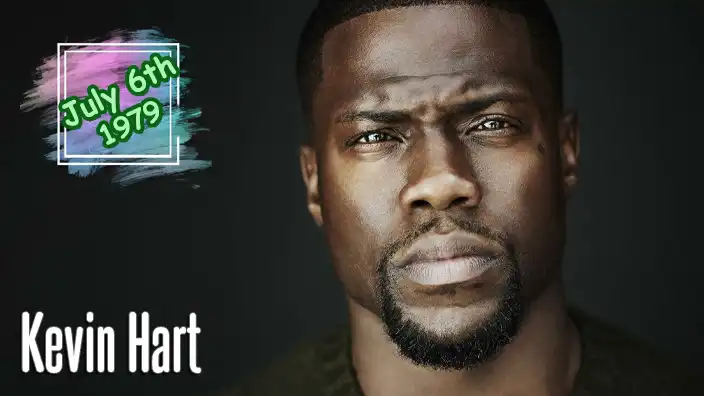
Some people tell a funny story now and then. Kevin Hart has built an entire career by proving that almost anything—from family life to travel mishaps—can become comedy if you tell it with enough energy. Whether he's selling out arenas, starring in blockbuster films, or somehow talking faster than most people think, Hart has become one of the world's most recognizable entertainers without ever appearing to slow down.
July 6, 1979, in Philadelphia, Pennsylvania
Trivia
- Began his career performing stand-up in Philadelphia clubs.
- Worked as a shoe salesman before becoming a full-time comedian.
- Has sold out arenas around the world with his comedy tours.
- Starred in the Jumanji film series.
- Frequently collaborates with Dwayne Johnson.
- Founded the entertainment company HartBeat.
- Returned to performing after recovering from a serious 2019 car accident.
- Hosts podcasts and produces television and streaming content.
- Is known for his energetic storytelling and self-deprecating humor.
- Continues to rank among the world's highest-earning comedians.
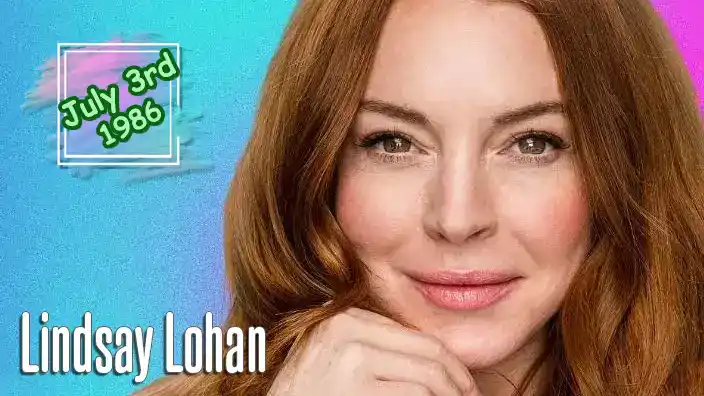
- Details
- Category: Celebrity Birthdays - July
Born with a camera somehow already pointed at her, Lindsay Lohan has lived more of her life in the public eye than most of us spend deciding what to watch on TV. From child-star scene-stealer to tabloid lightning rod to a very real comeback story, her journey has been anything but dull. On her birthday, we raise a glass (responsibly, of course) to a woman who has tripped, learned, grown, reinvented herself, and kept going—sometimes loudly, sometimes quietly, but always on her own terms. Today isn’t about the headlines; it’s about the staying power.
 July 2, 1986, in The Bronx, New York
Trivia
- Played identical twins in The Parent Trap at age 11
- Began modeling at three years old
- Hosted Saturday Night Live four times before turning 20
- Released a platinum-selling album (Speak, 2004)
- Voiced a character in Disney’s Brother Bear
- Lived abroad for several years and studied Arabic
- Made her Broadway debut in Cabaret
- Known for picking up accents unintentionally
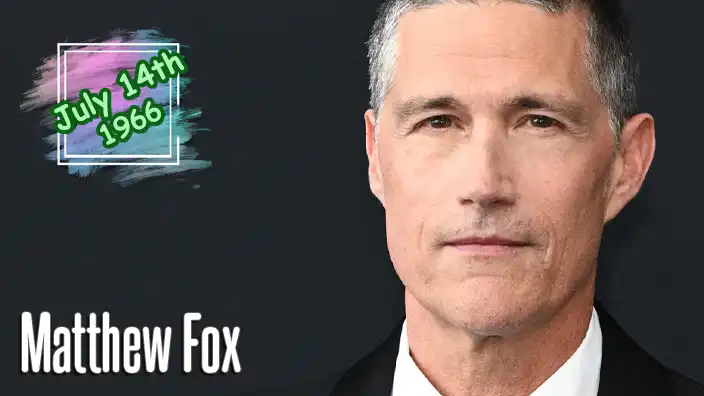
- Details
- Category: Celebrity Birthdays - July
Most actors hope audiences remember one great performance. Matthew Fox managed to give television viewers two. First, he became the dependable older brother everyone wished they had in Party of Five. Then he spent six seasons convincing millions of viewers that if a mysterious island ever stranded them, following Dr. Jack Shephard was probably the safest bet. That's not a bad résumé for one career.
July 14, 1966, in Abington, Pennsylvania
Trivia
- Graduated from Columbia University with a degree in economics.
- Played college football before pursuing acting.
- Starred as Charlie Salinger in Party of Five.
- Played Dr. Jack Shephard in Lost.
- Received Golden Globe and Primetime Emmy nominations for Lost.
- Appeared in every episode of Lost.
- Starred in We Are Marshall, Vantage Point, and Bone Tomahawk.
- Known for keeping his personal life largely out of the public eye.

- Details
- Category: Celebrity Birthdays - July
If Hollywood handed out Olympic medals for "Stealing the Scene in Under Five Minutes," Judy Greer would need a bigger trophy case. She's the actress who shows up, delivers the funniest line, makes every leading star look better, and then casually wanders off while audiences say, "Wait... wasn't she the best part of that movie?" Fortunately, casting directors figured that out years ago, and they've been keeping her busy ever since.
July 20, 1975, in Detroit, Michigan
Trivia
- Graduated from The Theatre School at DePaul University.
- Born as Judith Therese Evans.
- Best known as one of Hollywood's busiest character actresses.
- Voices Cheryl Tunt in the animated series Archer.
- Played Maggie Lang in Marvel's Ant-Man films.
- Portrayed Karen Nelson in the modern Halloween trilogy.
- Published the memoir I Don't Know What You Know Me From in 2014.
- Has appeared in more than 150 film and television productions.
- Frequently praised for her comic timing and versatility.
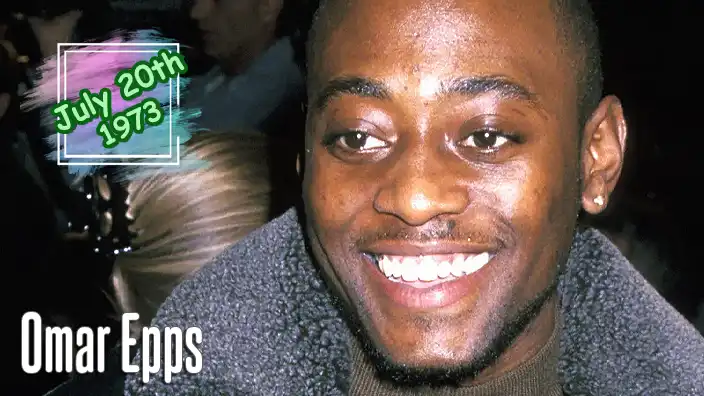
- Details
- Category: Celebrity Birthdays - July
Imagine needing someone who can convincingly play a gifted doctor, a determined athlete, a troubled teenager, a federal agent, or the guy quietly holding everyone else together while chaos unfolds. Hollywood solved that problem years ago by calling Omar Epps. He has spent decades proving that you don't have to shout the loudest to command the screen—you simply have to make every performance believable. That's a talent directors appreciate and audiences remember.
July 20, 1973, in Brooklyn, New York
Trivia
- Began writing poetry and songs as a teenager.
- Made his film breakthrough in Juice (1992).
- Starred opposite Sanaa Lathan in Love & Basketball.
- Played Dr. Eric Foreman on House for eight seasons.
- Published the memoir From Fatherless to Fatherhood in 2018.
- Has worked as an actor, producer, and author.
- Married singer Keisha Spivey of the R&B group Total.
- Has appeared in both major studio films and acclaimed television dramas.
- Known for portraying thoughtful, emotionally complex characters.
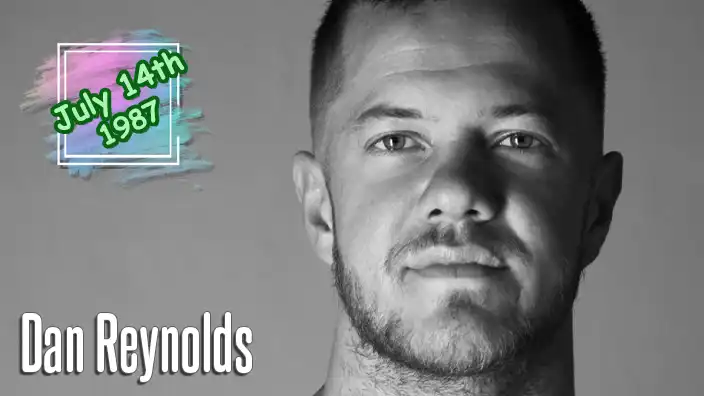
- Details
- Category: Celebrity Birthdays - July
Some singers quietly climb the charts. Dan Reynolds practically launched himself onto them with enough energy to power a small city. Whether he's belting out an arena anthem, leaping across a concert stage, or encouraging fans to believe in themselves, Reynolds has built a career proving that passion is every bit as important as pitch.
July 14, 1987, in Las Vegas, Nevada
Trivia
- Served a two-year missionary assignment in Nebraska.
- Co-founded Imagine Dragons while attending Brigham Young University.
- Won a Grammy Award for "Radioactive."
- Founded the LOVELOUD Festival in 2017.
- Has spoken openly about mental health awareness.
- Lives with ankylosing spondylitis and ulcerative colitis.
- Imagine Dragons has sold tens of millions of albums worldwide.
- Details
- Category: Celebrity Birthdays - July
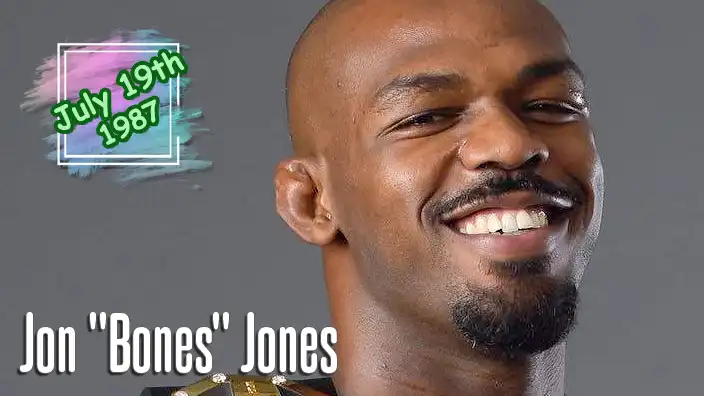
Some fighters have one signature move. Jon Jones seemed to have an entire instruction manual full of them. Opponents spent months studying his fights, only to discover that he'd apparently added three new techniques since breakfast. When your nickname is "Bones," it's probably best if people aren't hoping to hear any cracking sounds.
July 19, 1987, in Rochester, New York
Trivia
- Made his professional MMA debut in 2008.
- Became the youngest UFC champion at age 23.
- Won UFC championships in both the light heavyweight and heavyweight divisions.
- Known for his exceptional reach and creative striking techniques.
- Defeated numerous former UFC champions during his career.
- Comes from a family of elite athletes, including NFL players Arthur and Chandler Jones.
- Announced his retirement from professional MMA in June 2025.
- Details
- Category: Celebrity Birthdays - July
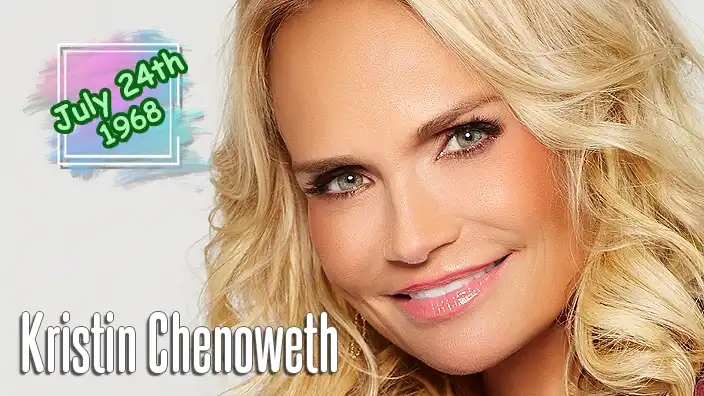
Kristin Chenoweth has spent her career proving that talent isn't measured in feet and inches. She may be one of Broadway's smallest stars physically, but once she starts singing, audiences quickly discover the laws of physics have apparently taken the evening off. Somewhere, sound engineers are still trying to explain how that much voice fits into such a tiny package.
July 24, 1968, in Broken Arrow, Oklahoma,
Trivia
- Adopted as an infant by Junie and Jerry Chenoweth.
- Graduated from Oklahoma City University with a degree in musical theater.
- Won a Tony Award for You're a Good Man, Charlie Brown.
- Originated the role of Glinda the Good Witch in Broadway's Wicked.
- Won a Primetime Emmy Award for Pushing Daisies.
- Appeared in The West Wing, Glee, The Good Wife, and Trial & Error.
- Accomplished recording artist with multiple studio albums.
- Renowned for her classically trained coloratura soprano voice.
- Strong supporter of arts education and charitable organizations.
- Details
- Category: Celebrity Birthdays - July
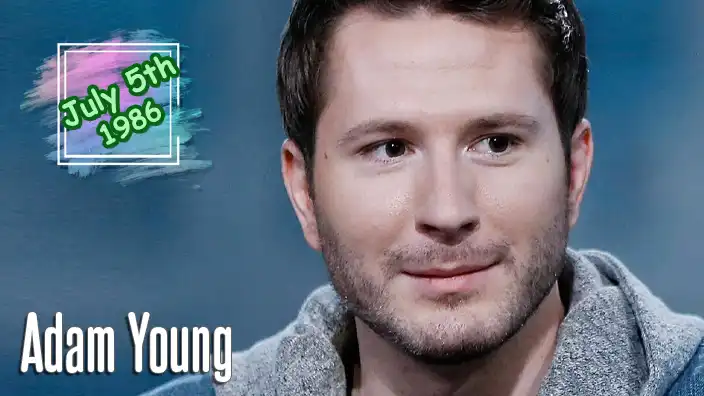
Some people count sheep when they can't sleep. Adam Young turned sleepless nights into chart-topping songs. While the rest of us were staring at the ceiling wondering if we forgot to lock the front door, he was in a basement surrounded by keyboards, creating dreamy electronic music that would eventually be heard around the world. It turns out insomnia isn't ideal, but if you're going to have it, writing "Fireflies" is a pretty productive way to pass the time.
July 5, 1986, in Ottumwa, Iowa
Trivia
- Founder and sole member of Owl City.
- Recorded many early songs in his parents' basement.
- Worked overnight warehouse jobs before becoming famous.
- "Fireflies" reached No. 1 on the Billboard Hot 100.
- Released the breakthrough album Ocean Eyes in 2009.
- Created side projects including Sky Sailing and Port Blue.
- Composed music for Disney's Wreck-It Ralph.
- Enjoys photography as a hobby.
- Known for his private and introverted personality.
- Creates both electronic pop and orchestral instrumental music.
- Continues producing music under multiple creative projects.
- Details
- Category: Celebrity Birthdays - July
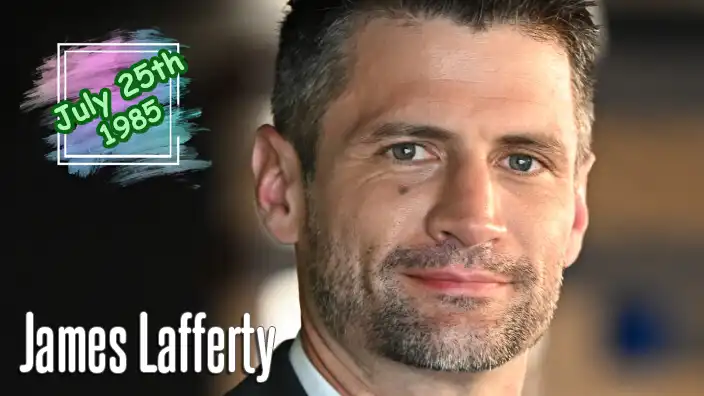
Some television characters grow up over the course of a series. James Lafferty had the added challenge of growing up while millions of viewers watched him do it. Week after week, Nathan Scott went from arrogant basketball star to devoted husband, father, and all-around good guy. That's quite a transformation. Most of us are happy if we remember where we left the car keys, while Nathan managed to become one of television's favorite redemption stories.
July 25, 1985, in Hemet, California
Trivia
- Best known for playing Nathan Scott in One Tree Hill.
- Starred in all nine seasons of the series.
- Directed several episodes of One Tree Hill.
- Co-created and starred in Everyone Is Doing Great.
- Lifelong basketball enthusiast.
- Worked as an executive producer on later projects.
- Frequently appears at One Tree Hill fan conventions.
- Details
- Category: Celebrity Birthdays - July
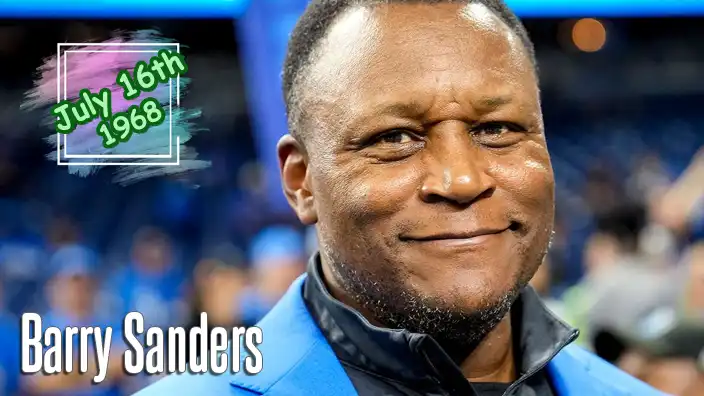
Football fans have spent decades trying to explain how Barry Sanders could disappear behind a wall of defenders and emerge ten yards later running in the opposite direction without leaving so much as a forwarding address. Tackling him often looked less like a defensive strategy and more like a neighborhood game of "catch me if you can." Opponents learned the hard way that grabbing thin air doesn't count as a tackle.
July 16, 1968, in Wichita, Kansas
Trivia
- Won the 1988 Heisman Trophy at Oklahoma State.
- Drafted third overall by the Detroit Lions in 1989.
- Rushed for over 15,000 career NFL yards.
- Recorded ten consecutive 1,000-yard rushing seasons.
- Named NFL MVP in 1997.
- Selected to 10 Pro Bowls.
- Inducted into the Pro Football Hall of Fame in 2004.
- Famous for handing the football to the referee after touchdowns.
- Retired unexpectedly at age 31 while still among the NFL's best players.
- Frequently ranked among the greatest running backs in football history.
- Details
- Category: Celebrity Birthdays - July
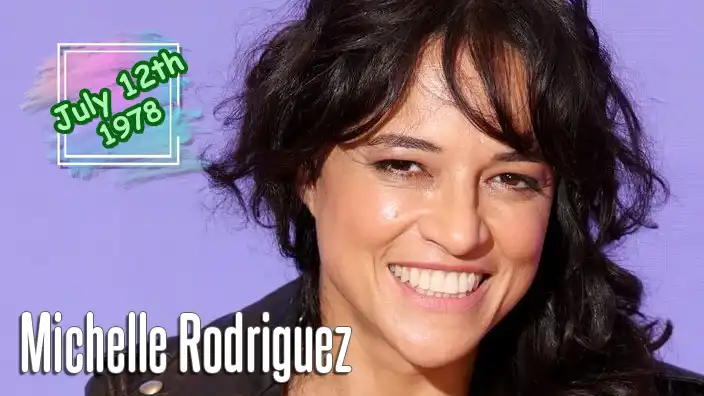
Some actors become famous for delivering dramatic speeches. Michelle Rodriguez became famous for looking at explosions as if they were merely a mild inconvenience. Whether she's racing impossible cars, battling aliens, surviving zombies, or facing impossible odds, one thing is almost guaranteed—if Michelle Rodriguez is in the cast, someone is about to discover they picked the wrong person to mess with.
July 12, 1978, in San Antonio, Texas
Trivia
- Won widespread acclaim for her debut film Girlfight.
- Best known as Letty Ortiz in The Fast and the Furious franchise.
- Appeared in James Cameron's Avatar.
- Starred in the Resident Evil film series.
- Has portrayed military personnel, police officers, racers, and soldiers.
- Earned her GED before pursuing acting full-time.
- Frequently performs physically demanding action roles.
- Has advocated for stronger female characters in Hollywood.
- One of the most recognizable actresses in modern action films.
- Details
- Category: Celebrity Birthdays - July
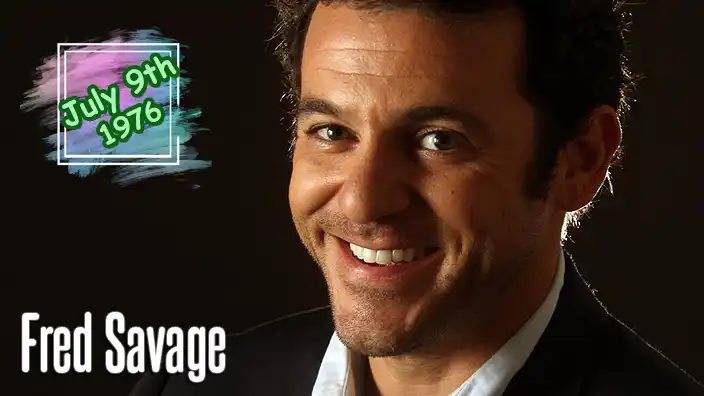
Growing up is awkward enough without having millions of people watching every embarrassing haircut, first crush, and questionable fashion choice. Fred Savage somehow managed it with remarkable charm, becoming one of television's most recognizable young stars. Fortunately for the rest of us, our teenage mistakes weren't preserved forever in syndicated reruns.
July 9, 1976, in Chicago, Illinois
Trivia
- Starred as Kevin Arnold in The Wonder Years.
- Was the youngest actor nominated for the Primetime Emmy Award for Outstanding Lead Actor in a Comedy Series at age 13.
- Appeared in the classic fantasy film The Princess Bride.
- Starred in the family comedy Little Monsters.
- Earned a degree in English from Stanford University.
- Directed episodes of numerous hit television comedies.
- Has worked as an actor, director, producer, and television host.
- Helped make The Wonder Years one of television's defining coming-of-age series.
- Continued a successful career behind the camera after his acting career slowed.
- Has directed hundreds of television episodes across multiple networks.
- Details
- Category: Celebrity Birthdays - July
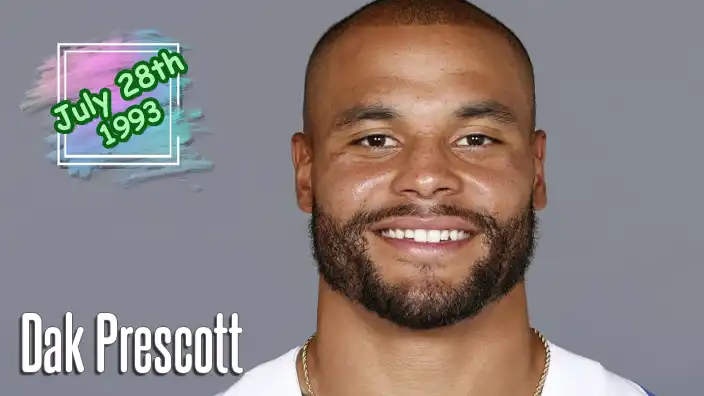
Dak Prescott has learned that being the quarterback of the Dallas Cowboys means one thing above all else: every Sunday, millions of people suddenly become expert offensive coordinators. If he throws four touchdown passes, someone will ask why there weren't five. If he wins, it's expected. If he loses, half the state of Texas has a new game plan by breakfast. Through it all, Dak has handled the pressure with remarkable poise, leadership, and enough resilience to make even the toughest defensive line think twice.
July 29, 1993, in Sulphur, Louisiana
Trivia
- Played college football at Mississippi State University.
- Drafted in the 4th round of the 2016 NFL Draft.
- Named NFL Offensive Rookie of the Year in 2016.
- Multiple-time Pro Bowl selection.
- Winner of the Walter Payton NFL Man of the Year Award.
- Known for his leadership and resilience following a major ankle injury.

- Details
- Category: Celebrity Birthdays - July
Lisa Kudrow made worldwide fame look remarkably easy: walk into a Manhattan coffeehouse, carry a guitar, sing confidently about a foul-smelling cat, and become one of television’s most beloved comedy stars. Of course, Phoebe Buffay’s reasoning occasionally traveled by a scenic route known only to Phoebe, but Kudrow’s performance was precise, intelligent, and beautifully timed. Anyone who can make “Smelly Cat” part of international culture deserves an Emmy—and possibly an apology from every cat involved.
July 30, 1963, in Encino, California
Trivia
- Worked on headache research with her physician father.
- Trained in improvisation with The Groundlings.
- Played Ursula Buffay before portraying Phoebe.
- Won a Primetime Emmy for Friends in 1998.
- Performed Phoebe’s famous song “Smelly Cat.”
- Starred in Romy and Michele’s High School Reunion.
- Cocreated and starred in The Comeback.
- Developed Web Therapy from an online series.
- Executive-produced Who Do You Think You Are?

- Details
- Category: Celebrity Birthdays - July
If there were an Olympic event for balancing careers, Selena Gomez would probably have a shelf full of medals next to her music awards. She somehow finds time to release chart-topping songs, star in hit television series, build successful businesses, produce projects behind the scenes, and still make it look like she remembered to answer everyone's text messages. Most of us celebrate crossing one item off the to-do list. Selena casually finishes five before lunch.
July 22, 1992, in Grand Prairie, Texas
Trivia
- Named after Tejano music legend Selena Quintanilla-Pérez.
- Began acting on Barney & Friends.
- Starred as Alex Russo in Wizards of Waverly Place.
- Voices Mavis in the Hotel Transylvania films.
- Earned her first Billboard Hot 100 No. 1 with "Lose You to Love Me."
- Stars as Mabel Mora in Only Murders in the Building.
- Received Emmy nominations as both an actress and producer.
- Founder of the successful Rare Beauty cosmetics brand.
- Became one of UNICEF's youngest ambassadors.
- Publicly advocates for mental health awareness.
- Underwent a kidney transplant in 2017 due to lupus complications.
- Has sold millions of albums worldwide.

- Details
- Category: Celebrity Birthdays - July
Some television characters politely ask you not to cross them. Beth Dutton simply lets you make that mistake on your own. Fortunately, Kelly Reilly is considerably friendlier than the fearless, sharp-tongued force of nature she portrays. Off-screen, she has quietly become one of Britain's most respected actresses, proving that sometimes the loudest career is built with remarkably little fuss.
July 18, 1977, in Chessington, England
Trivia
- Began acting professionally in the mid-1990s.
- Earned an Olivier Award nomination for After Miss Julie.
- Appeared in Pride & Prejudice (2005).
- Starred opposite Michael Fassbender in Eden Lake.
- Played Mary Morstan in Guy Ritchie's Sherlock Holmes films.
- Appeared alongside Denzel Washington in Flight.
- Rose to worldwide fame as Beth Dutton in Yellowstone.
- Married financier Kyle Baugher in 2012.
- Has worked extensively in film, television, and theater.
- Is known for keeping her personal life largely private.
- Details
- Category: Celebrity Birthdays - July
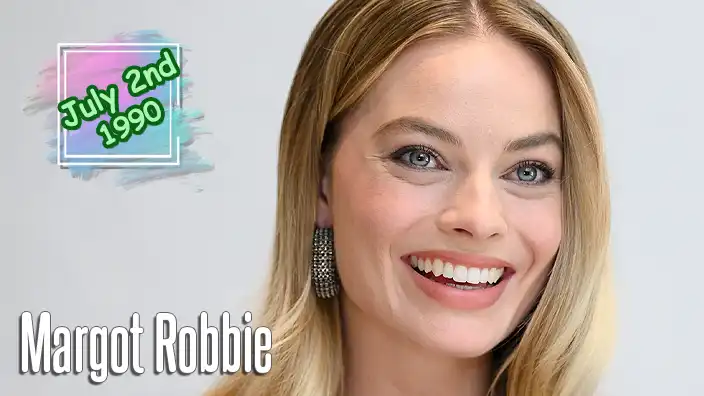
Some actors wait years for the perfect role. Margot Robbie seems to find one every time she opens a script. Whether she's portraying a mischievous comic book villain, a world-famous doll, or a historical figure, she has a remarkable habit of making audiences forget they're watching an actress. That's either exceptional talent or some very expensive Australian magic.
July 2, 1990, in Dalby, Australia
Trivia
- Starred as Donna Freedman on Neighbours.
- Broke through internationally in The Wolf of Wall Street (2013).
- Played Harley Quinn in three DC films.
- Earned an Academy Award nomination for I, Tonya.
- Received another Oscar nomination for Bombshell.
- Co-founded LuckyChap Entertainment in 2014.
- Produced and starred in Barbie (2023).
- Barbie became the highest-grossing film of 2023.
- Married British producer Tom Ackerley in 2016.
From Our Marks Catelog
-

Pizza is the ultimate customizable dish. It caters to all, from the staunch meat-lover who wants...
-

Your toes don't ask for much. They spend their days squeezed into shoes, dodging coffee tables,...
-

You’re trying to relax after a long day, but your dog has decided that now is the perfect time to...
-
Tiny, shiny, and unapologetically bold, these little fish have a knack for stealing the show at...
-
Horses are the comedians of the animal world, even if they don’t realize it. From sneaky maneuvers...
-
Some cars are built to get you from point A to point B. The Pink Cadillac was built to make sure...

