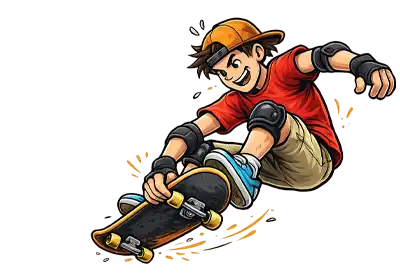
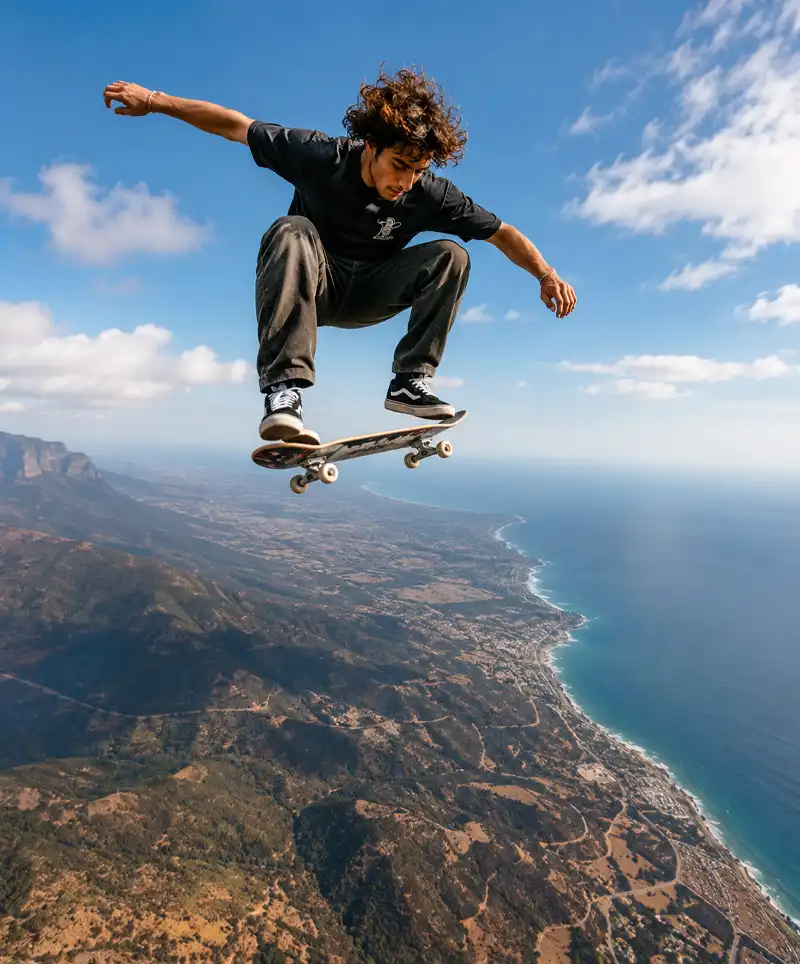
Grab Your Board and Roll
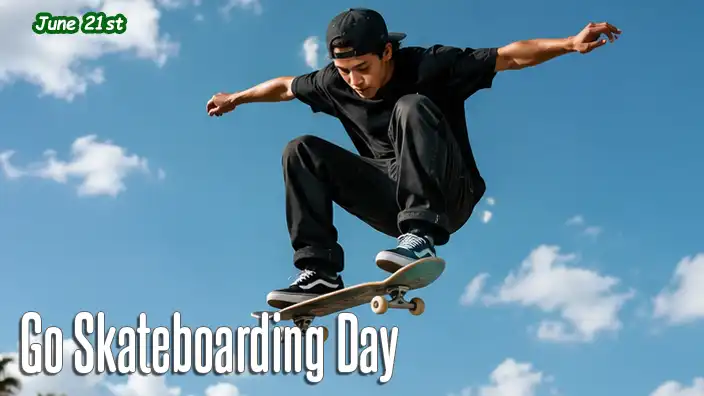
Some holidays encourage reflection. Others encourage relaxation. Go Skateboarding Day encourages you to grab a skateboard, head outside, and see if gravity is feeling cooperative.
Celebrated each year on June 21, Go Skateboarding Day is a worldwide celebration of skateboarding culture, creativity, and community. It's a day when skateboarders of all ages and skill levels take to streets, skate parks, sidewalks, ramps, and just about anywhere with a smooth surface and enough room to roll. Whether you're landing complicated tricks, cruising through the neighborhood, or simply trying not to fall off, the day is all about having fun on four wheels.
Unlike many sports that require teams, schedules, or expensive facilities, skateboarding offers a rare kind of freedom. A board, a little determination, and perhaps a willingness to collect the occasional scrape are often all that's needed to get started. For some people, skateboarding is a hobby. For others, it's a sport, an art form, a lifestyle, or a lifelong obsession.
Go Skateboarding Day celebrates all of it. It honors the professionals performing breathtaking tricks, the beginners learning their first ollie, and everyone in between. Most importantly, it reminds us that sometimes the best way to spend a day is to step away from routine, push off, and see where the ride takes you.
Just remember one important rule: the pavement has been undefeated for decades, so wear your helmet and don't get overconfident.
What Is Go Skateboarding Day?
Go Skateboarding Day is a worldwide celebration that encourages people to get on a skateboard and ride. Created by the International Association of Skateboard Companies (IASC) in 2004, the event was designed to promote skateboarding, celebrate its culture, and introduce new people to the sport.
What began as a simple idea quickly grew into a global phenomenon. Today, skateboarders in cities and towns around the world mark the occasion with group rides, demonstrations, competitions, community events, and plenty of time spent rolling through streets and skate parks. Some events attract a few dozen participants, while others draw thousands of skateboarders who take over entire sections of a city for the day.
The holiday celebrates every aspect of skateboarding. It doesn't matter whether you're a professional athlete landing tricks that seem to ignore the laws of physics or a beginner who is still figuring out which foot goes where. If you're on a skateboard and having fun, you're participating correctly.
Go Skateboarding Day also highlights the sense of community that has always been part of skateboarding. While the sport is often seen as an individual activity, skateboarders frequently gather to share advice, encourage newcomers, learn new tricks, and celebrate a culture built around creativity, persistence, and self-expression.
Most importantly, the day serves as a reminder that skateboarding is supposed to be fun. For one day, skaters are encouraged to put aside their usual responsibilities, head outdoors, and spend some time doing what skateboarders have always done best—rolling around and looking for something interesting to jump over.
The History of Go Skateboarding Day
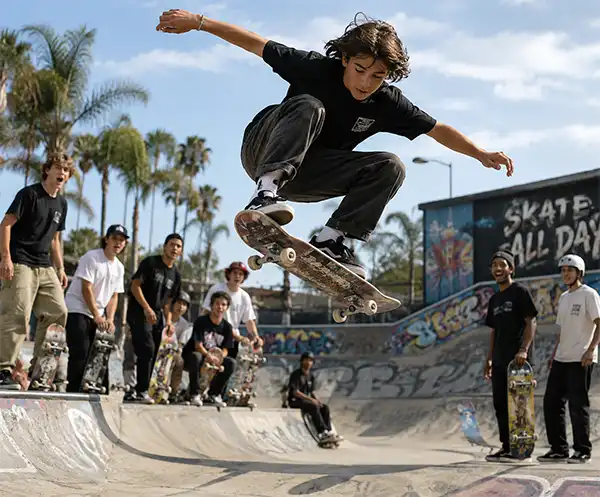
Go Skateboarding Day may be a relatively young celebration, but the sport it honors has been rolling along for decades. The holiday was created in 2004 by the International Association of Skateboard Companies (IASC), an organization formed to support and promote the skateboarding industry. Their goal was simple: encourage people to get outside, ride their skateboards, and celebrate the unique culture that had grown around the sport.
The timing couldn't have been better. By the early 2000s, skateboarding had evolved from a niche pastime into a global phenomenon. Professional competitions attracted large audiences, skate parks were appearing in communities around the world, and skateboarders were becoming household names. The IASC recognized an opportunity to unite skaters everywhere through a single annual event dedicated entirely to the sport.
To understand why the holiday resonated so quickly, it helps to look at skateboarding's origins. The first skateboards appeared in California during the late 1940s and early 1950s when surfers began attaching roller-skate wheels to wooden boards. When the waves were flat, these "sidewalk surfers" could still experience some of the feeling of riding a wave. The idea caught on, and skateboarding quickly developed a personality of its own.
The sport experienced periods of explosive growth throughout the 1960s and 1970s, especially after improvements in wheel technology made skateboards smoother, faster, and easier to control. By the 1980s and 1990s, skateboarding had become closely associated with youth culture, music, fashion, and creativity. What started as a surfing substitute had transformed into a worldwide movement.
Go Skateboarding Day quickly became one of the most recognizable celebrations in the skateboarding community. Cities around the world began organizing group rides, demonstrations, contests, and public events. In some places, thousands of skateboarders gather to roll through city streets together, creating a spectacle that is equal parts sporting event, parade, and rolling party.
Today, the holiday continues to grow, bringing together everyone from first-time riders to seasoned professionals. Not bad for an event that started with a simple idea: stop what you're doing, grab a skateboard, and go have some fun.
Of course, somewhere along the way, someone probably discovered that organizing a worldwide skateboarding holiday was much safer than actually attempting some of the tricks being performed during it.
How Skateboarding Changed from Hobby to Culture
Most hobbies stay hobbies. People enjoy them for a few hours, put the equipment away, and move on with their lives. Skateboarding took a different path. Somewhere between the first homemade boards and today's gravity-defying tricks, skateboarding grew into something much bigger than a recreational activity.
Part of the appeal comes from the freedom it offers. There are no fixed playing fields, no official game clock, and no requirement to join a team. A skateboarder can turn a sidewalk, an empty parking lot, a staircase, or a skate park into a place to ride. That freedom encouraged creativity and self-expression from the very beginning.
As skateboarding grew in popularity, it began influencing other areas of life. Distinctive clothing styles, shoes, music, artwork, and even language became closely tied to skate culture. Skateboard graphics evolved into a form of art, with deck designs ranging from simple logos to elaborate illustrations that reflected the personalities of riders and brands alike.
The rise of skateboarding magazines, videos, and later the internet helped spread the culture around the world. Young riders could watch professionals perform incredible tricks and then spend hours attempting the same moves themselves—usually with varying degrees of success and occasional encounters with the pavement.
By the 1990s and early 2000s, skateboarding had become firmly established in popular culture. Professional competitions drew large audiences, major brands sponsored athletes, and skateboarding video games introduced millions of people to the sport. What had once been viewed as a fringe activity was becoming part of the mainstream.
Perhaps the clearest sign of skateboarding's evolution came in 2021 when the sport made its Olympic debut. Suddenly, skateboarders who had spent years practicing in parking lots and skate parks were competing for Olympic medals on the world's biggest sporting stage.
Despite this growth, skateboarding has managed to retain much of its independent spirit. Whether someone is competing in front of thousands of spectators or simply cruising down a neighborhood street, the heart of skateboarding remains the same: creativity, persistence, and the simple joy of rolling along on four wheels.
And if there's one tradition that has survived every era of skateboarding, it's this: no matter how skilled you become, gravity remains an active and enthusiastic participant.
The Many Styles of Skateboarding
One of the reasons skateboarding has remained popular for generations is that there isn't just one way to do it. Different skateboarders are drawn to different styles, each with its own challenges, techniques, and opportunities to impress spectators—or accidentally introduce themselves to the pavement.
Street Skateboarding is probably the style most people picture when they think of skateboarding. Riders use curbs, handrails, stairs, benches, and other urban obstacles to perform tricks. It transforms everyday city features into a giant playground and requires equal parts skill, creativity, and courage.
Park Skateboarding takes place in specially designed skate parks filled with ramps, bowls, rails, and transitions. These parks allow skateboarders to practice tricks in a controlled environment while avoiding awkward conversations with property owners wondering why someone is jumping over their picnic tables.
Vert Skateboarding focuses on large half-pipes and vertical ramps. This is the style made famous by professional skateboarders soaring high above the edge of a ramp while performing spins, grabs, and tricks that make spectators instinctively take a step backward.
Cruising is perhaps the most relaxed form of skateboarding. Instead of focusing on tricks, cruisers simply enjoy riding from place to place. It's a great way to get around, enjoy the outdoors, and experience the simple pleasure of rolling along with the wind at your back.
Longboarding uses longer boards designed for smooth rides and stability. Many longboarders enjoy carving gentle turns, riding scenic routes, and covering greater distances than traditional skateboarders. Think of it as the touring version of skateboarding—less about tricks and more about enjoying the journey.
No matter which style appeals to you, every skateboarder starts the same way: one foot on the board, one foot on the ground, and a healthy amount of optimism. Everything after that is practice, persistence, and occasionally discovering that gravity still works exactly as advertised.
 Things Every Skateboarder Learns the Hard Way
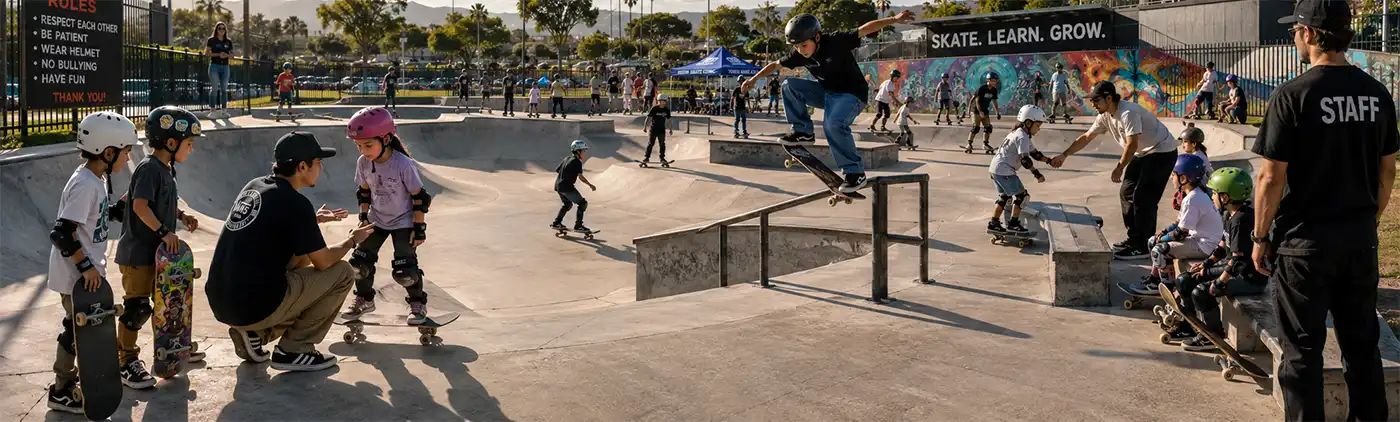
Skateboarding is a wonderful teacher. Unfortunately, many of its lessons arrive at high speed and involve direct contact with concrete. Every skateboarder, from complete beginner to seasoned professional, eventually discovers a few universal truths that simply cannot be learned from a book.
- Gravity Never Takes a Day Off
You may take a day off. Your skateboard may take a day off. Gravity, however, remains fully committed to its job. Every skateboarder eventually learns that the laws of physics are not suggestions and that the ground is always closer than it appears. - The Trick Works Perfectly When Nobody Is Watching
You can spend three hours trying to land a trick without success. The moment your friends leave, your camera battery dies, or you decide to call it a day, you'll land it perfectly. This mysterious phenomenon has been observed by skateboarders for decades and remains unexplained by science. - Protective Gear Looks Cooler After You've Needed It
Helmets, knee pads, and elbow pads may not seem exciting until the moment they save you from a painful encounter with the pavement. Experienced skateboarders know that looking cool lasts a few minutes. A concussion lasts considerably longer. - Every Skateboard Has a Mind of Its Own
Sooner or later, every skateboard decides to continue its journey without its rider. This usually occurs at the least convenient moment and often results in a board rolling toward a parked car, a flower bed, or a group of innocent bystanders. - Progress Happens One Fall at a Time
Nobody learns difficult tricks on the first attempt. The best skateboarders in the world have spent countless hours falling, getting back up, and trying again. Persistence is every bit as important as talent. - The Pavement Is an Unforgiving Teacher
Skateboarders quickly learn the difference between grass, dirt, wood, and concrete. One of these surfaces is much less interested in your comfort than the others. - Your Favorite Trick Will Eventually Betray You
The trick you've landed successfully a hundred times will eventually choose the worst possible moment to go wrong. Usually, this happens when you're showing someone how easy it is. - Scrapes Heal Faster Than Embarrassment
Most cuts and bruises disappear after a few days. The memory of falling in front of a crowd, accidentally launching your board into a bush, or confidently attempting a trick that ends in spectacular failure can last much longer.
Despite all these lessons, skateboarders keep coming back. That's because every successful ride, every new trick, and every moment spent rolling along makes the bumps, bruises, and occasional wounded pride worthwhile. Besides, if skateboarding were easy, everyone would be doing it.
Famous Skateboarders Who Helped Shape the Sport
Before we begin, a quick apology to the many talented skateboarders who aren't mentioned here. Skateboarding has produced countless pioneers, innovators, champions, and legends over the years. If we tried to include everyone who deserved recognition, this article would quickly become a library—and we'd still get complaints from somebody's favorite skater.
That said, a few individuals have had an enormous influence on the sport and helped shape skateboarding into what it is today.
No list of influential skateboarders would be complete without Tony Hawk. Often called "The Birdman," Hawk became one of the most recognizable faces in skateboarding history. He dominated professional competitions for years and gained worldwide attention in 1999 when he became the first skateboarder to successfully land a 900-degree aerial spin in competition. His success helped introduce skateboarding to millions of people who had never picked up a board.
While Tony Hawk became famous for aerial tricks, Rodney Mullen revolutionized street skateboarding. Often referred to as the "Godfather of Street Skating," Mullen invented or popularized many tricks that form the foundation of modern skateboarding, including variations of the kickflip, heelflip, and impossible. If you've ever watched a street skateboarding video, you've likely seen tricks that trace directly back to Mullen's innovations.
Nyjah Huston has been one of the most successful competitive skateboarders of the modern era. Known for his incredible consistency and technical skill, Huston has won numerous major competitions and helped inspire a new generation of skateboarders. His success demonstrates how far the sport has evolved since its early days on California sidewalks.
Tony Alva was one of the original skateboarding superstars of the 1970s. As a member of the famous Z-Boys team, he helped transform skateboarding from a casual pastime into an aggressive and highly creative sport. His influence can still be seen in modern skateboarding culture today.
Elissa Steamer helped break barriers for women in professional skateboarding and became one of the sport's most respected athletes. Her success opened doors for future generations of female skateboarders and demonstrated that skateboarding truly belongs to everyone willing to step on a board.
Together, these skateboarders—and many others—helped push the sport forward through innovation, creativity, competition, and determination. They inspired millions of riders around the world to try new tricks, challenge themselves, and occasionally discover exactly how hard concrete can be.
How to Celebrate Go Skateboarding Day
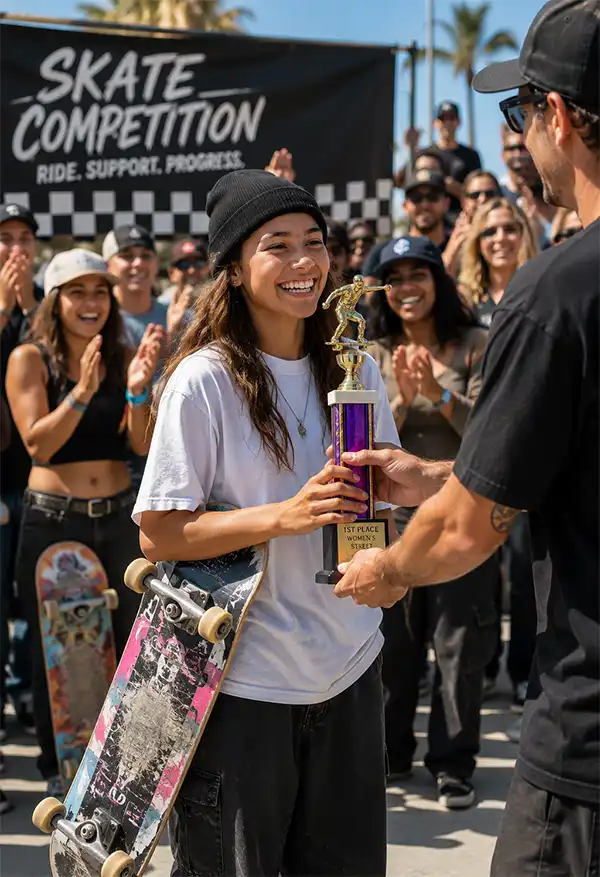
The best way to celebrate Go Skateboarding Day is surprisingly straightforward: find a skateboard and start rolling. Whether you're a lifelong skater or someone who hasn't stepped on a board in years, the day is all about getting outside, having fun, and enjoying the freedom that skateboarding provides.
- Grab Your Skateboard and Ride
The simplest celebration is often the best. Head to your favorite skate spot, cruise around the neighborhood, or spend some time at a local skate park. The goal isn't perfection—it's participation. - Learn a New Trick
Challenge yourself to learn something new. It might be an ollie, a kickflip, a manual, or simply staying on the board longer than last time. Every skateboarder improves one small step at a time. - Visit a Skate Park
Skate parks are filled with ramps, rails, bowls, and fellow skateboarders. They're also a great place to meet people who share your enthusiasm and can offer tips, encouragement, and occasionally sympathy. - Teach Someone to Skateboard
Introduce a friend, child, or family member to the sport. Everyone remembers their first successful ride—and usually their first fall. Sharing those experiences is part of what makes skateboarding special. - Support Your Local Skate Shop
Local skate shops have long been at the heart of skateboarding culture. Stop by, pick up some gear, and support the businesses that help keep the sport thriving. - Watch Some Classic Skateboarding Videos
Many legendary skateboarders inspired future generations through videos and competitions. Spend some time watching the athletes who helped shape the sport and perhaps pick up a few ideas for your next session. - Share Your Skateboarding Adventures
Post photos, videos, or stories from your day. Whether you landed a new trick or simply enjoyed a relaxing ride, Go Skateboarding Day is all about celebrating the experience. - Wear Your Safety Gear
This may not sound exciting, but helmets and protective pads have saved countless skateboarders from serious injuries. Besides, it's much easier to celebrate skateboarding when you're not explaining to a doctor how you met the pavement. - Encourage Other Skateboarders
One of the best parts of skateboarding is the community. Cheer on beginners, celebrate someone's new trick, and remember that everyone started out wobbling down the pavement at some point. - Have Fun
This may be the most important item on the list. Go Skateboarding Day wasn't created to stress people out or turn every ride into a competition. It exists because skateboarding is fun. If you're smiling while you're rolling, you're celebrating correctly.
Go Skateboarding Day FAQ
Whether you're a seasoned skateboarder or someone who still remembers their first wobbly ride down the driveway, a few questions always seem to come up. Here are some quick answers to common questions about Go Skateboarding Day and the sport it celebrates.
When is Go Skateboarding Day?
Go Skateboarding Day is celebrated every year on June 21. Skateboarders around the world mark the occasion by riding, practicing tricks, and participating in community events.
Who created Go Skateboarding Day?
The holiday was created by the International Association of Skateboard Companies (IASC) in 2004 to promote skateboarding and encourage more people to participate in the sport.
Do I need to be an experienced skateboarder to participate?
Not at all. Go Skateboarding Day is for everyone, from complete beginners to professional skateboarders. Simply getting on a board and having fun is enough to join the celebration.
What equipment do I need to start skateboarding?
At a minimum, you'll need a skateboard and a safe place to ride. Beginners are also encouraged to wear a helmet and protective gear such as knee pads and elbow pads.
What is the most popular style of skateboarding?
Street skateboarding is generally considered the most popular style, but many skateboarders also enjoy park skating, vert skating, cruising, and longboarding.
Can children participate in Go Skateboarding Day?
Yes. Many children and teenagers enjoy skateboarding, though beginners should learn in a safe environment and wear appropriate protective equipment.
Is skateboarding an Olympic sport?
Yes. Skateboarding made its Olympic debut at the 2020 Summer Olympics in Tokyo, which were held in 2021. The sport continues to be part of the Olympic program.
What are some basic skateboarding tricks beginners can learn?
Many beginners start by learning balance, pushing, turning, stopping safely, and eventually mastering the ollie, which forms the foundation for many advanced tricks.
Why is skateboarding so popular?
Skateboarding combines physical activity, creativity, self-expression, and community. It also allows participants to progress at their own pace while continually learning new skills.
What is the best way to celebrate Go Skateboarding Day?
The best way to celebrate is to grab a skateboard, head outdoors, and enjoy a ride. Whether you're learning your first trick or simply cruising around the neighborhood, the day is all about having fun on four wheels.
One More Ride Before You Go
Go Skateboarding Day is about much more than tricks, competitions, and impressive aerial maneuvers. It's a celebration of freedom, creativity, friendship, and the simple joy of rolling along on four wheels. Whether you're a seasoned skateboarder who can land tricks that seem to defy physics or someone who is still mastering the art of staying upright, there's a place for you in the skateboarding community.
Over the years, skateboarding has evolved from a pastime enjoyed by a handful of adventurous riders into a global culture that inspires millions of people. It has produced legendary athletes, influenced fashion and music, and even earned a place on the Olympic stage. Through it all, the spirit of skateboarding has remained remarkably unchanged: challenge yourself, have fun, and keep moving forward.
So when Go Skateboarding Day rolls around, grab your board and head outside. Visit a skate park, learn a new trick, cruise through the neighborhood, or simply enjoy the feeling of the wind in your face as the wheels carry you along. It doesn't matter how fast you go or how many tricks you can perform. What matters is getting out there and enjoying the ride.
And if you happen to fall a few times along the way, don't worry. Every skateboarder has been there before. Just get back up, dust yourself off, and remember that sometimes the best stories begin with the words, "Watch this..."