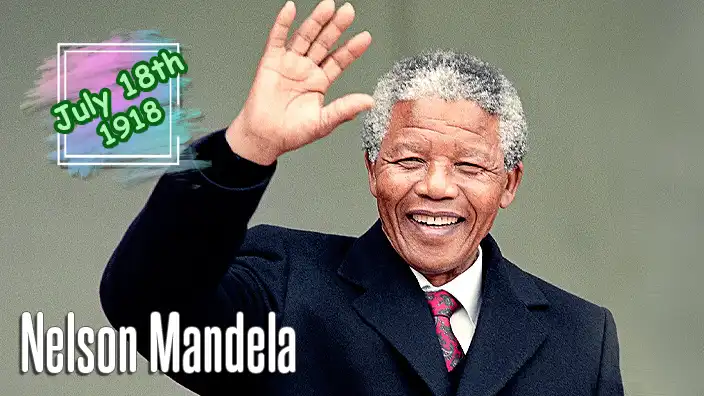
- Details
- Category: Celebrity Birthdays - July
If there were an Olympic event for patience, forgiveness, and keeping your cool under pressure, Nelson Mandela would have walked away with the gold medal—then invited everyone else onto the podium for a group photo. He proved that true strength doesn't always come from raising your voice. Sometimes it comes from quietly refusing to give up, even when history seems determined to make life as difficult as possible.
 July 18, 1918, in Mvezo, South Africa
 December 5, 2013, in Johannesburg, South Africa

Trivia
- He helped establish South Africa's first Black-owned law firm.
- He spent 27 years in prison.
- Much of his imprisonment was on Robben Island.
- He received the Nobel Peace Prize in 1993.
- He became South Africa's first democratically elected Black president in 1994.
- He served only one presidential term by choice.
- His birthday is celebrated as Nelson Mandela International Day.
- People are encouraged to volunteer 67 minutes on Mandela Day.
- He was affectionately known by many South Africans as Madiba, his clan name.
- He received more than 250 awards and honors during his lifetime.
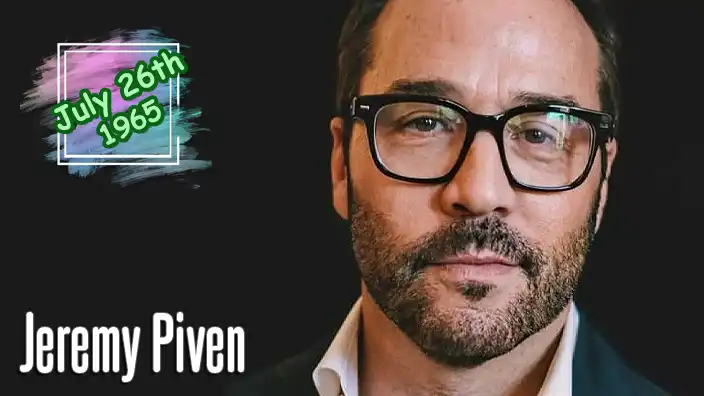
- Details
- Category: Celebrity Birthdays - July
There are actors who quietly deliver their lines and blend into the scenery. Jeremy Piven apparently looked at that career path, smiled politely, and drove past it at full speed in a luxury sports car while yelling into two cell phones. Whether he's playing a fast-talking Hollywood agent, an overconfident businessman, or the funniest person in the room without even trying, Piven has a knack for turning ordinary conversations into memorable performances. If rapid-fire sarcasm burned calories, he'd have been the fittest man in Hollywood.
July 26, 1965, in Manhattan, New York City
Trivia
- Parents founded the Piven Theatre Workshop.
- Childhood friend of actor John Cusack.
- Won three consecutive Primetime Emmy Awards for Entourage.
- Won a Golden Globe Award for portraying Ari Gold.
- Starred as Harry Selfridge in Mr Selfridge.
- Appeared in more than 100 film and television productions.
- Known for his rapid-fire dialogue and energetic comic delivery.
- Has performed extensively on both stage and screen.
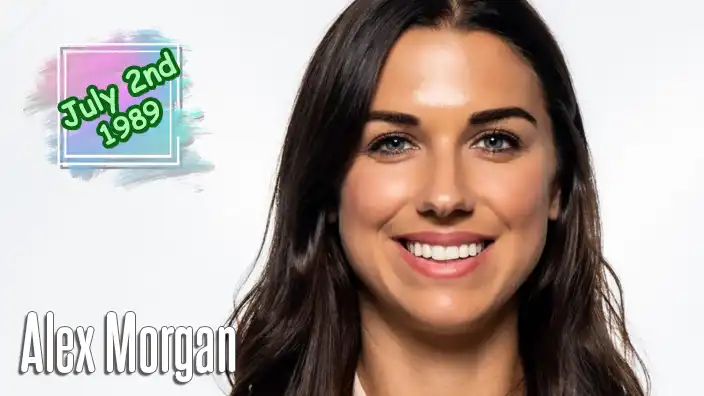
- Details
- Category: Celebrity Birthdays - July
There are people who make scoring a goal look difficult, and then there's Alex Morgan, who often made it look like she had an appointment somewhere else and needed to finish the match first. Defenders chased her, goalkeepers dreaded seeing her break free, and young soccer players everywhere suddenly believed that wearing number 13 might come with a few extra superpowers.
 July 2, 1989, in San Dimas, California
Trivia
- Played college soccer at the University of California, Berkeley.
- Selected first overall in the 2011 WPS Draft.
- Won two FIFA Women's World Cups (2015 and 2019).
- Won Olympic gold in London in 2012.
- Scored the winning goal against Canada in the 2012 Olympic semifinal.
- Earned 224 caps for the United States.
- Scored 123 international goals.
- Co-captained the U.S. Women's National Team.
- Won the NWSL Golden Boot in 2022.
- Won the UEFA Women's Champions League with Lyon.
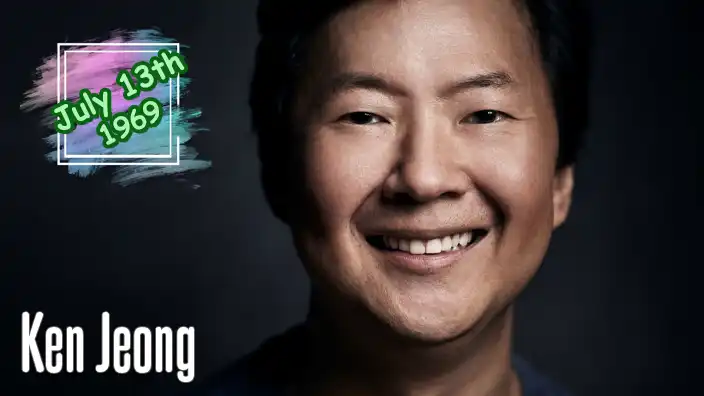
- Details
- Category: Celebrity Birthdays - July
Most people change careers once or twice in their lifetime. Ken Jeong looked at medicine, conquered it, then casually wandered into Hollywood and decided making millions of people laugh sounded like a fun side project. Somewhere out there is a patient who can honestly say, "My doctor became a movie star."
July 13, 1969, in Detroit, Michigan
Trivia
- Earned his undergraduate degree from Duke University.
- Graduated from the University of North Carolina School of Medicine.
- Completed a residency in internal medicine.
- Is a licensed physician.
- Practiced medicine before becoming an actor.
- Broke through with The Hangover (2009).
- Played the unforgettable Leslie Chow.
- Starred as Ben Chang in Community.
- Created and starred in Dr. Ken.
- Has been a panelist on The Masked Singer since its debut.
- Details
- Category: Celebrity Birthdays - July
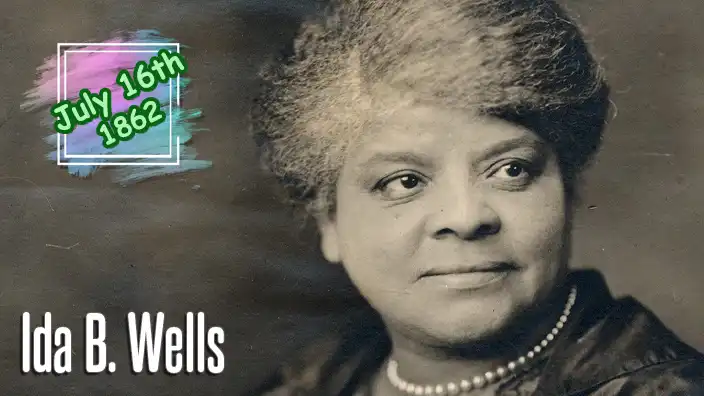
Some people become famous by chasing headlines. Ida B. Wells preferred chasing the truth, even when it meant standing up to angry mobs, corrupt officials, and powerful institutions. She proved that a notebook, a sharp mind, and an unwavering sense of justice could be every bit as formidable as an army. If determination burned calories, she would have powered an entire city.
July 16, 1862, in Holly Springs, Mississippi
March 25, 1931, in Chicago, Illinois
Trivia
- Became a schoolteacher as a teenager to support her siblings.
- Wrote early newspaper articles under the pen name "Iola."
- Successfully sued a railroad before the ruling was overturned.
- Owned and edited the Free Speech and Headlight newspaper.
- Published the influential pamphlet Southern Horrors in 1892.
- Traveled to Britain to speak about racial violence in America.
- Refused to march at the back of the 1913 Women's Suffrage Parade.
- Helped establish the NAACP in 1909.
- Was an outspoken supporter of women's voting rights.
- Received a posthumous Pulitzer Prize Special Citation in 2020.
- Widely regarded as one of America's first investigative journalists.
- Details
- Category: Celebrity Birthdays - July
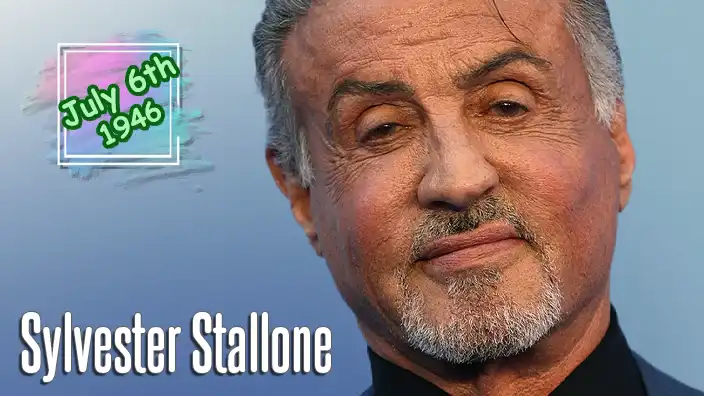
Most people celebrate birthdays by blowing out candles. Sylvester Stallone could probably extinguish them with the shockwave from a movie explosion. Whether he's climbing the steps of the Philadelphia Museum of Art, battling impossible odds in the boxing ring, or carrying enough ammunition to make a military surplus store nervous, Stallone has spent decades proving that determination, grit, and a well-timed one-liner never go out of style.
July 6, 1946, in New York City, New York
Trivia
- Wrote the screenplay for Rocky in just a few days.
- Insisted on starring as Rocky Balboa before selling the script.
- Received Oscar nominations for both acting and screenwriting for Rocky.
- Created both the Rocky and Rambo film franchises.
- Has written, directed, and produced many of his own films.
- Won a Golden Globe for Creed in 2016.
- Is also an accomplished painter.
- Received a star on the Hollywood Walk of Fame.
- Has appeared in more than 80 films and television productions.
- Details
- Category: Celebrity Birthdays - July
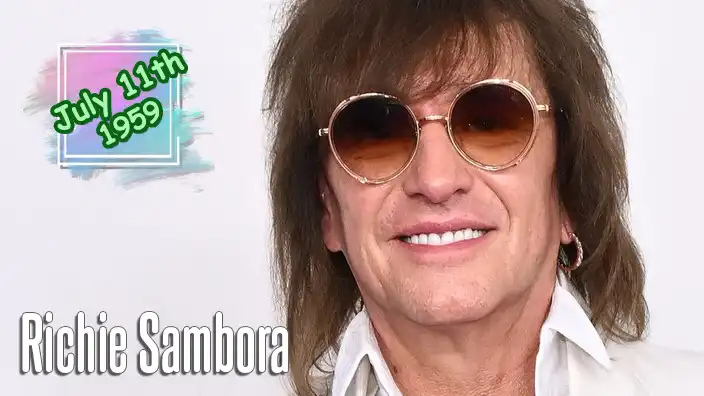
Every great rock band has someone who can make a guitar sing, roar, and occasionally convince the neighbors that windows are merely optional. Richie Sambora spent decades doing exactly that. While the lead singer often grabbed the spotlight, Sambora was busy creating the unforgettable riffs and soaring solos that had millions of fans turning up the volume and pretending their living room was a sold-out stadium.
July 11, 1959, in Perth Amboy, New Jersey
Trivia
- Joined Bon Jovi in 1983.
- Served as the band's lead guitarist for 30 years.
- Co-wrote many of Bon Jovi's biggest hits.
- Plays guitar, piano, bass, and several other instruments.
- Released multiple solo albums.
- Inducted into the Rock and Roll Hall of Fame in 2018 as a member of Bon Jovi.
- Has collaborated with numerous artists across rock and blues.
- Known for his signature melodic guitar solos.
- Continues to record and perform as a solo artist.
- Details
- Category: Celebrity Birthdays - July
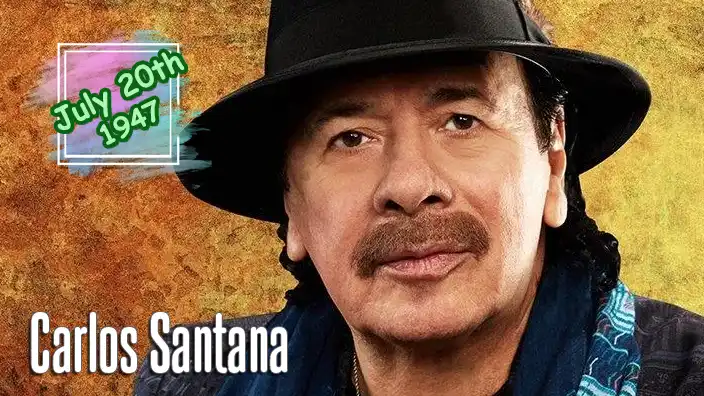
Some guitarists play notes. Carlos Santana seems to have a conversation with them. Hand him a guitar, and before long it's singing, dancing, and probably teaching the rest of the band a lesson in style. For more than five decades, Santana has blended rock, blues, jazz, and Latin rhythms into a sound so distinctive that you can usually identify him after hearing only a few notes. That's a rare talent—and one that's kept audiences smiling around the world.
July 20, 1947, in Autlán de Navarro, Mexico
Trivia
- Rose to fame after Woodstock in 1969.
- Fuses Latin rhythms with blues, jazz, and rock.
- Abraxas became one of the defining albums of the 1970s.
- Supernatural won nine Grammy Awards.
- "Smooth" featured Rob Thomas of Matchbox Twenty.
- "Maria Maria" reached No. 1 on the Billboard Hot 100.
- Inducted into the Rock and Roll Hall of Fame in 1998.
- Co-founded the Milagro Foundation to support children and education.
- Has sold more than 100 million records worldwide.
- Details
- Category: Celebrity Birthdays - July
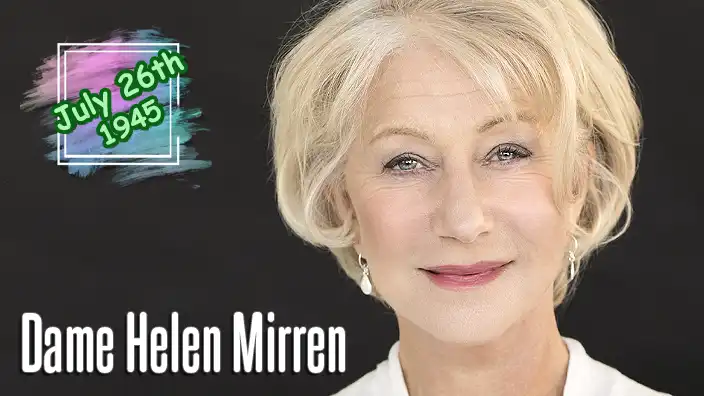
Some actors spend their careers trying to look regal. Helen Mirren solved that problem by actually playing queens—more than once—and making audiences wonder if Buckingham Palace had quietly loaned her the keys. Whether she's portraying royalty, detectives, military leaders, or delightfully sharp-tongued grandmothers, Mirren has mastered the rare ability to command every room she enters. If confidence could be bottled, the label would probably feature her smiling politely while collecting another award.
July 26, 1945, in London, England
Trivia
- Member of the Royal Shakespeare Company early in her career.
- Achieved the Triple Crown of Acting.
- Won the Academy Award for Best Actress for The Queen.
- Won multiple Primetime Emmy Awards.
- Won the Tony Award for The Audience.
- Appointed Dame Commander of the Order of the British Empire (DBE) in 2003.
- Starred as Jane Tennison in Prime Suspect.
- Has portrayed several British queens during her career.
- Appeared in both acclaimed dramas and blockbuster action films.
- Details
- Category: Celebrity Birthdays - July
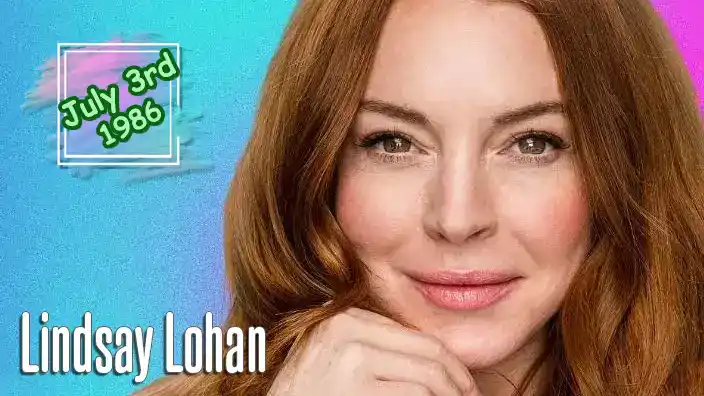
Born with a camera somehow already pointed at her, Lindsay Lohan has lived more of her life in the public eye than most of us spend deciding what to watch on TV. From child-star scene-stealer to tabloid lightning rod to a very real comeback story, her journey has been anything but dull. On her birthday, we raise a glass (responsibly, of course) to a woman who has tripped, learned, grown, reinvented herself, and kept going—sometimes loudly, sometimes quietly, but always on her own terms. Today isn’t about the headlines; it’s about the staying power.
July 2, 1986, in The Bronx, New York
Trivia
- Played identical twins in The Parent Trap at age 11
- Began modeling at three years old
- Hosted Saturday Night Live four times before turning 20
- Released a platinum-selling album (Speak, 2004)
- Voiced a character in Disney’s Brother Bear
- Lived abroad for several years and studied Arabic
- Made her Broadway debut in Cabaret
- Known for picking up accents unintentionally
- Details
- Category: Celebrity Birthdays - July
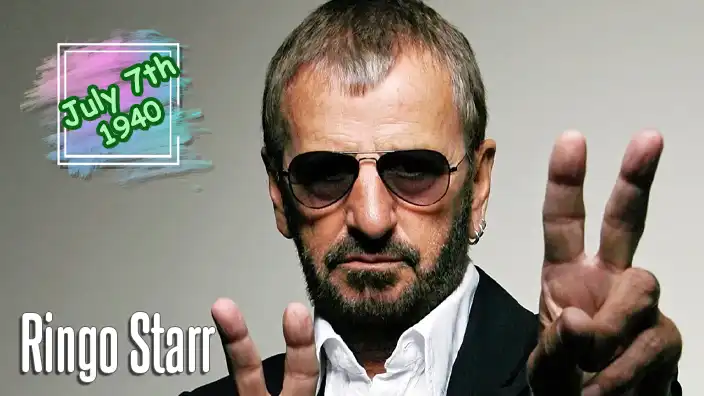
Some people celebrate birthdays with cake and candles. Ringo Starr has spent much of his life celebrating with sold-out concerts, screaming fans, and enough drumsticks to build a respectable log cabin. While most drummers are told to "keep the beat," Ringo somehow kept pace with three other musicians who happened to become the biggest band in history. Not bad for a lad from Liverpool who once spent so much time in hospitals as a child that becoming a world-famous musician probably wasn't even on the nurses' betting pool.
July 7, 1940, in Liverpool, England
Trivia
- Beatles member since: August 1962.
- Natural handedness: Left-handed, but played a right-handed drum kit.
- Beatles songs he sang: "Yellow Submarine," "With a Little Help from My Friends," "Act Naturally," and others.
- Beatles song he wrote: "Octopus's Garden."
- Solo hits: "Photograph," "It Don't Come Easy," and "You're Sixteen."
- Founded the All Starr Band: 1989.
- Rock and Roll Hall of Fame: Inducted twice—once with The Beatles and once as a solo artist.
- Knighthood: Knighted in 2018 for services to music.
- Television: Narrated Thomas & Friends for several years.
- Birthday tradition: Encourages everyone to share "Peace and Love" at noon on July 7.
- Details
- Category: Celebrity Birthdays - July
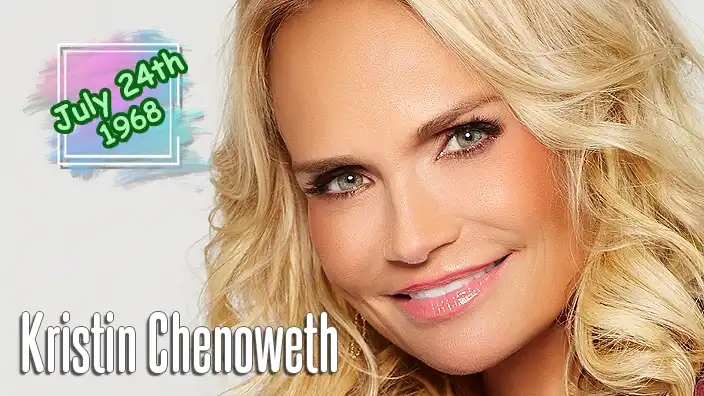
Kristin Chenoweth has spent her career proving that talent isn't measured in feet and inches. She may be one of Broadway's smallest stars physically, but once she starts singing, audiences quickly discover the laws of physics have apparently taken the evening off. Somewhere, sound engineers are still trying to explain how that much voice fits into such a tiny package.
July 24, 1968, in Broken Arrow, Oklahoma,
Trivia
- Adopted as an infant by Junie and Jerry Chenoweth.
- Graduated from Oklahoma City University with a degree in musical theater.
- Won a Tony Award for You're a Good Man, Charlie Brown.
- Originated the role of Glinda the Good Witch in Broadway's Wicked.
- Won a Primetime Emmy Award for Pushing Daisies.
- Appeared in The West Wing, Glee, The Good Wife, and Trial & Error.
- Accomplished recording artist with multiple studio albums.
- Renowned for her classically trained coloratura soprano voice.
- Strong supporter of arts education and charitable organizations.
- Details
- Category: Celebrity Birthdays - July
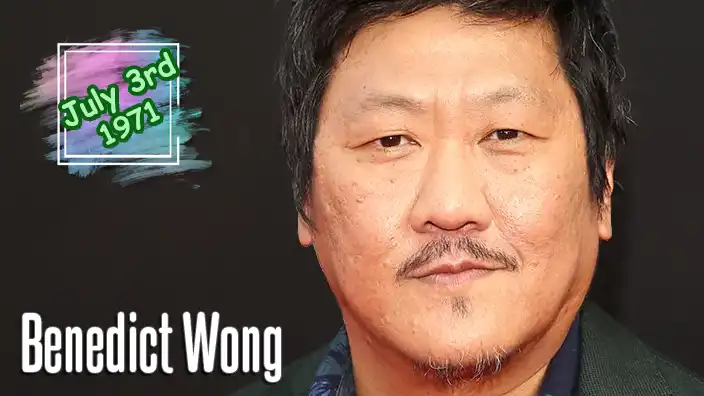
Some actors quietly become indispensable without ever needing to wear a cape. Benedict Wong managed the remarkable feat of becoming one of the Marvel Cinematic Universe's most trusted heroes while often delivering the sort of calm, deadpan expressions that suggest he's the only sensible person in the room. When chaos erupts, monsters invade, or the multiverse starts falling apart, Wong usually looks as though he's wondering who forgot to read the instruction manual.
July 3, 1971, in Eccles, England
Trivia
- Studied performing arts before becoming a professional actor.
- Earned early acclaim for Dirty Pretty Things (2002).
- Starred opposite Sean Lock in the sitcom 15 Storeys High.
- Played Kublai Khan in Netflix's Marco Polo.
- Portrays Wong, the Sorcerer Supreme, in the Marvel Cinematic Universe.
- Appeared in The Martian, Prometheus, Moon, and Sunshine.
- Voiced Tong in Disney's Raya and the Last Dragon.
- Is a lifelong supporter of Manchester United Football Club.
- Details
- Category: Celebrity Birthdays - July
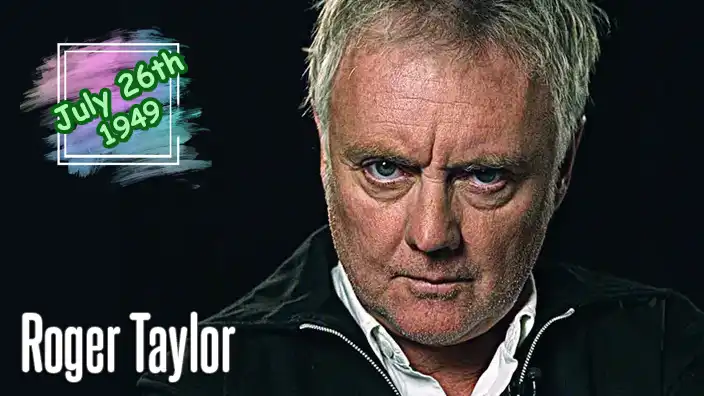
There are drummers who quietly keep time in the background, and then there's Roger Taylor, who apparently decided that simply hitting the drums wasn't enough. Why stop there when you can sing lead vocals, write hit songs, and occasionally remind the audience that the fellow behind the drum kit is having just as much fun as the guitarist out front? If multitasking had an official soundtrack, Roger Taylor probably helped write it.
July 26, 1949, in King's Lynn, England
Trivia
- Best known as the drummer for Queen.
- Also sings lead and backing vocals.
- Wrote Queen's hit "Radio Ga Ga."
- Played in the pre-Queen band Smile.
- Formed the band The Cross in 1987.
- Released multiple successful solo albums.
- Inducted into the Rock and Roll Hall of Fame with Queen in 2001.
- Helped organize the Freddie Mercury Tribute Concert in 1992.
- Details
- Category: Celebrity Birthdays - July
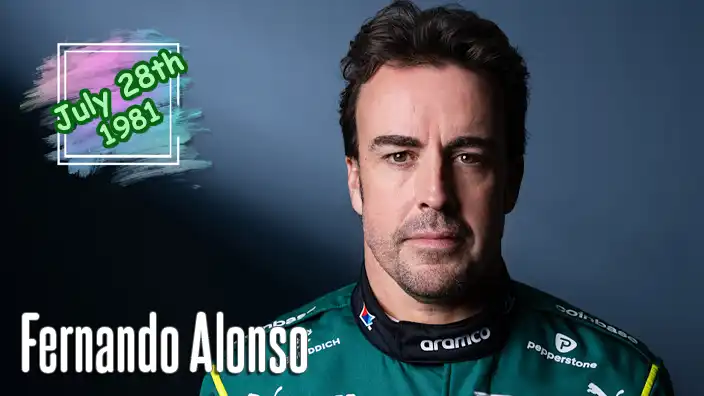
Fernando Alonso has spent so many years racing in Formula One that some fans are convinced he personally remembers when the dinosaurs were testing tire compounds. Every time someone predicts he'll retire, Alonso politely climbs back into a race car and reminds the field that experience can be every bit as fast as youth. While others measure careers in seasons, Fernando seems to measure his in eras, proving that talent, determination, and a refusal to slow down never go out of style.
July 29, 1981, in Oviedo, Spain
Trivia
- Formula One World Champion in 2005 and 2006.
- Two-time winner of the 24 Hours of Le Mans.
- FIA World Endurance Champion.
- Made his Formula One debut with Minardi in 2001.
- Has raced for Renault, McLaren, Ferrari, Alpine, and Aston Martin.
- Youngest Formula One World Champion at the time of his first title.
- Competed in the Indianapolis 500 and the Dakar Rally.
- Considered one of Formula One's finest overtaking drivers.
- Details
- Category: Celebrity Birthdays - July
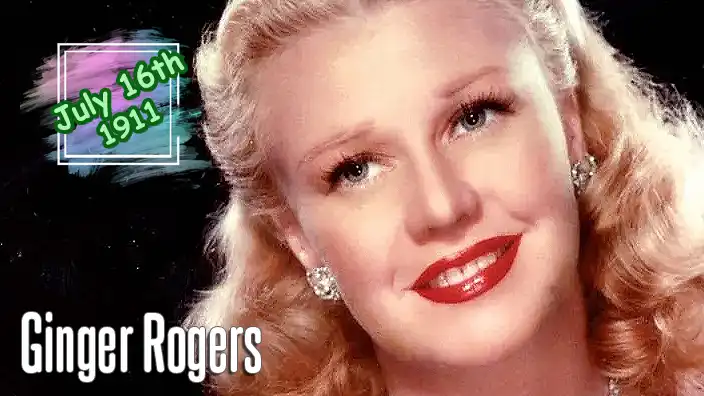
Dancing across a polished ballroom floor looks effortless—right up until someone asks you to do it backward in high heels while smiling for the cameras. Ginger Rogers made it seem easy, proving that grace, talent, and impeccable timing could leave audiences applauding for generations. She didn't simply keep up with Fred Astaire—she helped create some of the greatest dance sequences ever captured on film.
July 16, 1911, in Independence, Missouri
April 25, 1995, in Rancho Mirage, California
Trivia
- Won a Charleston dance contest at age 14.
- Starred with Fred Astaire in ten feature films.
- Won the Academy Award for Best Actress for Kitty Foyle (1940).
- Appeared in more than 70 films.
- Excelled as an actress, dancer, singer, and stage performer.
- Performed for American troops during World War II.
- Continued acting in theater and television later in life.
- Ranked among the American Film Institute's greatest female screen legends.
- Received the Kennedy Center Honors in 1992.
- Details
- Category: Celebrity Birthdays - July
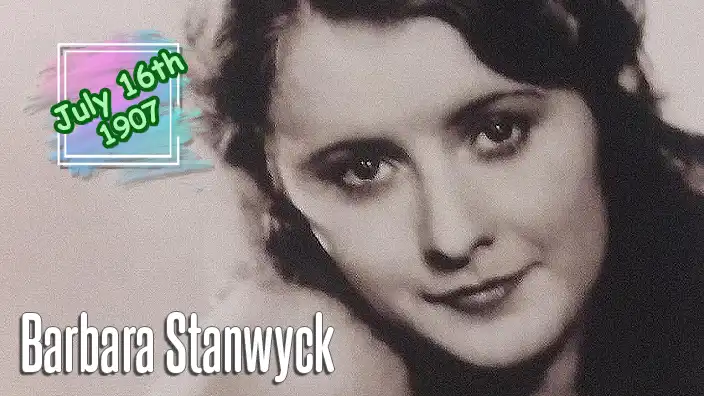
Some actors spend years trying to steal every scene they're in. Barbara Stanwyck seemed to do it without appearing to break a sweat. Whether she was playing a devoted wife, a fearless businesswoman, a cunning femme fatale, or a tough-as-nails ranch owner, she had a knack for making audiences forget everyone else was on the screen. If charisma could be bottled, Hollywood would still be trying to figure out her recipe.
July 16, 1907, in Brooklyn, New York
January 20, 1990, in Santa Monica, California
Trivia
- Appeared in more than 80 feature films.
- Received four Academy Award nominations.
- Won an Honorary Academy Award in 1982.
- Received the AFI Life Achievement Award in 1987.
- Starred in the classic film noir Double Indemnity.
- Won an Emmy Award for The Big Valley.
- Was married to actors Frank Fay and Robert Taylor.
- Began her career as a Broadway chorus girl.
- Ranked by the American Film Institute among the greatest female screen legends.
- Worked successfully in film, television, and theater for over 60 years.
- Details
- Category: Celebrity Birthdays - July
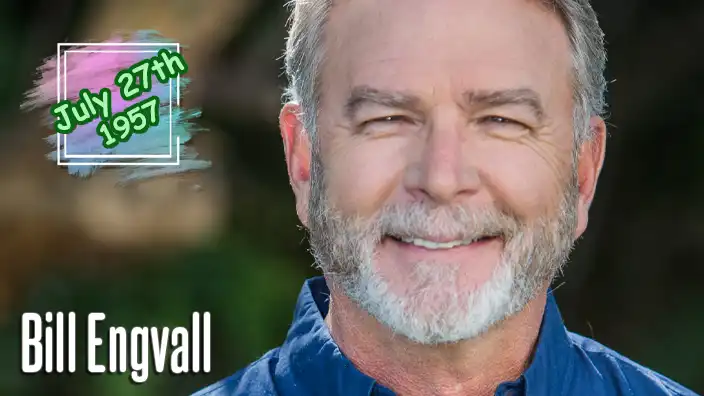
We've all met someone who leaves us wondering what they were thinking. Bill Engvall didn't just wonder—he built an entire comedy career around it. With a smile, a perfectly timed pause, and his legendary catchphrase, "Here's your sign," he turned everyday moments of human confusion into comedy gold. Somehow, he managed to make us laugh at other people's silly questions while quietly realizing we've probably asked a few of them ourselves.
July 27, 1957, in Galveston, Texas
Trivia
- Originally planned to become a teacher.
- Worked as a DJ, tour guide, and fishing guide.
- Began performing stand-up in the early 1980s.
- "Here's Your Sign" became his signature routine.
- His Here's Your Sign album was certified platinum.
- Member of the Blue Collar Comedy Tour.
- Starred in The Bill Engvall Show.
- Competed on Dancing with the Stars in 2013.
- Announced his retirement from touring in 2022.
- Details
- Category: Celebrity Birthdays - July
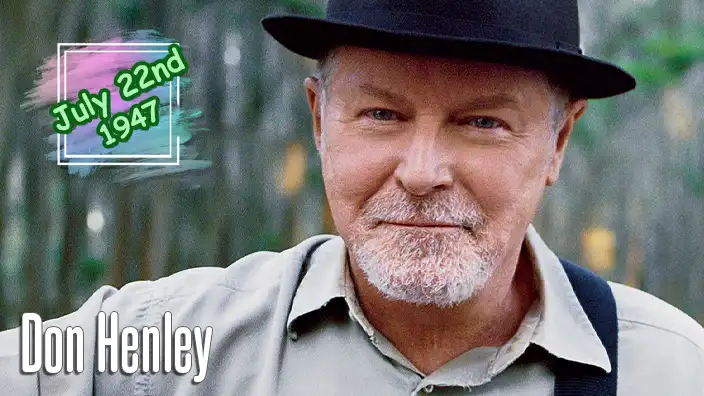
Some people struggle to pat their head and rub their stomach at the same time. Don Henley built a Hall of Fame career singing lead vocals while playing drums in front of thousands of screaming fans. It's enough to make the average karaoke enthusiast quietly put the microphone back on the stand and reconsider their life choices.
July 22, 1947, in Gilmer, Texas
Trivia
- Co-founded the Eagles in 1971.
- Served as both lead vocalist and drummer.
- Co-wrote many Eagles classics with Glenn Frey.
- Sang lead on "Hotel California."
- Released the hit solo song "The Boys of Summer."
- Won multiple Grammy Awards as a solo artist and with the Eagles.
- Co-founded the Caddo Lake Institute.
- Inducted into the Rock and Roll Hall of Fame with the Eagles in 1998.
- Details
- Category: Celebrity Birthdays - July
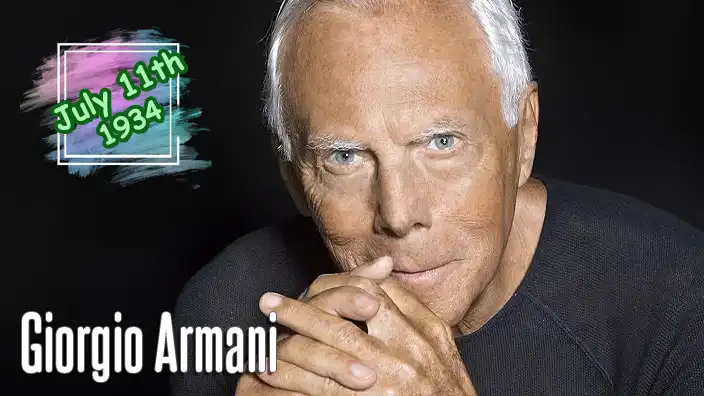
Most people struggle to choose what to wear in the morning. Giorgio Armani spent a lifetime teaching the world what everyone should wear. While fashion trends have come and gone faster than yesterday's weather forecast, Armani quietly proved that elegance never needs to shout. After all, when you've designed clothes for movie stars, world leaders, and enough red carpets to cover a small country, you're probably doing something right.
July 11, 1934, in Piacenza, Italy
September 4, 2025, in Milan, Italy
Trivia
- Founded the Armani fashion house in 1975.
- Revolutionized men's tailoring with softer suit jackets.
- Worked with business partner Sergio Galeotti.
- Designed costumes for numerous Hollywood films.
- American Gigolo helped popularize his fashion worldwide.
- Expanded into fragrances, cosmetics, furniture, and hotels.
- One of the world's most successful independent fashion designers.
- Recipient of numerous international honors.
- His name is recognized in luxury fashion around the globe.
- Details
- Category: Celebrity Birthdays - July
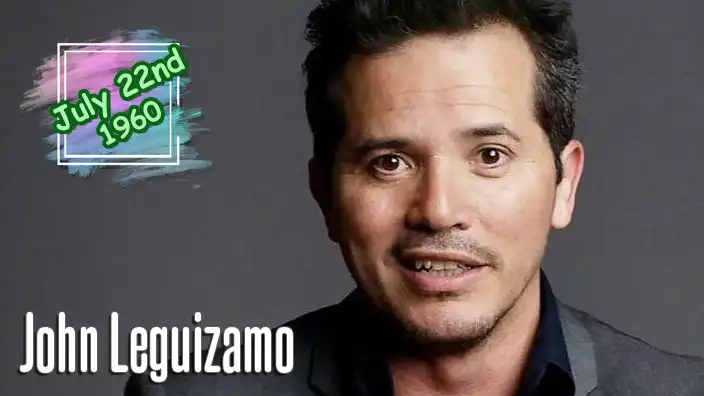
John Leguizamo has spent his career proving that one person really can play almost everybody. Give him a stage, a camera, or even a recording booth, and before long he's transformed into a dozen completely different characters. Somewhere, a costume department is probably still trying to catch its breath.
July 22, 1960, in Bogotá, Colombia
Trivia
- Began his career performing stand-up comedy.
- Starred in several acclaimed one-man Broadway shows.
- Played Henri de Toulouse-Lautrec in Moulin Rouge!
- Voices Sid the Sloth in the Ice Age films.
- Voiced Bruno Madrigal in Disney's Encanto.
- Appeared in Carlito's Way and Romeo + Juliet.
- Won Emmy and Drama Desk Awards for his stage work.
- Advocate for Latino representation in entertainment.
- Writer, producer, playwright, and actor.
From Our Marks Catelog
-
Pizza is the ultimate customizable dish. It caters to all, from the staunch meat-lover who wants...
-

Your toes don't ask for much. They spend their days squeezed into shoes, dodging coffee tables,...
-

You’re trying to relax after a long day, but your dog has decided that now is the perfect time to...
-
Tiny, shiny, and unapologetically bold, these little fish have a knack for stealing the show at...
-

Horses are the comedians of the animal world, even if they don’t realize it. From sneaky maneuvers...
-
Some cars are built to get you from point A to point B. The Pink Cadillac was built to make sure...

