- Details
- Category: Celebrity Birthdays - July
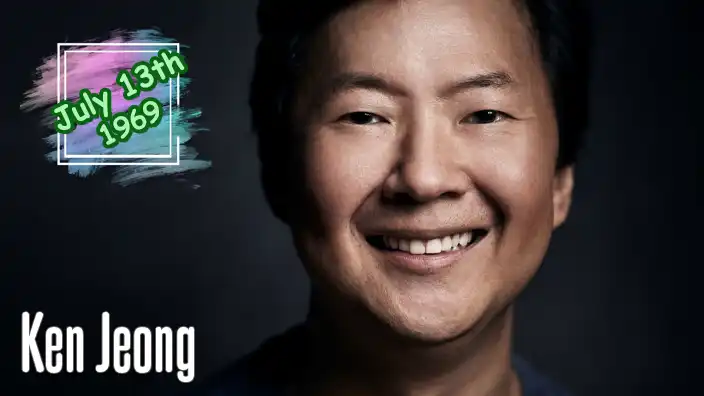
Most people change careers once or twice in their lifetime. Ken Jeong looked at medicine, conquered it, then casually wandered into Hollywood and decided making millions of people laugh sounded like a fun side project. Somewhere out there is a patient who can honestly say, "My doctor became a movie star."
 July 13, 1969, in Detroit, Michigan

Trivia
- Earned his undergraduate degree from Duke University.
- Graduated from the University of North Carolina School of Medicine.
- Completed a residency in internal medicine.
- Is a licensed physician.
- Practiced medicine before becoming an actor.
- Broke through with The Hangover (2009).
- Played the unforgettable Leslie Chow.
- Starred as Ben Chang in Community.
- Created and starred in Dr. Ken.
- Has been a panelist on The Masked Singer since its debut.
- Details
- Category: Celebrity Birthdays - July
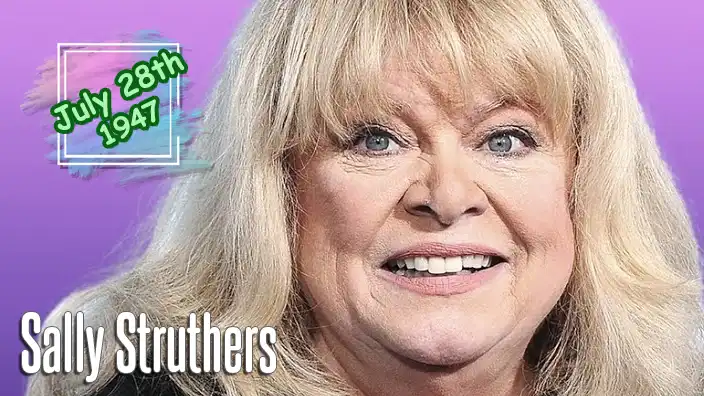
Gloria Stivic grew up in a Queens household where every family discussion became a debate, every debate became an argument, and every argument eventually required Edith Bunker to hurry in from the kitchen carrying something edible. Sally Struthers somehow made Gloria affectionate, exasperated, idealistic, stubborn, funny, and entirely believable while standing between Archie Bunker and Michael “Meathead” Stivic—two men who could turn the proper way to butter toast into a constitutional crisis. Surviving that living room for eight seasons should probably have qualified her for diplomatic service.
 July 28, 1947, in Portland, Oregon
Trivia
- She studied acting at the Pasadena Playhouse College of Theatre Arts.
- Her early screen appearances included Five Easy Pieces and The Getaway.
- She played Gloria Stivic on All in the Family from 1971 until 1978.
- Struthers won two Primetime Emmy Awards for portraying Gloria.
- Gloria was the daughter of Archie and Edith Bunker.
- She later starred in the spin-off series Gloria.
- She voiced Pebbles Flintstone in several animated productions.
- She provided the voice of Rebecca Cunningham in Disney’s TaleSpin.
- She voiced Charlene Sinclair on the television series Dinosaurs.
- Younger audiences know her as Babette Dell from Gilmore Girls.
- Details
- Category: Celebrity Birthdays - July
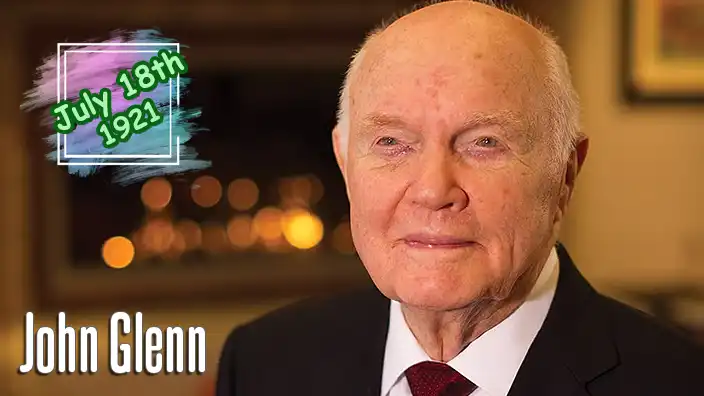
Some people complain when their flight is delayed by twenty minutes. John Glenn climbed into a tiny capsule perched on top of a rocket, blasted into orbit, and thought, "This seems like a reasonable way to spend the afternoon." As it turns out, he had nerves of steel, an endless supply of determination, and just enough curiosity to see what Earth looked like from a few hundred miles up.
July 18, 1921, in Cambridge, Ohio
 December 8, 2016, in Columbus, Ohio
Trivia
- First American to orbit the Earth on February 20, 1962.
- His Mercury capsule was named Friendship 7.
- He completed three orbits of Earth.
- Flew 59 combat missions during World War II.
- Flew 90 combat missions during the Korean War.
- Completed the first supersonic transcontinental flight in 1957.
- Served 24 years as a U.S. senator from Ohio.
- Returned to space aboard Space Shuttle Discovery in 1998.
- At 77 years old, he became the oldest person ever to fly in space.
- Received the Presidential Medal of Freedom in 2012.
- Details
- Category: Celebrity Birthdays - July
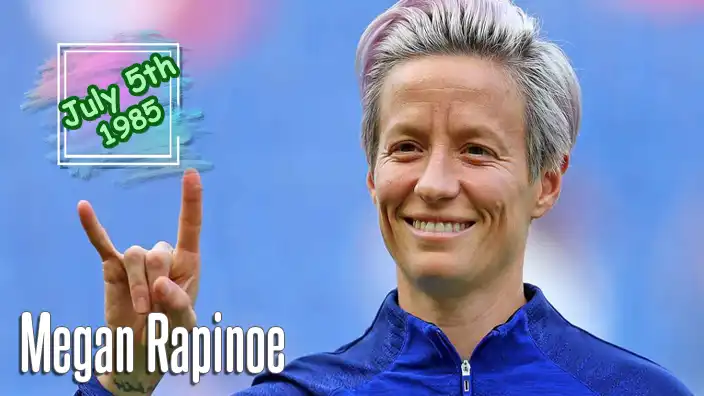
Some athletes collect trophies. Megan Rapinoe collected trophies, championship medals, Olympic gold, and enough memorable interviews to keep sports reporters happily employed for years. If confidence burned calories, she'd have needed an extra breakfast before every match. Whether she was bending a free kick into the top corner or speaking her mind after the final whistle, one thing was guaranteed—nobody was going to accuse Megan Rapinoe of blending into the background.
July 5, 1985, in Redding, California
Trivia
- Two-time FIFA Women's World Cup champion (2015, 2019).
- Olympic gold medalist at the 2012 London Games.
- Won the Golden Boot and Golden Ball at the 2019 Women's World Cup.
- Named FIFA Best Women's Player in 2019.
- Won the Ballon d'Or Féminin in 2019.
- Known for exceptional crossing and free-kick ability.
- Played professionally in the United States, France, and Australia.
- Helped lead the U.S. Women's National Team's equal pay campaign.
- Retired from professional soccer in 2023.
- Details
- Category: Celebrity Birthdays - July
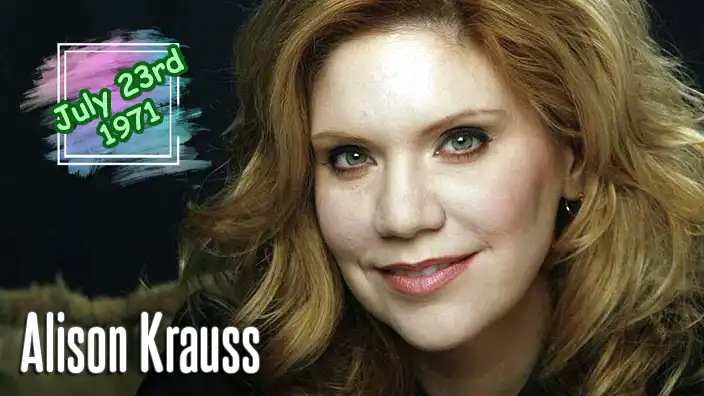
Some singers hit notes so high they make the windows rattle. Alison Krauss hits notes so beautifully that people forget to blink. While other performers chase louder amplifiers and bigger stage productions, she simply picks up her fiddle, opens her mouth, and reminds everyone that real talent doesn't need to shout to be heard.
July 23, 1971, in Decatur, Illinois
Trivia
- Began violin lessons at the age of five.
- Started performing competitively as a child.
- Became leader of Alison Krauss & Union Station as a teenager.
- Has won 27 Grammy Awards.
- Is one of the most awarded artists in Grammy history.
- Performed on the acclaimed O Brother, Where Art Thou? soundtrack.
- Won Album of the Year for Raising Sand with Robert Plant.
- Plays the fiddle as well as singing lead vocals.
- Has collaborated with numerous country, folk, bluegrass, and rock artists.
- Details
- Category: Celebrity Birthdays - July
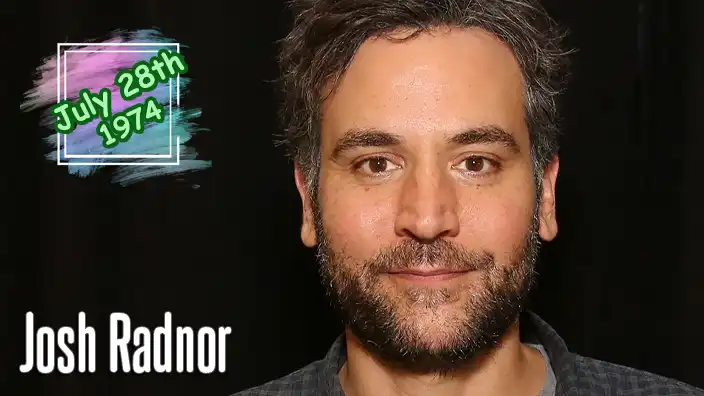
Josh Radnor has one of those faces that millions of television fans instantly recognize, even if they first think, "Wait... wasn't he telling a really long story?" For nine seasons, he managed to convince audiences that explaining how you met your children's mother could somehow require nearly two hundred episodes. Fortunately for viewers, his charm, wit, and relatable awkwardness made every detour worthwhile. If patience were an Olympic sport, Ted Mosby's kids deserved gold medals—and Josh Radnor deserved applause for making the journey so entertaining.
July 29, 1974, in Columbus, Ohio
Trivia
- Graduated from Kenyon College with a degree in drama.
- Earned an MFA from New York University's Tisch School of the Arts.
- Wrote, directed, and starred in Happythankyoumoreplease.
- Won the Audience Award at the Sundance Film Festival for his directorial debut.
- Directed and starred in Liberal Arts.
- Performs as part of the musical duo Radnor & Lee.
- Has appeared on Broadway and Off-Broadway.
- Details
- Category: Celebrity Birthdays - July
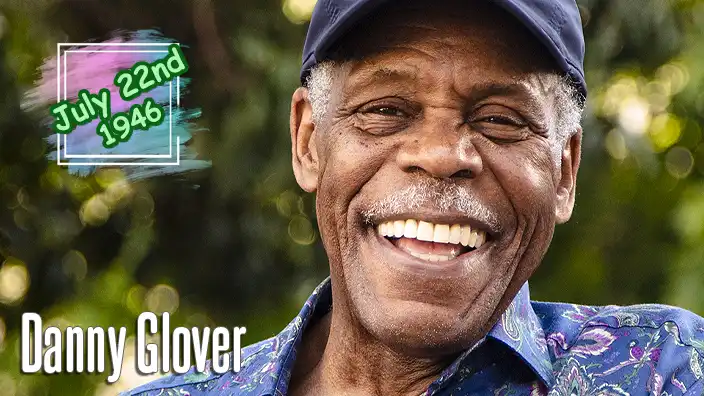
Danny Glover has spent decades convincing movie audiences that he's either about to solve a difficult problem, deliver wise advice, or remind his partner that he's getting just a little too old for this sort of thing. Somehow, he manages to do all three while remaining one of the most respected and recognizable actors in Hollywood. That's a talent not easily taught in acting school.
July 22, 1946, in San Francisco, California
Trivia
- Studied at San Francisco State University.
- Trained at the American Conservatory Theater's Black Actors Workshop.
- Broke through in The Color Purple (1985).
- Played Roger Murtaugh in the Lethal Weapon series.
- Famous for the line, "I'm too old for this..."
- Appeared in Predator 2, Angels in the Outfield, and Dreamgirls.
- Served as a UNDP Goodwill Ambassador.
- Longtime advocate for civil rights and humanitarian causes.
- Has received numerous humanitarian and lifetime achievement awards.
- Details
- Category: Celebrity Birthdays - July
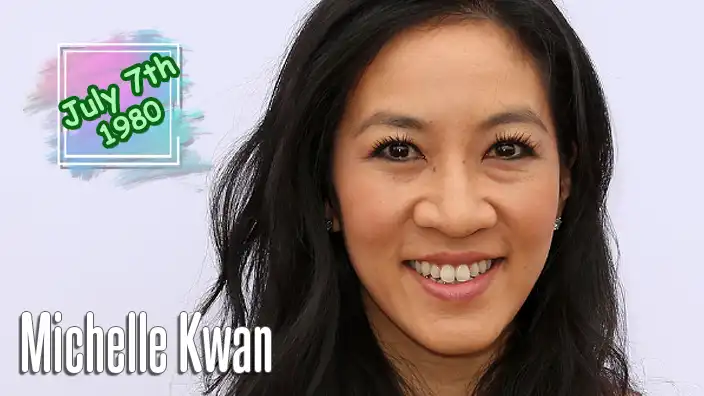
Most people are happy if they can walk across an icy driveway without falling over. Michelle Kwan made a career out of gliding across ice with such grace that judges handed her medals while audiences wondered if gravity had quietly taken the afternoon off. She made spinning at dizzying speeds look effortless, smiled while doing it, and somehow convinced generations of young skaters that skating backwards on one blade was perfectly normal.
July 7, 1980, in Torrance, California
Trivia
- Olympic medals: Silver in 1998 and bronze in 2002.
- World titles: Five-time World Champion.
- U.S. titles: Nine-time U.S. national champion.
- Known for: Grace, consistency, musicality, and artistry.
- Family background: Daughter of immigrants from Hong Kong.
- First U.S. title: Won in 1996.
- First World title: Won in 1996.
- Final Olympic attempt: Withdrew from the 2006 Winter Olympics due to injury.
- Hall of Fame: Inducted into the U.S. Figure Skating Hall of Fame in 2012.
- World Hall of Fame: Inducted into the World Figure Skating Hall of Fame in 2022.
- Public service: Served as a U.S. public diplomacy envoy.
- Legacy: Widely regarded as the most decorated figure skater in U.S. history.

- Details
- Category: Celebrity Birthdays - July
Some actors inherit famous names. Anjelica Huston inherited one of Hollywood's greatest legacies—and then built one just as impressive herself. With an unforgettable screen presence, razor-sharp wit, and the rare ability to move effortlessly between comedy, drama, and fantasy, Huston has spent decades captivating audiences. From winning an Academy Award for Prizzi's Honor to delighting generations as Morticia Addams in The Addams Family, she has carved out a career unlike any other.
July 8, 1951, in Santa Monica, California
Trivia
- She is the granddaughter of Academy Award-winning actor Walter Huston.
- She became the third generation of her family to win an Academy Award.
- Before acting full-time, she worked as a successful international fashion model.
- Her portrayal of Morticia Addams remains one of the most iconic versions of the character.
- She has appeared in numerous films directed by Wes Anderson.
- She published two bestselling memoirs about her remarkable life and career.
- Her career spans more than fifty years across film, television, and voice acting.
- Details
- Category: Celebrity Birthdays - July
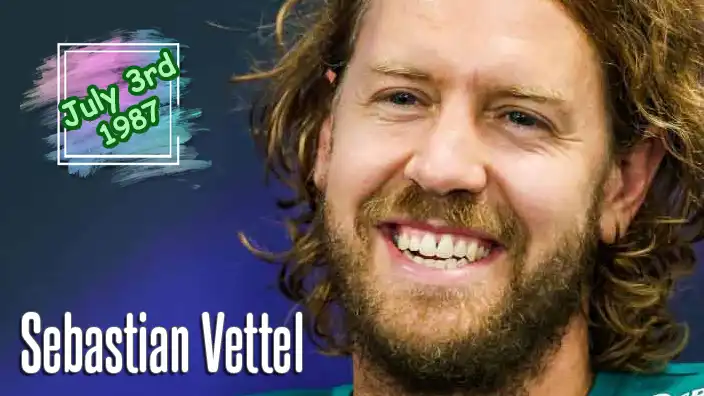
Most people are thrilled if they make it to work on time. Sebastian Vettel made a habit of arriving first at speeds exceeding 200 miles per hour. While the rest of us celebrate finding a parking space, Vettel collected Formula 1 victories, world championships, and enough trophies to make dusting the mantelpiece a full-time job. Somehow, despite all that success, he also earned a reputation as one of the sport's most thoughtful and respected competitors.
July 3, 1987, in Heppenheim, Germany
Trivia
- Began kart racing at just eight years old.
- Made his Formula 1 debut in 2007 with BMW Sauber.
- Won the 2008 Italian Grand Prix with Toro Rosso.
- Became the youngest Formula 1 World Champion in history in 2010.
- Won four consecutive World Drivers' Championships from 2010 to 2013.
- Recorded 53 Formula 1 Grand Prix victories.
- Drove for BMW Sauber, Toro Rosso, Red Bull Racing, Ferrari, and Aston Martin.
- Retired from Formula 1 after the 2022 season.
- Is an outspoken advocate for environmental sustainability and social causes.
- Details
- Category: Celebrity Birthdays - July
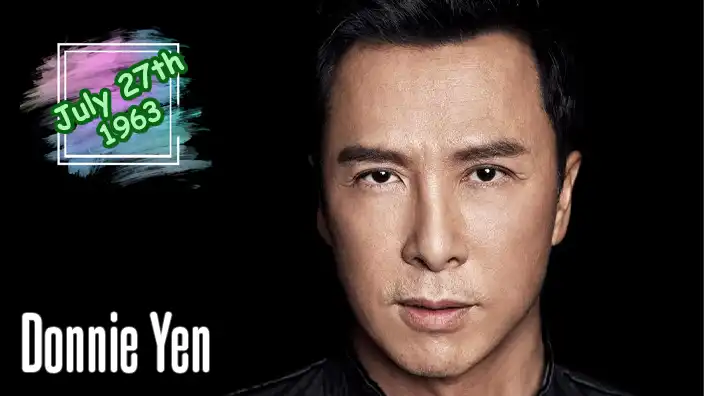
Movie heroes usually have one special skill. Donnie Yen apparently missed that memo. He can outfight an army, outrun explosions, wield almost anything as a weapon, choreograph the entire battle, and somehow still make it look effortless. If Hollywood ever runs out of action stars, the solution may simply be to let Donnie Yen play all of them.
July 27, 1963, in Guangzhou, China
Trivia
- Raised in Hong Kong and Boston, Massachusetts.
- Son of martial arts grandmaster Bow-sim Mark.
- Trained with the prestigious Beijing Wushu Team.
- Best known for portraying Ip Man.
- Accomplished actor, producer, director, and action choreographer.
- Starred in Hero, Rogue One, and John Wick: Chapter 4.
- Known for blending traditional martial arts with modern combat techniques.
- Skilled pianist and lifelong martial artist.
- Details
- Category: Celebrity Birthdays - July
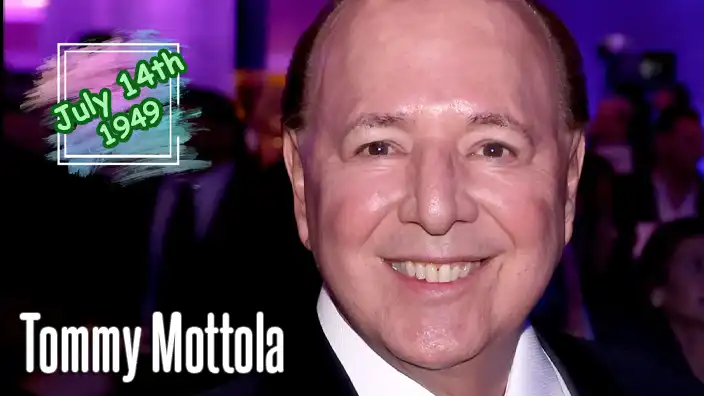
While most people dream of becoming rock stars, Tommy Mottola built a career making rock stars, pop stars, and superstars. He spent decades sitting on the other side of the recording studio glass, proving that sometimes the most influential person in the music business isn't holding the microphone—he's signing the contract.
July 14, 1949, in the Bronx, New York
Trivia
- Began as a singer under the stage name T.D. Valentine.
- Successfully managed the career of Hall & Oates.
- Served as Chairman and CEO of Sony Music Entertainment.
- Helped develop the careers of Mariah Carey, Celine Dion, and Jennifer Lopez.
- Expanded Sony's presence in international and Latin music markets.
- Founded Mottola Media Group after leaving Sony.
- Published the memoir Hitmaker in 2013.
- Details
- Category: Celebrity Birthdays - July
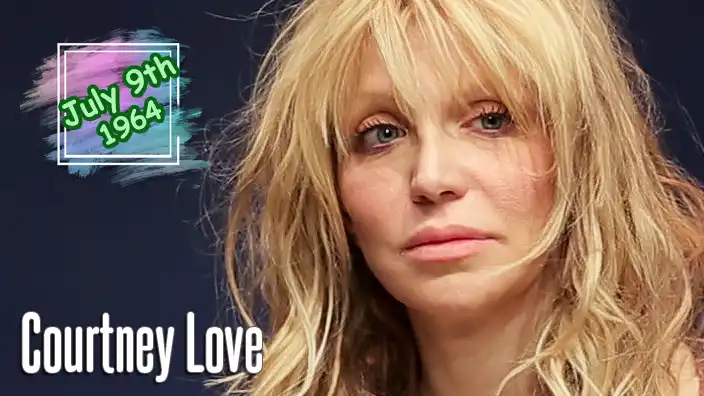
Some performers politely knock on the entertainment industry's front door. Courtney Love kicked it open with a guitar in one hand, a microphone in the other, and enough confidence to power a stadium. Whether people agreed with her or not, they almost always paid attention—and in the world of rock music, that's half the battle.
July 9, 1964, in San Francisco, California
Trivia
- Founded the alternative rock band Hole in 1989.
- Live Through This is considered one of the defining rock albums of the 1990s.
- Was married to Kurt Cobain.
- Mother of Frances Bean Cobain.
- Earned critical acclaim for The People vs. Larry Flynt.
- Has worked as a singer, songwriter, actress, and visual artist.
- Helped shape the sound of the grunge and alternative rock movement.
- Released solo music in addition to her work with Hole.
- Is known for her outspoken personality and candid interviews.
- Continues to influence generations of female rock musicians.
- Details
- Category: Celebrity Birthdays - July
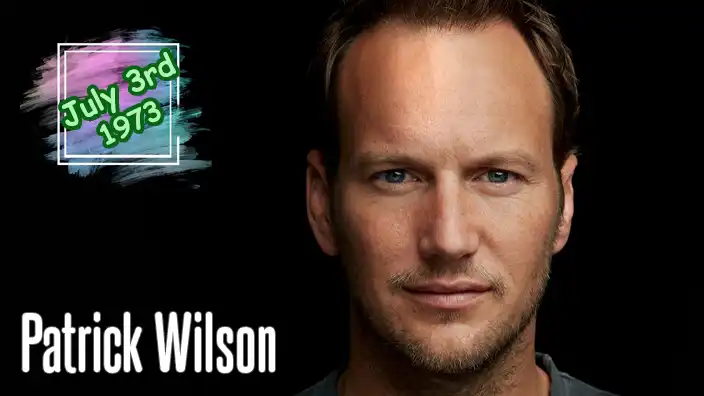
Some actors spend years trying to avoid ghosts, haunted houses, and things that go bump in the night. Patrick Wilson seems to sign another contract. If there's a creepy doll, a possessed farmhouse, or a demon lurking behind the basement door, chances are he'll be the calm fellow carrying a flashlight and reassuring everyone that everything will be just fine. It rarely is, but he certainly makes surviving supernatural chaos look remarkably professional.
July 3, 1973, in Norfolk, Virginia
Trivia
- Graduated from Carnegie Mellon University with a drama degree.
- Received two Tony Award nominations for Broadway performances.
- Earned Emmy and Golden Globe nominations for Angels in America.
- Plays Ed Warren in The Conjuring film series.
- Stars as Josh Lambert in the Insidious franchise.
- Directed Insidious: The Red Door (2023), his feature directorial debut.
- Portrays Ocean Master (Orm) in the Aquaman films.
- Details
- Category: Celebrity Birthdays - July
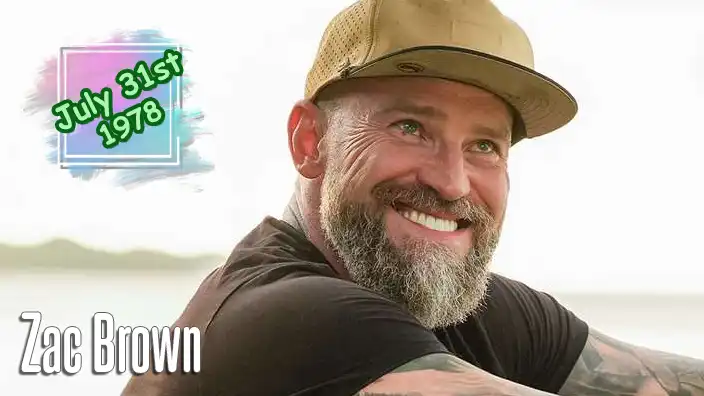
Zac Brown has spent years proving that country music doesn't have to stay in one lane. He's equally comfortable singing about fishing, front porches, family, beaches, hard work, and good food, often all before the first chorus is finished. If there were an Olympic event for making people want to buy a boat, fire up the grill, and invite the neighbors over, Zac Brown would already have several gold medals hanging in the garage.
July 31, 1978, in Atlanta, Georgia
Trivia
- Founder and lead singer of the Zac Brown Band.
- Won multiple Grammy Awards during his career.
- "Chicken Fried" became his signature breakthrough hit.
- Plays several musical instruments, including guitar and bass.
- Studied classical guitar as a young musician.
- Famous for blending country, rock, folk, bluegrass, and reggae.
- Founded Camp Southern Ground, an inclusive nonprofit summer camp.
- Known as an accomplished chef as well as a musician.
- Details
- Category: Celebrity Birthdays - July
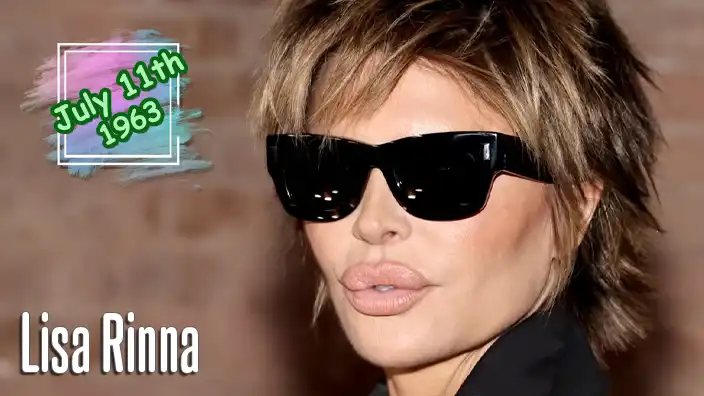
Some people change careers once or twice in a lifetime. Lisa Rinna looked at the entertainment industry and apparently decided, "Why choose?" Soap operas, prime-time dramas, reality television, fashion, talk shows, and even dancing competitions have all found a place on her résumé. If Hollywood handed out awards for keeping busy, she would probably need a second trophy cabinet.
July 11, 1963, in Newport Beach, California
Trivia
- Best known for playing Billie Reed on Days of Our Lives.
- Played Taylor McBride on Melrose Place.
- Joined The Real Housewives of Beverly Hills in 2014.
- Competed on Dancing with the Stars.
- Married actor Harry Hamlin in 1997.
- Has two daughters.
- Launched successful fashion and beauty businesses.
- Published books on fitness and healthy living.
- Known for her trademark hairstyle and energetic personality.
- Details
- Category: Celebrity Birthdays - July
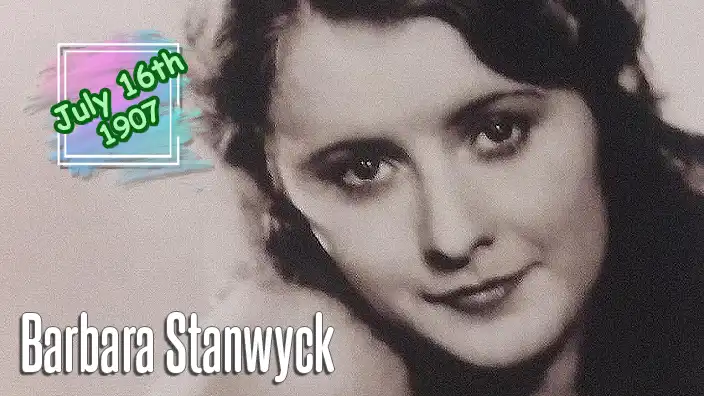
Some actors spend years trying to steal every scene they're in. Barbara Stanwyck seemed to do it without appearing to break a sweat. Whether she was playing a devoted wife, a fearless businesswoman, a cunning femme fatale, or a tough-as-nails ranch owner, she had a knack for making audiences forget everyone else was on the screen. If charisma could be bottled, Hollywood would still be trying to figure out her recipe.
July 16, 1907, in Brooklyn, New York
January 20, 1990, in Santa Monica, California
Trivia
- Appeared in more than 80 feature films.
- Received four Academy Award nominations.
- Won an Honorary Academy Award in 1982.
- Received the AFI Life Achievement Award in 1987.
- Starred in the classic film noir Double Indemnity.
- Won an Emmy Award for The Big Valley.
- Was married to actors Frank Fay and Robert Taylor.
- Began her career as a Broadway chorus girl.
- Ranked by the American Film Institute among the greatest female screen legends.
- Worked successfully in film, television, and theater for over 60 years.
- Details
- Category: Celebrity Birthdays - July
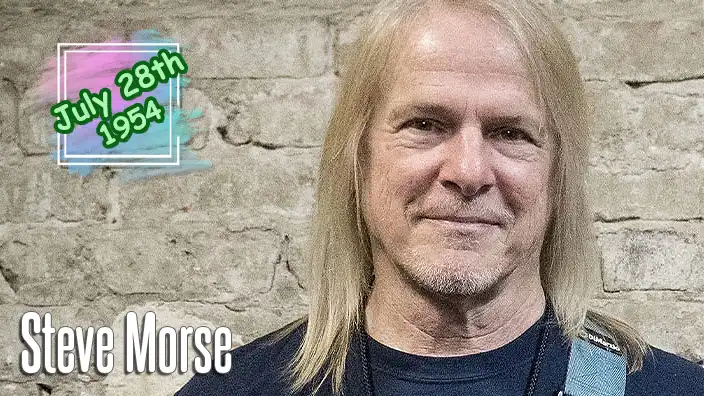
Some guitarists play so many notes that audiences wonder whether they accidentally leaned on the fast-forward button. Steve Morse, however, somehow makes lightning-speed playing sound as relaxed as someone chatting over a cup of coffee. While the rest of us might struggle to remember where we left the TV remote, Morse can effortlessly navigate fretboards that look more like obstacle courses than musical instruments. Watching him perform is a bit like watching a master chef prepare a gourmet meal with one hand tied behind his back—you know it's incredibly difficult, but he makes it look unfairly easy.
July 28, 1954, in Hamilton, Ohio
Trivia
- Co-founded the Dixie Dregs
- Studied at the University of Miami School of Music
- Joined Kansas in the 1980s
- Became Deep Purple's guitarist in 1994
- Served with Deep Purple for 28 years
- Released numerous acclaimed solo albums
- Known for hybrid picking and exceptional versatility
- Has several signature guitar models
- Frequently ranked among the world's greatest guitarists
- Stepped away from Deep Purple in 2022 to care for his wife
- Details
- Category: Celebrity Birthdays - July
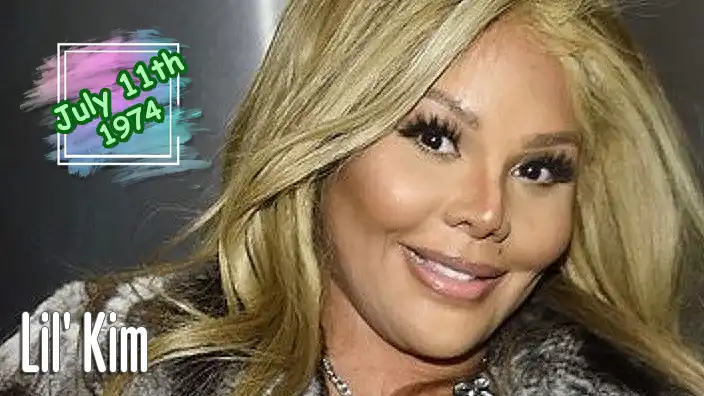
Some musicians follow trends, while others create them. Lil' Kim never seemed particularly interested in fitting neatly into anyone else's expectations. Armed with confidence, unmistakable style, and enough attitude to fill an arena, she helped rewrite the rules for female rappers. Love her or criticize her, one thing has always been clear—she was impossible to ignore.
July 11, 1974, in Brooklyn, New York
Trivia
- Began her career with Junior M.A.F.I.A.
- Mentored early in her career by The Notorious B.I.G.
- Released her debut solo album Hard Core in 1996.
- Won a Grammy Award for "Lady Marmalade."
- Known for her bold fashion and stage presence.
- Has appeared in films and television shows.
- Influenced many modern female rappers.
- Details
- Category: Celebrity Birthdays - July
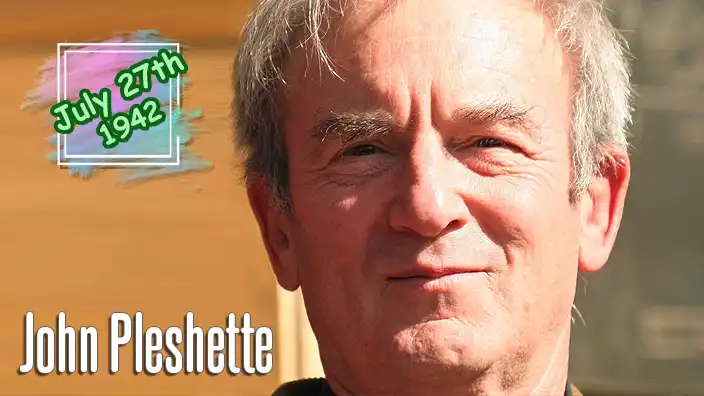
Television has always needed characters you love, characters you love to hate, and a few who can make you question every decision they've ever made. John Pleshette mastered that last category with such skill that audiences often forgot he was acting. Fortunately, when the director yelled "Cut!", he returned to being one of television's most respected actors and writers—proof that playing a scoundrel convincingly is actually a compliment.
July 27, 1942, in New York City, New York
Trivia
- Graduated from Brown University.
- Best known as Richard Avery on Knots Landing.
- Wrote eight episodes of Knots Landing.
- Directed five episodes of the series.
- Portrayed Lee Harvey Oswald in The Trial of Lee Harvey Oswald.
- Appeared in Rocky II and The Truman Show.
- Guest-starred on The Sopranos, ER, and MacGyver.
- Married literary agent Lynn Pleshette since 1975.
- Cousin of actress Suzanne Pleshette.
- Details
- Category: Celebrity Birthdays - July
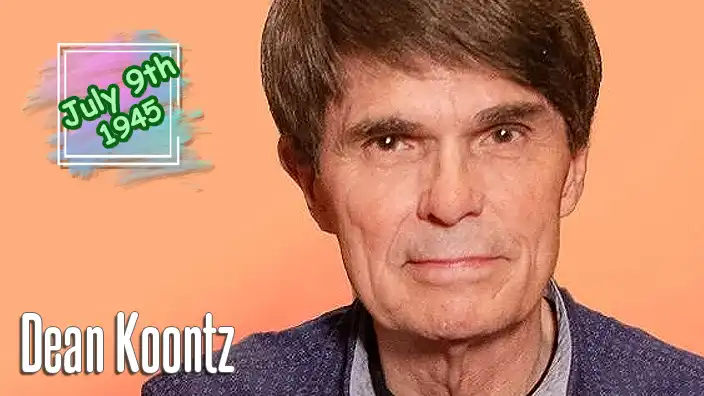
Most people hear a mysterious bump in the middle of the night and blame the cat, the plumbing, or the wind. Dean Koontz hears the same noise and imagines a genetically engineered monster, a government conspiracy, an ancient evil, or a dog that's smarter than everyone else. Then he writes a bestseller that keeps readers awake until sunrise, just in case the basement really is plotting something.
July 9, 1945, in Everett, Pennsylvania
Trivia
- Graduated from Shippensburg University with a degree in English.
- Has published more than 100 novels.
- His books have sold over 500 million copies worldwide.
- Frequently blends suspense, science fiction, mystery, and horror.
- Watchers remains one of his most popular novels.
- Created the bestselling Odd Thomas series.
- Wrote under several pen names early in his career.
- Is well known for including heroic dogs in many of his stories.
- Many of his novels have been adapted for film and television.
- Has appeared regularly on bestseller lists for decades.
From Our Marks Catelog
-

Pizza is the ultimate customizable dish. It caters to all, from the staunch meat-lover who wants...
-

Your toes don't ask for much. They spend their days squeezed into shoes, dodging coffee tables,...
-

You’re trying to relax after a long day, but your dog has decided that now is the perfect time to...
-
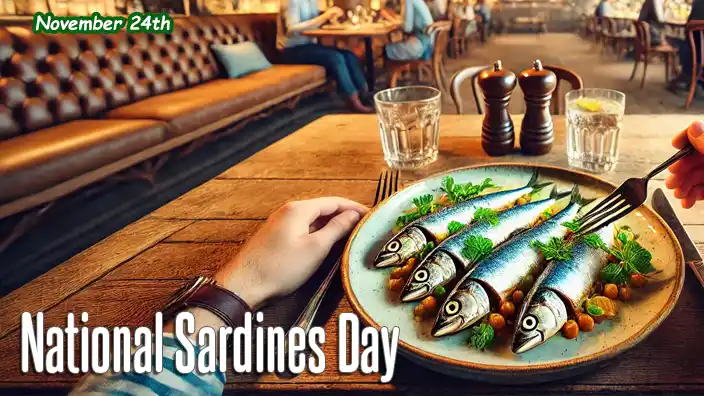
Tiny, shiny, and unapologetically bold, these little fish have a knack for stealing the show at...
-

Horses are the comedians of the animal world, even if they don’t realize it. From sneaky maneuvers...
-
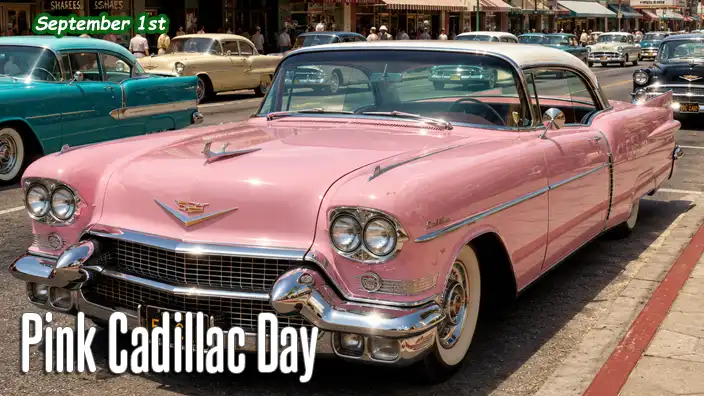
Some cars are built to get you from point A to point B. The Pink Cadillac was built to make sure...

