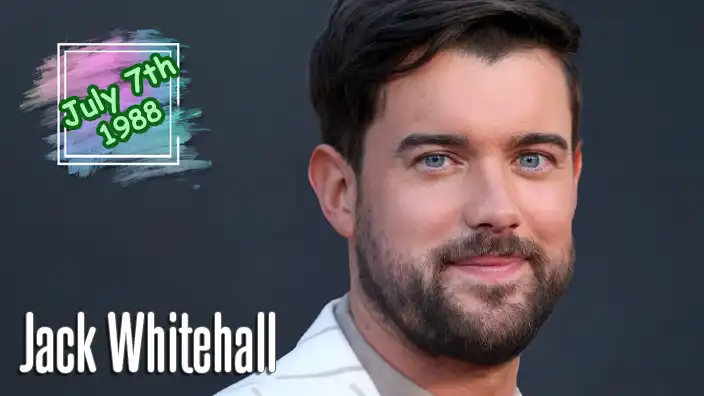
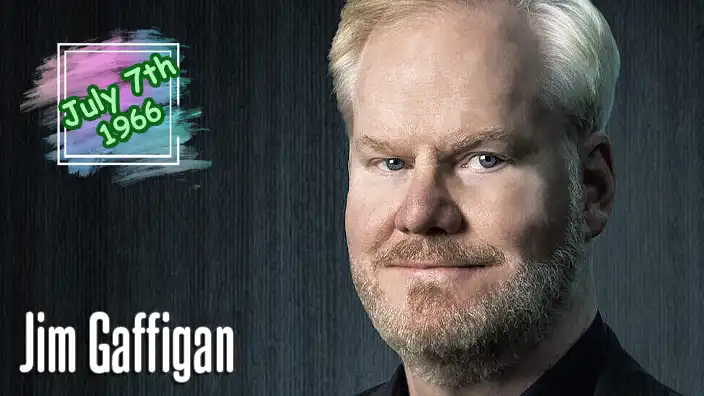
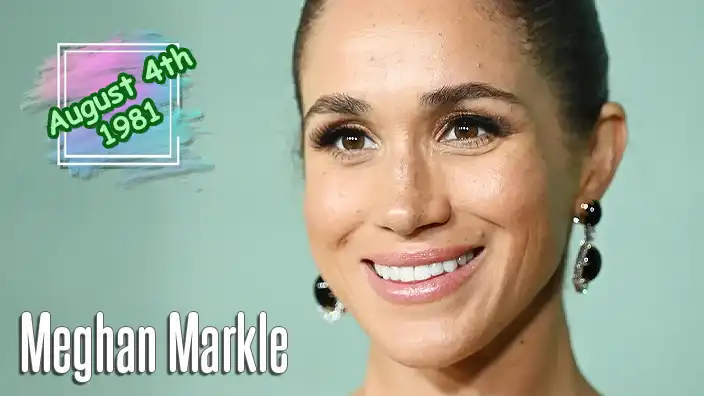
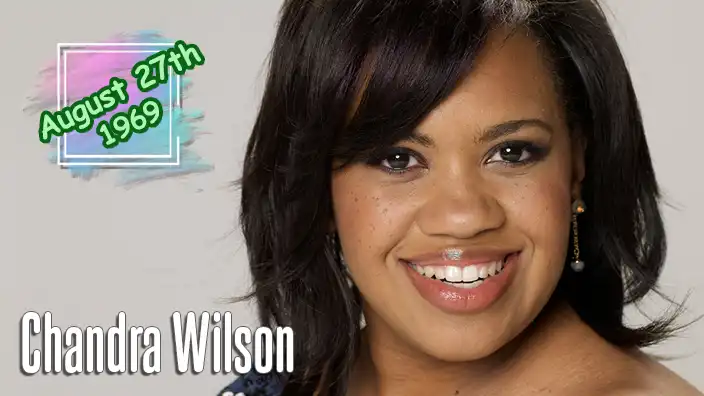
July 7, 1940, in Liverpool, England
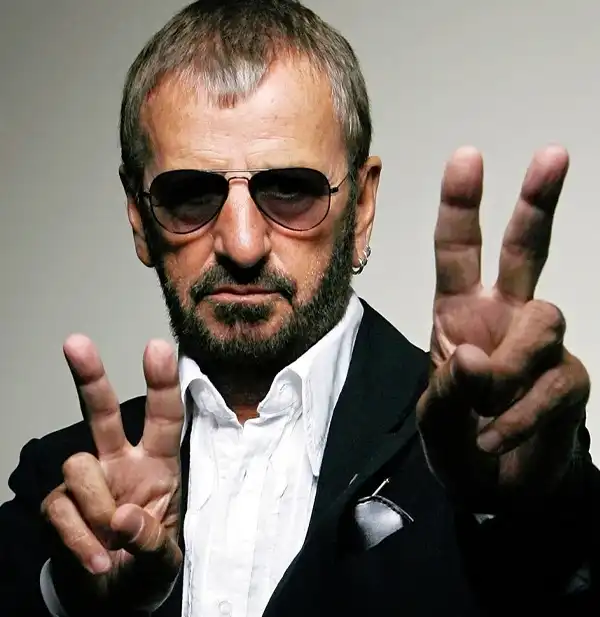
Born Richard Starkey in Liverpool, England, Ringo Starr became one of the most recognizable musicians of the twentieth century. Although millions know him simply as the drummer for The Beatles, his career has stretched far beyond the famous band. He is a singer, songwriter, actor, author, and bandleader whose influence on popular music continues more than six decades after Beatlemania first swept across the world.
Ringo's childhood was far from easy. His parents separated when he was young, and serious illnesses kept him out of school for long periods. A bout of peritonitis left him hospitalized for many months, and later he contracted tuberculosis, requiring an extended stay in a sanatorium. Ironically, it was during this recovery that he first became interested in percussion after hospital staff encouraged patients to participate in music as part of their rehabilitation. What began as therapy eventually became a lifelong passion.
As a teenager, Liverpool was bursting with skiffle groups and young musicians eager to perform. Ringo joined several local bands before finding steady work with Rory Storm and the Hurricanes, one of the city's most popular acts. During this period he adopted the stage name "Ringo" because of the rings he liked to wear and because it gave his name a memorable musical sound. By the early 1960s, he had already earned a reputation as one of Liverpool's finest drummers.
Everything changed in August 1962 when Ringo replaced Pete Best as drummer for The Beatles. Joining John Lennon, Paul McCartney, and George Harrison completed what would become the most famous lineup in rock history. While some fans initially questioned the change, Ringo quickly proved he was exactly what the band needed. His relaxed personality balanced the stronger personalities around him, while his dependable drumming provided the solid foundation beneath countless classic songs.
The Beatles transformed popular music at breathtaking speed. Between 1962 and 1970, the group released an astonishing collection of albums that changed songwriting, recording techniques, and the very idea of what a rock band could accomplish. Songs such as "She Loves You," "Help!," "Yesterday," "A Day in the Life," "Come Together," and hundreds more became woven into popular culture around the globe. Through it all, Ringo's drumming remained remarkably distinctive—not flashy, but perfectly suited to each song.
Musicians have long admired Ringo's style because he always played for the music rather than for personal attention. As a naturally left-handed person who played a right-handed drum kit, he developed unusual fills and rhythms that became part of The Beatles' signature sound. His timing, creativity, and understated approach influenced generations of drummers, many of whom still study his performances today.
Although often remembered as the drummer, Ringo also contributed memorable vocals. Fans still enjoy hearing him sing songs such as "Yellow Submarine," "With a Little Help from My Friends," "Act Naturally," and "Octopus's Garden," the latter of which he also wrote. His warm, friendly voice added another dimension to The Beatles' recordings and helped showcase the band's remarkable versatility.
Beatlemania brought unprecedented fame. Concert venues overflowed with enthusiastic fans whose screams often drowned out the music itself. The Beatles appeared on television before audiences numbering in the tens of millions, toured across Europe, North America, Asia, and Australia, and became international cultural icons. Despite the extraordinary attention, Ringo developed a reputation as the approachable Beatle, often displaying a self-deprecating sense of humor that endeared him to fans.
When The Beatles officially disbanded in 1970, many wondered whether the individual members could succeed on their own. Ringo answered that question quickly by launching a solo career that produced several successful albums and hit singles. Songs including "It Don't Come Easy," "Photograph," "You're Sixteen," "Back Off Boogaloo," and "Oh My My" demonstrated that he could stand comfortably in the spotlight without the support of the world's most famous band.
His solo work also revealed another characteristic that followed him throughout his career: friendship. Ringo frequently collaborated with fellow musicians, welcoming artists from many different genres into recording sessions and live performances. His willingness to share the stage became one of his defining qualities, earning admiration throughout the music industry.
In 1989 he launched what would become one of his most enduring projects—the All Starr Band. Rather than building a traditional backing band, Ringo invited accomplished musicians from famous groups to perform both his songs and their own greatest hits. The result became a unique concert experience where audiences enjoyed an evening filled with familiar music performed by the artists who originally made it famous. Decades later, the All Starr Band continues to delight audiences around the world.
Ringo has also appeared in numerous films and television productions over the years. Beyond The Beatles' movies such as A Hard Day's Night, Help!, and Yellow Submarine, he explored acting roles and even narrated the beloved children's television series Thomas & Friends for several seasons, introducing an entirely new generation to his unmistakable Liverpool accent.
His contributions to music have earned countless honors. He was inducted into the Rock and Roll Hall of Fame as a member of The Beatles in 1988 and again as a solo artist in 2015, placing him among the select few musicians to receive the distinction twice. In 2018, he was knighted for his services to music, becoming Sir Richard Starkey while remaining simply "Ringo" to millions of fans everywhere.
Ringo has often joked that he never expected his life to unfold the way it did, yet his career is a remarkable example of talent meeting opportunity at exactly the right moment. While the spotlight often focused on his famous bandmates, his steady musicianship, easy-going personality, and unmistakable sense of humor became essential ingredients in The Beatles' success. Even today, many professional drummers point to his recordings as masterclasses in serving the song rather than showing off.
Away from the stage, Ringo has devoted considerable time to charitable causes and promoting messages of kindness. His annual "Peace and Love" birthday celebration on July 7 has become a worldwide tradition, encouraging people everywhere to pause at noon in their local time zone and share a simple message of peace and love. Fans across the globe participate each year, proving that one positive idea can travel almost as far as a Beatles record.
His influence reaches well beyond rock music. Artists from every generation have cited Ringo's playing as an inspiration, praising his creativity, impeccable timing, and ability to make difficult rhythms sound effortless. His drum parts remain instantly recognizable, and countless young musicians discover that many Beatles songs are far more challenging to play than they first appear.
Despite decades of fame, Ringo has remained refreshingly down to earth. Interviews are often sprinkled with self-deprecating jokes, quick wit, and an obvious appreciation for the remarkable journey he has experienced. Rather than dwelling on the past, he continues to tour, record new music, and collaborate with fellow musicians well into his eighties, proving that enthusiasm doesn't retire when the birthday candles start requiring a fire permit.
As Ringo Starr celebrates his birthday, his place in music history is beyond question. From a young boy recovering in a Liverpool hospital to becoming one of the world's most beloved musicians, his story is one of perseverance, optimism, and extraordinary success. Whether keeping perfect time behind a drum kit, singing one of The Beatles' unforgettable classics, or sharing his trademark message of "Peace and Love," Ringo continues to remind us that sometimes the quietest person in the room leaves the loudest legacy.