
- Details
- Category: Celebrity Birthdays - July
Some actors quietly become indispensable without ever needing to wear a cape. Benedict Wong managed the remarkable feat of becoming one of the Marvel Cinematic Universe's most trusted heroes while often delivering the sort of calm, deadpan expressions that suggest he's the only sensible person in the room. When chaos erupts, monsters invade, or the multiverse starts falling apart, Wong usually looks as though he's wondering who forgot to read the instruction manual.
 July 3, 1971, in Eccles, England

Trivia
- Studied performing arts before becoming a professional actor.
- Earned early acclaim for Dirty Pretty Things (2002).
- Starred opposite Sean Lock in the sitcom 15 Storeys High.
- Played Kublai Khan in Netflix's Marco Polo.
- Portrays Wong, the Sorcerer Supreme, in the Marvel Cinematic Universe.
- Appeared in The Martian, Prometheus, Moon, and Sunshine.
- Voiced Tong in Disney's Raya and the Last Dragon.
- Is a lifelong supporter of Manchester United Football Club.
- Details
- Category: Celebrity Birthdays - July
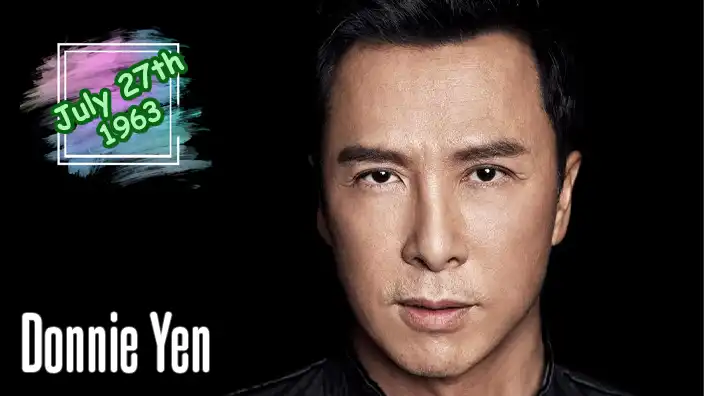
Movie heroes usually have one special skill. Donnie Yen apparently missed that memo. He can outfight an army, outrun explosions, wield almost anything as a weapon, choreograph the entire battle, and somehow still make it look effortless. If Hollywood ever runs out of action stars, the solution may simply be to let Donnie Yen play all of them.
July 27, 1963, in Guangzhou, China
Trivia
- Raised in Hong Kong and Boston, Massachusetts.
- Son of martial arts grandmaster Bow-sim Mark.
- Trained with the prestigious Beijing Wushu Team.
- Best known for portraying Ip Man.
- Accomplished actor, producer, director, and action choreographer.
- Starred in Hero, Rogue One, and John Wick: Chapter 4.
- Known for blending traditional martial arts with modern combat techniques.
- Skilled pianist and lifelong martial artist.
- Details
- Category: Celebrity Birthdays - July
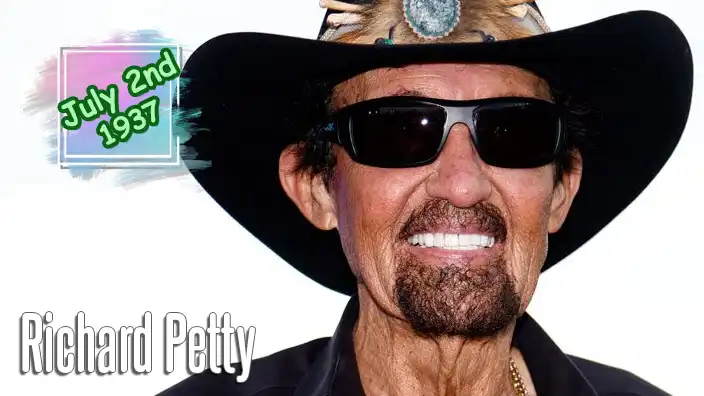
Richard Petty did not merely drive race cars; he made them look as if they were late for church, supper, and a family reunion all at once. With the hat, the sunglasses, the smile, and that unmistakable No. 43, he became NASCAR royalty without needing a crown, although judging by the nickname, everybody saved him the trouble.
July 2, 1937, in Level Cross, North Carolina
Trivia
- He won 200 NASCAR Cup Series races.
- He won seven Cup Series championships.
- He won the Daytona 500 seven times.
- His famous car number was 43.
- Petty won 27 races in 1967.
- He won 10 consecutive races in 1967.
- He was NASCAR Rookie of the Year in 1959.
- He retired from driving in 1992.
- He joined the first NASCAR Hall of Fame class in 2010.
- He voiced “The King” in Pixar’s Cars.
- His father, Lee Petty, was also a NASCAR champion.
- His son Kyle Petty also raced in NASCAR.
- Details
- Category: Celebrity Birthdays - July
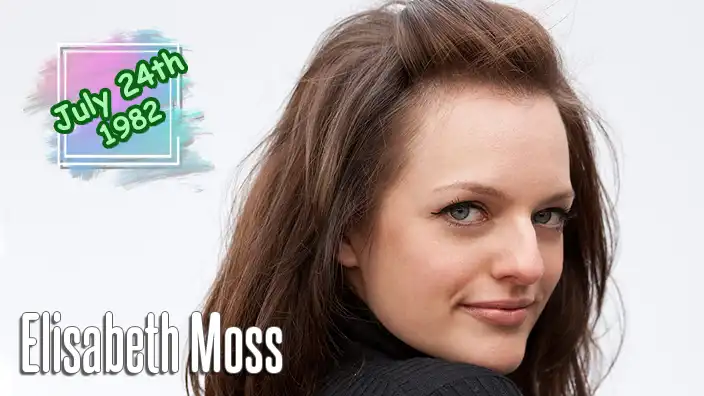
If television dramas handed out frequent-flyer miles, Elisabeth Moss would have earned enough for several trips around the world. She has a remarkable habit of joining casts that critics adore, audiences binge-watch, and awards voters simply can't ignore. At this point, if she signs onto a new series, it's probably wise to start making room on the trophy shelf.
 July 24, 1982, in Los Angeles, California
Trivia
- Raised by professional musician parents.
- Originally trained as a ballet dancer.
- Played Zoey Bartlet in The West Wing.
- Starred as Peggy Olson in Mad Men.
- Leads The Handmaid's Tale as June Osborne.
- Won multiple Primetime Emmy Awards.
- Also serves as a producer and television director.
- Starred in The Invisible Man (2020).
- Frequently praised for portraying strong, emotionally complex characters.
- Details
- Category: Celebrity Birthdays - July
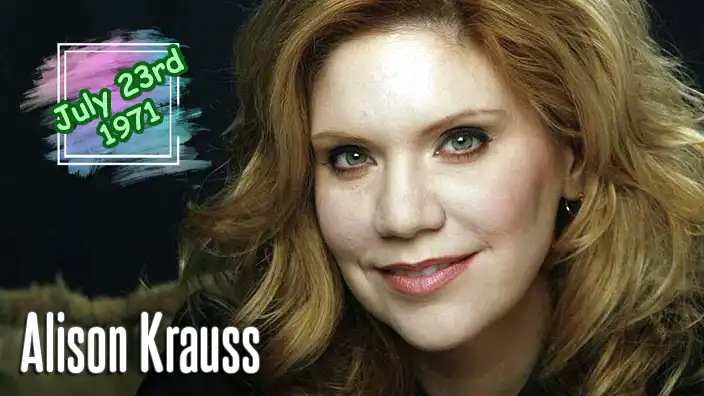
Some singers hit notes so high they make the windows rattle. Alison Krauss hits notes so beautifully that people forget to blink. While other performers chase louder amplifiers and bigger stage productions, she simply picks up her fiddle, opens her mouth, and reminds everyone that real talent doesn't need to shout to be heard.
July 23, 1971, in Decatur, Illinois
Trivia
- Began violin lessons at the age of five.
- Started performing competitively as a child.
- Became leader of Alison Krauss & Union Station as a teenager.
- Has won 27 Grammy Awards.
- Is one of the most awarded artists in Grammy history.
- Performed on the acclaimed O Brother, Where Art Thou? soundtrack.
- Won Album of the Year for Raising Sand with Robert Plant.
- Plays the fiddle as well as singing lead vocals.
- Has collaborated with numerous country, folk, bluegrass, and rock artists.
- Details
- Category: Celebrity Birthdays - July
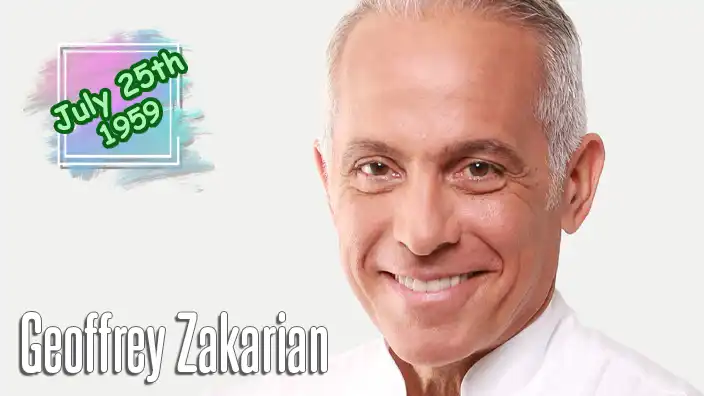
Some chefs make dinner. Geoffrey Zakarian makes dinner look as though it belongs on the cover of a magazine, served on a plate that probably costs more than most people's first apartment furniture. Yet beneath the crisp suits, polished presentation, and encyclopedic knowledge of fine cuisine is a chef who genuinely enjoys teaching others that great cooking doesn't always require a culinary degree—just good ingredients, a little confidence, and perhaps a sharp knife that isn't older than the refrigerator.
July 25, 1959, in Worcester, Massachusetts
Trivia
- Graduate of the Culinary Institute of America.
- Renowned chef, restaurateur, author, and television personality.
- Iron Chef on Iron Chef America.
- Longtime judge on Chopped.
- Has owned and operated several acclaimed restaurants.
- Author of multiple bestselling cookbooks.
- Known for blending classic French techniques with modern American cuisine.
- Frequently appears on Food Network cooking competitions and specials.
- Details
- Category: Celebrity Birthdays - July
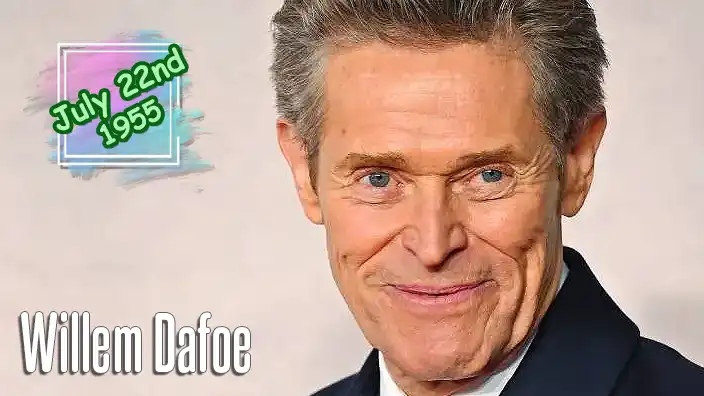
Hollywood has plenty of actors who become famous for playing heroes. Willem Dafoe took one look at that idea and decided, "How about someone who smiles just enough to make everyone in the audience nervous?" Whether he's portraying a battle-hardened soldier, a comic book supervillain, an eccentric scientist, or someone so delightfully odd you can't quite figure him out, Dafoe has spent decades proving that being unforgettable is far more interesting than simply being handsome.
July 22, 1955, in Appleton, Wisconsin
Trivia
- Member of the experimental Wooster Group theater company.
- Earned his first Oscar nomination for Platoon.
- Received four Academy Award nominations.
- Played Norman Osborn/Green Goblin in the Spider-Man films.
- Portrayed Vincent van Gogh in At Eternity's Gate.
- Starred in The Lighthouse with Robert Pattinson.
- Appeared in Wes Anderson's The Grand Budapest Hotel, Asteroid City, and The French Dispatch.
- Played Dr. Godwin Baxter in Poor Things.
- Details
- Category: Celebrity Birthdays - July
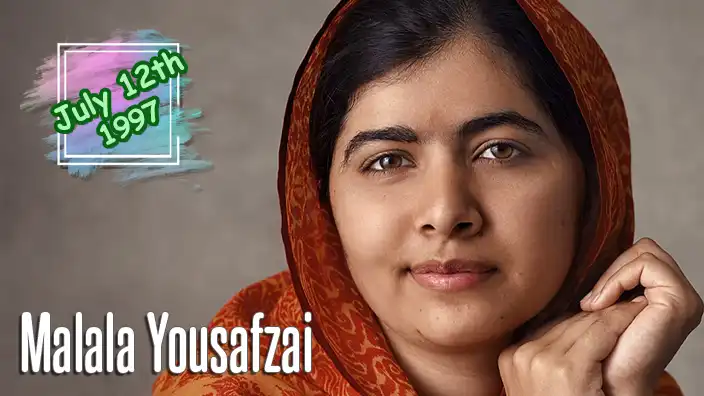
Most teenagers worry about homework, exams, or whether they remembered to charge their phone. Malala Yousafzai changed the world before many people have even decided what they want for lunch. Armed not with superpowers but with remarkable courage, a notebook, and an unwavering belief that every child deserves an education, she proved that one determined voice can echo around the globe.
July 12, 1997, in Mingora, in Pakistan
Trivia
- Began advocating for girls' education as a child.
- Wrote an anonymous BBC diary under Taliban rule.
- Survived an assassination attempt in 2012.
- Became the youngest Nobel Peace Prize recipient at age 17.
- Co-founded the Malala Fund with her father.
- Graduated from the University of Oxford in 2020.
- Has addressed the United Nations.
- Has authored several bestselling books.
- Details
- Category: Celebrity Birthdays - July
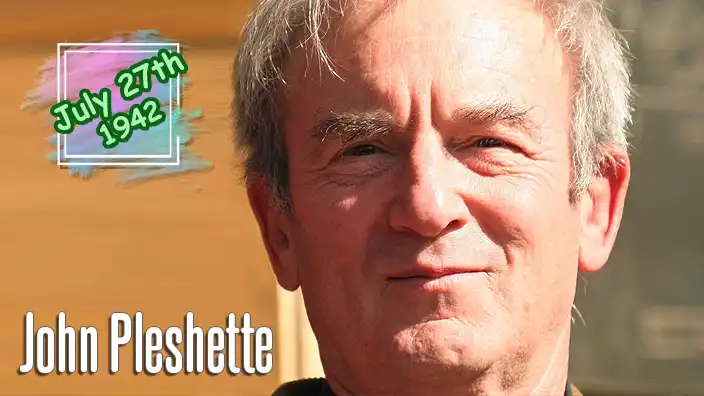
Television has always needed characters you love, characters you love to hate, and a few who can make you question every decision they've ever made. John Pleshette mastered that last category with such skill that audiences often forgot he was acting. Fortunately, when the director yelled "Cut!", he returned to being one of television's most respected actors and writers—proof that playing a scoundrel convincingly is actually a compliment.
July 27, 1942, in New York City, New York
Trivia
- Graduated from Brown University.
- Best known as Richard Avery on Knots Landing.
- Wrote eight episodes of Knots Landing.
- Directed five episodes of the series.
- Portrayed Lee Harvey Oswald in The Trial of Lee Harvey Oswald.
- Appeared in Rocky II and The Truman Show.
- Guest-starred on The Sopranos, ER, and MacGyver.
- Married literary agent Lynn Pleshette since 1975.
- Cousin of actress Suzanne Pleshette.
- Details
- Category: Celebrity Birthdays - July
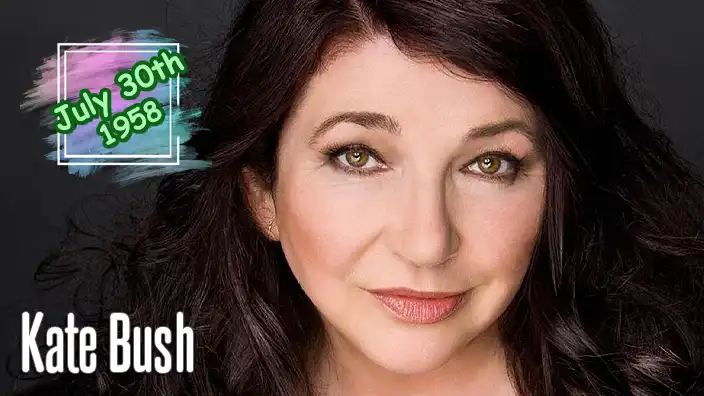
Kate Bush has never been the sort of artist to color inside the musical lines. While other singers were chasing the latest trend, she was busy writing songs inspired by classic novels, mysterious dreams, and ideas that sounded wonderfully impossible until she turned them into chart-topping hits. The result is a career that proves being delightfully unconventional can sometimes be the smartest move of all—and that occasionally, running up a hill is much easier when you're carrying one of the greatest songs ever written.
July 30, 1958, in Bexleyheath, England
Trivia
- Wrote dozens of songs before turning 15.
- Signed with EMI Records after support from Pink Floyd's David Gilmour.
- Wuthering Heights reached No. 1 in the UK in 1978.
- Became the first female artist to top the UK chart with a self-written song.
- Hounds of Love is considered one of the greatest albums of the 1980s.
- Running Up That Hill returned to global charts in 2022 after appearing in Stranger Things.
- Produced much of her own music throughout her career.
- Performed her acclaimed Before the Dawn concerts in 2014.
- Details
- Category: Celebrity Birthdays - July
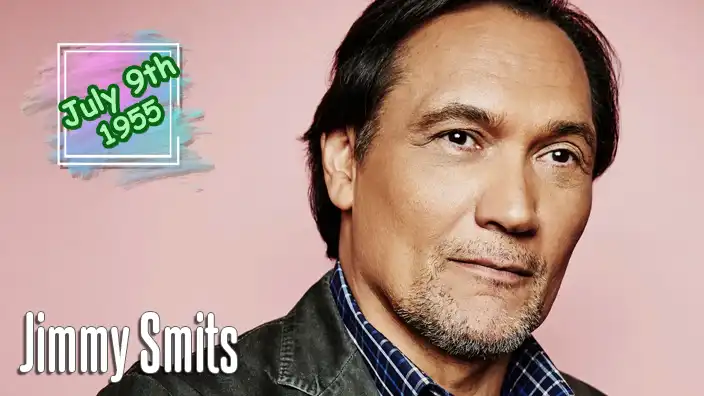
Some actors play one memorable character and spend the rest of their careers trying to escape it. Jimmy Smits solved that problem by becoming a lawyer, detective, politician, senator, teacher, and even a leader in a galaxy far, far away. If confidence were a superpower, he'd probably have enough left over to lend a little to the rest of Hollywood.
July 9, 1955, in Brooklyn, New York
Trivia
- Earned an MFA from Cornell University.
- Won an Emmy Award for L.A. Law.
- Starred as Detective Bobby Simone in NYPD Blue.
- Played Matt Santos in The West Wing.
- Portrayed Senator Bail Organa in the Star Wars prequel trilogy.
- Has appeared in Dexter and Sons of Anarchy.
- Has supported arts education and Hispanic representation throughout his career.
- Enjoys a career spanning television, film, and stage.
- Is known for portraying intelligent, principled characters.
- Has earned numerous Emmy and Golden Globe nominations.
- Details
- Category: Celebrity Birthdays - July
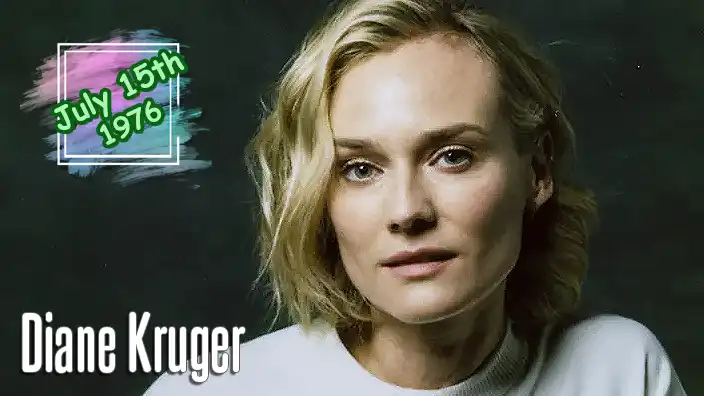
Some actors spend years convincing audiences they belong in every kind of film. Diane Kruger seemed to skip that step entirely. One moment she's unraveling a historical mystery, the next she's standing among the heroes of ancient Troy or outsmarting Nazis in occupied France. Add in a successful modeling career before Hollywood came calling, and it's safe to say she's never been afraid to change the script.
July 15, 1976, in Algermissen, West Germany
Trivia
- Originally trained to become a professional ballerina.
- Studied acting at the Cours Florent drama school in Paris.
- Speaks German, English, and French fluently.
- Starred as Helen in the epic film Troy.
- Played Dr. Abigail Chase in the National Treasure films.
- Appeared as Bridget von Hammersmark in Inglourious Basterds.
- Won the Best Actress Award at the Cannes Film Festival for In the Fade.
- Has worked extensively in both European and American films.
- Details
- Category: Celebrity Birthdays - July
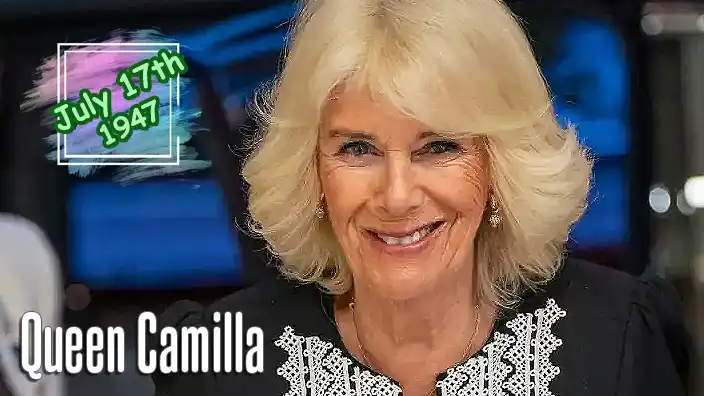
Being married to a king might sound like the perfect fairy tale, but it also means remembering centuries of tradition, attending enough ceremonies to fill several lifetimes, and smiling through weather that would send most of us back indoors. Queen Camilla has managed it all with quiet humor, a love of books, and a remarkable ability to remain composed while wearing hats that could probably qualify as small architectural projects.
July 17, 1947, in London, England
Trivia
- She became Queen Consort on September 8, 2022.
- Married King Charles III on April 9, 2005.
- Was crowned alongside King Charles III on May 6, 2023.
- Previously held the title Duchess of Cornwall.
- Has two children, Tom Parker Bowles and Laura Lopes.
- Is a passionate advocate for literacy and reading.
- Founded The Queen's Reading Room initiative.
- Supports charities focused on domestic abuse survivors.
- Promotes osteoporosis awareness.
- Loves horses, dogs, and country life.
- Details
- Category: Celebrity Birthdays - July
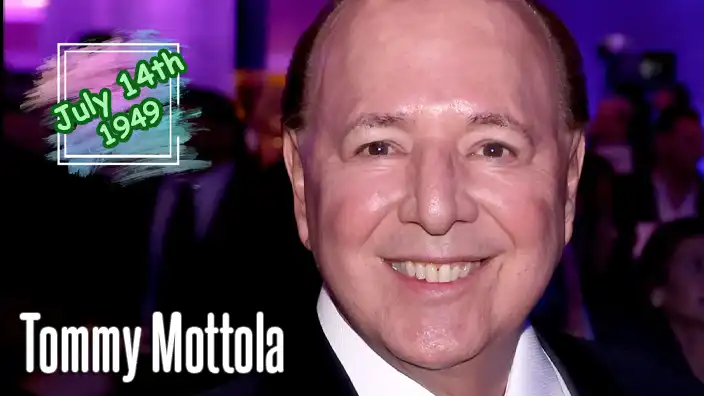
While most people dream of becoming rock stars, Tommy Mottola built a career making rock stars, pop stars, and superstars. He spent decades sitting on the other side of the recording studio glass, proving that sometimes the most influential person in the music business isn't holding the microphone—he's signing the contract.
July 14, 1949, in the Bronx, New York
Trivia
- Began as a singer under the stage name T.D. Valentine.
- Successfully managed the career of Hall & Oates.
- Served as Chairman and CEO of Sony Music Entertainment.
- Helped develop the careers of Mariah Carey, Celine Dion, and Jennifer Lopez.
- Expanded Sony's presence in international and Latin music markets.
- Founded Mottola Media Group after leaving Sony.
- Published the memoir Hitmaker in 2013.
- Details
- Category: Celebrity Birthdays - July
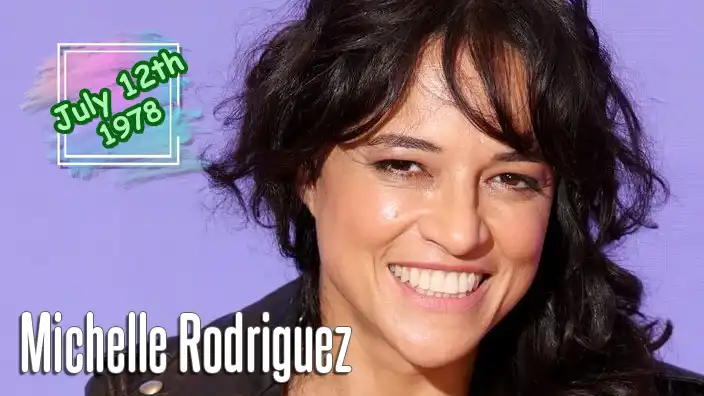
Some actors become famous for delivering dramatic speeches. Michelle Rodriguez became famous for looking at explosions as if they were merely a mild inconvenience. Whether she's racing impossible cars, battling aliens, surviving zombies, or facing impossible odds, one thing is almost guaranteed—if Michelle Rodriguez is in the cast, someone is about to discover they picked the wrong person to mess with.
July 12, 1978, in San Antonio, Texas
Trivia
- Won widespread acclaim for her debut film Girlfight.
- Best known as Letty Ortiz in The Fast and the Furious franchise.
- Appeared in James Cameron's Avatar.
- Starred in the Resident Evil film series.
- Has portrayed military personnel, police officers, racers, and soldiers.
- Earned her GED before pursuing acting full-time.
- Frequently performs physically demanding action roles.
- Has advocated for stronger female characters in Hollywood.
- One of the most recognizable actresses in modern action films.
- Details
- Category: Celebrity Birthdays - July
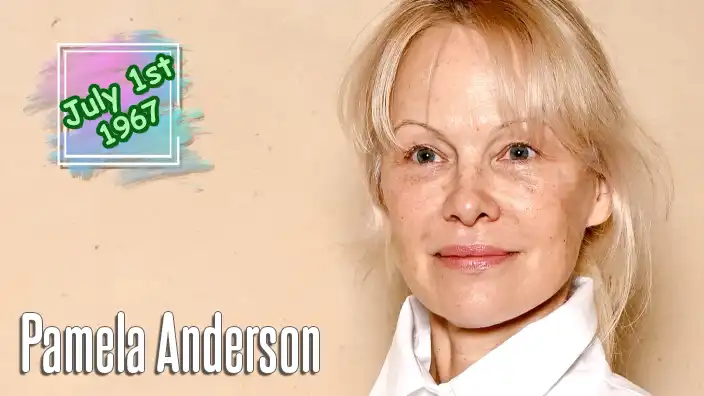
Some people become famous by accident. Pamela Anderson became famous because she happened to wear the right T-shirt to a football game—and then spent the next three decades proving there was far more to her than a lucky moment on a stadium scoreboard. Not bad for someone who probably just wanted to enjoy the game.
July 1, 1967, in Ladysmith, Canada
Trivia
- She was discovered after appearing on a stadium video screen at a football game.
- Played Lisa, the original "Tool Time Girl," on Home Improvement.
- Starred as C.J. Parker on Baywatch from 1992 to 1997.
- Holds the record for the most Playboy magazine cover appearances.
- Made her Broadway debut as Roxie Hart in Chicago in 2022.
- Released her autobiography Love, Pamela in 2023.
- Earned widespread critical acclaim for The Last Showgirl (2024).
- Has been a longtime supporter of animal rights and plant-based living.
- Details
- Category: Celebrity Birthdays - July
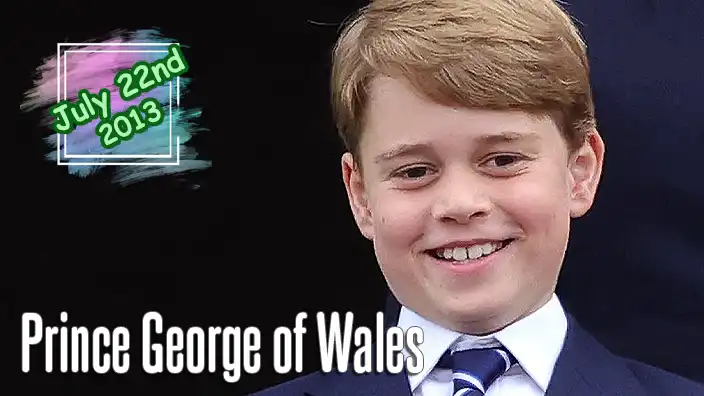
Some children inherit an old bicycle. Others inherit a box of family photographs. Prince George inherited a place in line for one of the world's oldest monarchies before he was old enough to tie his own shoes. That's a lot of pressure for someone whose biggest concern at the time was probably whether there would be dessert after dinner. Fortunately, he appears to be taking it all in stride, smiling through public appearances while reminding everyone that, beneath the royal titles, he's still a young boy growing up one step at a time.
July 22, 2013, in London, England
Trivia
- Second in line to the British throne.
- Grandson of King Charles III.
- Great-grandson of Queen Elizabeth II.
- Older brother of Princess Charlotte and Prince Louis.
- Attends Lambrook School in Berkshire.
- Supports Aston Villa Football Club.
- Served as a Page of Honor at King Charles III's coronation.
- Frequently appears on the Buckingham Palace balcony during major royal celebrations.
- Expected to become King George VII if he keeps his given name upon accession.
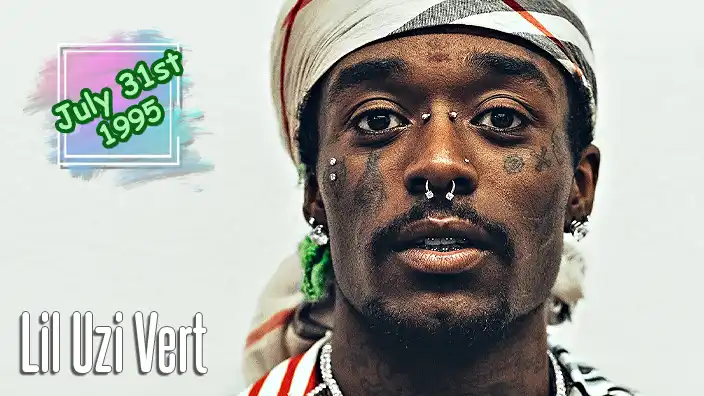
- Details
- Category: Celebrity Birthdays - July
Some musicians ease into the spotlight with quiet ballads and polished suits. Lil Uzi Vert took the opposite route, arriving with colorful fashion, boundless energy, and enough confidence to convince an entire generation that music could ignore the rulebook. Whether fans love the style or spend half the song wondering what just happened, one thing is certain—Lil Uzi Vert has never been interested in being ordinary.
July 31, 1995, in Philadelphia, Pennsylvania
Trivia
- Broke into the mainstream with "Money Longer."
- "XO Tour Llif3" became one of the defining hip-hop songs of the 2010s.
- Luv Is Rage 2 debuted at No. 1 on the Billboard 200.
- Eternal Atake also reached No. 1 on the Billboard 200.
- Known for blending trap, emo rap, rock, and pop influences.
- Recognized for bold fashion and colorful personal style.
- Has collaborated with Future, Travis Scott, Playboi Carti, Migos, and Nicki Minaj.
- Has earned billions of streams across music platforms.
- Considered one of the leading influences on modern melodic rap.
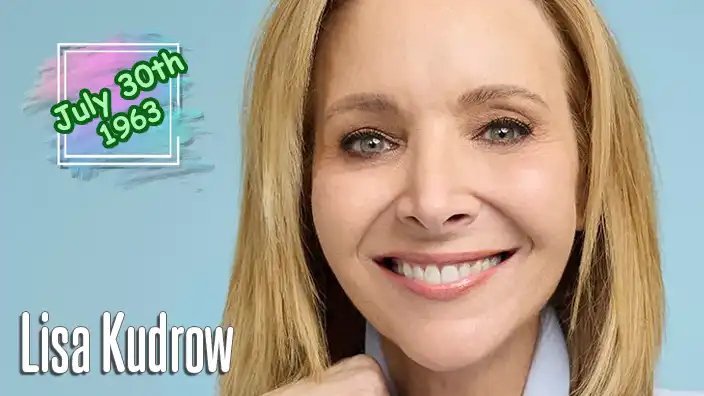
- Details
- Category: Celebrity Birthdays - July
Lisa Kudrow made worldwide fame look remarkably easy: walk into a Manhattan coffeehouse, carry a guitar, sing confidently about a foul-smelling cat, and become one of television’s most beloved comedy stars. Of course, Phoebe Buffay’s reasoning occasionally traveled by a scenic route known only to Phoebe, but Kudrow’s performance was precise, intelligent, and beautifully timed. Anyone who can make “Smelly Cat” part of international culture deserves an Emmy—and possibly an apology from every cat involved.
July 30, 1963, in Encino, California
Trivia
- Worked on headache research with her physician father.
- Trained in improvisation with The Groundlings.
- Played Ursula Buffay before portraying Phoebe.
- Won a Primetime Emmy for Friends in 1998.
- Performed Phoebe’s famous song “Smelly Cat.”
- Starred in Romy and Michele’s High School Reunion.
- Cocreated and starred in The Comeback.
- Developed Web Therapy from an online series.
- Executive-produced Who Do You Think You Are?
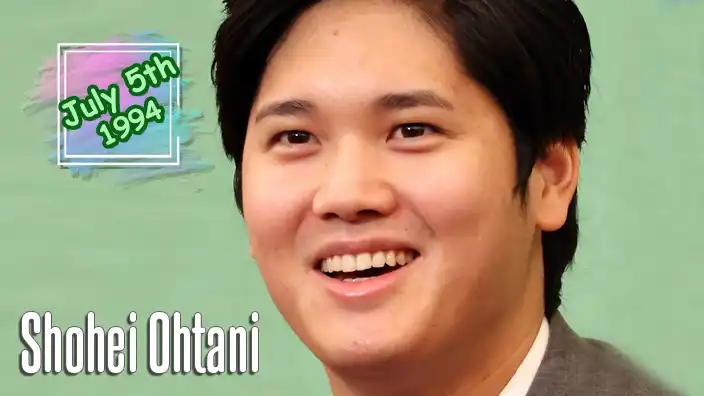
- Details
- Category: Celebrity Birthdays - July
Baseball spent more than a century teaching everyone that pitchers pitch and hitters hit. Then Shohei Ohtani showed up and apparently never received the memo. While everyone else was choosing one lane, Ohtani decided to drive in both at once—and somehow arrived before everybody else. It's enough to make old baseball managers reach for the aspirin and fans reach for another ticket.
July 5, 1994, in Ōshū, Japan
Trivia
- Previously starred for the Hokkaido Nippon-Ham Fighters.
- Made his MLB debut with the Los Angeles Angels in 2018.
- 2018 American League Rookie of the Year.
- Multiple unanimous American League MVP winner.
- One of the few true two-way stars in baseball history.
- Throws right-handed and bats left-handed.
- Fastball regularly exceeds 100 mph.
- Signed a record-setting $700 million MLB contract.
- Helped the Dodgers win the 2024 World Series.
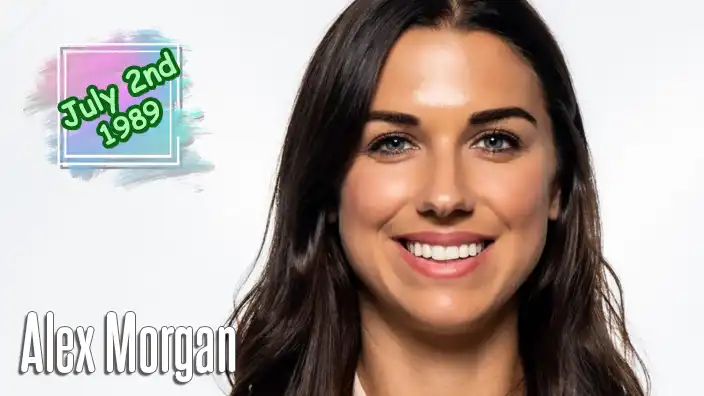
- Details
- Category: Celebrity Birthdays - July
There are people who make scoring a goal look difficult, and then there's Alex Morgan, who often made it look like she had an appointment somewhere else and needed to finish the match first. Defenders chased her, goalkeepers dreaded seeing her break free, and young soccer players everywhere suddenly believed that wearing number 13 might come with a few extra superpowers.
July 2, 1989, in San Dimas, California
Trivia
- Played college soccer at the University of California, Berkeley.
- Selected first overall in the 2011 WPS Draft.
- Won two FIFA Women's World Cups (2015 and 2019).
- Won Olympic gold in London in 2012.
- Scored the winning goal against Canada in the 2012 Olympic semifinal.
- Earned 224 caps for the United States.
- Scored 123 international goals.
- Co-captained the U.S. Women's National Team.
- Won the NWSL Golden Boot in 2022.
- Won the UEFA Women's Champions League with Lyon.
From Our Marks Catelog
-
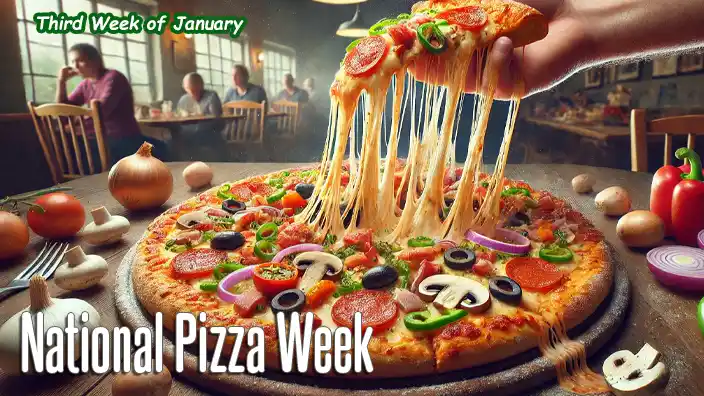
Pizza is the ultimate customizable dish. It caters to all, from the staunch meat-lover who wants...
-

Your toes don't ask for much. They spend their days squeezed into shoes, dodging coffee tables,...
-

You’re trying to relax after a long day, but your dog has decided that now is the perfect time to...
-
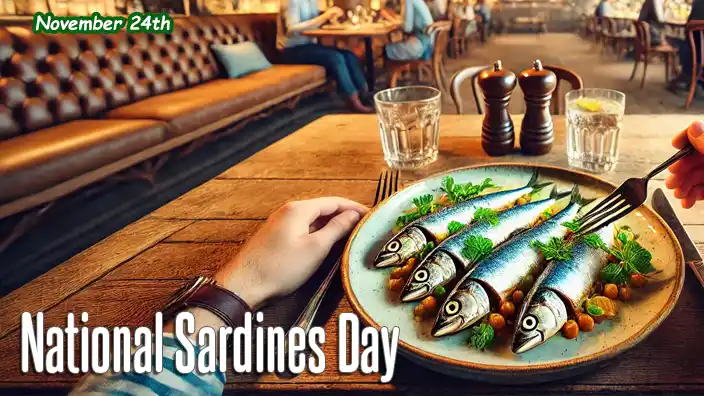
Tiny, shiny, and unapologetically bold, these little fish have a knack for stealing the show at...
-
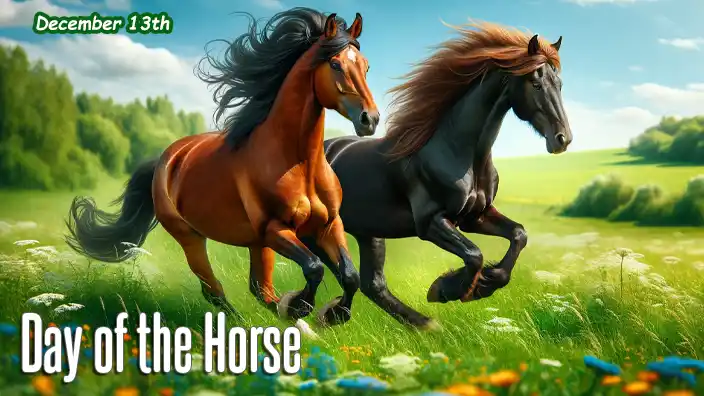
Horses are the comedians of the animal world, even if they don’t realize it. From sneaky maneuvers...
-
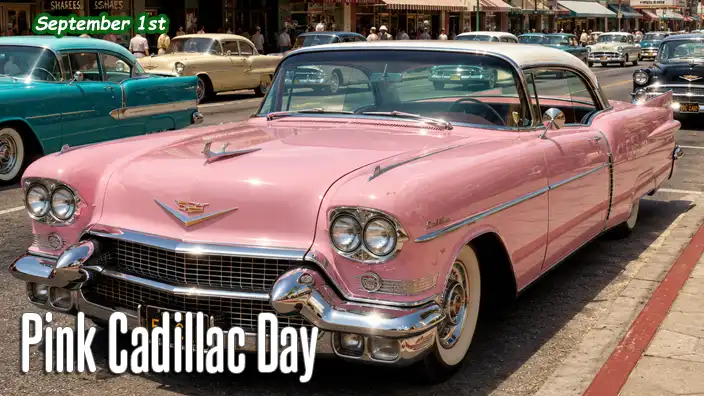
Some cars are built to get you from point A to point B. The Pink Cadillac was built to make sure...

