- Details
- Category: Celebrity Birthdays - July
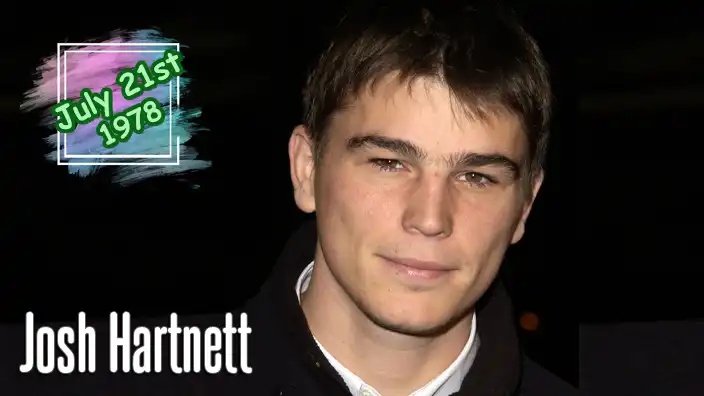
Some actors chase the spotlight every chance they get. Josh Hartnett did almost the opposite. After becoming one of Hollywood's biggest young stars, he stepped away from the frenzy, chose projects on his own terms, and quietly returned years later to remind everyone why he became famous in the first place. That's one way to keep an audience guessing.
 July 21, 1978, in Saint Paul, Minnesota

Trivia
- Originally hoped to pursue a sports career.
- Made his television debut in Cracker.
- Starred in Halloween H20 (1998).
- Rose to fame with Pearl Harbor and Black Hawk Down.
- Played Ethan Chandler in Penny Dreadful.
- Appeared as Ernest Lawrence in Oppenheimer.
- Turned down several blockbuster superhero roles during his career.
- Known for preferring character-driven projects over celebrity status.
- Details
- Category: Celebrity Birthdays - July
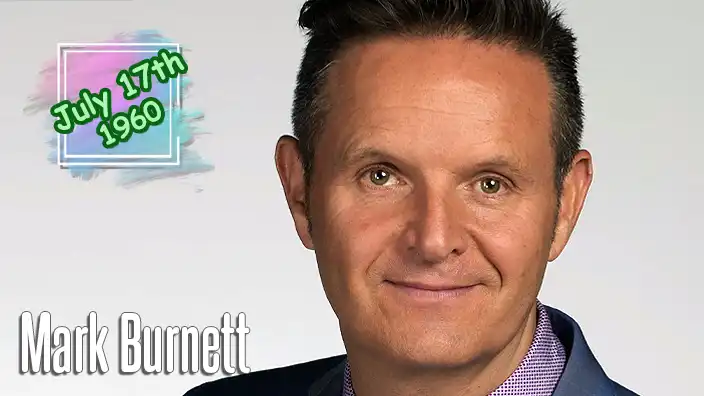
Some people watch television and wonder what to watch next. Mark Burnett watches television and wonders how to make millions of people cancel their evening plans. From deserted islands to business boardrooms and high-stakes investment pitches, he has spent decades proving that a clever idea, good storytelling, and a little suspense can keep audiences glued to the screen.
July 17, 1960, in London, England
Trivia
- Served in the British Army's Parachute Regiment.
- Moved to the United States in 1982.
- Worked as a nanny before entering television.
- Produced the American version of Survivor.
- Created the hit business competition The Apprentice.
- Executive producer of Shark Tank.
- Helped produce The Voice.
- Co-produced The Bible television miniseries.
- Married actress Roma Downey in 2007.
- Has won multiple Primetime Emmy Awards.
- Inducted into the Television Academy Hall of Fame.
- Has written several books on leadership and business.
- Details
- Category: Celebrity Birthdays - July
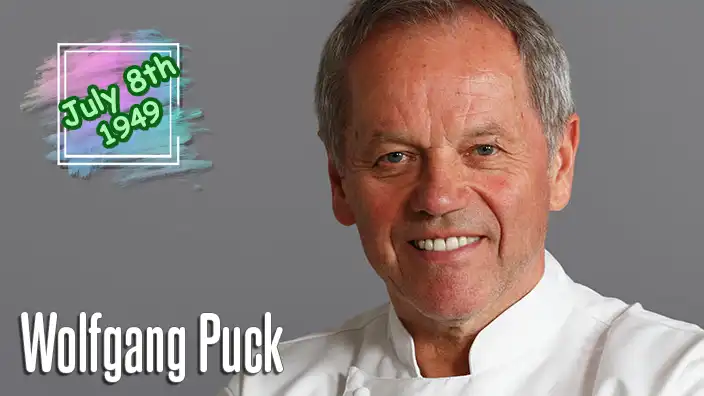
Some chefs become famous in their hometowns. Wolfgang Puck became famous around the world. With his innovative recipes, energetic personality, and passion for fresh ingredients, Puck transformed fine dining into an experience that felt both elegant and approachable. Best known for founding the legendary Spago restaurant and preparing the annual Governors Ball after the Academy Awards, he has spent decades shaping modern American cuisine while becoming one of the world's most recognizable celebrity chefs.
July 8, 1949, in Sankt Veit an der Glan, Austria
Trivia
- He opened the original Spago restaurant in Los Angeles in 1982.
- His smoked salmon pizza became one of the most famous dishes in modern American cuisine.
- He has catered the Academy Awards Governors Ball every year since 1995.
- Wolfgang Puck has written numerous bestselling cookbooks.
- His restaurant empire includes fine dining, casual restaurants, and airport locations around the world.
- He has appeared in television shows, movies, and cooking competitions as both a chef and guest star.
- He has received multiple James Beard Foundation Awards recognizing his contributions to the culinary profession.
- Details
- Category: Celebrity Birthdays - July
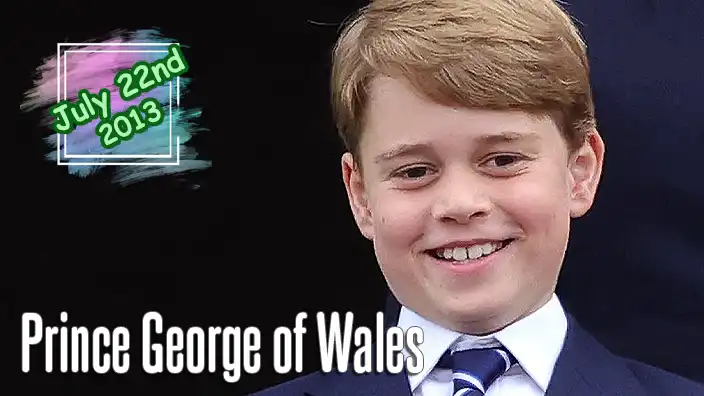
Some children inherit an old bicycle. Others inherit a box of family photographs. Prince George inherited a place in line for one of the world's oldest monarchies before he was old enough to tie his own shoes. That's a lot of pressure for someone whose biggest concern at the time was probably whether there would be dessert after dinner. Fortunately, he appears to be taking it all in stride, smiling through public appearances while reminding everyone that, beneath the royal titles, he's still a young boy growing up one step at a time.
July 22, 2013, in London, England
Trivia
- Second in line to the British throne.
- Grandson of King Charles III.
- Great-grandson of Queen Elizabeth II.
- Older brother of Princess Charlotte and Prince Louis.
- Attends Lambrook School in Berkshire.
- Supports Aston Villa Football Club.
- Served as a Page of Honor at King Charles III's coronation.
- Frequently appears on the Buckingham Palace balcony during major royal celebrations.
- Expected to become King George VII if he keeps his given name upon accession.
- Details
- Category: Celebrity Birthdays - July
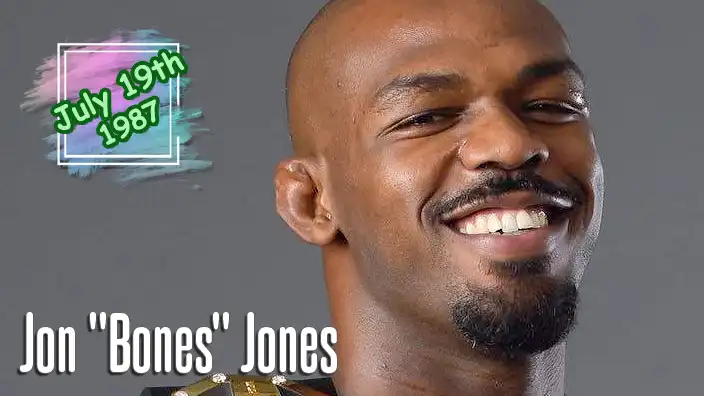
Some fighters have one signature move. Jon Jones seemed to have an entire instruction manual full of them. Opponents spent months studying his fights, only to discover that he'd apparently added three new techniques since breakfast. When your nickname is "Bones," it's probably best if people aren't hoping to hear any cracking sounds.
July 19, 1987, in Rochester, New York
Trivia
- Made his professional MMA debut in 2008.
- Became the youngest UFC champion at age 23.
- Won UFC championships in both the light heavyweight and heavyweight divisions.
- Known for his exceptional reach and creative striking techniques.
- Defeated numerous former UFC champions during his career.
- Comes from a family of elite athletes, including NFL players Arthur and Chandler Jones.
- Announced his retirement from professional MMA in June 2025.
- Details
- Category: Celebrity Birthdays - July
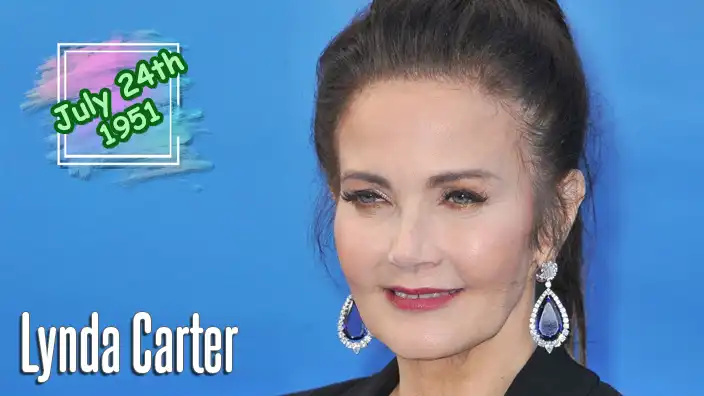
Long before computer-generated superheroes could leap over skyscrapers without breaking a sweat, Lynda Carter showed that all you really needed was confidence, determination, and a perfectly timed spin. Somewhere, an entire generation is still convinced they can become superheroes if they just turn around fast enough.
 July 24, 1951, in Phoenix, Arizona
Trivia
- Won Miss World USA in 1972.
- Starred as Wonder Woman from 1975 to 1979.
- Helped popularize female superheroes on television.
- An accomplished singer with multiple albums.
- Has performed in concert throughout her career.
- Appeared in the Fallout video game series.
- Continues to make guest appearances in television and film.
- Active supporter of numerous charitable organizations.
- Details
- Category: Celebrity Birthdays - July
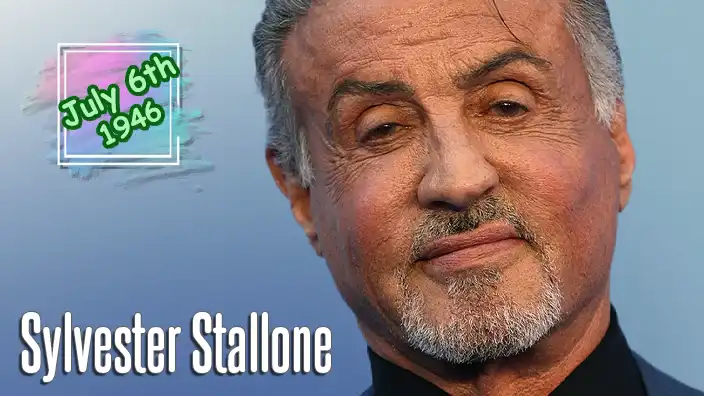
Most people celebrate birthdays by blowing out candles. Sylvester Stallone could probably extinguish them with the shockwave from a movie explosion. Whether he's climbing the steps of the Philadelphia Museum of Art, battling impossible odds in the boxing ring, or carrying enough ammunition to make a military surplus store nervous, Stallone has spent decades proving that determination, grit, and a well-timed one-liner never go out of style.
July 6, 1946, in New York City, New York
Trivia
- Wrote the screenplay for Rocky in just a few days.
- Insisted on starring as Rocky Balboa before selling the script.
- Received Oscar nominations for both acting and screenwriting for Rocky.
- Created both the Rocky and Rambo film franchises.
- Has written, directed, and produced many of his own films.
- Won a Golden Globe for Creed in 2016.
- Is also an accomplished painter.
- Received a star on the Hollywood Walk of Fame.
- Has appeared in more than 80 films and television productions.
- Details
- Category: Celebrity Birthdays - July
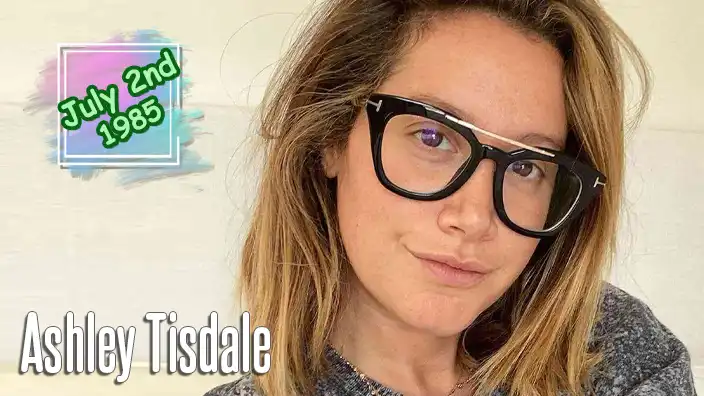
For millions of Disney Channel fans, Ashley Tisdale proved that one determined high school drama queen could sing, dance, scheme, and still somehow steal the show. Whether she was managing a luxury hotel, chasing Perry the Platypus, or insisting that everything should revolve around Sharpay Evans, she made being delightfully over-the-top an art form.
July 2, 1985, in Monmouth County, New Jersey
Trivia
- Played Sharpay Evans in the High School Musical franchise.
- Starred in Sharpay's Fabulous Adventure.
- Voices Candace Flynn in Phineas and Ferb.
- Released three studio albums.
- Her debut album Headstrong was certified Gold.
- Founded Blondie Girl Productions.
- Executive produced Young & Hungry.
- Married musician Christopher French in 2014.
- Details
- Category: Celebrity Birthdays - July
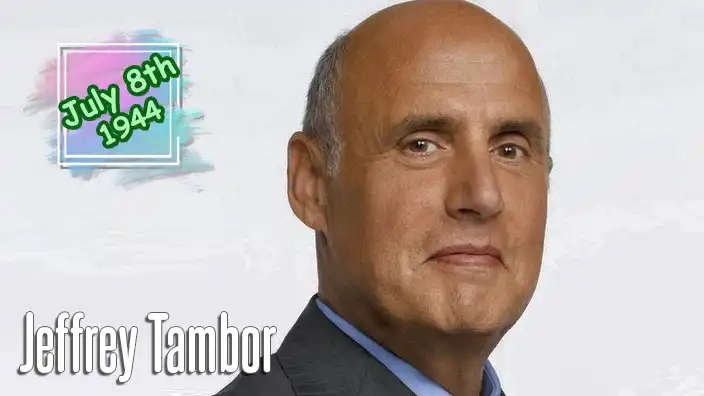
Some actors spend their careers chasing leading roles. Jeffrey Tambor built his reputation by becoming unforgettable in every role he played. With his remarkable ability to balance comedy, vulnerability, and eccentricity, Tambor became one of television's most recognizable performers. From the hilariously awkward George Bluth Sr. in Arrested Development to the groundbreaking role of Maura Pfefferman in Transparent, he has entertained audiences for more than four decades while earning widespread critical acclaim.
July 8, 1944, in San Francisco, California
Trivia
- Jeffrey Tambor earned a master's degree in theater before becoming a professional actor.
- He received multiple Emmy Award nominations for The Larry Sanders Show.
- He won two consecutive Primetime Emmy Awards for his performance in Transparent.
- His role as George Bluth Sr. helped make Arrested Development a television classic.
- Tambor has appeared in more than 100 film and television productions.
- He has worked extensively as a voice actor for animated films and television series.
- He published a memoir titled Are You Anybody?
- His acting career has spanned more than four decades.
- Details
- Category: Celebrity Birthdays - July
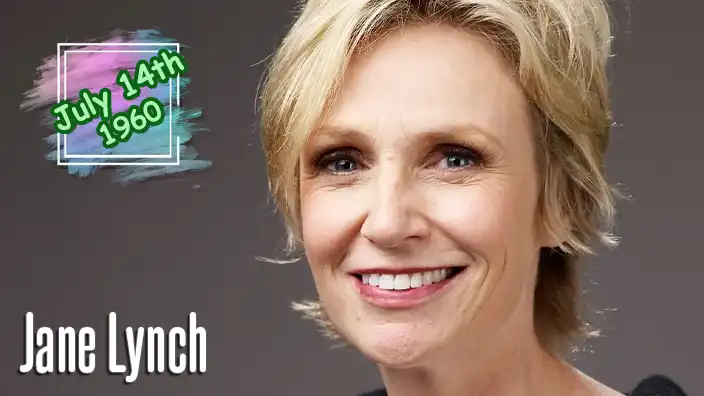
Some actors can deliver a joke. Jane Lynch can deliver a joke, a withering stare, and a perfectly timed insult before anyone else in the scene has figured out what happened. With impeccable comic timing and a commanding screen presence, she has spent decades turning supporting roles into unforgettable performances and proving that being delightfully intimidating can be an art form.
July 14, 1960, in Evergreen Park, Illinois
Trivia
- Earned a theater degree from Illinois State University.
- Received an MFA from Cornell University.
- Performed with Chicago's famed Second City.
- Won a Primetime Emmy Award for Glee.
- Won a Golden Globe for her role as Sue Sylvester.
- Hosted NBC's revival of Weakest Link.
- Published the memoir Happy Accidents.
- Has appeared in dozens of comedy films and television series.
- Details
- Category: Celebrity Birthdays - July
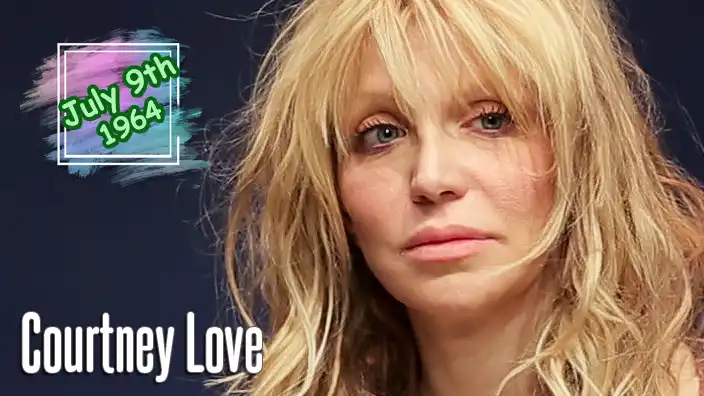
Some performers politely knock on the entertainment industry's front door. Courtney Love kicked it open with a guitar in one hand, a microphone in the other, and enough confidence to power a stadium. Whether people agreed with her or not, they almost always paid attention—and in the world of rock music, that's half the battle.
July 9, 1964, in San Francisco, California
Trivia
- Founded the alternative rock band Hole in 1989.
- Live Through This is considered one of the defining rock albums of the 1990s.
- Was married to Kurt Cobain.
- Mother of Frances Bean Cobain.
- Earned critical acclaim for The People vs. Larry Flynt.
- Has worked as a singer, songwriter, actress, and visual artist.
- Helped shape the sound of the grunge and alternative rock movement.
- Released solo music in addition to her work with Hole.
- Is known for her outspoken personality and candid interviews.
- Continues to influence generations of female rock musicians.
- Details
- Category: Celebrity Birthdays - July
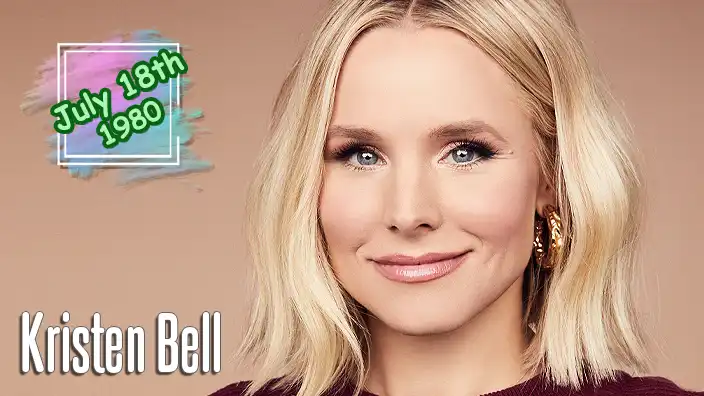
Kristen Bell has somehow managed to become everyone's favorite detective, philosopher, princess, and occasionally the voice inside your freezer. Whether she's solving mysteries, navigating the afterlife, or convincing children to sing "Let It Go" for the five-thousandth time, Bell has built a career proving that charm, wit, and impeccable comedic timing can be just as heroic as a cape.
July 18, 1980, in Huntington Woods, Michigan
Trivia
- Studied at New York University's Tisch School of the Arts.
- Made her Broadway debut in The Adventures of Tom Sawyer.
- Starred as Veronica Mars beginning in 2004.
- Fans raised over $5.7 million through Kickstarter for the Veronica Mars movie.
- Voices Princess Anna in Disney's Frozen franchise.
- Sang several songs in Frozen, including "For the First Time in Forever."
- Narrated every episode of the original Gossip Girl television series.
- Played Eleanor Shellstrop in The Good Place.
- Married actor Dax Shepard in 2013.
- Strong advocate for mental health awareness and children's charities.
- Has appeared in both Marvel (Heroes) and Disney productions.
- Details
- Category: Celebrity Birthdays - July
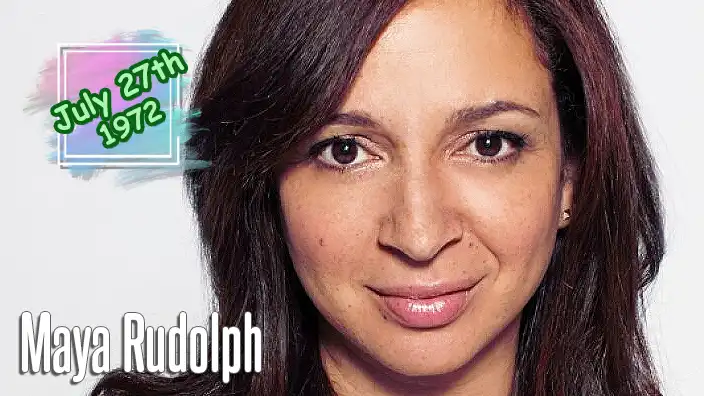
Some performers can sing. Some can dance. Some can make people laugh until they spill their popcorn. Maya Rudolph looked at that list and apparently decided, "Why not all three?" Whether she's impersonating a famous celebrity, voicing an animated character, or stealing every scene she's in with impeccable comic timing, Rudolph has spent decades proving that extraordinary talent and fearless comedy make an irresistible combination.
July 27, 1972, in Gainesville, Florida
Trivia
- Daughter of singer Minnie Riperton and producer Richard Rudolph.
- Graduated from the University of California, Santa Cruz.
- Performed with the alternative rock band The Rentals.
- Joined Saturday Night Live in 2000.
- Known for her impressions of Beyoncé, Oprah Winfrey, and Kamala Harris.
- Starred in Bridesmaids, Loot, and Away We Go.
- Accomplished voice actress in numerous animated films.
- Multiple Primetime Emmy Award winner.
- Longtime partner of filmmaker Paul Thomas Anderson.
- Details
- Category: Celebrity Birthdays - July
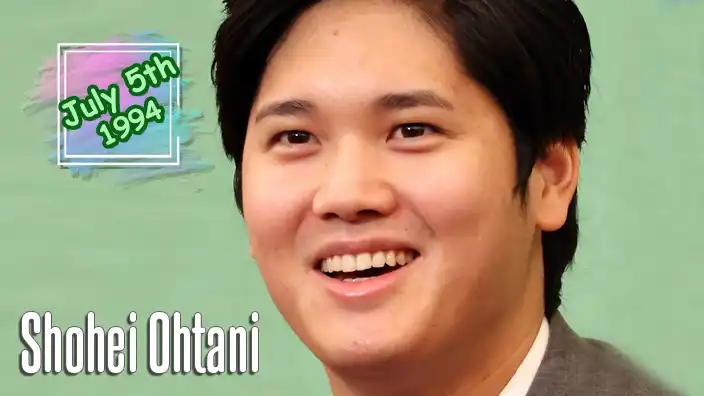
Baseball spent more than a century teaching everyone that pitchers pitch and hitters hit. Then Shohei Ohtani showed up and apparently never received the memo. While everyone else was choosing one lane, Ohtani decided to drive in both at once—and somehow arrived before everybody else. It's enough to make old baseball managers reach for the aspirin and fans reach for another ticket.
July 5, 1994, in Ōshū, Japan
Trivia
- Previously starred for the Hokkaido Nippon-Ham Fighters.
- Made his MLB debut with the Los Angeles Angels in 2018.
- 2018 American League Rookie of the Year.
- Multiple unanimous American League MVP winner.
- One of the few true two-way stars in baseball history.
- Throws right-handed and bats left-handed.
- Fastball regularly exceeds 100 mph.
- Signed a record-setting $700 million MLB contract.
- Helped the Dodgers win the 2024 World Series.
- Details
- Category: Celebrity Birthdays - July
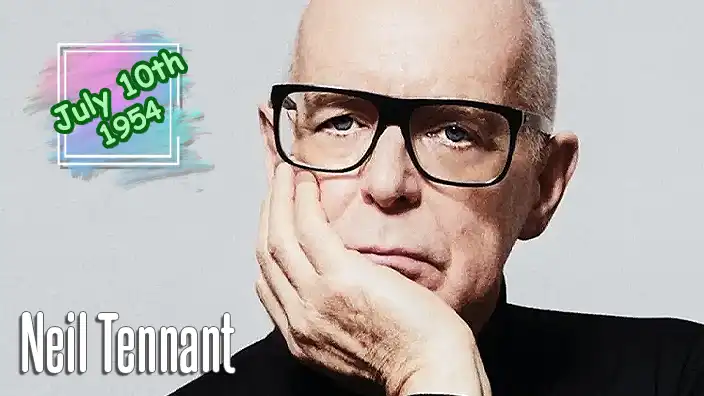
Some people write diary entries. Neil Tennant writes pop songs that become international hits. Armed with a sharp wit, a calm stage presence, and a voice instantly recognizable to generations of music fans, he helped prove that synthesizers, clever lyrics, and an unforgettable melody could fill stadiums just as easily as electric guitars.
July 10, 1954, in North Shields, England
Trivia
- Co-founded the Pet Shop Boys with Chris Lowe in 1981.
- Worked as an editor for Smash Hits magazine before becoming a full-time musician.
- Wrote the lyrics for nearly all Pet Shop Boys songs.
- "West End Girls" became a No. 1 hit in both the UK and the United States.
- The Pet Shop Boys have sold more than 50 million records worldwide.
- Frequently collaborates on theatre, ballet, and orchestral productions.
- Known for his calm stage presence and witty songwriting.
- Has received multiple Grammy Award and Brit Award nominations.
- Details
- Category: Celebrity Birthdays - July
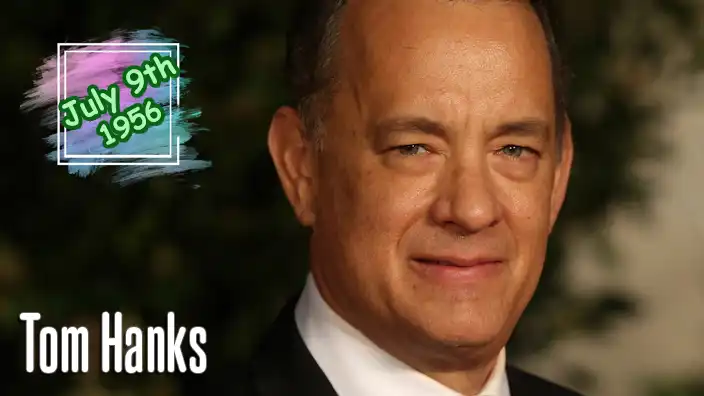
If Hollywood ever handed out awards for "Most Likely to Make You Laugh, Cry, and Then Call Your Mother," Tom Hanks would probably need a bigger trophy shelf. He has survived pirates, astronauts, wars, deserted islands, toy boxes, airports, and even a volleyball with remarkable emotional dignity. Somehow, he makes ordinary people seem extraordinary, proving that sometimes the greatest superpower is simply being believable.
July 9, 1956, in Concord, California
Trivia
- Won back-to-back Academy Awards for Philadelphia and Forrest Gump.
- Voices Sheriff Woody in the Toy Story films.
- Directed the 1996 musical comedy That Thing You Do!
- Produced the acclaimed miniseries Band of Brothers.
- Received the Presidential Medal of Freedom in 2016.
- Is married to actress Rita Wilson.
- Is a passionate collector of vintage typewriters.
- Played astronaut Jim Lovell in Apollo 13.
- Famously shared the screen with the volleyball "Wilson" in Cast Away.
- Has earned numerous Emmy Awards as both actor and producer.
- Frequently appears on lists of Hollywood's most trusted celebrities.
- Details
- Category: Celebrity Birthdays - July
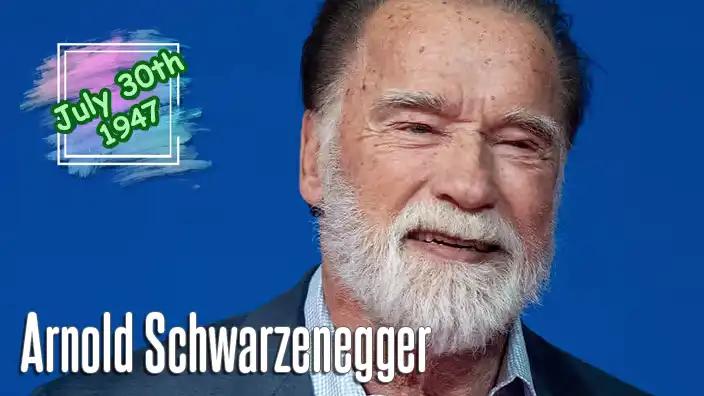
Arnold Schwarzenegger has lived the sort of life that would be rejected by Hollywood for being slightly too unrealistic. He arrived in America with a difficult surname, a powerful accent, enormous muscles, and a plan to conquer bodybuilding, movies, business, and politics—apparently because choosing one career seemed inefficient. He became Mr. Olympia, the Terminator, a comedy star, and Governor of California, all while teaching the world that nearly every problem can be addressed with determination, discipline, and the occasional promise that you will be back.
July 30, 1947, in Graz, Austria
Trivia
- Served in the Austrian Army in 1965.
- Won his first Mr. Universe title at age 20.
- Helped popularize bodybuilding through Pumping Iron.
- Won a Golden Globe for Stay Hungry.
- Made “I’ll be back” famous in The Terminator.
- Played the Terminator in several films across multiple decades.
- Proved his comedy skills in Twins and Kindergarten Cop.
- Became a United States citizen in 1983.
- Chaired the President’s Council on Physical Fitness and Sports.
- Was elected California’s 38th governor in 2003.
- Won election to a full gubernatorial term in 2006.
- Details
- Category: Celebrity Birthdays - July
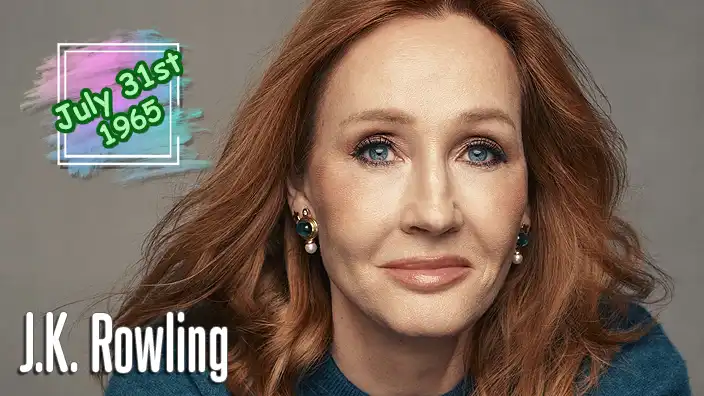
Some writers hope people will read one of their books. J.K. Rowling created a world so captivating that readers willingly stood in line at midnight for the next installment, argued passionately over fan theories, and collectively decided that owls would make perfectly reasonable postal workers. That's a remarkable achievement for someone who began with little more than a notebook, a vivid imagination, and an idea that changed publishing forever.
July 31, 1965, in Yate, England
Trivia
- Writes under the pen name J.K. Rowling.
- Creator of the seven-book Harry Potter series.
- The first novel was published in 1997.
- Harry Potter books have sold more than 600 million copies worldwide.
- Her books have been translated into more than 80 languages.
- Also writes the Cormoran Strike novels under the name Robert Galbraith.
- Harry Potter and the Cursed Child became an award-winning stage production.
- Has received numerous honorary degrees and literary awards.
- Details
- Category: Celebrity Birthdays - July
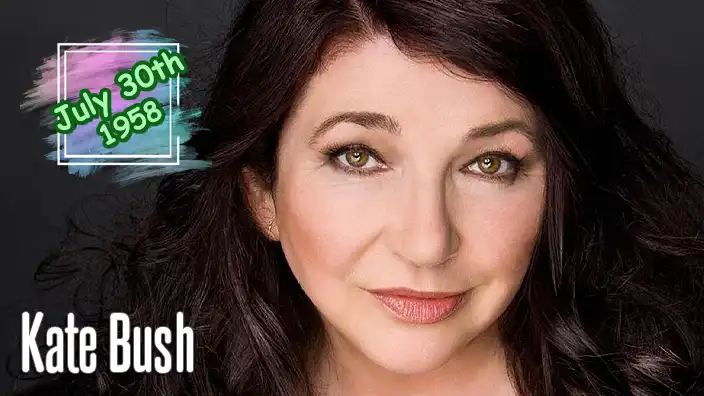
Kate Bush has never been the sort of artist to color inside the musical lines. While other singers were chasing the latest trend, she was busy writing songs inspired by classic novels, mysterious dreams, and ideas that sounded wonderfully impossible until she turned them into chart-topping hits. The result is a career that proves being delightfully unconventional can sometimes be the smartest move of all—and that occasionally, running up a hill is much easier when you're carrying one of the greatest songs ever written.
July 30, 1958, in Bexleyheath, England
Trivia
- Wrote dozens of songs before turning 15.
- Signed with EMI Records after support from Pink Floyd's David Gilmour.
- Wuthering Heights reached No. 1 in the UK in 1978.
- Became the first female artist to top the UK chart with a self-written song.
- Hounds of Love is considered one of the greatest albums of the 1980s.
- Running Up That Hill returned to global charts in 2022 after appearing in Stranger Things.
- Produced much of her own music throughout her career.
- Performed her acclaimed Before the Dawn concerts in 2014.
- Details
- Category: Celebrity Birthdays - July
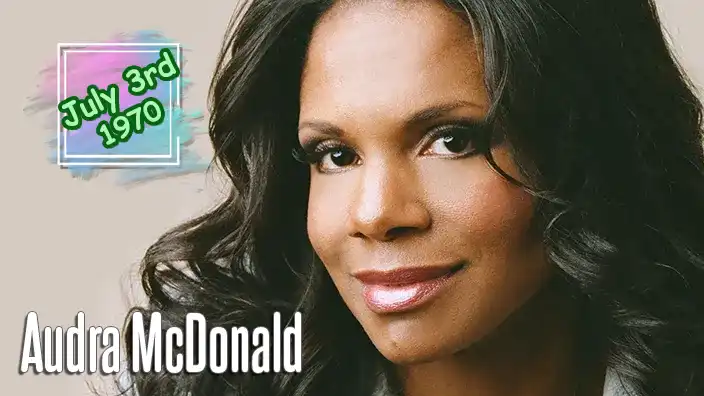
Some performers collect souvenirs while traveling. Audra McDonald has collected Tony Awards instead. At this point, Broadway might consider installing a revolving door between her dressing room and the awards stage just to save everyone time. Fortunately for theatre lovers, she has never treated success as a reason to slow down, continuing to raise the bar with every new performance.
July 3, 1970, in West Berlin, Germany
Trivia
- Graduated from the Juilliard School in 1993.
- Holds the record for the most Tony Award wins by a performer.
- Is the only performer to have won Tony Awards in all four acting categories.
- Won Grammy Awards, an Emmy Award, and the National Medal of Arts.
- Starred in Carousel, Ragtime, Porgy and Bess, and Lady Day at Emerson's Bar and Grill.
- Appeared in the television series Private Practice, The Good Fight, and The Gilded Age.
- Co-founded Black Theatre United to promote diversity and opportunity in theatre.
- Is widely regarded as one of the greatest Broadway performers of her generation.

- Details
- Category: Celebrity Birthdays - July
Making millions of people laugh every week is an impressive achievement. Doing it while building a business empire, producing television, judging talent competitions, and becoming one of the world's highest-paid actresses is something else entirely. Sofía Vergara has shown that talent, determination, and impeccable comedic timing can take you a very long way—and she makes it all look remarkably effortless.
July 10, 1972, in Barranquilla, Colombia
Trivia
- Originally planned to study dentistry.
- Began her career after appearing in a television commercial.
- Starred as Gloria Delgado-Pritchett on Modern Family.
- Received four Primetime Emmy Award nominations for the role.
- Has been one of the world's highest-paid television actresses.
- Served as a judge on America's Got Talent.
- Founded a successful television production company.
- Built major fashion, beauty, furniture, and fragrance businesses.
- Is a thyroid cancer survivor and advocate for early detection.
From Our Marks Catelog
-
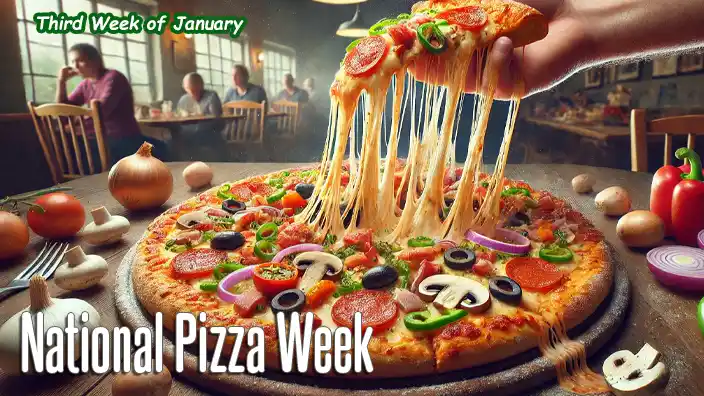
Pizza is the ultimate customizable dish. It caters to all, from the staunch meat-lover who wants...
-

Your toes don't ask for much. They spend their days squeezed into shoes, dodging coffee tables,...
-

You’re trying to relax after a long day, but your dog has decided that now is the perfect time to...
-
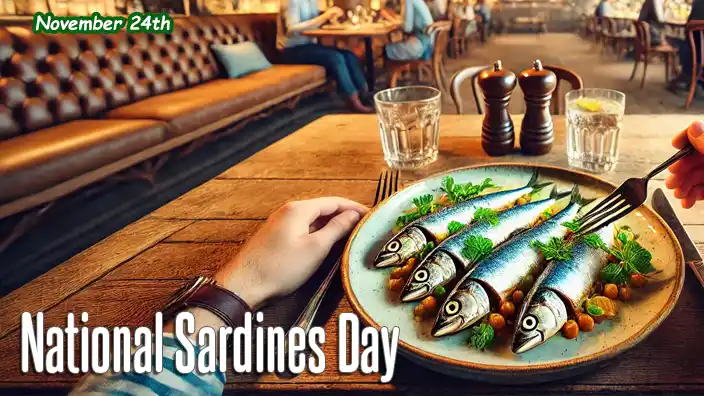
Tiny, shiny, and unapologetically bold, these little fish have a knack for stealing the show at...
-
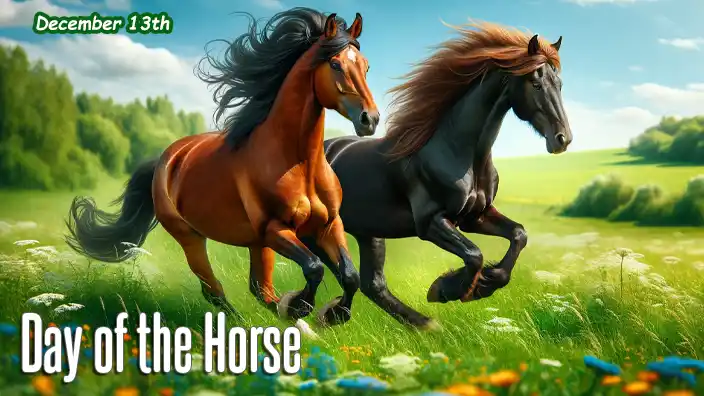
Horses are the comedians of the animal world, even if they don’t realize it. From sneaky maneuvers...
-
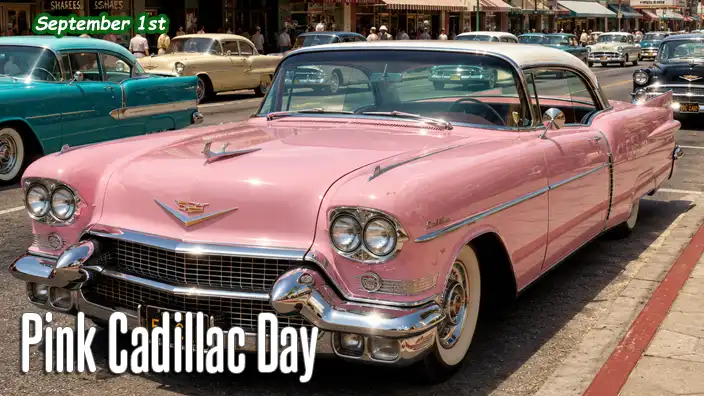
Some cars are built to get you from point A to point B. The Pink Cadillac was built to make sure...

