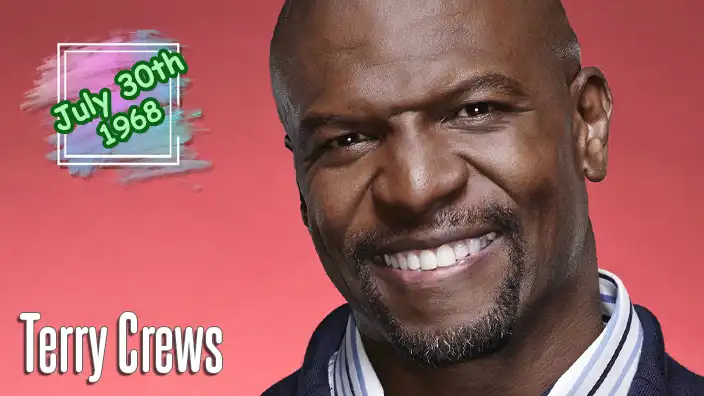
July 30, 1968, in Flint, Michigan
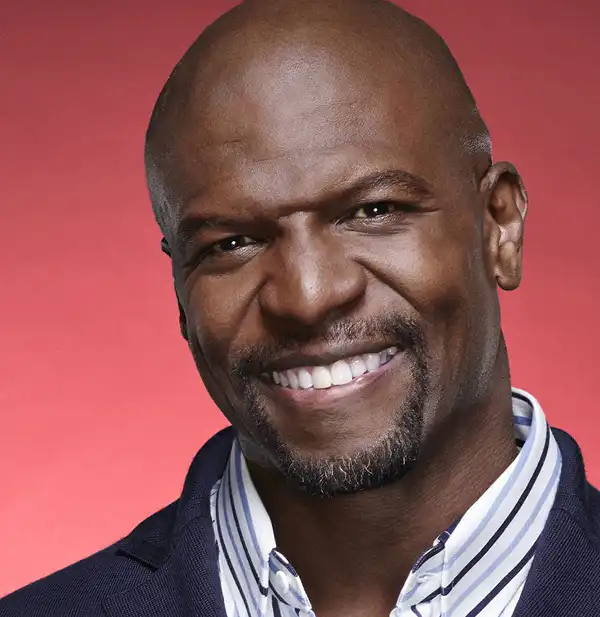
Terry Crews is living proof that muscles and comedy are not mutually exclusive. Most people spend years trying to look intimidating or trying to be funny. Terry somehow looked like he could bench-press a pickup truck while making audiences laugh so hard they forgot he could probably bench-press the entire parking lot. Whether he's dancing across a television commercial, delivering perfect comedic timing on Brooklyn Nine-Nine, or enthusiastically hosting a talent competition, Crews has built a career on proving that confidence, kindness, and an infectious smile are every bit as powerful as bulging biceps.
Born in Flint, Michigan, Terry Alan Crews grew up in a household where life was not always easy. Raised in a strict family, he experienced challenges during his childhood that would later shape his outlook on resilience, discipline, and compassion. While many knew him later as an actor with boundless energy, his early years were filled with hard work, artistic interests, and an impressive determination to improve his circumstances.
One of Crews' first passions was drawing. Long before Hollywood came calling, he possessed remarkable artistic talent and earned an art scholarship that helped him attend Western Michigan University. His artistic abilities remain an important part of his identity, and he has often spoken about how drawing allowed him to express himself creatively even while pursuing athletics.
Football soon became another avenue toward success. At Western Michigan University, Crews excelled as a defensive end and earned conference honors for his outstanding performances. His athletic achievements attracted professional attention, leading him into the National Football League.
Although he never became one of football's biggest superstars, Crews built a respectable professional career by earning roster spots with several NFL organizations, including the Los Angeles Rams, San Diego Chargers, Washington Redskins, Philadelphia Eagles, and others during the late 1980s and early 1990s. Professional football taught him discipline, teamwork, perseverance, and humility. He has frequently noted that success in sports depends as much on character and preparation as physical ability.
After retiring from football, Crews faced one of the biggest challenges of his life. Like many professional athletes, he suddenly found himself needing a completely new career. Rather than becoming discouraged, he relied upon the same work ethic that had carried him through sports. He returned to his artistic background by creating portraits and artwork while searching for acting opportunities.
His first significant breakthrough arrived in 2002 with the comedy film Friday After Next. Although his role was relatively small, audiences immediately noticed his remarkable screen presence. His enormous physique combined with impeccable comic timing created a memorable performance that opened doors throughout Hollywood.
The role that introduced Terry Crews to millions of television viewers came with the hit sitcom Everybody Hates Chris. Playing Julius Rock, the hardworking, budget-conscious father based on comedian Chris Rock's real-life father, Crews delivered one of television's funniest portrayals of family life. Julius constantly calculated the cost of every household item, turning ordinary conversations into hilarious lessons about saving money. Crews' combination of stern parenting, warmth, and impeccable delivery made Julius one of the show's most beloved characters.
Movie audiences soon embraced Crews as well. He appeared in films including White Chicks, The Longest Yard, Idiocracy, Norbit, Get Smart, and The Expendables series. Whether portraying intimidating tough guys, lovable fathers, eccentric athletes, or fearless soldiers, he consistently found opportunities to inject humor into even the most serious situations.
One performance that became especially iconic was Latrell Spencer in White Chicks. His energetic singing of Vanessa Carlton's "A Thousand Miles" inside a moving car became one of the film's most memorable moments and remains one of the most recognizable comedy scenes of the early 2000s.
Perhaps his greatest television success arrived in 2013 when he joined the cast of Brooklyn Nine-Nine as Sergeant, later Lieutenant, Terry Jeffords. The character combined physical strength with genuine sensitivity, creating a refreshing television role that challenged traditional stereotypes. Jeffords loved yogurt, adored his twin daughters, worried about his coworkers, and somehow remained both intimidating and incredibly wholesome. Crews' chemistry with the ensemble cast helped make Brooklyn Nine-Nine one of the most successful workplace comedies of its era.
Outside scripted entertainment, Crews became an accomplished television host. Beginning in 2019, he hosted America's Got Talent, bringing enthusiasm, encouragement, and genuine excitement to contestants of every age and background. Rather than simply announcing performances, Crews became one of the show's biggest cheerleaders, celebrating remarkable talent while offering emotional support during difficult moments.
Advertising campaigns also embraced his larger-than-life personality. His energetic appearances in Old Spice commercials transformed ordinary product advertisements into wildly entertaining comedy sketches. His willingness to laugh at himself became one of his greatest strengths, making him instantly recognizable to audiences worldwide.
Throughout his career, Terry Crews has been open about personal struggles and growth. He has spoken candidly about overcoming personal challenges, rebuilding trust within his family, and learning the importance of accountability. His honesty has earned widespread respect, demonstrating that genuine strength includes admitting mistakes and working to become a better person.
Crews has also become a vocal advocate against domestic violence and sexual assault. His willingness to discuss difficult subjects publicly helped challenge long-standing assumptions about masculinity and encouraged broader conversations about supporting victims regardless of gender.
Away from cameras, Terry and his wife Rebecca King-Crews have built a long-lasting marriage while raising a blended family. He frequently credits his family as the foundation of his success, often sharing humorous and heartfelt moments from their life together.
One aspect that surprises many fans is that Terry Crews never abandoned his love of art. He continues to create illustrations and paintings, often producing remarkably detailed works that reflect both his creativity and patience. His artistic talent reminds audiences that people rarely fit neatly into stereotypes.
His popularity extends well beyond acting because audiences recognize genuine enthusiasm whenever he appears. Whether dancing, singing, encouraging contestants, or making people laugh, Terry Crews brings remarkable positivity to every project. His career demonstrates that authenticity, kindness, and relentless optimism can be just as memorable as dramatic performances or athletic accomplishments.
Today, Terry Crews remains one of entertainment's most recognizable personalities. He has successfully reinvented himself multiple times—from artist to football player, from athlete to actor, from comedian to television host—while maintaining the warmth and humility that have made him beloved by fans around the world. Few performers have managed to combine physical power, artistic creativity, emotional openness, and effortless comedy into such an enduring and admired career.