- Details
- Category: Celebrity Birthdays - July
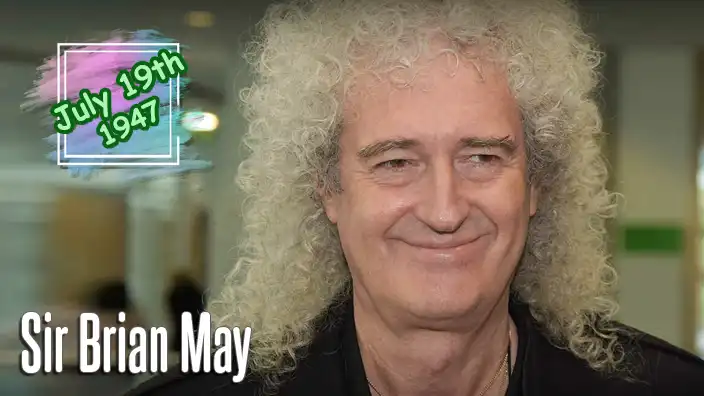
Most guitarists dream of becoming rock legends. Brian May looked at that goal, checked his homework, built his own guitar, helped create one of the greatest bands in history, earned a doctorate in astrophysics, and somehow still found time to study the stars. If there were an award for overachieving, he'd probably design the trophy himself—and make it sound amazing through a guitar amplifier.
 July 19, 1947, in Hampton, England

Trivia
- Co-founded Queen with Roger Taylor.
- Freddie Mercury chose the band's name, Queen.
- Built the famous Red Special guitar with his father.
- Wrote "We Will Rock You."
- Live Forever" and "I Want It All."
- Earned a Ph.D. in astrophysics in 2007.
- Specializes in research involving zodiacal dust.
- Knighted in 2023 and became Sir Brian May.
- Active supporter of wildlife conservation and animal welfare.
- Continues to tour with Queen + Adam Lambert.

- Details
- Category: Celebrity Birthdays - July
Every office has that one person who knows every password, can fix the printer, and somehow remembers where the missing paperwork disappeared three years ago. On Criminal Minds, that person was Penelope Garcia—and Kirsten Vangsness made her so charming that audiences almost forgot the FBI's computers don't usually come with colorful scarves, quirky jokes, and enough positive energy to power a small city. She proved that even in the middle of television's darkest crime dramas, there's always room for kindness, laughter, and a keyboard that seems to type faster than the speed of light.
 July 7, 1972, in Pasadena, California
Trivia
- Best known for: Penelope Garcia on Criminal Minds.
- Returned for: Criminal Minds: Evolution.
- Writing credits: Co-wrote several episodes of Criminal Minds.
- Theater: Award-winning stage actress before television success.
- Known for: Colorful style, humor, and heartfelt performances.
- Fan-favorite pairing: Her scenes with Shemar Moore as Derek Morgan became iconic.
- Creative interests: Acting, writing, theater, and storytelling.
- Charitable work: Supports community and arts-related causes.
- Details
- Category: Celebrity Birthdays - July
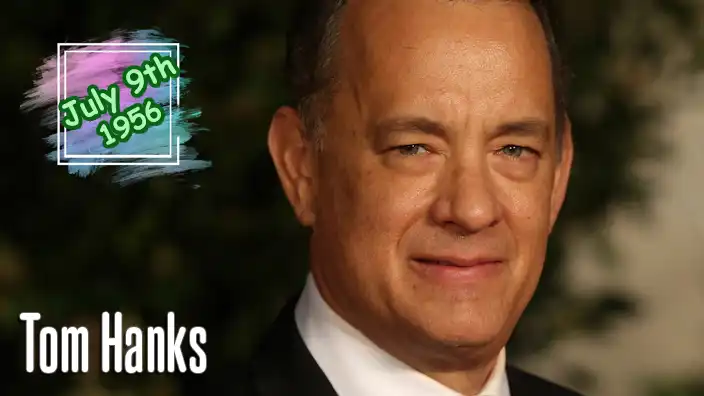
If Hollywood ever handed out awards for "Most Likely to Make You Laugh, Cry, and Then Call Your Mother," Tom Hanks would probably need a bigger trophy shelf. He has survived pirates, astronauts, wars, deserted islands, toy boxes, airports, and even a volleyball with remarkable emotional dignity. Somehow, he makes ordinary people seem extraordinary, proving that sometimes the greatest superpower is simply being believable.
July 9, 1956, in Concord, California
Trivia
- Won back-to-back Academy Awards for Philadelphia and Forrest Gump.
- Voices Sheriff Woody in the Toy Story films.
- Directed the 1996 musical comedy That Thing You Do!
- Produced the acclaimed miniseries Band of Brothers.
- Received the Presidential Medal of Freedom in 2016.
- Is married to actress Rita Wilson.
- Is a passionate collector of vintage typewriters.
- Played astronaut Jim Lovell in Apollo 13.
- Famously shared the screen with the volleyball "Wilson" in Cast Away.
- Has earned numerous Emmy Awards as both actor and producer.
- Frequently appears on lists of Hollywood's most trusted celebrities.
- Details
- Category: Celebrity Birthdays - July
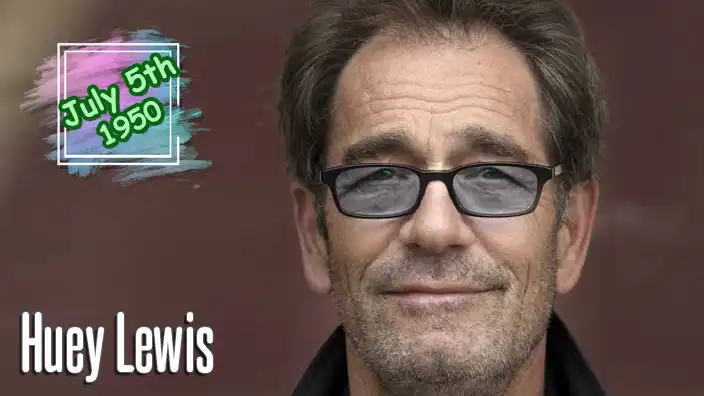
Huey Lewis is proof that the 1980s did not run entirely on hairspray, shoulder pads, and suspiciously bright windbreakers. Sometimes it ran on sharp hooks, a punchy horn section, blue-collar charm, and a frontman who looked like he could sing a hit song, fix your carburetor, and still make it to the softball game by six.
July 5, 1950, in New York City
Trivia
- Plays harmonica as well as singing lead vocals.
- Previously performed with the band Clover.
- Sports became the band’s biggest album.
- “The Power of Love” was featured in Back to the Future.
- He made a cameo in Back to the Future as a talent-show judge.
- “The Power of Love” became the band’s first Billboard Hot 100 number-one single.
- Fore! also reached number one on the Billboard 200.
- The band won a Grammy for The Heart of Rock ’n’ Roll music video.
- Lewis has dealt with serious hearing loss linked to Ménière’s disease.
- Details
- Category: Celebrity Birthdays - July
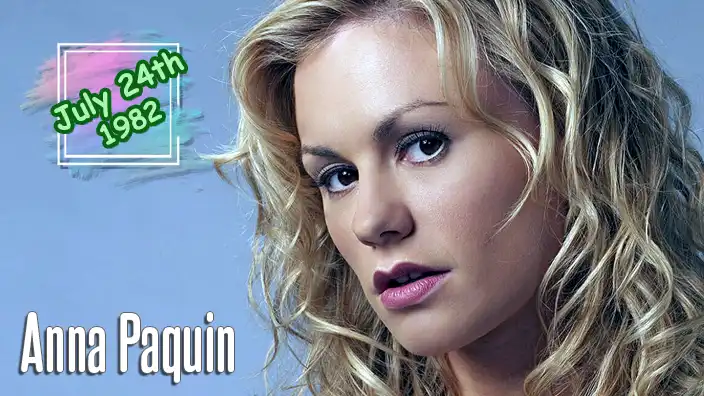
Anna Paquin has accomplished something most actors only dream about—winning an Oscar before she was old enough to drive, vote, or even worry about filing taxes. She somehow managed to avoid becoming "that child actor everyone remembers from one movie" by following it up with superheroes, vampires, and enough memorable performances to make Hollywood realize that lightning really can strike twice.
July 24, 1982, in Winnipeg, Canada
Trivia
- Won the Academy Award for Best Supporting Actress at age 11.
- Became one of the youngest Oscar winners in history.
- Made her acting debut in The Piano (1993).
- Played Rogue in the X-Men film series.
- Starred as Sookie Stackhouse in HBO's True Blood.
- Has worked extensively in both film and television.
- Holds both Canadian and New Zealand citizenship.
- Details
- Category: Celebrity Birthdays - July
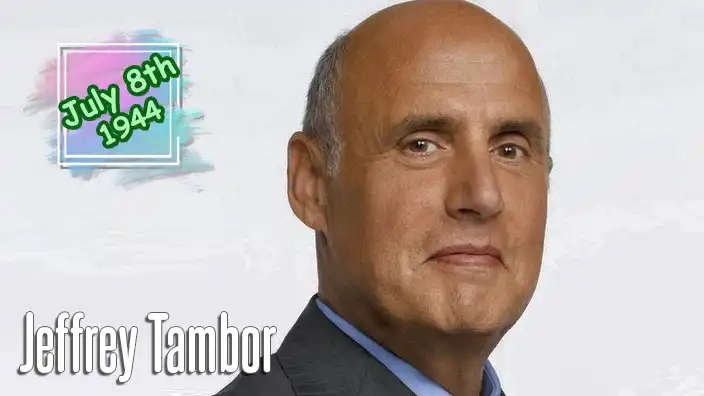
Some actors spend their careers chasing leading roles. Jeffrey Tambor built his reputation by becoming unforgettable in every role he played. With his remarkable ability to balance comedy, vulnerability, and eccentricity, Tambor became one of television's most recognizable performers. From the hilariously awkward George Bluth Sr. in Arrested Development to the groundbreaking role of Maura Pfefferman in Transparent, he has entertained audiences for more than four decades while earning widespread critical acclaim.
July 8, 1944, in San Francisco, California
Trivia
- Jeffrey Tambor earned a master's degree in theater before becoming a professional actor.
- He received multiple Emmy Award nominations for The Larry Sanders Show.
- He won two consecutive Primetime Emmy Awards for his performance in Transparent.
- His role as George Bluth Sr. helped make Arrested Development a television classic.
- Tambor has appeared in more than 100 film and television productions.
- He has worked extensively as a voice actor for animated films and television series.
- He published a memoir titled Are You Anybody?
- His acting career has spanned more than four decades.
- Details
- Category: Celebrity Birthdays - July
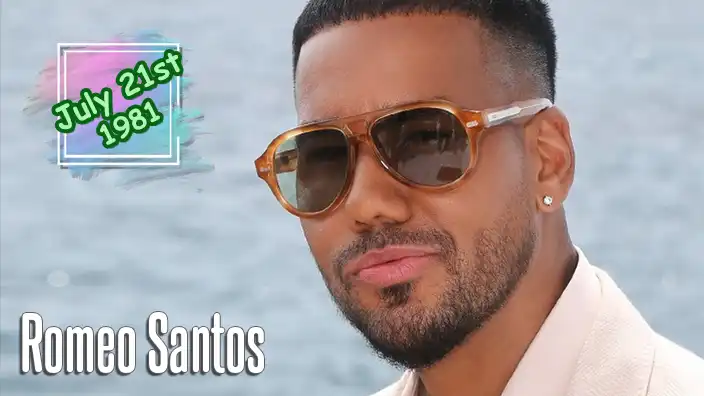
If you've ever heard a bachata song that made you want to dance, reminisce, or call someone you probably shouldn't, there's a good chance Romeo Santos had something to do with it. Armed with a smooth voice, poetic lyrics, and enough charisma to fill a stadium, he has transformed a traditional Dominican genre into a worldwide sensation. He also proves that singing about heartbreak can somehow leave millions of people smiling.
July 21, 1981, in The Bronx, New York City
Trivia
- Lead singer and primary songwriter of Aventura.
- Often called the King of Bachata.
- Helped make bachata a global music genre.
- Wrote many of Aventura's biggest hits.
- Collaborated with Usher, Drake, Rosalía, Justin Timberlake, Marc Anthony, and Bad Bunny.
- Starred in a cameo role in Furious 7.
- Has sold out Yankee Stadium and MetLife Stadium.
- Known for writing romantic and emotionally driven songs.
- Details
- Category: Celebrity Birthdays - July
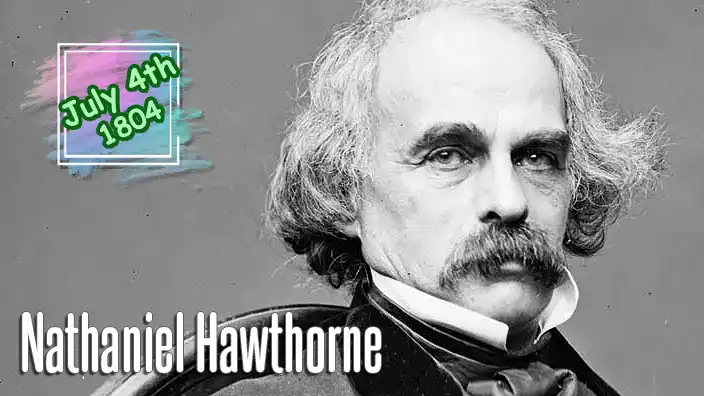
If Nathaniel Hawthorne could see high school students still reading The Scarlet Letter nearly two centuries later, he might be delighted—or he might apologize for all those vocabulary words that have sent generations scrambling for a dictionary. Either way, few writers have managed to make guilt, secrets, and mysterious forests so unforgettable.
July 4, 1804, in Salem, Massachusetts
 May 19, 1864, in Plymouth, New Hampshire
Trivia
- Descended from Judge John Hathorne of the Salem Witch Trials.
- Graduated from Bowdoin College in 1825.
- Lifelong friend of future President Franklin Pierce.
- Married artist Sophia Peabody in 1842.
- Published The Scarlet Letter in 1850.
- Wrote The House of the Seven Gables (1851).
- Herman Melville dedicated Moby-Dick to Hawthorne.
- Served as United States Consul in Liverpool, England.
- Regarded as one of America's greatest Romantic writers.
- Details
- Category: Celebrity Birthdays - July
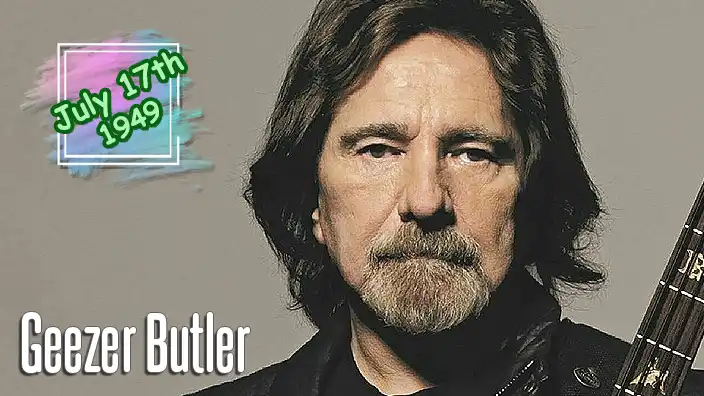
Every great band has someone who quietly keeps everything together, and in heavy metal that's often the bass player. While the guitarist gets the blazing solos and the singer commands the spotlight, the bassist is busy making the walls shake and rattling the neighbors' coffee cups. Geezer Butler mastered that art so well that he helped create an entire genre in the process.
July 17, 1949, in Birmingham, England
Trivia
- Is a founding member of Black Sabbath.
- Helped write many of the band's classic lyrics.
- Originally played guitar before switching to bass.
- Suggested the name Black Sabbath.
- Drew inspiration from horror films, literature, and philosophy.
- Is widely regarded as one of heavy metal's greatest bass players.
- Has performed with both Black Sabbath and Ozzy Osbourne's solo band.
- Was inducted into the Rock and Roll Hall of Fame in 2006.
- Is a longtime vegetarian and animal rights supporter.
- Enjoys writing and has published an autobiography.
- Influenced countless bass players across rock and heavy metal.
- Details
- Category: Celebrity Birthdays - July
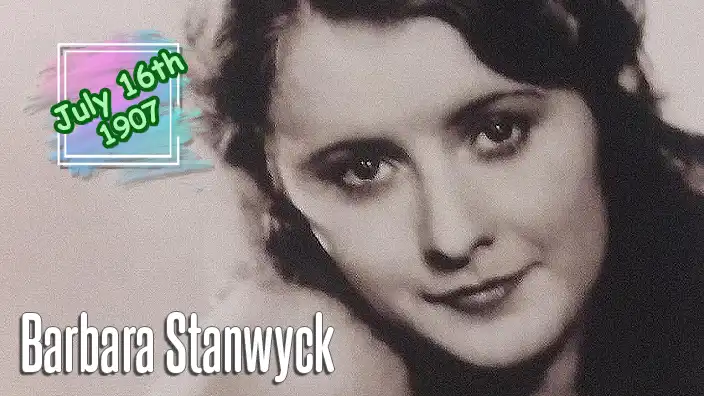
Some actors spend years trying to steal every scene they're in. Barbara Stanwyck seemed to do it without appearing to break a sweat. Whether she was playing a devoted wife, a fearless businesswoman, a cunning femme fatale, or a tough-as-nails ranch owner, she had a knack for making audiences forget everyone else was on the screen. If charisma could be bottled, Hollywood would still be trying to figure out her recipe.
July 16, 1907, in Brooklyn, New York
January 20, 1990, in Santa Monica, California
Trivia
- Appeared in more than 80 feature films.
- Received four Academy Award nominations.
- Won an Honorary Academy Award in 1982.
- Received the AFI Life Achievement Award in 1987.
- Starred in the classic film noir Double Indemnity.
- Won an Emmy Award for The Big Valley.
- Was married to actors Frank Fay and Robert Taylor.
- Began her career as a Broadway chorus girl.
- Ranked by the American Film Institute among the greatest female screen legends.
- Worked successfully in film, television, and theater for over 60 years.
- Details
- Category: Celebrity Birthdays - July
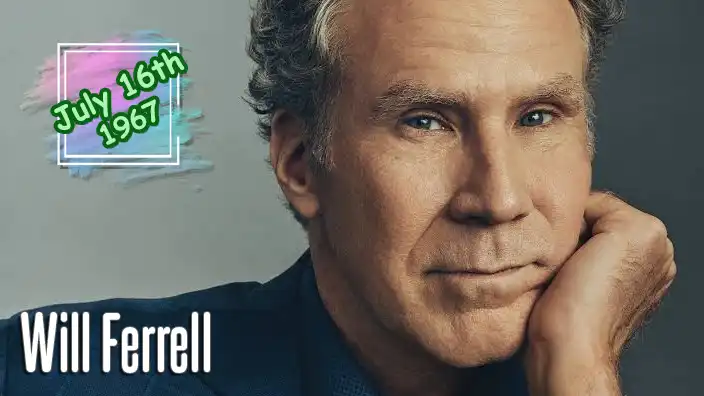
Making people laugh sounds easy until you try it on millions of viewers every Saturday night. Will Ferrell somehow turned awkward pauses, over-the-top confidence, and complete commitment to ridiculous situations into an art form. He has the rare ability to make audiences laugh simply by walking into a room with a perfectly serious expression before everything goes gloriously off the rails.
July 16, 1967, in Irvine, California
Trivia
- Graduated from the University of Southern California.
- Began his comedy career with The Groundlings.
- Starred on Saturday Night Live from 1995 to 2002.
- Famous for playing Ron Burgundy in Anchorman.
- Starred as Buddy in the holiday classic Elf.
- Frequent collaborator with John C. Reilly.
- Co-founded Gary Sanchez Productions.
- Won the Mark Twain Prize for American Humor in 2011.
- Played for ten MLB teams in one day during spring training for charity.
- Part owner of Los Angeles FC in Major League Soccer.
- Details
- Category: Celebrity Birthdays - July
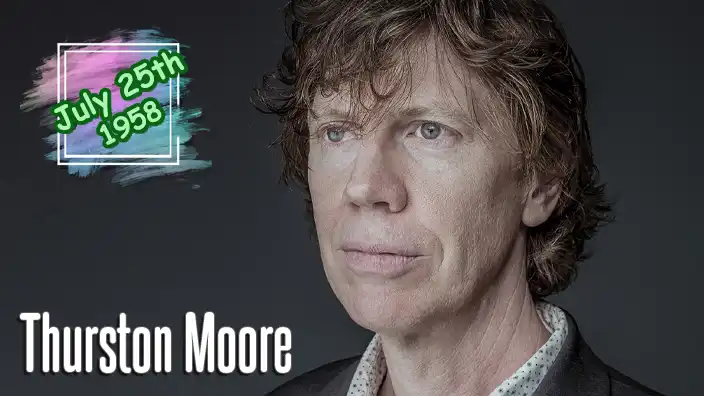
Many guitarists spend years trying to eliminate buzzing, distortion, and feedback. Thurston Moore heard all three and apparently thought, “Yes, but what happens if we turn them into an entire musical language?” The result helped reshape alternative rock and inspired generations of musicians to treat the electric guitar as something more adventurous than a machine for producing tidy solos. He proved that organized noise could be intelligent, expressive, and influential—although it probably still worried the neighbors.
July 25, 1958, in Coral Gables, Florida
Trivia
- He co-founded Sonic Youth in 1981.
- He served as a guitarist, vocalist, and songwriter for the band.
- He is known for using numerous alternate guitar tunings.
- He frequently used feedback as a deliberate musical element.
- Sonic Youth’s Daydream Nation entered the National Recording Registry.
- He founded the independent label Ecstatic Peace!
- His first widely recognized solo album was Psychic Hearts.
- He formed the band Chelsea Light Moving.
- Details
- Category: Celebrity Birthdays - July
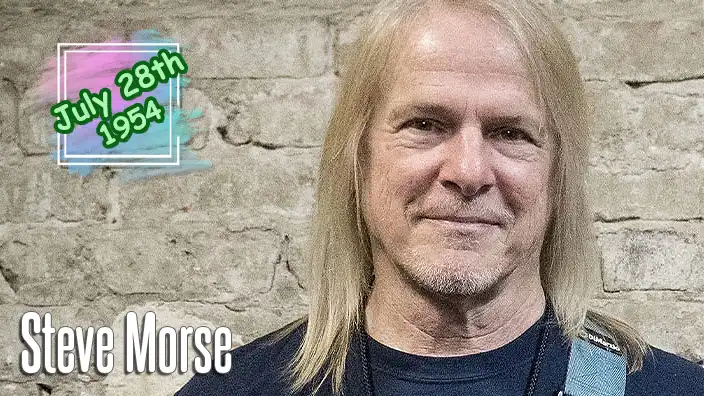
Some guitarists play so many notes that audiences wonder whether they accidentally leaned on the fast-forward button. Steve Morse, however, somehow makes lightning-speed playing sound as relaxed as someone chatting over a cup of coffee. While the rest of us might struggle to remember where we left the TV remote, Morse can effortlessly navigate fretboards that look more like obstacle courses than musical instruments. Watching him perform is a bit like watching a master chef prepare a gourmet meal with one hand tied behind his back—you know it's incredibly difficult, but he makes it look unfairly easy.
July 28, 1954, in Hamilton, Ohio
Trivia
- Co-founded the Dixie Dregs
- Studied at the University of Miami School of Music
- Joined Kansas in the 1980s
- Became Deep Purple's guitarist in 1994
- Served with Deep Purple for 28 years
- Released numerous acclaimed solo albums
- Known for hybrid picking and exceptional versatility
- Has several signature guitar models
- Frequently ranked among the world's greatest guitarists
- Stepped away from Deep Purple in 2022 to care for his wife
- Details
- Category: Celebrity Birthdays - July
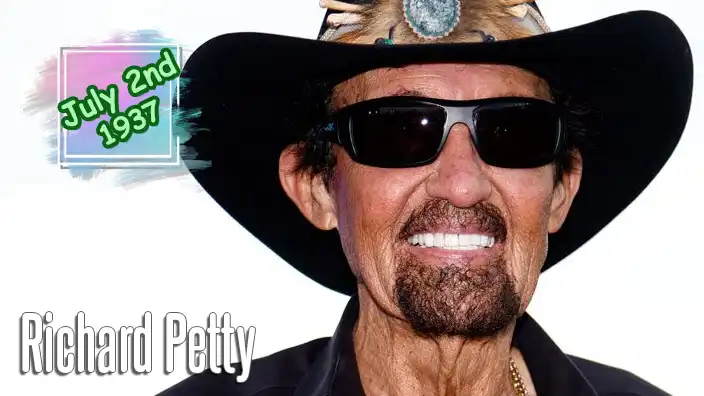
Richard Petty did not merely drive race cars; he made them look as if they were late for church, supper, and a family reunion all at once. With the hat, the sunglasses, the smile, and that unmistakable No. 43, he became NASCAR royalty without needing a crown, although judging by the nickname, everybody saved him the trouble.
July 2, 1937, in Level Cross, North Carolina
Trivia
- He won 200 NASCAR Cup Series races.
- He won seven Cup Series championships.
- He won the Daytona 500 seven times.
- His famous car number was 43.
- Petty won 27 races in 1967.
- He won 10 consecutive races in 1967.
- He was NASCAR Rookie of the Year in 1959.
- He retired from driving in 1992.
- He joined the first NASCAR Hall of Fame class in 2010.
- He voiced “The King” in Pixar’s Cars.
- His father, Lee Petty, was also a NASCAR champion.
- His son Kyle Petty also raced in NASCAR.
- Details
- Category: Celebrity Birthdays - July
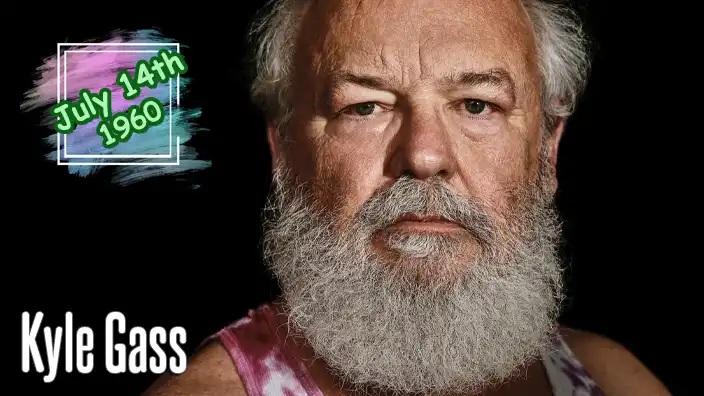
Some musicians become famous by standing in the spotlight. Kyle Gass proved you can become just as famous by standing next to Jack Black, calmly shredding a guitar while chaos erupts all around you. With an expression that rarely changes and a beard that deserves its own dressing room, Gass has spent decades reminding audiences that the straight-faced guy is often the funniest person on stage.
July 14, 1960, in Walnut Creek, California
Trivia
- Studied theater at UCLA.
- Met Jack Black while attending college.
- Co-founded Tenacious D in the 1990s.
- Plays guitar, vocals, mandolin, flute, recorder, and other instruments.
- Founded the Kyle Gass Band.
- Appeared in the film Tenacious D in The Pick of Destiny.
- Helped Tenacious D win a Grammy Award in 2015.
- Known for his famously deadpan stage presence.
- Details
- Category: Celebrity Birthdays - July
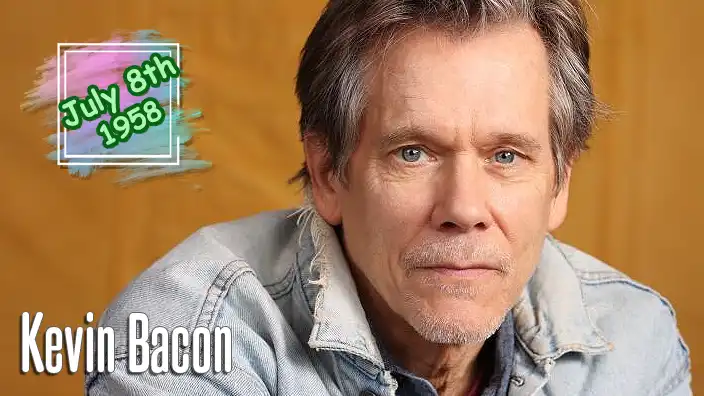
Some actors become famous for one unforgettable role. Kevin Bacon somehow managed to become famous for dozens of them—and for inspiring a game that proves just how connected Hollywood really is. Whether he's dancing through a small town in Footloose, surviving the dangers of Apollo 13, or battling giant underground monsters in Tremors, Bacon has spent more than four decades proving he can tackle almost any role. His remarkable versatility has made him one of the most recognizable and respected actors of his generation.
July 8, 1958, in Philadelphia, Pennsylvania
Trivia
- The game Six Degrees of Kevin Bacon inspired serious academic studies of social networks.
- He has appeared in more than 100 film and television productions.
- Kevin Bacon and Kyra Sedgwick have been married since 1988.
- He is also an accomplished musician and performs with his brother Michael as The Bacon Brothers.
- Despite his association with dancing, he has joked that he doesn't consider himself much of a dancer.
- He received a star on the Hollywood Walk of Fame in 2003.
- Details
- Category: Celebrity Birthdays - July
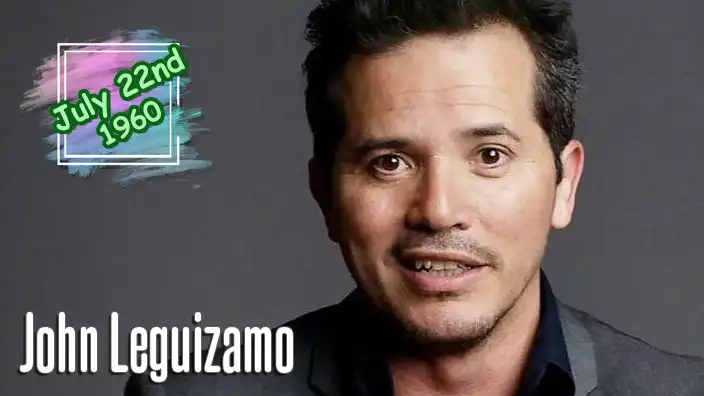
John Leguizamo has spent his career proving that one person really can play almost everybody. Give him a stage, a camera, or even a recording booth, and before long he's transformed into a dozen completely different characters. Somewhere, a costume department is probably still trying to catch its breath.
July 22, 1960, in Bogotá, Colombia
Trivia
- Began his career performing stand-up comedy.
- Starred in several acclaimed one-man Broadway shows.
- Played Henri de Toulouse-Lautrec in Moulin Rouge!
- Voices Sid the Sloth in the Ice Age films.
- Voiced Bruno Madrigal in Disney's Encanto.
- Appeared in Carlito's Way and Romeo + Juliet.
- Won Emmy and Drama Desk Awards for his stage work.
- Advocate for Latino representation in entertainment.
- Writer, producer, playwright, and actor.
- Details
- Category: Celebrity Birthdays - July
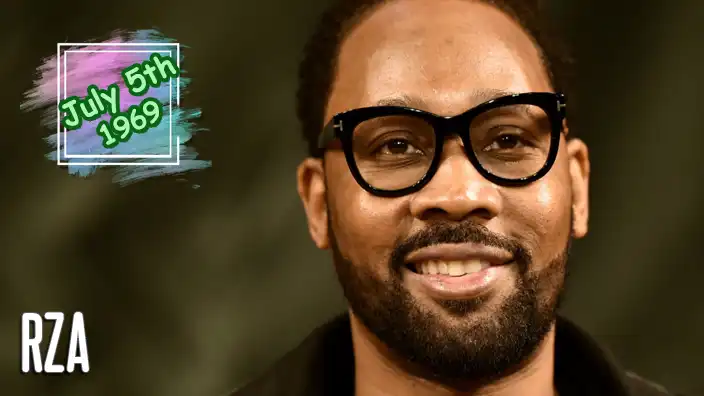
Some people organize family gatherings. RZA organized nine rappers, each with a larger-than-life personality, and somehow turned the result into one of the greatest hip-hop groups ever assembled. That's a bit like trying to conduct an orchestra where every musician insists on being the soloist. Somehow, he made it work—and changed music history in the process.
July 5, 1969, in Brooklyn, New York
Trivia
- Founder and chief producer of the Wu-Tang Clan.
- Produced Enter the Wu-Tang (36 Chambers).
- Negotiated Wu-Tang's groundbreaking recording contracts.
- Directed The Man with the Iron Fists.
- Composed music for numerous Hollywood films.
- Lifelong fan of martial arts and kung fu movies.
- Author of The Tao of Wu.
- Has worked as a rapper, producer, actor, director, composer, and screenwriter.
- Frequently blends philosophy with his creative work.
- Considered one of the most influential hip-hop producers of all time.
- Details
- Category: Celebrity Birthdays - July
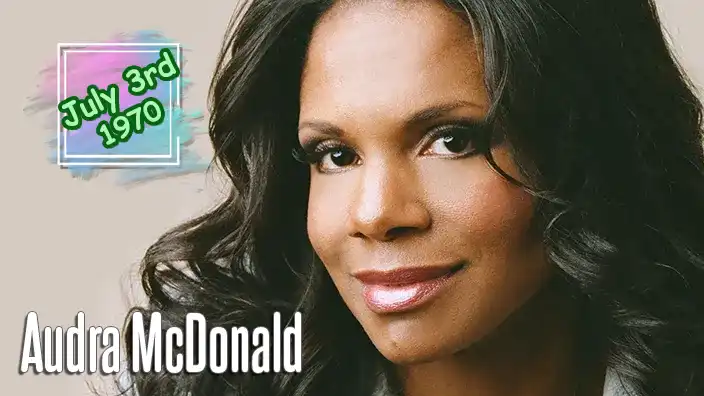
Some performers collect souvenirs while traveling. Audra McDonald has collected Tony Awards instead. At this point, Broadway might consider installing a revolving door between her dressing room and the awards stage just to save everyone time. Fortunately for theatre lovers, she has never treated success as a reason to slow down, continuing to raise the bar with every new performance.
July 3, 1970, in West Berlin, Germany
Trivia
- Graduated from the Juilliard School in 1993.
- Holds the record for the most Tony Award wins by a performer.
- Is the only performer to have won Tony Awards in all four acting categories.
- Won Grammy Awards, an Emmy Award, and the National Medal of Arts.
- Starred in Carousel, Ragtime, Porgy and Bess, and Lady Day at Emerson's Bar and Grill.
- Appeared in the television series Private Practice, The Good Fight, and The Gilded Age.
- Co-founded Black Theatre United to promote diversity and opportunity in theatre.
- Is widely regarded as one of the greatest Broadway performers of her generation.
- Details
- Category: Celebrity Birthdays - July
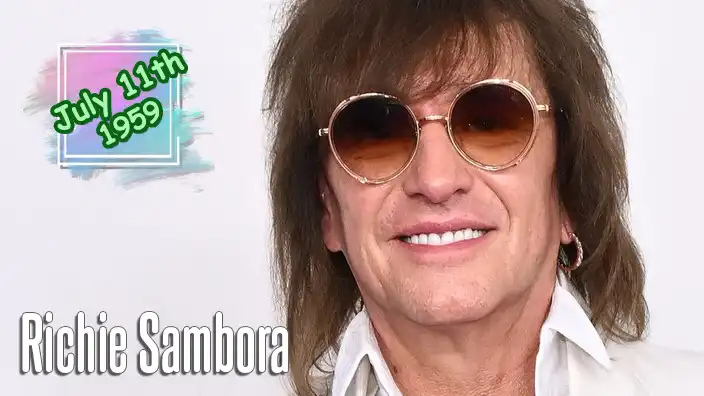
Every great rock band has someone who can make a guitar sing, roar, and occasionally convince the neighbors that windows are merely optional. Richie Sambora spent decades doing exactly that. While the lead singer often grabbed the spotlight, Sambora was busy creating the unforgettable riffs and soaring solos that had millions of fans turning up the volume and pretending their living room was a sold-out stadium.
July 11, 1959, in Perth Amboy, New Jersey
Trivia
- Joined Bon Jovi in 1983.
- Served as the band's lead guitarist for 30 years.
- Co-wrote many of Bon Jovi's biggest hits.
- Plays guitar, piano, bass, and several other instruments.
- Released multiple solo albums.
- Inducted into the Rock and Roll Hall of Fame in 2018 as a member of Bon Jovi.
- Has collaborated with numerous artists across rock and blues.
- Known for his signature melodic guitar solos.
- Continues to record and perform as a solo artist.
- Details
- Category: Celebrity Birthdays - July
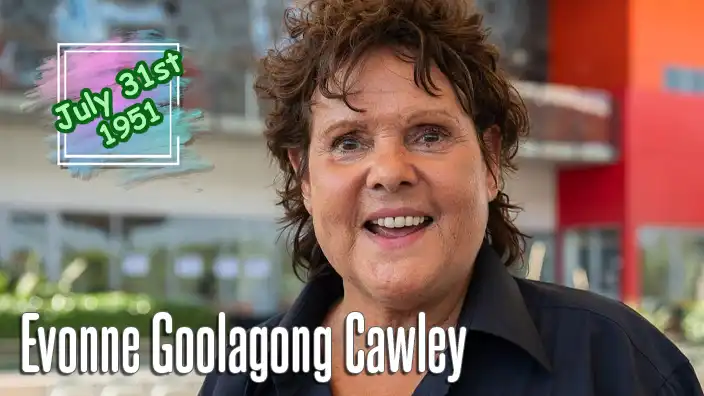
Some tennis champions overwhelm opponents with sheer power. Evonne Goolagong Cawley often seemed to glide across the court so effortlessly that she made world-class tennis look like a pleasant afternoon stroll. Opponents, meanwhile, were usually doing considerably more running than strolling. Watching her play was rather like watching someone dance while everyone else was busy trying not to trip over their own feet.
July 31, 1951, in Griffith, Australia
Trivia
- Former World No. 1 in women's tennis.
- Won 7 Grand Slam singles titles.
- Captured 12 Grand Slam titles across singles, doubles, and mixed doubles.
- Won Wimbledon in both 1971 and 1980.
- Won four consecutive Australian Open singles titles (1974–1977).
- Became the first mother to win Wimbledon since 1914.
- Won 68 career singles titles.
- Inducted into the International Tennis Hall of Fame in 1988.
- Named Australian of the Year in 1971.
From Our Marks Catelog
-

Pizza is the ultimate customizable dish. It caters to all, from the staunch meat-lover who wants...
-

Your toes don't ask for much. They spend their days squeezed into shoes, dodging coffee tables,...
-

You’re trying to relax after a long day, but your dog has decided that now is the perfect time to...
-
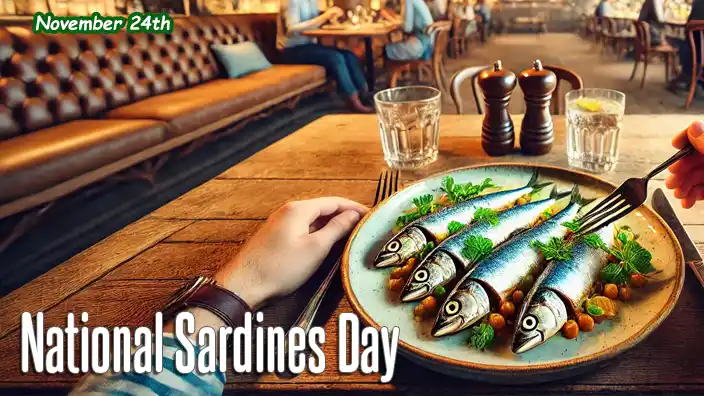
Tiny, shiny, and unapologetically bold, these little fish have a knack for stealing the show at...
-
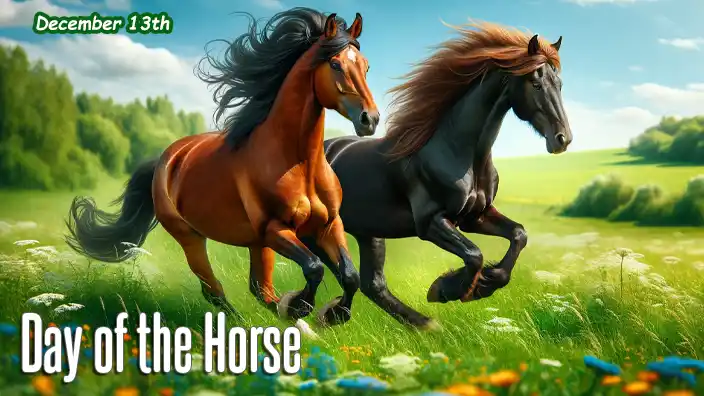
Horses are the comedians of the animal world, even if they don’t realize it. From sneaky maneuvers...
-
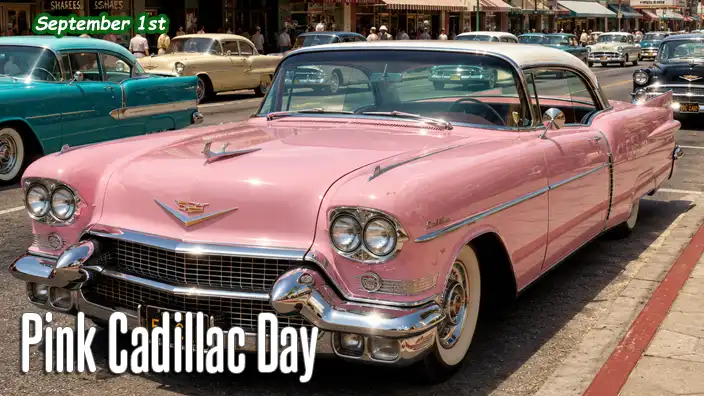
Some cars are built to get you from point A to point B. The Pink Cadillac was built to make sure...

