July 5, 1969, in Brooklyn, New York
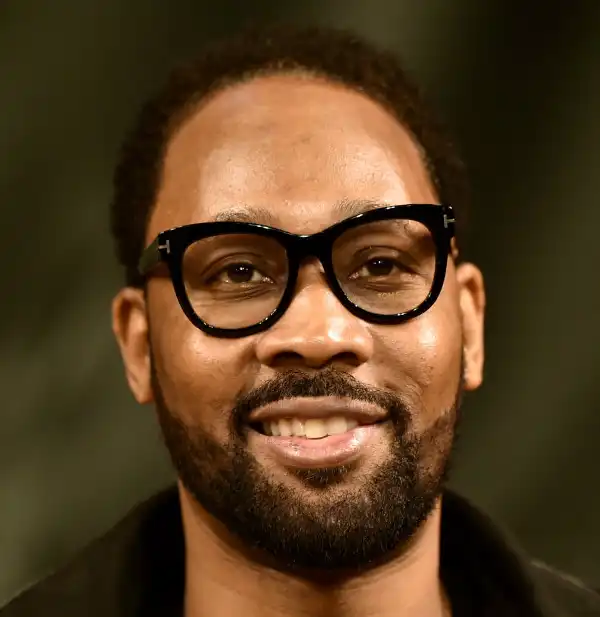
Robert Fitzgerald Diggs, better known by his stage name RZA, was born in Brooklyn, New York. As the founder, chief producer, and creative architect of the Wu-Tang Clan, he helped redefine hip-hop during the 1990s with a sound unlike anything audiences had heard before. Beyond music, he has established successful careers as a composer, actor, director, screenwriter, and author, proving that creativity can thrive well beyond a single profession.
Growing up in Brooklyn and later Staten Island, RZA developed an early appreciation for music, martial arts films, philosophy, and literature. These seemingly unrelated interests would eventually blend into the distinctive identity of the Wu-Tang Clan. References to kung fu movies, Eastern philosophy, comic books, and street life became trademarks of both his lyrics and production style.
During the late 1980s, Diggs experimented with music under the name Prince Rakeem before recognizing that a larger vision was possible. He imagined a collective of talented rappers who could succeed both as a group and as individual artists. That vision became Wu-Tang Clan, officially formed in 1992 with members GZA, Ol' Dirty Bastard, Method Man, Raekwon, Ghostface Killah, Inspectah Deck, U-God, Masta Killa, and Cappadonna later joining the extended family. It was an ambitious concept that revolutionized how hip-hop groups operated. (en.wikipedia.org)
The group's debut album, Enter the Wu-Tang (36 Chambers), arrived in 1993 and quickly became one of the most influential albums in hip-hop history. Produced almost entirely by RZA, the record featured gritty drum loops, haunting soul samples, sparse arrangements, and raw street energy. At a time when polished production was becoming more common, RZA embraced imperfections, creating a darker, more atmospheric sound that countless producers would later imitate.
One of RZA's greatest achievements wasn't simply producing hit records—it was his business strategy. He negotiated a groundbreaking arrangement that allowed individual Wu-Tang members to sign separate recording contracts with different record labels while remaining united under the Wu-Tang banner. This innovative approach gave each artist creative freedom while strengthening the group's overall influence, a model that has been studied throughout the music industry.
Throughout the 1990s, RZA produced landmark solo albums for Wu-Tang members, including Method Man's Tical, Raekwon's Only Built 4 Cuban Linx..., GZA's Liquid Swords, and Ghostface Killah's Ironman. These albums are widely regarded as classics and demonstrated his remarkable ability to tailor production to each artist's unique style while maintaining a recognizable Wu-Tang identity.
His production style became instantly recognizable. Instead of clean studio perfection, RZA favored gritty textures, off-center drum patterns, eerie piano melodies, chopped soul samples, and dramatic pauses. The result was music that sounded cinematic long before hip-hop producers routinely described albums as "movie-like."
RZA's fascination with film naturally led him toward Hollywood. He began composing scores for movies, bringing his atmospheric style to productions including Ghost Dog: The Way of the Samurai, Kill Bill: Volume 1, Blade: Trinity, and The Man with the Iron Fists. His understanding of mood and storytelling translated seamlessly from music production to film composition. (en.wikipedia.org)
In 2012, RZA made his directorial debut with The Man with the Iron Fists, a martial arts film that reflected his lifelong admiration for classic kung fu cinema. Not content simply to direct, he also co-wrote the screenplay, starred in the film, and composed much of its music. It was perhaps the ultimate example of wearing multiple creative hats at once.
Acting soon became another successful chapter in his career. He has appeared in films such as American Gangster, Funny People, Coffee and Cigarettes, Nobody, and Bullet Train, as well as television series including Californication and Gang Related. While never abandoning music, he steadily earned respect as a versatile screen performer.
Outside entertainment, RZA has become known for his thoughtful discussions about philosophy, creativity, meditation, and self-improvement. He has written several books, including The Tao of Wu, in which he reflects on spirituality, leadership, artistic growth, and the experiences that shaped both his life and the Wu-Tang Clan. His willingness to explore subjects beyond music has broadened his influence far beyond hip-hop audiences.
One reason RZA remains so highly respected is his constant willingness to evolve. While many artists spend their careers repeating successful formulas, he has consistently embraced new challenges, whether composing orchestral scores, directing films, acting, writing books, or collaborating with artists from different musical genres.
His influence on music production is difficult to overstate. Countless producers cite his work as an inspiration, particularly his unconventional sampling techniques, cinematic arrangements, and fearless experimentation. The sound he pioneered helped shape not only East Coast hip-hop but modern music production as a whole.
More than three decades after Wu-Tang Clan first emerged, RZA continues to create across multiple artistic disciplines. Whether behind a mixing console, in front of a camera, directing a film set, or composing orchestral music, he approaches every project with the same curiosity and imagination that first transformed a group of young New York rappers into global icons.