July 21, 1978, in Kingston, Jamaica
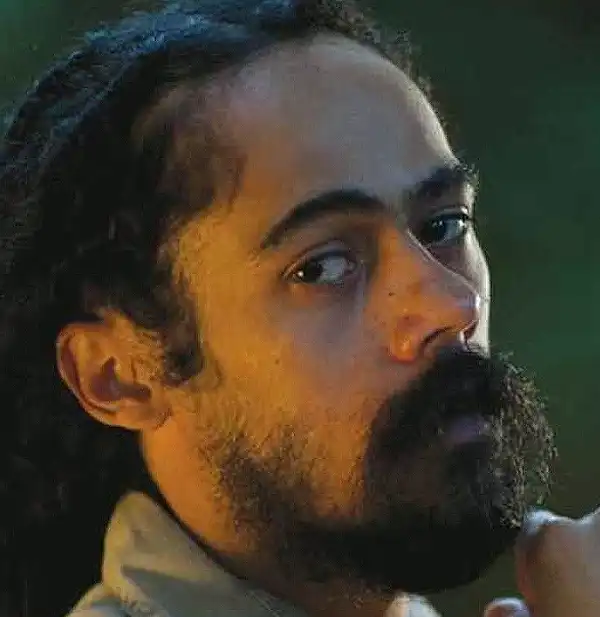
The youngest son of reggae legend Bob Marley and former Miss World Cindy Breakspeare, Damian grew up surrounded by music, culture, and the enormous legacy of one of the world's most influential artists. Although his father passed away when Damian was just two years old, the family's musical heritage remained a powerful influence throughout his life.
From an early age, Damian showed an interest in performing. By the age of 13, he had formed a musical group called The Shephards, beginning his journey as a recording artist while still a teenager. His early experiences helped him develop a distinctive sound that combined traditional reggae with dancehall energy and modern production techniques.
Damian released his debut album, Mr. Marley, in 1996. While the album introduced him to reggae audiences, it was his second release, Halfway Tree (2001), that firmly established him as an artist in his own right. The album reflected both sides of his heritage—his father's Jamaican roots and his mother's mixed-race background—and earned him his first Grammy Award for Best Reggae Album.
His international breakthrough came in 2005 with Welcome to Jamrock, an album that blended reggae, dancehall, and socially conscious lyrics with contemporary production. The title track became one of the defining reggae songs of the decade, addressing poverty, crime, and political corruption while introducing Damian's music to audiences around the world. The album earned two Grammy Awards and remains one of the most acclaimed reggae recordings of the 21st century.
Nicknamed "Jr. Gong," a tribute to his father Bob Marley's famous nickname "Tuff Gong," Damian has consistently balanced respect for reggae traditions with a willingness to experiment. His music often incorporates elements of hip-hop, R&B, and electronic production while remaining rooted in Jamaican rhythms and storytelling.
Throughout his career, Damian Marley has collaborated with an impressive range of artists. He has recorded with Nas, Jay-Z, Skrillex, Bruno Mars, Mick Jagger, Bobby Brown, Cypress Hill, and numerous reggae performers. His 2010 collaborative album Distant Relatives with rapper Nas received widespread critical acclaim for exploring themes of African history, identity, and cultural unity.
Damian has also worked alongside several of his siblings, including Stephen Marley, Ziggy Marley, Julian Marley, and Ky-Mani Marley. Together, the Marley family has continued to preserve and expand the musical legacy established by Bob Marley while each developing a unique artistic identity.
Beyond music, Damian has remained active in charitable and humanitarian efforts. Like his father, he has supported projects promoting education, youth development, and social improvement throughout Jamaica and internationally. His lyrics frequently address issues such as inequality, poverty, political responsibility, and environmental awareness.
His live performances are known for their energy, authenticity, and connection with audiences. Whether performing at reggae festivals, international music events, or headline concerts, Damian combines traditional Jamaican sounds with modern musical influences, creating performances that appeal to longtime reggae fans and younger listeners alike.
Over the years, Damian Marley has received multiple Grammy Awards and numerous international honors. Critics regularly praise his songwriting, production skills, and ability to keep reggae relevant for new generations while remaining faithful to its cultural foundations.
Today, Damian Marley is regarded as one of the leading voices in modern reggae. Rather than simply following in the footsteps of his legendary father, he has carved out his own successful career through originality, meaningful lyrics, and a commitment to using music as both entertainment and a platform for positive change.