Every Tail, Feather, and Paw Matters
Whether they bark, purr, chirp, hop, slither, or simply stare at us with that unmistakable "Are you going to share that sandwich?" look, animals enrich our lives in countless ways. Kindness to Animals Day, observed each year on October 4, is a reminder that compassion isn't reserved for people alone. From beloved household pets to wildlife roaming forests and oceans, every living creature deserves respect, proper care, and the opportunity to live free from unnecessary suffering.
Kindness to Animals Day encourages people of all ages to think about how their everyday actions affect the animals around them. Whether it's adopting a shelter pet, providing fresh water for birds, supporting wildlife conservation, or simply giving your faithful dog an extra scratch behind the ears, small acts of kindness can make an enormous difference. After all, the world is a much friendlier place when everyone—humans included—treats its creatures with a little more compassion.
What Is Kindness to Animals Day?
Kindness to Animals Day is an international celebration that encourages people to treat all animals with compassion, respect, and care. Whether it's a loyal family dog, a curious backyard squirrel, a hardworking farm animal, or a whale cruising through the ocean, every creature plays an important role in our world. The day reminds us that animals are living beings deserving of kindness, not simply resources or conveniences.
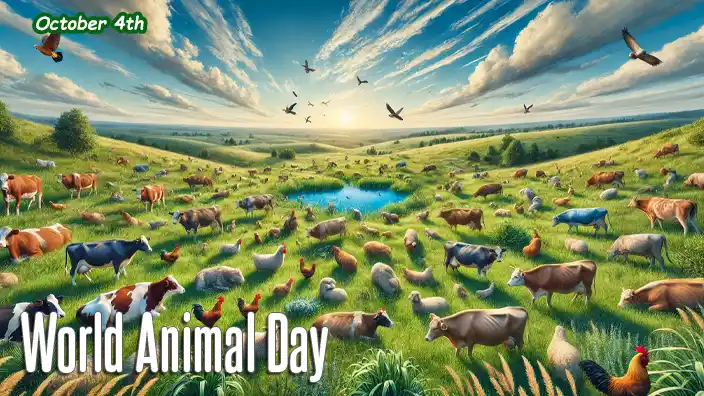
The observance is closely associated with World Animal Day, a global movement dedicated to improving animal welfare and raising awareness of the challenges faced by both domestic and wild animals. Animal shelters, rescue organizations, wildlife parks, schools, veterinarians, and conservation groups often mark the day with educational programs, adoption events, fundraising campaigns, and volunteer opportunities designed to improve the lives of animals everywhere.
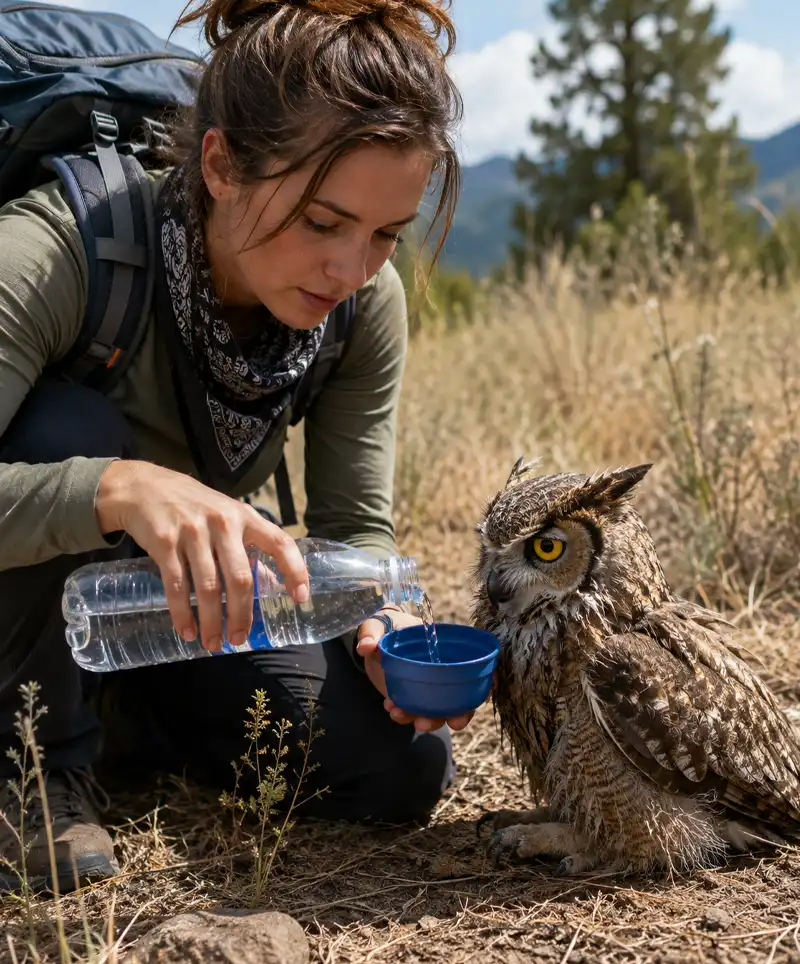
Kindness to Animals Day isn't just about grand gestures. In fact, the simplest acts often have the greatest impact. Providing fresh water for birds during hot weather, choosing to adopt a shelter pet, keeping pets healthy with regular veterinary care, driving carefully through wildlife crossing areas, or simply resisting the temptation to disturb a nesting bird are all meaningful ways to show compassion. Even picking up litter can protect animals from injury or accidental ingestion.
The day also encourages us to think about how our everyday choices affect the natural world. Supporting responsible conservation efforts, protecting habitats, reducing pollution, and treating working animals humanely all contribute to healthier ecosystems where both people and wildlife can thrive together.
Perhaps the greatest lesson of Kindness to Animals Day is that compassion doesn't have to be complicated. Animals don't care whether kindness comes with applause, trophies, or social media posts. They're usually quite happy with a full food bowl, a safe place to sleep, and perhaps one extra treat… although if you ask your dog, he'll insist he was promised two.
How Kindness to Animals Became a Worldwide Movement
For thousands of years, people have depended on animals for food, transportation, farming, protection, and companionship. Ancient civilizations often revered certain animals as symbols of strength, wisdom, or good fortune, while others became trusted partners in everyday life. Although attitudes toward animal welfare varied greatly throughout history, the idea that animals should be treated with compassion gradually gained acceptance as societies evolved.
One of the most influential figures in this movement was St. Francis of Assisi, the Italian friar who lived during the 12th and 13th centuries. Renowned for his humility and love of nature, St. Francis believed that every living creature had value and deserved kindness. Stories of him preaching to birds, caring for injured animals, and living peacefully alongside wildlife have inspired people for centuries. Because of his enduring compassion for all living things, his feast day, October 4, became closely associated with animals and those who care for them.
During the 1800s, concern for the humane treatment of animals began to grow into organized action. Animal welfare societies were established in Europe and North America to prevent cruelty, improve the treatment of working animals, and educate the public about responsible care. These early organizations laid the foundation for many of today's shelters, rescue groups, veterinary charities, and wildlife conservation organizations.
The movement gained an international focus in 1931, when conservationists meeting in Florence, Italy, proposed World Animal Day as an annual observance dedicated to improving the welfare of animals everywhere. October 4 was chosen in honor of St. Francis of Assisi, reinforcing the connection between compassion, stewardship, and respect for all forms of life. Since then, countries around the world have celebrated the occasion with educational programs, adoption events, fundraising campaigns, wildlife conservation projects, and community activities that promote responsible animal care.
Today, Kindness to Animals Day continues that tradition by reminding us that compassion isn't limited by species. Whether you're adopting a shelter pet, protecting wildlife habitats, supporting conservation efforts, or simply making sure the neighborhood birds have fresh water during a heatwave, every act of kindness helps build a world where animals and people can thrive together. Besides, your dog already believes you're the greatest human on Earth—you might as well give the squirrels something nice to say about you, too.
Why Kindness to Animals Matters
Kindness to animals is about far more than simply being nice to pets. Every act of compassion helps create healthier communities, stronger ecosystems, and a better quality of life for both animals and people. Whether it's caring for a family dog, protecting endangered wildlife, or supporting responsible farming practices, the way we treat animals reflects our respect for the natural world we all share.
For millions of people, pets are cherished members of the family. Dogs greet us at the door after a long day, cats curl up beside us when we need comfort, and countless other animals provide companionship, emotional support, and unconditional affection. Caring for them with proper nutrition, regular veterinary care, exercise, and plenty of attention helps ensure they live long, healthy, and happy lives.
Kindness also extends beyond our homes. Farm animals deserve clean living conditions, proper food, fresh water, and humane treatment throughout their lives. Wildlife depends on healthy habitats, clean rivers, thriving forests, and unpolluted oceans to survive. Even small actions—such as properly disposing of fishing line, reducing plastic waste, or planting flowers for bees and butterflies—can have a meaningful impact on local ecosystems.
Many animals give back to humanity in extraordinary ways. Guide dogs help people with vision loss navigate safely. Therapy animals bring comfort to hospital patients and nursing home residents. Search-and-rescue dogs locate missing people after natural disasters, while police and military animals serve alongside their human partners with remarkable courage. Pollinators such as bees and butterflies make it possible for many of the fruits, vegetables, and flowers we enjoy to flourish.
Scientific research has also shown that treating animals with kindness benefits people. Spending time with pets can reduce stress, lower blood pressure, encourage exercise, and ease feelings of loneliness. Children who learn empathy and responsibility by caring for animals often carry those qualities into adulthood, strengthening relationships with both people and animals alike.
Perhaps the greatest reason kindness matters is that animals depend on us far more than we often realize. They cannot speak for themselves, advocate for better treatment, or repair the habitats we damage. The choices we make—whether adopting a shelter pet, supporting wildlife conservation, or simply slowing down when wildlife crosses the road—can make a genuine difference.
Fortunately, kindness doesn't require deep pockets or heroic deeds. Sometimes it's as simple as filling a birdbath on a hot summer day, returning a wandering turtle safely across the road, or resisting the urge to tell your cat that knocking your favorite coffee mug off the table was a "learning experience." Animals may not always understand our words, but they almost always understand our actions.
Simple Ways to Show Kindness to Animals
One of the best things about Kindness to Animals Day is that anyone can participate. You don't need to own a pet, volunteer every weekend, or have a degree in wildlife biology. Many of the most meaningful acts of kindness are simple, inexpensive, and take only a few minutes. When enough people make small changes, the combined effect can improve the lives of countless animals.
- Adopt Instead of Shop
If you're thinking about bringing a pet into your family, consider adopting from a local animal shelter or rescue organization. Millions of healthy, loving dogs, cats, rabbits, and other animals are waiting for permanent homes. Adoption not only gives an animal a second chance but also helps shelters make room for others in need. - Be a Responsible Pet Owner
Pets depend entirely on their owners for food, water, shelter, medical care, exercise, and affection. Regular veterinary checkups, vaccinations, proper nutrition, grooming, and plenty of playtime help ensure your furry, feathered, or scaled companions live healthy, happy lives. - Support Your Local Animal Shelter
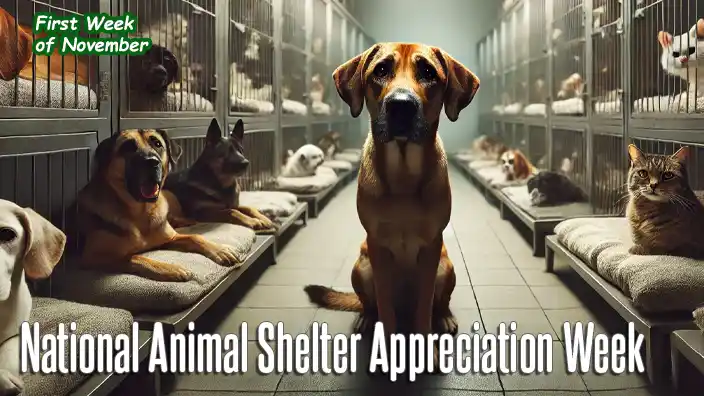
Animal shelters and rescue groups often operate on limited budgets and rely heavily on donations and volunteers. Money is always appreciated, but blankets, towels, pet food, cleaning supplies, toys, and your time can be just as valuable. - Help Backyard Wildlife
You don't have to live near a national park to support wildlife. Plant native flowers for bees and butterflies, provide fresh water during hot weather, install bird feeders responsibly, and avoid disturbing nests or dens. Even leaving a few fallen leaves in the garden can provide shelter for beneficial insects and small animals. - Keep Nature Clean
Litter can be deadly for wildlife. Plastic bags, fishing line, balloons, and other discarded items may become entangled around animals or be mistaken for food. Picking up trash during a walk or reducing your use of single-use plastics helps protect animals both on land and in the water. - Drive With Wildlife in Mind
Many animals are most active around dawn and dusk. Slow down in areas marked with wildlife crossing signs, remain alert on rural roads, and give animals time to cross safely. Arriving home a minute later is far preferable to causing unnecessary harm. - Report Animal Cruelty
If you witness neglect, abuse, or injured wildlife, notify the appropriate local authorities or licensed wildlife rehabilitation organizations. Speaking up may save an animal's life and help prevent future suffering. - Choose Wildlife-Friendly Products
Supporting companies that promote sustainable farming, responsible fishing, and cruelty-free practices encourages businesses to continue improving their treatment of animals and the environment. - Teach Kindness to Children
Children often develop lifelong values by watching the adults around them. Teaching young people how to gently handle pets, respect wildlife, and understand that animals have needs and feelings helps build a more compassionate future for everyone.
The wonderful thing about kindness is that it doesn't have to be dramatic to make a difference. Every bowl of fresh water, every rescued animal, every cleaned-up park, and every gentle hand contributes to a better world. And if your dog rewards your efforts by enthusiastically "helping" you dig up the flower bed afterward... well, at least his heart was in the right place.
Animals That Help Humans Every Day
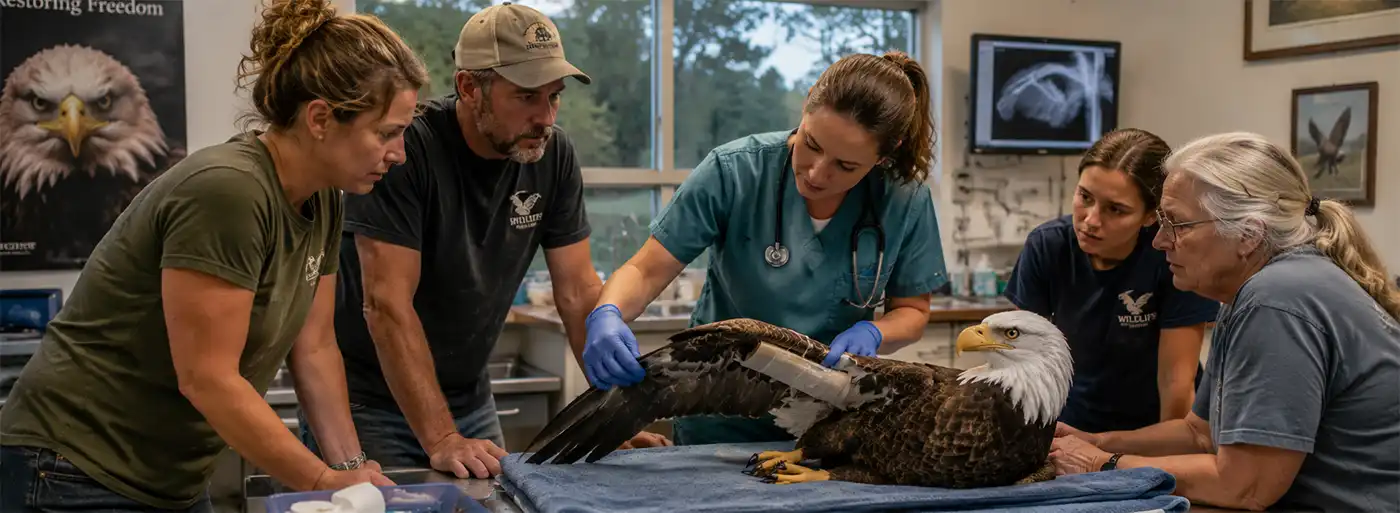
When people think about animals, they often picture beloved family pets or fascinating wildlife living in distant forests and oceans. Yet every single day, millions of animals quietly improve our lives in ways we often overlook. Some provide companionship and comfort, others help feed the world, and many perform remarkable jobs that require intelligence, courage, and unwavering loyalty.
- Service Animals
Perhaps the best-known helpers are service dogs, specially trained to assist people with disabilities. Guide dogs safely lead individuals who are blind or have low vision, while other service dogs help those with mobility challenges, hearing impairments, diabetes, epilepsy, or post-traumatic stress disorder (PTSD). Their training can take years, but the independence they provide is truly life-changing. - Therapy Animals
Unlike service animals, therapy animals visit hospitals, nursing homes, schools, and rehabilitation centers to provide comfort and emotional support. Dogs are the most common therapy animals, but cats, rabbits, miniature horses, and even llamas have been known to brighten someone's day. Sometimes a wagging tail or a gentle nuzzle can accomplish what words cannot. - Search and Rescue Heroes
When disaster strikes, specially trained dogs often become the first responders with four legs. Search and rescue dogs help locate missing hikers, children, disaster victims, and survivors trapped beneath collapsed buildings after earthquakes or other emergencies. Their extraordinary sense of smell allows them to detect scents that humans could never recognize. - Partners in Public Safety
Police and military working dogs serve alongside their human partners in demanding and often dangerous situations. They help locate missing people, detect explosives and illegal drugs, track suspects, and protect officers and soldiers. Their courage and dedication have saved countless lives around the world. - Farm Animals
For thousands of years, farm animals have helped sustain human civilization. Cattle, sheep, goats, chickens, pigs, and other livestock provide food, clothing materials, and valuable agricultural products. On many farms, horses, donkeys, and oxen still assist with transportation and field work, continuing traditions that stretch back centuries. - Pollinators
Some of the hardest workers are also among the smallest. Bees, butterflies, moths, hummingbirds, and other pollinators make it possible for many fruits, vegetables, nuts, and flowers to grow. Without their daily efforts transferring pollen from one blossom to another, many of the foods we enjoy would become far more difficult—and expensive—to produce. - Wildlife That Keeps Nature Balanced
Wild animals perform essential jobs that benefit everyone. Birds help control insect populations, bats consume enormous numbers of mosquitoes and crop pests, earthworms improve soil health, and predators help maintain balanced ecosystems by preventing certain animal populations from growing too large. Every species plays a role, even if we don't always notice it.
Whether they're guiding someone safely across a busy street, comforting a hospital patient, pollinating an apple orchard, or faithfully waiting by the front door when we come home, animals make our lives richer every day. The least we can do in return is treat them with the kindness and respect they've spent so much time earning. And yes, that includes thanking the family dog for faithfully supervising every barbecue—even if his real mission is keeping a close eye on the hamburgers.
Helping Wildlife Without Harming Wildlife
Most people genuinely want to help wild animals, but good intentions don't always produce good results. Unlike our household pets, wildlife is adapted to survive without human assistance. In many cases, the kindest thing we can do is allow animals to remain wild while protecting the habitats they depend on. Knowing when to help—and when to simply step back—is an important part of responsible wildlife conservation.
Observe From a Respectful Distance - Seeing deer, foxes, turtles, owls, or other wildlife in their natural habitat is always exciting. However, getting too close can cause unnecessary stress or even force animals to abandon nests or young. Binoculars and cameras with zoom lenses allow us to enjoy these encounters without disturbing the animals we're hoping to admire.
Don't Feed Wild Animals - Although it may seem helpful, feeding wild animals often creates more problems than it solves. Human food rarely provides proper nutrition, and regular feeding can cause animals to lose their natural fear of people, become dependent on handouts, or gather in unhealthy numbers. The exception is maintaining well-managed bird feeders and hummingbird feeders using appropriate food and keeping them clean to prevent the spread of disease.
Protect Natural Habitats - Wildlife needs safe places to eat, raise young, and find shelter. Supporting parks, wildlife refuges, forests, wetlands, and other protected areas helps preserve these habitats for future generations. Even planting native trees, shrubs, and flowers in your own yard can create valuable shelter and food sources for birds, butterflies, bees, and other beneficial wildlife.
Keep Pets Under Control - Cats and dogs are wonderful companions, but they can unintentionally threaten wildlife. Keeping cats indoors or supervising their outdoor time helps protect birds and small mammals. Dogs should be kept on a leash where required, especially in parks and nature preserves where they may disturb nesting birds or other wildlife.
Leave Young Animals Alone - Every spring, well-meaning people "rescue" young birds, rabbits, fawns, and other baby animals that aren't actually abandoned. In many cases, the parents are nearby and continue caring for their young when people leave the area. Unless an animal is clearly injured, orphaned, or in immediate danger, it's usually best to contact a licensed wildlife rehabilitator before intervening.
Reduce Pollution - Plastic waste, discarded fishing line, balloons, cigarette butts, and other litter can injure or kill wildlife. Recycling, disposing of trash properly, and participating in community cleanups help keep rivers, beaches, forests, and neighborhoods safer for countless species.
Drive Carefully - Many animals cross roads while searching for food, water, or mates. Slowing down in wildlife crossing areas—particularly during dawn and dusk—can prevent collisions that injure both animals and motorists. If you encounter turtles or other slow-moving animals crossing the road, only help if it is safe to do so, and always move them in the direction they were already traveling.
Helping wildlife isn't about making wild animals dependent on people—it's about giving them the best chance to thrive on their own. By respecting their space, protecting their habitats, and making thoughtful choices, we become good neighbors to the creatures that share our planet. Besides, a squirrel may appreciate your generosity, but he'd probably prefer you admire him from the picnic table rather than trying to invite him over for lunch.
Interesting Facts About Animals
The animal kingdom is filled with astonishing abilities, surprising behaviors, and remarkable adaptations. Some creatures possess talents that sound almost unbelievable, while others quietly perform incredible feats every day without expecting applause—or even a treat. Here are a few fascinating facts that highlight just how extraordinary our fellow inhabitants of Planet Earth really are.
Octopuses have three hearts. Two pump blood to the gills, while the third circulates blood throughout the rest of the body. Even more surprisingly, the heart supplying the body briefly stops beating when the octopus swims.
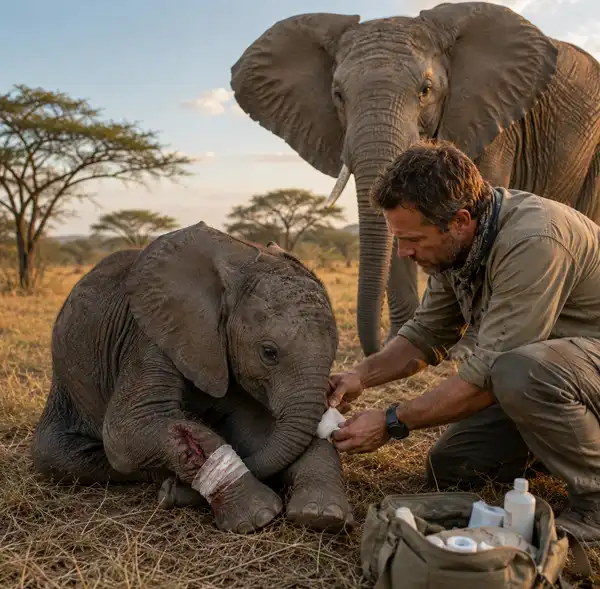
Elephants are known to mourn their dead. They have been observed gently touching the bones of deceased elephants, standing quietly nearby, and returning to the same locations over time.
Crows can recognize human faces. Research has shown that these highly intelligent birds can remember individual people for years and even warn other crows about someone they consider a threat.
Dolphins have names. Each dolphin develops a unique signature whistle that functions much like a personal name, allowing members of the pod to identify one another.
Bees communicate through dance. A honeybee returning to the hive performs a "waggle dance" to tell other bees the direction and distance of a good source of nectar or pollen.
Sea otters hold hands while they sleep. Floating together helps prevent them from drifting apart while resting in the ocean.
Owls can rotate their heads about 270 degrees. Their flexible neck structure allows them to look in almost every direction without moving their bodies.
A dog's sense of smell is extraordinary. Depending on the breed, dogs may have up to 300 million scent receptors, making them capable of detecting illnesses, locating missing people, and finding everything from truffles to lost car keys. (Well... usually.)
Cats don't always land on their feet—but they're remarkably good at it. Their famous "righting reflex" helps them twist their bodies in midair to improve their chances of landing safely.
Hummingbirds are the only birds capable of sustained backward flight. Their wings beat so rapidly that they can hover in place while feeding from flowers.
Blue whales are the largest animals ever known to have lived on Earth. An adult can reach lengths of more than 100 feet (30 meters), and its heart alone can weigh as much as a small automobile.
Peregrine falcons are the fastest animals on the planet. During a hunting dive, they can exceed speeds of 200 miles (320 kilometers) per hour.
A group of flamingos is called a "flamboyance." With their brilliant pink feathers, it's difficult to imagine a more appropriate name.
Some parrots can live for more than 70 years. Certain species, such as macaws and cockatoos, often become lifelong companions for several generations of one family.
Tardigrades, also known as water bears, are among Earth's toughest animals. These microscopic creatures can survive freezing temperatures, intense heat, radiation, and even the vacuum of space.
The more scientists study animals, the more incredible discoveries they make. Every species, from the tiniest insect to the largest whale, has evolved unique abilities that help it survive in its environment. Which just goes to show that nature has been inventing amazing ideas for millions of years... and somehow still hasn't figured out how to stop dogs from rolling in things we'd really rather they didn't.
How to Celebrate Kindness to Animals Day
Celebrating Kindness to Animals Day doesn't require elaborate plans or expensive gifts. In fact, the best way to honor the day is by making thoughtful choices that improve the lives of animals, whether they're living in your home, your neighborhood, or thousands of miles away in the wild. Every act of kindness, no matter how small, contributes to a world where animals are treated with the care and respect they deserve.
If you share your home with a pet, today is the perfect excuse to spend a little extra time together. Take your dog on a longer walk, toss a favorite toy around the backyard, brush your cat if they'll tolerate it, or simply sit quietly with the companion who faithfully greets you every day. Animals may not know it's a special observance, but they'll certainly appreciate the extra attention.
For those considering adding a pet to the family, Kindness to Animals Day is an excellent time to visit a local animal shelter or rescue organization. Thousands of healthy, loving animals are waiting for permanent homes, and adoption gives them the opportunity to become part of a caring family. Even if you're not ready to adopt, shelters are always grateful for donations of food, blankets, toys, towels, or volunteer time.
You can also celebrate by looking beyond household pets. Filling a birdbath with fresh water during hot weather, planting flowers that attract bees and butterflies, or cleaning litter from a local park or beach helps countless wild animals. Supporting wildlife conservation organizations, nature centers, or rehabilitation facilities is another meaningful way to contribute to the protection of animals and their habitats.
Kindness can also begin with learning. Spend a little time discovering more about endangered species, responsible pet ownership, or the fascinating wildlife living in your own community. Sharing that knowledge with children, friends, or neighbors helps spread awareness and encourages others to become good stewards of the natural world.
Perhaps the most meaningful way to celebrate is to make kindness a habit rather than a once-a-year event. Treat animals with patience, respect, and compassion every day. Drive carefully in wildlife crossing areas, report injured animals to the proper authorities, support organizations that protect animal welfare, and remember that every creature has a role to play in maintaining the balance of nature.
By the end of the day, you may not receive a certificate, a medal, or even a thank-you card. But if a dog's tail wags a little faster, a bird finds clean water on a hot afternoon, or a shelter animal takes one step closer to a forever home, you've celebrated Kindness to Animals Day exactly as it was intended. And if your cat chooses to acknowledge your efforts with a slow blink instead of knocking something off the shelf, consider that a standing ovation.
Kindness to Animals Day FAQ
Whether you're a lifelong animal lover or simply curious about the observance, Kindness to Animals Day is a wonderful opportunity to learn how even small acts of compassion can make a meaningful difference. Here are answers to some of the most frequently asked questions about this special day and the message behind it.
When is Kindness to Animals Day?
Kindness to Animals Day is observed every year on October 4, a date that also coincides with World Animal Day and the Feast of St. Francis of Assisi, the patron saint of animals and the environment.
What is the purpose of Kindness to Animals Day?
The day encourages people to treat all animals with compassion, respect, and care. It also raises awareness of animal welfare, responsible pet ownership, wildlife conservation, and the importance of protecting the habitats animals depend upon.
Is Kindness to Animals Day only about pets?
No. While dogs, cats, and other companion animals are certainly included, the observance also recognizes farm animals, wildlife, marine life, birds, insects, and every other living creature that shares our planet.
Why is October 4 associated with animals?
October 4 is the feast day of St. Francis of Assisi, who became known for his deep love of nature and his belief that all living creatures deserve kindness and respect. His example inspired the selection of this date for World Animal Day.
How can I celebrate Kindness to Animals Day?
There are countless ways to participate. You might spend extra time with your pet, adopt from an animal shelter, volunteer with a rescue organization, donate supplies, clean up litter that could harm wildlife, support conservation efforts, or simply learn more about the animals living in your community.
Can children participate?
Absolutely. Kindness to Animals Day is an excellent opportunity to teach children how to care for pets responsibly, respect wildlife, and understand that animals have needs and feelings just as people do.
Why shouldn't I feed wild animals?
Although it often seems helpful, feeding wildlife can disrupt natural behaviors, create dependence on humans, spread disease, and sometimes place both animals and people in danger. Protecting habitats and allowing wildlife to find natural food sources is usually the kinder choice.
How do animals help people?
Animals enrich our lives in countless ways. Service animals assist people with disabilities, therapy animals provide comfort, search-and-rescue dogs save lives, farm animals support agriculture, and pollinators such as bees help produce many of the foods we eat.
What can I do if I see an injured wild animal?
Avoid handling the animal unless it is in immediate danger. Instead, contact a licensed wildlife rehabilitator, animal control agency, or local conservation authority for guidance. They have the training and equipment needed to provide proper care.
Does kindness to animals really make a difference?
Without question. Every responsible choice—whether adopting a shelter pet, protecting wildlife habitats, reducing pollution, or simply treating animals with patience and respect—helps improve the lives of animals and contributes to a healthier world for everyone.
A Little Kindness Goes a Long Way
Kindness to Animals Day reminds us that compassion isn't measured by the size of the gesture but by the difference it makes. Every bowl of fresh water left out on a hot day, every shelter animal given a second chance, every piece of litter picked up from a beach, and every moment spent protecting wildlife helps create a safer, healthier world for the creatures that share our planet.
Animals ask for very little in return. They don't expect awards, applause, or recognition—just food, shelter, safety, and a little patience from the people whose world overlaps with theirs. Whether they fly through the sky, swim beneath the waves, roam the forests, or curl up at the foot of your bed, they all play a part in the remarkable balance of life on Earth.
So, as October 4 comes to a close, let Kindness to Animals Day be more than a date on the calendar. Make it a reminder that even the smallest act of compassion can have a lasting impact. After all, the world could always use a little more kindness—and if a wagging tail, a happy purr, or a cheerful birdsong happens to be your reward, that's a pretty good return on the investment.