Mark The Days - November

November is that sneaky month that starts with leftover Halloween candy and ends with a turkey coma. It’s where the air turns crisp, the clocks turn back, and someone always tries to bring a “healthy” side dish to Thanksgiving (we see you, quinoa). From honoring veterans to obsessing over gravy ratios, November is one long prelude to holiday madness—wrapped in flannel, lit by scented candles, and fueled by an urgent need to find out what the heck a “Friendsgiving” even is. It’s gratitude with a side of stuffing—and frankly, we’re here for seconds.

- Details
It's time to channel your inner Marie Kondo of social media. Imagine scrolling through your friend list while humming "Does this person spark joy or just spam my feed with cat memes?" It's the day you get to swipe left on your digital acquaintances, turning your friend list from a crowded subway car into a cozy coffee shop gathering. So, grab your virtual scissors and snip away; just remember to keep the cat meme enthusiasts – they're keepers!
Celebrated: Annually, on November 17th
Discover the joy of National Unfriend Day, where you can declutter your social media and focus on meaningful connections. Learn how to celebrate this unique day with friends.

- Details
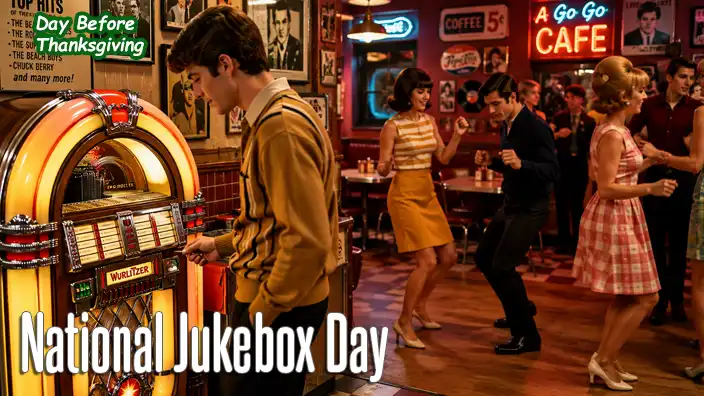
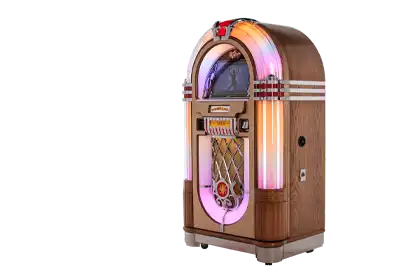
Long before playlists, streaming services, and arguments over who controls the Bluetooth speaker, there was a simple solution: drop in a coin, push a button, and let the jukebox settle the matter. National Jukebox Day celebrates the colorful machines that turned diners, soda fountains, and roadside cafés into personal concert halls, one nickel at a time.
Celebrated: Annually, on the day before Thanksgiving
National Jukebox Day honors the classic jukebox, the coin-operated music machine that filled restaurants, bars, and soda shops with unforgettable tunes
- Details
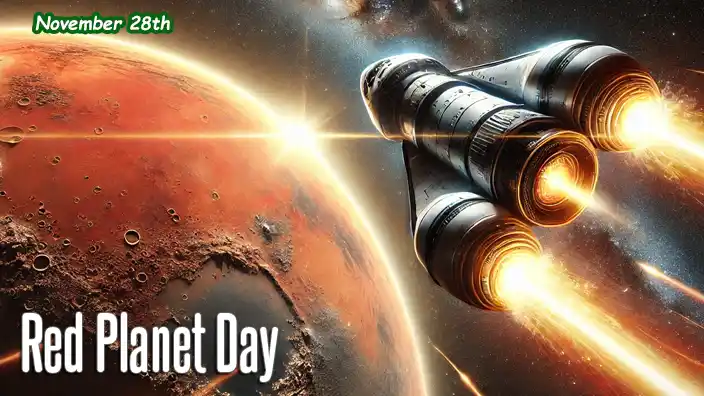
Sending humans to Mars is like planning the ultimate road trip, except the road is 140 million miles long, the snacks are freeze-dried, and the GPS signal takes up to 24 minutes to arrive. Imagine astronauts crammed into a spacecraft for seven months, dodging cosmic rays, arguing over who gets the window seat, and playing endless games of “I Spy” (spoiler: it’s always “something black, cold, and infinite”). Upon arrival, they’ll step out onto a red, dusty landscape and immediately realize they forgot to pack a broom. Still, humanity will do what it does best: adapt, innovate, and probably start brewing Martian coffee before figuring out how to build a shelter. After all, who can colonize a planet without caffeine?
Celebrated: Annually, on November 28th
Explore the intriguing history, scientific facts, and potential for life on Mars, the Red Planet. Discover why this celestial body captivates our imagination.

- Details
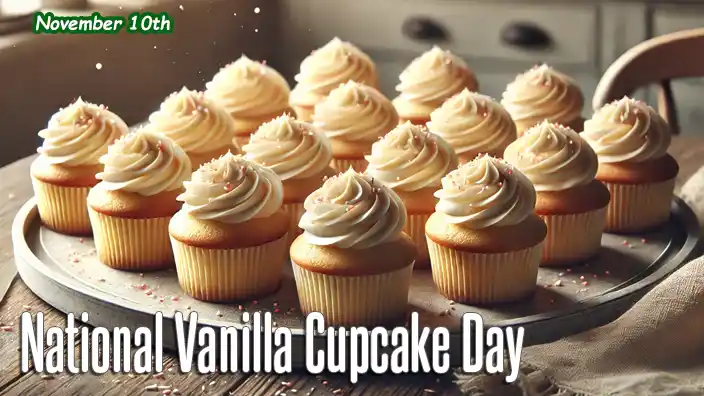
Soft, sweet, and often mistaken for the "plain" choice, these little treats are like the wallflowers of the dessert table—until you take a bite and realize they’re the life of the party. Vanilla cupcakes might not shout with bold colors or wild flavors, but they don’t need to; their subtle charm wins you over, one creamy, sugary mouthful at a time. Plus, they’re versatile—one minute, they’re classic with a swirl of vanilla frosting, and the next, they’re decked out with sprinkles, berries, or even a drizzle of chocolate, proving they’re anything but ordinary. So go ahead, call them “basic”—they’ll just sit there looking sweetly delicious, knowing they’re everyone’s first choice by dessert time.
Celebrated: Annually, on November 10th
Discover the history and charm of vanilla cupcakes, the dessert world's comfort food, and explore unique ways to dress them up for any occasion.

- Details
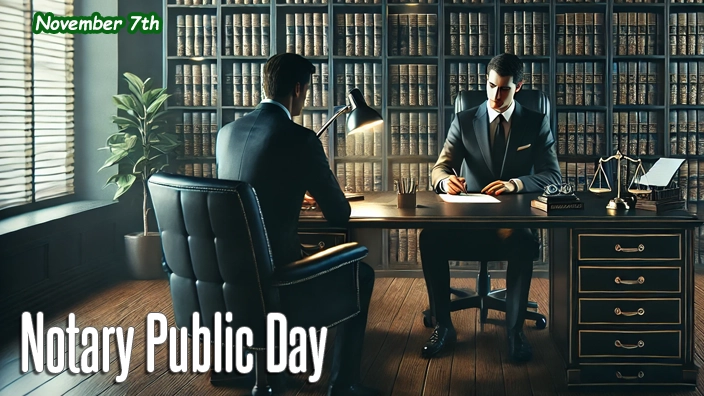
Notaries are the quiet ninjas of the legal world! They might look like your average office worker, but give them a stamp, and they transform into gatekeepers of authenticity, the last line of defense against fraud and forgery. Have you ever tried to pull a fast one on a notary? Good luck! They’ve seen every trick in the book, from the “I totally forgot my ID at home” excuse to the mysterious “Oops, my middle name is spelled differently on this one document, but I swear it's me.” They hold the power to turn a scribble into a legal signature, yet you’ll never see them wearing a cape—just a quick smile and the calm satisfaction of knowing they’ve quietly saved the day.
Discover the historical significance and modern-day role of notaries, celebrated every November for their vital contributions to legal documentation and order.
- Details
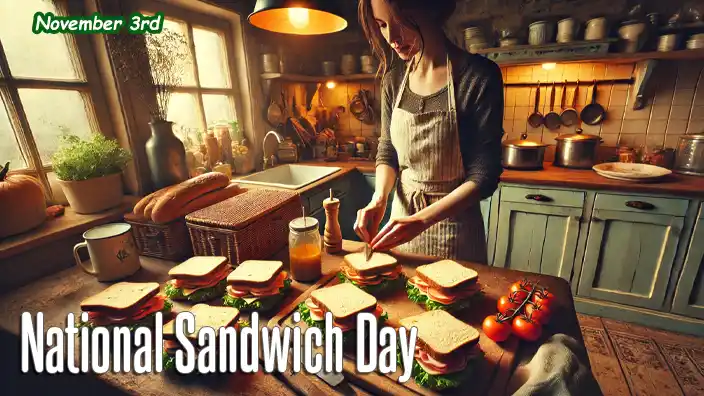
Sandwiches are the food world's ultimate chameleon—always in disguise but never truly hiding. Whether it's a BLT trying to act like a salad or a PB&J pulling off a snack masquerade, sandwiches are here to prove that they can be anything you need them to be. Got five minutes? A slice of bread, a slice of cheese, boom—dinner! Have a whole afternoon? Stack up layers so high you'll need both hands, a napkin, and possibly a life jacket. The best part? Sandwiches are judgment-free. No one ever judges your culinary ambition if you decide to pile chips, pickles, and leftover spaghetti between two slices of bread. Instead, they salute your creativity—just as they should.
Celebrated: Annually, on November 3rd
Celebrate National Sandwich Day with a dive into the history, cultural diversity, and art of crafting the perfect sandwich. Discover fun facts and sandwich hacks.

- Details
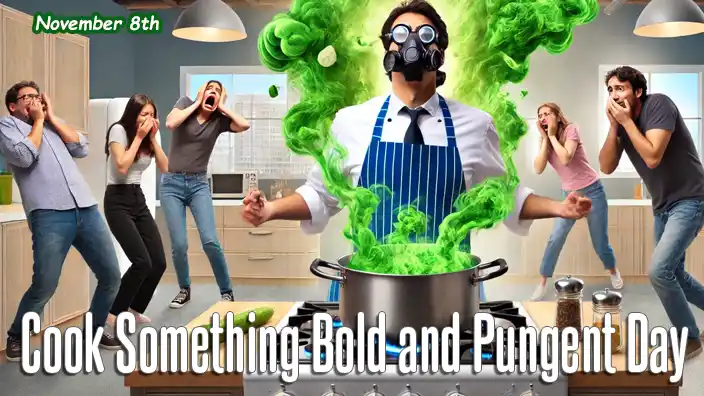
Cooking something pungent and bold is like inviting a whirlwind of aromas to dance chaotically through your kitchen. Imagine tossing a hunk of garlic into the sizzling pan, adding a splash of fish sauce, and suddenly, it’s as if your home has transformed into a battleground for powerful scents. The neighbors might wonder if a science experiment has gone awry as hints of vinegar, spices, and maybe a rebellious dash of blue cheese mingle. With each ingredient, you unleash waves of scent so potent, the dog hides, and anyone nearby reaches for a gas mask. But here’s the thing—some of the best flavors demand a bit of nose-wrinkling drama!
Celebrated: Annually, on November 8th
Celebrate Cook Something Bold and Pungent Day on November 8th by embracing bold flavors like garlic, kimchi, and blue cheese. Discover adventurous recipes and tips.


- Details
American Football Day is that magical time when perfectly reasonable adults suddenly start yelling at televisions, analyzing plays like seasoned coaches, and treating a third-and-long like it’s a matter of national importance. It’s a day where snacks become strategy, couches become command centers, and everyone suddenly “could have made that throw.” Sure, you could, champ—pass the chips.
Celebrated: Annually, on November 5th
Celebrate American Football Day with traditions, tailgating, legendary players, and the excitement that makes football America’s favorite game.

- Details
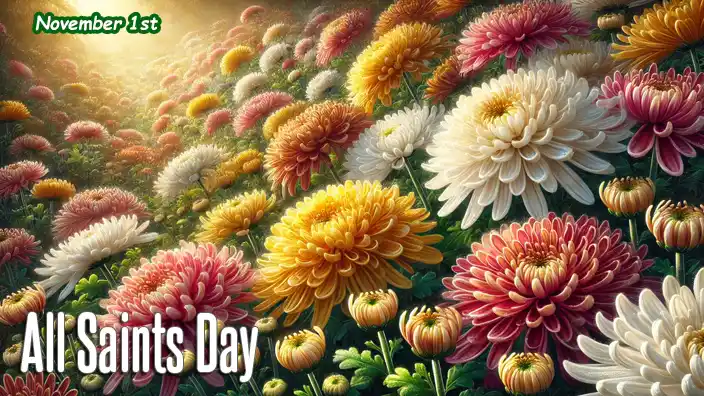
All Saints' Day is a bit like the ultimate VIP event for heavenly high achievers. Picture it: saints from every era and corner of the world gathering, comparing miracles, and trading stories about their patronages. You can almost hear Saint Anthony chuckling about all the car keys he’s helped people find, while Saint Francis swaps tales with Saint Bernadette about the animals they befriended. It’s a day when earthly worries take a backseat, and we celebrate lives of devotion with a little extra reverence—and maybe a prayer that these saints don’t roll their eyes at our minor requests (“Saint Jude, I lost my phone charger again!”).
Celebrated: Annually, on November 1st
Explore the rich traditions of All Saints Day, celebrated on November 1st, honoring saints with masses, prayers, and cultural festivities around the world.

- Details
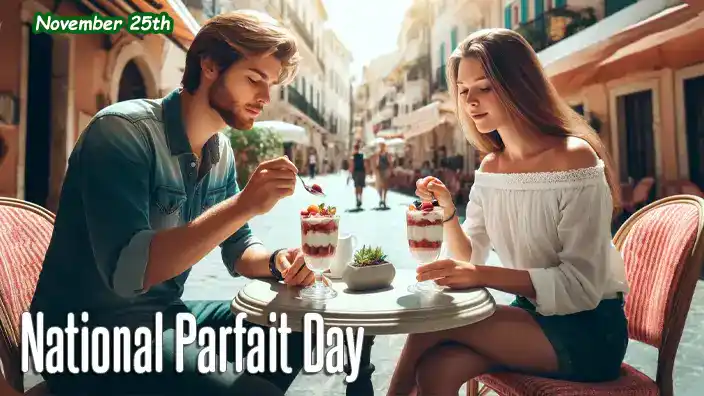
Did you know that parfaits can be a secret agent in the dessert world? Picture this: It's a typical work day, and you're craving something sweet but feeling guilty about skipping the gym. Enter the parfait – your undercover ally. With its layers disguised as a sumptuous dessert, it's actually a health food ninja in disguise! You get to spoon through layers of yogurt masquerading as cream, fresh fruits posing as candy, and granola acting as cookie crumbles. It's like having your cake and eating it too, but in this case, it's a parfait – the dessert that lets you indulge your sweet tooth while your fitness tracker gives you a silent thumbs-up. Who knew being healthy could be so sneakily delicious?
Celebrated: Annually, on November 25th
Celebrate National Parfait Day on November 25 with a symphony of layers in this iconic dessert. Indulge in the delightful blend of textures and flavors that a parfait offers. Join the festivities and savor the sweet harmony of carefully crafted layers.

- Details
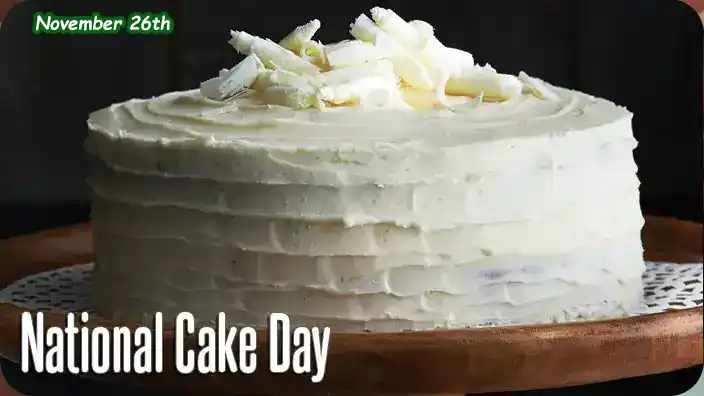
National Cake Day is the one day of the year when it's socially acceptable to have your cake and eat it too—preferably for breakfast, lunch, and dinner! It's a joyous occasion to embrace your inner dessert enthusiast, debating the merits of chocolate versus vanilla and discovering that calories don't count when you're celebrating a national holiday. So, grab a fork, a generous slice, and perhaps some stretchy pants, because on National Cake Day, the only thing you should be cutting is another piece of cake!
Celebrated: Annually, on November 26th
National Cake Day on November 26th celebrates the joy and creativity cakes bring to our lives, from humble beginnings to elaborate confections enjoyed globally. Let's get baking and explore the art and science of cake making!
- Details
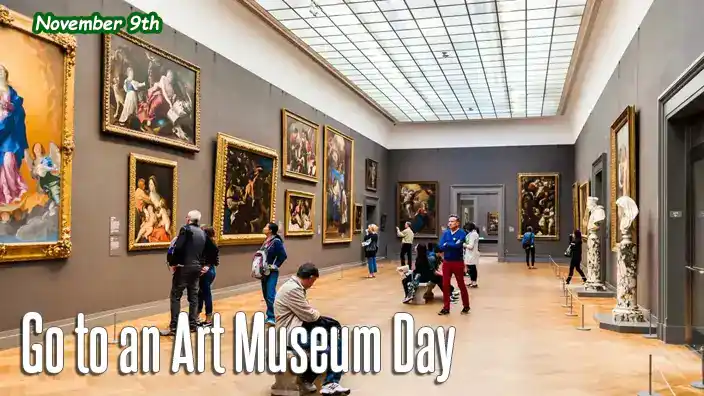
You walk into a room filled with intense stares—from both the portraits and the people who seem to understand the meaning behind every brushstroke. You casually lean in to examine an abstract piece, nodding thoughtfully as if you “get it,” while secretly wondering if it’s upside down. There’s that sudden panic as you almost trip over the “modern art” installation on the floor, realizing at the last second that it’s not a rogue janitor’s bucket but part of a cutting-edge display. And then, of course, there’s the quiet shuffle past that one painting with eyes that follow you everywhere, leaving you convinced it knows all your secrets.
Celebrated: Annually, on November 9th
Discover the joy and mystery of art on Go To An Art Museum Day. Explore masterpieces, from classic to modern, and find inspiration beyond the digital world.

- Details
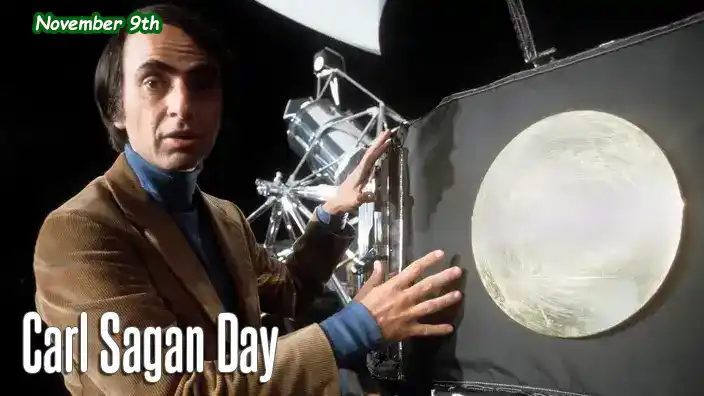
Carl Sagan had this magical way of taking mind-bending cosmic concepts—like black holes, quarks, and our “star stuff” origins—and making them feel like the most natural things in the world. Thanks to him, ordinary folks can now confidently nod along when discussing the age of the universe, as if the Big Bang is a buddy we’ve known since childhood. He somehow made us feel smarter just by listening, sprinkling stardust on our lives and leaving us with just enough knowledge to feel awe-inspired and mildly overconfident at dinner parties. So, here’s to Carl Sagan: the man who showed us the cosmos, turned us into lifelong learners, and made it socially acceptable to wear turtlenecks with unmatched enthusiasm!
Celebrated: Annually, on November 9th
Discover the life and legacy of Carl Sagan, the iconic scientist who brought the wonders of the universe to millions through his books, TV series, and groundbreaking ideas.

- Details
Squeezing a bit of personality into a report about gridlock is an art all its own, especially when describing the daily struggle on the highway. Imagine trying to sound upbeat while telling listeners that the morning commute has turned into a parking lot or that “the scenic route” now includes a mile-long detour. With each update, traffic reporters somehow manage to inject a touch of wit, spinning phrases like “moving slower than molasses” or offering the optimistic “at least the view from the bumper is nice.” It’s a job that requires just the right blend of calm, charm, and perhaps a touch of caffeine-induced bravery.
Celebrated: Annually, on November 2nd
Celebrate National Broadcast Traffic Professionals Day by honoring the voices that guide commuters with updates and humor. Discover the history and skills behind traffic broadcasting.

- Details
There’s something magical about a game where grown adults leap like superheroes to reach a hoop ten feet in the air, only to miss by an inch and act as if it was the wind's fault. Add in the competitive chaos of players fiercely battling for a bouncing ball that refuses to cooperate, and you've got the essence of basketball. Dribbling, too, is a delicate art—try running full speed while bouncing a ball without losing it, and suddenly, it feels like patting your head and rubbing your stomach at the same time. And let’s not overlook the trick shots and attempted dunks that sometimes result in spectacular success or, just as often, an embarrassing wipeout in front of the entire gym. Basketball: where every play is a potential highlight—or a hilarious fumble.
Celebrated: Annually, on November 6th
Discover the origins of basketball, the excitement of the slam dunk, and the legends who transformed the game. Embrace the joy and culture of basketball.

- Details
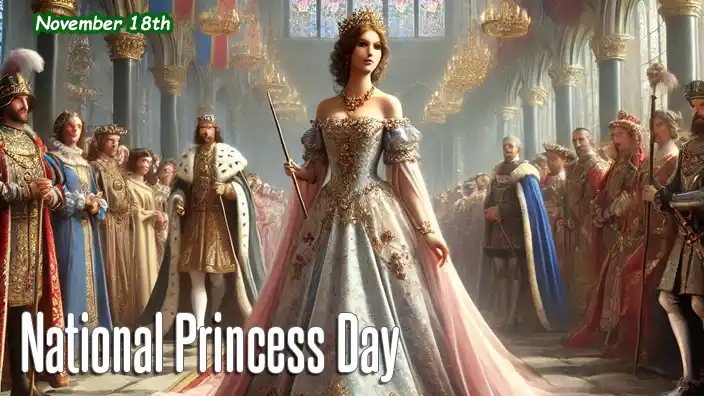
Being a princess isn’t about crowns, castles, or having a royal bloodline—it’s about attitude. Even if your “castle” is a one-bedroom apartment and your “royal court” consists of a slightly confused cat and a houseplant on its last leaf, you can still embody the regal life. Strut through the grocery store like the aisle is your red carpet, wave graciously at your reflection in a window, and declare “off with their heads!” when your coffee order is wrong (but only in your head—modern princesses are polite). Remember, true royalty shines from within, even when you’re wearing yoga pants instead of a ballgown.
Celebrated: Annually, on November 18th
Celebrate National Princess Day on 18th November by embracing your inner royalty. Discover the history of princesses and enjoy fun ways to honour this majestic day.

- Details
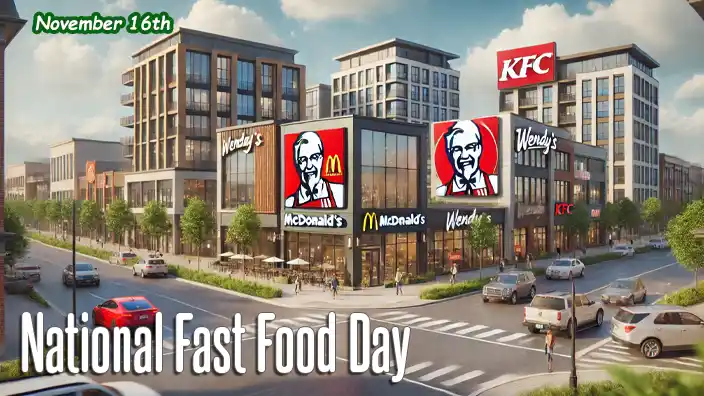
Fast food is the great equalizer—it doesn’t care if you’re a CEO in a Tesla or a college student counting quarters; when the craving hits, everyone becomes a humble supplicant at the drive-thru window. It’s the only place where you can order a meal that’s simultaneously served in under two minutes and capable of lasting in your stomach for the next eight hours. And let’s not forget the peculiar magic of fast food fries: delicious when hot, but mysteriously transformed into inedible artifacts the moment they cross the five-minute mark. Truly, fast food is a marvel of modern science, convenience, and unapologetic indulgence.
Celebrated: Annually, on November 16th
Fast food is a lifestyle, from burgers in America to squid ink pizza in Japan. Celebrate its global influence and enjoy your favourite guilty pleasure.

- Details
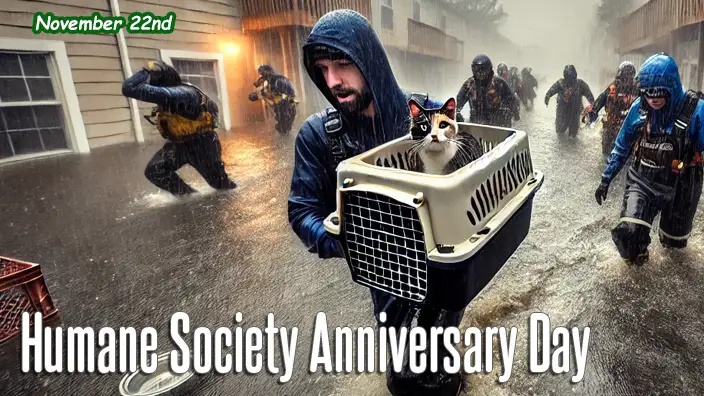
The Humane Society is a sanctuary of hope for animals in need, a place where compassion meets action. It embodies the belief that every creature, regardless of its size or neglect, deserves kindness, care, and a second chance. From rescuing abandoned pets to advocating for stronger animal welfare laws, their work has a profound impact on countless lives—both animal and human. They mend broken spirits, heal physical wounds, and foster unbreakable bonds between people and the animals who love them unconditionally. The Humane Society reminds us of the profound impact of empathy and the difference it makes in creating a world where every life is valued.
Celebrated: Annually, on November 22nd
Discover the heartwarming world of humane societies, their origins, daily operations, and how you can support their mission to protect and care for animals worldwide.

From Our Marks Catelog
-
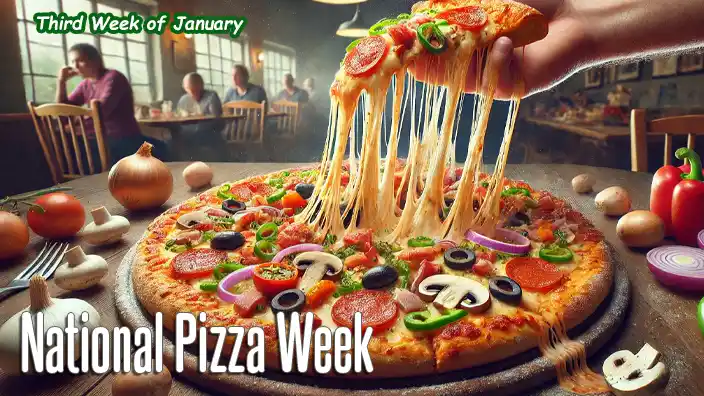
Pizza is the ultimate customizable dish. It caters to all, from the staunch meat-lover who wants...
-

Your toes don't ask for much. They spend their days squeezed into shoes, dodging coffee tables,...
-
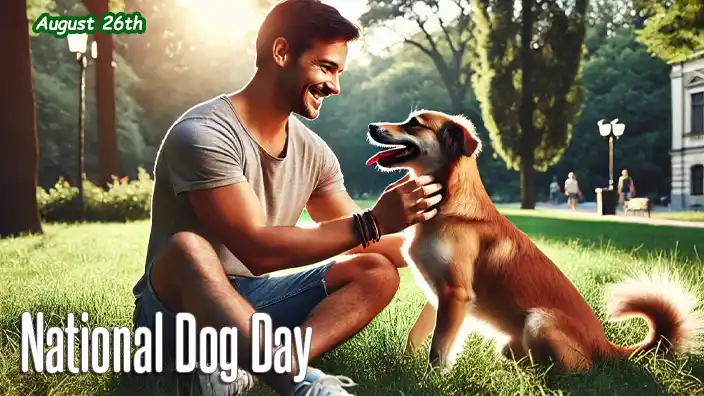
You’re trying to relax after a long day, but your dog has decided that now is the perfect time to...
-
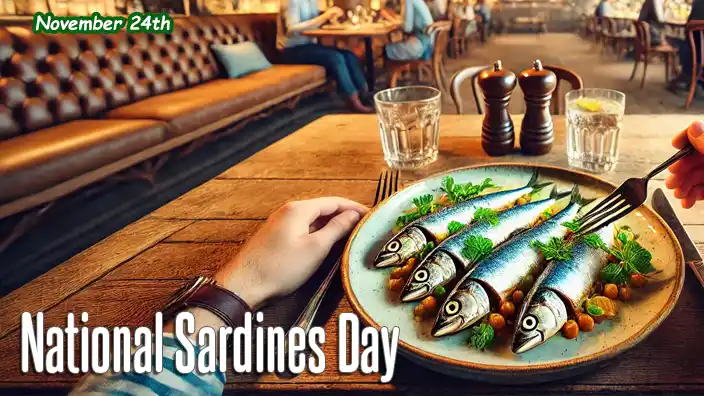
Tiny, shiny, and unapologetically bold, these little fish have a knack for stealing the show at...
-
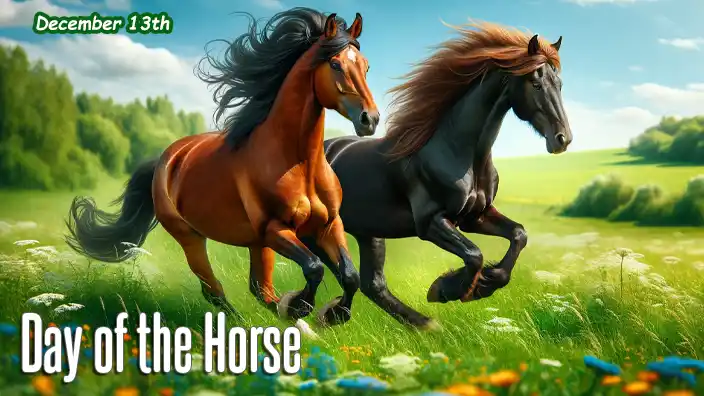
Horses are the comedians of the animal world, even if they don’t realize it. From sneaky maneuvers...
-
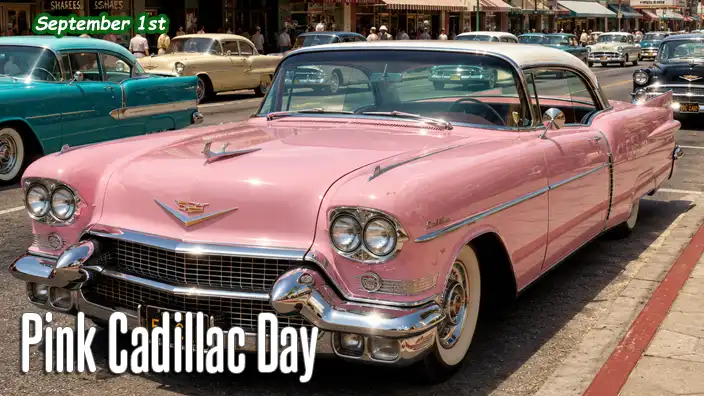
Some cars are built to get you from point A to point B. The Pink Cadillac was built to make sure...

