Unleashing Your Inner Paleo-Artist
Every January 30, National Draw a Dinosaur Day encourages children, adults, aspiring artists, and dinosaur enthusiasts to grab their pencils and bring the prehistoric world to life. Whether your artistic ambitions involve a scientifically accurate Tyrannosaurus rex, a magnificent Triceratops, or a cheerful Stegosaurus wearing a party hat, this imaginative celebration proves that dinosaurs are still capable of making a considerable impression. You don't need an art degree, expensive equipment, or a personal collection of fossils to participate. All you need is something to draw with, something to draw on, and the willingness to create a creature that might have roamed Earth millions of years ago. If your finished dinosaur looks suspiciously like a chicken with a long tail, don't despair. You're closer to the evolutionary truth than you might think!
National Draw a Dinosaur Day combines artistic expression, scientific curiosity, and an enduring fascination with prehistoric animals. Dinosaur drawing activities are especially popular among children, but adults can enjoy the occasion just as much, whether they're experimenting with realistic paleoart, creating cartoon dinosaurs, or rediscovering the simple pleasure of sketching. The observance is informal, and its original founder and precise beginnings are not reliably documented. Nevertheless, January 30 has become an opportunity to celebrate dinosaur art, explore prehistoric life, and discover how scientific research continues to transform our understanding of these extraordinary animals.
Why Do We Love Drawing Dinosaurs?
Dinosaurs have fascinated generations of people because they represent an extraordinary chapter in Earth's natural history. Non-avian dinosaurs lived during the Mesozoic Era, which extended from approximately 252 million to 66 million years ago, and they occupied environments ranging from forests and floodplains to deserts and coastal regions. Their enormous variety included towering long-necked sauropods, heavily armored herbivores, swift predators, and smaller feathered species. Some dinosaurs were gigantic, while others were surprisingly small. Their remarkable differences in size, shape, and behavior make them wonderful subjects for drawing, painting, sculpture, and digital illustration.
Drawing dinosaurs allows us to imagine creatures that no human ever witnessed alive. Fossil discoveries provide evidence about their bones, teeth, skin, feathers, movement, and sometimes behavior, but artists help transform that information into visual representations. A carefully researched dinosaur illustration can show how a prehistoric animal might have stood, walked, hunted, or interacted with its environment. For children, dinosaur drawing encourages observation, hand-eye coordination, creativity, and an interest in science. For adults, it can be a relaxing artistic activity that combines imagination with a little prehistoric detective work. Best of all, dinosaurs never complain about their portraits, although a T. rex might object to having its arms exaggerated.
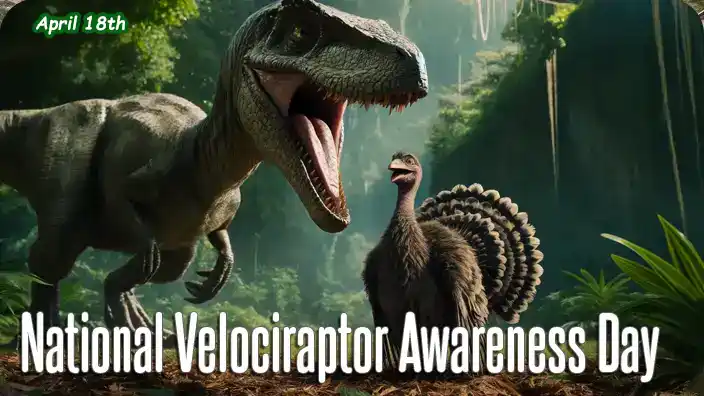
One particularly fascinating aspect of dinosaur history is that dinosaurs have not entirely disappeared. Modern birds evolved from theropod dinosaurs and are scientifically classified as living dinosaurs. The non-avian dinosaurs became extinct approximately 66 million years ago, but their avian relatives survived and diversified into the thousands of bird species familiar today. That means a sparrow perched outside your window is part of the dinosaur family tree. Suddenly, the neighborhood pigeons seem a little more impressive, although their habit of stealing food remains considerably less majestic.

The Fascinating World of Dinosaur Art
The artistic reconstruction of prehistoric animals is commonly called paleoart, a specialized field that combines paleontology, anatomy, scientific evidence, and artistic interpretation. Professional paleoartists study fossil skeletons, preserved skin impressions, feather evidence, and comparisons with living animals to create plausible depictions of extinct species. Their illustrations appear in museums, scientific publications, educational books, documentaries, and exhibitions, helping audiences understand animals that disappeared long before recorded human history.
Early dinosaur artwork often portrayed these creatures as enormous, sluggish reptiles dragging their tails across the ground. As paleontologists discovered more complete skeletons and developed a better understanding of dinosaur anatomy, artistic reconstructions changed dramatically. Many dinosaurs are now depicted with more active postures, tails held clear of the ground, and bodies adapted to their particular environments. Discoveries of feathered dinosaurs have transformed the appearance of numerous species, especially theropods related to modern birds. Today's scientifically informed dinosaur artwork can look very different from illustrations published only a few decades ago.
National Draw a Dinosaur Day offers an opportunity to explore both approaches to dinosaur illustration. You might attempt a scientifically informed reconstruction based on museum specimens or invent a cartoon dinosaur with oversized eyes, colorful spots, and an unfortunate enthusiasm for roller skates. Both activities encourage creativity, although only one is likely to earn approving nods from paleontologists. The important distinction is recognizing when a drawing represents scientific evidence and when it represents artistic fantasy. A feathered Velociraptor is supported by evolutionary and anatomical evidence; a Velociraptor operating a coffee shop remains, regrettably, speculative.
Choosing the Perfect Dinosaur to Draw
Before beginning your dinosaur drawing, decide which prehistoric animal you would like to illustrate. Beginners often find that familiar dinosaurs provide an excellent starting point because their distinctive features are easy to recognize. Tyrannosaurus rex, for example, has a massive skull, powerful hind legs, a long balancing tail, and relatively small forelimbs. Triceratops is recognizable by its three facial horns and large bony frill, while Stegosaurus features two rows of prominent back plates and a tail armed with spikes. Long-necked sauropods such as Brachiosaurus offer opportunities to practice drawing large bodies, long necks, and comparatively small heads.
More adventurous artists might explore lesser-known dinosaurs such as Ankylosaurus, with its armored body and heavy tail club, or Parasaurolophus, a duck-billed dinosaur distinguished by its elongated head crest. Smaller feathered dinosaurs provide opportunities to practice drawing plumage, delicate limbs, and birdlike features. Velociraptor, despite its fearsome Hollywood reputation, was much smaller than the oversized creatures depicted in many movies and possessed evidence-supported feathered characteristics. Researching these differences can make a dinosaur drawing more accurate while introducing fascinating scientific information.
It is also useful to distinguish dinosaurs from other prehistoric reptiles. Pteranodon and other pterosaurs were flying reptiles closely related to dinosaurs, but they were not dinosaurs themselves. Similarly, marine reptiles such as Mosasaurus and Plesiosaurus belonged to different evolutionary groups. There is certainly nothing wrong with including these animals in a prehistoric drawing, particularly if you are creating an entire ancient landscape. Just remember that calling every extinct reptile a dinosaur is rather like calling every animal with four legs a horse. The actual horse population might have something to say about that.
Understanding Dinosaur Anatomy Before Drawing
One of the most effective ways to improve dinosaur artwork is to understand the animal's basic anatomy. Begin by examining its overall proportions, including the size of its head, length of its neck, position of its legs, and shape of its tail. Dinosaurs possessed a wide range of skeletal adaptations, and these features influenced how they moved and balanced their bodies. A large sauropod requires a substantial torso supported by sturdy limbs, while a bipedal theropod needs a body arrangement that allows its tail to counterbalance the weight of its head and upper body.
Reference images from natural history museums, scientific reconstructions, and reputable paleontology publications can help artists understand these proportions. Fossil skeleton photographs are especially useful because they reveal the underlying structure without requiring the artist to guess where the bones belong. Comparing dinosaur anatomy with that of living birds and reptiles can also provide useful insights, although extinct dinosaurs should not simply be drawn as oversized versions of modern lizards. Their skeletons, posture, and evolutionary relationships were often quite different.
For beginners, there is no need to memorize complicated anatomical terminology before attempting a drawing. Start by identifying the animal's most recognizable features and arranging them in approximately the correct positions. As your confidence develops, refine the proportions and add more anatomical detail. Even professional artists often begin with simple shapes before constructing a more complete illustration. The process is remarkably forgiving, especially when an eraser is nearby and the subject has been extinct for millions of years.
How to Draw a Dinosaur Step by Step
Learning how to draw a dinosaur becomes much easier when the process is divided into manageable stages. Begin with a light pencil sketch using basic geometric shapes. An oval can represent the torso, a smaller circle or oval can establish the head, and curved lines can indicate the neck, tail, and limbs. These simple construction shapes help establish the dinosaur's overall proportions before you commit to detailed outlines. At this stage, your prehistoric masterpiece may resemble a collection of potatoes connected by drinking straws, but every great dinosaur has to start somewhere.
Once the basic structure looks balanced, begin refining the outline. Connect the construction shapes to create the animal's neck, shoulders, torso, legs, and tail. Add distinctive anatomical features, such as the horns of Triceratops, the plates of Stegosaurus, or the powerful jaws of Tyrannosaurus rex. Pay attention to how the limbs connect to the body and how the animal's weight would be supported. A dinosaur standing on two legs should appear balanced, while a four-legged dinosaur needs limbs positioned convincingly beneath its body. Unless you are deliberately drawing a dinosaur slipping on a banana peel, gravity deserves some consideration.
Next, introduce surface details such as scales, feathers, skin folds, claws, and facial features. Different dinosaur species had different body coverings, and scientific evidence should guide realistic reconstructions whenever possible. Add shading to suggest the direction of light and give the animal a sense of depth. Darker areas beneath the body, around the limbs, and along overlapping surfaces can make a flat drawing appear more three-dimensional. Finally, add color using crayons, colored pencils, markers, paint, or digital illustration tools. You can choose naturalistic colors based on available scientific evidence or create a fantastically colorful dinosaur that would have been impossible to overlook in a prehistoric forest.
Dinosaur Drawing Supplies for Kids and Adults
One of the greatest advantages of National Draw a Dinosaur Day is that participation requires very little equipment. Ordinary drawing paper, a pencil, and an eraser are sufficient for creating an enjoyable dinosaur sketch. Colored pencils and crayons are particularly suitable for younger children because they are inexpensive, easy to control, and available in a wide variety of colors. Markers can produce bold cartoon illustrations, while watercolor paints and acrylics offer opportunities for more elaborate dinosaur artwork.
Experienced artists may prefer graphite pencils of different hardness levels, fine-line pens, charcoal, pastels, or specialized drawing paper. Digital artists can use graphics tablets, illustration software, or drawing applications to create prehistoric scenes with multiple layers, adjustable colors, and detailed textures. Digital tools also make it easier to experiment with alternative poses and compositions without repeatedly starting over. However, the sophistication of the equipment is far less important than the artist's curiosity and willingness to practice.
For classroom activities, inexpensive supplies can be organized into dinosaur drawing stations where children explore different species and techniques. Printable dinosaur outlines, coloring pages, fossil photographs, and simple drawing instructions can help beginners participate confidently. Parents can encourage younger children to experiment with shapes and colors without worrying about scientific perfection. After all, a purple Triceratops wearing yellow boots may not belong in a natural history museum, but it certainly deserves a place on the refrigerator.

Did Dinosaurs Have Feathers, Scales, or Both?
One of the most exciting developments in modern paleontology has been the discovery of fossilized feathers and feather-like coverings in several groups of dinosaurs. For much of the twentieth century, popular illustrations generally portrayed dinosaurs as scaly reptiles. Discoveries of feathered dinosaurs, particularly from exceptionally preserved fossils in China, demonstrated that some non-avian dinosaurs possessed plumage. These findings have significantly influenced scientific reconstructions of theropods and strengthened our understanding of the evolutionary relationship between dinosaurs and modern birds.
However, not every dinosaur was covered in feathers. Fossilized skin impressions provide strong evidence that many groups, including numerous duck-billed, horned, and armored dinosaurs, possessed scaly skin. The distribution and evolution of feathers across different dinosaur lineages remain subjects of scientific research. Artists seeking accuracy should therefore investigate the particular species they intend to draw rather than automatically covering every dinosaur in feathers or scales.
Feathers also served purposes beyond flight. Among living birds, feathers provide insulation, camouflage, communication, and visual displays, and researchers investigate similar functions in extinct feathered dinosaurs. Some prehistoric species may have used elaborate plumage to attract mates or communicate with others of their kind. These possibilities make feathered dinosaurs particularly interesting artistic subjects because their appearance may have included patterns, textures, and displays that were once unimaginable in traditional dinosaur illustrations.
What Colors Were Dinosaurs?
For generations, dinosaur artists had little direct evidence concerning the colors of prehistoric animals. Fossils commonly preserve bones, teeth, footprints, and occasionally skin impressions, but they rarely retain the original appearance of soft tissues. As a result, artists frequently relied on comparisons with modern animals and assumptions about camouflage, habitat, and behavior. Green, brown, and gray became familiar dinosaur colors, partly because these shades seemed appropriate for enormous reptiles inhabiting ancient landscapes.
Scientific discoveries have since provided more detailed evidence for the coloration of certain extinct species. Researchers have identified microscopic pigment-related structures called melanosomes in some exceptionally preserved fossils. By studying their shapes and distribution and comparing them with those found in modern animals, scientists can infer aspects of prehistoric coloration. Research has suggested reddish-brown tones in the feather-like covering of Sinosauropteryx, while studies of Anchiornis have provided evidence for contrasting feather patterns and a reddish head crest. Investigations of preserved skin have also revealed evidence of camouflage patterns in certain dinosaurs.
These discoveries do not mean scientists can determine the exact colors of every dinosaur. The fossil record remains incomplete, and some pigments and color-producing structures are difficult or impossible to identify using current methods. For National Draw a Dinosaur Day, that leaves plenty of room for imagination. A realistic reconstruction might use colors supported by scientific evidence, while a cartoon dinosaur can feature rainbow stripes, purple spots, or a magnificent orange tail. Just remember that if you give your dinosaur a bright pink business suit, you have officially moved from paleontology into prehistoric fashion design.
Creating a Prehistoric Background for Your Dinosaur
A dinosaur drawing becomes even more interesting when the animal is placed in a convincing prehistoric environment. Dinosaurs inhabited Earth across an enormous span of geological time, and their surroundings varied considerably depending on the period and location. The Mesozoic Era is divided into the Triassic, Jurassic, and Cretaceous periods, each characterized by changing climates, landscapes, and plant communities. Artists interested in scientific accuracy can research the environment in which their chosen dinosaur lived and use that information to create a suitable background.
A Jurassic landscape might feature conifers, cycads, ferns, and other plants associated with ancient ecosystems. Cretaceous scenes may include flowering plants, which became increasingly widespread during that period. Rivers, lakes, forests, mountains, and open plains can provide interesting settings for prehistoric wildlife. Including footprints, fallen trees, rocks, and distant animals can help establish scale and make the illustration more engaging. A towering sauropod looks particularly impressive when standing beside vegetation that emphasizes its enormous height.
For a humorous alternative, imagine dinosaurs attempting to navigate the modern world. A Tyrannosaurus rex might struggle to operate a smartphone with its short arms, while a Triceratops could find parallel parking unusually challenging. A Stegosaurus attending a crowded movie theater would probably need to purchase several seats, and an Ankylosaurus entering a furniture store might be asked to leave its tail outside. These imaginative scenes encourage storytelling and can turn a simple dinosaur drawing into an entertaining illustrated adventure.
National Draw a Dinosaur Day Activities for Children
National Draw a Dinosaur Day is an excellent opportunity for parents, teachers, libraries, and community organizations to introduce children to prehistoric animals through creative activities. A dinosaur drawing workshop can begin with a short explanation of different dinosaur species, followed by a guided drawing exercise using simple shapes. Children can choose their favorite dinosaurs, study pictures of fossil skeletons, and create colorful illustrations. The activity can also introduce basic concepts such as herbivores, carnivores, prehistoric habitats, and the difference between dinosaurs and other extinct reptiles.
Dinosaur coloring pages provide another accessible activity, especially for younger children who may not yet feel comfortable drawing complex shapes. Printable outlines of Triceratops, Stegosaurus, Tyrannosaurus rex, and other familiar species allow participants to concentrate on colors, patterns, and creativity. Older children might enjoy designing an imaginary dinosaur and explaining how its unusual features would help it survive. Perhaps their creature has enormous ears for detecting predators, unusually long legs for running, or a magnificent tail used for communication. The exercise can combine imagination with discussions about animal adaptations.
Teachers can also organize a classroom dinosaur art gallery, encouraging students to display their work alongside interesting facts about the species they selected. A collaborative prehistoric mural offers an opportunity for children to work together on a large landscape filled with dinosaurs, plants, rivers, and mountains. Rather than judging every picture according to artistic skill, organizers can recognize creativity, scientific curiosity, humor, and effort. This approach helps ensure that the child who draws a highly detailed Triceratops and the child who creates a smiling dinosaur resembling a green potato both feel proud of their contributions.

National Draw a Dinosaur Day Activities for Adults
Adults should not feel excluded from the prehistoric festivities. Dinosaur drawing can provide a relaxing creative activity, particularly for people who spend much of their time working with computers, schedules, and responsibilities that rarely involve enormous reptiles. Sketching encourages concentration, observation, and experimentation, and it offers a refreshing alternative to the usual demands of everyday life. Whether you are an experienced illustrator or someone who has not drawn anything more ambitious than a shopping-list doodle in years, National Draw a Dinosaur Day is an invitation to try something different.
A dinosaur-themed art evening with friends can be particularly entertaining. Participants might attempt realistic dinosaur portraits, exchange drawing challenges, or invent humorous prehistoric scenes. One person could draw a dinosaur while another provides increasingly ridiculous instructions, producing results that are unlikely to satisfy a museum curator but almost certain to generate laughter. Digital artists can create animated dinosaur characters, while traditional artists might experiment with watercolor landscapes, charcoal sketches, or detailed pencil illustrations.
For those interested in improving their skills, the observance can become the beginning of a longer artistic project. Drawing a different dinosaur each week provides opportunities to explore anatomy, posture, texture, and composition while learning about prehistoric life. Visiting a natural history museum, studying scientific illustrations, or following educational paleoart resources can provide inspiration. There is no requirement to produce a masterpiece on January 30. Even a modest sketch represents an opportunity to learn, practice, and enjoy the creative process.
Fascinating Dinosaur Drawing Facts
Before your prehistoric masterpiece takes shape, consider a few remarkable facts about dinosaurs and the science behind their appearance. Paleontology has changed dramatically since the earliest dinosaur illustrations, and modern discoveries continue to reveal surprising details about these ancient animals. Here are eight facts worth remembering while your pencils, crayons, and imagination prepare for action.
- Birds are dinosaurs: Modern birds are the surviving descendants of theropod dinosaurs.
- Feathers were real: Fossils confirm that several non-avian dinosaur species possessed feathers.
- Not all were giants: Some dinosaurs were relatively small, comparable in size to familiar birds.
- Colors leave clues: Fossilized melanosomes can reveal evidence of prehistoric coloration.
- Tails provided balance: Many bipedal dinosaurs used their long tails as counterbalances.
- Pterosaurs were different: Flying reptiles such as Pteranodon were not dinosaurs.
- Fossil skin survives: Rare skin impressions help scientists reconstruct dinosaur coverings.
- Paleoart evolves: New discoveries continually change scientific illustrations of prehistoric life.
Adding a Little Prehistoric Humor to Your Artwork
Dinosaur drawing does not always need to be a serious scientific exercise. Sometimes the most memorable illustrations are those that give prehistoric creatures unexpected personalities or place them in absurd situations. A Tyrannosaurus rex attempting to applaud a theatrical performance might have considerable difficulty, while a Stegosaurus attending a costume party could simply arrive as a walking coat rack. Imagining these situations encourages creative thinking and makes drawing particularly enjoyable for children and adults alike.
Consider giving your dinosaur an unusual occupation. A Triceratops could become a traffic officer, although motorists might question the wisdom of arguing with someone carrying three horns. A Brachiosaurus might excel at washing upper-story windows, while an Ankylosaurus could find employment in demolition, provided someone explains the difference between the building being demolished and the manager's parked car. A feathered Velociraptor could work as a fashion consultant, although customers might be reluctant to criticize its choice of accessories.
You can also invent prehistoric cartoons, greeting cards, or comic strips featuring dinosaur characters. A dinosaur birthday card might announce, "You're not old—you're prehistoric!" while a picture of a confused T. rex holding a pencil could carry the caption, "Drawing is difficult when your arms don't reach the paper." These humorous creations can be shared with friends, displayed in classrooms, or incorporated into National Draw a Dinosaur Day celebrations. Artistic accuracy is optional when the objective is laughter, although a little scientific knowledge can make the jokes even better.
How to Celebrate National Draw a Dinosaur Day
Celebrating National Draw a Dinosaur Day on January 30 can be as simple as sitting down with a pencil and drawing your favorite prehistoric creature. You might begin by selecting a dinosaur you have always admired, researching its appearance, and creating a sketch based on fossil evidence. Alternatively, choose an entirely imaginative approach and invent a dinosaur unlike anything paleontologists have discovered. Both activities offer opportunities to experiment with shapes, colors, textures, and storytelling.
Families can celebrate by organizing a dinosaur drawing afternoon, complete with coloring pages, prehistoric books, and educational videos. Schools and libraries can introduce dinosaur art activities that encourage children to learn about paleontology while developing artistic confidence. Friends can challenge one another to draw dinosaurs in unusual poses or create collaborative prehistoric landscapes. Sharing finished artwork online with a relevant hashtag, such as #DrawADinosaurDay, can also help others discover the observance and join the creative fun.
A visit to a natural history museum can provide additional inspiration, particularly when exhibits include fossil skeletons, reconstructed dinosaurs, and information about prehistoric environments. Many museums also offer educational resources that explain dinosaur anatomy and scientific reconstruction. Even a virtual museum visit can introduce fascinating species and provide reference material for future drawings. The important part is making time for creativity and allowing curiosity to guide the experience.
A Prehistoric Celebration That Never Gets Old
National Draw a Dinosaur Day reminds us that creativity and scientific discovery make an excellent partnership. Drawing dinosaurs encourages us to explore Earth's distant past, appreciate the diversity of prehistoric life, and imagine animals that once inhabited landscapes very different from our own. From scientifically informed paleoart to cheerful cartoon dinosaurs, every illustration represents an opportunity to learn something new while enjoying the creative process.
 The observance also demonstrates that artistic expression belongs to everyone. Children can develop confidence through simple sketches and coloring activities, while adults can rediscover the pleasure of creating something entirely for enjoyment. Professional artists may use the occasion to explore detailed anatomical reconstructions, and dinosaur enthusiasts can celebrate their favorite species through imaginative artwork. There is no minimum talent requirement, no compulsory examination in paleontology, and absolutely no need to explain why your Stegosaurus is wearing sunglasses.
So, on January 30, sharpen your pencils, open your sketchbook, and celebrate National Draw a Dinosaur Day by bringing a prehistoric creature to life on paper. Draw a fearsome predator, a gentle plant-eating giant, a magnificent feathered dinosaur, or a completely ridiculous creature that would leave paleontologists scratching their heads.
And if someone tells you your dinosaur looks like a chicken, simply smile and explain that modern birds are dinosaurs. For once, science is firmly on your side!