Mark The Days - November

November is that sneaky month that starts with leftover Halloween candy and ends with a turkey coma. It’s where the air turns crisp, the clocks turn back, and someone always tries to bring a “healthy” side dish to Thanksgiving (we see you, quinoa). From honoring veterans to obsessing over gravy ratios, November is one long prelude to holiday madness—wrapped in flannel, lit by scented candles, and fueled by an urgent need to find out what the heck a “Friendsgiving” even is. It’s gratitude with a side of stuffing—and frankly, we’re here for seconds.
- Details
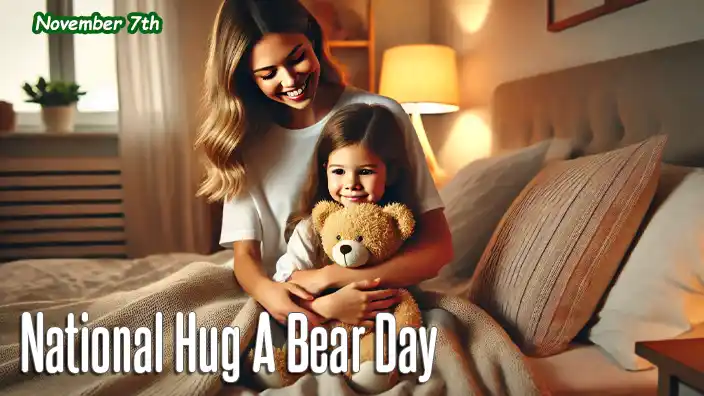
Hugging a bear, let’s be clear, is usually meant for the teddy variety. Imagine trying to hug an actual bear—one paw would weigh more than your entire upper body! Real bears might interpret a hug as “snack time” rather than a warm, fuzzy moment. But teddy bears? They’re the perfect huggers. They don’t mind how tightly you squeeze, they don’t complain about drool during naps, and best of all, they have zero chance of roaring at you! So next time you need a comforting squeeze, remember: one type of bear has claws, and the other has cozy, cuddle-ready stuffing. Choose wisely!
Celebrated: Annually, on November 7th
Explore the charming history of the teddy bear from Roosevelt's hunting trip to a global icon of comfort. Learn why bear hugs feel so good.

- Details
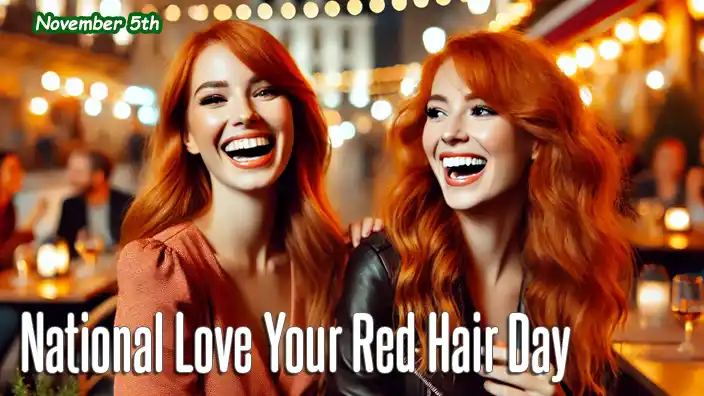
Redheads are like nature’s rare spices: a pinch of sass, a dash of charm, and just enough heat to keep things interesting. They're famously tough—whether it’s resisting anesthesia, tolerating jokes about their “fiery” personalities, or handling the sheer volume of SPF needed to survive a day in the sun. And let’s be honest, a redhead can light up a room without trying, though they’ll tell you it’s all about “good genetics.” With hair that practically glows in the dark and a reputation that swings somewhere between mischievous imp and ethereal unicorn, redheads aren’t just unique—they’re an entire vibe, and the world is all the brighter (and a bit spicier) for it.
Celebrated: Annually, on November 5th
Discover the captivating history and unique traits of redheads, from genetic origins to famous personalities, on National Love Your Red Hair Day.


- Details
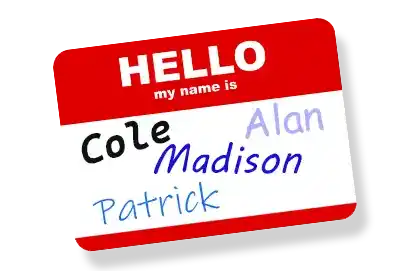
It's like throwing a party where the guests are daring adventurers, cool inventors, stylish socialites, and kings of dad jokes, all vying for the spotlight. Picture the chaos: Patricks donning green and searching for shamrocks, Coles tinkering with party gadgets, Madisons turning the venue into a fashion runway, while Alans crack jokes, turning the event into an impromptu comedy show. It’s not just a celebration; it’s an uproarious sitcom episode waiting to happen, with every moment a hilarious testament to the joy of diversity and the fun of having too many chefs – or, in this case, celebrants – in the kitchen!
Celebrated: Annually, on November 28th
Celebrate the unique personalities of Patrick, Cole, Madison, and Alan on their national days. Embrace the adventure, victories, elegance, and wit these names represent.

- Details
National Chicken Lady Day celebrates Dr. Marthenia “Tina” Dupree, a woman who spreads encouragement like it’s her full-time job (and honestly, some of us need that kind of energy delivered in bulk). She’s the type of public speaker who can walk into a room full of tired, stressed-out humans and have them leaving ten minutes later like, “You know what? I am capable, I am worthy, and yes… I will handle my business today.” If positivity had frequent-flyer miles, Dr. Tina would have her own terminal at the airport. Today is all about good vibes, big heart, and the kind of uplifting spirit that makes you want to stand a little taller and do something decent—preferably before coffee gets cold.
Celebrated: Annually, on November 4th
Discover the inspiring story of Dr. Marthenia Dupree, the 'Chicken Lady,' who transformed her marketing role into a platform for empowerment and community service.

- Details
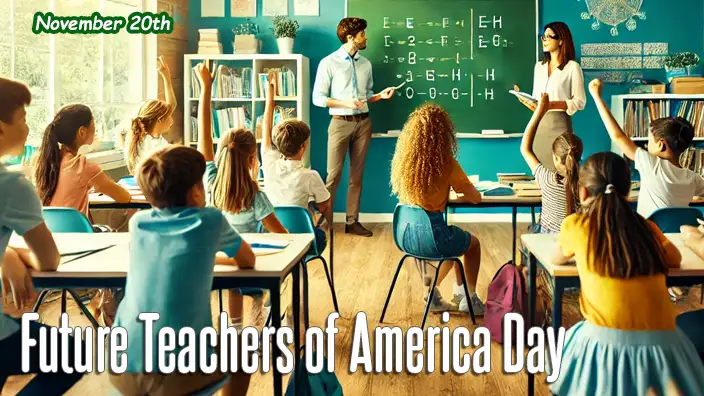
Becoming a teacher is like signing up to be a jack-of-all-trades: part educator, part referee, part motivational speaker, and occasionally, a detective trying to figure out who ate the glue. It’s a career where you can go from explaining algebra to dodging a flying paper airplane in 0.2 seconds. You’ll master the art of drinking lukewarm coffee, develop an immunity to glitter explosions, and learn that the phrase “I’ll wait” holds more power than a thousand detention slips. But for all its chaos, teaching comes with the unmatched joy of watching lightbulbs go off in young minds—sometimes literally, if you forget to unplug the science project.
Celebrated: Annually, on November 20th
Explore the journey of future teachers as they gear up to shape young minds, facing challenges and embracing the joys of education on Future Teachers of America Day.

- Details
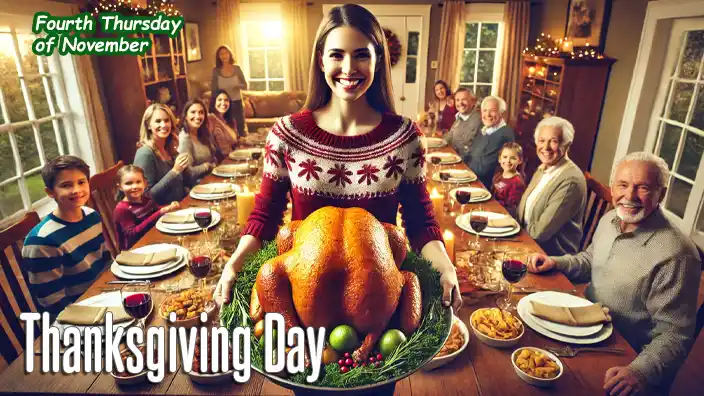
Thanksgiving is the one day of the year when your family gets together to prove just how much food can fit on a single table—and in your stomach. It’s a time when the turkey takes hours to cook but mere seconds to devour and where debates rage over the superiority of homemade cranberry sauce versus the oddly satisfying canned version with ridges. The day inevitably ends with Uncle Bob unbuttoning his pants on the couch, Aunt Linda falling asleep mid-conversation, and someone swearing they’ll never eat again… until dessert rolls around. Truly, it’s the perfect mix of gratitude, gluttony, and gravy.
Celebrated: Annually, on the Fourth Thursday in November
Explore Thanksgiving's origins, from the Pilgrims' first feast to today's traditions like the Macy's Parade and football, celebrating gratitude and togetherness

- Details
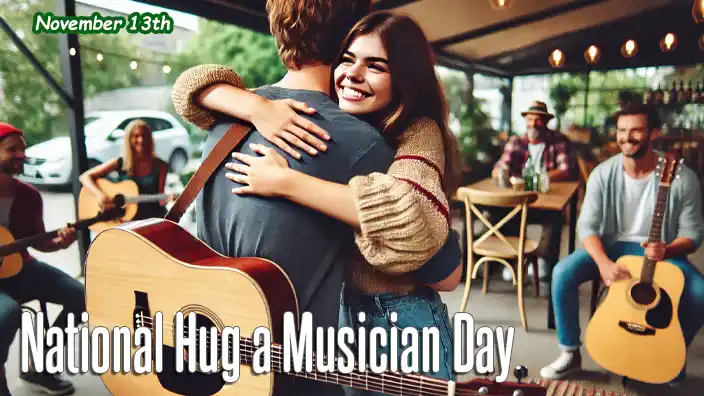
Hugging a musician is like trying to hug a hurricane with a leather jacket on. First, there’s the delicate choreography of avoiding their prized instrument—because trust me, the guitar’s personal space is sacred. You lean in, arms wide, only to get entangled in a maze of guitar straps, stray picks, and maybe the occasional harmonica. And let’s not even start on hugging a drummer; you might just get a pair of sticks jabbed into your ribs by accident. But when you finally manage to give that musician a proper squeeze, it’s worth every awkward angle and accidental string pluck. They might be a little quirky, a bit chaotic, and eternally covered in the scent of stale coffee and late nights, but it’s all part of the charm. Hug a musician—you’ll both feel a little more in tune!
Celebrated: Annually, on November 13th
Uncover the origins and significance of National Hug a Musician Day. Learn how to celebrate and express gratitude to the talented artists who enrich our lives with music.

- Details
Celebrating those moments when you walk into a room and immediately sense the vibe – whether it's awkwardly tense or hilariously chaotic. It's that split-second where you debate whether to join the intense discussion or make a swift U-turn. Celebrate by perfecting your ninja-like aura-dodging skills or embracing your inner mood ring aficionado. Just remember, if someone asks why you're staring at the wall, you can always blame it on your heightened aura awareness.
Celebrated: Annually, on the Fourth Saturday in November
Discover the vibrant world of human energy fields on Aura Awareness Day, where auras are dynamic halos reflecting emotions, spirituality, and vitality. Explore the profound depths of our inner worlds.


- Details
If common sense were sold in stores, it would probably be right next to the batteries—something everyone needs, but somehow no one remembers to pick up. Use Your Common Sense Day is that friendly reminder to pause, think things through, and avoid decisions that future-you will be shaking his head about. It’s not about being brilliant—it’s about not doing the one thing that makes everyone else say, “Well… that could have been avoided.”
Celebrated: Annually, on November 4th
Celebrate Use Your Common Sense Day with practical tips, fun facts, and a humorous look at why everyday reasoning still matters

- Details
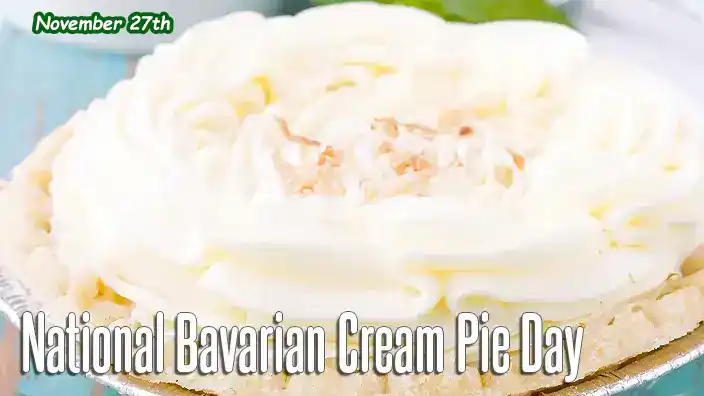
Bavarian Cream Pie—the dessert that looks at custard and says, "Hold my whisk." This dreamy concoction combines a silky-smooth cream filling with the audacity of a pie crust that knows it's just there for the ride. It’s like pudding got all dressed up for a fancy party, complete with a fluffy whipped topping that seems to whisper, “I’m too good for Jell-O, but we can still be friends.” It’s decadent, it’s delightful, and it’s the only pie that can make you question if maybe your fork deserves a promotion to spoon.
Celebrated: Annually, on November 27th
Celebrate National Bavarian Cream Pie Day on November 27th, a day dedicated to the culinary artistry of this unique dessert, marrying French sophistication with Bavarian comfort. Discover the rich history and universal appeal of Bavarian Cream Pie.


- Details
The Humane Society is a sanctuary of hope for animals in need, a place where compassion meets action. It embodies the belief that every creature, regardless of its size or neglect, deserves kindness, care, and a second chance. From rescuing abandoned pets to advocating for stronger animal welfare laws, their work has a profound impact on countless lives—both animal and human. They mend broken spirits, heal physical wounds, and foster unbreakable bonds between people and the animals who love them unconditionally. The Humane Society reminds us of the profound impact of empathy and the difference it makes in creating a world where every life is valued.
Celebrated: Annually, on November 22nd
Discover the heartwarming world of humane societies, their origins, daily operations, and how you can support their mission to protect and care for animals worldwide.

- Details
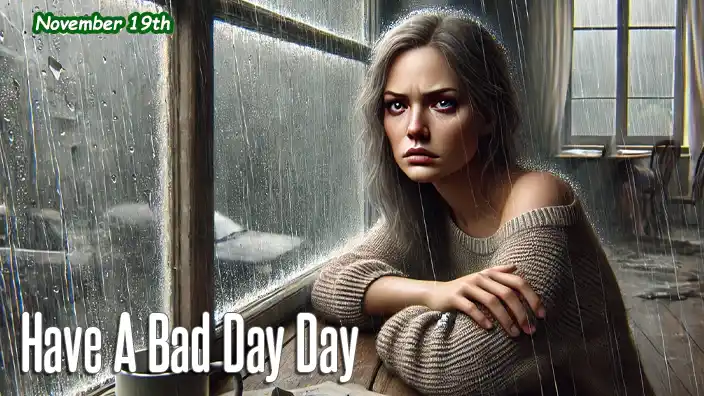
Ever had one of those days where your alarm clock decides to play hide-and-seek under the bed, your coffee tastes like sadness, and your car battery has a stronger "nope" than you do? By lunchtime, you’re dodging spilled soup like it’s an Olympic event, and the only thing keeping you sane is the vending machine candy bar—until it gets stuck halfway down. Bad days are like nature’s way of reminding you that gravity exists, coffee spills, and sometimes, life’s only soundtrack is the sad trombone.
Celebrated: Annually, on November 19th
Discover the origins and purpose of Have a Bad Day Day. Embrace life's challenges with grace, humor, and practical tips to ensure your bad day isn't contagious.

- Details
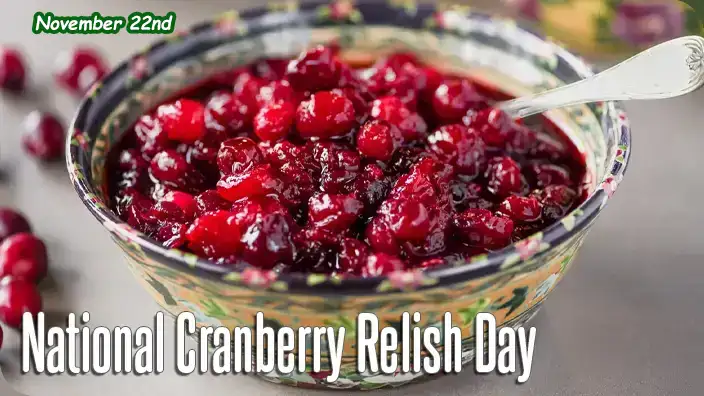
Cranberry Relish as the unsung hero of the Thanksgiving table. While turkey and stuffing get all the glory, cranberry relish sits there, sassy and tart, quietly whispering, "Sure, go ahead, ignore me. But let's see how dry that turkey tastes without my zing." It's the culinary equivalent of the cool aunt who shows up late to the party, steals the show without trying, and leaves everyone wondering why they didn't appreciate her zesty charm sooner!
Celebrated: Annually, on November 22nd
Discover National Cranberry Relish Day, a celebration of history, health, and culinary creativity. Embrace the tradition and versatility of cranberry relish.

- Details
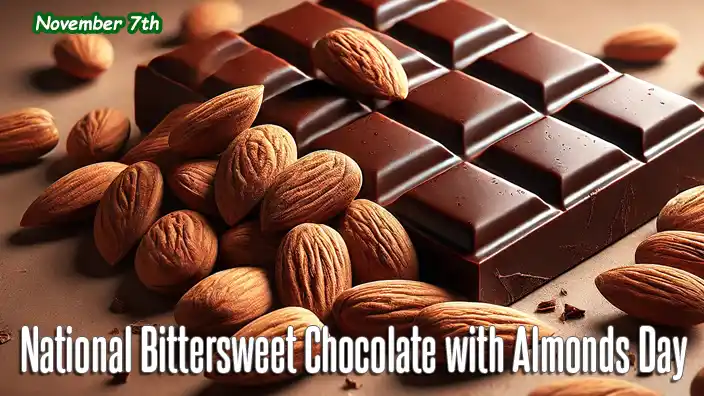
There’s something almost philosophical about dark chocolate with almonds—it’s as if they’re the grown-up version of a candy bar, whispering, “I’m sophisticated, but still a little nutty.” Dark chocolate’s slight bitterness says, “I’m serious about antioxidants,” while the almonds add a satisfying crunch, like they’re giving a high-five to your taste buds. Together, they make the perfect snack for when you’re trying to be “healthy” but also know exactly where the cookie jar is.
Celebrated: Annually, on November 7th
Celebrate National Bittersweet Chocolate with Almonds Day on November 7 with this deliciously nutty and chocolatey pairing that delights taste buds and boosts health.
- Details
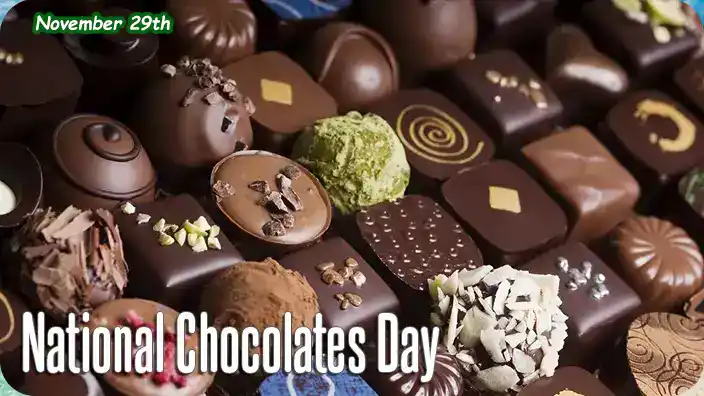
National Chocolates Day! The day when the air smells a bit sweeter, as if infused with the aroma of cocoa and sugar, and diets conveniently get a "pause" button, no questions asked. Observed annually with an enthusiasm that rivals major holidays, this day is a heartfelt tribute to everyone's secret (or not-so-secret) love affair with chocolates. It's a day eagerly anticipated by chocoholics everywhere, who mark it with a fervor usually reserved for big holiday sales, eagerly awaited movie premieres and the dramatic season finales of favorite TV shows. On this day, the allure of chocolate transcends age, gender, and diet plans, uniting people in their shared passion for this sweet delight. Whether it's the smoothness of milk chocolate, the intensity of dark, or the creamy allure of white, National Chocolates Day offers a moment of universal joy, a celebration of one of life's finest pleasures.
Celebrated: Annually, on November 29th
Explore the rich history, cultural significance, and universal appeal of chocolate on National Chocolates Day. Dive into the intricate art of chocolate-making and its health benefits.

- Details
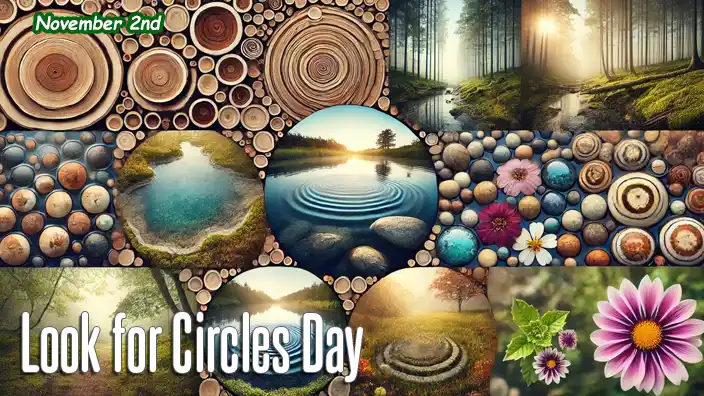
Round, simple, and endlessly looping, this shape has a knack for showing up where it’s least expected—on plates, in pizza boxes, and even as coffee cup stains that add a touch of mystery to your desk. It’s like life’s playful way of saying, “Don’t take things too seriously; just roll with it.” From ripples in a pond to the endless orbit of planets, these curves sneak in a reminder that not everything needs an endpoint. After all, who wouldn’t want a bit of infinity with their morning coffee?
Celebrated: Annually, on November 2nd
Discover the magic of circles and their role in history, science, and symbolism. Celebrate Look for Circles Day by finding round shapes in unexpected places.

- Details
Ever notice how something as simple as a click brings a sense of calm on the road? That snug strap crossing your shoulder may not seem like much, but it’s the difference between a smooth ride and a game of “human pinball” when brakes slam. Sure, some folks call it uncomfortable, but let’s be honest: a little shoulder squeeze is better than a face-to-face encounter with the dashboard. It’s the most loyal travel companion, silently keeping you steady through every sharp turn and pothole—and unlike most passengers, it won’t judge your taste in road trip tunes or the occasional snack disaster on the seat.
Celebrated: Annually, on November 14th
Celebrate National Seat Belt Day on November 14th, honoring the lifesaving impact of seat belts in vehicles worldwide. Discover the history and importance of buckling up.


- Details
Squeezing a bit of personality into a report about gridlock is an art all its own, especially when describing the daily struggle on the highway. Imagine trying to sound upbeat while telling listeners that the morning commute has turned into a parking lot or that “the scenic route” now includes a mile-long detour. With each update, traffic reporters somehow manage to inject a touch of wit, spinning phrases like “moving slower than molasses” or offering the optimistic “at least the view from the bumper is nice.” It’s a job that requires just the right blend of calm, charm, and perhaps a touch of caffeine-induced bravery.
Celebrated: Annually, on November 2nd
Celebrate National Broadcast Traffic Professionals Day by honoring the voices that guide commuters with updates and humor. Discover the history and skills behind traffic broadcasting.

From Our Marks Catelog
-
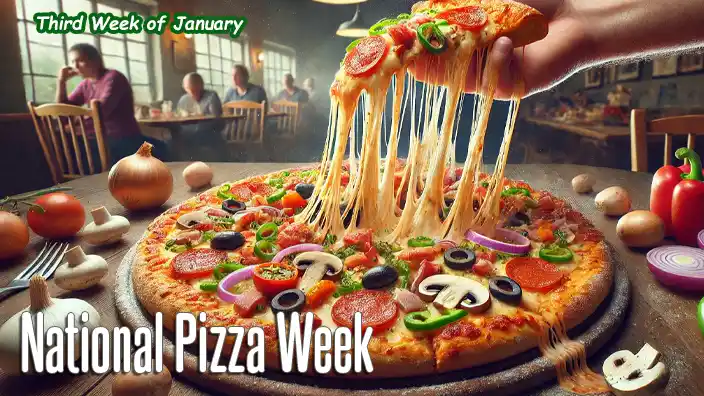
Pizza is the ultimate customizable dish. It caters to all, from the staunch meat-lover who wants...
-

Your toes don't ask for much. They spend their days squeezed into shoes, dodging coffee tables,...
-

You’re trying to relax after a long day, but your dog has decided that now is the perfect time to...
-
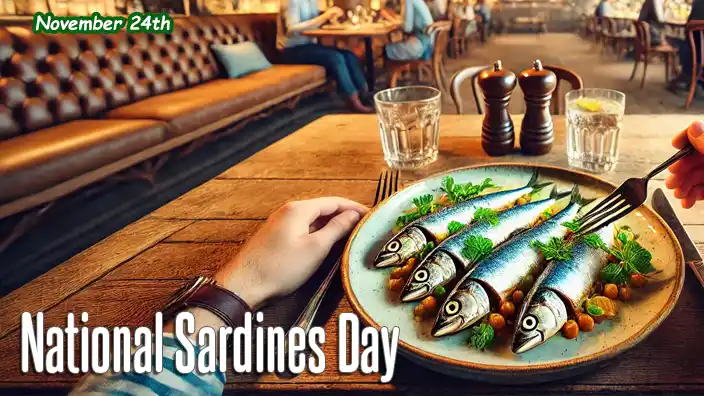
Tiny, shiny, and unapologetically bold, these little fish have a knack for stealing the show at...
-
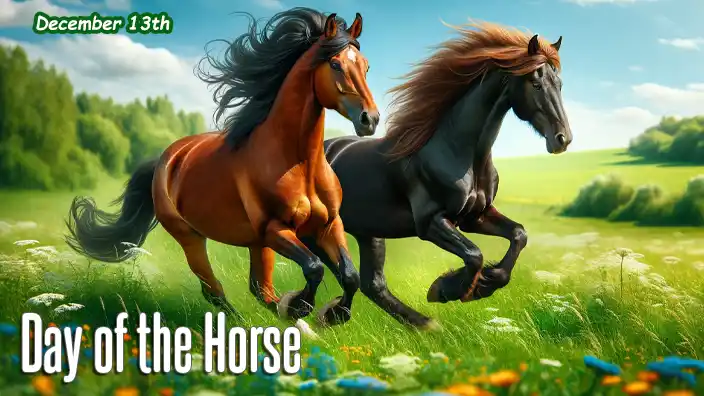
Horses are the comedians of the animal world, even if they don’t realize it. From sneaky maneuvers...
-
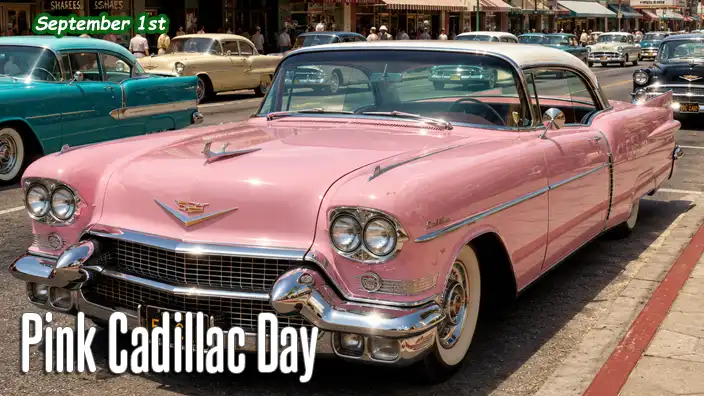
Some cars are built to get you from point A to point B. The Pink Cadillac was built to make sure...

