A Fiery Celebration of Jamaica's Legendary Cuisine
National Jamaican Jerk Day celebrates one of the Caribbean's most delicious contributions to world cuisine, and it's certainly not for anyone who considers black pepper a dangerous adventure. With its irresistible combination of smoky flavors, aromatic spices, and fiery Scotch bonnet peppers, Jamaican jerk has been setting taste buds dancing for generations. Whether you're enjoying traditional jerk chicken, succulent jerk pork, or a creative vegetarian alternative, this is a celebration that promises plenty of flavor, a little perspiration, and absolutely no apologies for turning up the heat!
What Is Jamaican Jerk? More Than Just a Spicy Seasoning
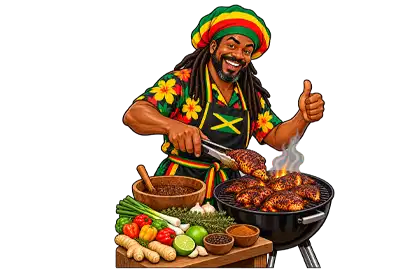
Jamaican jerk is a traditional cooking technique and distinctive style of seasoning deeply rooted in Jamaica's culinary heritage. Although many people associate jerk primarily with spicy chicken, the term encompasses much more than a particular dish or bottle of seasoning. Authentic Jamaican jerk involves flavoring meat, traditionally pork or chicken, with a carefully balanced combination of herbs, spices, and hot peppers before cooking it slowly over fire or smoke. The result is a remarkable combination of heat, sweetness, savory richness, and smoky complexity that has made Jamaican jerk famous throughout the world.
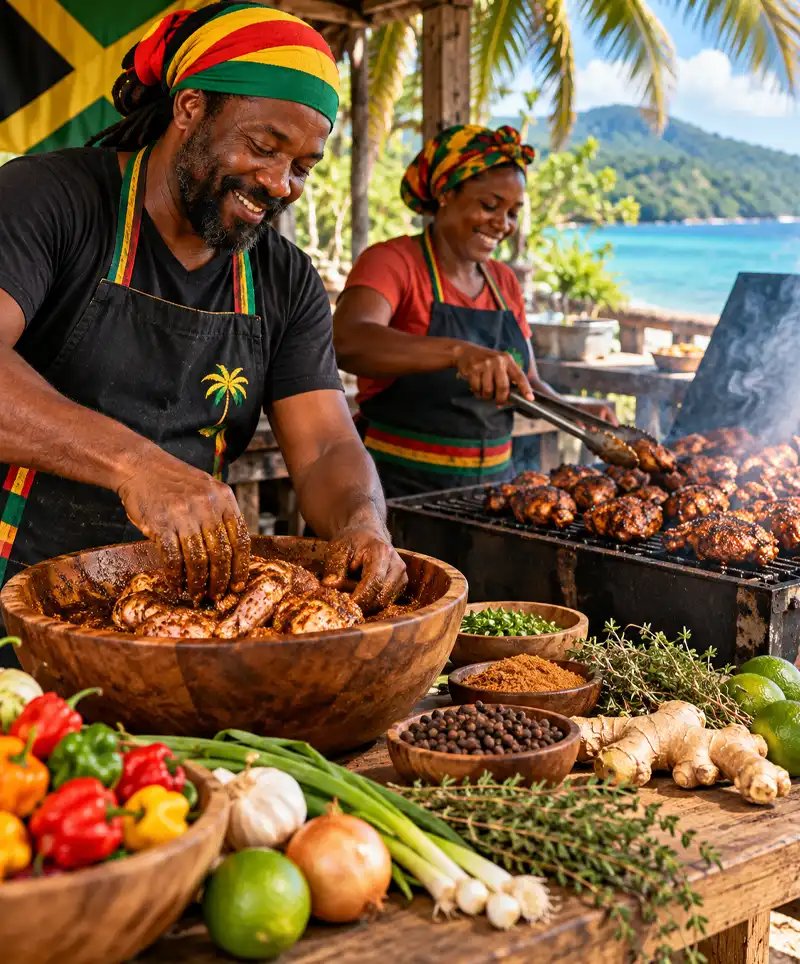
The unmistakable character of jerk seasoning comes from two particularly important ingredients: Scotch bonnet peppers and Jamaican allspice, locally known as pimento. Scotch bonnet peppers contribute intense heat and a distinctive fruity flavor, while pimento provides warm aromatic notes reminiscent of cloves, cinnamon, and nutmeg. Other commonly used ingredients include fresh thyme, scallions, garlic, ginger, onions, black pepper, and sometimes cinnamon, nutmeg, brown sugar, or citrus juice. Recipes vary considerably between families, restaurants, and regions, with experienced cooks often guarding their preferred combinations as carefully as a bank manager guards the vault.
What makes Jamaican jerk particularly interesting is that the seasoning and cooking method work together. The spices penetrate the meat during marination, while slow cooking allows the exterior to develop a richly seasoned crust without sacrificing the tenderness inside. Traditional methods use smoke and heat from wood, especially pimento wood, to introduce additional layers of flavor. The finished dish should offer much more than an overwhelming blast of pepper. Properly prepared jerk balances heat with fragrance, savory depth, and a distinctive smokiness that makes each bite memorable. Of course, if your eyes start watering before the plate reaches the table, someone may have been a little enthusiastic with the Scotch bonnets.
The History of Jamaican Jerk: From Survival to Culinary Tradition
The history of Jamaican jerk reaches back centuries and reflects the complicated cultural history of Jamaica itself. Its development is generally associated with the interaction of Indigenous Caribbean food traditions and the cooking practices of Africans who escaped enslavement during the colonial period. The Taíno, Indigenous inhabitants of Jamaica and other Caribbean islands, possessed knowledge of local ingredients, food preservation, and cooking over fire. Their culinary traditions helped establish techniques that later contributed to the development of Jamaican jerk. Although the precise origins of individual methods remain difficult to document, the connection between Indigenous Caribbean cooking and the development of jerk is widely recognized.
The Jamaican Maroons played an especially important role in shaping the tradition. These communities descended from Africans who escaped enslavement and established independent settlements in Jamaica's mountainous interior. Following the English conquest of Jamaica in 1655, Maroon communities resisted colonial forces and developed sophisticated methods of survival, agriculture, and food preparation. Their cooking traditions incorporated available ingredients, including wild pimento, and techniques suited to life in difficult terrain. Over time, the combination of Indigenous knowledge, African culinary practices, and locally available seasonings helped produce the distinctive cooking style now recognized as Jamaican jerk.
Wild hogs were an important source of meat for some early Maroon communities, and pork became closely associated with traditional jerk preparation. Meat could be seasoned and cooked over wood fires, with smoke contributing flavor and helping preserve food. Historical accounts and culinary traditions sometimes describe Maroons using concealed cooking locations to avoid detection by colonial patrols, although the exact methods and their development are not fully documented. What is clear is that jerk cooking emerged from circumstances involving resourcefulness, adaptation, and cultural exchange. These early cooks were not experimenting with fashionable restaurant menus. They were developing practical ways to feed their communities under extraordinarily difficult conditions.
The Maroons maintained distinctive cultural traditions despite repeated attempts by colonial authorities to suppress their independence. Their resistance eventually resulted in treaties with the British during the eighteenth century, although those agreements were controversial and did not end every conflict. Maroon communities preserved important aspects of their heritage, including music, storytelling, agricultural knowledge, and culinary practices. Jamaican jerk became one of the most recognizable expressions of that heritage, evolving over generations as ingredients, equipment, and cooking preferences changed.
As jerk cooking spread beyond Maroon communities, it became an increasingly important part of Jamaican food culture. Traditional methods were adapted for homes, roadside cooking establishments, markets, and public gatherings. Jerk pork remained especially important, while jerk chicken eventually became one of the most internationally recognized Jamaican dishes. Today, Jamaican jerk represents a remarkable culinary journey from the island's Indigenous and Maroon traditions to restaurants and kitchens around the world. It's quite an achievement for a cooking method that developed long before anyone thought of selling bottled marinades with pictures of smiling chickens on the label.
The Secret Behind Jamaican Jerk Seasoning
At the heart of every memorable Jamaican jerk dish is its seasoning, a carefully constructed mixture that combines fiery heat with rich, aromatic complexity. Unlike simple barbecue rubs that rely heavily on salt, sugar, and paprika, traditional jerk seasoning draws its distinctive character from fresh herbs, pungent aromatics, and powerful spices. Scotch bonnet peppers and pimento are especially important, but the supporting ingredients help transform the mixture into something far more sophisticated than ordinary hot sauce.
Scotch bonnet peppers are among the defining ingredients of Jamaican cooking. Named for their resemblance to a traditional Scottish bonnet, these small, colorful peppers belong to the species Capsicum chinense. They typically measure approximately 100,000 to 350,000 Scoville Heat Units, placing them far above ordinary jalapeños on the pepper heat scale. However, their appeal extends beyond sheer intensity. Scotch bonnets possess a fruity, slightly sweet character that complements the warm flavors of allspice, thyme, and garlic. The trick is using enough to create excitement without turning dinner into an emergency evacuation exercise.
Jamaican pimento, or allspice, comes from the dried unripe berries of the Pimenta dioica tree, which is native to the Caribbean and parts of Central America. Despite its name, allspice is not a mixture of several spices. It is a single spice whose flavor resembles a combination of cloves, cinnamon, nutmeg, and pepper. The berries are used whole or ground, while the wood of the pimento tree has traditionally been valued for smoking jerk meat. Its aromatic smoke contributes to the characteristic flavor associated with traditional Jamaican jerk cooking.
Other ingredients provide balance and complexity. Fresh thyme adds herbal fragrance, scallions and onions contribute savory depth, garlic introduces pungency, and ginger provides a subtle warmth distinct from the heat of hot peppers. Some cooks include soy sauce, vinegar, citrus juice, brown sugar, or additional spices, depending on family traditions and personal preferences. Wet jerk marinades and dry jerk rubs are both widely used, although the proportions can vary dramatically. Ask several Jamaican cooks for their secret jerk seasoning recipe, and you may receive several different answers, followed by a lengthy explanation of why everyone else's grandmother got it wrong.
Traditional Jamaican Jerk Cooking: Smoke, Fire, and Patience
Authentic Jamaican jerk cooking is as much about technique as it is about seasoning. Historically, jerk meat was prepared over wood fires, with the cooking process allowing smoke and heat to penetrate the food gradually. Pimento wood is particularly associated with traditional Jamaican jerk because it produces aromatic smoke that complements the allspice used in the seasoning. In some traditional preparations, meat is cooked over green pimento branches, allowing the fragrance of the wood to contribute directly to the finished dish.
Modern Jamaican jerk establishments employ a variety of cooking arrangements, including charcoal grills, wood-fired pits, and converted metal drums. These distinctive roadside cooking stations have become familiar sights in Jamaica, where customers gather to purchase freshly prepared jerk chicken, jerk pork, and other specialties. Large metal drums, often cut and modified into covered grills, provide practical cooking equipment capable of producing the heat and smoke necessary for flavorful jerk. The appearance may be rustic, but the results can rival dishes produced in expensive restaurant kitchens.
Successful jerk cooking requires careful temperature control. The objective is to cook the meat thoroughly while developing a flavorful, darkened exterior without burning the seasoning. Chicken and pork benefit from sufficient marinating time, often several hours or overnight, allowing the herbs and spices to distribute across the meat. The cooking process must then balance direct heat with gentler cooking, depending on the cut and equipment. Chicken should reach a safe internal temperature of 165°F, while whole cuts of pork should reach at least 145°F followed by a three-minute rest. Ground pork requires 160°F.
The finished jerk should have a deeply seasoned exterior, an inviting smoky aroma, and a juicy interior. Although some darkening and charring are characteristic of traditional preparation, excessive burning is not the objective. A good jerk cook understands that patience produces better results than simply turning the grill into a miniature volcano. The smoke should flavor the meat, not summon the local fire department.
Jerk Chicken, Jerk Pork, and Other Jamaican Favorites
Jerk chicken is undoubtedly one of the most internationally recognized examples of Jamaican cuisine. Chicken absorbs the bold flavors of jerk marinade particularly well, and its relatively mild natural flavor provides an excellent foundation for the aromatic seasoning. Whether prepared as whole pieces, quarters, or smaller portions, jerk chicken is commonly served with rice and peas, festival bread, roasted breadfruit, or other traditional Jamaican accompaniments. The contrast between the fiery meat and comforting side dishes creates a satisfying meal that has helped make jerk chicken popular far beyond Jamaica.
Jerk pork, however, has especially deep historical associations with the development of the cooking tradition. Pork's natural richness complements the intense seasoning, while slower cooking can produce tender meat with a beautifully flavored exterior. Traditional jerk pork remains popular throughout Jamaica, particularly at establishments specializing in authentic cooking methods. Boston Bay, in the parish of Portland, is widely associated with Jamaican jerk traditions and has become a well-known destination for visitors seeking freshly prepared jerk pork and chicken. Its reputation is built on the distinctive flavors and cooking practices that have helped define Jamaican jerk cuisine.
The versatility of jerk seasoning has also encouraged cooks to experiment with fish, shrimp, beef, goat, and vegetarian ingredients. Jerk fish can combine the seasoning's fiery character with the delicate flavors of seafood, while jerk shrimp offers a quicker cooking option suitable for grills and stovetops. Vegetarian versions featuring tofu, mushrooms, cauliflower, or other vegetables have become increasingly popular, particularly outside Jamaica. These adaptations demonstrate the seasoning's flexibility, although they should be distinguished from the traditional meat-based cooking methods that shaped its history.
There is certainly no rule requiring every jerk enthusiast to consume enormous quantities of meat. A properly seasoned grilled vegetable dish can deliver a satisfying combination of smoky flavors and Caribbean spices. Just remember that cauliflower has a rather different personality from pork shoulder, so cooking times and techniques should be adjusted accordingly. Even the most adventurous vegetable deserves a little consideration before being introduced to a Scotch bonnet pepper.
The Perfect Partners: What to Serve With Jamaican Jerk
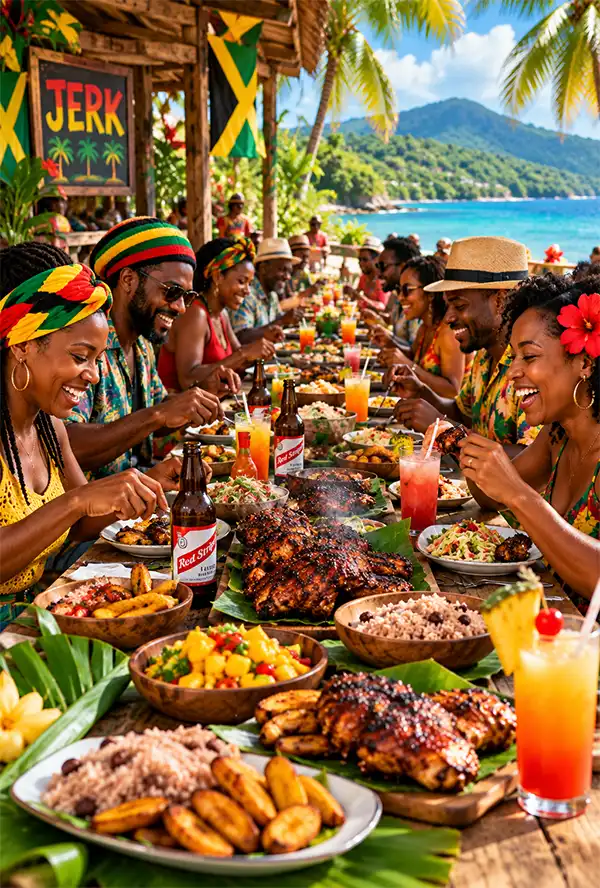
A delicious plate of Jamaican jerk chicken or jerk pork deserves accompaniments that complement its bold flavors without competing for attention. One of the most popular choices is Jamaican rice and peas, a traditional dish made with rice, kidney beans or gungo peas, coconut milk, and aromatic seasonings. Despite the name, the peas are generally beans rather than the little green vegetables familiar to many American dinner tables. The coconut milk contributes a gentle richness that pairs beautifully with spicy jerk meat, while the rice provides a welcome opportunity for the taste buds to recover between fiery mouthfuls.
Another beloved accompaniment is Jamaican festival, a slightly sweet fried dough made with flour, cornmeal, and other ingredients. Its golden exterior and soft interior make it an excellent companion for smoky, spicy meat. Traditional bammy, a flatbread prepared from cassava, is another popular choice, particularly alongside fish. Roasted breadfruit, fried plantains, and fresh vegetable salads also appear frequently with Jamaican meals, creating a satisfying balance of textures and flavors. Jamaica's official tourism resources highlight festival and bammy as traditional partners for jerk dishes.
Cooling accompaniments can be especially welcome when the cook has been particularly generous with Scotch bonnet peppers. Fresh mango salsa, cucumber salad, and coconut-based side dishes provide contrasting flavors, although no side dish can completely neutralize a determined hot pepper. Milk and yogurt can help relieve capsaicin's burning sensation more effectively than plain water. And while a refreshing tropical drink certainly adds to the atmosphere, remember that a cold beverage is not an excuse to challenge the cook to use every pepper in the kitchen.
Jamaican Jerk Goes International
What began as a distinctive Jamaican culinary tradition has developed into an internationally recognized cooking style. Jamaican communities living abroad have played an important role in introducing jerk chicken, jerk pork, and traditional Caribbean dishes to new audiences. Cities such as London, New York, Toronto, and Miami have established Jamaican restaurants and food businesses where jerk remains a popular menu item. Through migration, family traditions, restaurants, and cultural festivals, Jamaican jerk has become an important ambassador for the island's culinary heritage.
The international popularity of jerk has also encouraged considerable experimentation. Contemporary chefs incorporate jerk seasoning into tacos, burgers, sandwiches, pizza, pasta, seafood dishes, and vegetarian meals. Some of these creations are delicious, while others stretch the definition of traditional Jamaican cuisine almost beyond recognition. There is certainly room for culinary innovation, but it's important to remember that authentic Jamaican jerk is more than simply adding a commercial spice blend to an unrelated dish. The traditional cooking methods, characteristic ingredients, and cultural history deserve recognition alongside modern adaptations.
Jamaican jerk festivals and culinary events have helped introduce the cooking tradition to wider audiences. The annual Grace Jamaican Jerk Festival in South Florida, for example, has celebrated Jamaican food, music, and culture, bringing together professional cooks, entertainers, and enthusiastic visitors. Similar events have been organized in other locations with significant Jamaican communities. These gatherings provide opportunities to sample different jerk preparations, discover traditional accompaniments, and appreciate the cultural connections that make Jamaican cuisine so distinctive. They also demonstrate that an event involving Scotch bonnet peppers should probably have a generous supply of beverages available.
How to Celebrate National Jamaican Jerk Day
National Jamaican Jerk Day, observed on October 25, provides a delicious opportunity to explore Jamaica's culinary heritage. The most obvious celebration involves preparing or enjoying traditional jerk chicken or jerk pork, preferably with authentic Jamaican side dishes. Those unfamiliar with jerk cooking might begin by visiting a Jamaican restaurant or purchasing a prepared jerk seasoning blend before attempting their own recipe. More experienced cooks can experiment with fresh ingredients, different marinades, and smoking techniques to develop their preferred balance of heat and flavor.
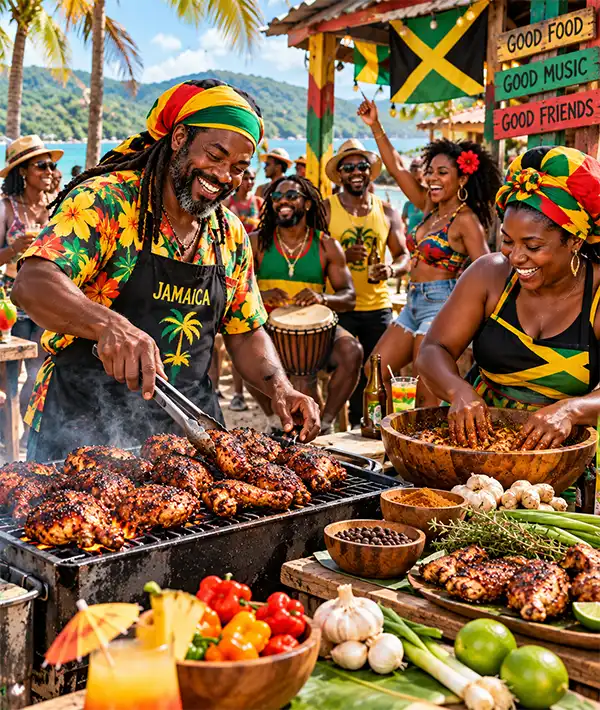
Hosting a Jamaican jerk barbecue is another enjoyable way to celebrate. Invite family members and friends, prepare a selection of jerk-inspired dishes, and include traditional accompaniments such as rice and peas, festival, and fried plantains. Offering several levels of spiciness is a thoughtful idea, particularly when guests have different tolerances for hot peppers. One person may enthusiastically request extra Scotch bonnet seasoning, while another may regard ordinary mustard as an unreasonable culinary challenge. A successful gathering should accommodate both without requiring anyone to sign a liability waiver before dinner.
National Jamaican Jerk Day also offers an opportunity to learn about Jamaican history, music, and cultural traditions. Exploring the contributions of the Taíno and Jamaican Maroons helps explain why jerk cooking holds such importance within Jamaica's national identity. Listening to reggae, ska, or other Jamaican musical styles can add to the atmosphere, while learning about traditional ingredients and preparation methods provides a deeper appreciation of the cuisine. Jamaican jerk deserves to be enjoyed as part of a living cultural tradition rather than simply another excuse to consume something exceptionally spicy.
For families with children, preparing a mild jerk-inspired meal can introduce younger taste buds to new flavors without overwhelming them. Children can help measure spices, prepare suitable side dishes, or learn about Jamaica's geography and culinary history. Adults should handle hot peppers carefully, preferably wearing gloves when chopping particularly fiery varieties and avoiding contact with their eyes. Scotch bonnet peppers may be small, but they have a remarkable ability to remind careless cooks of their existence long after the meal has finished.
Fascinating Jamaican Jerk Facts
Jamaican jerk has accumulated centuries of culinary history, distinctive traditions, and some wonderfully surprising characteristics. Here are a few facts to impress your dinner guests while everyone waits for the grill to finish its work.
- More than seasoning: Jerk refers to both a cooking method and its distinctive spice mixture.
- Maroon heritage: Jamaican Maroon communities played a major role in developing traditional jerk cooking.
- Serious heat: Scotch bonnet peppers commonly reach 100,000–350,000 Scoville Heat Units.
- Aromatic wood: Pimento wood traditionally provides the distinctive smoke used in jerk cooking.
- Pimento is allspice: Jamaican pimento berries provide a flavor reminiscent of several warm spices.
- Pork came first: Jerk pork has particularly deep historical associations with the traditional cooking method.
- Famous location: Boston Bay in Portland, Jamaica, is renowned for its jerk cooking traditions.
- Worldwide appeal: Jamaican jerk is enjoyed in restaurants and communities around the world.
One Last Taste of Jamaica
National Jamaican Jerk Day celebrates much more than an exceptionally flavorful meal. It recognizes a cooking tradition shaped by Jamaica's history, the resourcefulness of its people, and the remarkable combination of ingredients that have made jerk famous around the world. From the traditions of the Taíno and Jamaican Maroons to modern roadside grills and international restaurants, jerk cooking has developed into one of the Caribbean's most recognizable culinary contributions.
The enduring appeal of Jamaican jerk lies in its balance of flavors. Fiery Scotch bonnet peppers, fragrant pimento, fresh herbs, and smoky cooking techniques combine to create something far more interesting than ordinary barbecue. Whether prepared according to traditional methods or adapted for a modern kitchen, a good jerk dish offers a delicious reminder of Jamaica's rich culinary heritage.
So, on October 25, fire up the grill, gather your favorite ingredients, and celebrate National Jamaican Jerk Day with a generous helping of Caribbean flavor. Invite a few friends, prepare some traditional Jamaican side dishes, and enjoy a meal that combines history, culture, and exceptional cooking.
And if someone at the table complains that the jerk chicken is too hot, remind them that the Scotch bonnet peppers were simply doing their job.
They didn't come all the way from the Caribbean to be ignored.