The Humble Potato Gets Its Day in the Spotlight
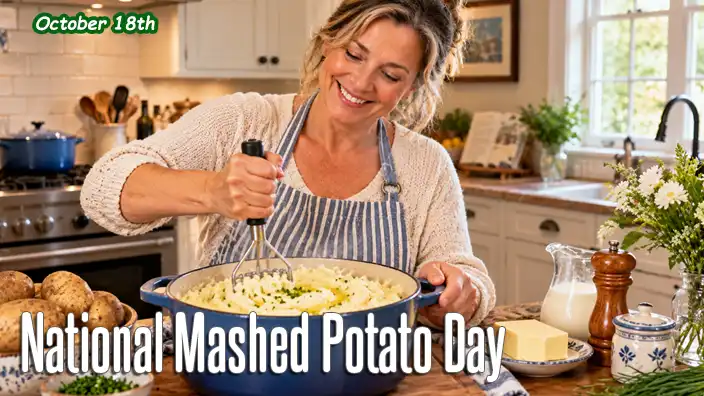
Every October 18, National Mashed Potato Day celebrates one of America's most beloved comfort foods: the humble mashed potato. Whether served as a fluffy mountain crowned with melting butter, a creamy accompaniment to Sunday dinner, or a magnificent foundation for a generous helping of gravy, mashed potatoes have earned a permanent place on dinner tables across the country. They're inexpensive, versatile, satisfying, and remarkably forgiving of anyone whose culinary ambitions extend no further than boiling water and locating the potato masher. Of course, getting them perfectly fluffy requires a little more finesse, but that's where the fun begins.
Unlike many food holidays with well-documented beginnings, the precise origins of National Mashed Potato Day are unclear. The observance is widely listed on October 18, providing an excellent excuse to explore the history, preparation, and international appeal of mashed potatoes. It also arrives conveniently ahead of the Thanksgiving season, when millions of Americans will engage in the annual tradition of preparing enough mashed potatoes to feed a small army, followed by the equally traditional discovery that everyone wants seconds.
More Than Just Spuds: The History of Mashed Potatoes
The story of mashed potatoes begins thousands of years before anyone thought to add a generous knob of butter. Potatoes were domesticated in the Andean region of South America, particularly in areas of present-day Peru and Bolivia, where Indigenous communities cultivated and developed numerous varieties. Archaeological and agricultural evidence places potato domestication thousands of years in the past, with estimates commonly extending back approximately 7,000 to 10,000 years. These early farmers recognized the potato's nutritional value, adaptability, and ability to thrive in challenging mountain environments. They also developed preservation techniques, including freeze-drying potatoes into chuño, long before anyone invented the modern freezer or complained that there wasn't enough room in it.
Spanish explorers introduced potatoes to Europe during the sixteenth century, but the unfamiliar vegetable initially encountered suspicion. In some regions, potatoes were regarded as animal feed or associated with questionable medical beliefs, while other communities gradually recognized their usefulness as a dependable food crop. By the eighteenth century, potatoes had become increasingly important across Europe, particularly among populations seeking affordable, filling food. French pharmacist and agricultural advocate Antoine-Augustin Parmentier helped promote potato consumption in France, using scientific arguments, public demonstrations, and culinary enthusiasm to overcome resistance. He did not invent mashed potatoes, but his efforts helped establish the potato as a respectable ingredient in French cooking. Apparently, convincing people to eat something delicious was once considerably harder than convincing them to photograph it.
Written recipes for mashed or beaten potatoes appeared in European cookbooks by the eighteenth century. Hannah Glasse's influential 1747 cookbook, The Art of Cookery Made Plain and Easy, included instructions for preparing mashed potatoes with milk and butter, demonstrating that the basic formula for this enduring favorite was already familiar. Over time, mashed potatoes became a staple in British, Irish, European, and North American cooking. Today, the dish appears in countless forms, from rustic country-style mash to elegant French potato purée. The essential ingredients remain reassuringly simple: potatoes, a little liquid, seasoning, and enough butter to make the family nutrition expert raise an eyebrow.
Choosing the Best Potatoes for Mashing
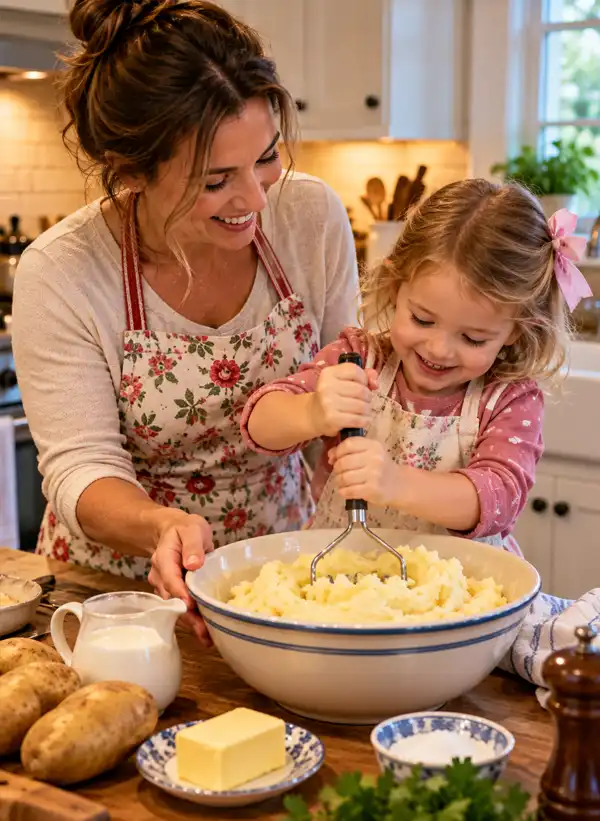
The secret to excellent homemade mashed potatoes begins long before the butter appears. Choosing the right potato variety makes a substantial difference because potatoes vary in starch content, moisture, and texture. High-starch potatoes generally produce a lighter, fluffier mash, while waxier varieties hold their shape more firmly and tend to create a denser result. Understanding these differences can help home cooks achieve the texture they prefer rather than leaving the outcome to chance and hoping nobody notices the lumps.
Russet potatoes, sometimes called Idaho potatoes when grown in that state, are a popular choice for traditional fluffy mashed potatoes. Their relatively high starch content and dry, mealy texture allow them to break apart easily after cooking, creating a light consistency that absorbs butter and warm milk beautifully. Yukon Gold potatoes, with their naturally yellow flesh and moderately starchy texture, produce a richer, creamier mash with a pleasantly buttery flavor. Many cooks combine Russets and Yukon Golds to balance fluffiness with creaminess, a culinary partnership that generally works better than most committees.
Red potatoes and other waxy varieties can also be mashed, particularly when a rustic texture and bits of skin are desired. However, their lower starch content makes them less suitable for an exceptionally light, smooth purée. Whatever variety you choose, potatoes should be firm, free from significant spoilage, and properly stored. Green portions and sprouts should be removed generously, and potatoes that are extensively green, bitter, or deteriorated should be discarded. The objective is a delicious side dish, not an experimental investigation into questionable vegetables discovered at the back of the pantry.
The Science Behind Perfectly Fluffy Mashed Potatoes
Making excellent mashed potatoes involves a surprising amount of food science. Potatoes contain starch granules enclosed within plant cells. During cooking, heat and moisture cause these granules to swell and soften, producing the tender texture necessary for mashing. The challenge is breaking the cooked potatoes into a pleasant consistency without damaging too many cells and releasing excessive starch. When potatoes are aggressively processed, the released starch can turn the mixture sticky, elastic, and unpleasantly gluey. This is why a food processor or blender, despite being wonderfully efficient at many kitchen tasks, is usually a terrible choice for preparing mashed potatoes.
For reliable results, begin by cutting peeled potatoes into similarly sized pieces so they cook evenly. Place them in cold, lightly salted water, bring the pot to a gentle boil, and simmer until the potatoes are tender enough for a fork to slide through easily. Starting with cold water helps the pieces heat more evenly, reducing the risk of overcooked exteriors surrounding stubbornly firm centers. Once cooked, drain the potatoes thoroughly and allow excess moisture to evaporate briefly. This step prevents watery mashed potatoes and creates more room for flavorful additions.
A traditional potato masher produces a pleasantly rustic texture, while a potato ricer or food mill creates a finer, smoother consistency. For exceptionally silky French-style purée, some cooks pass the potatoes through a fine sieve, although this requires patience and a willingness to wash equipment that seems to multiply whenever nobody is looking. Whatever method you choose, work gently and stop mixing once the desired texture is achieved. The potatoes should be soft and inviting, not elastic enough to qualify as building material.
Butter, Milk, Cream, and the Magic of Flavor
Once the potatoes have been cooked and mashed, the next step is transforming them from perfectly respectable vegetables into something people discuss enthusiastically between mouthfuls. Butter is one of the most important ingredients in classic mashed potatoes, contributing richness, flavor, and a smooth mouthfeel. Warm milk or cream helps loosen the mixture and create the desired consistency. Adding these ingredients gradually makes it easier to control the texture, while warming the liquid prevents the potatoes from cooling unnecessarily during preparation.
Salt is essential for bringing out the natural flavor of potatoes, and freshly ground black or white pepper can provide a gentle finishing touch. Roasted garlic adds mellow sweetness, while sour cream or cream cheese introduces tanginess and richness. Chopped chives, parsley, or green onions provide freshness and color. For more adventurous variations, cooks might incorporate grated Parmesan, sharp cheddar, caramelized onions, sautéed mushrooms, or crispy bacon. These additions demonstrate the potato's remarkable ability to accommodate almost anything, although at some point the dish begins resembling a fully loaded baked potato that has experienced a structural collapse.
The ideal amount of butter and dairy depends on personal preference. Some cooks favor light, fluffy mashed potatoes with modest additions, while others pursue a luxurious restaurant-style purée containing considerable quantities of butter. Both approaches can be delicious. Those managing particular dietary needs can also prepare satisfying versions using olive oil, suitable plant-based milk, or other alternatives. Mashed potatoes do not require extravagance to taste good; properly cooked potatoes, thoughtful seasoning, and careful preparation often make the greatest difference.
Mashed Potatoes Around the World
Although Americans have enthusiastically adopted mashed potatoes as a comfort-food favorite, the dish has relatives in kitchens around the world. In Ireland, colcannon combines mashed potatoes with cabbage or kale, often enriched with butter and milk. Another traditional Irish preparation, champ, incorporates chopped scallions into creamy mashed potatoes. These dishes reflect Ireland's long culinary relationship with the potato and its importance as an affordable, nourishing ingredient. Colcannon is particularly associated with autumn traditions, including Halloween, making it an excellent companion to National Mashed Potato Day.
France contributes the exceptionally smooth and rich pommes purée, often prepared by passing cooked potatoes through a food mill or fine sieve before incorporating butter and warm milk. The late French chef Joël Robuchon became internationally famous for his luxurious potato purée, demonstrating that a humble vegetable could achieve fine-dining celebrity status with enough attention and a substantial butter budget. In the Netherlands, stamppot combines mashed potatoes with vegetables such as kale, carrots, or sauerkraut, frequently accompanied by smoked sausage. Scandinavian kitchens also feature mashed potatoes alongside fish, meatballs, and traditional meat dishes.
In Britain, mashed potatoes are essential to dishes such as shepherd's pie and cottage pie, where a layer of seasoned potatoes tops a savory meat filling before baking. In parts of Eastern Europe, mashed potatoes appear alongside hearty meat dishes, dumplings, and stews. Across these culinary traditions, the ingredients and presentation vary, but the appeal remains remarkably consistent: warm, satisfying potatoes that complement almost anything placed beside them. The potato has successfully crossed borders, adapted to local tastes, and become internationally popular without ever needing a passport.
Mashed Potatoes and American Holiday Traditions
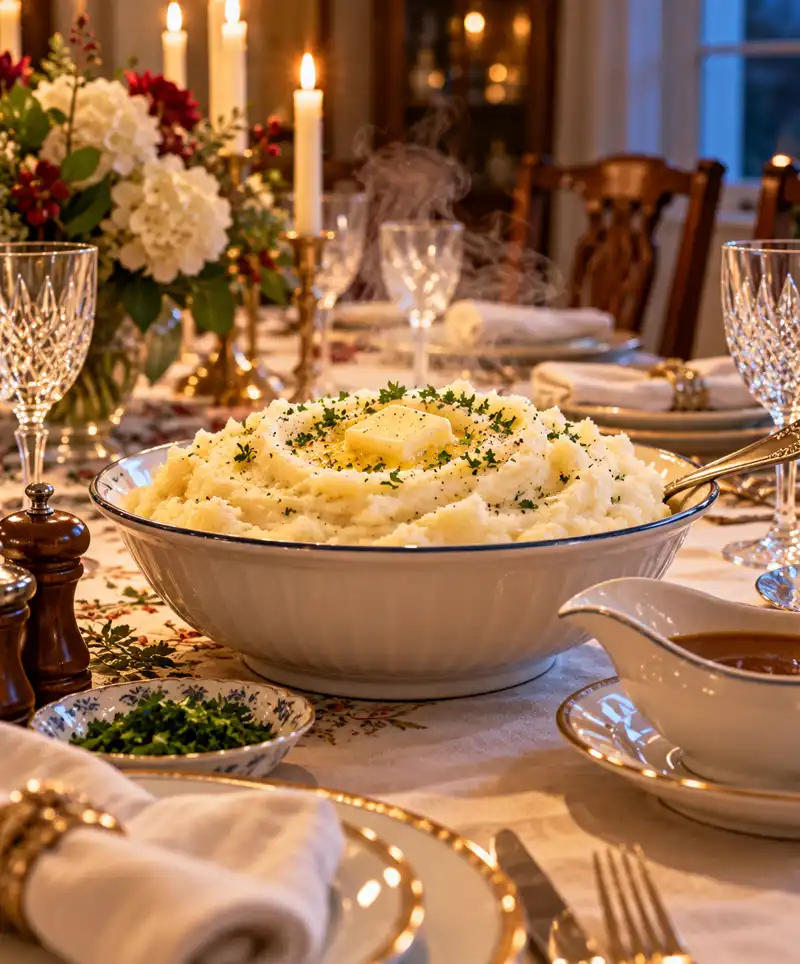
Few foods are more closely associated with American holiday dinners than mashed potatoes. At Thanksgiving, they share the table with roasted turkey, stuffing, cranberry sauce, vegetables, and the indispensable gravy boat. Christmas dinners, Easter gatherings, Sunday family meals, and special celebrations also frequently feature generous bowls of mashed potatoes. Their mild flavor complements rich sauces and savory main dishes, while their creamy texture provides a comforting contrast to roasted and crispy foods. A holiday meal without mashed potatoes is certainly possible, but someone at the table is almost guaranteed to ask where they've gone.
The relationship between mashed potatoes and gravy deserves particular recognition. A generous spoonful of potatoes provides the ideal foundation for a carefully constructed gravy well, an engineering project undertaken by diners of all ages. Some prefer their gravy delicately drizzled across the surface, while others build a crater deep enough to concern a geologist. Neither approach is wrong, although the second occasionally requires additional napkins.
Mashed potatoes are also convenient for large gatherings because they can be prepared in substantial quantities and adapted to different tastes. Some families insist on perfectly smooth potatoes, while others proudly serve rustic mash with visible pieces of potato and skin. Debates about garlic, butter, cream, and seasoning can become surprisingly passionate, especially when someone suggests replacing Grandma's traditional recipe with a fashionable new variation. The safest approach is often to prepare the family favorite and save culinary experimentation for a meal when fewer relatives are prepared to offer unsolicited opinions.
Mashed Potatoes in Movies, Music, and Popular Culture
Mashed potatoes have enjoyed a surprisingly entertaining career beyond the dinner table. One of their most memorable cinematic appearances occurs in Steven Spielberg's 1977 science-fiction film Close Encounters of the Third Kind. Richard Dreyfuss's character, Roy Neary, becomes obsessed with a mysterious mountain-shaped formation and famously recreates it using mashed potatoes during a family meal. His relatives are understandably bewildered, particularly since most families expect dinner to be eaten rather than converted into an architectural model. The scene helped make mashed potatoes part of movie history, proving that an ordinary side dish can occasionally become the centerpiece of an extraterrestrial mystery.
The dish also inspired a dance craze during the early 1960s. The Mashed Potato was a popular dance characterized by twisting foot movements, and singer Dee Dee Sharp scored a major hit with "Mashed Potato Time" in 1962. The song helped associate the dance with the era's lively youth culture, when dances with food-inspired names were apparently considered perfectly reasonable entertainment. Chubby Checker's "The Twist" had already demonstrated that enthusiastic footwork could become a national obsession, and the Mashed Potato offered another opportunity for young Americans to rearrange their footwear without leaving the dance floor.
From comedy sketches and television dinners to nostalgic advertisements and restaurant menus, mashed potatoes continue to represent home cooking, comfort, and occasionally absurd creativity. Their versatility makes them an easy subject for culinary competitions, elaborate presentations, and playful family traditions. Few foods can claim to have supported both an international dance craze and an encounter with imagined extraterrestrial visitors. The potato, naturally, has remained modest about these achievements.
Creative Ways to Serve Mashed Potatoes
Traditional mashed potatoes are delicious, but their versatility invites endless experimentation. For a savory variation, try adding roasted garlic, caramelized onions, fresh herbs, or sautéed mushrooms. A combination of Parmesan and chives produces a flavorful accompaniment to roasted chicken, while cheddar cheese and crispy bacon can transform ordinary mashed potatoes into a particularly indulgent side dish. A spoonful of prepared horseradish adds a lively kick, especially when served with roast beef. Just remember that a little horseradish goes a long way; the goal is to complement the potatoes, not make the dinner guests question their breathing arrangements.
Mashed potatoes can also become the foundation of an entire meal. A mashed potato bar allows guests to customize their servings with toppings such as cheese, sour cream, sautéed vegetables, green onions, gravy, and other favorites. This approach works particularly well for family gatherings and casual celebrations because everyone can assemble a combination suited to their tastes. Children may prefer cheese and butter, while adults might explore roasted vegetables, herbs, or spicy additions. The possibilities are extensive, although someone will inevitably construct a potato masterpiece so heavily loaded that the original mashed potatoes become almost impossible to locate.
For an elegant presentation, mashed potatoes can be piped into decorative swirls and baked until lightly golden, creating a variation inspired by French pommes duchesse. Individual portions can also be served in small dishes, topped with herbs or a drizzle of melted butter. Even simple mashed potatoes become more inviting when presented in a warmed serving bowl with a little freshly chopped parsley. After all, there's nothing wrong with dressing up for a special occasion, even when you're a potato.
Don't Waste the Leftovers: More Mashed Potato Magic
Leftover mashed potatoes are an opportunity rather than a problem. Their soft texture makes them suitable for numerous recipes, including potato pancakes, croquettes, savory waffles, and comforting casseroles. Potato pancakes can be prepared by combining chilled mashed potatoes with an egg, a little flour or breadcrumbs, and suitable seasonings before forming patties and frying them until golden. The result is a crisp exterior surrounding a soft, flavorful center, which is a remarkably satisfying transformation for yesterday's dinner.
Leftover mash also works beautifully as a topping for shepherd's pie or cottage pie, where it can be spread over a savory filling and baked until the surface develops appealing golden edges. Small amounts can enrich soups, contribute moisture to certain bread recipes, or form the basis of potato cakes filled with cheese and herbs. The possibilities are especially useful after holiday meals, when refrigerators frequently contain enough leftovers to suggest that the entire neighborhood attended dinner.
Food safety matters when saving leftovers. Cooked mashed potatoes should be refrigerated promptly, generally within two hours of preparation, and stored in shallow, covered containers. Properly refrigerated leftovers are typically best used within three to four days. Reheat them thoroughly to an internal temperature of 165°F, adding a splash of milk or other suitable liquid if needed to restore their creamy texture. Mashed potatoes are wonderful at making a second appearance, but they should not be allowed to spend the entire afternoon lounging on the kitchen counter.
Are Mashed Potatoes Healthy?
Potatoes sometimes receive an unfair nutritional reputation because they are frequently associated with fried foods or heavily buttered side dishes. In reality, potatoes naturally provide carbohydrates, potassium, vitamin C, and vitamin B6, along with some fiber, particularly when the skin is included. Their carbohydrate content makes them a useful source of energy, while potassium contributes to normal muscle and nerve function. The nutritional profile of mashed potatoes depends significantly on preparation methods, serving size, and added ingredients.
A modest serving prepared with milk and a reasonable amount of butter can fit comfortably into a balanced diet. Adding large quantities of cream, cheese, bacon, and butter increases the dish's saturated fat and calorie content, although these ingredients may be enjoyed in moderation according to individual dietary needs. Those managing blood sugar levels should also consider portion size and the carbohydrate content of potatoes as part of their overall meal planning. Pairing mashed potatoes with vegetables, protein, and other nutritious foods can create a satisfying and balanced plate.
For a lighter variation, cooks may use olive oil, lower-fat milk, or a combination of potatoes and cauliflower. Leaving some potato skin intact can contribute additional fiber, while fresh herbs and roasted garlic add flavor without relying entirely on salt or rich dairy products. None of these approaches requires abandoning the pleasure of mashed potatoes. The important point is that a potato does not become nutritionally suspicious simply because someone introduces it to a masher.
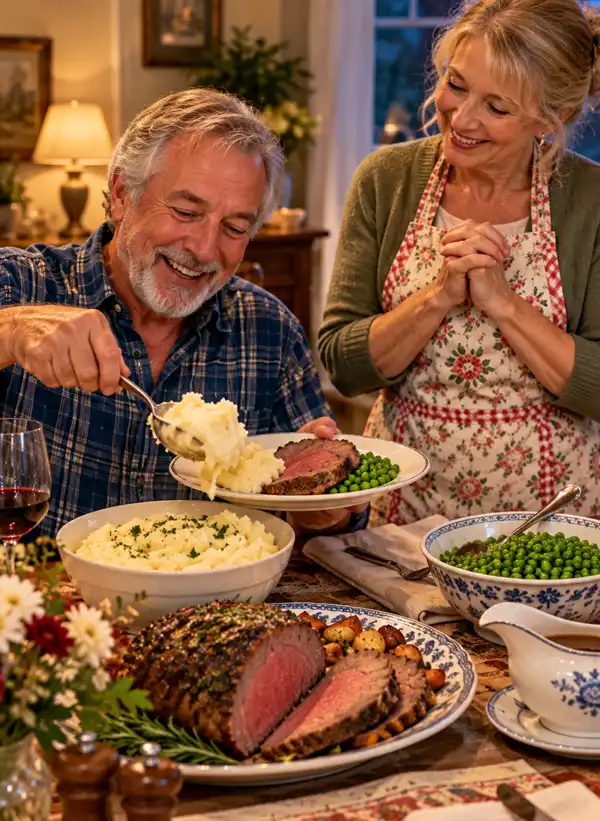
How to Celebrate National Mashed Potato Day
The most obvious way to celebrate National Mashed Potato Day on October 18 is to prepare a generous serving of homemade mashed potatoes. Choose your favorite variety, gather the butter and seasonings, and experiment with a recipe that suits your preferences. Invite family or friends to share the meal, or organize a mashed potato tasting featuring several different preparations. Comparing fluffy Russet mash, creamy Yukon Gold potatoes, garlic mashed potatoes, and Irish colcannon can turn an ordinary dinner into a surprisingly entertaining culinary event.
A mashed potato bar is another excellent way to celebrate, especially when feeding a group. Arrange bowls of toppings, provide plenty of serving spoons, and encourage guests to create their own combinations. Children can participate by helping wash potatoes, choosing toppings, or decorating their servings, with appropriate supervision around hot cooking equipment. Families might even hold a friendly competition for the most creative mashed potato presentation, although anyone attempting to reproduce Devil's Tower from Close Encounters of the Third Kind should probably be given a separate plate and a generous supply of patience.
National Mashed Potato Day also provides an opportunity to explore potato history, discover recipes from other countries, and appreciate the agricultural communities responsible for producing this versatile crop. Try making colcannon, explore French pommes purée, or prepare a traditional family recipe passed down through generations. Whatever you choose, remember that the celebration does not require expensive ingredients or complicated equipment. Sometimes the most satisfying food is also the simplest, especially when accompanied by good company and an adequately supplied gravy boat.
Fascinating Mashed Potato Facts
Mashed potatoes may appear ordinary, but beneath that fluffy exterior lies a surprisingly interesting story. Here are a few facts to consider while deciding whether another helping would be excessive.
- Potatoes originated in South America: Indigenous communities in the Andes cultivated potatoes thousands of years before they reached European dinner tables.
- Potatoes contain plenty of water: A typical raw potato is approximately 80% water, with much of the remainder consisting of carbohydrates.
- The earliest known recipes are centuries old: Hannah Glasse included a mashed potato recipe in her influential 1747 cookbook.
- The right potato matters: Starchy Russets generally produce fluffy mash, while Yukon Golds create a naturally creamier texture.
- Overmixing causes trouble: Excessive mechanical mixing releases starch and can transform fluffy potatoes into an unpleasantly gluey mixture.
- Mashed potatoes inspired a dance: Dee Dee Sharp's 1962 hit "Mashed Potato Time" helped popularize a dance associated with the dish.
- Hollywood made them famous: Mashed potatoes played an unforgettable role in Close Encounters of the Third Kind in 1977.
- They travel well internationally: Irish colcannon, Dutch stamppot, and French pommes purée demonstrate the worldwide appeal of mashed potatoes.
National Mashed Potato Day FAQ
Mashed potatoes may seem like a simple side dish, but beneath that fluffy, buttery exterior lies a surprisingly complicated world of potato varieties, cooking techniques, culinary traditions, and the occasional kitchen disaster. Why do some potatoes turn out light and creamy while others resemble industrial wallpaper paste? Should you peel them, mash them, or drown them in gravy? And what exactly should you do with enough leftovers to feed the neighborhood? We've rounded up the most frequently asked questions about mashed potatoes to separate the facts from the lumps. Grab a fork, loosen your belt, and let's dig in!
When is National Mashed Potato Day celebrated?
National Mashed Potato Day is celebrated annually on October 18. This fun food observance honors one of America's favorite comfort foods and encourages people to enjoy homemade mashed potatoes, experiment with new recipes, and learn about the history of this versatile dish. The exact origins of the holiday are unclear, but its October date makes it a delicious warm-up for Thanksgiving, when mashed potatoes traditionally share the spotlight with turkey, stuffing, and gravy.
Where did mashed potatoes originate?
The potato originated in the Andean region of South America, where Indigenous communities cultivated it thousands of years ago. Spanish explorers introduced potatoes to Europe during the sixteenth century, and the vegetable gradually became an important food crop. Mashed potato recipes appeared in European cookbooks by the eighteenth century, including Hannah Glasse's The Art of Cookery Made Plain and Easy, published in 1747. Although no single person can reliably be credited with inventing mashed potatoes, generations of cooks have contributed to their worldwide popularity.
What are the best potatoes for making mashed potatoes?
Russet and Yukon Gold potatoes are among the best choices for homemade mashed potatoes. Russets contain relatively high levels of starch and produce a light, fluffy texture, making them ideal for traditional mashed potatoes. Yukon Gold potatoes have a naturally creamy consistency and buttery flavor, making them excellent for a smoother, richer preparation. Combining both varieties can provide a balance of fluffiness and creaminess. Waxy red potatoes can also be mashed, although they generally produce a denser, more rustic result.
Why do mashed potatoes sometimes become sticky or gluey?
Mashed potatoes become sticky or gluey when excessive mixing damages potato cells and releases too much starch. Using a blender, food processor, or high-speed electric mixer can quickly create this undesirable texture. For fluffy mashed potatoes, cook the potatoes until tender, drain them thoroughly, and mash gently using a traditional potato masher, potato ricer, or food mill. Add warm milk and butter gradually, mixing only until the desired consistency is achieved. Remember, you're preparing dinner, not manufacturing wallpaper paste.
Should you peel potatoes before making mashed potatoes?
Peeling potatoes is a matter of personal preference and the desired texture. Peeled Russet or Yukon Gold potatoes are ideal for smooth, creamy mashed potatoes, particularly when using a potato ricer. Leaving the skins on creates a more rustic dish and provides additional fiber. Thin-skinned varieties such as Yukon Gold or red potatoes work especially well for skin-on mashed potatoes. Whatever method you choose, wash and scrub the potatoes thoroughly before cooking.
What ingredients make mashed potatoes taste better?
Butter, warm milk or cream, salt, and freshly ground pepper are traditional ingredients that enhance the flavor and texture of mashed potatoes. Roasted garlic, sour cream, cream cheese, chives, parsley, Parmesan, and cheddar cheese are popular additions. For something different, try caramelized onions, sautéed mushrooms, or a small amount of prepared horseradish. The secret is to complement the potato's natural flavor rather than burying it beneath so many toppings that nobody remembers what was originally on the plate.
Can mashed potatoes be prepared ahead of time?
Yes, mashed potatoes can be prepared ahead of time, making them particularly convenient for Thanksgiving, Christmas, and large family gatherings. After cooking, cool them promptly and refrigerate in a covered container. When ready to serve, reheat thoroughly to an internal temperature of 165°F, adding a little warm milk or butter to restore their creamy consistency. Mashed potatoes can also be frozen, although their texture may change after thawing. Properly refrigerated leftovers should generally be eaten within three to four days.
Are mashed potatoes healthy?
Mashed potatoes can be part of a balanced diet because potatoes naturally provide carbohydrates, potassium, vitamin C, and vitamin B6. Their overall nutritional value depends on portion size and preparation methods. Large amounts of butter, cream, cheese, or bacon increase the calorie and saturated fat content, while moderate additions of milk, olive oil, herbs, and seasonings can produce a lighter dish. People managing diabetes or other dietary conditions should consider the carbohydrate content and portion size as part of their individual meal plans.
What is the difference between mashed potatoes and potato purée?
Traditional mashed potatoes are generally prepared using a potato masher and may have a light, fluffy, or slightly rustic texture. Potato purée, particularly French-style pommes purée, is usually processed through a potato ricer, food mill, or fine sieve to achieve an exceptionally smooth consistency. It often contains generous amounts of butter and warm milk, producing a rich, silky result. Both dishes begin with cooked potatoes, but potato purée typically involves more careful processing and a more luxurious texture.
What can you make with leftover mashed potatoes?
Leftover mashed potatoes can be transformed into potato pancakes, croquettes, savory waffles, potato cakes, casseroles, and toppings for shepherd's pie or cottage pie. They can also enrich certain soups and bread recipes. Potato pancakes are especially popular because chilled mashed potatoes can be combined with egg, flour, and seasonings, then fried until golden and crisp. It's a wonderful way to reduce food waste while convincing the family that yesterday's leftovers are an entirely new culinary creation.
How can families celebrate National Mashed Potato Day?
Families can celebrate National Mashed Potato Day on October 18 by preparing homemade mashed potatoes, experimenting with different potato varieties, or hosting a mashed potato bar featuring favorite toppings. Children can help choose ingredients and decorate their servings, while adults handle the hot cooking equipment. Another idea is to sample international mashed potato dishes such as Irish colcannon, Dutch stamppot, or French pommes purée. For a little extra entertainment, hold a friendly mashed potato recipe competition and award the winner the highly prestigious title of Supreme Spud Champion.
A Warm, Buttery Conclusion
National Mashed Potato Day is a celebration of simplicity, tradition, and one of the most dependable comfort foods ever to appear on a dinner plate. From their ancient origins in South America to their place in modern kitchens around the world, potatoes have demonstrated remarkable versatility. Mashed potatoes, in particular, have become a symbol of home cooking, family gatherings, holiday celebrations, and the reassuring pleasure of a warm, satisfying meal.
Whether you prefer them fluffy or creamy, rustic or perfectly smooth, lightly seasoned or generously enriched with butter and garlic, mashed potatoes offer something for almost everyone. Their enduring popularity proves that great food doesn't always require elaborate techniques or fashionable ingredients. Sometimes all it takes is a few potatoes, a little patience, and someone who knows when to stop mashing.
So, every October 18, celebrate National Mashed Potato Day by preparing your favorite recipe, sharing a meal with someone you appreciate, and giving this humble vegetable the recognition it deserves. Raise your forks, pass the gravy, and remember: life's too short for lumpy potatoes unless, of course, you happen to like them that way.