
Taking Big Steps Toward Better Health
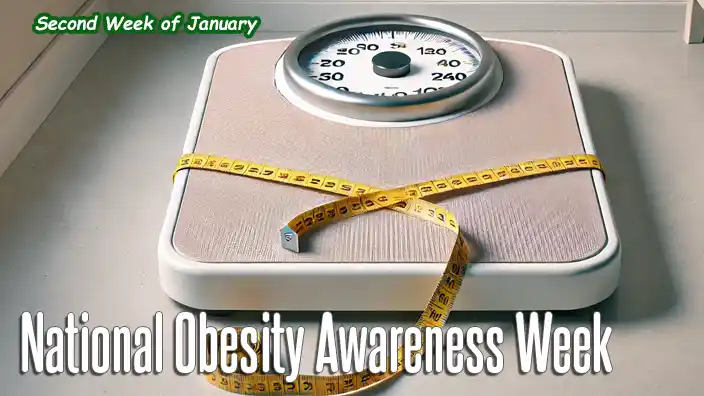
For many people, the bathroom scale is that one household item capable of ruining an otherwise pleasant morning. It sits quietly in the corner all week, pretending to be harmless, then suddenly announces news that nobody invited it to share. Anti Obesity Day encourages people to look beyond the numbers and focus on something far more important—living healthier, feeling better, and reducing the risks associated with obesity.
This observance promotes education about obesity, healthy lifestyles, balanced nutrition, and regular physical activity. Rather than promoting unrealistic body standards or fad diets, Anti Obesity Day reminds people that lasting improvements usually come from small, consistent lifestyle changes made over time.
What Is Anti Obesity Day?
Anti Obesity Day is an international health awareness observance that encourages people to learn more about obesity, its causes, its health effects, and the many ways it can be prevented or managed. The day brings together healthcare professionals, educators, community organisations, and public health agencies to promote healthier lifestyles and provide reliable information about nutrition, physical activity, and long-term wellbeing.
The observance also recognises that obesity is a complex medical condition rather than simply a matter of eating too much or exercising too little. Modern research has shown that many factors influence body weight, including genetics, hormones, age, medications, mental health, sleep patterns, medical conditions, and the environments in which people live and work. Understanding these influences helps replace outdated stereotypes with greater awareness and compassion.
Anti Obesity Day encourages people to focus on overall health rather than chasing unrealistic body images or quick fixes. The emphasis is on making practical, sustainable lifestyle changes that improve physical and mental wellbeing over time. Even small improvements, such as becoming more active, choosing healthier meals more often, or getting adequate sleep, can have meaningful health benefits.
The day also highlights the importance of early intervention. Children, teenagers, and adults can all benefit from learning healthy habits before obesity-related health problems develop. Schools, workplaces, healthcare providers, and community groups often use the observance to offer educational programmes, health screenings, nutritional advice, fitness activities, and resources that help people make informed choices.
Perhaps most importantly, Anti Obesity Day reminds us that everyone deserves support on their journey toward better health. Encouragement, education, and access to proper healthcare are far more effective than blame or criticism. By promoting understanding instead of judgement, the observance helps create healthier communities where people feel empowered to make positive changes that can last a lifetime.
Why Obesity Matters
Obesity has become one of the most significant public health challenges of the twenty-first century. Health organisations around the world continue to report rising obesity rates among both adults and children, making it a concern that affects individuals, families, communities, and healthcare systems alike. While carrying extra weight does not automatically mean someone is unhealthy, obesity can significantly increase the likelihood of developing a wide range of serious medical conditions.
Excess body fat places additional strain on many of the body's systems. The heart must work harder to circulate blood, joints carry greater loads during everyday movement, and the body's ability to regulate blood sugar, cholesterol, and blood pressure can become less efficient. Over time, these changes may contribute to chronic illnesses that reduce quality of life and shorten life expectancy.
Medical research has linked obesity to an increased risk of type 2 diabetes, heart disease, high blood pressure, stroke, sleep apnoea, osteoarthritis, fatty liver disease, gallbladder disease, kidney disease, and several forms of cancer. Obesity may also affect fertility, pregnancy outcomes, respiratory health, and immune function. In addition to physical health, many people living with obesity experience anxiety, depression, low self-esteem, or social stigma, all of which can have a profound impact on emotional wellbeing.
The good news is that meaningful health improvements do not always require dramatic weight loss. Numerous studies have shown that losing even five to ten percent of body weight can lower blood pressure, improve cholesterol levels, reduce blood sugar, ease joint pain, improve sleep quality, and decrease the risk of developing obesity-related complications. Small, steady progress often provides greater long-term benefits than rapid weight loss achieved through restrictive diets.
Beyond individual health, obesity also has wider social and economic consequences. Healthcare systems spend billions each year treating obesity-related illnesses, while employers may see increased healthcare costs and reduced productivity due to preventable chronic disease. Communities benefit when healthy foods are more accessible, safe places for physical activity are available, and people have access to reliable health education and medical support.
Anti Obesity Day reminds us that obesity is not simply a personal issue but a shared public health challenge. By encouraging healthier lifestyles, improving access to healthcare, and supporting evidence-based prevention programmes, societies can help reduce the burden of obesity while improving the health and wellbeing of future generations.

Understanding Obesity
Obesity is a chronic medical condition characterised by an excessive accumulation of body fat that may increase the risk of numerous health problems. It develops when the body stores more energy than it uses over an extended period, but the reasons this happens are often far more complicated than simply eating too much or exercising too little. Modern medical research recognises obesity as a disease influenced by a combination of biological, environmental, behavioural, and social factors.
Healthcare professionals commonly use the Body Mass Index (BMI) as a screening tool to help identify whether a person falls within a healthy weight range. BMI is calculated by comparing a person's height and weight and can indicate whether someone is underweight, at a healthy weight, overweight, or living with obesity. While BMI is useful for assessing large populations and identifying potential health risks, it does have limitations. It cannot distinguish between muscle and fat, nor does it account for differences in age, sex, ethnicity, or body composition. For that reason, doctors often consider additional measurements, such as waist circumference, body fat percentage, blood pressure, cholesterol levels, and blood sugar when evaluating overall health.
Many factors can contribute to obesity. Genetics may influence how the body stores fat or regulates appetite, while certain hormonal disorders and medical conditions can affect metabolism. Some prescription medications are known to cause weight gain as a side effect, and poor sleep can alter hormones that control hunger, leading to increased appetite. Stress, anxiety, depression, and emotional eating may also play an important role, making weight management more challenging for many people.
The environment in which people live can also influence their health. Busy lifestyles, long working hours, limited access to affordable healthy foods, and fewer opportunities for regular physical activity all contribute to rising obesity rates in many parts of the world. In some communities, highly processed foods that are rich in calories, sugar, and unhealthy fats are easier to obtain than fresh fruits, vegetables, and other nutritious options.
Understanding these influences helps explain why obesity should not be viewed as a simple matter of personal choice or self-discipline. Every person's circumstances are different, and successful weight management often requires an approach tailored to the individual. Healthcare professionals may recommend improvements in nutrition, increased physical activity, behavioural counselling, medication, or, in some cases, bariatric surgery as part of a comprehensive treatment plan.
Perhaps the most important lesson is that obesity is manageable. With accurate information, realistic goals, professional support when needed, and consistent healthy habits, many people can improve their overall health, reduce their risk of disease, and enjoy a better quality of life. Anti Obesity Day encourages people to replace myths and misconceptions with understanding, support, and practical action that leads to lasting change.
Healthy Habits That Make a Difference
There is no magic food, miracle exercise machine, or secret herbal tea capable of doing all the hard work while you watch television with a family-sized bowl of ice cream. If there were, supermarkets would probably keep it under lock and key.
The encouraging news is that long-term success rarely depends on dramatic changes. Instead, it usually comes from building healthy habits that become part of everyday life. Small improvements, repeated consistently, often produce better results than ambitious plans that are impossible to maintain.
A balanced diet built around vegetables, fruits, whole grains, lean proteins, legumes, and healthy fats provides the nutrients the body needs while helping people feel satisfied for longer. Choosing smaller portions, limiting highly processed foods, and reducing sugary drinks can significantly lower daily calorie intake without making meals feel like a punishment. Drinking plenty of water throughout the day also supports overall health and may help reduce unnecessary snacking.
Regular physical activity is equally important. Exercise strengthens the heart, muscles, and bones while improving circulation, balance, flexibility, and mental wellbeing. It also helps the body use energy more efficiently. The good news is that exercise does not have to involve expensive gym memberships or intense training sessions. Walking, swimming, cycling, gardening, dancing, mowing the lawn, or even taking the stairs instead of the lift all contribute toward a more active lifestyle.
Good sleep is another often-overlooked part of maintaining a healthy weight. Adults who consistently get adequate, high-quality sleep tend to have better regulation of the hormones that control hunger and fullness. Poor sleep can increase cravings for high-calorie foods while reducing the energy needed to stay active during the day.
Managing stress also plays an important role. Many people find themselves reaching for comfort foods during periods of anxiety or emotional strain. Finding healthier ways to cope with stress, such as spending time outdoors, practising relaxation techniques, pursuing hobbies, or talking with friends and family, can make healthy eating habits easier to maintain.
Finally, patience is one of the most valuable habits of all. Healthy weight management is a gradual process, and occasional setbacks are perfectly normal. Lasting success is measured by consistent progress rather than perfection. Anti Obesity Day reminds us that every healthy meal, every walk around the neighbourhood, and every positive choice is another step toward better health and a more active future.
Why Crash Diets Rarely Work
Every year seems to produce another miracle diet promising dramatic weight loss with almost no effort. If advertisements were completely accurate, people would lose twenty pounds simply by smelling grapefruit while standing on one leg.
The reality is rather different. Crash diets typically involve severely restricting calories, eliminating entire food groups, or following rigid eating plans that are difficult to maintain. While these diets may produce rapid weight loss during the first few weeks, much of that initial loss is often water weight and stored carbohydrates rather than body fat.
When the body suddenly receives far fewer calories than it needs, it begins to conserve energy. Metabolism slows, making it more difficult to continue losing weight. At the same time, levels of hunger hormones may increase while hormones that signal fullness decrease. This natural survival response evolved to help humans survive periods of famine, but it also explains why many people feel constantly hungry during restrictive diets.
Crash dieting can also result in the loss of muscle tissue along with fat. Because muscle burns more calories than fat—even while the body is at rest—losing muscle can further reduce the body's daily energy needs. When normal eating resumes, weight often returns quickly, and in some cases people regain even more than they originally lost. This pattern is commonly known as weight cycling, or "yo-yo dieting."
Highly restrictive diets may also leave the body short of important vitamins, minerals, fibre, and protein. Over time, nutritional deficiencies can contribute to fatigue, poor concentration, weakened immunity, digestive problems, and a general feeling of being unwell. Many people also experience frustration, guilt, or disappointment when rapid weight loss proves impossible to maintain, making them less likely to continue healthy habits in the future.
Health experts generally recommend gradual, sustainable weight loss instead of dramatic short-term results. Building healthier eating habits, increasing physical activity, getting adequate sleep, and managing stress may not produce eye-catching headlines, but they are far more likely to produce lasting improvements in health.
Anti Obesity Day encourages people to think beyond quick fixes and miracle solutions. There is no shortcut to lifelong health, but there is a proven path: making sensible choices, one day at a time. It may take longer than the latest fad diet promises, but unlike many of those diets, it actually has a chance of working.

Medical Help Is Available
For some people, adopting healthier eating habits and becoming more physically active are enough to achieve meaningful weight loss. For others, however, obesity is influenced by medical conditions, genetics, medications, hormonal changes, or other factors that make losing weight far more difficult. In these situations, professional medical support can make a significant difference.
The first step is often a conversation with a family doctor or primary healthcare provider. They can evaluate overall health, identify possible underlying causes of weight gain, assess the risk of obesity-related illnesses, and recommend an appropriate treatment plan. In some cases, blood tests or other medical evaluations may be needed to rule out conditions such as thyroid disorders or other hormonal imbalances that can affect body weight.
Registered dietitians can help develop realistic eating plans that fit an individual's lifestyle, medical needs, and personal preferences. Rather than promoting restrictive diets, they focus on balanced nutrition that can be maintained over the long term. Exercise specialists and physiotherapists can recommend safe physical activities, particularly for people with joint pain, mobility challenges, or chronic health conditions that make exercise more difficult.
Mental health professionals also play an important role for many people. Stress, anxiety, depression, trauma, and emotional eating can all influence weight and make healthy habits harder to maintain. Counselling or behavioural therapy can help individuals develop healthier coping strategies, improve their relationship with food, and build confidence as they work toward their goals.
In recent years, new prescription medications have provided additional treatment options for some people living with obesity. These medicines work in different ways, such as helping people feel fuller for longer or reducing appetite. They are not suitable for everyone and should always be used under the supervision of a qualified healthcare professional as part of a broader weight management programme that includes healthy lifestyle changes.
For people with severe obesity or serious obesity-related health conditions, bariatric surgery may be recommended. Procedures such as gastric bypass or sleeve gastrectomy have helped many individuals lose substantial amounts of weight while improving or even reversing conditions such as type 2 diabetes, high blood pressure, and obstructive sleep apnoea. Surgery is not a quick fix, however, and requires lifelong commitment to healthy eating, regular medical follow-up, and lifestyle changes.
Perhaps the most important message is that seeking medical help is not a sign of weakness or failure. Obesity is a recognised chronic disease, and like other chronic conditions, it often benefits from professional care, ongoing support, and personalised treatment. Anti Obesity Day reminds us that asking for help can be one of the healthiest decisions a person ever makes, and that no one has to face the journey toward better health alone.
Anti Obesity Day Around the World
Obesity is a global health challenge that affects countries regardless of geography, culture, or level of economic development. While the causes and prevalence may vary from one nation to another, rising obesity rates have prompted governments, healthcare organisations, schools, and community groups around the world to promote healthier lifestyles and improve public awareness. Anti Obesity Day provides an opportunity to bring these efforts into the spotlight and encourage people to make positive changes for their long-term health.
In many countries, hospitals and healthcare providers organise free health screenings, educational seminars, nutrition workshops, and fitness events. Dietitians, doctors, nurses, and other health professionals often use the observance to share practical advice about healthy eating, weight management, and the prevention of obesity-related diseases. Some communities also offer cooking demonstrations that show how nutritious meals can be both affordable and enjoyable.
Schools frequently take part by teaching children about balanced diets, the importance of regular physical activity, and the benefits of limiting sugary drinks and highly processed foods. Physical education activities, healthy lunch initiatives, and classroom discussions help introduce healthy habits at an early age, giving young people the knowledge they need to make informed choices throughout their lives.
Many workplaces have also recognised the value of employee wellbeing. Businesses may organise walking challenges, fitness classes, healthy eating campaigns, or health assessments as part of workplace wellness programmes. These initiatives encourage staff to become more active while promoting healthier lifestyles beyond the workplace.
Public health campaigns often use television, radio, newspapers, and social media to reach wider audiences. These campaigns focus not only on the health risks associated with obesity but also on practical steps people can take to improve their wellbeing. Increasingly, the message has shifted away from blaming individuals and toward creating supportive environments where healthy choices are easier to make.
Although traditions and healthcare systems differ from country to country, the underlying message of Anti Obesity Day remains remarkably consistent. Good nutrition, regular physical activity, adequate sleep, and access to quality healthcare benefit people everywhere. By sharing knowledge and encouraging healthier communities, the observance reminds us that preventing obesity is a responsibility shared by families, schools, healthcare providers, employers, and society as a whole.
As awareness continues to grow, Anti Obesity Day serves as a reminder that improving public health is not achieved through a single event or campaign. It is an ongoing effort built on education, compassion, scientific research, and the collective commitment to helping people live longer, healthier, and more active lives.
Fun Facts About Obesity and Healthy Living
Healthy living doesn't have to be all serious conversations and calorie counting. The human body is an amazing piece of engineering, and nutrition, exercise, and weight management are filled with fascinating facts. Here are a few interesting tidbits that might surprise you—and perhaps even inspire you to take another step toward a healthier lifestyle.
- Walking for just 30 minutes most days benefits heart health, even without significant weight loss.
- Muscle burns more energy than fat, even while the body is resting.
- Drinking water before meals may help some people feel fuller.
- Sleep affects hormones that regulate hunger and appetite.
- The human body contains hundreds of muscles that all benefit from regular movement.
- Gardening can burn hundreds of calories while producing fresh vegetables.
- Laughter itself burns a small number of calories, although sadly not enough to replace exercise.
- The world's healthiest diets usually focus on balance rather than strict food restrictions.

How to Observe Anti Obesity Day
Anti Obesity Day is an opportunity to focus on better health, not perfection. The observance encourages people to take positive steps that can lead to lasting improvements in their wellbeing, whether those steps are large or small. Even a single healthy decision can be the beginning of a lifelong habit.
One of the simplest ways to observe the day is by becoming more active. Take a walk through your neighbourhood, enjoy a bike ride, go swimming, work in the garden, or spend time playing with children or grandchildren. The activity itself matters less than making movement a regular part of everyday life. If you have been inactive for some time, starting with just a few minutes of gentle exercise each day is a perfectly reasonable goal.
The day also provides an excellent opportunity to examine eating habits. Try preparing a meal using fresh ingredients, add an extra serving of vegetables to dinner, replace sugary drinks with water, or experiment with healthier versions of favourite recipes. Small changes that can be maintained over time are often far more effective than drastic dietary restrictions.
Learning something new is another meaningful way to participate. Read reliable information about nutrition, attend a community health event, listen to advice from qualified healthcare professionals, or explore healthy recipes that your family can enjoy together. Understanding how food, exercise, sleep, and stress affect overall health makes it easier to make informed choices every day.
Families can observe Anti Obesity Day by making healthy living a shared activity. Cook a nutritious meal together, enjoy an evening walk after dinner, visit a local park, or organise games that encourage everyone to get moving. Children who see healthy habits practised at home are more likely to carry those habits into adulthood.
Many workplaces, schools, and community organisations also take part by organising wellness programmes, fitness challenges, health screenings, educational seminars, or healthy cooking demonstrations. These activities encourage people to support one another while promoting healthier lifestyles in a positive and welcoming environment.
Perhaps the most meaningful way to observe Anti Obesity Day is by offering encouragement rather than judgement. Weight management can be a difficult and deeply personal journey, and everyone faces different challenges. A kind word, an invitation to go for a walk, or simply supporting someone as they make healthier choices can have a greater impact than criticism ever could.
At its heart, Anti Obesity Day is about making progress rather than seeking perfection. Every healthy meal, every extra step, every good night's sleep, and every positive lifestyle choice contributes to better health. Those small victories may not seem dramatic today, but over time they can add up to life-changing results.
Anti Obesity Day FAQ
Questions about obesity, healthy weight management, and Anti Obesity Day are among the most frequently asked health topics online. The answers below address some of the most common questions and provide clear, evidence-based information to help readers better understand this important health observance.
What is Anti Obesity Day?
Anti Obesity Day is a health awareness observance that promotes education about obesity, healthy lifestyles, balanced nutrition, regular physical activity, and the prevention of obesity-related diseases. It encourages people to make sustainable lifestyle changes that improve long-term health.
Why is Anti Obesity Day important?
The day raises awareness of obesity as a major public health challenge. It encourages early intervention, healthier habits, and greater understanding that obesity is a complex medical condition influenced by many different factors.
Is obesity considered a disease?
Yes. Many leading medical organizations recognize obesity as a chronic disease. It is influenced by genetics, hormones, metabolism, environmental factors, lifestyle, and other medical conditions, which is why treatment often requires more than simply eating less and exercising more.
Can small weight loss really improve health?
Yes. Research has shown that losing as little as five to ten percent of body weight can improve blood pressure, blood sugar levels, cholesterol, sleep quality, and overall health while reducing the risk of many obesity-related diseases.
Why do crash diets usually fail?
Crash diets are often difficult to maintain because they severely restrict calories or entire food groups. They can slow metabolism, increase hunger, reduce muscle mass, and frequently lead to weight regain once normal eating resumes.
What are healthy ways to manage weight?
Healthy weight management usually involves eating a balanced diet, being physically active, getting enough sleep, managing stress, and seeking medical advice when needed. Small, consistent lifestyle changes are generally more successful than extreme diets.
When should someone seek medical help for obesity?
Anyone who is concerned about their weight or has obesity-related health problems should speak with a healthcare professional. Doctors, dietitians, exercise specialists, and other healthcare providers can recommend safe, personalised treatment options based on individual needs.
How can I observe Anti Obesity Day?
You can observe Anti Obesity Day by taking a walk, preparing a healthy meal, learning more about nutrition, attending a community health event, encouraging family members to adopt healthier habits, or supporting someone who is working toward better health.
Why Anti Obesity Day Matters
Obesity affects hundreds of millions of people around the world and touches nearly every community in some way. It increases the risk of serious health conditions, places enormous demands on healthcare systems, and can affect every aspect of a person's life, from physical mobility to emotional wellbeing. Yet, despite its widespread impact, obesity is also one of the most preventable and manageable chronic health conditions when people have access to accurate information, supportive healthcare, and realistic opportunities to make healthier choices.
Anti Obesity Day reminds us that improving health is not about achieving the perfect body or fitting into a particular clothing size. It is about living a longer, healthier, and more active life. Every positive decision—whether choosing a balanced meal, taking a daily walk, getting enough sleep, or asking a healthcare professional for guidance—is a step toward reducing health risks and improving overall quality of life.
The observance also encourages society to move beyond outdated misconceptions about obesity. Compassion, education, and understanding are far more effective than blame or criticism. By creating supportive homes, schools, workplaces, and communities, we make it easier for everyone to adopt healthier habits and maintain them over the long term.
Perhaps the greatest lesson of Anti Obesity Day is that lasting change rarely happens overnight. Healthy lifestyles are built one choice at a time, one meal at a time, and one walk at a time. Small, consistent improvements often produce the greatest rewards, and every step forward is worth celebrating.
Whether you are beginning your own health journey, encouraging a loved one, or simply learning more about obesity and its causes, Anti Obesity Day offers an opportunity to make a positive difference. After all, the goal is not to chase perfection but to build a healthier future—one sensible choice at a time. And if that future includes walking past the bathroom scale without giving it the last word, so much the better.