A Delicious Journey Through History, Flavor, and Breakfast Chaos
Some breakfasts are quick. Some are healthy. And then there’s French toast — the breakfast equivalent of showing up overdressed and somehow getting away with it.
National French Toast Day is the one glorious day each year when stale bread becomes a hero, syrup becomes a personality trait, and nobody questions why dessert somehow ended up on the breakfast table. The smell alone can wake up an entire household faster than a smoke detector with low batteries.
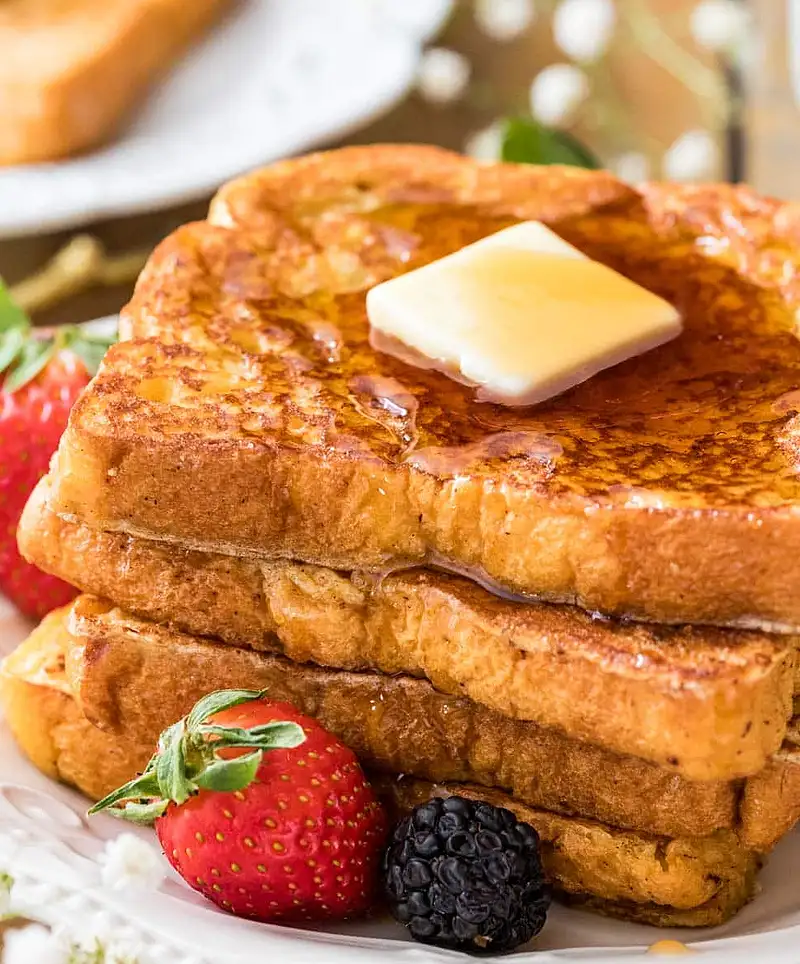
Golden brown, crispy on the edges, soft in the middle, and capable of carrying enough powdered sugar to alarm a physician, French toast has survived centuries of culinary trends without losing its place at the breakfast table. Avocado toast had its moment. Kale tried very hard. Meanwhile, French toast quietly sat in the corner wearing cinnamon and waiting for civilization to come to its senses.
And thankfully, it did.
Whether you enjoy it loaded with berries, drowning in maple syrup, stuffed with cream cheese, or paired with bacon in a breakfast plate that could feed a lumberjack, National French Toast Day is a celebration of comfort food at its finest.
A Brief History of French Toast
Despite the name, French toast is not actually French. That realization hits some people harder than finding out buffalo wings do not come from buffalo.
The origins of French toast stretch all the way back to ancient Rome. Roman cooks discovered that soaking stale bread in a mixture of milk and eggs before frying it created something surprisingly delicious. More importantly, it prevented perfectly good bread from being wasted — because people throughout history understood something modern grocery stores seem to forget: bread should not cost the same as a car payment.
The dish spread across Europe over the centuries, adapting to local ingredients and traditions along the way. In France, it became known as “pain perdu,” meaning “lost bread,” because it rescued bread that would otherwise be thrown away. In Germany, versions appeared under names like “Arme Ritter,” or “poor knights,” which sounds less like breakfast and more like a medieval support group.
England embraced savory versions often called “eggy bread,” while Spain developed rich holiday variations topped with sugar and cinnamon. Eventually, French toast crossed the Atlantic and found a permanent home in American kitchens, diners, and brunch menus.
One popular story claims that an American innkeeper named Joseph French accidentally forgot the apostrophe in “French’s Toast” in the 1700s, causing the name “French toast” to stick. Whether the tale is completely true or not, it sounds exactly like the sort of thing humanity would do.
Today, French toast exists in countless forms around the world. Some recipes are simple and rustic. Others resemble engineering projects involving whipped cream, caramel drizzle, cheesecake filling, and enough sugar to make a toddler vibrate through a wall.
Humanity has clearly committed to the bit.
What Is National French Toast Day?
National French Toast Day is celebrated each year on November 28 and honors one of the world’s most beloved breakfast dishes.
The day encourages people to enjoy French toast in all its forms, from classic homemade recipes to towering restaurant creations that arrive at the table looking like they require planning permission from the local government.
Unlike many food holidays with mysterious or questionable origins, National French Toast Day survives because people genuinely enjoy participating in it. There’s something comforting about a dish that combines simple ingredients into something warm, filling, and deeply satisfying.
It also arrives at the perfect time of year. Late November is practically begging for comfort food. The weather cools down, holiday stress starts creeping in, and suddenly a thick slice of cinnamon French toast covered in syrup feels less like breakfast and more like emotional support.
Why National French Toast Day Matters
At first glance, celebrating French toast may seem silly. Then again, people stand in line for pumpkin spice beverages every autumn like it’s a constitutional requirement, so perhaps nobody should judge.
National French Toast Day matters because it celebrates more than just food. It highlights tradition, creativity, family meals, and resourcefulness — all wrapped up in butter and cinnamon.
French toast began as a practical way to avoid wasting bread, and that idea still resonates today. Long before “sustainability” became a trendy marketing word printed on overpriced tote bags, ordinary people were finding smart ways to stretch ingredients and reduce waste in the kitchen.
The holiday also reminds people that some of the best meals are often the simplest. Eggs, milk, bread, butter, and a hot pan are not fancy ingredients, yet together they create something memorable.
Most importantly, French toast has a strange ability to bring people together. Families gather around breakfast tables. Friends meet for brunch. Grandparents pass down recipes. Children learn that syrup somehow ends up on elbows, hair, and occasionally the dog.
Some meals feed people. Others create memories. French toast somehow manages to do both.

French Toast Around the World
One of the reasons French toast has endured for centuries is its remarkable versatility. Nearly every culture seems to have discovered some variation of soaking bread and frying it into greatness.
In France, pain perdu is often served as a dessert-like treat with fruit, powdered sugar, or jam.
Spain features torrijas, a rich variation commonly enjoyed during Holy Week celebrations.
In Hong Kong, French toast is sometimes stuffed with peanut butter before being deep-fried and topped with syrup or condensed milk. Because apparently someone looked at ordinary French toast and decided restraint was overrated.
In the United Kingdom, savory eggy bread remains popular alongside bacon, beans, and other traditional breakfast foods.
American diners elevated French toast into an art form by using thick-cut Texas toast, brioche, challah bread, whipped toppings, flavored syrups, and enough powdered sugar to create weather conditions.
Every version reflects local tastes, traditions, and the universal human belief that fried bread is almost always a good idea.
The Secret to Great French Toast
Great French toast is surprisingly easy to make, but small details matter.
The best recipes usually start with thicker breads such as brioche, challah, or Texas toast. Slightly stale bread actually works better because it absorbs the custard mixture without falling apart like wet cardboard in a rainstorm.
The egg mixture typically includes milk, cinnamon, vanilla extract, and sometimes nutmeg. Some cooks add cream, orange zest, brown sugar, or even a splash of bourbon for extra richness.
Cooking temperature matters too. Too hot, and the outside burns before the center cooks. Too cool, and the bread turns into something with the texture of a kitchen sponge.
Then come the toppings.
Maple syrup remains the classic choice, but fresh berries, bananas, whipped cream, nuts, caramel sauce, chocolate chips, and flavored butters all make regular appearances. Savory versions may include cheese, herbs, ham, or bacon.
At this point, French toast has evolved into a breakfast category rather than a single recipe.
Fun Facts About French Toast
French toast has accumulated plenty of strange and entertaining trivia over the centuries.
- In France, the dish is called “pain perdu,” meaning “lost bread.”
- The earliest known versions date back to ancient Rome.
- French toast recipes appeared in medieval European cookbooks long before modern breakfast culture existed.
- Some luxury restaurants now sell gourmet French toast dishes costing more than an entire week’s worth of groceries in 1987.
- The world’s largest serving of French toast reportedly used thousands of eggs, hundreds of loaves of bread, and enough syrup to terrify several nutritionists simultaneously.
How to Celebrate National French Toast Day
The obvious way to celebrate is by making French toast at home. Few breakfasts deliver such a strong reward-to-effort ratio.
Try experimenting with different breads, toppings, and flavor combinations. Stuffed French toast, cinnamon swirl versions, fruit-filled recipes, and savory options all bring something different to the table.
Visiting a local diner or brunch restaurant is another excellent option. Diners, in particular, treat French toast with the seriousness usually reserved for championship sporting events.
Families can also turn the day into a breakfast tradition by cooking together. Children especially enjoy helping dip bread into the egg mixture, although kitchens occasionally emerge looking like syrup-based crime scenes afterward.
For adventurous eaters, exploring international variations can make the holiday even more interesting. French toast may wear different names around the world, but its mission remains the same: make breakfast dramatically better.
The Last Slice
National French Toast Day celebrates a dish that has survived empires, crossed continents, adapted through generations, and somehow improved stale bread along the way. Not bad for a breakfast made by dunking old bread into eggs.
French toast represents comfort, creativity, tradition, and the simple pleasure of sharing good food with people you enjoy being around. It reminds us that some recipes endure because they work — not because they are trendy, expensive, or complicated. And honestly, anything that smells this good cooking in butter deserves a holiday.
So on November 28, grab the cinnamon, heat the skillet, and prepare yourself for a breakfast capable of making absolutely everyone wander into the kitchen asking, “Are you making enough for me too?” Because with French toast, the answer should always be yes.