Mark The Days - November

November is that sneaky month that starts with leftover Halloween candy and ends with a turkey coma. It’s where the air turns crisp, the clocks turn back, and someone always tries to bring a “healthy” side dish to Thanksgiving (we see you, quinoa). From honoring veterans to obsessing over gravy ratios, November is one long prelude to holiday madness—wrapped in flannel, lit by scented candles, and fueled by an urgent need to find out what the heck a “Friendsgiving” even is. It’s gratitude with a side of stuffing—and frankly, we’re here for seconds.

- Details
Notaries are the quiet ninjas of the legal world! They might look like your average office worker, but give them a stamp, and they transform into gatekeepers of authenticity, the last line of defense against fraud and forgery. Have you ever tried to pull a fast one on a notary? Good luck! They’ve seen every trick in the book, from the “I totally forgot my ID at home” excuse to the mysterious “Oops, my middle name is spelled differently on this one document, but I swear it's me.” They hold the power to turn a scribble into a legal signature, yet you’ll never see them wearing a cape—just a quick smile and the calm satisfaction of knowing they’ve quietly saved the day.
Discover the historical significance and modern-day role of notaries, celebrated every November for their vital contributions to legal documentation and order.
- Details
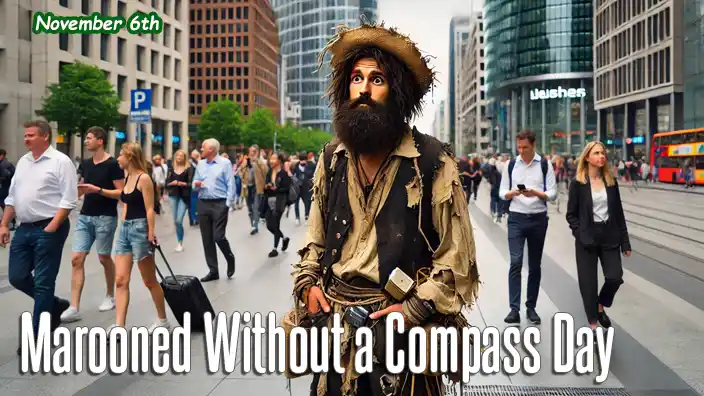
Getting lost without a compass is like trying to bake a cake without a recipe—you’re sure something will rise, but it might just be your confusion. Imagine stepping out of your house for a “quick” hike, confidently leaving the GPS behind because, hey, there’s only one trail, right? Fast forward an hour, and suddenly, every tree looks suspiciously identical, and you’re beginning to realize that “north” is more of a suggestion than a direction. Maybe you’re in a sprawling airport terminal, desperately navigating an endless stretch of “Gate B” signs, or standing in the city center, convinced that your hotel is just around the next corner, or maybe the next, or… somewhere. Without a compass, you’re not lost; you’re on an accidental adventure. After all, the best part of getting lost is the stories you gather along the way (that, and your newfound appreciation for landmarks that aren’t “big tree number 17”).
Celebrated: Annually, on November 6th
Celebrate Marooned Without a Compass Day on November 6th, a quirky tribute to life's unexpected detours and the art of enjoying being utterly lost.

- Details
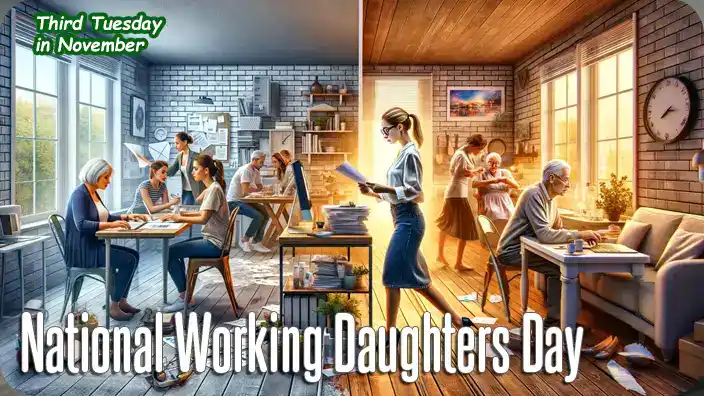
One of the most amazing aspects of National Working Daughters Day is its powerful ability to foster a community of solidarity and support among working daughters. This observance transcends mere recognition; it cultivates a sense of belonging and understanding among women who often feel isolated in their struggles. Through various platforms, events, and discussions encouraged on this day, working daughters can connect, share their experiences, and learn from each other. This community-building is vital, as it not only provides emotional support but also empowers these women to advocate for themselves and others in similar situations. The day brings to light incredible stories of resilience and strength, inspiring not just other working daughters but society at large. It's a celebration of the human spirit's capacity to endure, adapt, and thrive despite challenging circumstances, showcasing the extraordinary resilience of women who manage the intricate dance of professional and caregiving roles with grace and tenacity.
Celebrated: Annually, on the Third Tuesday in November
Celebrate the unsung heroes, working daughters, who juggle careers and caregiving with grace and resilience. Join the 'I Can Do It All' Olympics of daily challenges.


- Details
If desserts had personalities, lemon cream pie would be the cheerful neighbor who shows up at the party wearing bright yellow and bringing extra whipped cream for everyone. One bite wakes up your taste buds like a splash of sunshine—tangy lemon, silky cream, and a crust that politely holds everything together like the responsible adult in the room. It’s sweet, it’s zesty, and it somehow convinces perfectly sensible people that a second slice is not indulgence… it’s simply good judgment.
Celebrated: Annually, on November 29th
Celebrate National Lemon Cream Pie Day with the bright, sweet-tart dessert that combines silky cream, fresh lemons, and flaky crust into a slice of pure sunshine.

- Details
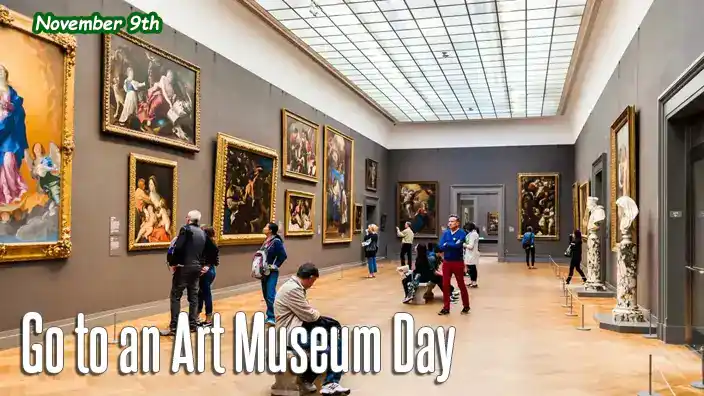
You walk into a room filled with intense stares—from both the portraits and the people who seem to understand the meaning behind every brushstroke. You casually lean in to examine an abstract piece, nodding thoughtfully as if you “get it,” while secretly wondering if it’s upside down. There’s that sudden panic as you almost trip over the “modern art” installation on the floor, realizing at the last second that it’s not a rogue janitor’s bucket but part of a cutting-edge display. And then, of course, there’s the quiet shuffle past that one painting with eyes that follow you everywhere, leaving you convinced it knows all your secrets.
Celebrated: Annually, on November 9th
Discover the joy and mystery of art on Go To An Art Museum Day. Explore masterpieces, from classic to modern, and find inspiration beyond the digital world.

- Details
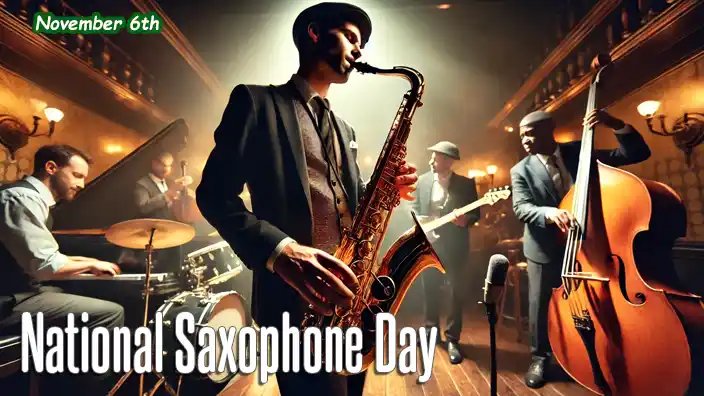
The saxophone is a bit like that one friend who always insists on making an entrance—smooth, bold, and impossible to ignore. Saxophonists themselves are a special breed, often seen with a far-off look in their eyes, like they’re permanently lost in a jazz riff, even when they’re ordering a coffee. They’ll swear up and down that the sax is the “most versatile instrument,” conveniently forgetting that it occasionally sounds like a goose who’s just discovered rock 'n' roll. But for all their quirks, saxophonists bring a soulful swagger wherever they go. Hand one a sax, and suddenly every room becomes a smoky jazz club, complete with invisible applause and an aura of mystery.
Celebrated: Annually, on November 6th
Explore the saxophone's journey from its origins with Adolphe Sax to its place in jazz, rock, and pop, featuring famous musicians and unforgettable performances


- Details
Honoring the sacrifices of military personnel who served in armed conflicts, particularly during World War I. Marked by ceremonies and a two-minute silence at 11 a.m., it commemorates the end of World War I in 1918. The day is symbolized by the red poppy, inspired by the poem "In Flanders Fields," and is observed in countries such as the United Kingdom and Canada. Remembrance Day serves as a poignant reminder of the cost of war and the importance of peace.
Celebrated: Annually, on November 11th
Learn about the historical significance and traditions of Remembrance Day, observed on November 11th in England and Canada to honour those who served in military conflicts.

- Details
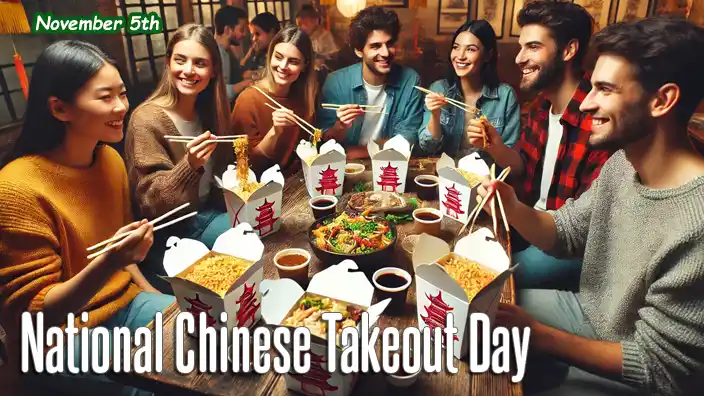
Chinese food is the culinary equivalent of magic: it somehow multiplies overnight in your fridge. You start with a reasonable order of fried rice and sweet-and-sour chicken, but by the next day, your fridge looks like a takeout warehouse. And let’s talk about the infamous fortune cookie! You’re hoping for some ancient wisdom, and it hands you “A thrilling time is in your future” (spoiler alert: it’s the thrill of finding soy sauce packets under the couch weeks later). With crispy egg rolls and noodles that defy fork logic, Chinese food is the delicious mystery we love—because who doesn’t enjoy a meal that’s part food, part treasure hunt?
Celebrated: Annually, on November 5th
Discover the history and enduring popularity of Chinese takeout in America, from the iconic takeout box to beloved dishes like chow mein and egg rolls.


- Details
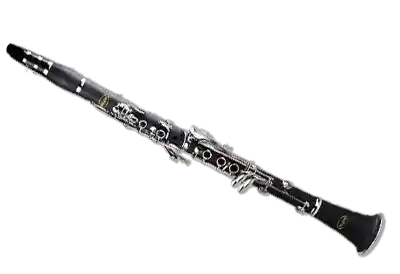
It’s the instrument that can serenade you with the sweet tones of Mozart one moment and summon a cacophony of squeaks the next, depending on the player’s skill—or mood. The clarinet has a reputation for versatility, effortlessly blending into orchestras, jazz bands, and even the occasional klezmer ensemble. But let’s not forget its true superpower: its ability to strike terror into beginner musicians as they attempt to navigate the infamous break between registers. Yet, when mastered, this magical tube of wood and keys proves it’s not just a stick with ideas—it’s a gateway to musical brilliance.
Celebrated: Annually, on November 16th
Discover the fascinating journey of the clarinet, an instrument known for its dynamic range and emotional expression, celebrated every year on Clarinet Day.
- Details
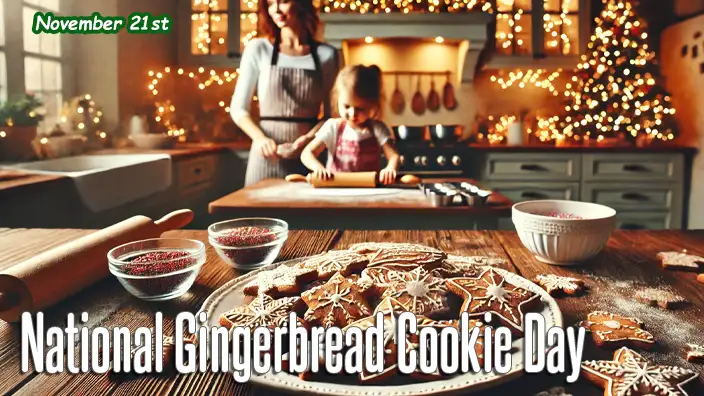
Rolling out dough for gingerbread cookies feels like a culinary workout, complete with clouds of flour that make you look like a confused baker-ghost. Then there’s the decorating phase, where your ambition for intricate designs is quickly outpaced by your frosting skills—or lack thereof. Before you know it, your "masterpiece" looks like it belongs in an abstract art gallery. But somehow, even the lopsided stars and the unidentifiable blobs taste like holiday magic, proving once again that perfection is overrated when sugar and spice are involved.
Celebrated: Annually, on November 21st
Explore the spicy history of gingerbread cookies, from ancient ceremonial uses to modern holiday traditions. Celebrate their unique blend of flavor and creativity.


- Details
Candy is that sweet friend who always shows up unannounced but is somehow always welcome. It’s the cheerful little saboteur of our “I’m-eating-healthy” resolutions, waving a neon-colored, sugar-coated flag that says, “Just one won’t hurt!” One minute, you’re innocently unwrapping a single piece; the next, you’re knee-deep in a pile of empty wrappers wondering how your taste buds staged such a well-coordinated coup. And let’s be honest, candy knows no age limits—whether you’re five or fifty, there’s no denying the magnetic pull of a gummy bear staring back at you, as if to say, “We’re all friends here, right?”
Celebrated: Annually, on November 4th
Explore the fascinating world of candy, its history, diverse types, and cultural significance. Discover fun facts and ways to celebrate National Candy Day.


- Details
It's time to channel your inner Marie Kondo of social media. Imagine scrolling through your friend list while humming "Does this person spark joy or just spam my feed with cat memes?" It's the day you get to swipe left on your digital acquaintances, turning your friend list from a crowded subway car into a cozy coffee shop gathering. So, grab your virtual scissors and snip away; just remember to keep the cat meme enthusiasts – they're keepers!
Celebrated: Annually, on November 17th
Discover the joy of National Unfriend Day, where you can declutter your social media and focus on meaningful connections. Learn how to celebrate this unique day with friends.

- Details
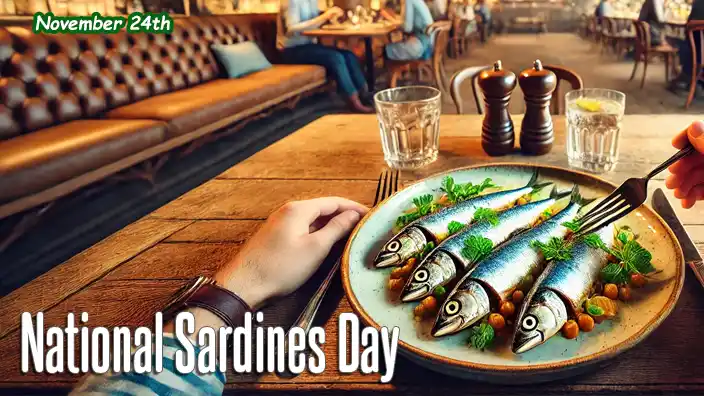
Tiny, shiny, and unapologetically bold, these little fish have a knack for stealing the show at picnics, tapas bars, and midnight pantry raids. Their flavor doesn’t whisper; it confidently proclaims, “Here I am, deal with it!” Whether slathered on crusty bread or mingling with tomatoes and olive oil, they have a way of making simplicity taste gourmet. And let’s be honest, they’re the only snack that manages to be both a nutritious powerhouse and a culinary dare, all while coming pre-packaged in the tiniest, most organized tin you’ll ever see.
Celebrated: Annually, on November 24th
Celebrate National Sardines Day on November 24th by exploring the rich history, nutritional benefits, and versatile culinary uses of these small yet mighty fish.
- Details
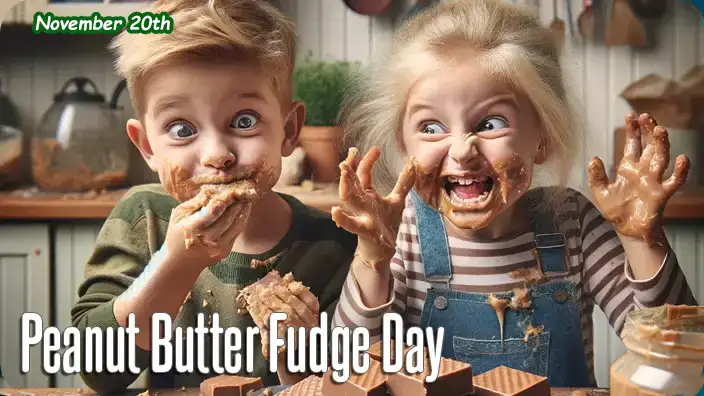
This is when diet plans 'accidentally' get lost in the back of the drawer, only to be rediscovered after we've indulged in that rich, creamy, and oh-so-forgiving delicious peanut butter fudge. It's the day calories mysteriously vanish – well, at least in our minds – and we all become expert confectioners or tasters. Remember, on Peanut Butter Fudge Day, the only thing better than a piece of fudge is the alibi you create for eating it!
Celebrated: Annually, on November 20th
Discover the joys of Peanut Butter Fudge Day on Nov 20th! Explore the history, recipes, and health aspects of this beloved treat. Indulge responsibly.

- Details
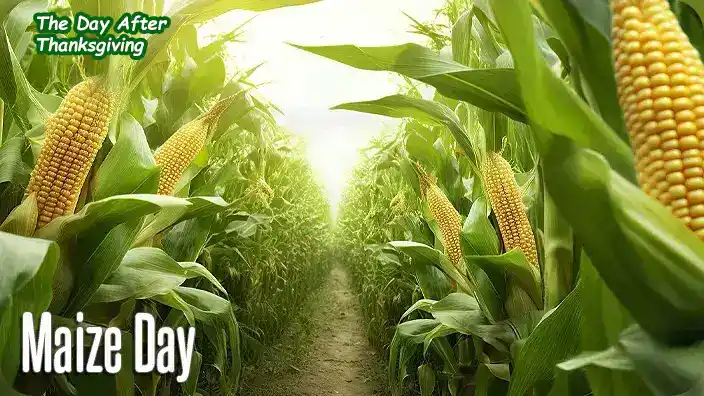
Maize, also known as corn, isn't just a staple crop—it's the overachiever of the vegetable world. It pops, it sweetens, and it even shows up for dinner in a dozen different disguises: on the cob, in a soup, and sneakily in your soda as syrup. Maize has been hustling since ancient times, proving it’s not just another pretty ear in the field. Whether it’s starring in salsa or getting cozy in a casserole, maize is always kernelling its way into our hearts and meals, one buttery bite at a time!
Celebrated: Annually, on the Day After Thanksgiving
Discover the rich history and cultural significance of Maize Day, a celebration that goes beyond corny jokes to honor a grain that has shaped civilizations and tickled taste buds worldwide.

- Details
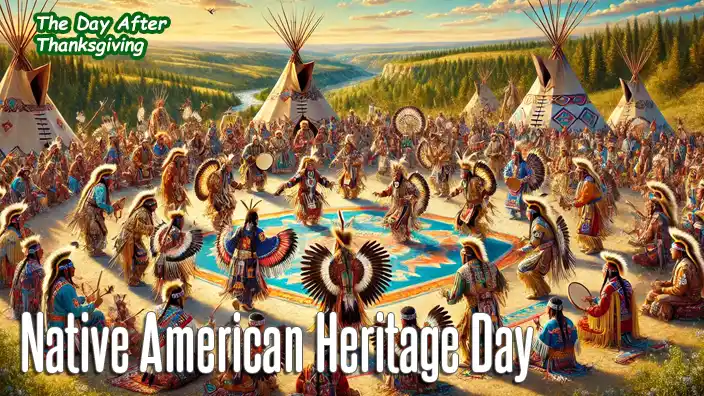
Native American Heritage Day is a celebration of the diverse cultures, histories, and traditions that shape the continent's identity. It’s a day to honor the deep roots of Indigenous peoples, whose contributions and resilience form the foundation of our shared heritage. From the rich storytelling traditions of Native American tribes to the vibrant immigrant cultures that have blended into a dynamic mosaic, this day serves as a reminder of the strength found in diversity. Whether it’s through food, music, art, or historical reflection, North American Heritage Day invites everyone to explore the stories that connect us while embracing the unique threads that make up the cultural tapestry of the continent.
Celebrated: Annually, on the Day After Thanksgiving
Explore the significance of Native American Heritage Day, a celebration of the rich cultural tapestry and historical contributions of Native American peoples across the US.


- Details
Squeezing a bit of personality into a report about gridlock is an art all its own, especially when describing the daily struggle on the highway. Imagine trying to sound upbeat while telling listeners that the morning commute has turned into a parking lot or that “the scenic route” now includes a mile-long detour. With each update, traffic reporters somehow manage to inject a touch of wit, spinning phrases like “moving slower than molasses” or offering the optimistic “at least the view from the bumper is nice.” It’s a job that requires just the right blend of calm, charm, and perhaps a touch of caffeine-induced bravery.
Celebrated: Annually, on November 2nd
Celebrate National Broadcast Traffic Professionals Day by honoring the voices that guide commuters with updates and humor. Discover the history and skills behind traffic broadcasting.

- Details
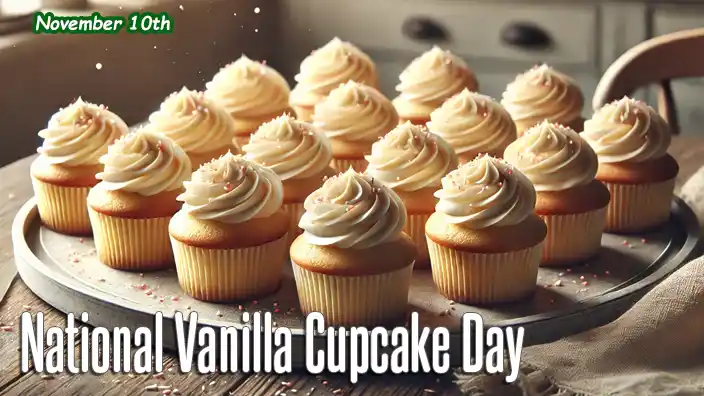
Soft, sweet, and often mistaken for the "plain" choice, these little treats are like the wallflowers of the dessert table—until you take a bite and realize they’re the life of the party. Vanilla cupcakes might not shout with bold colors or wild flavors, but they don’t need to; their subtle charm wins you over, one creamy, sugary mouthful at a time. Plus, they’re versatile—one minute, they’re classic with a swirl of vanilla frosting, and the next, they’re decked out with sprinkles, berries, or even a drizzle of chocolate, proving they’re anything but ordinary. So go ahead, call them “basic”—they’ll just sit there looking sweetly delicious, knowing they’re everyone’s first choice by dessert time.
Celebrated: Annually, on November 10th
Discover the history and charm of vanilla cupcakes, the dessert world's comfort food, and explore unique ways to dress them up for any occasion.

From Our Marks Catelog
-
Pizza is the ultimate customizable dish. It caters to all, from the staunch meat-lover who wants...
-

Your toes don't ask for much. They spend their days squeezed into shoes, dodging coffee tables,...
-

You’re trying to relax after a long day, but your dog has decided that now is the perfect time to...
-
Tiny, shiny, and unapologetically bold, these little fish have a knack for stealing the show at...
-
Horses are the comedians of the animal world, even if they don’t realize it. From sneaky maneuvers...
-
Some cars are built to get you from point A to point B. The Pink Cadillac was built to make sure...

