Mark The Days - November

November is that sneaky month that starts with leftover Halloween candy and ends with a turkey coma. It’s where the air turns crisp, the clocks turn back, and someone always tries to bring a “healthy” side dish to Thanksgiving (we see you, quinoa). From honoring veterans to obsessing over gravy ratios, November is one long prelude to holiday madness—wrapped in flannel, lit by scented candles, and fueled by an urgent need to find out what the heck a “Friendsgiving” even is. It’s gratitude with a side of stuffing—and frankly, we’re here for seconds.
- Details
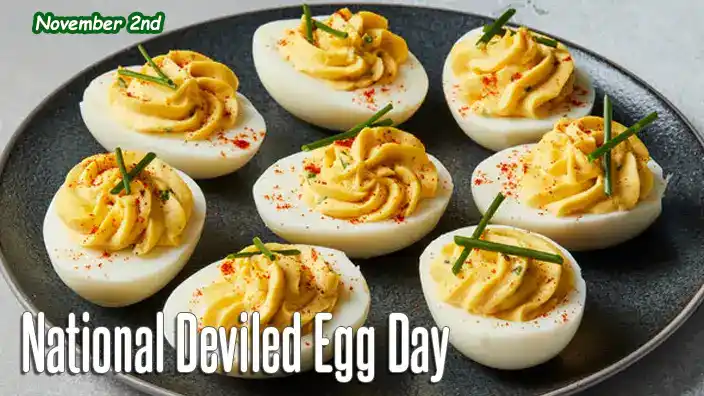
With their creamy centers and a sprinkle of spice, these little morsels seem to have a magnetic pull at any gathering. One moment, they're just innocently sitting on the plate, and the next, they've disappeared faster than gossip at a family reunion. Whether you’re slyly reaching for your third (or fifth) one or trying to perfect your poker face when someone catches you double-dipping, deviled eggs seem to bring out the playful mischief in us all. It's almost as if each bite challenges you to throw caution—and any thoughts of sharing—to the wind!
Celebrated: Annually, on November 2nd
Explore the history and global variations of deviled eggs, a beloved snack with a spicy twist. Celebrate National Deviled Egg Day with exciting recipes and party ideas.

- Details
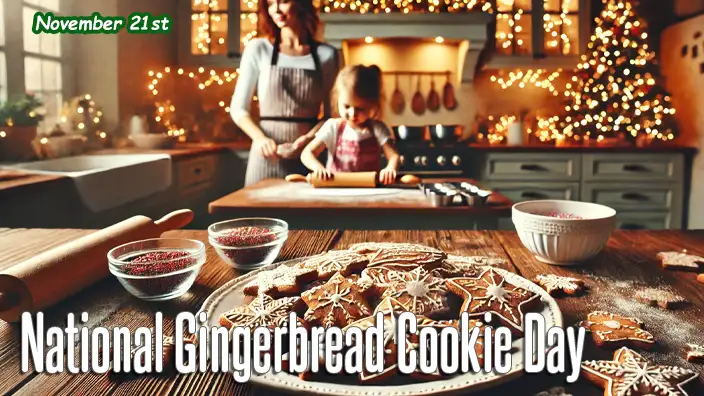
Rolling out dough for gingerbread cookies feels like a culinary workout, complete with clouds of flour that make you look like a confused baker-ghost. Then there’s the decorating phase, where your ambition for intricate designs is quickly outpaced by your frosting skills—or lack thereof. Before you know it, your "masterpiece" looks like it belongs in an abstract art gallery. But somehow, even the lopsided stars and the unidentifiable blobs taste like holiday magic, proving once again that perfection is overrated when sugar and spice are involved.
Celebrated: Annually, on November 21st
Explore the spicy history of gingerbread cookies, from ancient ceremonial uses to modern holiday traditions. Celebrate their unique blend of flavor and creativity.


- Details
National Stay Home Because You're Well Day raises a hilarious dilemma: how do you call in 'well' to work? Imagine the confused silence on the other end of the line as you cheerfully announce, "Good morning! I won't be coming in today because I feel fantastic!" It's the perfect recipe for bewildered bosses and puzzled HR departments everywhere, who wonder if they've missed a memo on the latest workplace trends. This day not only champions wellness, but also inadvertently tests the limits of your boss's sense of humor!
Celebrated: Annually, on November 30th
Discover National Stay Home Because You're Well Day, a unique holiday promoting wellness and self-care in a whimsical way. Learn about its origins, philosophy, and how to celebrate it.

- Details
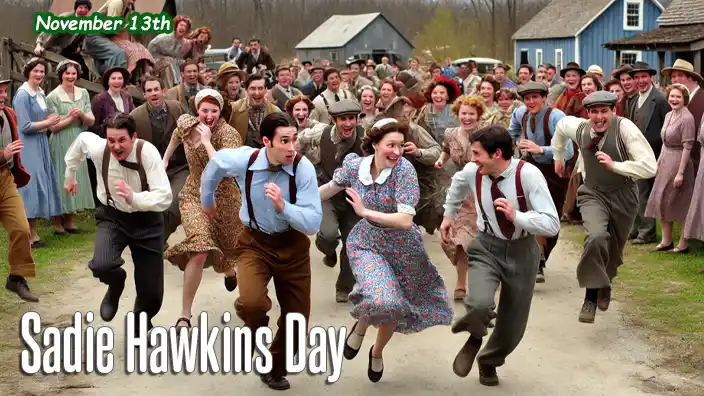
Sadie Hawkins Day is that rare annual event when the tables turn, and the thrill of the chase gets literal. Picture this: it's the one day when men across the land suddenly remember they've "forgotten something very important back at the house," while women channel their inner sprinters, lacing up their running shoes and perfecting their pickup lines. The holiday hails from a comic strip where the "homeliest gal in Dogpatch" chased down the town's bachelors like they were the last slice of pie. Today, it’s a light-hearted excuse for women to ask someone out and for men to experience just a taste of the delightful, nerve-wracking thrill of being pursued. Call it equality with a dash of comedy and a lot of cardio!
Celebrated: Annually, on November 13th
Explore Sadie Hawkins Day, a quirky celebration where women ask men out, inspired by the comic strip Li'l Abner. Embrace the fun and role reversal!

- Details
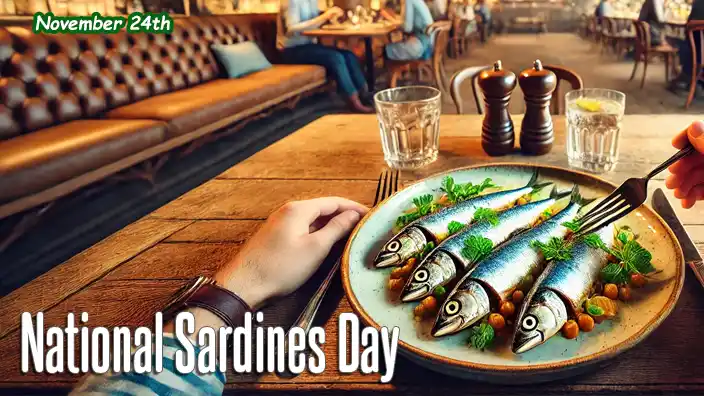
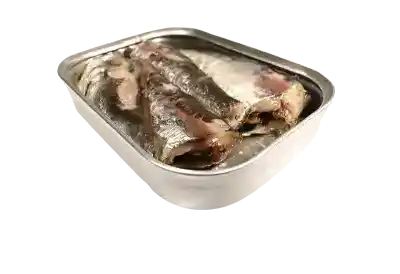
Tiny, shiny, and unapologetically bold, these little fish have a knack for stealing the show at picnics, tapas bars, and midnight pantry raids. Their flavor doesn’t whisper; it confidently proclaims, “Here I am, deal with it!” Whether slathered on crusty bread or mingling with tomatoes and olive oil, they have a way of making simplicity taste gourmet. And let’s be honest, they’re the only snack that manages to be both a nutritious powerhouse and a culinary dare, all while coming pre-packaged in the tiniest, most organized tin you’ll ever see.
Celebrated: Annually, on November 24th
Celebrate National Sardines Day on November 24th by exploring the rich history, nutritional benefits, and versatile culinary uses of these small yet mighty fish.
- Details
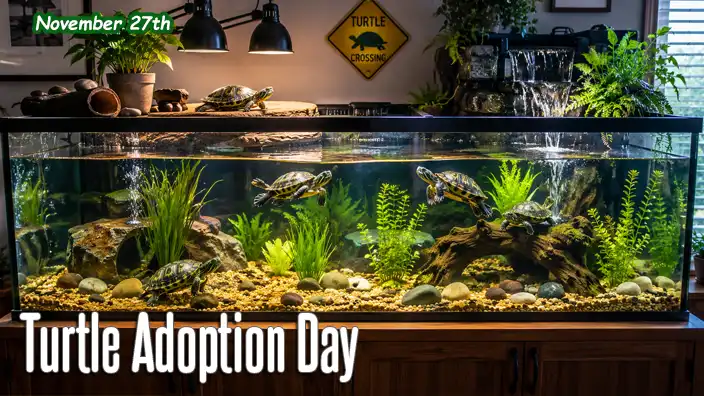
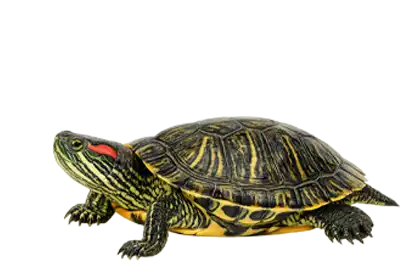
Turtles have been taking life at their own pace for more than 220 million years, and they don't seem the least bit concerned that everyone else is in such a hurry. Turtle Adoption Day celebrates these remarkable reptiles while encouraging responsible adoption and lifelong care. Whether you call them turtles or terrapins, one thing is certain—they're proof that you don't have to be fast to win hearts... although arriving before bedtime is usually appreciated.
Celebrated: Annually, on November 27th
Discover why Turtle Adoption Day encourages responsible pet ownership, learn fascinating turtle facts, and find out how these slow-moving reptiles have captured hearts for millions of years
- Details
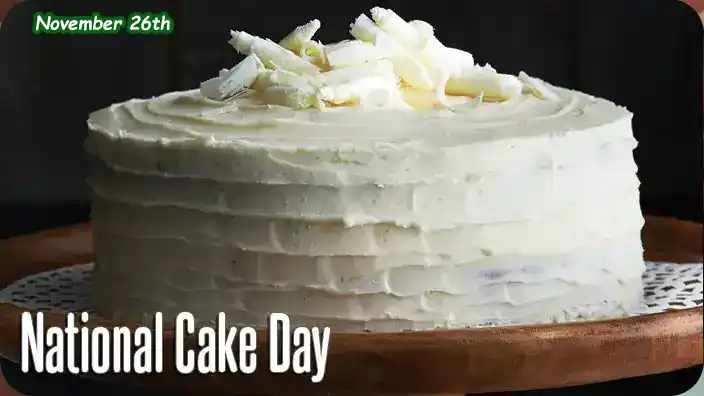
National Cake Day is the one day of the year when it's socially acceptable to have your cake and eat it too—preferably for breakfast, lunch, and dinner! It's a joyous occasion to embrace your inner dessert enthusiast, debating the merits of chocolate versus vanilla and discovering that calories don't count when you're celebrating a national holiday. So, grab a fork, a generous slice, and perhaps some stretchy pants, because on National Cake Day, the only thing you should be cutting is another piece of cake!
Celebrated: Annually, on November 26th
National Cake Day on November 26th celebrates the joy and creativity cakes bring to our lives, from humble beginnings to elaborate confections enjoyed globally. Let's get baking and explore the art and science of cake making!

- Details
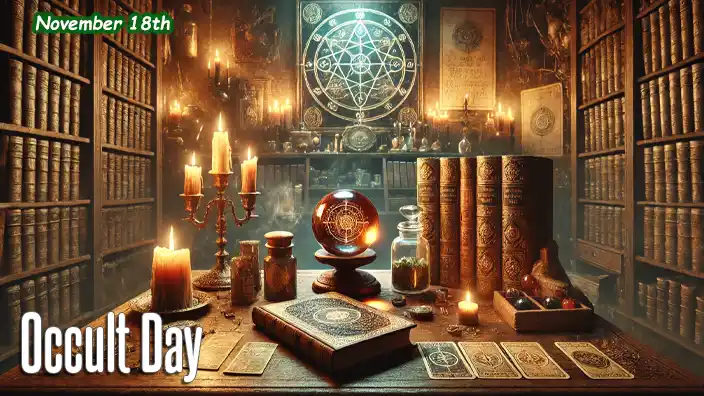
The occult is like the mysterious aunt of the intellectual world—always intriguing, slightly intimidating, and definitely the one you want to sit next to at family gatherings. It’s the realm where staring into a crystal ball counts as “research” and accidentally summoning your cat instead of a spirit is a typical Tuesday. Sure, it’s easy to get carried away—one minute you’re lighting a candle to manifest good vibes, and the next you’re trying to remember if the pentagram you drew has too many points. But hey, whether you’re communing with the cosmos or just pretending to, at least it’s never boring!
Celebrated: Annually, on November 18th
Celebrate Occult Day on November 18th by exploring the mystical and mysterious. Look into ancient wisdom, tarot, and astrology for a day of fun and curiosity.

- Details
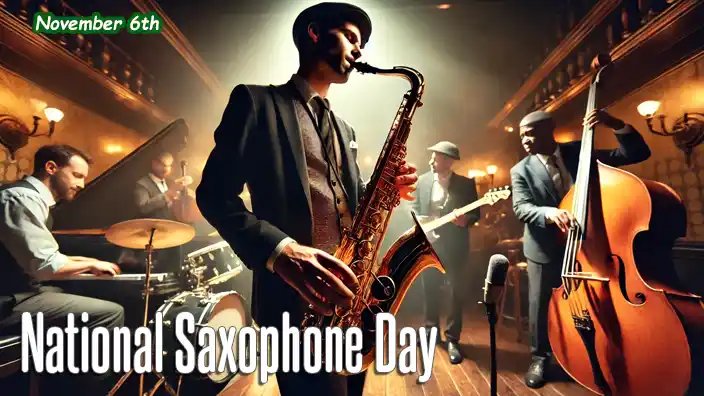
The saxophone is a bit like that one friend who always insists on making an entrance—smooth, bold, and impossible to ignore. Saxophonists themselves are a special breed, often seen with a far-off look in their eyes, like they’re permanently lost in a jazz riff, even when they’re ordering a coffee. They’ll swear up and down that the sax is the “most versatile instrument,” conveniently forgetting that it occasionally sounds like a goose who’s just discovered rock 'n' roll. But for all their quirks, saxophonists bring a soulful swagger wherever they go. Hand one a sax, and suddenly every room becomes a smoky jazz club, complete with invisible applause and an aura of mystery.
Celebrated: Annually, on November 6th
Explore the saxophone's journey from its origins with Adolphe Sax to its place in jazz, rock, and pop, featuring famous musicians and unforgettable performances


- Details
Did you know that Mauritania is home to one of the world's most remarkable archaeological treasures? Deep within its vast desert lies the ancient city of Chinguetti, often referred to as the "Seventh Holy City of Islam." This hidden gem, dating back to the 13th century, is a time capsule preserving the medieval Islamic world. Once a thriving center for scholars and traders, Chinguetti is famed for its libraries, which contain thousands of rare manuscripts on science, literature, and religion, some dating back to the 9th century. These texts, preserved against the test of time and harsh desert conditions, offer a unique glimpse into the intellectual life of early Islamic civilizations. Surrounded by endless dunes, the city's architecture of stone and traditional ksour (fortified villages) stands as a testament to the ingenuity of its ancient inhabitants.
Celebrated: Annually, on November 28th
Discover the enchanting land of Mauritania, where desert meets ocean in a breathtaking landscape. Dive into the rich history and vibrant culture of this hidden gem in West Africa. Join the vibrant celebrations of Mauritania's Independence Day!

- Details
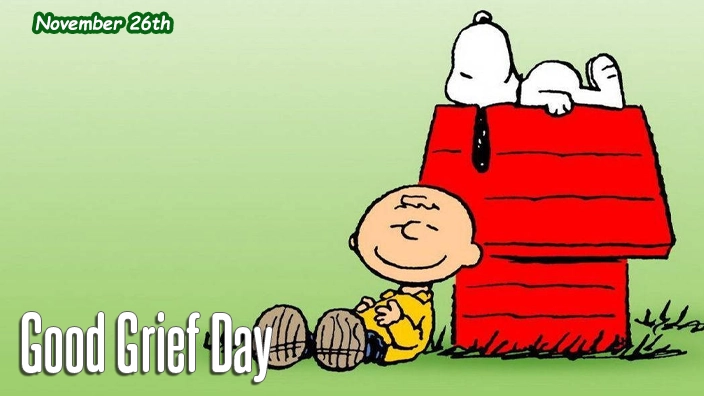
The Peanuts gang is like a sitcom cast that never ages but somehow gets funnier with time. Charlie Brown is the lovable loser whose greatest adversary isn’t just Lucy with her football, but also his own eternal optimism—because, seriously, how many times can you trust someone who yanks the ball away every year? Snoopy, on the other hand, lives in his own cinematic universe, switching between being a WWI flying ace and a world-famous author, all while napping on his doghouse. Then there’s Lucy, whose advice is overpriced at five cents and comes with more sass than solutions. Linus clings to his blanket like it’s the last shred of sanity in a world run by kite-eating trees, while Schroeder ignores the chaos by serenading his toy piano like Beethoven himself. Together, they’re the most dysfunctional-yet-perfect group of friends you’d ever want to hang out with—just don’t ask Pigpen to clean up first.
Celebrated: Annually, on November 26th
Celebrate Good Grief Day by exploring Charles M. Schulz's Peanuts, a comic strip that blends humor and life's lessons with beloved characters like Charlie Brown and Snoopy.

- Details
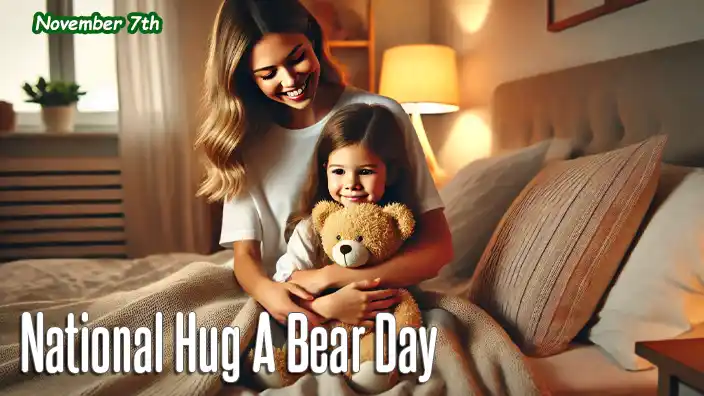
Hugging a bear, let’s be clear, is usually meant for the teddy variety. Imagine trying to hug an actual bear—one paw would weigh more than your entire upper body! Real bears might interpret a hug as “snack time” rather than a warm, fuzzy moment. But teddy bears? They’re the perfect huggers. They don’t mind how tightly you squeeze, they don’t complain about drool during naps, and best of all, they have zero chance of roaring at you! So next time you need a comforting squeeze, remember: one type of bear has claws, and the other has cozy, cuddle-ready stuffing. Choose wisely!
Celebrated: Annually, on November 7th
Explore the charming history of the teddy bear from Roosevelt's hunting trip to a global icon of comfort. Learn why bear hugs feel so good.

- Details
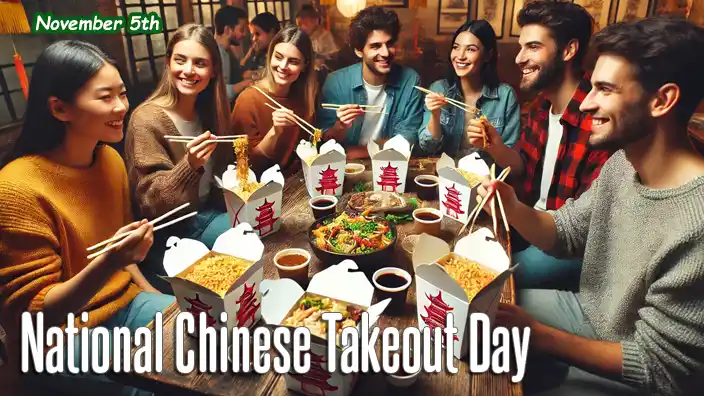
Chinese food is the culinary equivalent of magic: it somehow multiplies overnight in your fridge. You start with a reasonable order of fried rice and sweet-and-sour chicken, but by the next day, your fridge looks like a takeout warehouse. And let’s talk about the infamous fortune cookie! You’re hoping for some ancient wisdom, and it hands you “A thrilling time is in your future” (spoiler alert: it’s the thrill of finding soy sauce packets under the couch weeks later). With crispy egg rolls and noodles that defy fork logic, Chinese food is the delicious mystery we love—because who doesn’t enjoy a meal that’s part food, part treasure hunt?
Celebrated: Annually, on November 5th
Discover the history and enduring popularity of Chinese takeout in America, from the iconic takeout box to beloved dishes like chow mein and egg rolls.


- Details
Squeezing a bit of personality into a report about gridlock is an art all its own, especially when describing the daily struggle on the highway. Imagine trying to sound upbeat while telling listeners that the morning commute has turned into a parking lot or that “the scenic route” now includes a mile-long detour. With each update, traffic reporters somehow manage to inject a touch of wit, spinning phrases like “moving slower than molasses” or offering the optimistic “at least the view from the bumper is nice.” It’s a job that requires just the right blend of calm, charm, and perhaps a touch of caffeine-induced bravery.
Celebrated: Annually, on November 2nd
Celebrate National Broadcast Traffic Professionals Day by honoring the voices that guide commuters with updates and humor. Discover the history and skills behind traffic broadcasting.

- Details
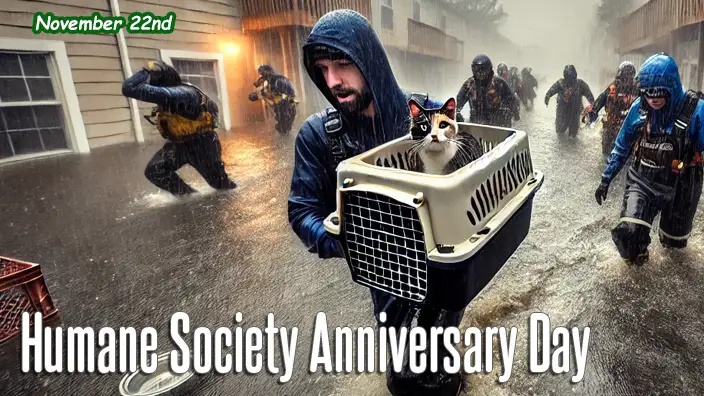
The Humane Society is a sanctuary of hope for animals in need, a place where compassion meets action. It embodies the belief that every creature, regardless of its size or neglect, deserves kindness, care, and a second chance. From rescuing abandoned pets to advocating for stronger animal welfare laws, their work has a profound impact on countless lives—both animal and human. They mend broken spirits, heal physical wounds, and foster unbreakable bonds between people and the animals who love them unconditionally. The Humane Society reminds us of the profound impact of empathy and the difference it makes in creating a world where every life is valued.
Celebrated: Annually, on November 22nd
Discover the heartwarming world of humane societies, their origins, daily operations, and how you can support their mission to protect and care for animals worldwide.


- Details
It was World Television Day, and the Johnsons had taken the celebration to heart. Mr. Johnson, a self-proclaimed "TV connoisseur," decided to honor the day by attempting to set a world record for the most TV shows watched simultaneously. Armed with five televisions, three tablets, and a couple of smartphones, he created a command center that NASA would envy. Mrs. Johnson, on the other hand, decided to bake a cake shaped like a remote control, but it ended up looking more like a squashed spaceship. Meanwhile, their dog, Rex, wearing a TV antenna headband, seemed confused about whether to bark at the multiple screens or chase his tail. As the day rolled on, with laughter echoing through their TV fortress, the Johnsons realized that while they might not win any world records or baking contests, they definitely nailed celebrating World Television Day in the most uniquely chaotic way possible.
Celebrated: Annually, on November 21st
Discover the evolution of television from grainy screens to smart TVs, and its impact on society as a tool for education, entertainment, and global connectivity.


- Details
Let's not forget one of the unsung heroes of International Men's Day: the noble man cave. This annual event may be the only time of year when men emerge from their natural habitat of recliners and sports memorabilia to bask in the global spotlight. It's a rare sighting indeed, akin to spotting a wild yeti, as men momentarily pause their video game marathons and DIY disasters to acknowledge this special day. So, let's raise our mismatched socks in a toast to these elusive creatures who, for just one day, might consider swapping their trusty barbecue tongs for a bouquet of appreciation... or at least a clean pair of socks.
Celebrated: Annually, on November 19th
Explore the fun and significance of International Men's Day. Celebrate men's roles, health, and quirks in this humorous and heartfelt tribute.

- Details
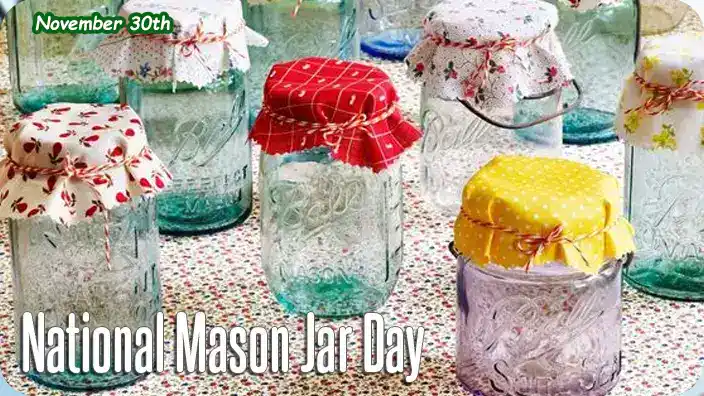
Did you know that Mason jars might just be the unsung heroes of the dating world? Picture this: you're on a first date, and instead of the usual flowers or chocolates, you hand over a Mason jar filled with homemade cookies. Instant conversation starter! Or maybe you're setting the mood with a candlelit dinner; why use fancy candle holders when you can set the table with twinkling Mason jar lanterns? It says, "I'm resourceful, eco-friendly, and can probably make a mean batch of preserves." Let's face it, in a world of swipes and likes, a little Mason jar charm could be the secret ingredient to finding that special someone who appreciates your knack for upcycling and your flair for rustic aesthetics. Forget the puppy pictures on your dating profile; it's time to showcase your Mason jar collection!
Celebrated: Annually, on November 30th
Discover the fascinating history and modern versatility of the Mason jar on National Mason Jar Day. Learn about this iconic kitchen staple's journey from 19th-century food preservation to a symbol of sustainable living and DIY creativity.

From Our Marks Catelog
-
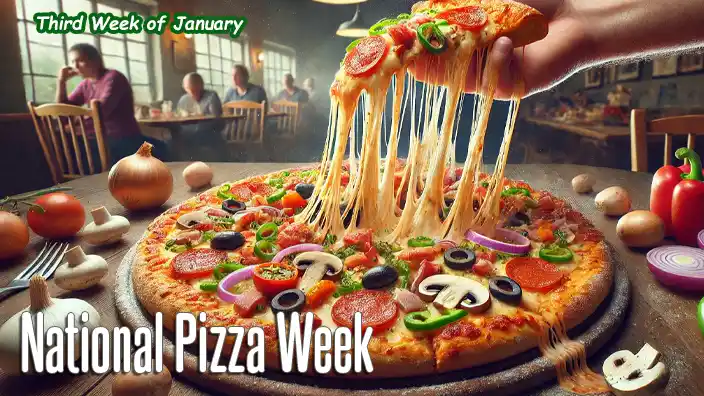
Pizza is the ultimate customizable dish. It caters to all, from the staunch meat-lover who wants...
-

Your toes don't ask for much. They spend their days squeezed into shoes, dodging coffee tables,...
-

You’re trying to relax after a long day, but your dog has decided that now is the perfect time to...
-
Tiny, shiny, and unapologetically bold, these little fish have a knack for stealing the show at...
-
Horses are the comedians of the animal world, even if they don’t realize it. From sneaky maneuvers...
-
Some cars are built to get you from point A to point B. The Pink Cadillac was built to make sure...

