Mark The Days - November

November is that sneaky month that starts with leftover Halloween candy and ends with a turkey coma. It’s where the air turns crisp, the clocks turn back, and someone always tries to bring a “healthy” side dish to Thanksgiving (we see you, quinoa). From honoring veterans to obsessing over gravy ratios, November is one long prelude to holiday madness—wrapped in flannel, lit by scented candles, and fueled by an urgent need to find out what the heck a “Friendsgiving” even is. It’s gratitude with a side of stuffing—and frankly, we’re here for seconds.
- Details
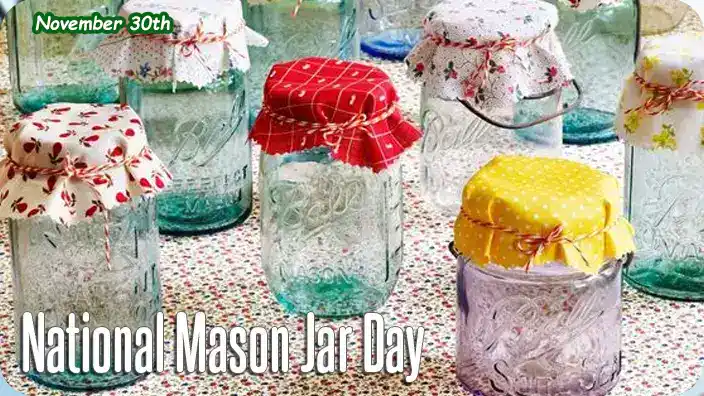
Did you know that Mason jars might just be the unsung heroes of the dating world? Picture this: you're on a first date, and instead of the usual flowers or chocolates, you hand over a Mason jar filled with homemade cookies. Instant conversation starter! Or maybe you're setting the mood with a candlelit dinner; why use fancy candle holders when you can set the table with twinkling Mason jar lanterns? It says, "I'm resourceful, eco-friendly, and can probably make a mean batch of preserves." Let's face it, in a world of swipes and likes, a little Mason jar charm could be the secret ingredient to finding that special someone who appreciates your knack for upcycling and your flair for rustic aesthetics. Forget the puppy pictures on your dating profile; it's time to showcase your Mason jar collection!
Celebrated: Annually, on November 30th
Discover the fascinating history and modern versatility of the Mason jar on National Mason Jar Day. Learn about this iconic kitchen staple's journey from 19th-century food preservation to a symbol of sustainable living and DIY creativity.


- Details
Saying hello might seem like a small act, but it’s a powerful one—especially in the context of television. After all, TV has mastered the art of the dramatic greeting. From sitcom neighbors bursting through doors with a cheerful “Hey!” to reality show hosts greeting us with an exaggerated “Welcome to the most dramatic season yet!” television knows how to make a simple hello unforgettable. Imagine if world leaders borrowed a page from TV’s playbook: summits would kick off with a booming, slow-motion “Hello!” complete with dramatic lighting and applause. Suddenly, diplomacy wouldn’t just be effective—it’d be primetime-worthy.
Celebrated: Annually, on November 21st
Learn how the word 'hello' evolved into a universal greeting, bridging cultures and promoting peace. Celebrate World Hello Day with humor and hope.

- Details
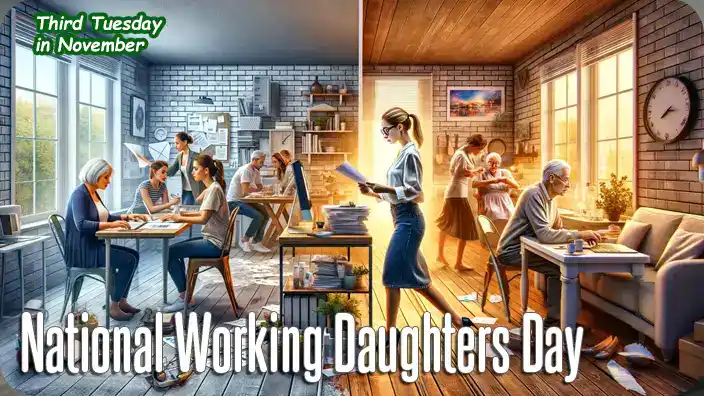
One of the most amazing aspects of National Working Daughters Day is its powerful ability to foster a community of solidarity and support among working daughters. This observance transcends mere recognition; it cultivates a sense of belonging and understanding among women who often feel isolated in their struggles. Through various platforms, events, and discussions encouraged on this day, working daughters can connect, share their experiences, and learn from each other. This community-building is vital, as it not only provides emotional support but also empowers these women to advocate for themselves and others in similar situations. The day brings to light incredible stories of resilience and strength, inspiring not just other working daughters but society at large. It's a celebration of the human spirit's capacity to endure, adapt, and thrive despite challenging circumstances, showcasing the extraordinary resilience of women who manage the intricate dance of professional and caregiving roles with grace and tenacity.
Celebrated: Annually, on the Third Tuesday in November
Celebrate the unsung heroes, working daughters, who juggle careers and caregiving with grace and resilience. Join the 'I Can Do It All' Olympics of daily challenges.

- Details
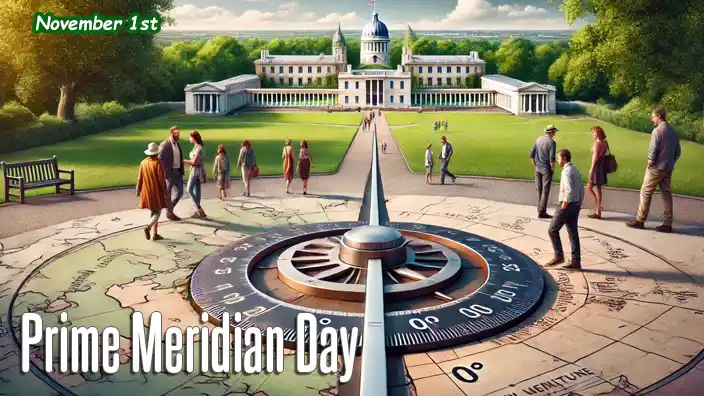
The Prime Meridian is the world’s most famous invisible line—just sitting there at 0° longitude, keeping time zones in check like the ultimate cosmic referee. It’s not flashy, doesn’t shout for attention, and yet, without it, international Zoom calls would be a mess, and we’d all be hopelessly late for every meeting. Imagine the Prime Meridian as the “type-A” friend who insists, “Look, everyone, we need some structure here!” while other meridians quietly chuckle, happy to remain in the background. So next time you straddle the line in Greenwich with one foot in each hemisphere, just remember: you’re standing on history’s quietest micromanager!
Celebrated: Annually, on November 1st
Celebrate Prime Meridian Day on November 1st, honoring the invisible line through Greenwich that synchronizes global timekeeping and navigation. Discover its history and significance.

- Details
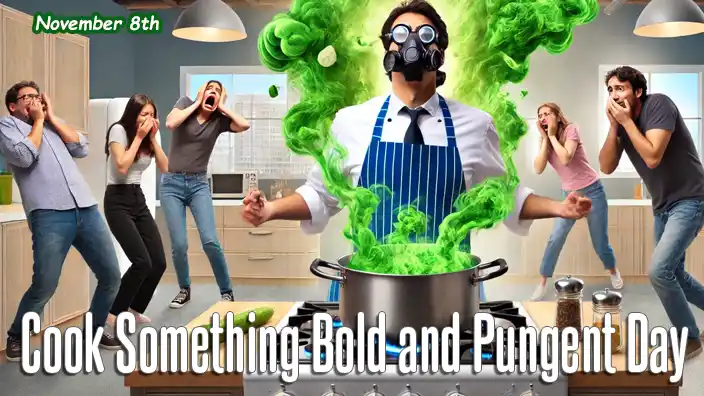
Cooking something pungent and bold is like inviting a whirlwind of aromas to dance chaotically through your kitchen. Imagine tossing a hunk of garlic into the sizzling pan, adding a splash of fish sauce, and suddenly, it’s as if your home has transformed into a battleground for powerful scents. The neighbors might wonder if a science experiment has gone awry as hints of vinegar, spices, and maybe a rebellious dash of blue cheese mingle. With each ingredient, you unleash waves of scent so potent, the dog hides, and anyone nearby reaches for a gas mask. But here’s the thing—some of the best flavors demand a bit of nose-wrinkling drama!
Celebrated: Annually, on November 8th
Celebrate Cook Something Bold and Pungent Day on November 8th by embracing bold flavors like garlic, kimchi, and blue cheese. Discover adventurous recipes and tips.

- Details
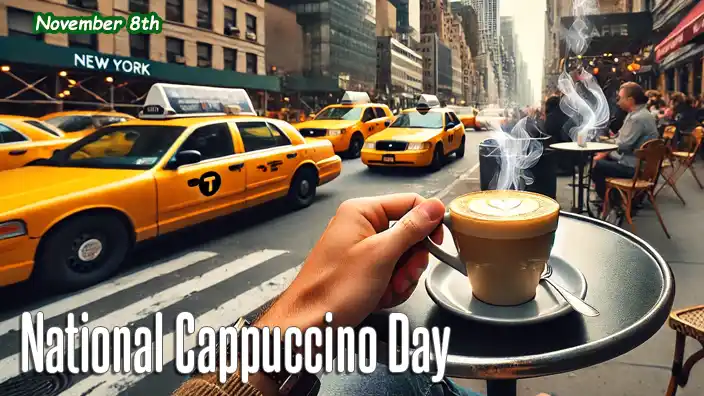
Ah, the cappuccino—a drink that brings a bit of frothy elegance to your otherwise chaotic morning. It’s the coffee world’s version of a tuxedo, complete with that foamy, mustache-giving top that makes you look vaguely like an old-timey detective if you sip it just right. And let’s not forget the foam art—those swirls, hearts, and occasionally a blob that kind of resembles a cat if you squint. Cappuccinos have this unique power to make you feel sophisticated, even if you’re still in your pajamas. It’s like saying, “Yes, I may be struggling to remember if I put on deodorant, but I am drinking espresso with foam, and therefore, I have my life together.”
Celebrated: Annually, on November 8th
Join the cappuccino celebration! Explore its global popularity, crafting techniques, and unique cultural twists. Perfect for coffee enthusiasts everywhere.

- Details
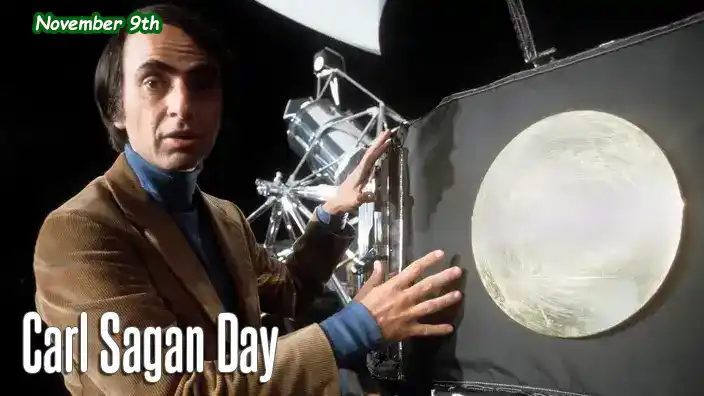
Carl Sagan had this magical way of taking mind-bending cosmic concepts—like black holes, quarks, and our “star stuff” origins—and making them feel like the most natural things in the world. Thanks to him, ordinary folks can now confidently nod along when discussing the age of the universe, as if the Big Bang is a buddy we’ve known since childhood. He somehow made us feel smarter just by listening, sprinkling stardust on our lives and leaving us with just enough knowledge to feel awe-inspired and mildly overconfident at dinner parties. So, here’s to Carl Sagan: the man who showed us the cosmos, turned us into lifelong learners, and made it socially acceptable to wear turtlenecks with unmatched enthusiasm!
Celebrated: Annually, on November 9th
Discover the life and legacy of Carl Sagan, the iconic scientist who brought the wonders of the universe to millions through his books, TV series, and groundbreaking ideas.


- Details
French toast is proof that humanity looked at stale bread and said, “We can absolutely make this somebody else’s breakfast problem.” Add eggs, butter, cinnamon, and enough syrup to glue a fork to the table, and suddenly yesterday’s leftovers become a breakfast masterpiece worthy of applause and elastic waistbands.
Celebrated: Annually, on November 28th
Immerse yourself in the rich history and global journey of French toast, a culinary classic. Celebrate National French Toast Day and savor every bite of this beloved breakfast dish.


- Details
If desserts had personalities, lemon cream pie would be the cheerful neighbor who shows up at the party wearing bright yellow and bringing extra whipped cream for everyone. One bite wakes up your taste buds like a splash of sunshine—tangy lemon, silky cream, and a crust that politely holds everything together like the responsible adult in the room. It’s sweet, it’s zesty, and it somehow convinces perfectly sensible people that a second slice is not indulgence… it’s simply good judgment.
Celebrated: Annually, on November 29th
Celebrate National Lemon Cream Pie Day with the bright, sweet-tart dessert that combines silky cream, fresh lemons, and flaky crust into a slice of pure sunshine.

- Details
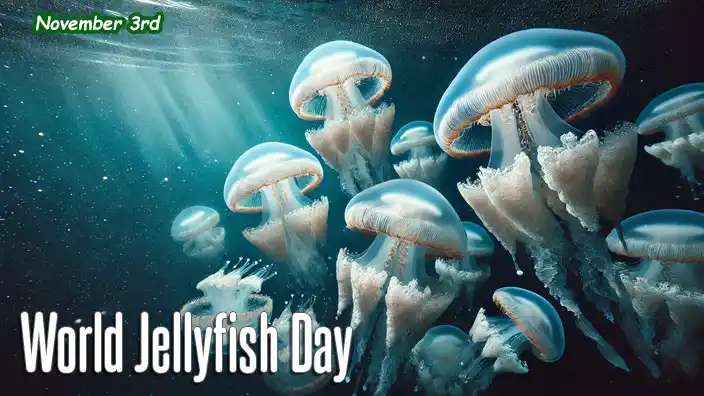
Jellyfish are the ocean’s ultimate minimalist: no brain, no bones, and barely any organs, yet they still manage to live the dream, floating around without a care in the world. They’re basically nature’s reminder that you don’t need to overthink things—literally, in their case. Their life goals are simple: drift, sting if necessary, and maybe photobomb a scuba diver or two. With zero ambitions and a diet of whatever floats their way, jellyfish embody the kind of chill most of us can only aspire to. And if all else fails, they just light up, because hey, who doesn’t want to glow in the dark now and then?
Celebrated: Annually, on November 3rd
Discover the wonders of jellyfish on World Jellyfish Day. Learn about their unique biology, role in ecosystems, and how they have survived for over 500 million years.

- Details
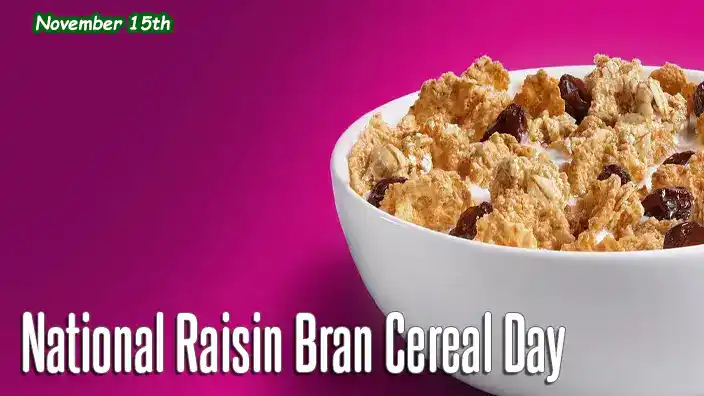
Imagine a cereal that thinks it’s giving you a wink and a nudge toward healthy eating while sneaking in a bit of sweetness—like a well-meaning friend who tells you they’re taking you hiking but "forgets" to mention the ice cream stand at the top. Raisin Bran does its job with a bit of that same clever charm, balancing crunchy, fibrous flakes with juicy raisins that make you feel virtuous even as you’re enjoying a little sugar rush. It’s practically breakfast with a twist, as if bran flakes got tired of their serious reputation and decided they needed a touch of fun—two scoops’ worth, to be precise.
Celebrated: Annually, on November 15th
Celebrate National Raisin Bran Cereal Day with a bowl of wholesome nutrition and sweet, chewy goodness. Discover the history and fun ways to enjoy this classic cereal.

- Details
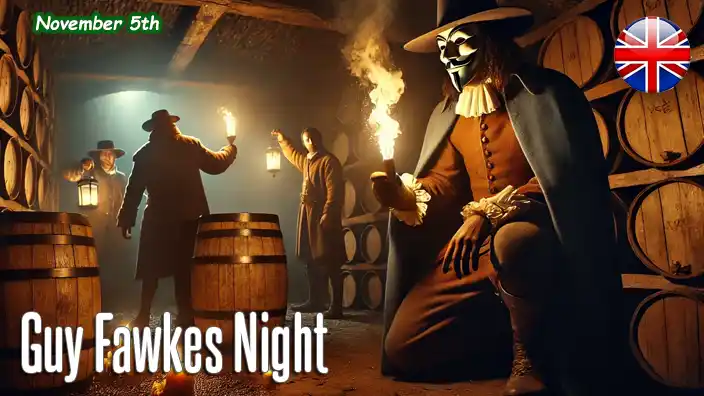
So, a group of disgruntled men in the early 1600s gathered in a dim, candlelit room, and one says, “You know what? Let’s blow up Parliament.” A murmur of approval, nods all around, and suddenly Guy Fawkes is the poor soul tasked with hauling 36 barrels of gunpowder into a basement without tripping over his boots or getting caught. Fast forward, and on November 4th, Guy is discovered, not as a mastermind, but more as the plot’s reluctant spark-holder, caught red-handed with a torch, a barrel, and a face that probably screamed, “This is NOT how I pictured this going.” Instead of becoming the hero who changed England’s fate, he becomes the man whose “plot twist” is celebrated with bonfires, fireworks, and effigies of himself going up in flames each year. You could say the plan went off with a bang—just not quite the way they intended.
Celebrated: Annually, on November 5th
Explore the tale of Guy Fawkes Night, where bonfires and fireworks light up the sky to commemorate the failed Gunpowder Plot and celebrate British resilience.


- Details
Ever thought of naming your computer? It's not just for ships and sports cars anymore! In the digital age, where your computer is practically a member of the family (admit it, you spend more time with it than with Aunt Mildred), it deserves a name that reflects its personality. Is it a sassy speedster, zipping through tasks with the grace of a caffeinated squirrel? Call it "Turbo Trudy." Or maybe it's more of a dependable, slightly sluggish type that's been with you since the days of dial-up - "Old Faithful" sounds about right.
Celebrated: Annually, on November 20th
Celebrate Name Your PC Day by giving your computer a unique and funny name. Discover tips and ideas for personalizing your digital companion!


- Details
If common sense were sold in stores, it would probably be right next to the batteries—something everyone needs, but somehow no one remembers to pick up. Use Your Common Sense Day is that friendly reminder to pause, think things through, and avoid decisions that future-you will be shaking his head about. It’s not about being brilliant—it’s about not doing the one thing that makes everyone else say, “Well… that could have been avoided.”
Celebrated: Annually, on November 4th
Celebrate Use Your Common Sense Day with practical tips, fun facts, and a humorous look at why everyday reasoning still matters

- Details
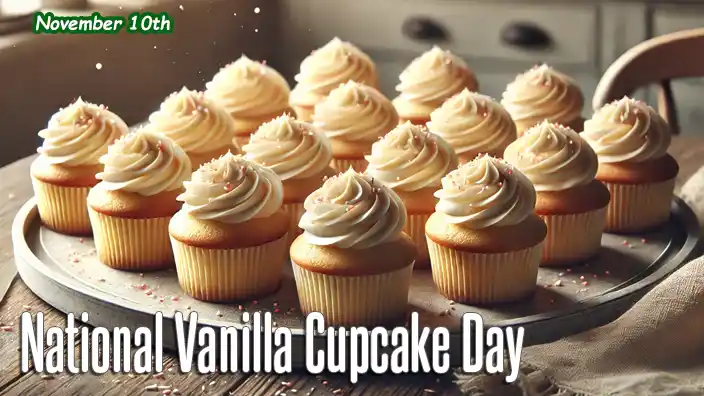
Soft, sweet, and often mistaken for the "plain" choice, these little treats are like the wallflowers of the dessert table—until you take a bite and realize they’re the life of the party. Vanilla cupcakes might not shout with bold colors or wild flavors, but they don’t need to; their subtle charm wins you over, one creamy, sugary mouthful at a time. Plus, they’re versatile—one minute, they’re classic with a swirl of vanilla frosting, and the next, they’re decked out with sprinkles, berries, or even a drizzle of chocolate, proving they’re anything but ordinary. So go ahead, call them “basic”—they’ll just sit there looking sweetly delicious, knowing they’re everyone’s first choice by dessert time.
Celebrated: Annually, on November 10th
Discover the history and charm of vanilla cupcakes, the dessert world's comfort food, and explore unique ways to dress them up for any occasion.


- Details
Ever notice how something as simple as a click brings a sense of calm on the road? That snug strap crossing your shoulder may not seem like much, but it’s the difference between a smooth ride and a game of “human pinball” when brakes slam. Sure, some folks call it uncomfortable, but let’s be honest: a little shoulder squeeze is better than a face-to-face encounter with the dashboard. It’s the most loyal travel companion, silently keeping you steady through every sharp turn and pothole—and unlike most passengers, it won’t judge your taste in road trip tunes or the occasional snack disaster on the seat.
Celebrated: Annually, on November 14th
Celebrate National Seat Belt Day on November 14th, honoring the lifesaving impact of seat belts in vehicles worldwide. Discover the history and importance of buckling up.

- Details
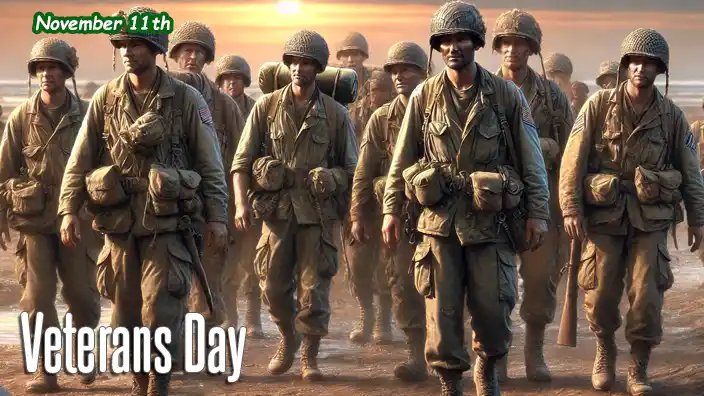
On Veterans Day, we honor the men and women who wore the uniform of our nation, standing as sentinels of freedom and justice. Their courage and sacrifice are the backbone of America’s strength, defending our way of life with unyielding resolve. Whether in times of peace or peril, veterans have answered the call, committing to a cause greater than themselves. They embody the highest ideals of service, bravery, and loyalty. Today, we recognize not only their sacrifice but our duty to remember, to respect, and to stand alongside those who have stood for us. America’s freedoms endure because they dared to defend them.
Celebrated: Annually, on November 11th
Learn about the history and significance of Veterans Day, a day dedicated to honoring all U.S. military veterans and their invaluable contributions.

- Details
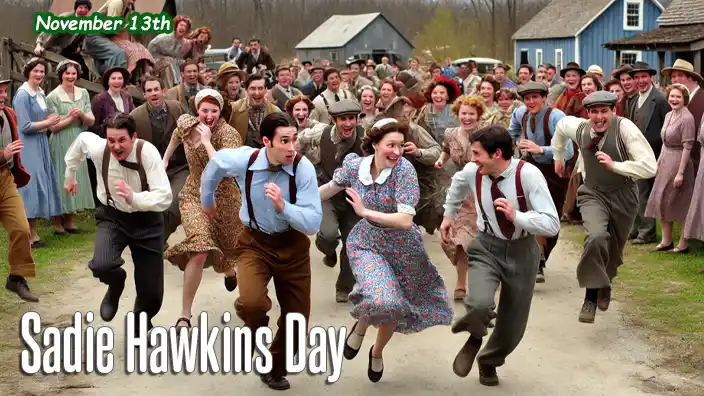
Sadie Hawkins Day is that rare annual event when the tables turn, and the thrill of the chase gets literal. Picture this: it's the one day when men across the land suddenly remember they've "forgotten something very important back at the house," while women channel their inner sprinters, lacing up their running shoes and perfecting their pickup lines. The holiday hails from a comic strip where the "homeliest gal in Dogpatch" chased down the town's bachelors like they were the last slice of pie. Today, it’s a light-hearted excuse for women to ask someone out and for men to experience just a taste of the delightful, nerve-wracking thrill of being pursued. Call it equality with a dash of comedy and a lot of cardio!
Celebrated: Annually, on November 13th
Explore Sadie Hawkins Day, a quirky celebration where women ask men out, inspired by the comic strip Li'l Abner. Embrace the fun and role reversal!

From Our Marks Catelog
-
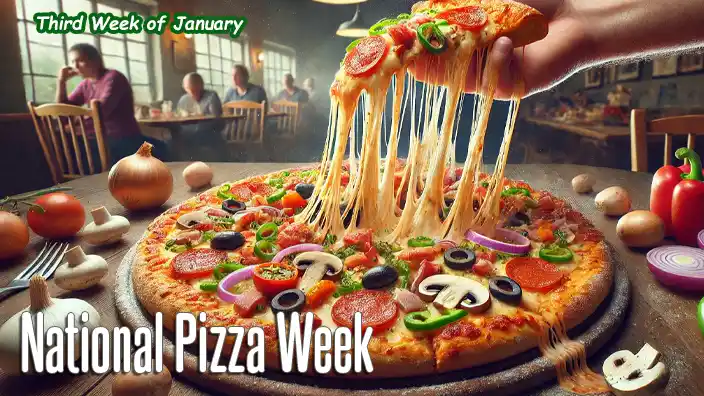
Pizza is the ultimate customizable dish. It caters to all, from the staunch meat-lover who wants...
-

Your toes don't ask for much. They spend their days squeezed into shoes, dodging coffee tables,...
-
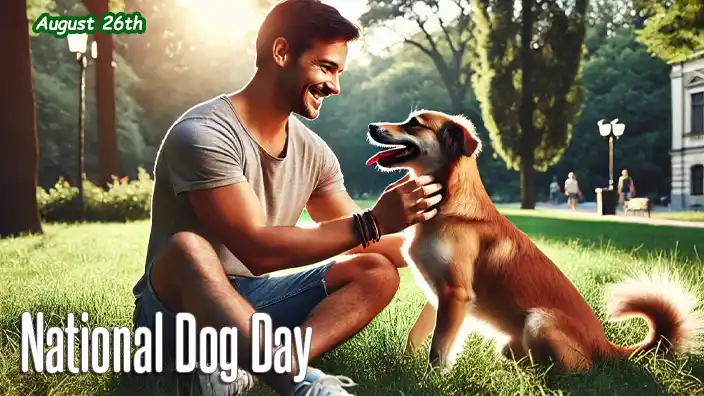
You’re trying to relax after a long day, but your dog has decided that now is the perfect time to...
-
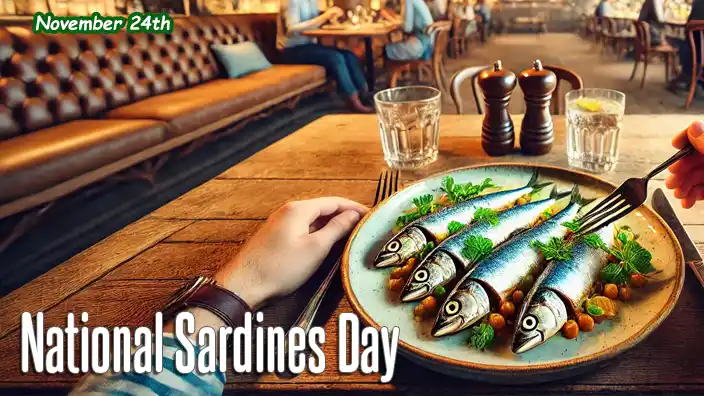
Tiny, shiny, and unapologetically bold, these little fish have a knack for stealing the show at...
-
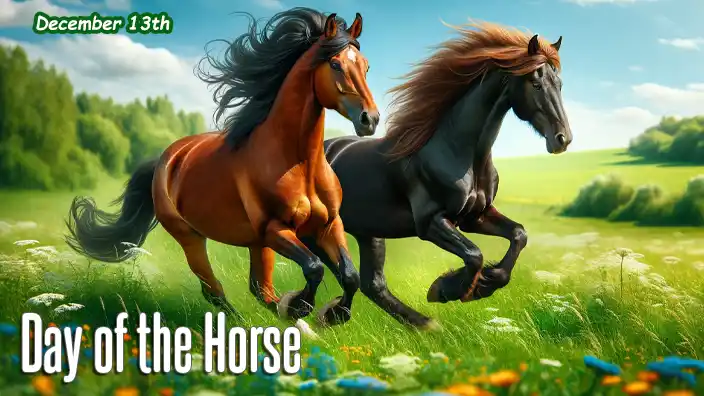
Horses are the comedians of the animal world, even if they don’t realize it. From sneaky maneuvers...
-
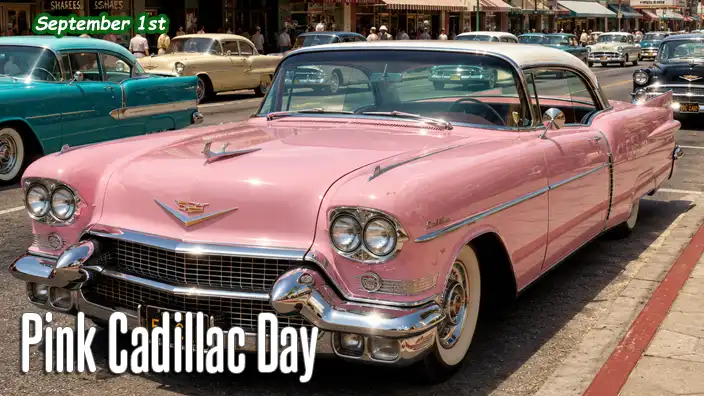
Some cars are built to get you from point A to point B. The Pink Cadillac was built to make sure...

