Mark The Days - October

October tiptoes in wearing flannel and carrying a pumpkin spice latte like it owns the place. The leaves start bailing on their branches faster than interns on a Friday, and everything—everything—suddenly tastes like cinnamon and regret. It's the month where we celebrate everything from tacos to ghosts, and yes, sometimes both at the same party. Costumes come out, candy disappears mysteriously, and someone always insists on bobbing for apples like it’s not a health code violation. October is where cozy meets crazy—and we’re here for all of it.

- Details
Being Punk for a Day is like trying to bake a cake with dynamite—it's messy, explosive, and you're never quite sure if you're doing it right, but you know it's going to leave a lasting impression. One minute you're nervously spiking your hair with enough gel to deflect a small meteor, and the next, you're trying to pull off a scowl that says "I hate authority" but secretly hoping your boss doesn’t notice you took a safety pin from the office supplies. By the end of the day, you might not have fully grasped the anarchist spirit, but hey, at least you didn't accidentally pierce your own eyebrow!
Celebrated: Annually, on October 25th
Celebrate Punk for a Day Day on October 25th by embracing the rebellious punk spirit with spiked hair, combat boots, and a bold attitude. Discover punk history and style tips.

- Details
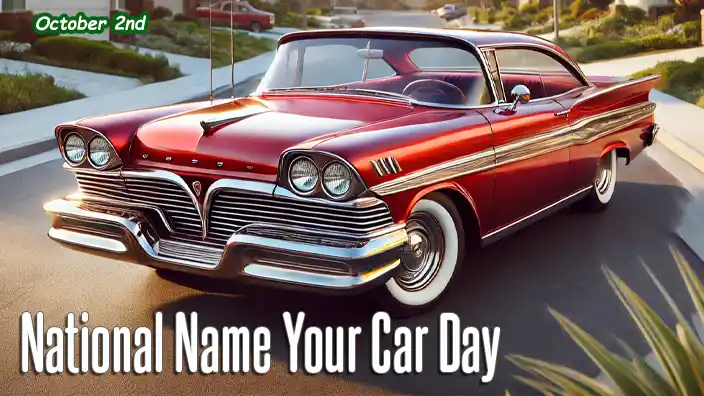
Naming your car is a rite of passage, like realizing you’re talking to your GPS as if it’s an old friend. Once you've spent enough time in traffic together, your car deserves a name that reflects its personality—or quirks. Maybe it’s “Betsy,” because it needs a gentle nudge to start on cold mornings, or “The Beast” for that tiny hatchback that somehow survives every pothole known to man. Let’s be honest: calling out “Come on, Rusty, just one more mile!” feels a lot more personal than shouting at an anonymous chunk of metal. And hey, with the right name, even a clunker can feel like a part of the family!
Celebrated: Annually, on October 2nd
Celebrate National Name Your Car Day on October 2nd by giving your vehicle a unique name that reflects its personality and your shared adventures. Discover the joy of car naming.

- Details
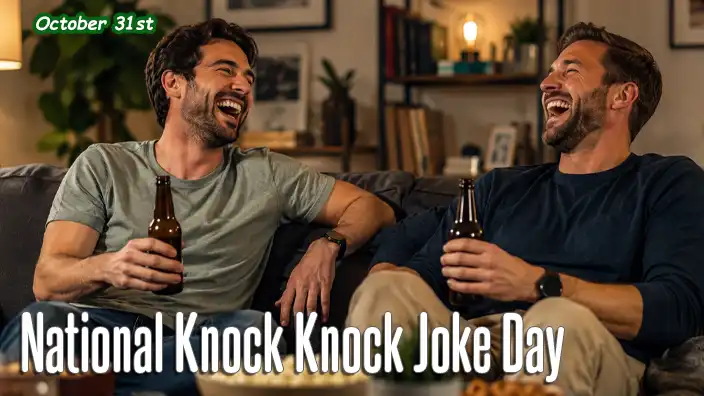
National Knock-Knock Joke Day celebrates one of the simplest and most enduring forms of humor ever created. Every October 31, people of all ages share classic knock-knock jokes, invent new punchlines, and discover that sometimes the corniest jokes are the most memorable. Whether the joke earns laughter, groans, or both at the same time, this lighthearted holiday proves that a little humor can go a long way.
Celebrated: Annually, on October 31st
Knock, knock. Who's there? A day full of laughs! Discover the history, fun, and timeless appeal of National Knock-Knock Joke Day

- Details
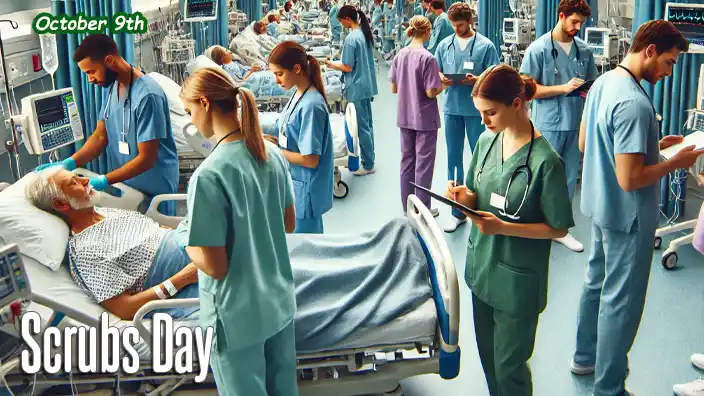
Ever wonder what it’s like to wear something so comfortable that you feel guilty about calling it “work attire”? That’s basically the deal with these magical outfits. They’re like the clothing equivalent of a cheat code: elastic waistbands, breathable fabric, and more pockets than you even knew you needed. You could probably stash your lunch, a stethoscope, and a family of squirrels in those things, and still have room for your phone and keys. It's almost unfair that something so practical is also the most comfortable thing you’ll ever wear, short of pajamas.
Celebrated: Annually, on October 9th
Celebrate Scrubs Day by exploring the history, comfort, and style of scrubs, the ultimate blend of pajamas and tracksuits for healthcare professionals and beyond.

- Details
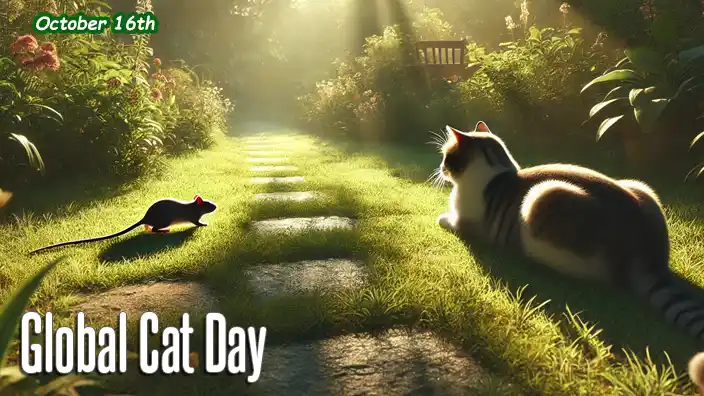
Whiskers twitch, eyes narrow, and before you know it, you’re no longer in charge of your own home. That’s right—welcome to Global Cat Day, where the true rulers of the household make their presence known. Today is the day to acknowledge that those "adorable" creatures plotting world domination from your couch are just letting you live there—on a trial basis. Whether they’re ignoring you until the food bag crinkles or suddenly deciding your laptop is the perfect nap spot, they remind us who’s really in control. Global Cat Day isn't just for celebrating them; it's for surrendering to their royal demands.
Celebrated: Annually, on October 16th
Celebrate Global Cat Day by supporting feral cat welfare, understanding their independent nature, and embracing the humor cats bring to our lives.
xx
- Details
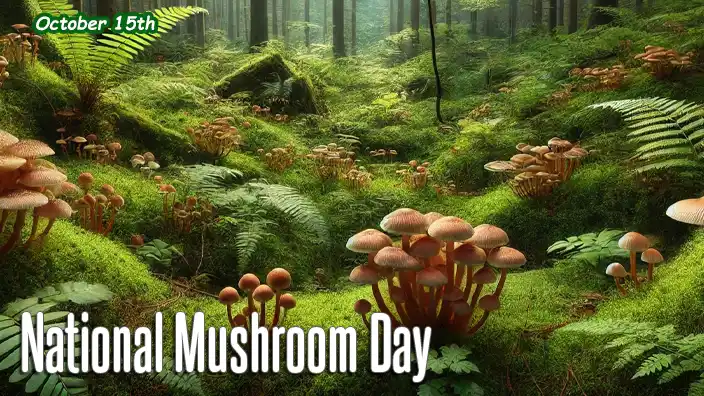
Mushrooms are like nature’s version of a mystery box—you never quite know what you're getting. One minute, you’re foraging for a delicious addition to your pasta, and the next, you’re starring in your own episode of “Survivor: Mushroom Edition,” trying to remember if the one in your basket is a gourmet delicacy or just an elaborate way to take a really long nap. They’re the only food where you need to channel both your inner chef and your inner botanist to avoid accidentally auditioning for the next season of a true crime documentary.
Celebrated: Annually, on October 15th
Explore the fascinating world of mushrooms, from their ancient history to their culinary versatility, and celebrate National Mushroom Day with fun facts and delicious recipes.

- Details
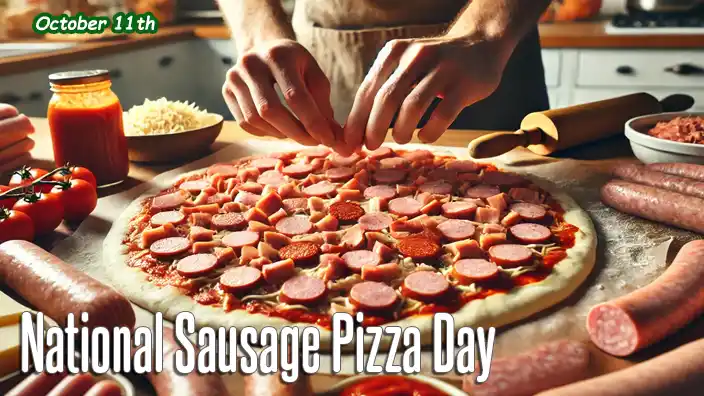
Sausage pizza is like the multitasker of the pizza world—it satisfies the carnivore, the cheese enthusiast, and the carb-lover all in one savory bite. It's as if someone looked at a plain cheese pizza and thought, "This is good, but you know what would make it better? Meat. Lots of it." And thus, sausage pizza was born, the ultimate solution to hunger pangs, indecisiveness, and bland pizza toppings. It's the kind of pizza that makes you feel like you're indulging in something fancy, even if you're still in sweatpants, eating it straight out of the box.
Celebrated: Annually, on October 11th
Celebrate National Sausage Pizza Day on October 11th with a slice of spicy heaven. Discover the history, personality, and deliciousness of sausage pizza.


- Details
Skipping checklists turns life into a comedy of errors. Suddenly, vacations feature an impressive sock collection but not a single shirt, dinner parties boast every detail—except the actual food, and grocery shopping becomes a chaotic mystery tour. Without those trusty lists, road trips become scavenger hunts for items you didn’t even know you’d need. Checklists may be simple tools, but dodge them, and you’ll discover just how quickly “organized chaos” becomes plain old chaos.
Celebrated: Annually, on October 30th
Celebrate National Checklist Day on October 30th, honoring the checklist's role in organizing lives, boosting productivity, and reducing chaos. Discover its fascinating history.

- Details
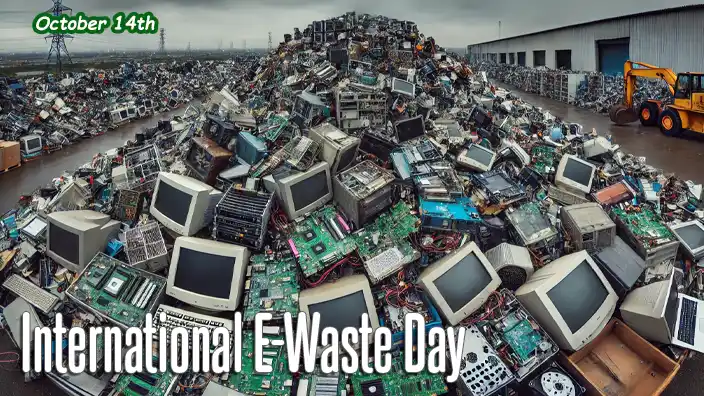
Picture this: you're rummaging through a drawer, looking for a pen, but instead, you find a flip phone from 2005, a charger that fits absolutely nothing, and an MP3 player that probably still has Numb by Linkin Park on repeat. Welcome to the modern treasure hunt—except instead of gold doubloons, you're uncovering e-waste, the digital debris of gadgets past. At some point, every home becomes a mini tech graveyard, where devices go to rest, not because they’re broken, but because we couldn’t resist buying the upgraded version with a camera that can take photos of Saturn.
Celebrated: Annually, on October 14th
Explore the hidden world of e-waste and its environmental impact. Learn how International E-Waste Day raises awareness and promotes responsible recycling.


- Details
National days come in all shapes and sizes — some celebrate food, some honor history, and some mark the influence of individuals whose names spark conversation long after the headlines fade. The National Day of Remembrance for Charlie Kirk is one of those moments. Whether viewed as a tribute, a talking point, or simply another mark on the calendar, it’s a reminder that the voices we elevate say as much about our society as they do about the person themselves.
Celebrated: Annually, on October 14th
Explore the National Day of Remembrance for Charlie Kirk, observed annually on 14 October, with origins in a 2025 congressional resolution, and his legacy.

- Details
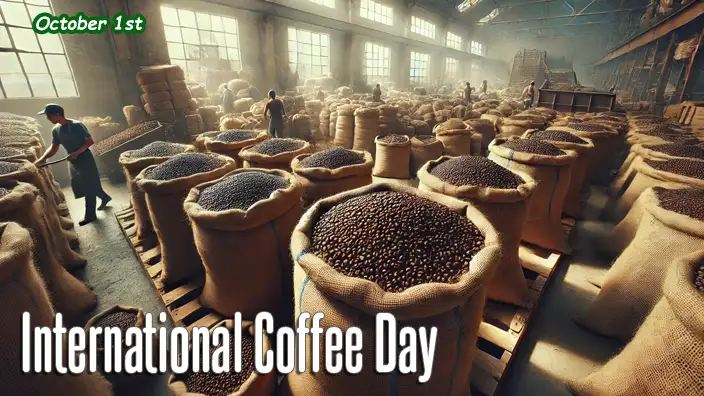
It’s no wonder coffee has more holidays than most people have birthdays—there’s practically a new celebration for it every week. National Coffee Day, International Coffee Day, Cold Brew Day, Espresso Day—it’s like coffee is the Beyoncé of beverages, constantly demanding more attention. And honestly, we’re here for it. After all, coffee deserves the spotlight for single-handedly keeping mornings from turning into complete chaos. It's not just a drink; it's a life raft thrown to us daily, rescuing us from the depths of groggy despair. So if coffee wants to be celebrated a dozen times a year, who are we to argue? Just pour another cup and join the party.
Celebrated: Annually, on October 1st
Celebrate International Coffee Day on October 1st, a global tribute to coffee's cultural impact, sustainable practices, and the people behind every cup. Discover its rich history and fun facts.

- Details
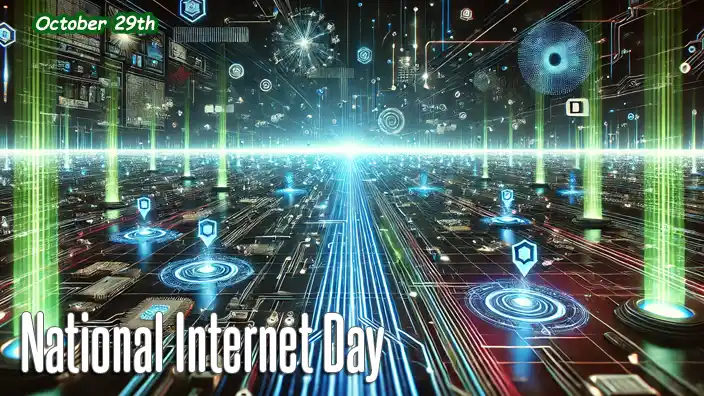
On Internet Day, we celebrate the world’s most powerful, all-encompassing tool—and no, we're not talking about the supercomputers or fiber optics that make it work. We're talking about cats. Yes, cats, the true rulers of the Internet, who somehow became the stars of billions of videos, memes, and photo montages. The Internet might have been designed for sharing information and advancing human knowledge, but let’s be honest: it was built to spread images of cats wearing tiny hats, cats “helping” with our work by lying on keyboards, and cats proving that gravity is optional. So, on this day, let us honor the true pioneers of online fame, our feline overlords, who remind us daily that if it’s not about cats, we’re probably using the Internet wrong.
Celebrated: Annually, on October 29th
Explore the fascinating history of the Internet, from its humble ARPANET beginnings to the vibrant digital universe we celebrate on National Internet Day.


- Details
Sipping a martini while defusing a bomb and somehow managing to flirt with the villain’s girlfriend all in the same breath—that’s just a typical Tuesday for 007. Whether he's escaping from an exploding volcano lair or casually skiing down a mountain while being chased by henchmen, the man’s ability to keep his tuxedo wrinkle-free is almost as impressive as his spy skills. And let's not forget his uncanny knack for delivering a perfectly timed quip, even when tied to a laser table. It seems nothing fazes him—except, perhaps, a stirred martini.
Celebrated: Annually, on October 5th
Celebrate Global James Bond Day with fans worldwide as we toast the legendary spy known for his style, gadgets, and thrilling adventures since 1962.

- Details
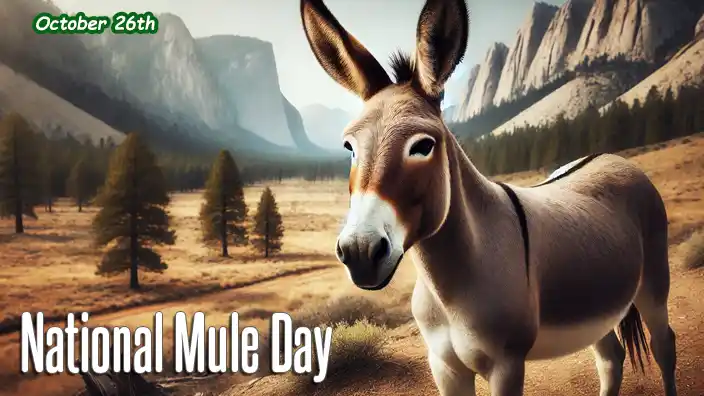
Mules are nature’s practical jokers, born from a horse and a donkey with just the right mix of muscle and stubbornness. Known for their “willful independence,” mules don’t do anything without first asking themselves, “Is this worth my time?” If you’ve ever tried to rush a mule, you know they have a slow-motion setting that kicks in precisely when you need them to speed up. And as for stubbornness? Well, let’s just say that a mule could teach a rock how to dig in its heels. But don’t mistake that persistence for obstinance – mules are just smart enough to know that rushing into things isn’t their style. After all, they’ve got all day, and they’re the only ones who truly know the schedule!
Celebrated: Annually, on October 26th
Celebrate National Mule Day by exploring the strength, intelligence, and unique charm of mules, the hardworking hybrids of the animal world.

- Details
If you’re the kind of person who likes a little thrill with your meal, then one bite of that spicy, smoky, and downright fiery flavor is like taking your taste buds on a vacation to a tropical beach—with a dash of hot sauce, of course. The rich, complex blend of allspice, Scotch bonnets, and secret island magic has the power to make you break a sweat faster than dancing to reggae at a summer festival. And just when you think you've tamed the heat, there's always that one extra bite that reminds you who's really in charge.
Celebrated: Annually, on the Fourth Sunday in October
Discover the vibrant culture and history behind Jamaican Jerk Day, celebrating the fiery, flavourful tradition that has captivated taste buds worldwide.

- Details
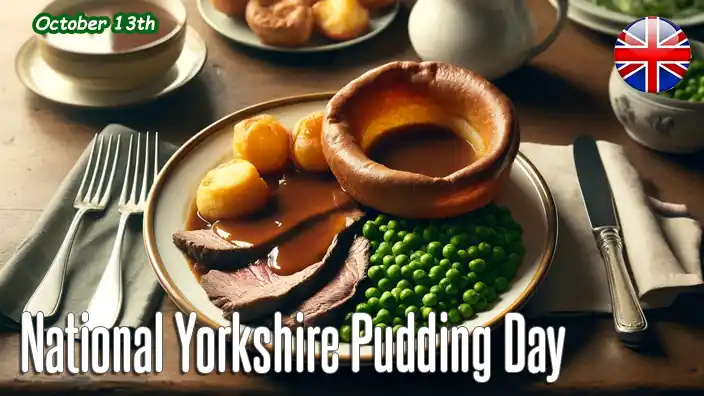
Yorkshire puddings are the divas of the dinner plate, always needing a piping hot entrance to puff up just right. They start off as humble batter, but give them a few minutes in a sizzling hot oven, and they rise to dramatic heights, demanding everyone's attention. But be warned—dare to open the oven door too soon, and they’ll collapse faster than a soufflé on a rollercoaster. They’re not just food; they’re a performance. And like any diva, when they’re good, they steal the show. When they flop, well, there’s always gravy to smooth things over.
Celebrated: Annually, on October 13th
Discover the history, charm, and culinary versatility of Yorkshire pudding, the beloved savory side dish that's a staple of British Sunday roasts.

- Details
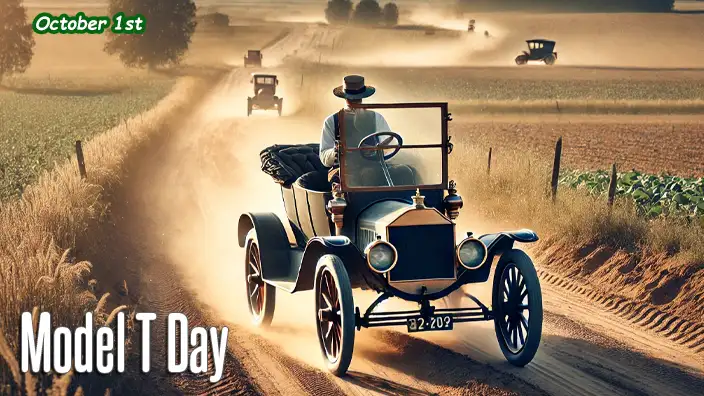
The Model T was the original "all-terrain" vehicle—if by all-terrain you mean dusty dirt roads, rickety bridges, and the occasional cow wandering into your path. With a top speed of 45 miles per hour (downhill, with a strong wind), it wasn’t built for racing but for getting you from point A to point B without the help of a horse. The doors? Optional. The roof? Also optional. But the adventure? Guaranteed. Driving a Model T was less about arriving and more about surviving—yet it’s the car that put America on wheels, one bumpy road at a time!
Celebrated: Annually, on October 1st
Discover the impact of the Model T, the car that revolutionized American travel and gave birth to the road trip. Celebrate Model T Day on October 1st!

- Details
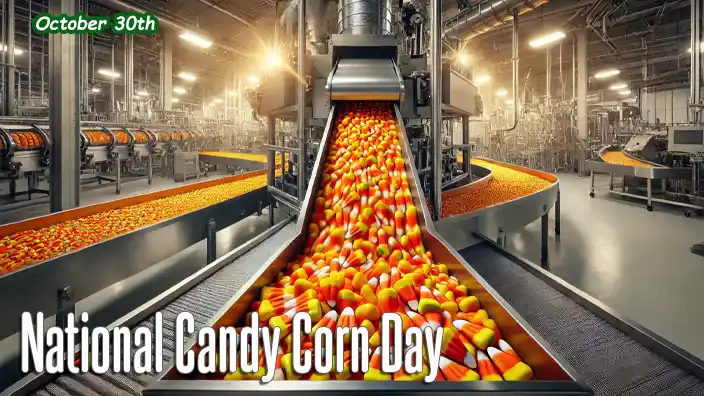
Halloween and candy corn go together like pumpkins and spooky faces, but let’s be honest—candy corn is the holiday's true mystery. Every October, these sugary little triangles appear in bowls, bags, and suspiciously sticky pockets, raising questions like: Is this treat or trick? Does anyone actually like it, or is it simply part of Halloween decor? And, most importantly, why do we only eat it once a year? Candy corn's strange power lies in its color-coded nostalgia and addictive sugar rush. We may pretend to have refined tastes, but every Halloween, there we are, grabbing another handful—because, like a good ghost story, it’s weirdly irresistible.
Celebrated: Annually, on October 30th
Discover the history and nostalgia of candy corn, the iconic Halloween treat celebrated on National Candy Corn Day. Explore its unique colors and seasonal charm.

From Our Marks Catelog
-

Brussels sprouts: the tiny green orbs that have been sparking dinner table debates for...
-
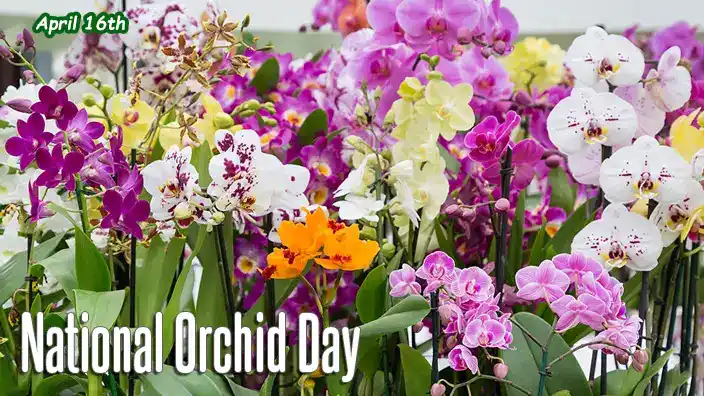
Elegance, mystery, and just the right amount of arrogance—some things demand admiration without lifting...
-
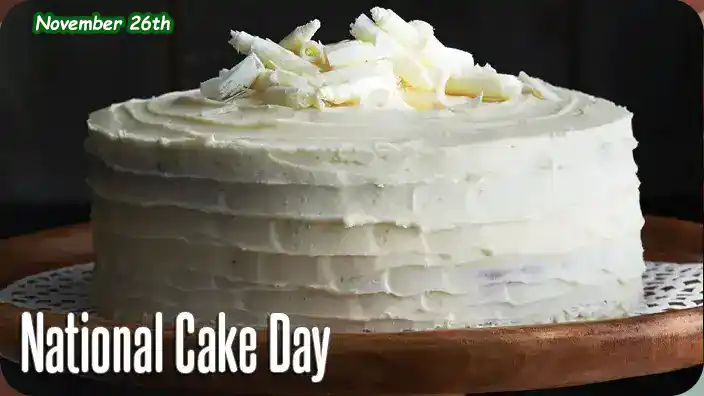
National Cake Day is the one day of the year when it's socially acceptable to have your cake and eat...
-

Forget glow-in-the-dark snack cakes and cheese that comes in a spray can—there’s something wildly...
-
If there were an Olympic event for clumsiness, someone would be rolling down the hill, missing their...
-
Gazpacho Soup Day isn’t just a day to honor cold tomato soup; it’s a day to revel in the absurdity of...

