Celebrating the Shine and Liberation
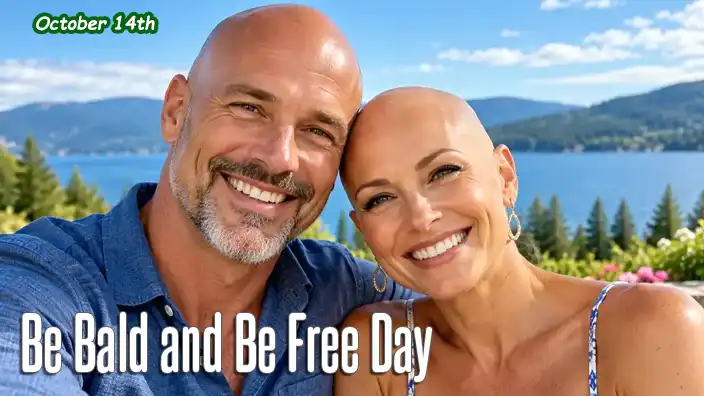
Be Bald and Be Free Day, celebrated annually on October 14, is a glorious opportunity to appreciate the beauty, confidence, and practical advantages of life without hair. Whether you're naturally bald, proudly sporting a shaved head, experiencing hair loss, or simply considering retirement for your long-suffering hairbrush, this unusual celebration has something for everyone. After all, why spend half your morning arguing with a hairstyle when you could be enjoying breakfast, reading the newspaper, or admiring the magnificent reflection bouncing off your scalp?
But Be Bald and Be Free Day is about much more than smooth heads and unemployed barbers. It's a celebration of self-acceptance, body positivity, individuality, and freedom from unrealistic beauty standards. Hair has long been associated with attractiveness, youth, identity, and personal expression, but losing it doesn't mean losing any of those qualities. For many people, embracing baldness represents a significant step toward greater confidence. For others, hair loss can be an emotionally difficult experience that deserves understanding rather than jokes at their expense. October 14 offers an opportunity to celebrate those who love their bald appearance while supporting anyone still learning to feel comfortable with theirs.
The Origins of Be Bald and Be Free Day
The precise beginnings of Be Bald and Be Free Day remain something of a mystery. Although the observance is widely listed on October 14 in calendars of unusual holidays, reliable documentation identifying its original founder or establishment date is difficult to find. Unlike some awareness campaigns supported by major organizations, this lighthearted celebration appears to have developed through popular recognition rather than a formally documented proclamation. Fortunately, you don't need an official certificate to appreciate a good bald head, and nobody is required to obtain permission from the Department of Missing Hair.
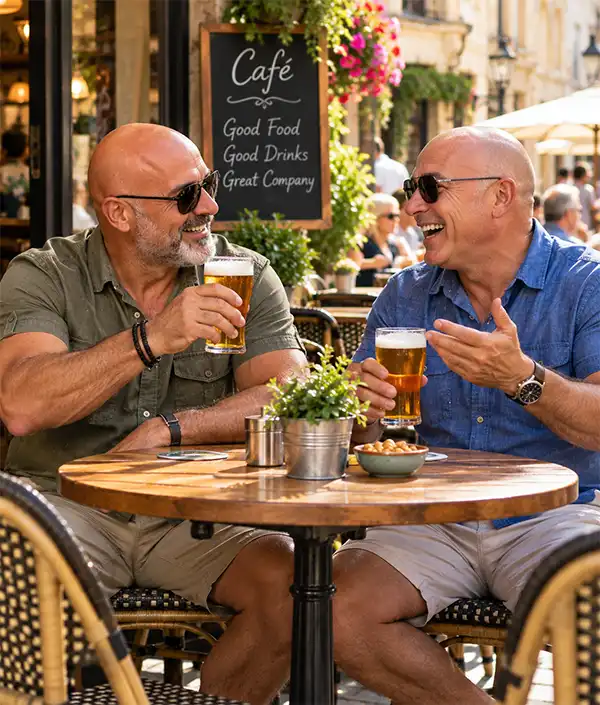
The message behind the celebration is straightforward: baldness is a natural part of human diversity, not a personal failing or something that automatically needs fixing. Throughout history, shaved heads and natural baldness have carried different meanings in different cultures. Ancient Egyptian priests practiced forms of head shaving as part of religious cleanliness, Buddhist monastic traditions commonly include shaving the head as a symbol of renunciation, and military organizations have frequently favored closely cropped hairstyles for practical reasons. In modern society, a shaved head can be a fashion statement, a personal preference, a cultural expression, or simply the most convenient response to thinning hair.
Today, Be Bald and Be Free Day provides a welcome alternative to the constant advertising of hair restoration products, miracle shampoos, and treatments promising to rescue every last follicle. Those products may be useful to some people, but October 14 reminds us that keeping or restoring hair is a personal choice, not a requirement for looking good or living confidently.
Why Do People Go Bald? The Science Behind Hair Loss
Human hair grows from follicles located within the skin, following a repeating cycle of growth, transition, rest, and shedding. It is perfectly normal to lose approximately 50 to 100 hairs a day, although the amount varies between individuals. Most of those hairs are replaced as follicles begin another growth cycle. However, when the growth process changes, hair can become progressively thinner or stop growing in certain areas.
One of the most common causes of hair loss is androgenetic alopecia, often called male-pattern or female-pattern hair loss. This inherited condition is influenced by genetics and hormones, particularly the effects of dihydrotestosterone, or DHT, on susceptible hair follicles. In men, it frequently produces a receding hairline or thinning at the crown. In women, it more commonly causes gradual thinning across the top of the scalp. Despite persistent jokes about baldness being inherited exclusively from one's mother's side of the family, the genetics are considerably more complicated, with genes inherited from both parents contributing to the condition.
Other forms of hair loss have different causes. Alopecia areata is an autoimmune condition in which the immune system attacks hair follicles, sometimes producing round patches of hair loss and occasionally affecting the entire scalp or body. Temporary shedding can follow illness, major stress, childbirth, or certain nutritional deficiencies. Medical treatments, including some chemotherapy regimens, can also cause hair loss. These experiences are not interchangeable, and not everyone who loses their hair welcomes the change. Be Bald and Be Free Day can celebrate baldness while recognizing that some people would prefer to have their hair back.
For anyone experiencing sudden, unexplained, patchy, or distressing hair loss, a healthcare professional or dermatologist can help identify the cause and discuss appropriate treatment options. Sometimes the best response is medical attention; sometimes it's a new hairstyle; and sometimes it's looking at the mirror and deciding that the barber has received the last payment he's ever going to get.
Why Bald Can Be Beautiful
Beauty standards change with fashion, culture, and time, but confidence has an enduring appeal. A bald head can create a distinctive appearance, emphasize facial features, and complement almost any personal style. Some people prefer the clean simplicity of a completely shaved scalp, while others are perfectly happy with thinning hair, a receding hairline, or a natural fringe around the sides. There is no official baldness uniform, and nobody is required to polish their head until passing aircraft can use it as a navigational landmark.
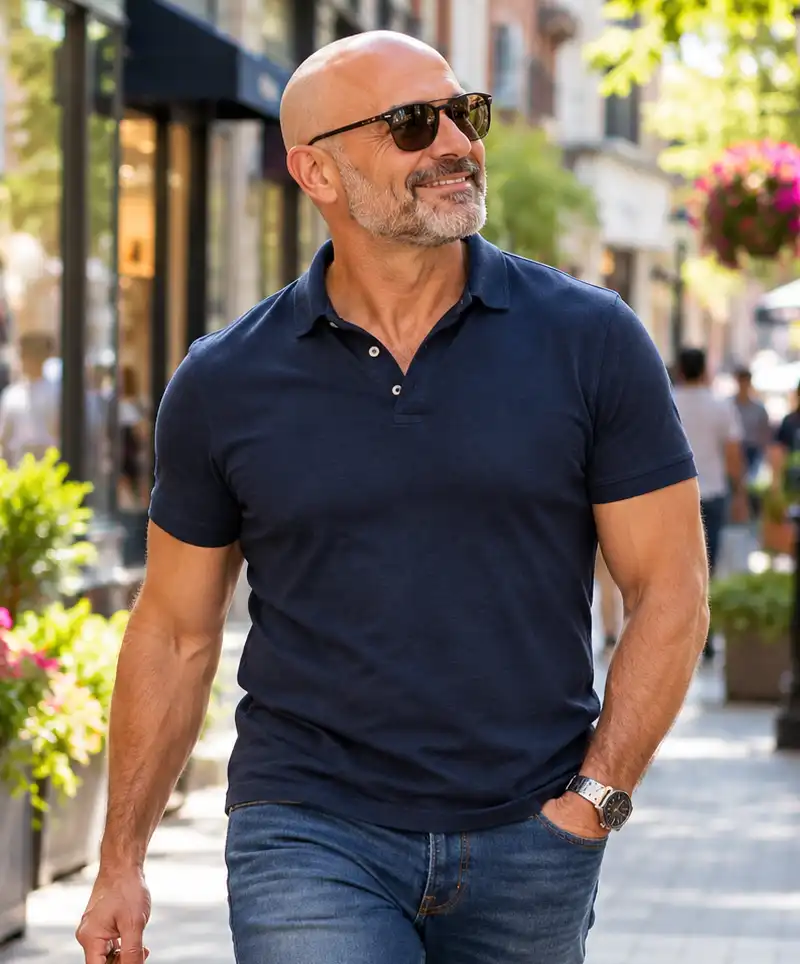
For people who voluntarily shave their heads, the decision can feel liberating. Instead of worrying about concealing thinning areas or arranging the remaining hair into increasingly ambitious formations, they can choose a straightforward appearance that suits their personality. Others enjoy the practical advantages of reduced styling time, fewer hair products, and a simpler morning routine. A bald head may not solve life's problems, but it can certainly eliminate the need to search for a missing comb.
Importantly, confidence doesn't have to mean loving every detail of your appearance every single day. Someone experiencing hair loss may feel proud and comfortable one morning and frustrated the next. That is entirely normal. The purpose of Be Bald and Be Free Day isn't to insist that everyone must enjoy being bald. It is to challenge the assumption that having less hair makes someone less attractive, less capable, or less worthy of respect.
Famous Bald Heads That Became Icons
Some of the world's most recognizable entertainers have demonstrated that a full head of hair is hardly a prerequisite for charisma, success, or a memorable public image. In fact, certain famous faces would seem almost unfamiliar beneath a magnificent collection of curls.
Dwayne "The Rock" Johnson has made his closely shaved appearance part of an instantly recognizable image, moving from professional wrestling into blockbuster Hollywood entertainment. His popularity owes considerably more to personality, physical presence, and screen appeal than to the activities of his hair follicles.
Sir Patrick Stewart became internationally famous as Captain Jean-Luc Picard in Star Trek: The Next Generation and later portrayed Professor Charles Xavier in the X-Men films. His distinguished appearance helped establish one of science fiction's most recognizable television captains. Apparently, commanding a starship requires intelligence, diplomacy, and leadership, but absolutely no need for a hairbrush.
Yul Brynner helped make the shaved head a Hollywood trademark during the 1950s. His performance as King Mongkut in The King and I contributed to an image of authority and elegance that remained closely associated with him throughout his career. His distinctive appearance demonstrated that a bald head could be as memorable as any elaborate hairstyle.
Bruce Willis became one of cinema's best-known action stars through films such as Die Hard, The Fifth Element, and Armageddon. His increasingly close-cropped and shaved hairstyles became familiar parts of his screen image, proving that saving the world rarely leaves time for a leisurely appointment at the hair salon.
And baldness isn't exclusively a men's story. Amber Rose, the model and television personality, became widely recognized for her closely cropped platinum-blond hairstyle, while Sinead O'Connor famously adopted a shaved head as part of her rejection of conventional expectations surrounding women's appearance. Their examples illustrate that hair—or the absence of it—can be a powerful form of personal expression regardless of gender.
The Practical Advantages of Going Bald
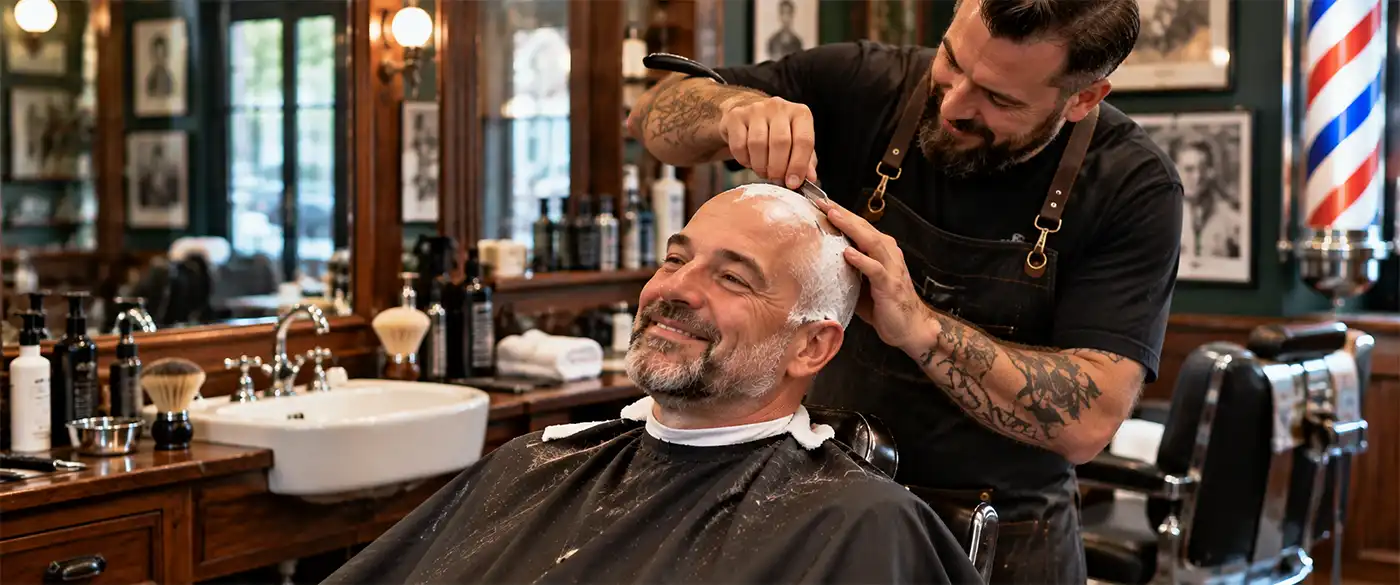
One of the most frequently celebrated benefits of baldness is simplicity. A person with a completely shaved head may spend considerably less time styling hair, visiting salons, or purchasing products intended to create volume, shine, curls, or the illusion that a stubborn cowlick has finally accepted defeat. For someone who previously invested considerable effort in maintaining a hairstyle, the change can be remarkably convenient.
Financial savings are another potential advantage. Regular haircuts, coloring appointments, specialized shampoos, conditioners, and styling products can become expensive over time. Choosing a shaved hairstyle may reduce some of those expenses, although maintaining a smooth scalp still requires grooming equipment and occasional replacement blades. Baldness doesn't guarantee financial independence, but it might free up enough money for an occasional dinner out. Just don't tell the restaurant you're paying with your former shampoo budget.
There are also some less obvious benefits. Swimming, showering, and getting ready for work can be simpler without a full head of hair to wash and dry. Windy weather becomes considerably less threatening to your appearance, and there is little danger of emerging from a convertible with a hairstyle resembling a frightened hedgehog.
Nevertheless, baldness is not entirely maintenance-free. A shaved scalp needs gentle cleaning, moisturizing when necessary, and protection against the sun. Those who shave regularly must also take care to avoid cuts, irritation, and ingrown hairs. In other words, you may have fired your hairstylist, but your skin-care routine is still employed.
Taking Care of Your Bald Head
Without the protective covering provided by hair, the scalp receives more direct exposure to sunlight. This makes sun protection especially important for people with bald or closely shaved heads. The American Academy of Dermatology recommends using a broad-spectrum, water-resistant sunscreen with an SPF of 30 or higher on exposed skin, including the scalp. Sunscreen should be reapplied according to product directions, particularly after swimming or sweating. A comfortable, wide-brimmed hat can provide additional protection, although it may temporarily conceal the very feature you're celebrating.
Regular scalp care also helps prevent dryness and irritation. Washing with a gentle cleanser removes sweat, dirt, and excess oil, while an appropriate moisturizer can help maintain comfortable skin. People who shave their heads should use clean equipment, soften the hair before shaving, and follow techniques that minimize irritation. Shaving in the direction of hair growth can help reduce razor bumps, particularly for those prone to ingrown hairs.
It is also wise to examine the scalp periodically for unusual spots, sores, or changing moles. Skin cancer can develop on sun-exposed areas, and a bald scalp is no exception. Any concerning changes should be assessed by a healthcare professional. After all, a shiny head deserves attention for the right reasons, not because its owner has mistaken sunburn for a fashionable shade of crimson.
Baldness, Confidence, and Changing Beauty Standards
For generations, popular culture has frequently portrayed thick hair as a symbol of youth, attractiveness, and vitality. Advertisements promise fuller hair, television commercials promote restoration treatments, and countless products suggest that a receding hairline is an emergency requiring immediate intervention. While people should be free to pursue treatments if they wish, these messages can make ordinary hair loss seem like something shameful.
Fortunately, attitudes toward baldness have become more varied. Shaved heads are common among actors, athletes, musicians, models, and people from every walk of life. Social media has also provided opportunities for individuals with alopecia and other forms of hair loss to share their experiences, challenge stereotypes, and encourage greater acceptance.

For women, hair loss can carry particular social pressures because long or full hair is often strongly associated with conventional femininity. Women who shave their heads or experience medical hair loss may encounter unwanted questions and assumptions. Be Bald and Be Free Day offers an opportunity to recognize that femininity, masculinity, attractiveness, and personal identity cannot be measured by the number of functioning hair follicles.
The most important message is that nobody owes the world an explanation for their hairstyle. A person might shave their head for convenience, cultural reasons, medical treatment, fashion, or simply because they like the way it looks. Equally, someone may prefer a wig, head covering, hair restoration treatment, or whatever makes them feel comfortable. True freedom means respecting those choices.
How to Celebrate Be Bald and Be Free Day
Celebrating Be Bald and Be Free Day doesn't require an elaborate event, expensive decorations, or a ceremonial disposal of every hairbrush in the house. It simply provides an opportunity to appreciate individuality and challenge outdated assumptions about appearance.
- Celebrate Your Look: If you're happily bald, enjoy your appearance and wear it with confidence. There's no need to hide a hairstyle that doesn't exist.
- Consider a New Style: If you've been thinking about shaving your head, explore the idea and decide whether it's right for you. A shorter haircut might be a comfortable first step.
- Give Your Scalp Some Attention: Cleanse, moisturize, and protect exposed skin with sunscreen. A healthy scalp is far more important than achieving maximum reflectivity.
- Support Someone Experiencing Hair Loss: Offer kindness and understanding without making assumptions about how they feel. Sometimes listening is more valuable than offering advice.
- Challenge Appearance Stereotypes: Remind friends and family that confidence, beauty, and personal worth aren't determined by hair.
- Share a Positive Message: Use social media to celebrate baldness, body positivity, and self-acceptance, perhaps with a photograph and a little humor.
- Have Some Lighthearted Fun: Organize a friendly gathering, celebrate famous bald personalities, or invent an award for the person whose head is most likely to reflect the afternoon sunshine.
Remember that compliments are most welcome when they're respectful. Telling someone they look wonderful can brighten their day; unexpectedly rubbing their scalp for luck is considerably less likely to produce the desired result.
Hair-Raising Myths About Baldness
Baldness has inspired more than its fair share of myths, misunderstandings, and questionable advice. Some are harmless, while others encourage unnecessary anxiety or expensive purchases.
- Wearing Hats Causes Baldness: Ordinary hat-wearing does not cause hereditary pattern hair loss. Extremely tight headwear that repeatedly pulls on hair may contribute to damage in certain circumstances, but your favorite baseball cap is not secretly conspiring with your genetics.
- Shaving Your Head Makes Hair Grow Back Thicker: Shaving cuts the hair shaft at the skin's surface without changing the follicle beneath it. Regrowing hair may initially feel coarse because of its blunt tip, but shaving does not increase hair thickness, growth rate, or the number of follicles.
- Baldness Only Affects Older Men: Hair loss can occur at many stages of life and affects people of all genders. Genetics, autoimmune conditions, medications, illness, and other factors can contribute to thinning or complete hair loss.
- Bald People Don't Need Shampoo: A hairless scalp still produces oil and collects sweat, dirt, and dead skin cells. Gentle cleansing remains important, even when there isn't a single strand of hair available to produce a decent lather.
- Baldness Means Poor Health: Common hereditary pattern hair loss is not, by itself, evidence of illness. However, some forms of hair loss can be associated with medical conditions or nutritional problems, making professional evaluation worthwhile when the cause is uncertain.
- Bald Heads Don't Need Grooming: Anyone who has experienced scalp dryness, sunburn, razor irritation, or an ingrown hair knows that this is wishful thinking. Less hair can mean less styling, but it doesn't mean abandoning skin care altogether.
Freedom Looks Good on Everyone
Ultimately, Be Bald and Be Free Day is about much more than the absence of hair. It celebrates the confidence to be yourself, the courage to challenge narrow beauty standards, and the freedom to decide how you want to look without unnecessary judgment. Some people embrace baldness enthusiastically, others arrive at acceptance gradually, and some prefer to explore treatments or coverings. Every one of those choices deserves respect.
On October 14, take a moment to appreciate the bald people in your life, recognize the many reasons people experience hair loss, and remember that personality, kindness, humor, and character have considerably more lasting value than a perfectly arranged hairstyle.
And if you're proudly sporting a smooth, shiny scalp, enjoy your day. The rest of the world may be having a bad hair day, but you've already eliminated that particular problem from your calendar.
Happy Be Bald and Be Free Day! May your confidence be strong, your sunscreen plentiful, and your comb enjoy a long and peaceful retirement.