A Celebration of Flavor, Tradition, and a Whole Lot of Butter
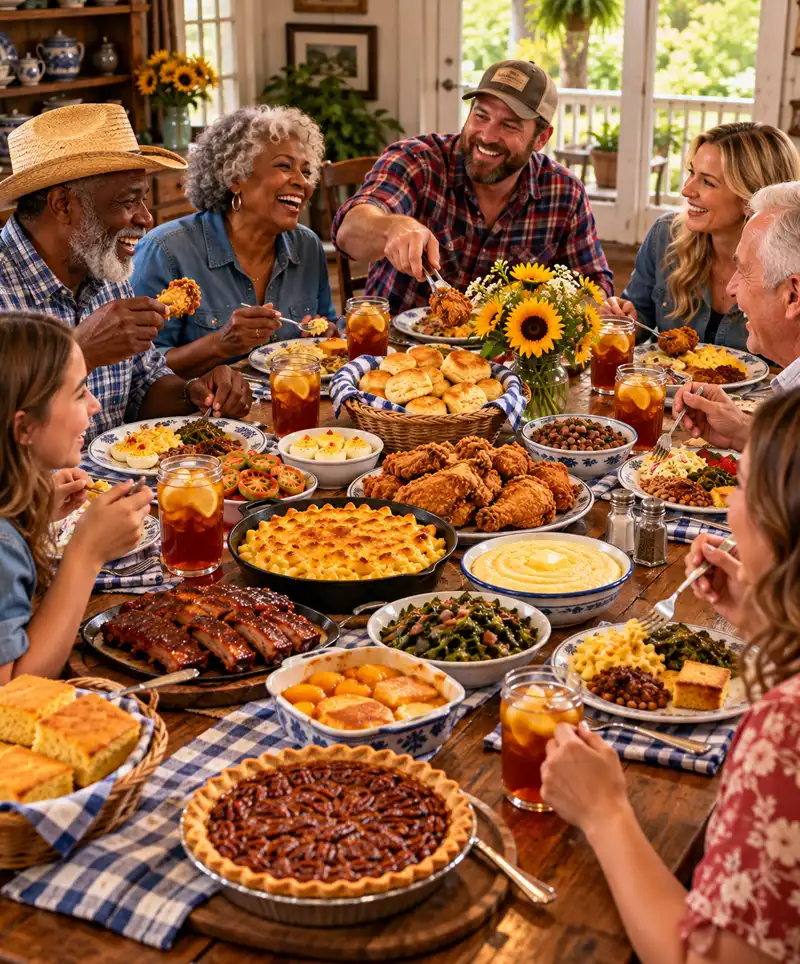
Southern Food Heritage Day celebrates the extraordinary flavors, traditions, and history of Southern cooking every October 11. It's a day for crispy fried chicken, fluffy buttermilk biscuits, slow-cooked collard greens, smoky barbecue, and pecan pie. It's also a day to remember the generations of cooks who created these dishes. After all, Southern hospitality begins with a warm welcome, but it usually ends with someone insisting you haven't eaten nearly enough.
What Is Southern Food Heritage Day?
Every year on October 11, Southern Food Heritage Day honors the culinary traditions of the American South and the people responsible for creating, preserving, and sharing them. The observance is celebrated by the Southern Food & Beverage Museum in New Orleans, Louisiana, which encourages people to prepare traditional Southern dishes, exchange recipes, and explore the remarkable cultural history behind the region's food.
Southern cuisine is among America's most recognizable regional cooking traditions, but it is far more diverse than a plate of fried chicken and mashed potatoes. From the seafood-rich Lowcountry of South Carolina to Louisiana's Cajun and Creole kitchens, the barbecue traditions of the Carolinas and Texas, and the Appalachian communities where beans, cornbread, and preserved vegetables remain favorites, Southern food reflects centuries of adaptation, creativity, and cultural exchange.
The celebration is not simply an excuse to eat an enormous dinner, although that is certainly one of its more attractive features. Southern Food Heritage Day encourages an appreciation of the farmers, fishermen, home cooks, restaurant owners, and culinary innovators who helped shape American food culture. It recognizes that recipes carry stories, family traditions preserve history, and a well-prepared meal can bring people together faster than an announcement that somebody has won the lottery.
The History of Southern Food: Many Cultures, One Remarkable Table
The history of Southern food begins long before the establishment of the United States. Indigenous peoples cultivated corn, beans, squash, and other crops throughout the Southeast, developing agricultural practices and cooking techniques that influenced the region's cuisine. Corn became particularly important, appearing in foods such as hominy, grits, and cornbread. Native American communities also relied on locally available fish, game, nuts, fruits, and vegetables, creating food traditions closely connected to the land and changing seasons.
European settlement introduced additional livestock, crops, and cooking customs. British, Scottish, Irish, German, French, and Spanish settlers contributed different methods of baking, preserving, roasting, and preparing meat. Wheat-based biscuits, various pies, and numerous pork dishes developed through the interaction of European food traditions with the ingredients and conditions of the American South. Over time, these influences became so thoroughly intertwined that identifying a single origin for many familiar dishes is nearly impossible.
The contributions of Africans and African Americans were especially significant. Enslaved Africans brought agricultural knowledge, culinary techniques, and food traditions that profoundly influenced Southern cooking. Their expertise in rice cultivation helped support the plantation economies of coastal South Carolina and Georgia, while African-influenced ingredients and preparations became central to dishes involving okra, black-eyed peas, leafy greens, and seasoned rice.
Much of this culinary work occurred under the brutality of slavery, and the achievements of enslaved cooks were frequently recorded under the names of the families who enslaved them. Recognizing Southern food heritage means acknowledging both the creativity of these cooks and the difficult circumstances in which many worked. Their descendants continued developing and preserving these traditions, establishing an enduring foundation for Southern cuisine and African American food culture.
Caribbean influences, particularly through Louisiana and Gulf Coast communities, added further dimensions to the region's cooking. Migration, trade, and cultural exchange introduced ingredients, seasonings, and techniques that helped produce distinctive dishes such as gumbo, jambalaya, and red beans and rice.
The result is a cuisine that cannot honestly be credited to one culture or community. Southern cooking developed through generations of people sharing, adapting, and sometimes fiercely defending their recipes. Ask three Southern families how to make cornbread, and you may receive four different answers and a heated argument about whether sugar belongs anywhere near the skillet.
Southern Food and Soul Food: What's the Difference?
Southern food and soul food share many ingredients, dishes, and cooking traditions, but the terms are not entirely interchangeable. Southern cuisine describes the broad range of regional food traditions found throughout the American South, encompassing numerous cultural communities and geographic influences.
Soul food is more specifically associated with African American culinary traditions, particularly those developed and preserved by Black families in the South and carried to other parts of the United States during the Great Migration. The term became widely popular during the twentieth century, although the cooking traditions themselves are considerably older.
Dishes such as fried chicken, collard greens, cornbread, black-eyed peas, candied sweet potatoes, and macaroni and cheese appear in both traditions. Their preparation, seasoning, and cultural significance may differ according to family history and regional custom.
Soul food also reflects resourcefulness and resilience. Generations of African American cooks transformed available ingredients into nourishing, flavorful meals, preserving culinary knowledge through family gatherings, churches, celebrations, and community kitchens.
Understanding these connections makes Southern Food Heritage Day more meaningful. A plate of greens or a serving of cornbread may appear simple, but its history can reveal generations of agricultural knowledge, cultural identity, and family memories.
And, of course, no matter which tradition is being celebrated, somebody will eventually announce that their grandmother made it better.
Classic Southern Foods That Deserve a Place at the Table
Southern cooking offers an astonishing variety of dishes, ranging from everyday meals to elaborate holiday spreads. Some recipes require hours of careful preparation, while others demonstrate how a handful of ordinary ingredients can produce something extraordinary.
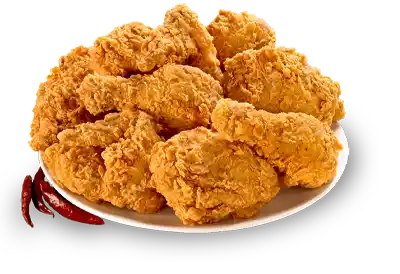
Southern Fried Chicken: Few dishes are more closely associated with Southern cooking than fried chicken. Pieces of chicken are seasoned, often soaked in buttermilk or another marinade, coated in seasoned flour, and fried until the exterior becomes crisp and golden while the meat remains juicy. Different families use different seasonings, frying methods, and coatings, and nearly everyone believes their particular version is the correct one.
Fried chicken has a complex history involving European frying traditions and the culinary expertise of African American cooks. It became a familiar feature of Sunday dinners, church gatherings, celebrations, and restaurant menus throughout the South. A good piece of fried chicken needs very little introduction. Usually, the sound of somebody biting into the crust is sufficient advertising.
Buttermilk Biscuits and Sausage Gravy: A traditional Southern biscuit is tender, flaky, and golden, often made with flour, fat, buttermilk, and a leavening agent. Biscuits are commonly served with butter, jam, honey, country ham, or a generous helping of sausage gravy.
Southern sausage gravy typically combines browned breakfast sausage, flour, milk, and black pepper to create a thick, savory sauce. Spoon it over freshly baked biscuits, and breakfast becomes an occasion worth getting out of bed for.
Biscuits are also a source of considerable family pride. Some cooks insist on handling the dough as little as possible, while others maintain that the secret lies in the flour, the fat, or the temperature of the oven. Whatever the method, a successful biscuit should not require a chainsaw to cut it in half.
Collard Greens: Collard greens are a Southern staple with particularly strong connections to African American cooking traditions. The sturdy leaves are commonly simmered with onions, seasonings, and smoked meat until tender, although meatless versions can be equally flavorful.
The cooking liquid, traditionally called potlikker, contains flavor and nutrients released from the greens. Many Southern diners consider it too valuable to waste, especially when a piece of cornbread is available to soak it up.
Collards also demonstrate how practical cooking techniques became cherished traditions. Slow cooking transforms tough leaves into a satisfying dish that remains central to family meals, holiday dinners, and soul food restaurants.
Grits and Shrimp and Grits: Grits are made from ground corn and have been part of Southern food culture for generations. They can be prepared simply with water, salt, and butter or enriched with milk, cream, and cheese. Served at breakfast, grits accompany eggs, bacon, sausage, and other familiar Southern favorites.
Shrimp and grits, closely associated with the coastal South Carolina and Georgia Lowcountry, developed from humble regional cooking into a popular restaurant dish. Modern versions frequently combine creamy grits with sautéed shrimp, bacon, onions, and flavorful sauces.
Visitors unfamiliar with grits occasionally approach them with suspicion. Southerners generally consider this a personal problem that can be corrected with butter and proper seasoning.
Southern Barbecue: Barbecue is one of the South's most passionately debated culinary traditions. Depending on the region, it may feature slow-smoked pork shoulder, whole hog, beef brisket, ribs, chicken, or other meats prepared over wood or charcoal.
North Carolina is famous for its pork barbecue and vinegar-based sauces, while South Carolina has distinctive mustard-based barbecue traditions. Memphis is celebrated for pork ribs and pulled pork, and Texas is especially associated with smoked beef brisket.
These regional differences extend beyond sauces and meats to wood selection, cooking temperatures, seasoning, and serving customs. Barbecue enthusiasts can debate the correct technique for hours, occasionally pausing long enough to eat.
Macaroni and Cheese: Baked macaroni and cheese is a familiar favorite at Southern family gatherings, particularly within African American culinary traditions. Recipes vary considerably, but many include cooked pasta, cheese, milk or cream, eggs, and seasonings baked until the dish develops a rich texture and golden surface.
Some families prefer a creamy, spoonable version, while others favor a firmer casserole that can be cut into generous portions. Either way, baked macaroni and cheese often occupies a place of honor beside fried chicken, greens, and cornbread.
It is also one of those dishes that can cause serious disappointment when the serving spoon reaches the bottom of the pan before everyone has been served.
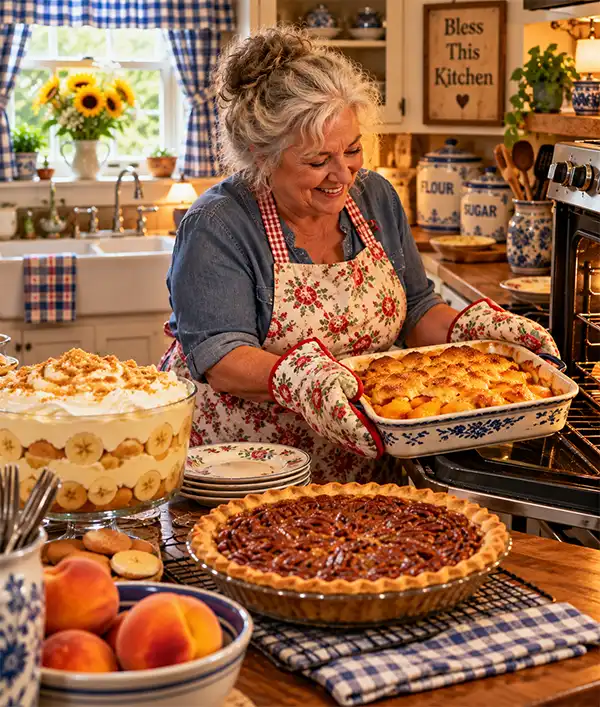
Pecan Pie, Peach Cobbler, and Banana Pudding: Southern desserts deserve their own celebration. Pecan pie, closely associated with the South's pecan-growing regions, combines nuts with a sweet filling inside a pastry crust. Its familiar modern form became particularly popular during the twentieth century.
Peach cobbler celebrates one of the region's best-loved fruits, combining sweetened peaches with a biscuit-like topping, batter, or pastry, depending on the recipe. Served warm with vanilla ice cream, it provides an excellent argument for leaving room after dinner.
Banana pudding, another Southern favorite, commonly layers bananas, vanilla wafers, and custard or pudding, sometimes finished with whipped cream or meringue. Although its ingredients and early recipes have a broader American history, it became deeply associated with Southern home cooking and community gatherings.
The difficulty with Southern desserts is not choosing which one to eat. It is explaining why you need a separate plate for each.
From Louisiana Gumbo to Appalachian Cornbread: Regional Southern Cooking
One of the greatest misconceptions about Southern food is that everyone across the region eats the same dishes. In reality, geography, climate, agriculture, migration, and local culture have created distinctive culinary traditions.
Louisiana is particularly celebrated for Cajun and Creole cooking. Although the two traditions overlap, they developed through different historical and cultural influences. Creole cuisine reflects the multicultural history of New Orleans, while Cajun cooking is closely associated with the Acadian communities of southern Louisiana. Gumbo, jambalaya, étouffée, and red beans and rice illustrate the region's rich culinary heritage.
In the Carolinas and Georgia, Lowcountry cooking emphasizes rice, seafood, and locally grown vegetables. Dishes such as shrimp and grits, she-crab soup, and various rice preparations reflect the region's coastal environment and the expertise of African American communities, including the Gullah Geechee people.
Appalachian food traditions emphasize seasonal ingredients, preserved foods, beans, cornmeal, garden vegetables, and practical cooking methods shaped by mountain life. Soup beans, skillet cornbread, apple butter, and pickled vegetables remain important elements of the region's food culture.
Texas brings its own distinctive combination of barbecue, cattle-ranching traditions, Mexican influences, and Tex-Mex cooking. Elsewhere, Mississippi Delta tamales and Gulf Coast seafood dishes demonstrate how migration and cultural exchange continue to influence what people consider Southern food.
There is no single Southern menu capable of representing every community. Fortunately, Southern Food Heritage Day does not require choosing just one. It merely requires a sufficiently large table.
Why Southern Hospitality and Food Go Hand in Hand
Food has long played an important role in Southern social life. Family reunions, church suppers, neighborhood gatherings, weddings, funerals, and holiday celebrations frequently revolve around shared meals. Preparing food for others can express affection, gratitude, sympathy, or welcome without requiring an elaborate speech.
The Southern tradition of bringing a casserole or home-cooked dish to someone experiencing illness, bereavement, or hardship illustrates the practical importance of food within communities. A meal provides nourishment, but it also communicates that somebody cares enough to spend time preparing it.
Potluck dinners are another enduring custom. Guests contribute favorite dishes, creating a table that reflects the cooking traditions of numerous households. These gatherings also provide opportunities for recipes to be exchanged, family stories to be retold, and long-running culinary rivalries to continue.
Naturally, Southern hospitality has its unwritten rules. Guests are encouraged to help themselves, then encouraged to help themselves again, followed by a concerned inquiry about whether they disliked the food because they haven't taken a third helping.
Declining another biscuit may require more diplomacy than negotiating an international treaty.
Southern Cooking Is About More Than Butter and Fried Food
Southern cuisine has developed a reputation for generous amounts of butter, bacon grease, sugar, and fried foods. Those ingredients certainly appear in many beloved dishes, but they represent only part of the region's culinary heritage.
Traditional Southern meals also feature vegetables, beans, peas, whole grains, fresh fruit, seafood, and seasonal produce. Field peas, butter beans, okra, tomatoes, squash, sweet potatoes, turnip greens, and cabbage have nourished generations of Southern families.
Methods such as roasting, simmering, grilling, pickling, and preserving are just as important as frying. Many everyday meals historically depended on whatever could be grown, harvested, caught, or purchased affordably.
Modern Southern cooks continue to reinterpret familiar dishes, sometimes reducing salt, sugar, or saturated fat while preserving traditional seasonings and techniques. Others focus on locally sourced ingredients, heritage crops, and the preservation of older recipes.
Southern food does not have to be excessively rich to be authentic. A bowl of properly seasoned beans, fresh vegetables, and warm cornbread can be just as representative of the region as a towering plate of fried chicken.
Although, admittedly, the fried chicken is unlikely to complain about being invited.
How to Celebrate Southern Food Heritage Day on October 11
The most enjoyable way to celebrate Southern Food Heritage Day is to prepare, share, or discover a traditional Southern meal. Whether cooking at home, visiting a local restaurant, or organizing a gathering with friends, the occasion offers countless opportunities to explore Southern food culture.
Start by choosing a dish you have never prepared. Make homemade buttermilk biscuits, experiment with a gumbo recipe, cook a pot of collard greens, or learn the secrets of slow-smoked barbecue. Rather than simply following instructions, investigate the history of the recipe and the communities that helped develop it.
Family recipes deserve particular attention. Ask older relatives about their favorite childhood meals, the ingredients they remember, and the cooking techniques they learned from previous generations. Record those memories alongside the recipes so they can be preserved for future cooks.
You can also support local Southern restaurants, farmers' markets, independent bakeries, and food producers. Seek out establishments specializing in regional traditions, including African American soul food, Cajun and Creole cuisine, Lowcountry cooking, and other distinctive Southern foodways.
For those interested in culinary history, the Southern Food & Beverage Museum and the Southern Foodways Alliance offer opportunities to learn about the people and traditions behind the food. Their educational work helps preserve stories that might otherwise disappear as generations change.
And if all else fails, invite a few friends over, prepare a favorite Southern dish, and spend the evening enjoying good food and conversation. Just make certain there is enough dessert. A gathering without dessert may technically qualify as a meal, but it will probably attract complaints.
The Most Delicious FAQ on the Web
Got questions about Southern cooking? Pull up a chair, loosen your belt, and prepare for a generous helping of delicious answers! From the history of fried chicken and the cultural roots of soul food to the great cornbread sugar controversy, our Most Delicious FAQ on the Web serves up the facts behind Southern Food Heritage Day. There's plenty to learn, no shortage of flavor, and absolutely no need to argue over the last biscuit. Well, not until you've finished reading!
When is Southern Food Heritage Day celebrated?
Southern Food Heritage Day is observed annually on October 11. The celebration honors the history, cultural influences, traditional recipes, and culinary achievements of the American South. It encourages people to explore regional Southern cuisine, prepare family recipes, and recognize the generations of cooks who shaped its distinctive flavors. Naturally, it also provides an excellent excuse to serve biscuits at every meal.
What is Southern Food Heritage Day?
Southern Food Heritage Day is a culinary observance celebrating the foods, cooking traditions, and cultural history of the Southern United States. Associated with the Southern Food & Beverage Museum in New Orleans, the occasion highlights the contributions of Native American, African, European, Caribbean, and other communities to Southern cooking. From Louisiana gumbo to Carolina barbecue, the day recognizes the remarkable variety of dishes that developed across the region.
What are the most popular traditional Southern foods?
Traditional Southern foods include fried chicken, buttermilk biscuits, sausage gravy, collard greens, cornbread, grits, barbecue, black-eyed peas, macaroni and cheese, and sweet potato casserole. Popular desserts include pecan pie, peach cobbler, and banana pudding. Regional specialties add even more variety, including shrimp and grits, jambalaya, gumbo, and country ham. Choosing a favorite can be difficult, particularly when someone brings out another plate.
What is the difference between Southern food and soul food?
Southern food refers broadly to the regional cuisines of the American South, while soul food is especially associated with African American culinary traditions and cultural heritage. The two share many dishes, including collard greens, cornbread, fried chicken, and black-eyed peas. However, soul food has its own historical significance, reflecting generations of African American creativity, resilience, and community life. Although closely connected, the terms are not interchangeable.
How did African American cooking influence Southern cuisine?
African and African American cooks profoundly influenced Southern cuisine through agricultural expertise, cooking techniques, ingredients, and seasoning traditions. Enslaved Africans and their descendants contributed knowledge of rice cultivation and helped develop dishes featuring okra, greens, peas, and other ingredients. African American cooks also shaped many celebrated Southern food traditions, often without receiving historical recognition for their work. Their contributions remain fundamental to Southern food heritage.
Why are cornbread and grits important in Southern cooking?
Cornbread and grits reflect the importance of corn in the agricultural and culinary history of the American South. Indigenous peoples cultivated corn long before European colonization, and their knowledge influenced later regional food traditions. Cornbread became an affordable, versatile accompaniment to meals, while grits developed into a familiar breakfast staple and the foundation of dishes such as shrimp and grits. Whether cornbread should contain sugar, however, remains a debate best approached with extreme caution.
What makes Southern barbecue different from other barbecue styles?
Southern barbecue is distinguished by regional traditions involving slow cooking, smoking, seasoning, meat selection, and sauces. North Carolina is known for pork barbecue with vinegar-based sauces, South Carolina features distinctive mustard-based preparations, Memphis is celebrated for ribs and pulled pork, and Texas is especially associated with smoked beef brisket. Each region has its own techniques and fiercely loyal supporters. Asking which barbecue is best can turn an otherwise peaceful family gathering into a lengthy committee hearing.
Is all Southern food fried or unhealthy?
No. Although fried chicken, rich gravies, and buttery biscuits are famous Southern favorites, traditional Southern cuisine also includes beans, vegetables, seafood, fruits, and whole grains. Collard greens, field peas, okra, sweet potatoes, and fresh seasonal produce have long been important ingredients. Many dishes are simmered, baked, grilled, roasted, or preserved rather than fried. Southern cooking can accommodate a wide range of dietary preferences without abandoning its cultural traditions or distinctive flavors.
What are Cajun and Creole foods, and are they considered Southern cuisine?
Yes. Cajun and Creole cooking are important regional traditions within Southern cuisine, particularly in Louisiana. Cajun food developed through the traditions of Acadian settlers and their interactions with other communities, while Louisiana Creole cuisine reflects a diverse blend of French, Spanish, African, Caribbean, and additional cultural influences. Popular dishes include gumbo, jambalaya, étouffée, and red beans and rice. Although the traditions overlap, they have distinct histories and should not be treated as identical.
How can I celebrate Southern Food Heritage Day?
Celebrate Southern Food Heritage Day by preparing a traditional Southern recipe, organizing a family meal, visiting a Southern restaurant, or learning about the history behind your favorite dishes. Ask relatives to share treasured recipes, explore regional food traditions, or support local farmers and food producers. You might even organize a Southern potluck featuring fried chicken, cornbread, collard greens, and homemade desserts. Just remember that a proper Southern gathering requires enough food for everyone, several unexpected visitors, and leftovers for the following day.
Preserving Southern Food Heritage for Future Generations
Southern Food Heritage Day is about far more than celebrating a plate of fried chicken, a basket of warm biscuits, or a generous helping of pecan pie. It is an opportunity to recognize the remarkable history of Southern cuisine and the generations of people who helped create it. Every traditional recipe carries something of the past, whether it reflects the agricultural knowledge of Native Americans, the extraordinary culinary contributions of African Americans, the cooking customs of European settlers, or the Caribbean influences that enriched the kitchens of Louisiana and the Gulf Coast. Together, these traditions created one of America's most distinctive and diverse regional cuisines, demonstrating that some of the country's greatest culinary achievements began with ordinary ingredients, resourceful cooks, and a determination to make something delicious.
Preserving Southern food heritage also means remembering the people whose contributions were too often overlooked. Enslaved African cooks helped establish many of the techniques and flavor combinations that became fundamental to Southern cooking, frequently without receiving recognition for their achievements. Generations of Black families subsequently preserved and developed these traditions through soul food, community celebrations, church gatherings, and family meals. Meanwhile, farmers, fishermen, home cooks, and small restaurant owners throughout the South continued adapting recipes to local ingredients and changing circumstances. Their collective knowledge deserves to be documented, celebrated, and passed along, because food history is also human history, complete with stories of hardship, ingenuity, resilience, and occasionally a grandmother who could silence an entire kitchen simply by announcing that somebody had seasoned the greens incorrectly.
One of the most valuable ways to preserve traditional Southern recipes is to share them with younger generations. Family cookbooks, handwritten recipe cards, photographs, and recorded conversations can protect culinary knowledge that might otherwise disappear. Learning how to prepare a proper skillet of cornbread, simmer a pot of field peas, bake a peach cobbler, or make biscuits from scratch connects younger cooks with the experiences of those who came before them. Of course, recording these recipes can present certain challenges. Anyone who has asked an experienced Southern cook for precise measurements knows that instructions such as "a little of this," "enough of that," and "cook it until it looks right" are not always particularly helpful to someone holding a measuring cup and a confused expression.
Southern cuisine must also be allowed to grow. Food traditions have never remained frozen in time, and today's chefs and home cooks continue introducing new ingredients, healthier preparations, and creative interpretations of familiar dishes. Restaurants are rediscovering heritage grains and vegetables, celebrating regional seafood, and drawing attention to the agricultural and cultural origins of traditional foods. Younger generations are combining inherited family recipes with contemporary cooking techniques while maintaining respect for their historical roots. Preserving Southern food heritage does not require every biscuit, barbecue sauce, or pot of gumbo to taste exactly as it did a century ago. It means understanding where those traditions came from and ensuring that their stories remain part of the conversation.
Ultimately, the greatest strength of Southern cooking is its ability to bring people together. A shared meal can introduce neighbors, reunite families, welcome strangers, and create memories that survive long after the dishes have been washed. On October 11, Southern Food Heritage Day invites everyone to celebrate that connection by cooking something traditional, discovering a new regional specialty, supporting the people who keep these foodways alive, or simply gathering around a table with good company. So pass the cornbread, share the stories, and save room for dessert. After all, the future of Southern food heritage depends on passing down the recipes, preserving the memories, and teaching the next generation that when somebody says, "Y'all come eat," it is not merely a suggestion. It's practically a family summons—and you'd better get there before the biscuits disappear.