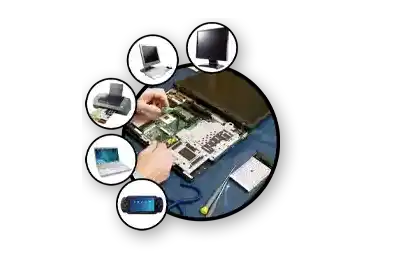

A Celebration of the Digital Wizards Among Us
National Techies Day celebrates the magnificent people who keep civilization running despite our determined efforts to click things we shouldn't. They speak mysterious languages such as Python, Java and “Who changed these settings?” They can resurrect a dead computer, tame an unruly network and somehow make the printer work merely by standing next to it.
Celebrated every October 3, National Techies Day is our chance to applaud programmers, developers, engineers, cybersecurity specialists, network administrators, support technicians and all the other digital wizards quietly holding the modern world together with skill, patience, coffee and an alarming collection of cables nobody else is allowed to throw away.
But there's more to the day than thanking the person who rescued the spreadsheet you absolutely, positively did save. National Techies Day was created to encourage young people to explore careers in technology — an idea that has become even more relevant as computers have worked their way into almost everything we do.
So raise your mouse, salute the server room and hug a techie if company policy permits. Today belongs to the people who build the digital world, protect it, improve it and patiently explain that “password” is not a good password.
National Techies Day dates to 1999, when technology was rapidly becoming part of everyday life but still looked rather different from the world we know today.
Home internet connections frequently announced themselves with the unforgettable electronic shriek of a dial-up modem. Mobile phones mostly made telephone calls. Search engines were still competing for our attention, social media as we know it did not exist, and storing an impressive amount of information might involve a tower of floppy disks.
Meanwhile, the approaching year 2000 had created enormous demand for technology professionals as businesses and governments prepared their computer systems for the potential Y2K problem.
National Techies Day emerged in this atmosphere with an emphasis on encouraging students to explore technology careers. It proved to be remarkably well timed. The decades that followed brought smartphones, cloud computing, social networks, streaming entertainment, enormous advances in computer hardware, cybersecurity challenges and artificial intelligence into everyday life.
Technology stopped being something confined to the computer department. It became part of almost everything.
So, What Exactly Is a Techie?
That depends entirely on which techie you ask — and you may want to put the kettle on while they explain it. “Techie” is a wonderfully convenient word covering an enormous collection of people who understand technology considerably better than the rest of us. One might spend the day writing software while another protects a corporate network from cybercriminals. Others build websites, maintain servers, design electronics, manage databases, develop games, create artificial intelligence, repair computers or administer enormous cloud systems that apparently live somewhere above our heads but, disappointingly, contain very few actual clouds.
There are hardware techies who can look inside a computer and immediately know what every mysterious little component does. There are software techies who can stare at several thousand lines of code until they spot the misplaced character responsible for ruining everyone's afternoon. Network specialists keep computers talking to one another, cybersecurity professionals spend their days trying to stop unwanted people from joining the conversation, and database administrators guard enormous collections of information while quietly hoping nobody in management discovers the phrase “DELETE FROM” without first learning what a backup is.
And then there are the brave men and women of technical support, standing directly on the front line between sophisticated technology and people who have forgotten their password for the fourth time this morning. They receive reports such as “the internet disappeared,” “my computer ate my document,” and the particularly useful diagnostic description, “It was working yesterday.” They patiently investigate frozen screens, mysterious noises, missing files and printers that have apparently developed personal grievances. Quite often, the most difficult part of the job isn't fixing the problem — it's discovering what the problem actually is.
Ultimately, being a techie isn't about knowing every answer. Technology changes far too quickly for that. The real skill is understanding how things work, knowing how to investigate when they don't, and possessing the stubborn curiosity required to keep digging until the culprit finally reveals itself. Give a good techie an unfamiliar problem and they'll research it, experiment with it, swear at it very quietly, try something else and eventually make it behave. Then somebody will wander over and say, “While you're here, could you have a quick look at my printer?”
The Secret Art of Troubleshooting
There is a closely guarded secret among techies that we're probably not supposed to reveal: they don't always know what's wrong either. The difference is that while the rest of us stare at the screen and announce that the computer is broken, a techie starts asking questions. What happened? When did it happen? What were you doing immediately before it happened? Did you install anything? Did you change anything? Did somebody else change anything? And, eventually, the question that has caused generations of computer users to suddenly become fascinated by the ceiling: “Did you click on something?”
Troubleshooting is less about possessing supernatural knowledge and more about knowing how to hunt down a problem without introducing seventeen exciting new ones along the way. A good techie works methodically, eliminating possibilities one by one. Is there power? Is everything connected? Is the network working? Is the software running? Has an update changed something? Is there enough storage space? Has somebody accidentally switched off the thing that absolutely, positively must remain switched on? What looks like technological wizardry from across the room is often careful detective work performed by somebody who has learned never to accept “I didn't touch anything” as the final answer.

Then comes the most sacred ritual in all of information technology: turning it off and turning it back on again. We may laugh, but restarting a device genuinely can clear temporary faults, reset processes, release resources and allow hardware and software to begin again from a clean state. This means that when a techie asks whether you've restarted the computer, “Yes” is not supposed to mean, “No, but I was hoping you'd believe me.” They know. Somehow, they always know.
Of course, every experienced troubleshooter eventually encounters the most mysterious phenomenon of all: the problem that disappears the instant the techie arrives. The printer that refused to print suddenly produces twelve perfect pages. The computer that crashed repeatedly becomes the picture of reliability. The strange noise vanishes. The error message never returns. The user points helplessly at the now perfectly functioning machine and insists, “I swear it was doing it a minute ago.” The techie nods knowingly, touches absolutely nothing and walks away. Nobody understands why this works, but frankly, some secrets of the profession are best left unexplained.
The World Behind the Screen
“Pay no attention to the man behind the curtain!” Excellent advice if you're visiting Oz, but absolutely hopeless when it comes to technology. Behind every innocent little click, tap and swipe is an astonishing collection of computers, networks, databases, cables, software and techies desperately making sure the whole contraption doesn't fall over. We press a button marked Buy, Send or Play and expect something to happen immediately. Somewhere behind the curtain, however, an enormous amount of technology has just leapt into action while we sit there wondering why it took nearly three seconds.
Send a photograph to somebody on the other side of the world and it simply appears on their screen. Stream a movie and thousands of miles of communications infrastructure may become involved before the opening credits have finished. Buy an airline ticket, check your bank balance, order dinner or ask a search engine an embarrassingly peculiar question, and armies of servers and software systems quietly go to work. The greatest trick technology ever pulled may have been convincing us that all of this is simple. It isn't. It has simply been made to look simple by people who know what they're doing.
Then there is the part behind the curtain that most of us would probably rather not see. While we're watching cat videos and arguing over whether pineapple belongs on pizza, cybersecurity professionals are guarding networks against malware, ransomware, fraud, data theft and people sitting thousands of miles away who would very much like to know our banking passwords. System administrators are installing updates, engineers are watching infrastructure, database specialists are protecting information and somebody, somewhere, is receiving an automated warning that says something deeply reassuring like CRITICAL FAILURE.
Perhaps the greatest compliment we can pay a techie is that we usually don't notice their work at all. When the network stays connected, the website loads, the payment goes through and the enormous database remembers what it's supposed to remember, nobody runs through the office shouting, “Fantastic! Everything worked normally!” But let one server hiccup and suddenly everyone wants to meet the man behind the curtain. So today, on National Techies Day, perhaps we should pull that curtain aside deliberately and applaud the people back there — although we should probably knock first. There are cables everywhere.
Techies Built the Modern World
Take a good look around and try to find something that hasn't been thoroughly interfered with by a techie. Your telephone is a computer. Your television is a computer. Your car contains computers talking to other computers, several of which may become deeply offended if your tire pressure drops by two pounds. Watches count heartbeats, doorbells recognize visitors, refrigerators connect to Wi-Fi and thermostats have developed opinions about when we're allowed to be warm. Somewhere along the way, the humble light bulb got connected to the Internet. Thomas Edison would probably need a password now.
The transformation goes far beyond the gadgets scattered around our homes. Farmers use GPS-guided machinery, sensors and computerized systems to monitor crops and livestock. Hospitals depend on sophisticated imaging equipment, electronic records and robotic surgical systems. Aircraft rely on enormous amounts of software, while trucking and shipping companies use computers to track vehicles, cargo and routes across continents. Banks move vast sums electronically, factories operate with computer-controlled machinery, scientists use supercomputers to model everything from hurricanes to molecules, and retailers somehow know that the pair of socks you ordered has left a warehouse in Nebraska and will be sitting on your porch sometime between 2:17 and 4:36 tomorrow afternoon.
None of this appeared because somebody sprinkled microchips over civilization during the night. Generations of engineers, programmers, technicians, designers, scientists and assorted determined tinkerers built it piece by piece. They took computers that once filled rooms and turned them into devices we casually carry in our pockets. They connected billions of people through networks, created systems capable of storing extraordinary amounts of information and developed machines that can perform billions of calculations while we're using them to watch a video of a dog refusing to get out of a bathtub. Humanity is remarkably good at finding appropriate uses for advanced technology.
And the building hasn't stopped. Artificial intelligence, robotics, cloud computing, virtual reality, advanced semiconductor technology and quantum computing are pushing the boundaries still further. Some of today's technology careers barely existed when National Techies Day began in 1999, and some of the jobs techies will be doing twenty years from now probably don't have names yet. That's rather fitting. Techies helped build the modern world, they're busy upgrading it while we're still using it, and somewhere there's already a newer version waiting to be installed. Naturally, we'll keep clicking Remind Me Tomorrow until they make us do it.
How to Celebrate National Techies Day
The easiest way to celebrate National Techies Day is to find a techie and say thank you. Nothing needs to be rebooted first. You don't have to generate a support ticket, pretend you've forgotten your password or lure them toward the printer with a trail of cookies. Just acknowledge that much of the technology you use every day works because somebody designed it, built it, maintains it or occasionally crawls underneath a desk to discover why it suddenly doesn't. If you work somewhere with an IT department, October 3 is an excellent opportunity to remind them that you do actually know where their office is when nothing is broken.
Coffee is another possibility. Techies and coffee have enjoyed a long and productive relationship, although tea, doughnuts, pizza and other suitable offerings may also be accepted depending upon local operating requirements. Better still, give your favorite techie the rarest gift in the technological world: a few uninterrupted minutes. Resist asking whether they can “quickly look at something” while they're eating lunch. Don't arrive with a laptop and begin your explanation with, “This shouldn't take long.” Above all, don't tell them your nephew knows computers too and thinks the entire network should be replaced.
National Techies Day was also created to encourage young people to explore careers in technology, so celebrating can mean helping somebody discover that world for the first time. Encourage a child to try coding, robotics, electronics, web design or computer building. Let them take apart an old machine, provided everyone understands beforehand that putting it back together successfully is considered an optional advanced exercise. Technology rewards curiosity, experimentation and the willingness to ask, “What happens if I do this?” — although experienced techies generally recommend making a backup before answering that question.
You could even celebrate by learning something yourself. Find out how your home network works. Learn what two-factor authentication does. Create a simple webpage, replace a computer component or finally organize the 4,826 photographs on your phone. And if you really want to honor the techies of the world, update your software, back up your important files and choose passwords that don't include password, 123456 or the name of your dog. Somewhere, a cybersecurity specialist just felt an unexplained warm glow and doesn't know why.

Techie FAQ
Before we unplug anything important, let's answer a few frequently asked questions about National Techies Day and the mysterious people it celebrates. Consider this your opportunity to learn what a techie actually does, why they keep asking whether you've restarted the computer, and whether glaring sternly at a printer is a recognized professional technique. No technical support ticket required.
When is National Techies Day?
National Techies Day is celebrated every year on October 3. It recognizes the people who work with technology and encourages young people to consider careers in the many fields that make up the technology industry.
When did National Techies Day begin?
National Techies Day dates to 1999, when computers and the Internet were rapidly becoming part of everyday life and demand for skilled technology workers was growing. This was also the glorious era of dial-up modems, bulky monitors and being told not to use the telephone because somebody was online.
What exactly is a techie?
“Techie” is an informal term for someone knowledgeable or enthusiastic about technology. It can include programmers, developers, engineers, network administrators, cybersecurity specialists, database experts, support technicians and many others. Basically, if everyone turns toward the same person when the screen suddenly goes black, there's a reasonable chance you've found the techie.
Why is National Techies Day celebrated?
The day recognizes the contributions technology professionals make to modern life while encouraging students to investigate technology-related careers. Considering how much of today's world depends on computers, networks and software, encouraging another generation of people who know how everything works seems like an excellent survival strategy.
Do techies really tell everyone to turn it off and back on again?
Yes, and annoyingly, there's a good reason. Restarting a device can clear temporary errors, reset processes and return software or hardware to a normal operating state. You may roll your eyes, but you should probably try it before calling them.
Why does the computer start working as soon as the techie arrives?
Science has yet to provide a satisfactory explanation. The leading theory is that computers can sense authority.
How can I celebrate National Techies Day?
Thank a technology professional, encourage someone to explore a technology career, learn a new digital skill or simply make life easier for your local techie. Updating your software, backing up your files and remembering your own password would constitute an unusually generous celebration.
Do techies know everything about computers?
No — and the good ones won't pretend they do. Technology is far too enormous and changes far too quickly for anyone to know everything. What experienced techies possess is the ability to investigate, troubleshoot, research and solve unfamiliar problems. Also, they know which search terms to use, which may be the greatest superpower of all.
Here's to the Techies
National Techies Day began in 1999 with an eye toward the future, encouraging young people to consider careers in a rapidly expanding technological world. That future arrived rather enthusiastically. Computers escaped from our desks and found their way into our pockets, cars, televisions, watches, kitchens and doorbells. The Internet became part of everyday life, enormous amounts of information moved into the cloud, artificial intelligence learned to hold a conversation, and somewhere along the way even the refrigerator decided it needed Wi-Fi. Through all of it, techies have been building, maintaining, repairing, protecting and occasionally explaining the machinery behind our increasingly connected lives.
Most of their best work happens without applause because, when technology works properly, we barely notice it. Nobody throws a party because the company network stayed online all week. There are no marching bands when the backups complete successfully, the website survives another day or a cybersecurity specialist quietly stops something unpleasant before anybody else knows it happened. A good deal of technology is designed to disappear into the background, which means the people keeping it there often disappear with it. National Techies Day gives us a perfectly good excuse to drag them briefly into the spotlight — although they'll probably squint and ask if they can go back to the server room now.
It is also worth remembering that every generation of techies inherits a world the previous generation could scarcely have imagined. The people who once wrestled with punch cards gave way to those working with personal computers, networks and the early Internet. Today's techies are dealing with cloud systems, cybersecurity, robotics, artificial intelligence and machines capable of processing staggering quantities of information. Tomorrow's will tackle technologies still being invented. The tools will change, the terminology will change and the computers will undoubtedly become even more determined to install updates at inconvenient moments, but curiosity, patience and the stubborn desire to figure out how things work will remain at the heart of the profession.
So here's to the techies: the coders, builders, engineers, administrators, designers, troubleshooters, security specialists and wonderfully curious people who look at a complicated piece of technology and think, “I wonder how that works?” Thank you for keeping us connected, protecting our information, building things we didn't know we needed and rescuing us when we accidentally click Yes to something we definitely should have clicked No to. Enjoy National Techies Day. Have another cup of coffee. Put your feet up. And whatever you do, don't answer the telephone — somebody's printer has just stopped working.